
Your home’s bushes and shrubs create the first impression of your property, framing its architecture and defining your outdoor living spaces. In Denver’s unique climate, proper bush trimming is not just about aesthetics – it’s essential for plant health and longevity.
With our high altitude, temperature fluctuations, and periodic drought conditions, Denver shrubs require specialized care to thrive. Professional bush trimming helps manage growth patterns, prevents disease, and maintains the visual appeal that contributes to your property’s value.
At Mile High Lifescape, we understand Denver’s specific bush trimming Denver challenges. This comprehensive guide will help you determine when, how, and why to trim your property’s bushes – and why partnering with us can make all the difference.
Benefits of Regular Bush Trimming
Proper bush trimming does far more than simply improve your property’s appearance. Regular maintenance provides significant benefits to plant health, safety, and your overall landscape:
- Promotes Healthy Growth: Regular trimming removes dead or diseased branches, stimulates new growth, and maintains the plant’s natural shape. This is particularly important in Denver, where our harsh winters can damage branches.
- Prevents Property Damage: Untrimmed shrubs can encroach on walkways, scratch siding, block windows, and interfere with utility lines. Regular maintenance prevents these issues and their associated repair costs.
- Improves Air Circulation and Sunlight: Properly trimmed bushes allow better air circulation and sunlight penetration, reducing the risk of fungal diseases and encouraging fuller growth throughout the plant.
- Reduces Pest Habitats: Overgrown shrubs can harbor pests including spider mites and aphids, which thrive in Denver’s dry climate. Regular trimming eliminates potential hiding spots and makes pest issues easier to identify.
- Enhances Flowering and Fruiting: Strategic pruning encourages more blooms on flowering shrubs like lilacs and potentillas, which are popular in Denver landscapes. For fruit-bearing shrubs, proper trimming improves yield and fruit quality.
- Boosts Curb Appeal and Property Value: Well-maintained bushes and shrubs significantly enhance your property’s appearance and can increase your home’s value by up to 10% in Denver’s competitive real estate market.
Best Time for Bush Trimming in Denver
Colorado’s elevation and climate create specific windows for optimal bush trimming. Following these seasonal guidelines ensures your plants respond positively to pruning.
- Spring (April-May): Focus on flowering shrubs that bloom on old wood—after they flower. This includes lilacs, forsythia, and some spireas. Wait until blooms fade to avoid cutting next year’s flower buds. Spring offers ideal timing for light shaping of most landscape bushes.
- Summer (June-August): Perform maintenance trimming on hedges and evergreens to maintain shape. Remove spent flowers (deadheading) from reblooming varieties to encourage additional blooming cycles. Avoid heavy pruning during summer heat stress periods.
- Fall (September-October): Ideal for evergreen trimming before winter dormancy. Remove damaged branches that might break under snow load. Light trimming of summer-flowering shrubs prepares them for winter while allowing time for cuts to heal.
- Winter (December-February): Execute structural pruning on dormant deciduous shrubs when branch patterns are clearly visible. This timing minimizes stress and reduces disease transmission. Most major rejuvenation pruning happens during late winter.
Types of plants we trim
Not all shrubs are created equal and trimming them requires knowing exactly what you are working with. At Mile High Lifescape, our shrub care service covers a full range of plant types commonly found in Colorado landscapes, from classic flowering shrubs to native xeriscape plants that thrive in the Front Range climate.
Flowering shrubs
Flowering shrubs are the showstoppers of any Denver yard, but they are also the plants most commonly damaged by incorrect pruning. Trim at the wrong time of year and you can cut away an entire season’s worth of blooms before they even get a chance to open.
The flowering shrubs we most often trim include:
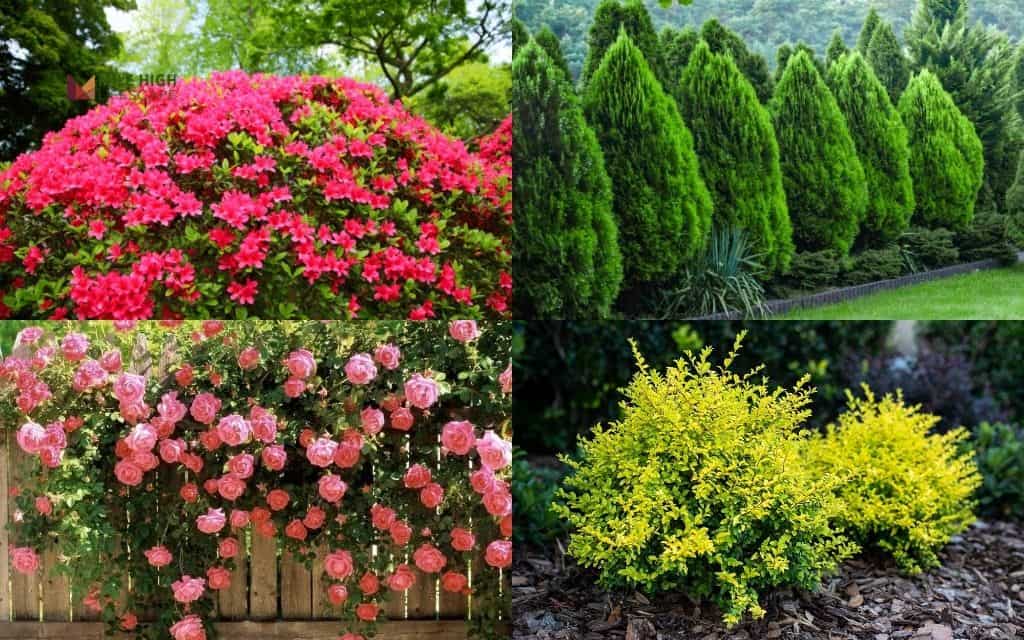
- Lilac: One of Colorado’s most beloved spring bloomers, lilacs set their flower buds on old wood. That means trimming must happen right after bloom, never in fall or early spring, or you risk losing next year’s flowers entirely.
- Hydrangea: Denver gardens are home to multiple hydrangea varieties, each with different pruning rules. Smooth and panicle hydrangeas bloom on new wood and can be cut back in late winter or early spring, while bigleaf types bloom on old wood and need a lighter hand.
- Spirea: A versatile, fast-growing shrub that responds beautifully to a hard cut after its first spring bloom. A second lighter trim in midsummer encourages a fresh flush of color through fall.
Evergreen shrubs
Evergreen shrubs form the structural backbone of most Denver landscapes. They provide year-round color, windbreak, and privacy even when temperatures drop and deciduous plants go dormant.
Our landscaping trimming bushes service includes these popular evergreens:
- Juniper: Junipers grow steadily and need selective thinning rather than flat shearing to maintain a natural, healthy shape. We remove dead interior wood and control spread without exposing bare stems.
- Boxwood: A classic choice for formal hedges, defined borders, and geometric accent shapes. Denver boxwood benefits from light trims in late spring and again in late summer to maintain clean lines and encourage dense growth.
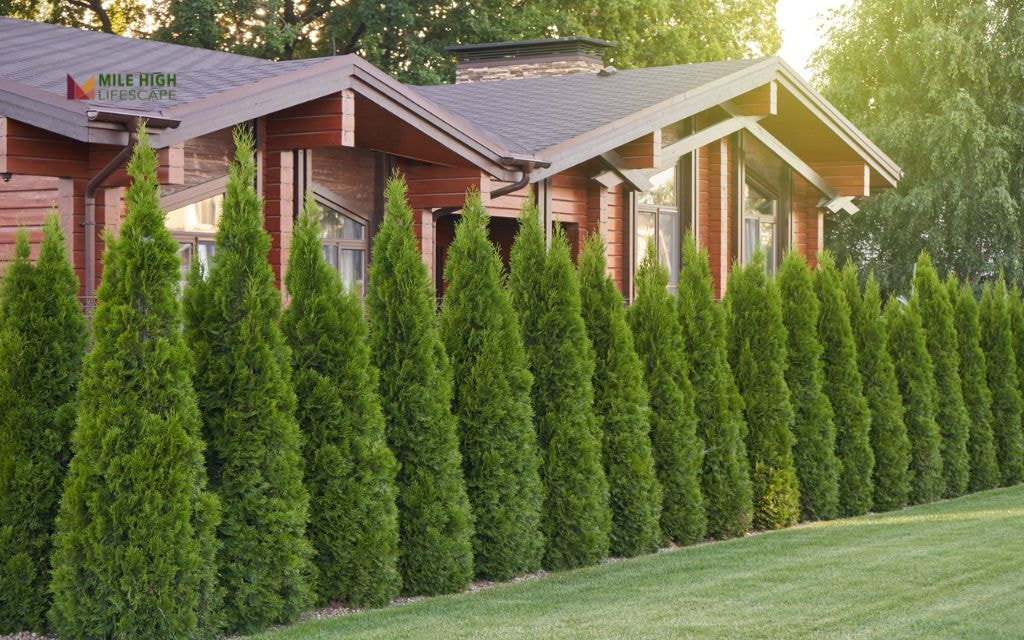
- Arborvitae: Widely used as privacy screens and windbreaks along property lines. Arborvitae require careful timing – trimming too late in the season can expose new growth to early freezes.
Ornamental bushes
Ornamental bushes bring personality, structure, and visual interest to Denver landscapes in ways that trees and perennials often cannot. They also tend to grow quickly and need consistent attention to stay looking intentional rather than overgrown.
Our ornamental bush trimming covers:
- Rose bushes: Hybrid teas, shrub roses, and climbing varieties each have different pruning needs, but all benefit from deadheading during the season and a thoughtful late-winter cut to encourage strong new canes.
- Decorative hedges: Whether you have a tightly clipped boxwood border, a mixed evergreen screen, or a natural-style native hedge, we trim for clean, defined lines that reinforce your landscape design without sacrificing plant health.
- Landscape accents: Feature shrubs that anchor a bed, frame a focal point, or add seasonal drama deserve precise, careful trimming that keeps them looking exactly as designed.
Xeriscape plants
Denver’s semi-arid climate makes xeriscape landscaping one of the smartest design choices a homeowner can make. Drought-tolerant shrubs and native Colorado plants use far less water than traditional landscaping and thrive in the city’s wide temperature swings.
But “low maintenance” does not mean “no maintenance.” Xeriscape plants still need periodic trimming to stay healthy, promote airflow, and look their best.
Our xeriscape trimming service includes:
- Drought-tolerant shrubs: Plants like Apache plume, fernbush, and rabbitbrush are prized for their resilience, but they can become leggy and sparse without occasional rejuvenation pruning. We remove old and woody stems to encourage fresh, dense new growth.
- Native Colorado plants: Species like Colorado native currants, mountain mahogany, and native serviceberry thrive with minimal intervention, but benefit from light seasonal shaping that maintains their natural form and supports wildlife habitat value.
Bush Trimming in Denver: How Much Does It Cost?
Understanding local pricing helps you budget appropriately for professional bush trimming services in Denver.
| Service Type | Average Denver Cost | Notes |
| Small bushes (1-3 ft) | $15-30 per bush | Basic shaping, includes cleanup |
| Medium bushes (3-6 ft) | $30-55 per bush | More detailed work, debris removal |
| Large shrubs/hedges | $65-120+ | May be priced per linear foot |
| Hourly rates | $65-95/hour | Common for extensive projects |
Several factors impact your final cost: The size and number of bushes determine baseline pricing, while accessibility issues (like bushes against fences or buildings) increase labor time.
Severely overgrown shrubs requiring corrective pruning cost more than regularly maintained plants. Many Denver companies offer package discounts when combining trimming with other lawn maintenance services.
Most professional estimates include debris removal, though some companies charge extra for hauling away larger amounts of waste. Request a detailed breakdown of services included in your quote.
Bush Trimming Services from Mile High Lifescape
Mile High Lifescape delivers comprehensive bush trimming services tailored to Denver’s unique growing conditions. Our approach combines technical expertise with an understanding of design principles to create beautiful, healthy landscapes.
Our signature bush trimming service includes multiple specialized approaches based on your specific plants and landscape goals:
Aesthetic Trimming and Shaping
We create clean, defined forms that complement your landscape design while preserving each plant’s natural growth habit. Our technicians understand the architectural principles behind proper shaping—maintaining appropriate proportions while creating visual interest.
Health-Focused Structural Pruning
Beyond appearance, we address the internal structure of each shrub. This includes removing crossing, rubbing, and inward-growing branches that compromise plant health. We eliminate water sprouts, suckers, and deadwood that divert energy from productive growth.
Species-Specific Techniques
Different shrubs require different approaches. Our team applies specialized knowledge to each plant variety:
- For flowering shrubs like lilacs and forsythia, we time cuts to preserve next season’s blooms
- For broadleaf evergreens like boxwood and euonymus, we implement precise shearing that maintains dense outer growth
- For conifers like junipers and arborvitae, we use selective thinning that preserves their natural form
Rejuvenation Services
For neglected or severely overgrown shrubs, we offer staged rejuvenation pruning. This process gradually restores plant health and appearance without the shock of removing too much foliage at once. Over 2-3 seasons, we can transform even the most neglected shrubs into landscape assets.
Complete Cleanup and Disposal
Every trimming service includes thorough debris removal, leaving your property pristine. We offer options for sustainable disposal including on-site chipping for mulch or complete haul-away.
Seasonal Programs
For optimal results, we create customized maintenance schedules aligned with Denver’s climate and your specific plant varieties. These programs ensure each bush receives attention at its ideal growth phase.
Integrated Pest Management
During trimming, our technicians inspect for signs of disease or insect issues. Early identification allows for targeted intervention before problems spread throughout your landscape.
Mile High Lifescape also offers bush trimming as part of comprehensive landscape packages that may include fertilization, mulching, lawn care, and irrigation maintenance—creating a cohesive approach to property care.
What Sets Mile High Lifescape Apart
When choosing a bush trimming service in Denver, you deserve the best. Here’s why homeowners throughout the Denver metro area trust Mile High Lifescape with their landscape maintenance:
Denver-Specific Expertise
Mile High Lifescape brings nearly two decades of Denver landscaping experience to every property we service. Our team undergoes continuous training in proper trimming techniques for Colorado’s native and adapted shrub varieties.
This specialized knowledge ensures we understand the growth patterns of local plants like Rocky Mountain juniper, serviceberry, and native sage – species that respond differently to trimming than their counterparts in other regions.
Microclimate Adaptation
We recognize the unique challenges of Denver’s climate zones and microclimates. From the wind-exposed areas of Highlands to the sheltered neighborhoods of Washington Park, we adjust our approaches accordingly.
Our expertise extends to elevation-specific considerations, as trimming timing changes significantly between Denver’s foothills properties and those in lower-lying areas.
Technical Excellence
Our certified horticulturists oversee all trimming operations, ensuring technically correct cuts that promote healing and minimize disease entry points.
We use sterilized, commercial-grade equipment appropriate for each plant type – from precision hand pruners for ornamental specimens to specialized hedge trimmers for formal borders.
Integrated Plant Health Management
Mile High Lifescape maintains a comprehensive plant health program integrated with our trimming services.
We identify nutrient deficiencies, disease susceptibility, and structural weaknesses that typical trimming services might miss. This proactive approach prevents problems before they develop, saving you time and money.

Transparent Communication
Our team provides transparent pricing with detailed estimates showing exactly what work will be performed. Unlike companies that offer vague “bush trimming” line items, our proposals specify the techniques, extent, and expected outcomes for each plant group on your property. This clarity eliminates surprises and ensures alignment with your landscape vision.
Quality-Focused Approach
We prioritize plant health over unnecessarily aggressive cutting. While some services focus on quick trimming, we take time to make cuts that promote long-term structural integrity.
Our scheduling system ensures on-time arrival within the promised window, respecting your time and allowing you to plan your day confidently.
Complete Service Experience
Every trimming project concludes with thorough cleanup – no debris left behind. Our teams use tarps and specialized collection systems to prevent trimmings from damaging lawns or entering beds.
We also offer convenient service bundles combining bush trimming with complementary services like fertilization, mulching, or irrigation adjustments for comprehensive landscape care.
Our bush trimming process
At Mile High Lifescape, every bush trimming job in Denver follows a structured, plant-safe methodology designed to protect long-term plant health while delivering the clean, defined results you want to see.
Here is exactly what to expect when our team arrives at your property.
Step 1: Inspection & assessment
Before a single cut is made, our crew takes time to walk your landscape and evaluate each plant individually. This step is the foundation of responsible shrub care and separates professional results from a rushed trim job.
During our initial assessment, we:
- Evaluate plant type and condition: identifying the specific species, its current growth stage, and any signs of pest damage, disease, drought stress, or structural problems.
- Identify dead, damaged, or overgrown areas: noting which branches need to be removed for health reasons, which growth is simply cosmetic, and where rejuvenation pruning may be needed to revive an older or neglected shrub.
Step 2: Strategic pruning plan
With the assessment complete, our team determines the best trimming approach for every plant on your property.
Our planning phase includes:
- Determining the correct trimming method: whether that means light shaping, corrective thinning, deadheading, hard rejuvenation pruning, or a combination of techniques depending on the plant’s species, age, and condition.
- Planning based on season and bloom cycle: ensuring we never trim a spring bloomer in the wrong window, never expose new growth before a late-season frost risk, and always time cuts to maximize the plant’s recovery and blooming ability.
Step 3: Precision trimming
With the plan in place, our crew moves into the hands-on trimming phase. Our precision trimming includes:
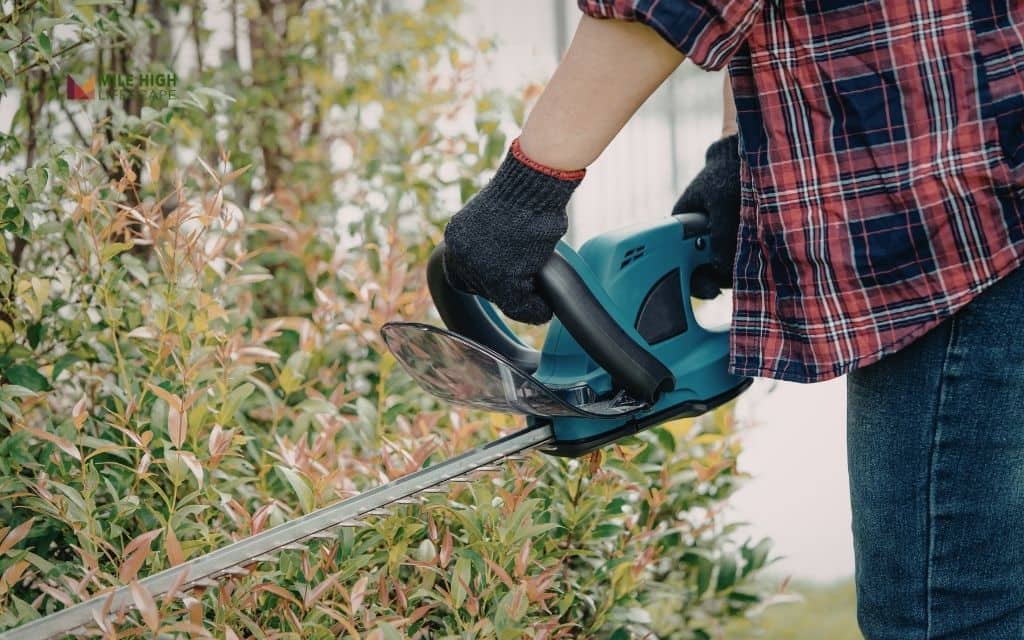
- Using proper tools for clean cuts: hand pruners for stems under half an inch, loppers for medium branches, and professional-grade hedge trimmers for shaped evergreen hedges. Clean, sharp tools make cuts that heal quickly and reduce disease entry points.
- Applying thinning and shaping techniques: thinning cuts remove branches back to a lateral or the main stem to improve airflow and light penetration, while heading cuts control size and encourage bushy new growth. We choose the right technique based on each plant’s needs.
Step 4: Cleanup & finishing
Thorough cleanup is part of what you hire us for, and it is part of what sets Mile High Lifescape apart from a basic yard maintenance crew.
Our cleanup includes:
- Removing all debris: we collect all clippings, branches, and leaf litter from your beds, lawn, and paved surfaces. Nothing is left behind for you to bag and haul away.
- Leaving clean, defined edges: after trimming, we ensure the edges around your shrub beds are sharp and tidy, reinforcing the design lines of your landscape and making the whole yard look finished, not just worked on.
Step 5: Ongoing care recommendations
The last thing we do before leaving your property is set you up for success between visits. Our team shares plant-specific guidance so you know exactly how to support your shrubs after their trim.
Our care recommendations include:
- Watering and maintenance tips: We walk you through what to watch for and how to adjust your watering schedule based on the season and what was trimmed.
- Seasonal trimming guidance: we let you know the ideal time to schedule your next bush trimming appointment, based on the specific plants in your yard and how Denver’s seasonal calendar affects their growth.
Projects by Mile High Lifescape: Trimming Transformations
See how our professional bush trimming services have transformed Denver properties. These case studies showcase our expertise and the remarkable results we achieve for our clients.
Front Yard Formal Hedge in Cherry Creek
- Challenge: Overgrown boxwood hedge blocking walkway and home entrance with uneven growth and bare patches.
- Solution: Precision trimming to reduce width while maintaining height, selective pruning to encourage fuller growth, and strategic shaping to create clean architectural lines.
- Result: Restored symmetry and formal appearance with improved pathway visibility and enhanced curb appeal that complemented the home’s architectural style.
“Mile High Lifescape rescued our overgrown boxwood hedge that had become a hazard along our walkway. Their precision cutting preserved privacy while creating clean edges and improving access. Unlike previous services that left bare patches, their approach maintained full coverage while reducing width by 6+ inches. The hedge now thrives with improved density and color.” – Margaret S.

Flowering Shrub Rehab in Capitol Hill
- Challenge: Historic property with mature lilacs and hydrangeas producing few blooms, with leggy growth and poor form after years of improper pruning.
- Solution: Strategic post-bloom thinning, removal of oldest stems to encourage new growth, and structural pruning to improve plant architecture.
- Result: Dramatically increased bloom production the following season, improved plant shape, and restored the historic character of the property’s landscape.
“After years of disappointing blooms from our lilacs and hydrangeas, I hired Mile High Lifescape. Their targeted pruning approach initially looked aggressive, but they explained each cut’s purpose. The transformation has been remarkable – this spring produced more blooms than ever before. Their knowledge of flowering cycles clearly sets them apart from typical yard services.” – David K.
Privacy Hedge Refresh in Washington Park
- Challenge: A row of overgrown juniper and arborvitae had become leggy and patchy, compromising both privacy and appearance after years of neglect.
- Solution: Selective deep trimming and rejuvenation pruning performed in early spring, removing dead interior branches, and applying mulch to promote regrowth.
- Result: The hedge regained fullness and uniform shape within the season, restoring both privacy and curb appeal while preparing it for long-term health.
“Other companies recommended complete removal and replacement of my deteriorating privacy hedge. Mile High Lifescape suggested phased rejuvenation instead. Within one growing season, new growth filled in beautifully, and the hedge regained both density and uniform appearance. Their approach saved me thousands in replacement costs while preserving my mature landscape.” – Jennifer T
Conclusion
Regular bush trimming transforms your Denver landscape from merely acceptable to truly exceptional. Beyond appearance, proper trimming promotes plant health, longevity, and performance in our challenging mountain climate.
Whether you tackle trimming yourself or partner with Mile High Lifescape’s professionals, consistency delivers the best results. Our team brings specialized knowledge of Denver’s growing conditions, proper timing, and plant-specific techniques to every property we serve.
Don’t wait until your bushes become overgrown or problematic. Contact Mile High Lifescape today for a free bush trimming assessment and quote. Our expert team will develop a customized maintenance plan that keeps your landscape looking its best year-round.
Frequently Asked Questions (FAQs)
How much does it cost to have someone trim your bushes in Denver?
Professional bush trimming in Denver typically costs $15-30 per small bush, $30-55 for medium bushes, and $65+ for large shrubs or formal hedges. Most projects range from $150-500 depending on property size and number of plants.
When should I trim my bushes in Colorado?
The optimal time depends on your shrub type. Spring-flowering shrubs should be trimmed immediately after blooming. Summer-flowering varieties benefit from late winter/early spring trimming. Evergreens respond best to early summer or early fall trimming.
What month should you trim bushes?
In Denver, most deciduous shrubs benefit from trimming in March-April (before growth begins) or November (after leaf drop). Flowering shrubs should be trimmed right after their blooming period ends.
What is the 1/3 rule for pruning shrubs?
Never remove more than one-third of a bush’s total growth in a single trimming session. This prevents shock and excessive stress. For severely overgrown bushes, spread major reduction over multiple seasons.
Is it okay to trim bushes in the summer in Denver?
Light maintenance trimming is acceptable during summer, but avoid heavy pruning during July-August when heat stress impacts plants. Early morning trimming minimizes stress during summer maintenance.
What is the difference between pruning and trimming bushes?
Trimming focuses on shaping and controlling the size of a bush. It keeps plants looking neat and tidy. Pruning goes deeper, removing dead, diseased, or structurally problematic branches to improve the plant’s overall health and growth. In short: trimming is for appearance, pruning is for plant health.