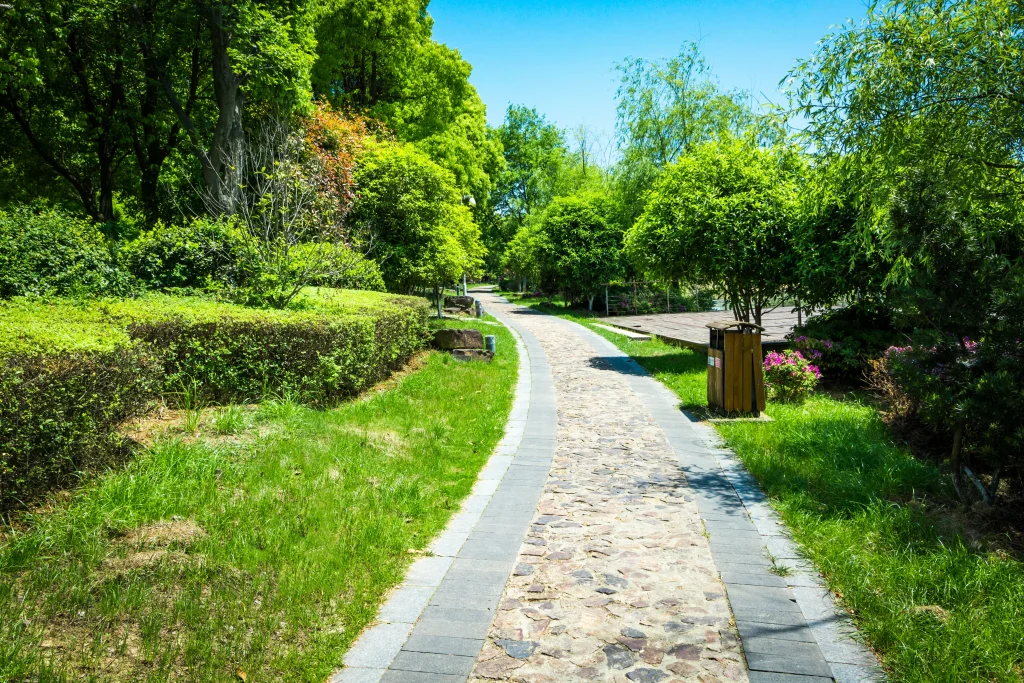
Having a small yard does not mean settling for a dull or cramped outdoor space. In fact, with intentional small yard landscape design, a compact yard can be just as stunning than a sprawling estate. The secret lies in strategy: smart layout choices, the right plant selections, and a few features can transform even the tightest space into a retreat you are proud to show off.
Whether you are working with a narrow side yard, a petite backyard, or a compact front entry, this guide walks you through 19 ideas that work. These are practical, visually appealing, and tailored to real homeowners who want results.
Why small yards can look better than large ones
It may sound counterintuitive, but smaller yards often produce more cohesive, refined designs than large ones. When every square foot matters, there is less room for clutter, mismatched choices, or wasted space.
A well-designed small yard can feel:
- More intentional and purpose-driven
- Easier and less costly to maintain
- Visually cohesive with a clear design theme
- More functional per square foot
With the right small yard landscape design, even limited space can feel open, stylish, and genuinely inviting.
19 small yard landscape design ideas
1. Create defined zones
One of the most effective strategies in small house landscape design is dividing the yard into distinct areas – a seating zone, a planting bed, and a clear walkway. Even in a tight layout, defined zones give the space structure and purpose. Use low hedges, edging, gravel bands, or a change in ground material to signal transitions between areas. When each zone has a clear role, the overall yard feels organized rather than chaotic.
2. Use curved pathways
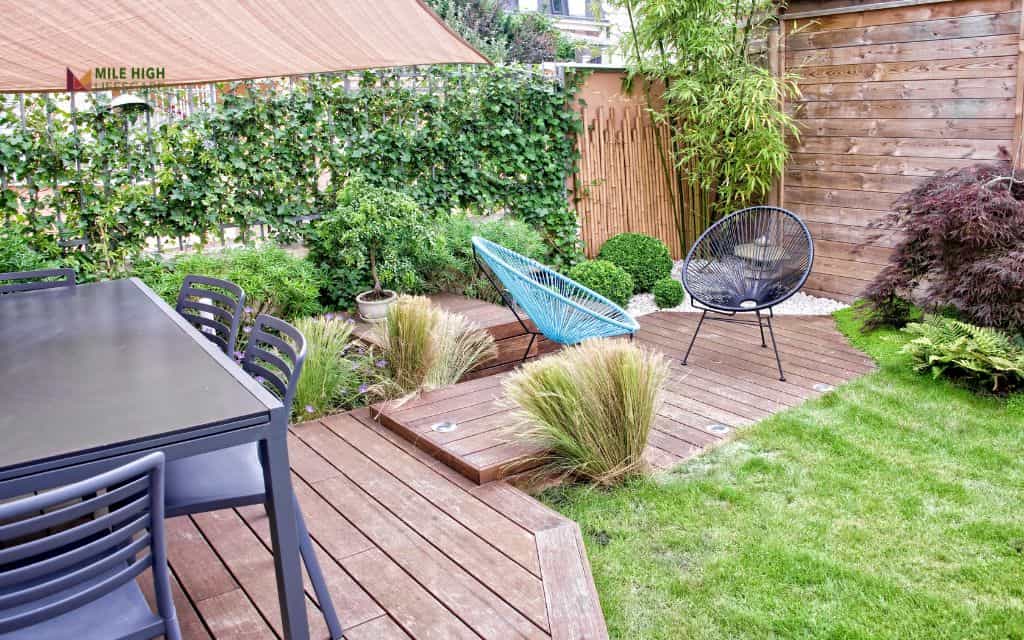
Straight lines emphasize the boundaries of a small space and can make it feel boxy. Gently curved pathways, on the other hand, draw the eye through the yard and create a sense of movement. The result is a space that feels larger than it actually is. Pair a curved stepping stone path with low-growing plantings along the edges to soften the overall look and reinforce that flowing, natural feel.
3. Add a central focal point
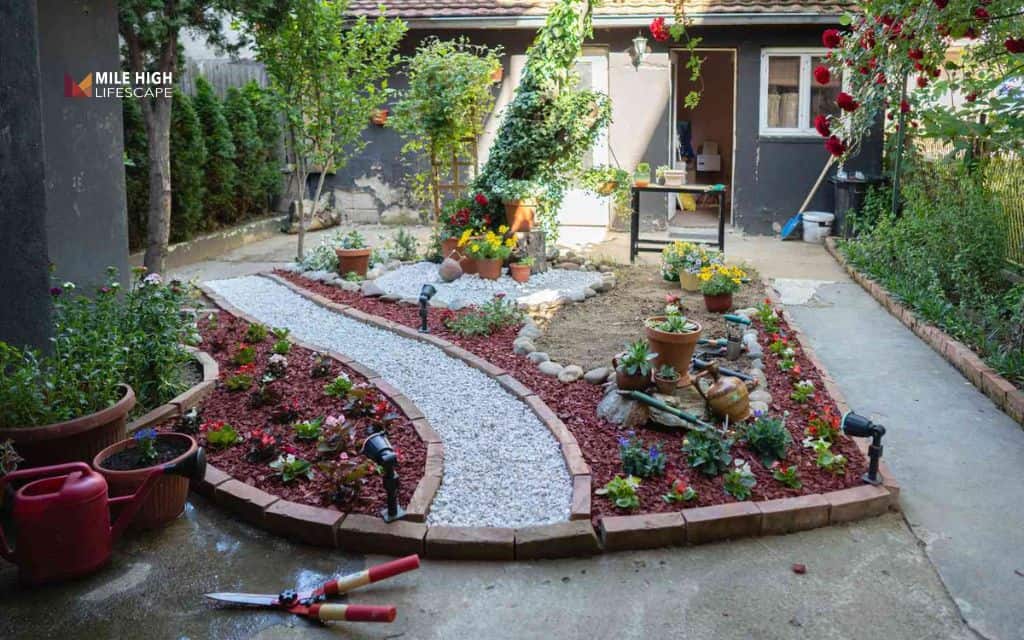
Every compelling landscape – large or small – benefits from a single dominant feature that anchors the design. In a small yard, that focal point might be a compact ornamental tree, a small fire pit, a birdbath, or a simple water feature.
The key is selecting one statement element and designing the rest of the yard around it. This prevents visual clutter while giving guests (and you) something beautiful to look at immediately.
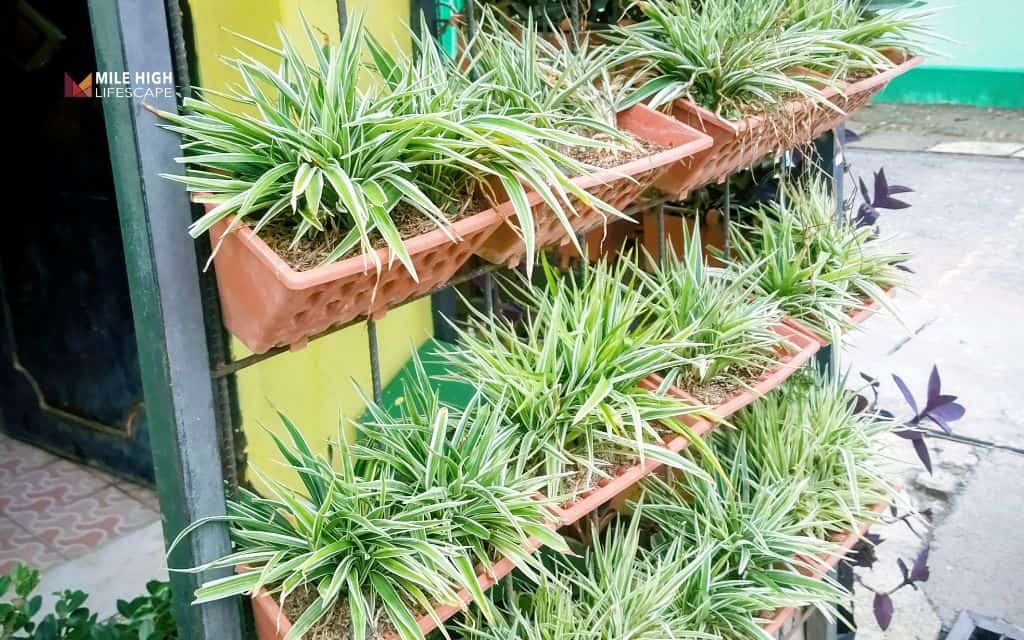
4. Go vertical with plants
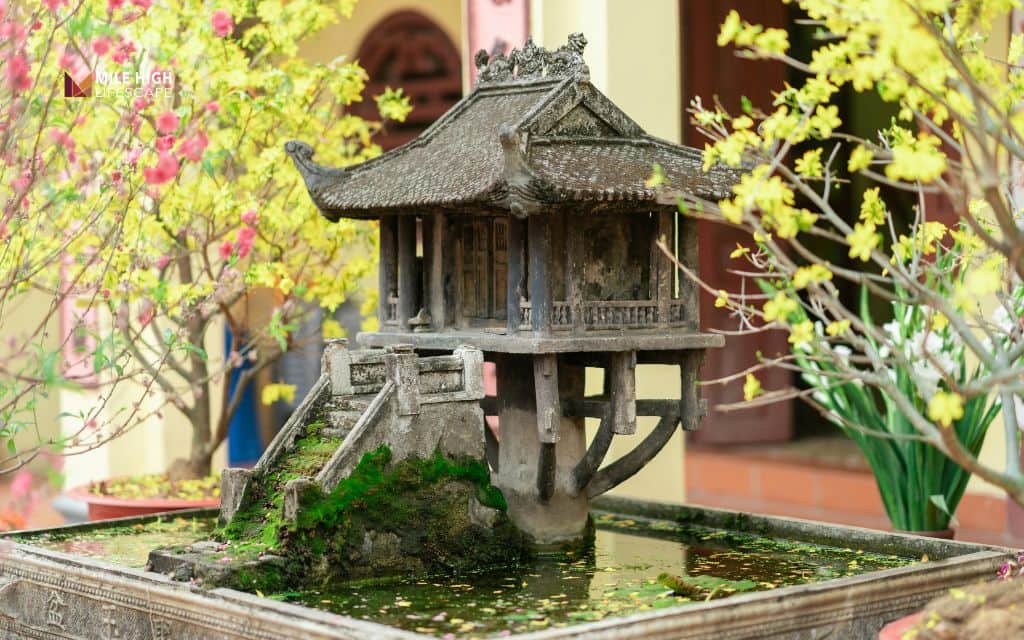
When horizontal space runs out, the solution is to go up. Vertical planting is one of the smartest tools in landscape design for small houses. Trellises covered in climbing vines, wall-mounted planters, and tall ornamental grasses all add height without consuming floor space. Vertical layers also add privacy – a significant bonus in close-quarters neighborhoods where small house landscape ideas need to balance openness with seclusion.
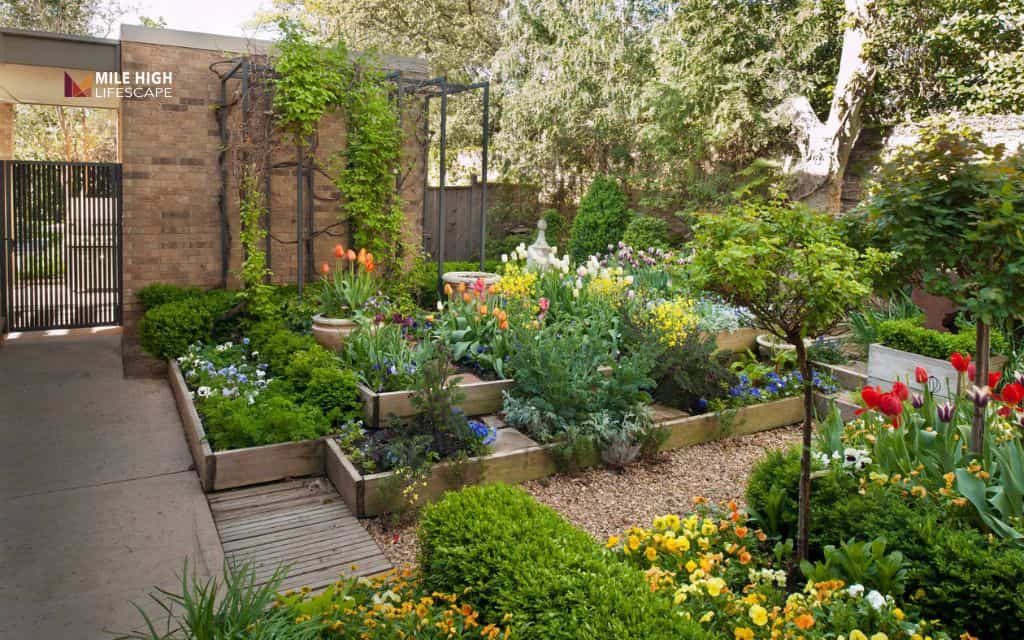
5. Layer heights (low to mid to tall)
Layering plant heights – from ground-level perennials at the front to mid-sized shrubs in the middle and taller specimens at the back – creates depth and dimension that makes a compact yard look professionally designed. This tiered effect mimics how plants grow in nature, which gives the space an organic, lived-in quality. It also ensures that every plant is visible and contributes to the overall composition.
6. Use the “5-plant rule”
Limiting yourself to 5 or fewer plant varieties throughout the yard creates a clean, cohesive look that feels intentional rather than random. This constraint is effective in small spaces where overcrowding is a constant risk. Choose your 5 plants based on seasonal interest, varying textures, and complementary colors, then repeat them throughout the design for unity.
Read more: https://milehighlifescape.com/large-backyard-landscaping-ideas/
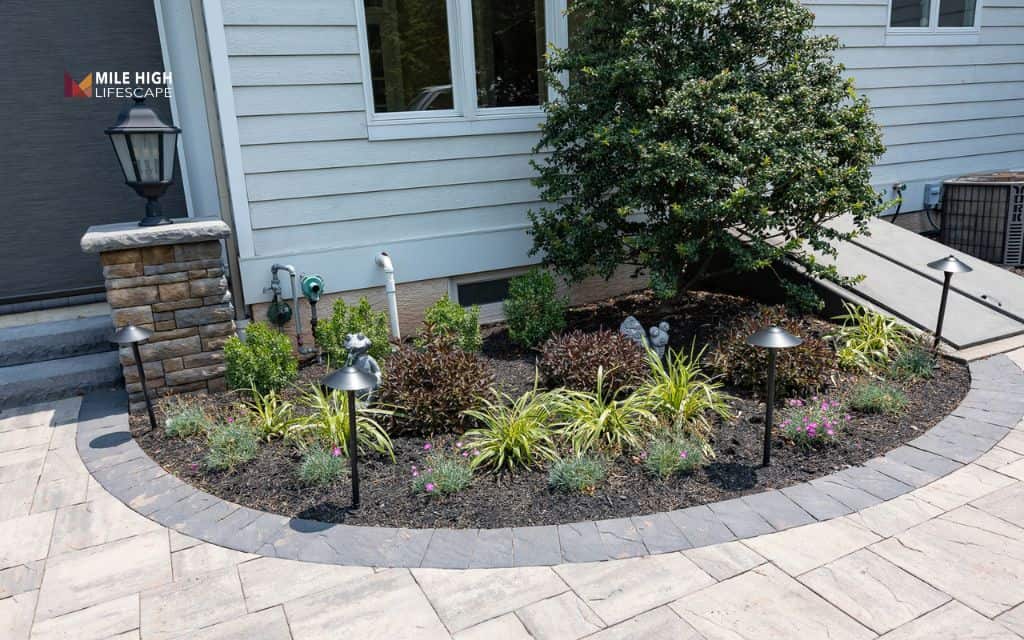
7. Choose compact or dwarf plants
Full-sized trees and large shrubs can quickly overwhelm a small yard, blocking light and consuming root space. Dwarf and compact varieties deliver the same visual appeal without the aggressive growth habit. Look for dwarf conifers, compact flowering shrubs, and miniature ornamental trees that are specifically bred for small home landscape design.
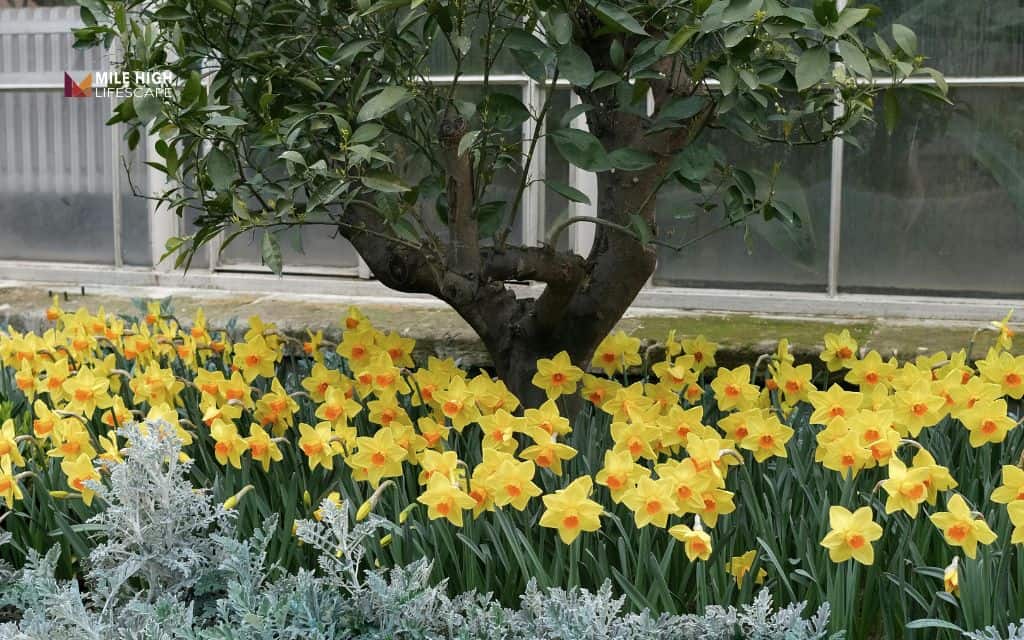
8. Repeat plants for rhythm
Repetition is a core principle of good design. When you plant the same species at regular intervals throughout the yard (along a border, flanking a path, or echoed across planting beds), it creates a visual rhythm that ties the space together. This is effective in small front yard landscape design, where a sense of order and balance significantly boosts curb appeal.
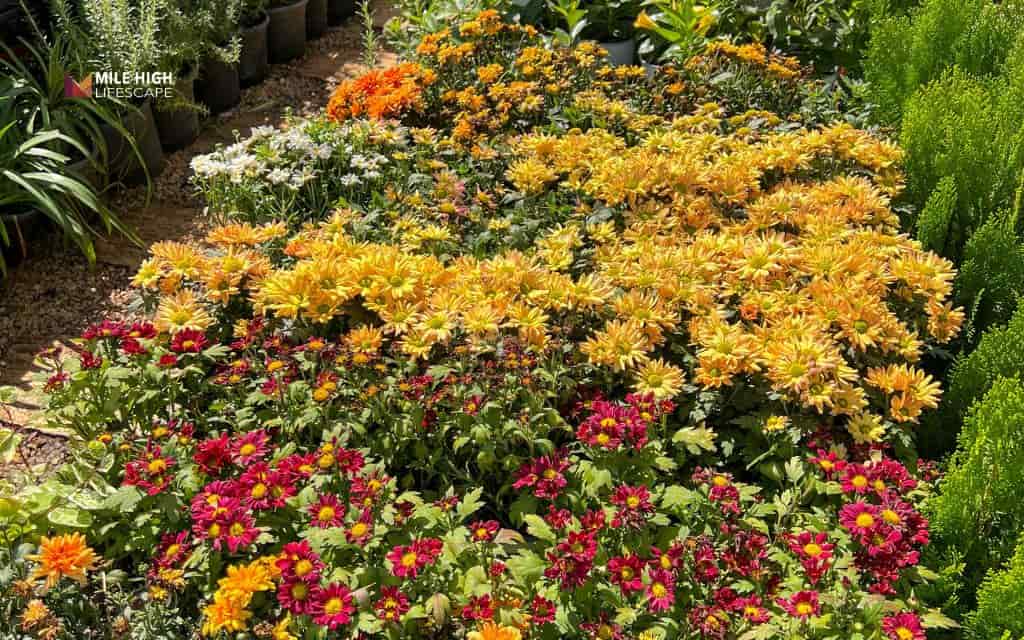
9. Mix evergreens and seasonal color
An all-season landscape does not happen by accident. Combining evergreen plants with plants that offer seasonal blooms, fall color, or interesting winter texture ensures your small yard always has something attractive going on. In Colorado’s climate, this balance is especially important given the contrast between warm summers and cold, dry winters.
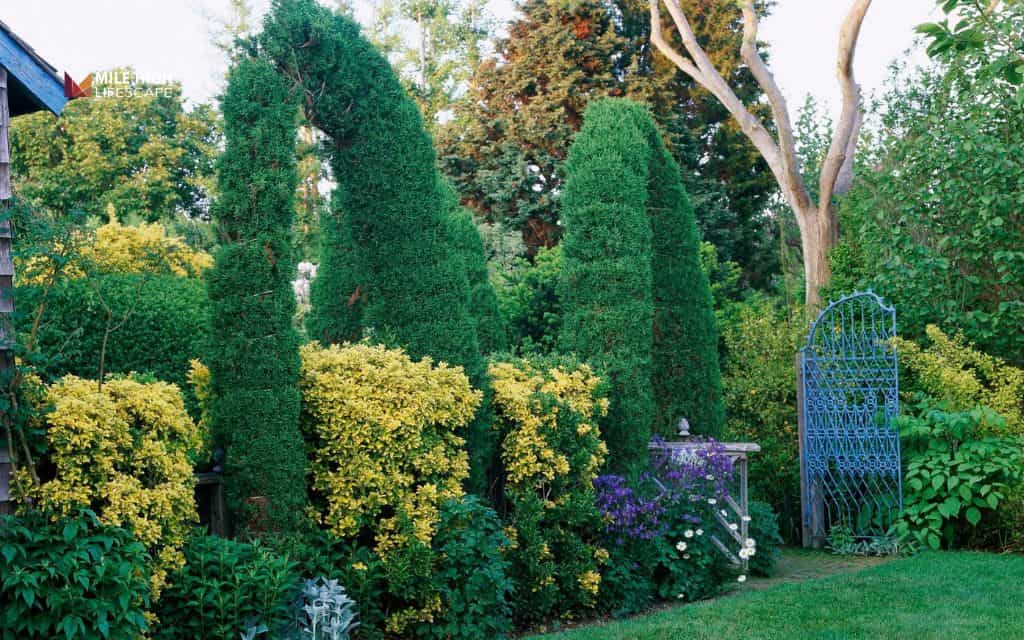
10. Add container gardens
Containers are one of the most flexible tools available for small front porch landscape ideas and compact backyards alike. Pots and planters can be moved, swapped out seasonally, and arranged to fill gaps in your design.
They work on patios, along paths, at entryways, and on front porches and require no permanent planting space. Grouping containers in odd numbers with varying heights creates a layered, curated look.
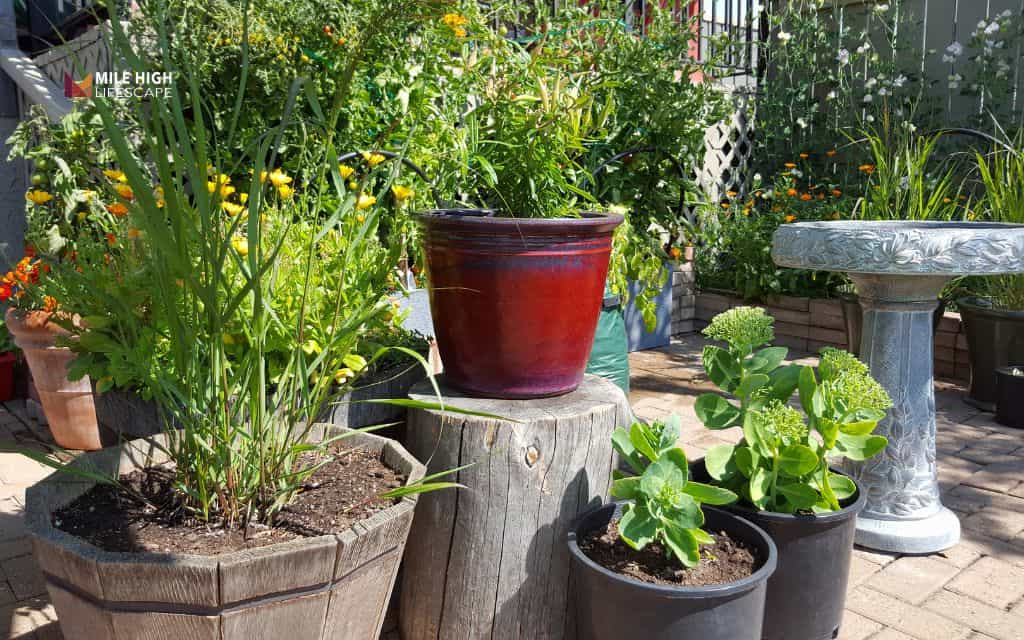
11. Simple front yard landscape with clean lines
Sometimes the best approach to simple front yard landscape ideas is a commitment to simplicity itself. A clean-lined design with sharp edging, a neat lawn panel or gravel bed, and 2 or 3 well-chosen plants makes a powerful first impression.
This approach works well for modern small front yard landscape design and more traditional home styles – the key is precision in execution. Crisp borders and well-maintained planting beds signal pride of ownership without requiring complex plant combinations.
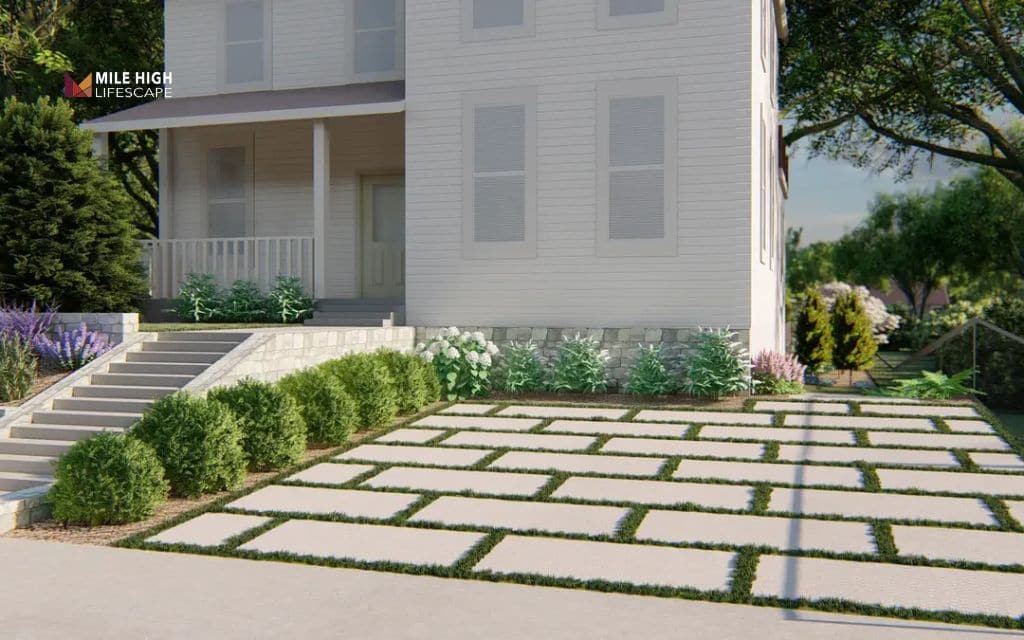
12. Modern small front yard design
Modern landscape designs for small front yards lean on clean geometry, restrained plant palettes, and low-maintenance materials. Decomposed granite or pea gravel as a ground cover, paired with architectural plants like ornamental grasses and upright evergreens, delivers a sleek, contemporary look. Metal edging, concrete pavers, and dark mulch reinforce the modern aesthetic. This style is especially popular in Denver neighborhoods where water-conscious landscaping is a priority.
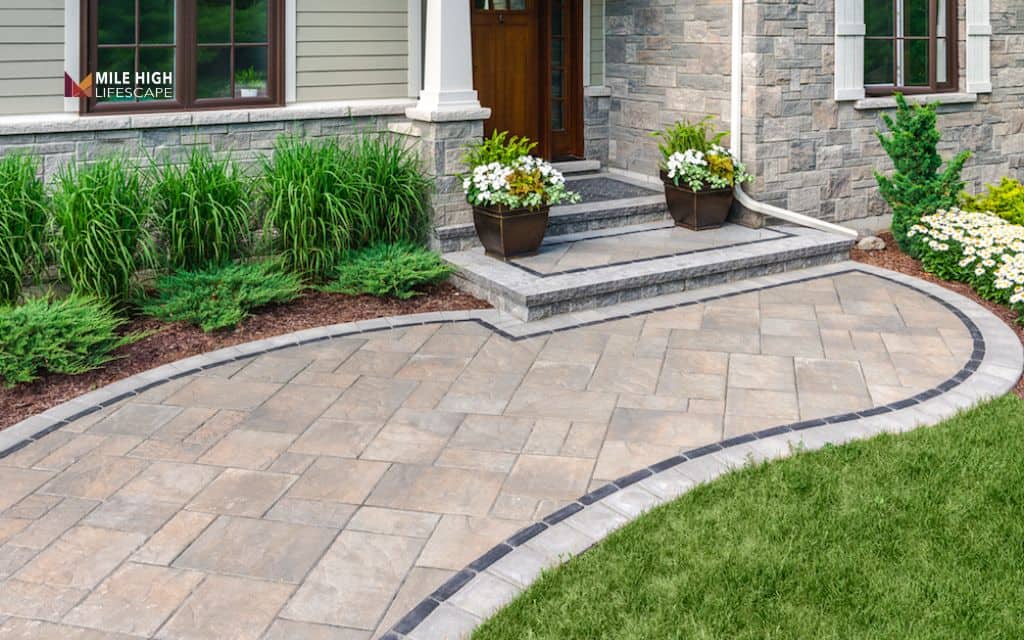
13. Front porch landscape upgrade
The entryway is the first thing visitors notice, making front porch landscape ideas a high-impact upgrade for small homes. Frame your front door with symmetrical plantings – a matching pair of container plants, low hedges, or small ornamental trees on either side of the walkway.
Add edging along the path, a few ground-level perennials for color, and landscape lighting to create a welcoming front of home landscape that looks polished day and night.
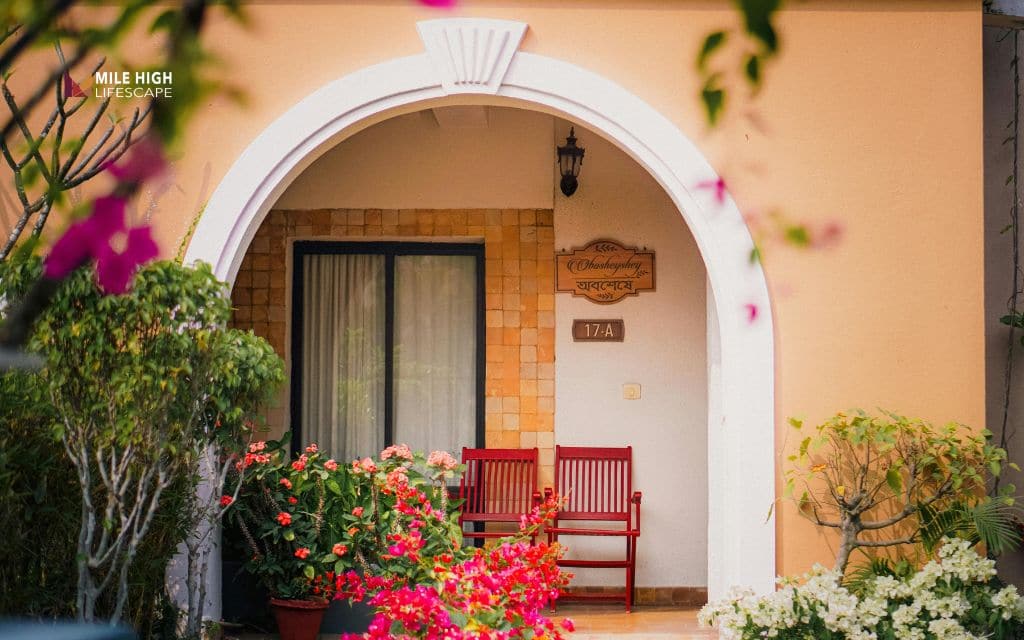
14. Small lawn and plant border combo
Many homeowners want a small patch of lawn for pets, kids, or simply the visual warmth it provides but struggle to balance green space with planting beds. The solution is to keep the lawn compact and defined, then border it with planting beds on 2 or 3 sides.
This combination of turf and border planting is one of the most classic small front yard landscape design ideas, and it works because it offers both open space and plantings without sacrificing either.
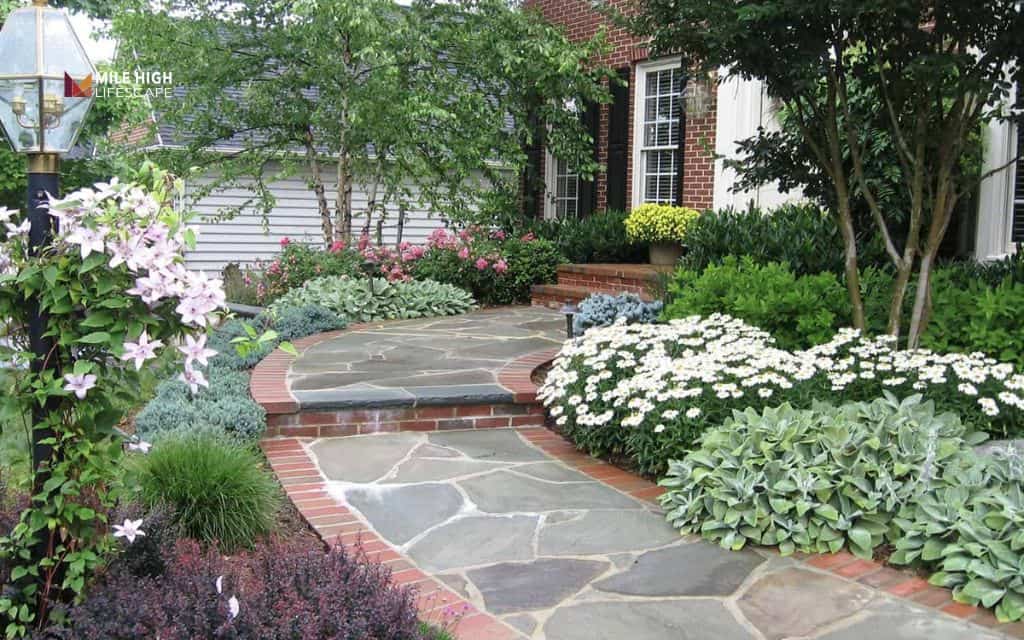
15. Low-maintenance front yard design
For homeowners who want a great-looking small front house landscape but do not want to spend every weekend maintaining it, the answer is a rock-and-native plant combination.
Replace thirsty turf with decorative rock or mulch, choose drought-tolerant plants, and add simple edging to keep everything tidy. This approach reduces watering needs and weeding time while still delivering excellent curb appeal.
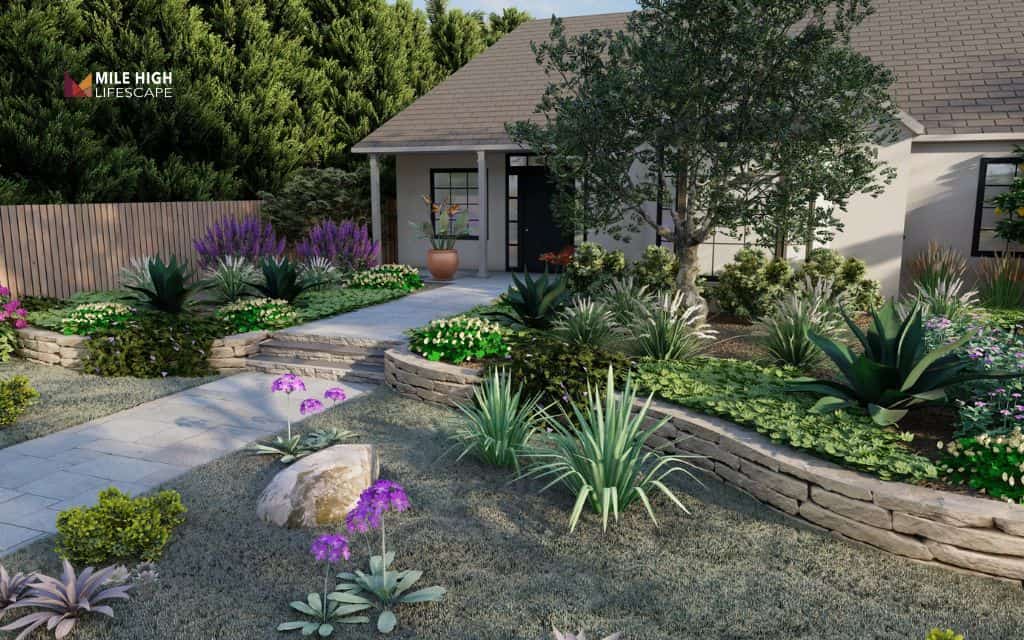
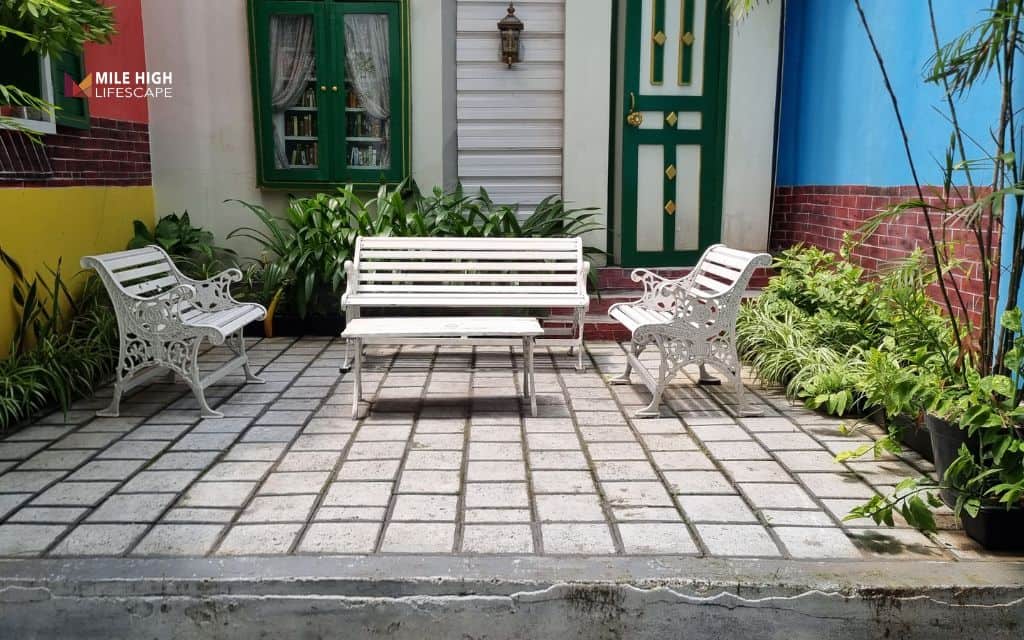
16. Add a small patio or seating area
Even the smallest yard benefits from a dedicated outdoor living space. A compact patio creates a defined area for furniture, entertaining, and daily use. This functional upgrade is one of the most impactful investments in small yard landscape design because it gives the space a clear purpose and makes outdoor time more enjoyable. Keep the patio proportionate to the yard and leave room for planting on at least 1 or 2 sides.
17. Use stepping stone paths
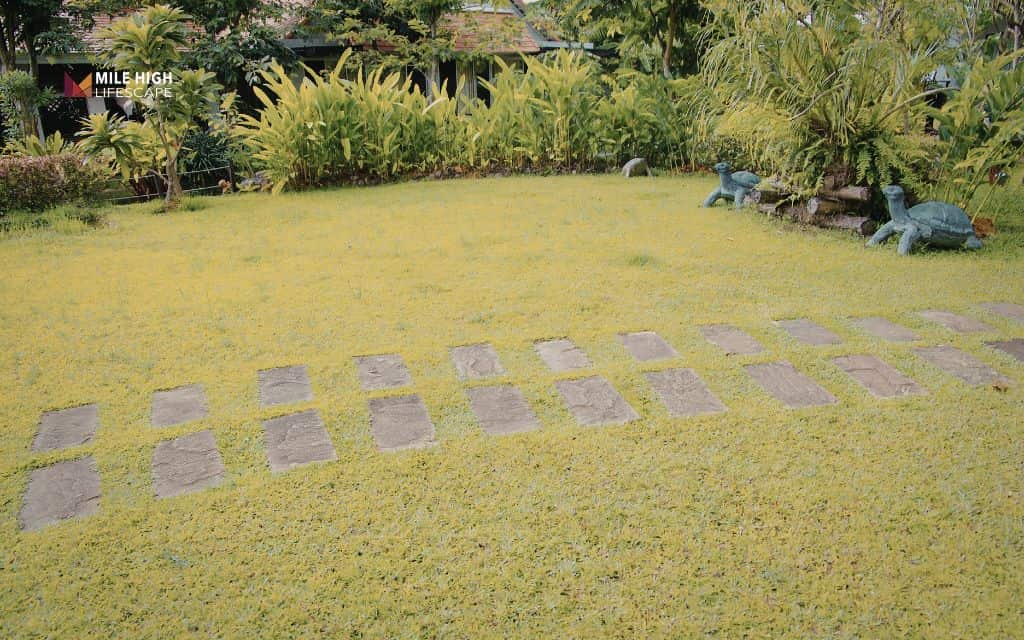
Stepping stone paths improves circulation in a small yard without consuming large amounts of surface area. They guide visitors through the space, connect different zones, and add visual interest at ground level.
Choose stones that complement your home’s exterior such as natural flagstone for a traditional look, large square pavers for a modern feel, or irregular flat rocks for a casual garden aesthetic.
Planting low-growing groundcovers or moss between the stones softens the look beautifully.
18. Install landscape lighting
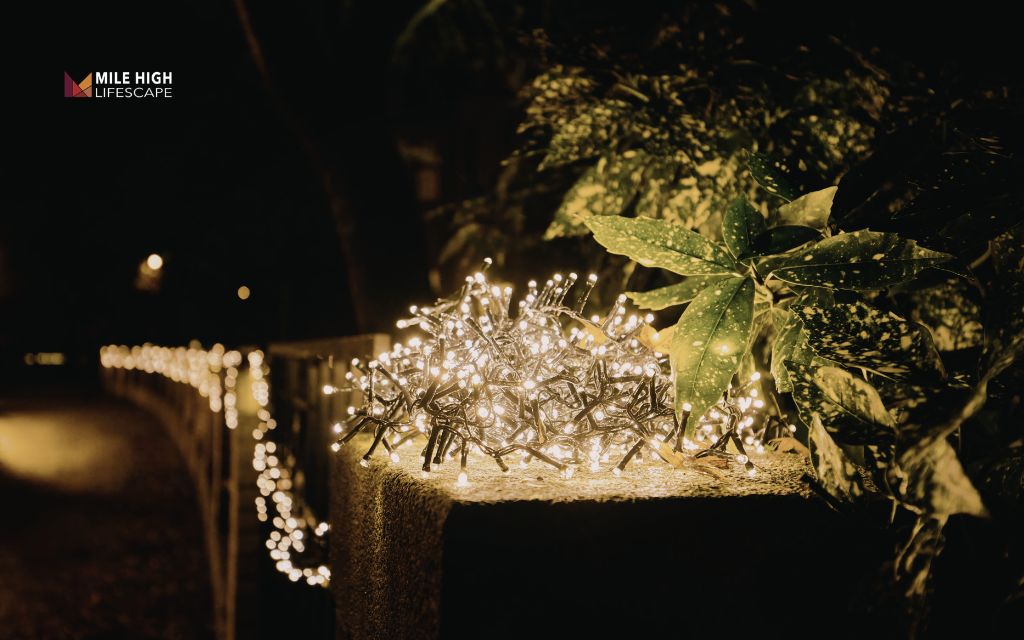
Landscape lighting extends the hours you can enjoy your yard and adds depth after dark. In a small space, strategic lighting can highlight architectural plants, illuminate pathways, and create visual layers that make the yard feel more expansive at night than it does during the day.
Solar path lights, low-voltage spotlights on key plants, and string lights over a seating area are all cost-effective options that make a dramatic difference in how the yard feels in the evening.
See more: 19 small yard landscape design ideas that turn tiny spaces into stunning outdoor retreats
19. Use mirrors or reflective surfaces
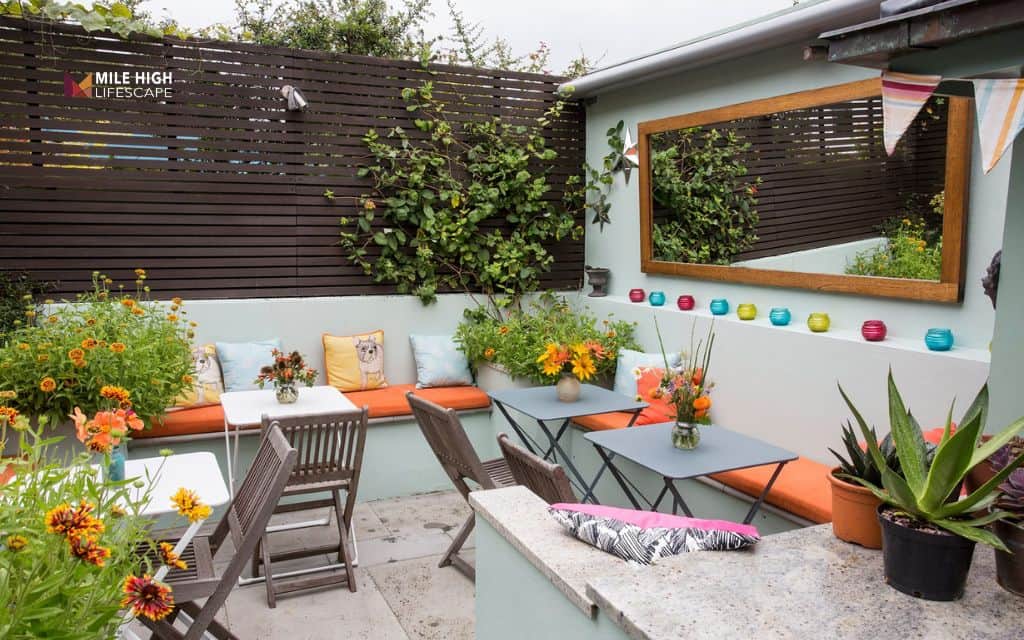
Outdoor-grade mirrors and reflective surfaces are a designer trick borrowed from interior design, and they work just as effectively in the garden. Placing a large mirror on a fence or wall doubles the perceived depth of the space and bounces light into shaded corners.
Reflective garden globes, metallic planters, and polished stone features achieve a similar effect on a smaller scale. This idea is useful in narrow side yards or walled garden spaces where the sense of confinement can be most pronounced.
See more: Peony landscape uses: How to plant for maximum curb appeal
Best plants for small yard landscape design
Choosing the right plants is as important as choosing the right layout. In a small space, every plant needs to earn its place, either through long seasonal interest, low maintenance requirements, or a specific design function like providing height, privacy, or ground cover.
Low-maintenance choices
These plants are reliable, attractive, and forgiving – ideal for homeowners who want great results without constant upkeep:
- Ornamental grasses: Add movement, texture, and year-round structure with minimal care
- Boxwood: Versatile evergreen shrub that holds its shape well and anchors formal or informal designs
- Lavender: Drought-tolerant, fragrant, and a favorite for simple front yard landscape ideas in sunny spots
- Dwarf shrubs: Compact versions of classic garden plants that offer seasonal interest without crowding the space
Vertical plants
When horizontal space is limited, vertical plants help you build a lush, layered landscape without sprawl:
- Climbing vines: Trained on trellises or fences, vines like clematis, honeysuckle, or Virginia creeper can fill a vertical wall with foliage and color
- Trellis plants: Any number of compact, upright growers can be trained onto simple structures to maximize height in minimal ground space
Statement plants
Every small yard benefits from at least one plant that commands attention:
- Small ornamental trees: A weeping Japanese maple, serviceberry, or dwarf crabapple provides a year-round focal point without overwhelming the space
- Feature shrubs: Bold, distinctly shaped shrubs like spirea, potentilla, or blue mist spirea add character and seasonal color to small house landscape ideas
Low-maintenance small yard design tips
A beautiful small yard should not require hours of weekly upkeep. Building low-maintenance principles into the design from the start saves time, money, and frustration in the long run. Here are four strategies that make a real difference:
- Use fewer plant varieties: A restrained palette is easier to care for and looks more intentional
- Choose drought-tolerant plants: Selecting species adapted to climate reduces watering needs significantly
- Install drip irrigation: A simple drip system ensures plants receive consistent moisture at the root level, reducing both overwatering and underwatering
- Use mulch or rock ground cover: A 2-to-3-inch layer of mulch or decorative rock suppresses weeds, retains soil moisture, and gives planting beds a finished appearance year-round
When to consider hiring a landscape designer
Many small yard landscape design projects are fully achievable as DIY endeavors but there are situations where professional expertise pays off significantly.
Consider bringing in a landscape designer if:
- Your space is very small or awkwardly shaped, making layout decisions difficult without professional planning tools
- You want a cohesive, long-term design plan that accounts for plant growth, seasonal changes, and future phases
- You are investing in hardscape features such as patios, retaining walls, or lighting systems that require proper installation to function well and look great
At Mile High Lifescape, we specialize in helping Denver-area homeowners create landscapes that are both beautiful and practical – regardless of how much space they are working with.
Our team can assess your yard, identify its strengths and challenges, and develop a design plan that fits your style, budget, and maintenance preferences.
Conclusion
Great small yard landscape design is not about how many square feet you have, it is about how wisely you use them. With the right layout principles, a plant palette, and even a handful of smart hardscape additions, any compact outdoor space can become something truly special.
Start with one or two ideas from this list that excite you most, execute them well, and build from there. You may be surprised how quickly a modest yard transforms when every design decision is purposeful.
If you need help getting started, Mile High Lifescape is here to turn your small front yard landscape design ideas into a finished landscape you will love.
Frequently asked questions (FAQs)
What is the best layout for a small yard landscape design?
The best layout for a small yard landscape design is one that creates clear zones for function, such as seating, planting, and pathways. Using curved lines, vertical elements, and a central focal point can make the space feel larger and more organized.
How can I make my small yard look bigger?
To make a small yard appear larger, use design tricks like vertical planting, layered heights, light-colored materials, and repeating plant patterns. Keeping the layout simple and avoiding overcrowding also helps create a more open, spacious feel.
What are the best low-maintenance plants for small yards?
Low-maintenance plants for small yards include ornamental grasses, boxwood, lavender, and dwarf shrubs. These plants require minimal care and work well in simple front yard landscape ideas and compact garden designs.
How much does small yard landscaping cost?
The cost of small yard landscaping varies depending on materials, plants, and labor. DIY projects like mulch, gravel paths, and container plants are budget-friendly, while professional designs or hardscape features will increase the overall cost.
What are some simple front yard landscape ideas for small homes?
Some popular simple front yard landscape ideas include clean edging, small plant borders, gravel or mulch beds, and a few well-placed focal plants. Keeping the design minimal and cohesive helps enhance curb appeal without overwhelming the space.