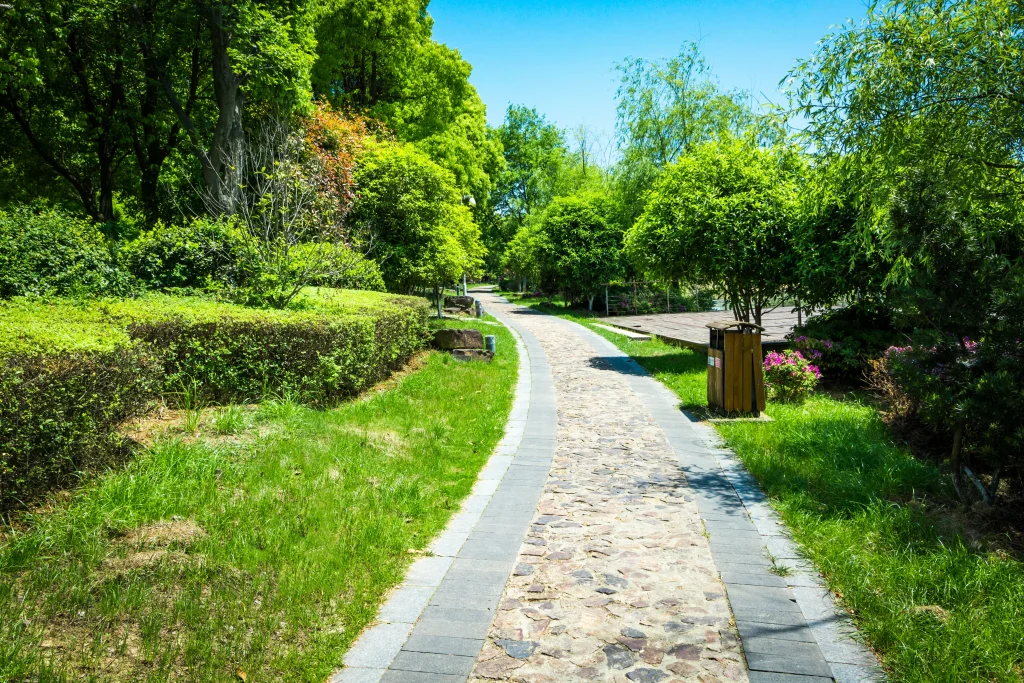
In simple terms, a drought resistant landscape is a yard or garden designed with water-wise plants, smart irrigation, and strategic hardscaping so it can survive – and even look its best – with far less water than a conventional lawn requires.
The benefits are compelling. You save water and reduce your utility bills. You spend less time weeding, watering, and maintaining. You create an eco-friendly space that supports pollinators and local wildlife. And you increase your home’s curb appeal with a landscape that looks intentional and professionally designed.
In this guide, you’ll discover 13 beautiful drought-resistant landscape ideas, the best plants to choose, practical planting tips, and expert design guidance to help you build a low-water yard you’ll love year-round.
What is a drought resistant landscape?
A drought-resistant landscape (sometimes called a drought tolerant landscape) is an outdoor environment designed to look attractive and healthy while using less water than a traditional lawn or garden.
It relies on a combination of native and adaptive plants, improved soil management, strategic mulching, and efficient irrigation to reduce water dependency over the long term.
Understanding a few key concepts will help you design or plan your own water-wise outdoor space:
- Xeriscaping: This is the foundational practice behind most drought-resistant landscapes. The word comes from the Greek word “xeros,” meaning dry. Xeriscaping involves designing your landscape with 7 core principles: planning and design, soil improvement, efficient irrigation, appropriate plant selection, mulching, turf alternatives, and maintenance.
- Hydrozoning: This is the practice of grouping plants with similar water needs together in the same area of your yard. For example, you might place thirstier plants close to a rain downspout or near a water source, while placing the most drought-tolerant species farther away in dry, sunny sections. Hydrozoning makes irrigation far more efficient and prevents the common mistake of over- or under-watering mixed plantings.
- Efficient Irrigation: Rather than overhead sprinklers that lose water to evaporation, drought-resistant landscapes typically use drip irrigation or micro-irrigation systems. These deliver water directly to the root zone, reducing waste by as much as 30 to 50 percent compared to conventional sprinkler systems.
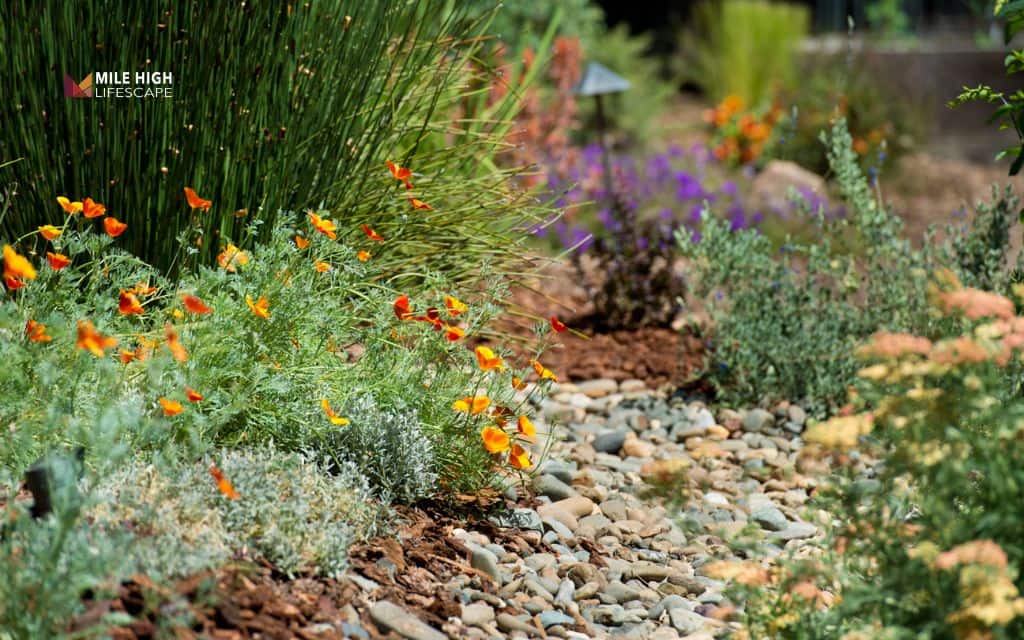
Difference between drought tolerant and drought resistant plants
It is also important to understand the difference between these two:
- Drought-tolerant plants can survive extended dry periods but may still need supplemental watering during their first growing season or during extreme heat.
- Drought-resistant plants, on the other hand, are species that have adapted over time to thrive with very little water once established, often requiring no supplemental irrigation after their first year.
Both types are excellent choices for low-water gardens, and many landscapes use a combination of both.
Benefits of a drought tolerant landscape
Before diving into design ideas, it is worth taking a moment to appreciate just how many advantages come with making the switch to a drought-tolerant landscape. This is not just about saving water, it is a long-term investment in your property, your wallet, and the environment.
- Water conservation: A drought-tolerant landscape can reduce outdoor water use by 50 to 70 percent, depending on your design. In states like Colorado, where water is a limited and regulated resource, this translates into a meaningful reduction in your environmental footprint.
- Lower maintenance: Traditional lawns require mowing every week, edging, aerating, fertilizing, and constant watering. Drought-tolerant designs largely eliminate these chores. Once established, most drought-resistant plants take care of themselves through the seasons.
- Cost savings over time: The upfront investment in replacing a lawn or redesigning a garden pays for itself quickly. Lower water bills, reduced fertilizer costs, and fewer hours spent on maintenance all add up to significant savings year after year.
- Increased curb appeal: Well-designed drought-resistant landscapes are visually striking. Textured gravel gardens, colorful native wildflowers, sculptural ornamental grasses, and elegant stone pathways create a front yard that stands out on any street.
- Climate resilience: As weather patterns become more unpredictable, a drought-resistant landscape is built to handle heat waves, dry spells, and water restrictions without looking stressed or dying back. Your yard stays beautiful even during the worst dry seasons.
13 Beautiful drought resistant landscape ideas
Whether you’re starting from scratch or refreshing an existing yard, these 13 ideas offer inspiration for every style, budget, and outdoor space. Each concept is designed to be water-wise, low-maintenance, and genuinely beautiful.
1. Gravel garden with native plants
A gravel garden is one of the most popular and visually clean drought-resistant landscape ideas available. The concept is simple: replace thirsty lawn grass with a base of decorative gravel or crushed rock, then plant native species directly into the gravel or in designated planting pockets.
The result is a modern, minimal aesthetic that pairs beautifully with both contemporary and traditional homes. Gravel reflects heat away from plant roots, suppresses weed growth, and allows rainwater to percolate directly into the soil rather than running off. Native plants such as blue grama grass, penstemon, or Apache plume thrive in these conditions because they’re already adapted to local rainfall patterns.
This design works especially well along a landscape driveway, where the clean lines of gravel and stone create an elegant, low-water entry that requires almost no upkeep.
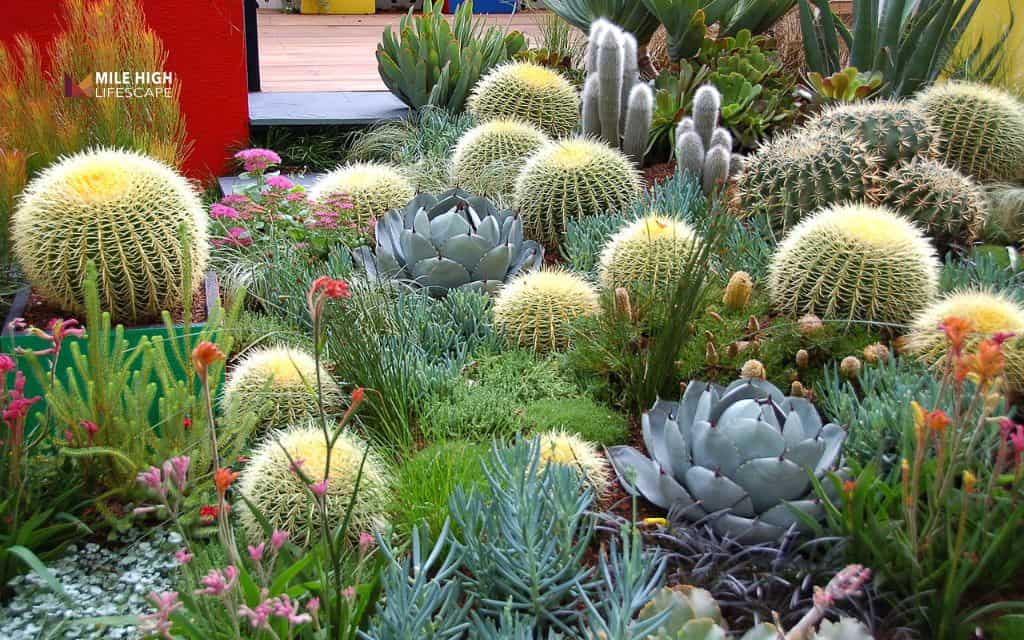
2. Succulent & cactus landscape
Few plants make a more dramatic statement with less water than succulents and cacti. These plants store moisture in their thick leaves, stems, or roots, allowing them to go weeks without supplemental irrigation.
A succulent and cactus landscape brings bold, sculptural texture to your yard. Mix agave, yucca, prickly pear, and echeveria varieties for a layered, visually interesting design. Add a background of desert gravel or decomposed granite to create contrast and keep the palette cohesive.
This style is ideal for hot, sunny climates and south-facing yards where traditional plants struggle. It also works beautifully in container arrangements for patios, entryways, and small driveway landscape design areas where space is limited.
3. Front yard xeriscape design
Replacing a conventional lawn with a front yard drought tolerant landscape is one of the most impactful changes a homeowner can make.
A well-executed front yard xeriscape removes water-hungry turf and replaces it with a dynamic combination of gravel, boulders, native plants, flowering perennials, and mulched planting beds.
The key to success is planning a design that feels intentional rather than bare. Use a mix of plant heights – low groundcovers at the edges, mid-height flowering plants in the middle, and a few taller ornamental grasses or shrubs as focal points.
Add a curved stone pathway to guide visitors toward your front door, which also creates the look of a landscaped driveway entry.
4. Drought-tolerant flower beds
Who says a low-water landscape has to be monochromatic? Drought-tolerant flower beds can be every bit as colorful as a traditional English garden – they just require far less water to maintain.
Lavender, coneflower (echinacea), yarrow, black-eyed Susan, and salvia are all excellent choices for a blooming, water-wise flower bed. These plants are pollinator favorites, attracting bees, butterflies, and hummingbirds throughout the growing season.
Plant them in clusters for visual impact and surround them with a 3-inch layer of mulch to help the soil retain moisture between waterings.
5. Ornamental grasses landscape
Ornamental grasses bring movement, structure, and year-round interest to a drought-resistant landscape. Unlike turf grass, ornamental varieties are selected for their beauty rather than their ability to be mowed flat, and most are extremely drought tolerant once established.
Blue oat grass, feather reed grass, Karl Foerster, blue fescue, and buffalo grass are all excellent options for Colorado and similar climates. These grasses sway in the breeze, creating a soft, dynamic texture that contrasts with hard landscaping elements like stone, gravel, and concrete.
Use ornamental grasses as borders along a landscape side of driveway, as background plants behind flowering perennials, or as standalone specimens in a mulched planting bed.
6. Mulch-based minimalist garden
Sometimes the most elegant landscape solution is also the simplest. A mulch-based minimalist garden uses wood chips, shredded bark, or decorative bark mulch as the primary ground cover, with carefully placed plants emerging from the mulched surface.
This approach is clean, affordable, and highly effective at conserving soil moisture. A 3- to 4-inch layer of mulch can reduce soil moisture evaporation by up to 70 percent, cutting your irrigation needs. It also suppresses weeds, moderates soil temperature, and gradually breaks down to improve soil health.
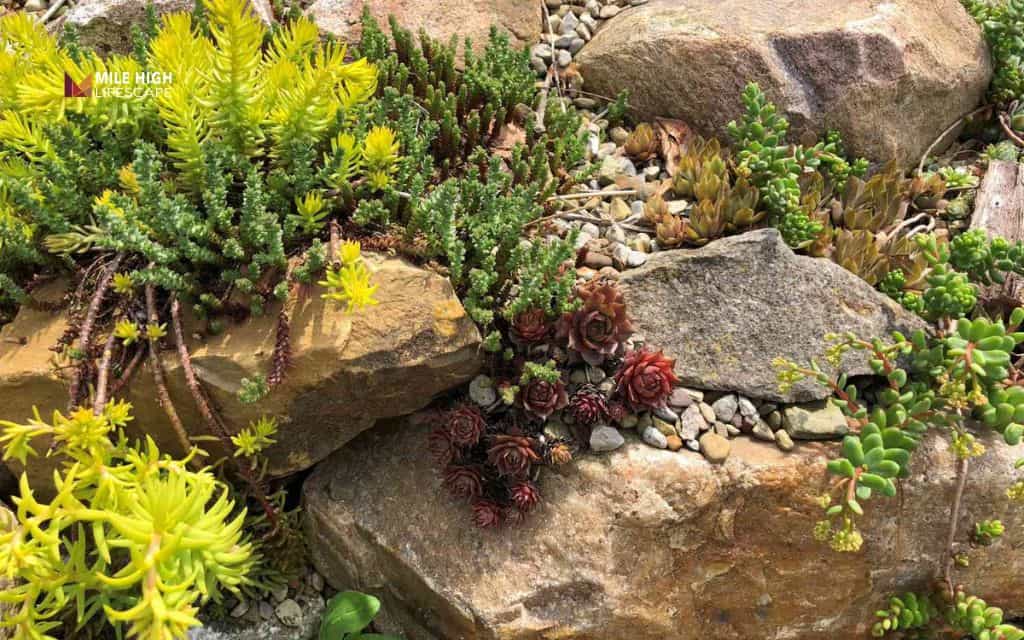
7. Rock garden with accent plants
A rock garden combines the natural beauty of stone with the resilience of drought-tolerant plants to create a landscape that looks as though it emerged organically from the terrain.
Large boulders serve as anchors and focal points, while smaller stones, gravel, and decomposed granite fill the spaces between them.
Tuck drought-resistant plants into the pockets between rocks – penstemon, sedum, creeping phlox, and woolly thyme are all excellent choices. These plants root deeply into the rocky, well-drained soil and require very little supplemental water once established.
8. Mediterranean-style landscape
The Mediterranean region is naturally hot and dry for much of the year. The landscapes there have inspired some of the most beautiful and water-efficient garden styles in the world.
A Mediterranean-style drought-resistant landscape typically features silvery-leaved plants like rosemary, sage, lavender, and catmint, combined with small ornamental trees such as olive or Italian cypress. Terra-cotta containers, gravel paths, and warm-toned stone add to the sunbaked, old-world charm.
This style works exceptionally well in Colorado’s sunny, semi-arid climate. The plants are adapted to low-water conditions and summer heat, making them some of the most reliable choices for a water-wise yard that looks lush and established.
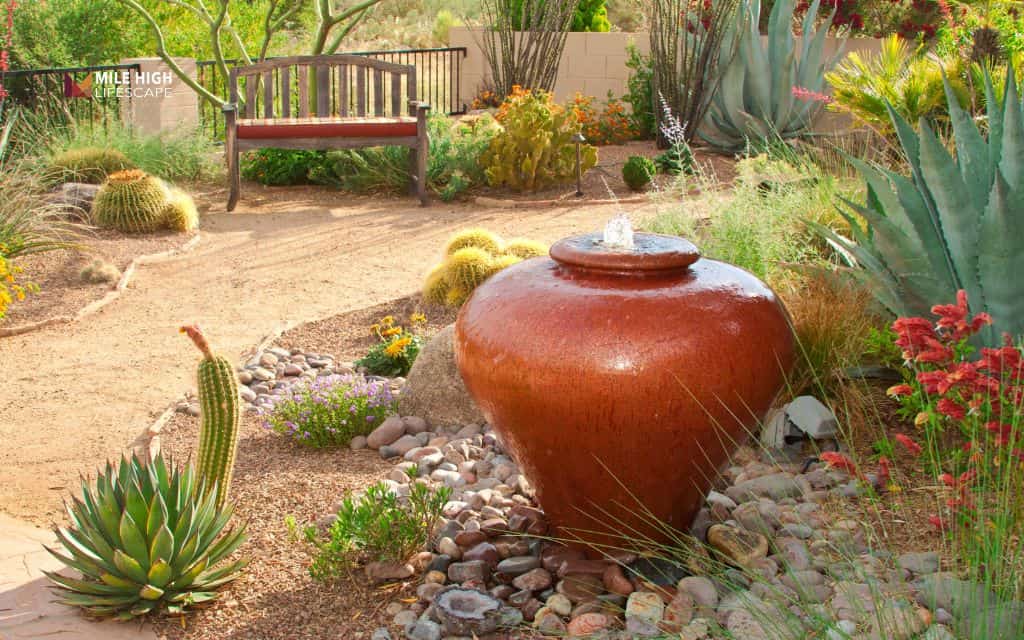
9. Desert-inspired landscape design
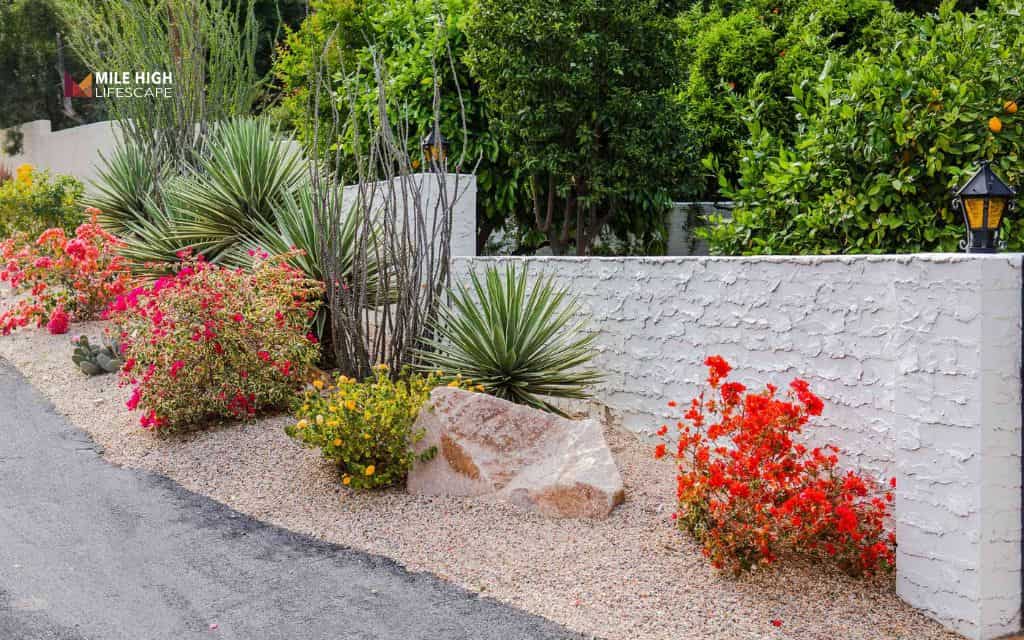
A desert-inspired landscape takes its cues from the American Southwest – think sculptural agave, golden barrel cactus, desert marigold, and sweeping swaths of sand-colored gravel. This style leans into the natural beauty of arid environments, using warm earth tones, bold plant forms, and dramatic contrasts of light and shadow.
The palette is typically warm: tans, rusts, ochres, and sage greens. Combine different textures (smooth river rock, rough gravel, and upright architectural plants) to create visual depth.
This design is one of the most water-efficient landscape approaches possible, requiring almost no supplemental irrigation once established.
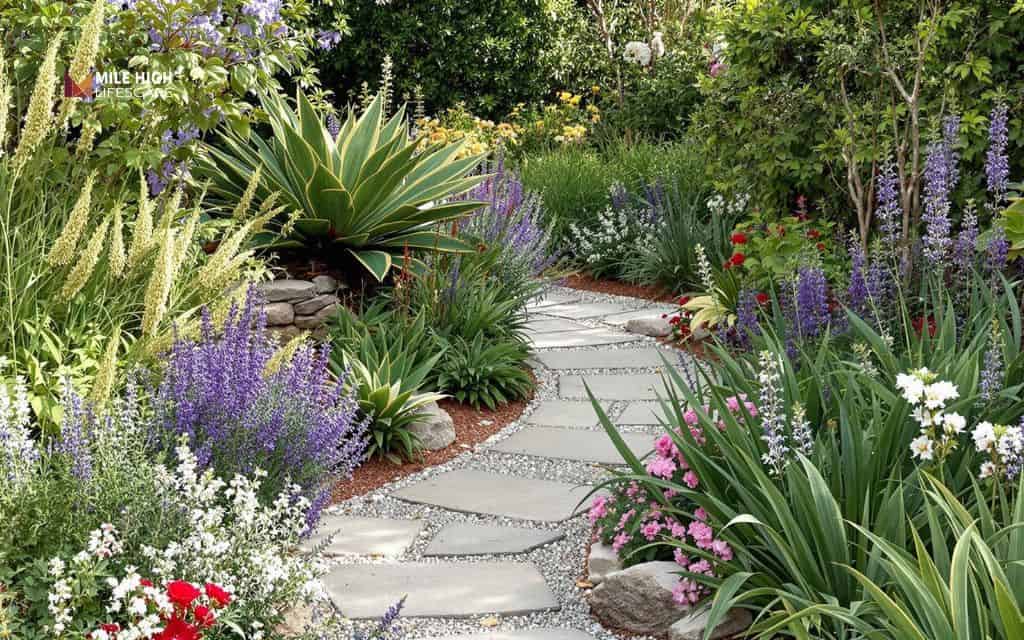
10. Drought-tolerant front yard pathway design
A well-designed pathway does more than help you move through your yard. It defines space, guides the eye, and adds an architectural element that elevates the entire landscape.
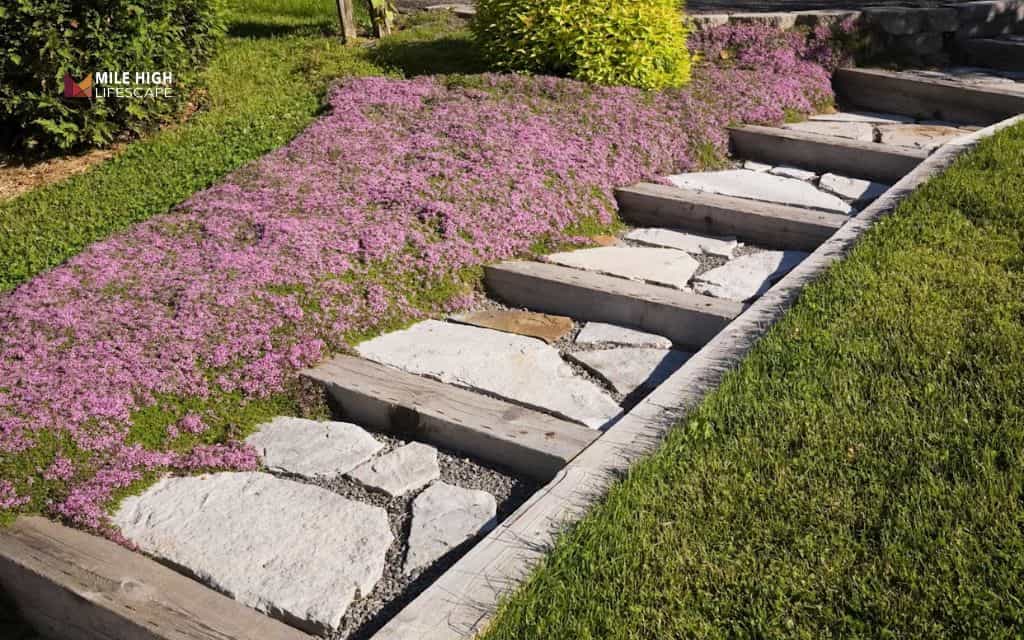
For drought-resistant landscapes, pathways made from flagstone, stepping stones, decomposed granite, or concrete pavers are ideal choices.
Line your pathways with low-water plants (lavender, creeping thyme, ornamental grasses, or compact sage) to soften the edges and create a planting border that frames the path.
This landscape driveway design approach transforms a functional walkway into a beautiful garden feature.
11. Groundcover lawn alternative
Creeping thyme is one of the most popular choices: it forms a dense, fragrant mat of tiny leaves and small pink or purple flowers, handles foot traffic well, and requires very little water once established. Dutch white clover is another excellent option, it stays green through dry periods, fixes nitrogen in the soil, and provides a valuable nectar source for bees.
Other alternatives include blue star creeper, buffalo grass, and prairie dropseed. These plants create a living carpet that looks intentional and attractive while using a fraction of the water a traditional lawn requires.
12. Raised beds with low-water plants
Raised beds are a smart solution for drought-resistant gardening because they give you complete control over soil composition and drainage. By filling raised beds with a well-draining mix of native soil, compost, and coarse sand or gravel, you create the ideal growing environment for drought-tolerant plants.
Because raised beds drain freely, they prevent the waterlogged root conditions that can kill drought-adapted plants. They also warm up quickly in spring, extending the growing season, and can be positioned to maximize sun exposure for heat-loving species. Use raised beds to grow drought-tolerant herbs, edible plants like rosemary and thyme, or ornamental flowering plants.
13. Modern hardscape + green combo
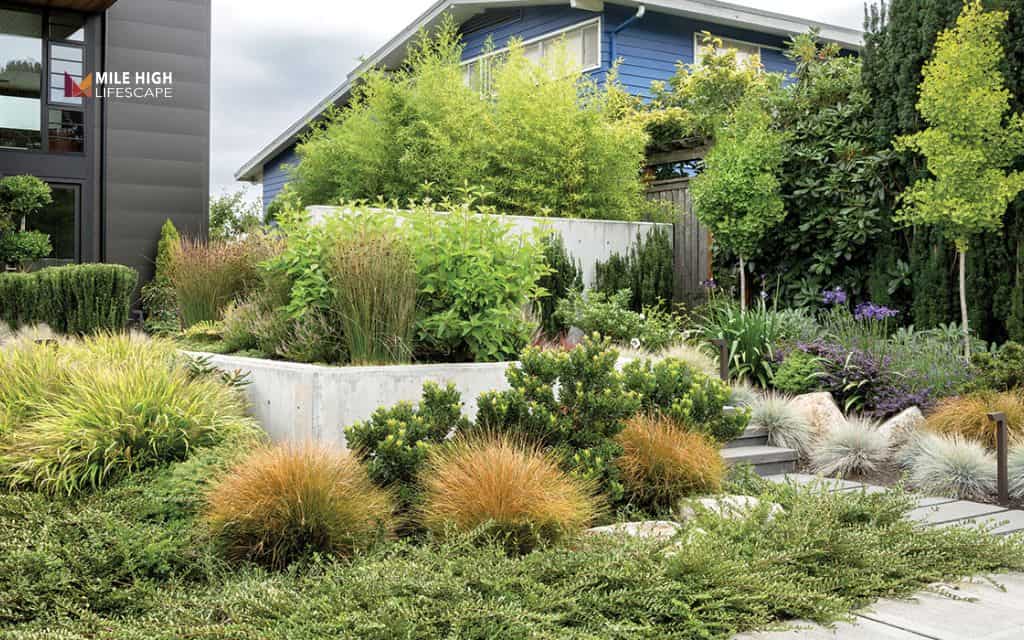
One of the most striking drought-resistant landscape trends in recent years is the combination of clean, modern hardscaping (concrete, steel edging, decomposed granite, and large-format pavers). The contrast between hard and soft, between structure and nature, creates a landscape that feels both contemporary and alive.
In this design approach, concrete or stone covers the majority of the space, dramatically reducing the area that needs irrigation. Green is used as an accent: a single ornamental tree, a row of architectural grasses, or a contained planting bed filled with succulents or native perennials. Every plant earns its place by contributing texture, color, or seasonal interest.
This is one of the most popular landscape driveway ideas for modern homes, where the clean lines of hardscaping echo the architecture of the house and the low-water plants add just enough softness to feel inviting.
See more: 13 easy drought resistant landscape ideas that save water
Front yard drought tolerant landscape ideas
Your front yard is the first thing visitors and passersby see, which makes it the highest-impact area for a drought-resistant landscape makeover.
A thoughtfully designed front yard xeriscape or low-water landscape can transform a tired, thirsty lawn into a stunning entry that saves water and turns heads.
Here are the key strategies for creating a front yard drought-tolerant landscape that impresses:
- Replace grass with gravel and plants: Removing your lawn is the single most effective step you can take to reduce water use. Replace it with a combination of decorative gravel or decomposed granite and clusters of drought-resistant plants. Use varying plant heights to add depth and visual interest.
- Use focal points: A large boulder, a sculptural agave, or a small ornamental tree creates a natural focal point that anchors the design. Focal points give the eye a place to rest and make even a simple planting scheme feel designed rather than random.
- Add pathways and lighting: A flagstone or concrete paver pathway leading to your front door adds structure and functionality. Pair it with low-voltage landscape lighting to highlight plants and pathways at night. A well-lit, paved landscape design for driveway entrance areas dramatically increases evening curb appeal.
- Combine textures for visual interest: Mix fine-textured plants like ornamental grasses or feathery yarrow with bold, structural plants like agave or desert willow. Combine smooth river rock with rough gravel. Layer mulch with stone. The interplay of textures is what makes a drought-resistant landscape feel rich and dynamic rather than sparse.
Best plants for a drought resistant landscape
Plant selection is the foundation of any successful drought-resistant landscape. The right plants in the right location will thrive with minimal intervention, while the wrong choices will require constant supplemental watering, no matter how well the rest of your design is executed. Here are the best options for each plant category:
Flowers
Lavender: Lavender is one of the most versatile and beloved drought-tolerant flowers available. Once established, it thrives in full sun with minimal watering, producing fragrant purple spikes from late spring through summer. It is deer resistant, pollinator friendly, and works beautifully as a border plant along driveways and pathways.
Coneflower: A North American native wildflower, coneflower produces large, daisy-like blooms in shades of pink, purple, orange, and white. It is drought tolerant once established, thrives in Colorado’s clay and loamy soils, and provides late-season nectar for bees and butterflies.
Black-Eyed Susan: With bright golden-yellow petals surrounding a dark brown center, black-eyed Susan brings cheerful color to any drought-resistant landscape. It is native to the Great Plains and extremely heat and drought tolerant, blooming reliably from midsummer through fall with very little supplemental watering.
Shrubs
Sage: They are among the most drought-tolerant shrubs available, thrive in full sun, and attract pollinators in abundance. Sage also works well as a fragrant border plant along the landscape side of driveway areas.
Juniper: Junipers are among the most versatile and drought-resistant shrubs for Colorado landscapes. Low-growing varieties like Blue Chip or Sea Green work as groundcovers, while upright forms like ‘Skyrocket’ provide vertical accents. They are evergreen, cold-hardy, and virtually maintenance-free once established.
Russian Sage: It produces billowing clouds of silver-gray foliage and small lavender-blue flowers from summer through fall. It is one of the most drought-tolerant and heat-tolerant flowering shrubs available, thriving in full sun and well-drained soils.
Groundcovers
Creeping Thyme: A classic low-water lawn alternative, creeping thyme forms a dense, fragrant mat that tolerates light foot traffic and produces small pink-purple flowers in summer. It is an excellent choice for filling gaps between stepping stones or softening the edges of stone pathways.
Sedum: Sedums are succulent groundcovers that store water in their thick, fleshy leaves. Low-growing varieties like ‘Dragon’s Blood’ or ‘Angelina’ spread to form a colorful carpet of red, gold, or green, asking for very little in return. They are ideal for rock gardens, sloped areas, and any spot where drainage is excellent.
Trees
Olive Tree: In milder climates, the olive tree is one of the most drought-resistant ornamental trees available. Its silver-gray foliage, gnarled trunk, and Mediterranean character make it a beautiful focal point in any low-water landscape.
Desert Willow: Native to the American Southwest, the desert willow is a flowering tree that produces showy trumpet-shaped blooms in pink, lavender, and white throughout the summer. It is one of the most heat and drought tolerant trees available for Western landscapes and provides excellent structure and shade in a low-water design.
Planting tips for drought tolerant landscape
Even the most drought-resistant plants need a good start to thrive. Following these planting best practices will help your low-water landscape establish quickly, minimize your need for supplemental irrigation, and look its best for years to come.
Plant at the right time
The best times to plant drought-tolerant species are early spring (March through May) or fall (September through October). Avoid planting in midsummer heat whenever possible, as young plants are far more vulnerable to drought stress before their roots are fully established.
Improve soil before planting
Most drought-tolerant plants prefer well-drained soil rather than rich, constantly moist ground. Before planting, amend your existing soil with compost to improve its structure, drainage, and biological activity. Avoid adding too much organic matter to soils where succulents and cacti will be planted, as these plants prefer a leaner, more mineral soil.
Water deeply but infrequently
When you water your drought-tolerant plants, water slowly and deeply rather than frequently and shallowly. Deep watering encourages roots to grow downward into the soil, where moisture is more consistently available. Shallow, frequent watering keeps roots near the surface where they’re vulnerable to heat and drought.
Use mulch generously
Applying a 3- to 4-inch layer of organic or inorganic mulch around your plants is one of the highest-impact things you can do to support a drought-resistant landscape.
Mulch reduces soil moisture evaporation by up to 70 percent, keeps root zones cooler in summer and warmer in winter, suppresses weed growth, and gradually improves soil health as it breaks down.
Leave a small gap between the mulch and plant stems to prevent rot.
Space plants properly
Overcrowding plants is one of the most common mistakes. When plants are too close together, they compete for the same limited soil moisture and nutrients.
Follow the recommended spacing guidelines for each species, even if the planting looks sparse at first. Within a season or two, your plants will fill in naturally, and the proper spacing will ensure that each one has access to the moisture and nutrients it needs.
How does professional landscaping help drought tolerant landscapes?
While many homeowners successfully create their own drought-resistant landscapes, working with a professional landscape company like Mile High Lifescape can improve your results, save you time, and help you avoid costly mistakes.
Here is how professional expertise makes a difference:
Expert plant selection
Choosing the right plants for your specific site is more complex than it might appear. A professional landscaper evaluates your soil type, sun exposure, microclimate, drainage patterns, and local climate zone before recommending plants.
This ensures that every species selected is genuinely suited to your yard’s conditions, not just theoretically drought-tolerant. The result is a landscape that establishes quickly and thrives without constant intervention.
Efficient irrigation design
A professional landscape company will design and install an irrigation system that is precisely calibrated to your specific plant palette and yard layout. This typically means a drip irrigation or micro-irrigation system with multiple zones corresponding to different hydrozones in your design. An optimized system eliminates the common issues of over-watering, under-watering, and uneven coverage that cause so many DIY landscapes to struggle.
Customized landscape plans
Every property is unique. A professional landscape designer creates a customized plan that takes into account your home’s architecture, your lifestyle needs, your budget, and your aesthetic preferences.
Rather than applying a generic template, a tailored landscape design for driveway entrance areas and yard spaces ensures that every element is cohesive, intentional, and suited to your specific property.
Long-term cost savings
A professionally designed drought-resistant landscape avoids the expensive trial-and-error that often accompanies DIY projects. Choosing the wrong plants, installing irrigation incorrectly, or failing to prepare the soil properly can result in plant losses, system failures, and costly replacements. A landscape professional’s expertise helps you get it right the first time, maximizing your investment and minimizing long-term maintenance costs.
Conclusion
A drought-resistant landscape is one of the smartest investments you can make in your home and in the environment. It saves water, reduces maintenance, cuts utility costs, supports local wildlife, and creates a yard that looks beautiful even during the driest summers.
Whether you are drawn to the clean elegance of a gravel garden with native plants, the bold drama of a succulent and cactus landscape, the colorful charm of a drought-tolerant flower bed, or the contemporary sophistication of a modern hardscape and green combination, there is a low-water design that is perfect for your property.
If you’re ready to take the next step and want expert guidance in designing and installing a beautiful drought-resistant landscape for your Colorado home, the team at Mile High Lifescape is here to help. Our experienced designers and installation crews specialize in water-wise landscapes that look stunning year-round and stand up to Colorado’s demanding climate.
Call Mile High Lifescape at (303) 877-9091 today to schedule your free consultation and start designing the water-wise yard of your dreams.
Frequently asked questions (FAQs)
What is the cheapest drought-resistant landscaping option?
The most budget-friendly approach is a mulch-based minimalist garden. A deep layer of wood chip or bark mulch costs very little, reduces watering needs, suppresses weeds, and can be installed as a DIY project over a single weekend. Pair it with a few starter plants and you have a clean, attractive low-water landscape for a fraction of the cost of more complex designs.
Can you maintain a green lawn with low water?
Yes, but only if you replace traditional turf grass with a low-water grass alternative. Buffalo grass and blue grama grass are excellent choices for Colorado lawns – they are native to the Great Plains, extremely drought tolerant, and stay green with far less water than Kentucky bluegrass or fescue. Groundcover alternatives like creeping thyme and Dutch white clover also provide a green, carpeting surface that requires minimal irrigation once established.
How do you care for drought-tolerant plants?
During the first growing season, water deeply once or twice a week to help new plants establish their root systems. After the first year, most drought-tolerant plants require very little supplemental irrigation. Apply mulch annually to retain soil moisture, remove dead stems in late winter or early spring, and divide clumping plants every few years to keep them healthy and vigorous.
What are the best beginner plants for a drought-resistant landscape?
During the first growing season, water deeply once or twice a week to help new plants establish their root systems. After the first year, most drought-tolerant plants require very little supplemental irrigation. Apply mulch annually to retain soil moisture, remove dead stems in late winter or early spring, and divide clumping plants every few years to keep them healthy and vigorous.
What is the most drought-resistant ground cover?
Creeping thyme is widely considered the most drought-resistant ground cover for temperate climates. It handles Colorado’s hot summers and dry spells with ease, tolerates light foot traffic, produces small fragrant flowers in summer, and asks for very little maintenance in return. Sedum and ice plants are also excellent choices for especially dry or rocky areas where other groundcovers struggle. For a more grass-like appearance, buffalo grass is the most drought-tolerant turf-style ground cover available for the Great Plains and Rocky Mountain regions.