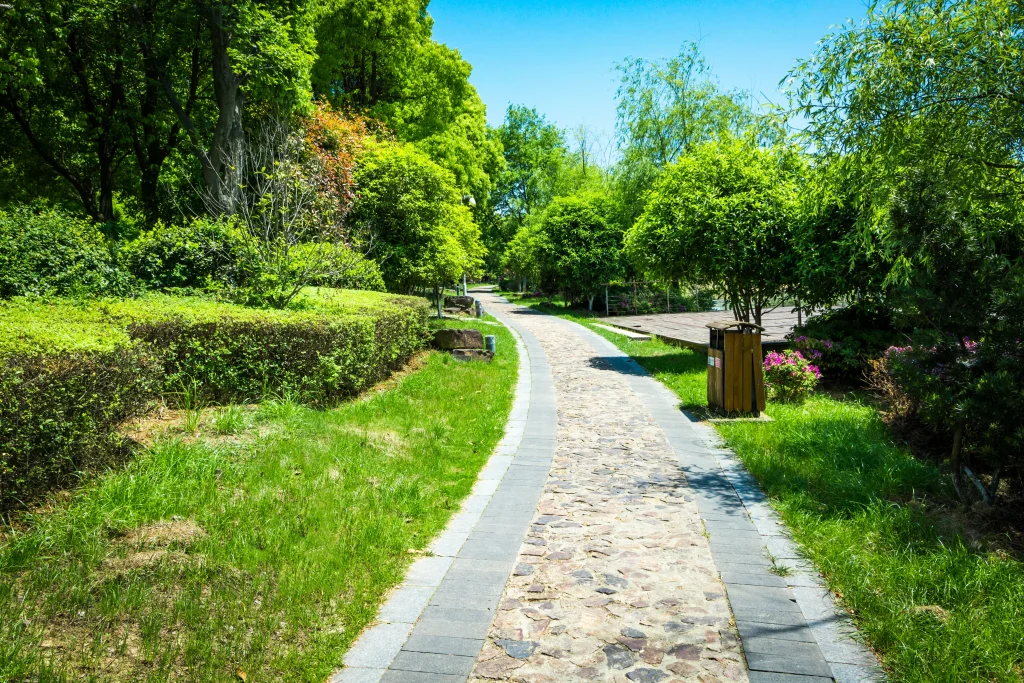
A desert front yard landscape is more than rocks and cacti. It is a thoughtful, creative statement, one that says you understand your climate, respect your water supply, and refuse to sacrifice beauty in the process.
If you have been staring at a patchy lawn that drinks water it does not deserve, or a bare plot of dirt begging for a purpose, this guide is for you. Whether you are a hands-on DIY homeowner, or someone simply researching before calling a professional, you will find everything you need here: ideas, plants, materials, and advice about what works in a dry, hot climate.
Why choose a desert front yard landscape?
The appeal of a desert front yard landscape goes well beyond aesthetics. This design approach solves real problems that traditional lawns cannot. You save money on water and maintenance, you create a yard that looks intentional and polished year-round, and you contribute to a more sustainable neighborhood ecosystem.
Key benefits at a glance:
- Dramatically lower water use: a xeriscaped front yard can use up to 50–75% less water than a traditional lawn, depending on plant selection and irrigation design.
- Far less maintenance: no weekly mowing, no fertilizing schedule, no fighting weeds through an irrigation system. Most desert yards need only occasional pruning and seasonal cleanup.
- Serious curb appeal: clean gravel paths, sculptural agaves, warm-toned boulders, and flowering drought-tolerant shrubs photograph beautifully and impress visitors year-round.
- Climate-smart investment: as water costs rise and drought restrictions tighten, a desert front yard landscape becomes more valuable with every passing year.
Key principles of desert landscaping
Great front yard desert landscaping does not happen by accident. The yards that look effortlessly natural are built on a handful of smart design principles. Master these, and every decision you make afterward becomes much easier.
4 principles to build on:
- Water efficiency (xeriscaping): Group plants by water needs, use drip irrigation, and eliminate or minimize turf. Every drop should serve a purpose.
- Hardscape over lawn: Replace grass with decomposed granite, flagstone, or gravel. These materials anchor the design and eliminate irrigation zones entirely.
- Simplicity and structure: Fewer plant varieties, focused on shapes, textures, and strategic spacing, create a more sophisticated result than a busy, overplanted yard.
- Climate-adapted plants: Native desert plants and proven drought-tolerant species thrive because they evolved here. Do not fight the climate.
21 Desert front yard landscape ideas that save water
These front yard desert landscape ideas range from bold structural choices to small, high-impact finishing details. Use them individually or layer several together for a design that feels completely your own.
1. Use bold shapes to elevate your desert yard
One of the most transformative desert landscape ideas is to lead with geometry. Instead of scattering plants randomly across your yard, commit to a deliberate layout sweeping curved borders, rectangular gravel beds, or triangular plant groupings that create a clean, modern composition when viewed from the street.
Geometric organization is effective for large, open front yards that can feel overwhelming without structure. A defined diamond-shaped planting bed filled with agave, flanked by decomposed granite and bordered with steel edging, reads as intentional and contemporary rather than sparse or unfinished.
2. Build a modern rock garden
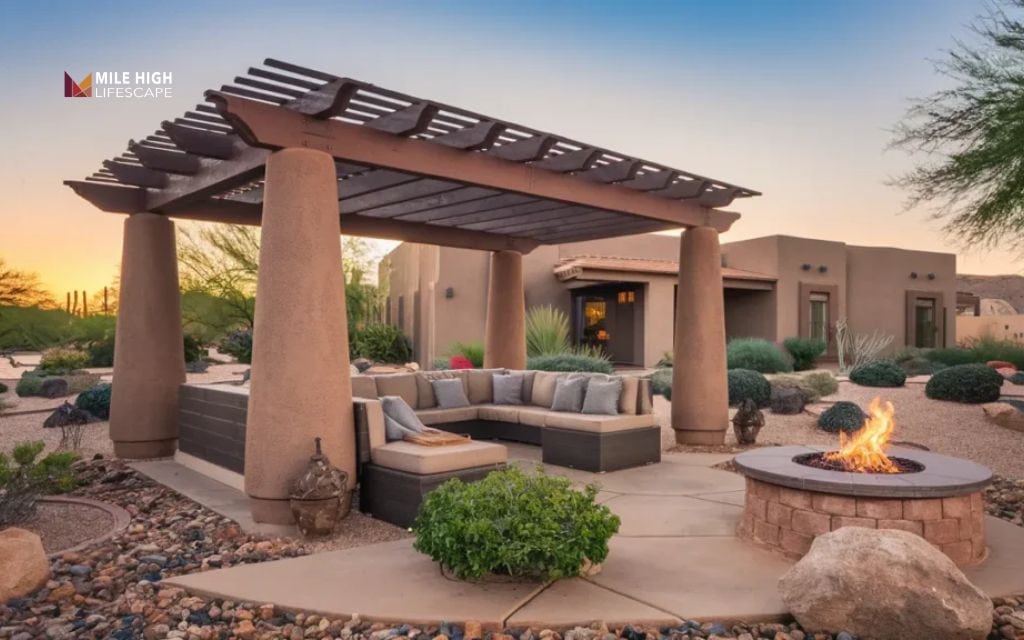
The key word is ‘well-built’, a thoughtful rock garden combines multiple sizes of decorative stone, a handful of sculptural plants, and a sense of negative space that lets each element breathe.
Think: a large specimen cactus anchored by a trio of rounded boulders, surrounded by fine pea gravel, with a few low-growing succulents tucked into the gaps. This is the kind of desert landscaping picture that stops people mid-drive. It looks natural and curated at the same time.
3. Combine hardscaping for structure
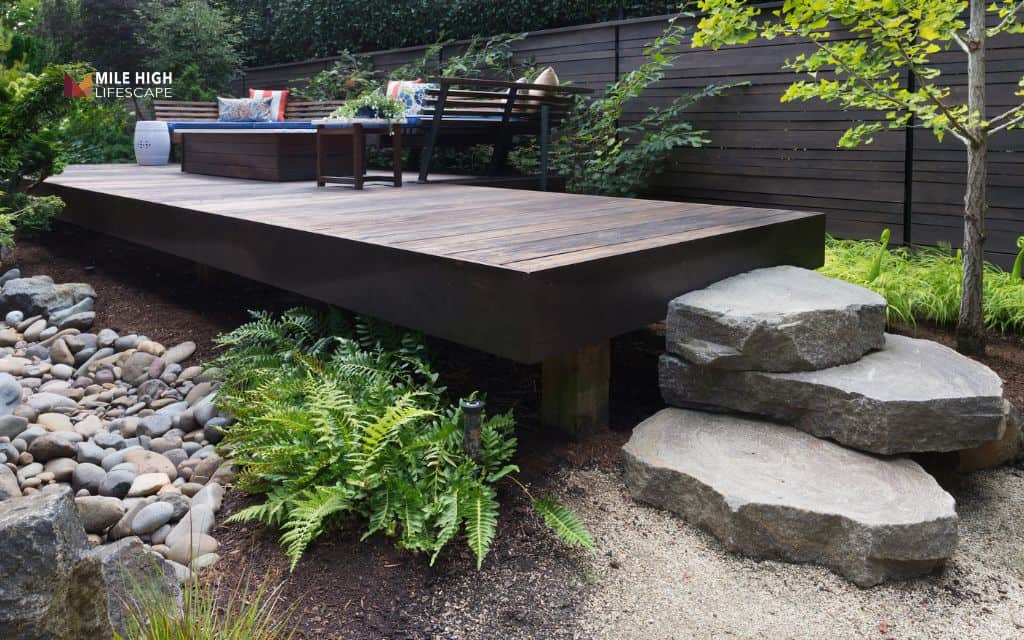
Concrete pavers, flagstone walkways, stacked-stone retaining borders, and gravel beds all serve a structural function while reducing the total planted area which directly reduces your water demand.
A practical approach for most homes: use hardscape to define zones and then fill those zones with drought-tolerant plants. The hardscape does the organizational heavy lifting; the plants provide color and softness.
4. Add layers of texture
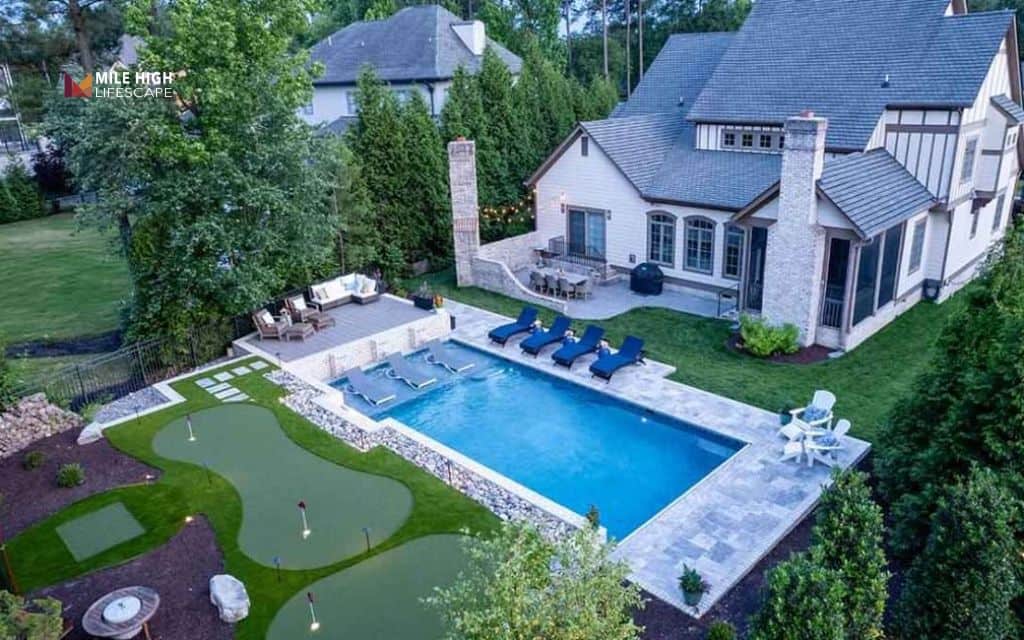
Flat desert landscaping looks flat. The antidote is layering: combining coarse-textured boulders with fine-grained gravel, then adding the soft fronds of a palo verde tree overhead and the spiky rosette of an agave at ground level. Each layer occupies a different visual plane, creating depth and richness without requiring more water.
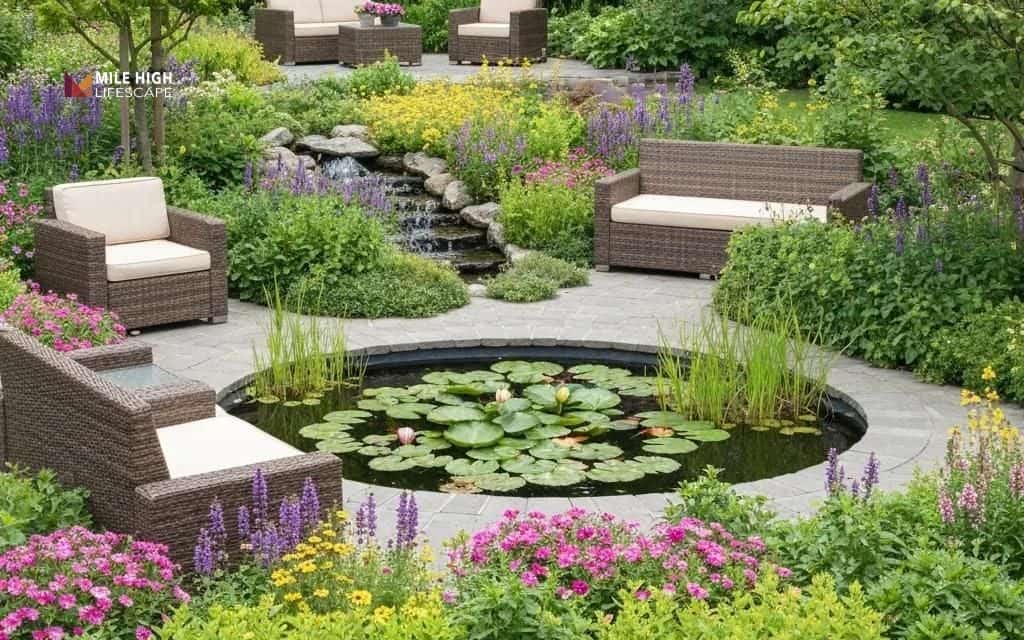
5. Use succulents and cacti for easy style
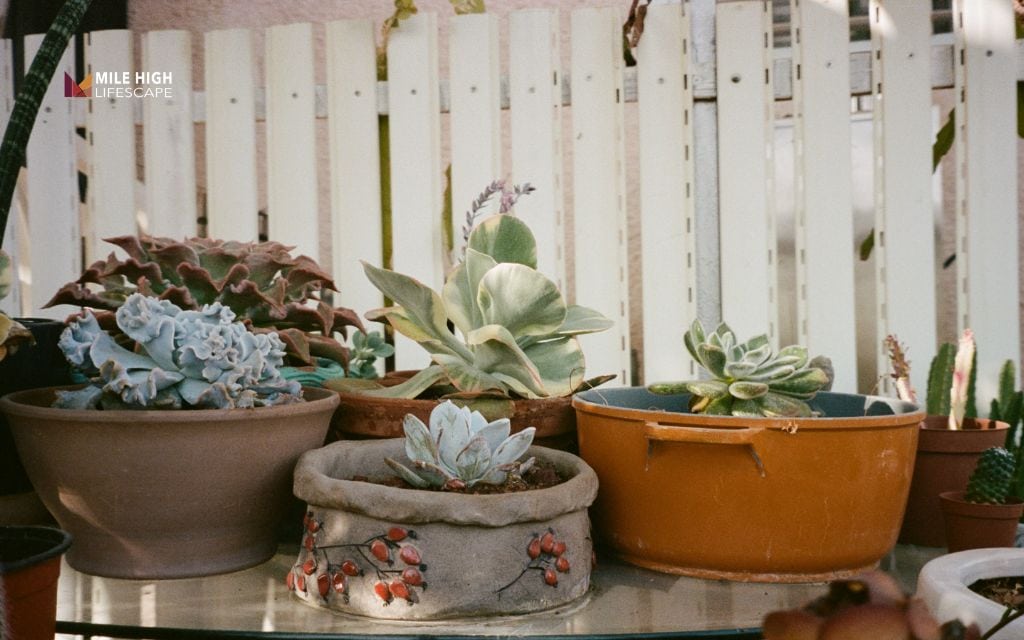
Succulents and cacti are the workhorses of a desert landscape front yard. They require almost no supplemental water once established, they maintain their sculptural form year-round, and they come in an extraordinary range of sizes, shapes, and colors that no other plant family can match.
A towering saguaro cactus makes a statement that no ornamental shrub can replicate. A cluster of blue-tinted echeveria softens a gravel bed with color and elegance. Mixed thoughtfully, these plants deliver a front yard that looks curated and interesting in every season.
6. Plant native desert wildflowers
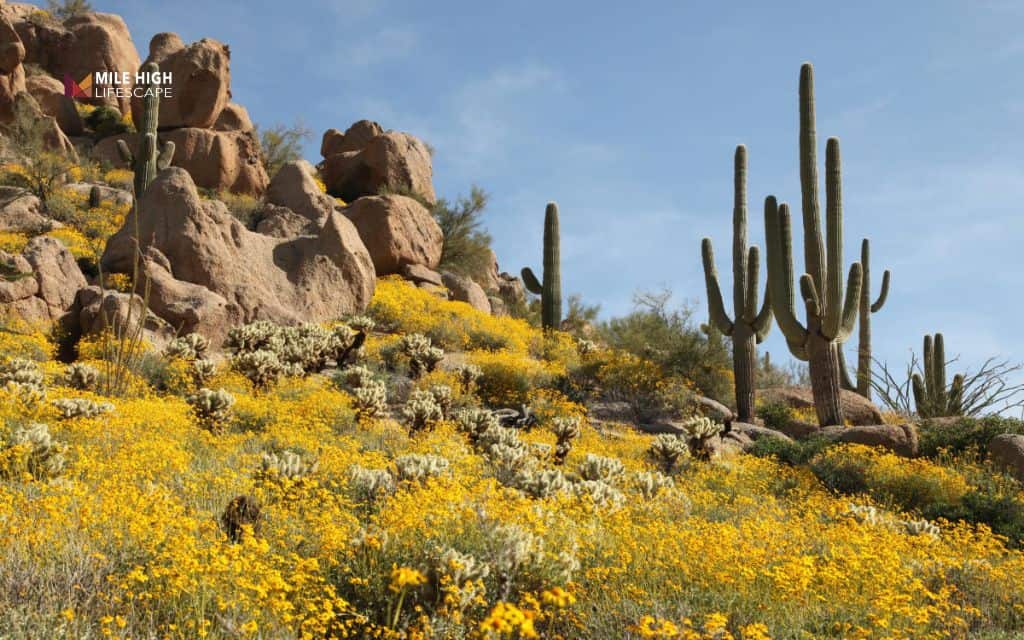
If you have ever seen a Sonoran or Chihuahuan desert hillside explode into bloom after a rain, you already know how dramatic desert wildflowers can be. Bringing that same energy into your front yard desert landscape is entirely achievable.
Desert marigold, Mexican evening primrose, globe mallow, and Penstemon species all thrive in poor, dry soil and reward you with weeks of vivid color each spring. They also attract hummingbirds, butterflies, and native bees, making your front yard a genuinely vibrant ecosystem.
7. Create grouped plant clusters
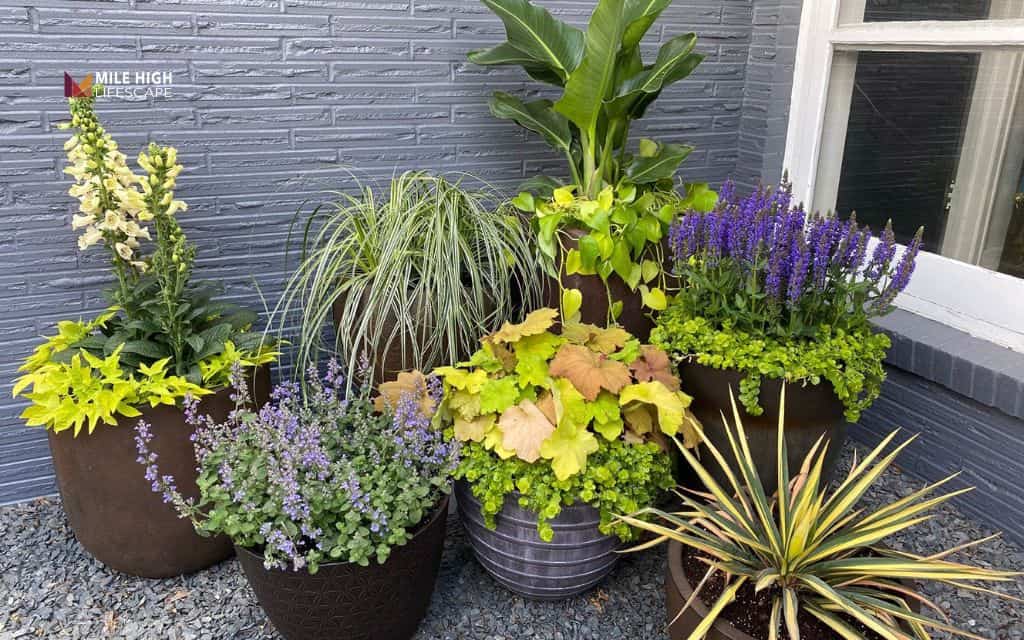
Scattered, isolated plants look accidental. Grouped clusters look designed. One of the simplest upgrades in front yard desert landscape design is to stop planting individual specimens and start planting intentional communities three agaves here, a sweeping drift of red yucca there, a tight grouping of desert spoon along the driveway edge.
Clustering also improves plant health. When desert plants grow close together, their root zones can share moisture, and their canopies provide small amounts of beneficial shade for neighboring plants and the soil below.
8. Use drought-tolerant shrubs
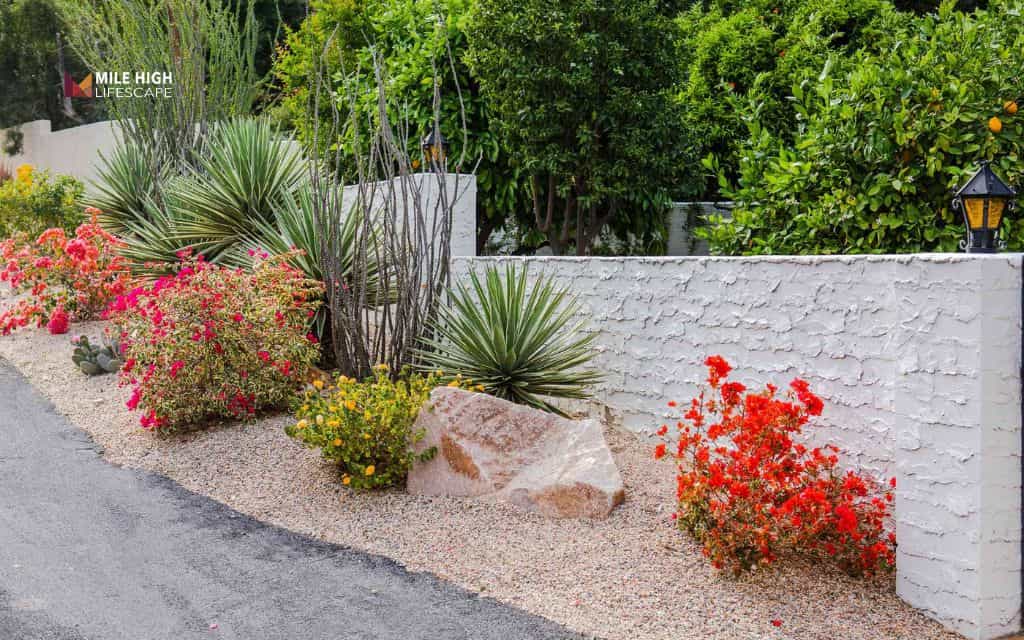
Shrubs are the unsung backbone of great desert landscaping. While cacti and succulents grab the attention, drought-tolerant shrubs provide the structure, mass, and seasonal interest that give a desert yard its year-round appeal. Brittlebush, desert sage, Apache plume, and desert willow are all exceptional choices that offer foliage, flowers, and interesting winter structure.
9. Add a desert shade tree
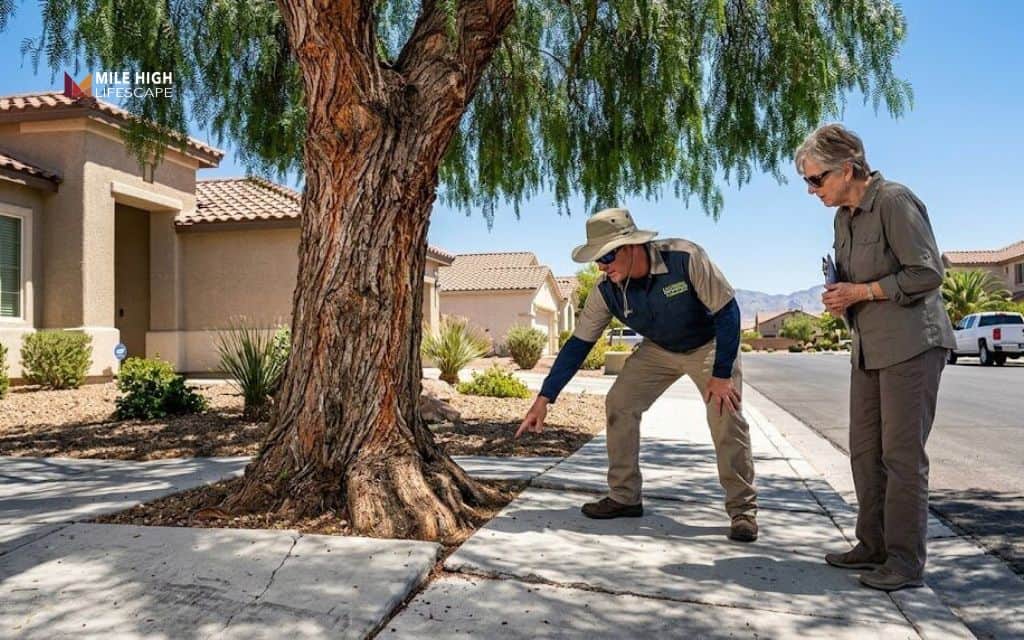
A mature palo verde, desert willow, or mesquite does much more than look impressive; it lowers ground temperatures, shades your home’s south or west facade, and reduces your cooling costs during brutal summer months.
Strategically placed shade trees can reduce ambient yard temperatures by 10°F or more, which also helps the surrounding drought-tolerant plants by reducing their own heat stress and water demand.
10. Replace lawn with gravel
Replacing a traditional lawn with decorative gravel eliminates the largest water-consuming element of a typical front yard in one decisive move.
Decomposed granite is a popular choice for its warm, natural appearance and its ability to compact into a stable, walkable surface. River rock and pea gravel work beautifully in more decorative settings. Whatever material you choose, lay quality landscape fabric beneath it to suppress weeds and extend the life of your investment.
Read more: 23+ Practical Front Yard Flower Bed Ideas for Colorful, Sustainable Gardens in Denver
11. Use mulch alternatives – rock or bark
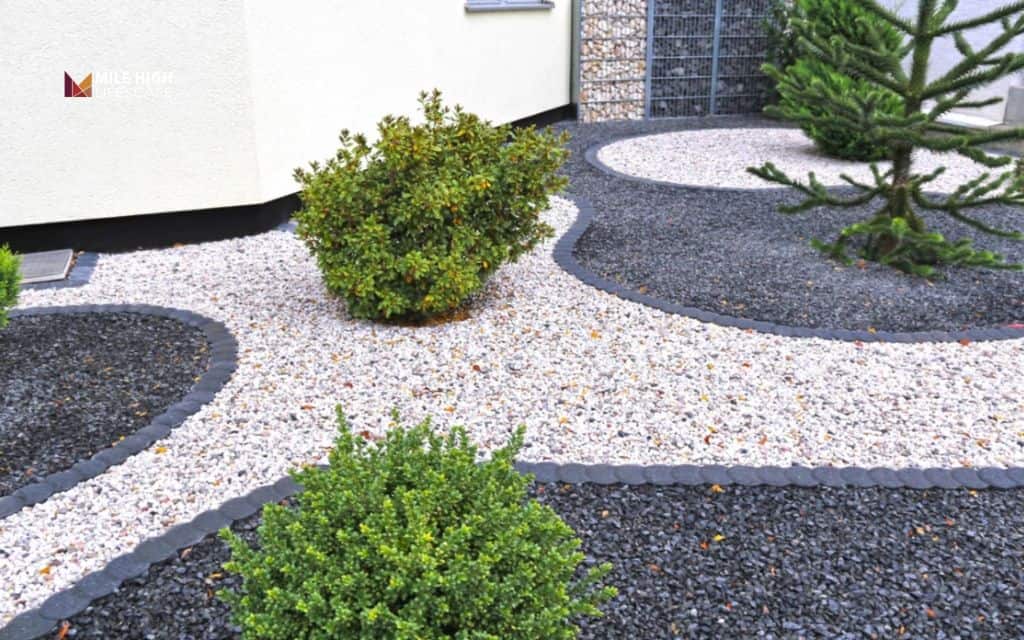
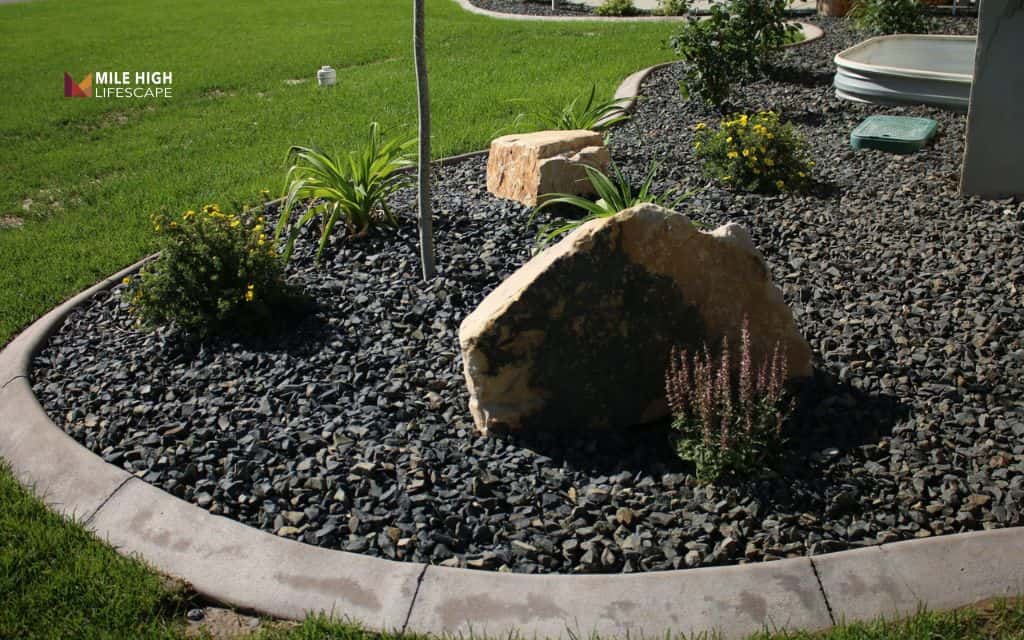
In a desert landscape, the material covering your soil is just as important as the plants growing through it. Rock mulches such as crushed granite, lava rock, or smooth river cobble retain soil moisture far more effectively than bare soil, suppress weeds, and reflect heat away from plant root zones.
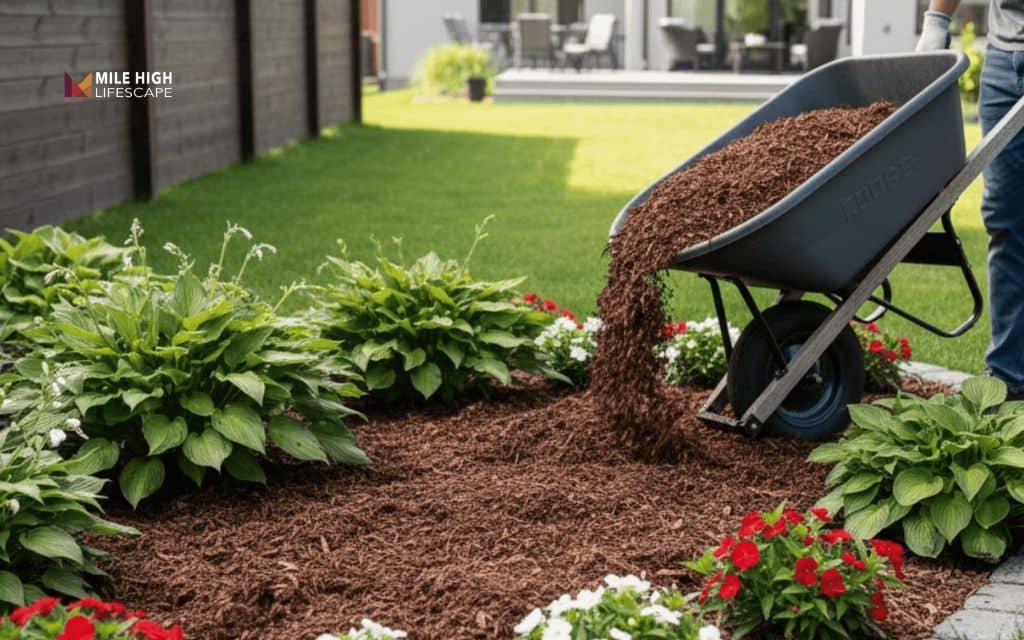
Organic bark mulch also works well in desert settings, particularly around trees and larger shrubs where it can break down slowly and enrich the soil over time. The choice between rock and bark often comes down to aesthetic preference and the specific microclimate of your yard.
12. Mix gravel sizes for visual interest
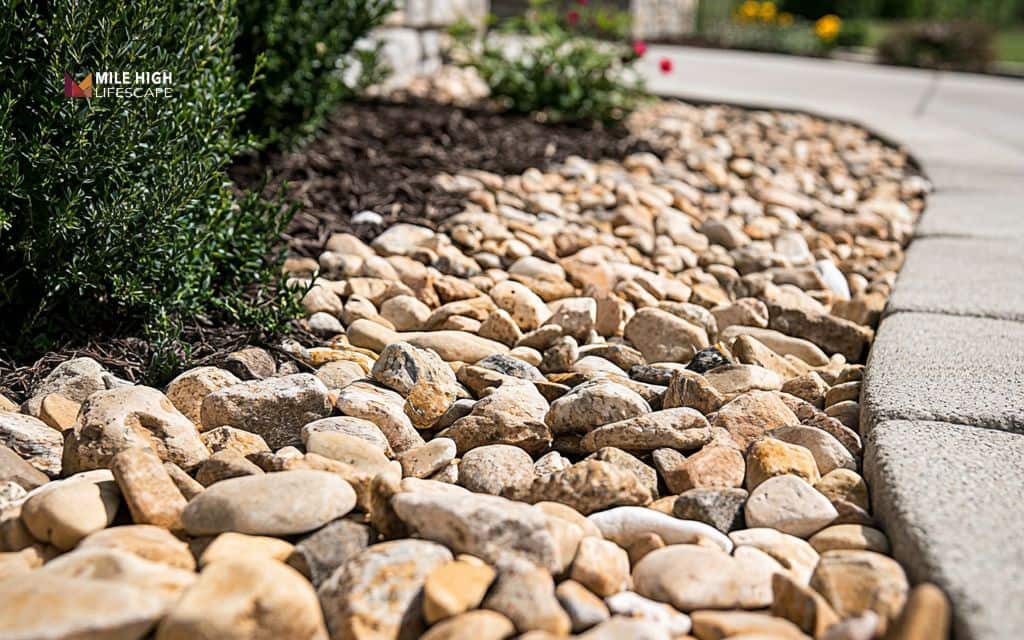
One of the subtler front yard desert landscaping tips that makes a significant difference: never use just one gravel size. A yard blanketed uniformly in a single grade of crushed stone looks manufactured and flat. Mixing a coarser base gravel with a finer decorative top layer, then accenting with occasional large cobbles or boulders, creates a surface that reads as natural and dynamic.
This technique directly mirrors how desert floors actually look: a mix of particle sizes deposited and sorted by wind and water over thousands of years.
13. Install a dry creek bed
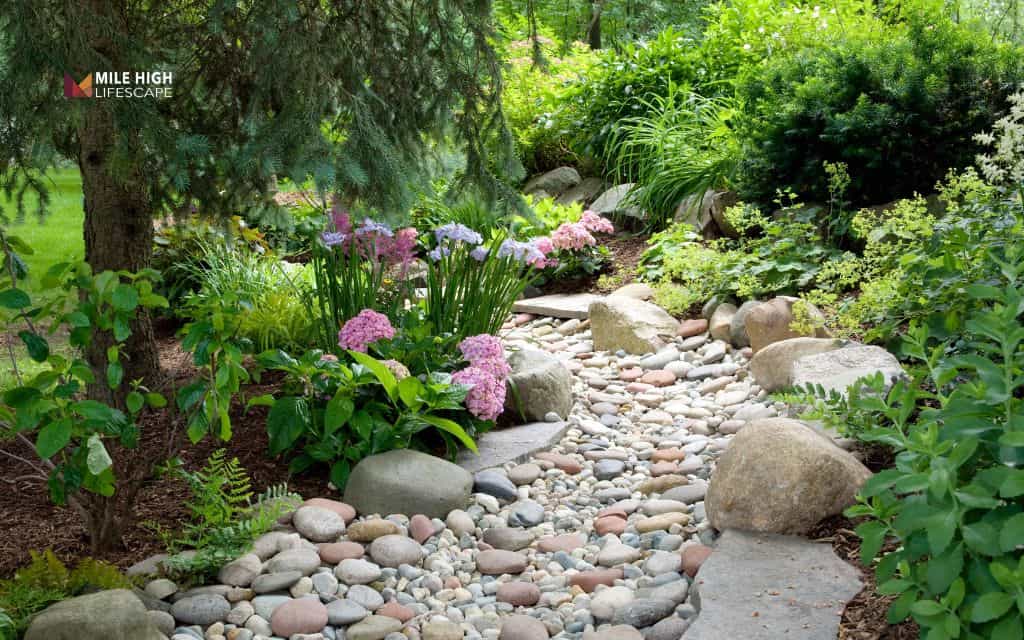
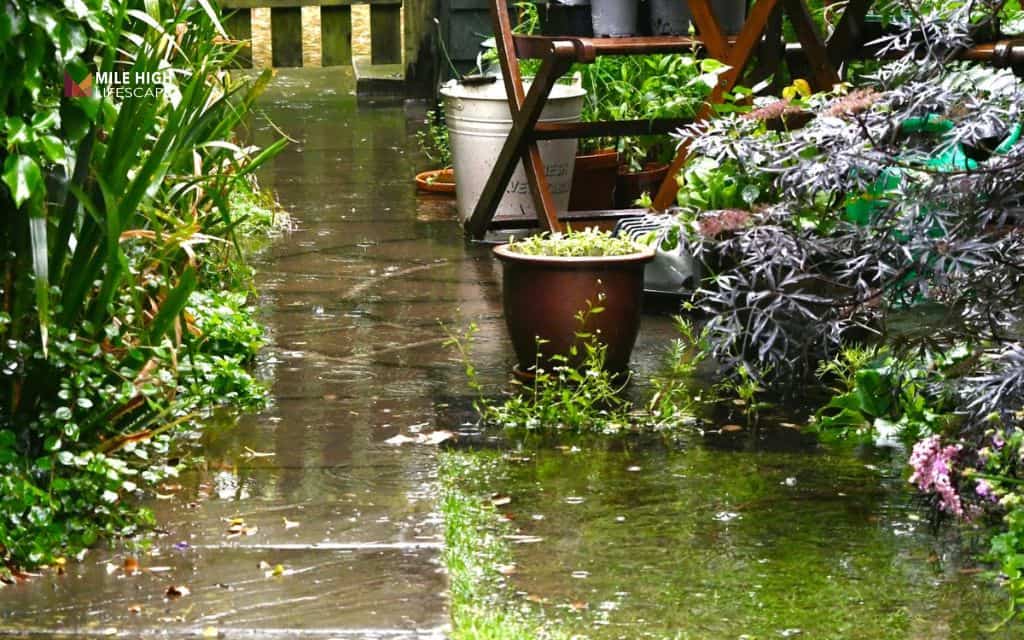
In desert climates, occasional heavy rains can create runoff that erodes soil and floods planting beds. A dry creek bed channels that water away safely and naturally.
Between rain events, the dry creek becomes a focal feature in its own right, mimicking the seasonal wash landforms that define real desert landscapes. Add native grasses, desert willow, or desert marigold along its banks for a setting that feels genuinely wild.
14. Add a small water feature
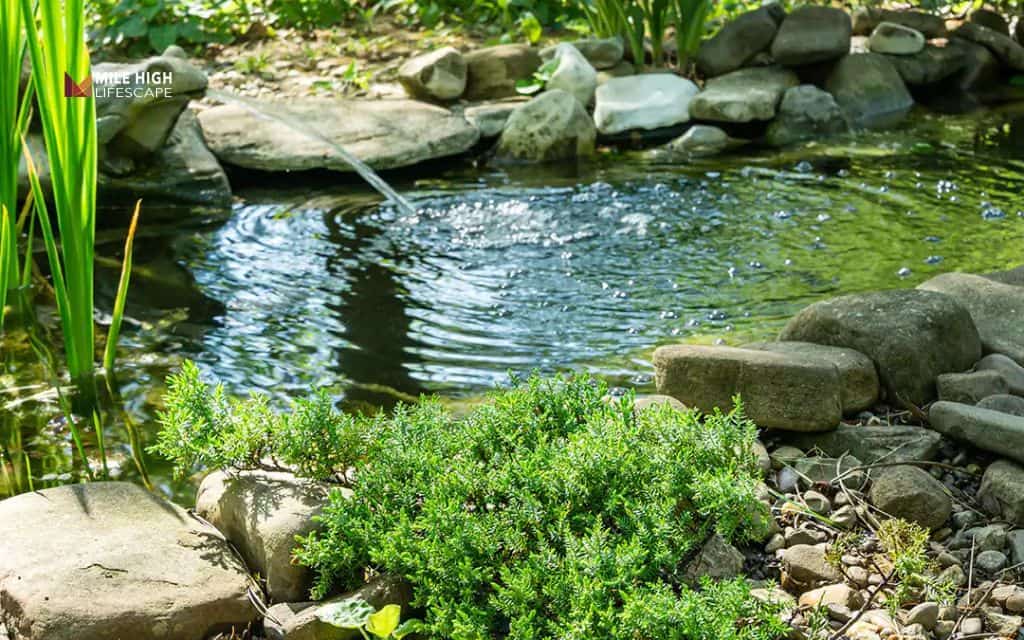
The pairing of water and desert may seem contradictory, but a small recirculating water feature such as a bubbling urn, a simple tiered basin, or a drilled boulder fountain creates one of the most striking contrasts available in a desert front yard landscape. The sound of moving water adds a dimension that no plant or stone can replicate.
Modern recirculating water features use minimal water and no municipal connection, making them genuinely water efficient. They also attract birds and wildlife to your yard, adding movement and life throughout the day.
15. Add shade structures pergola or canopy
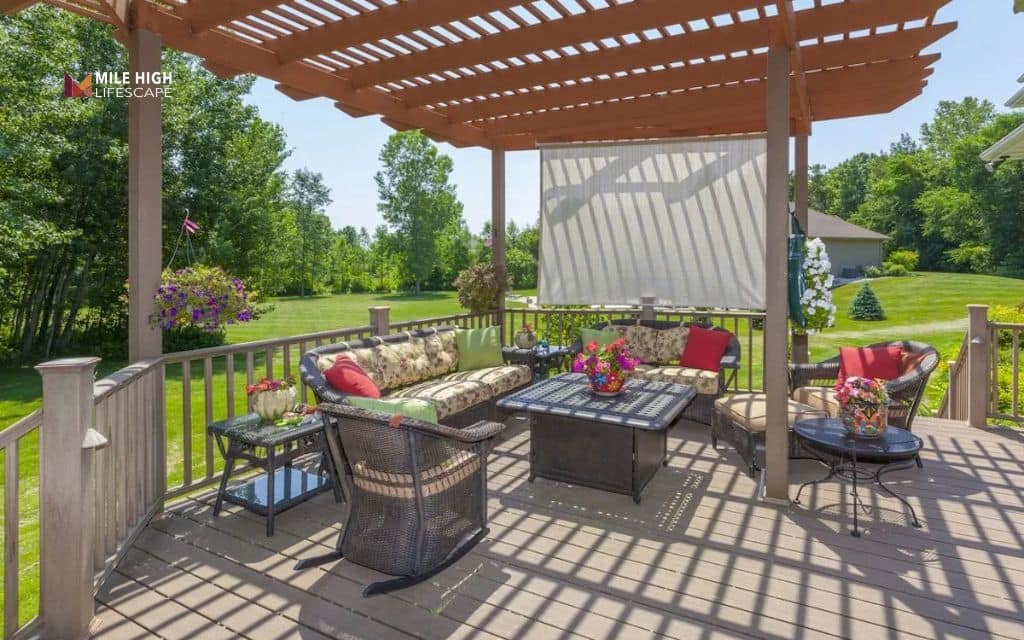
In climates where summer temperatures regularly exceed 100°F, creating livable outdoor space means creating shade. A pergola, shade sail, or timber canopy extends from your home’s facade over a portion of your front yard, creating an outdoor room that is actually comfortable to use and that dramatically improves the architecture of your home’s street presence.
Train a drought tolerant vine like trumpet creeper, Arizona grape, or climbing bougainvillea over a pergola, and you add both shade and seasonal color without adding meaningful water demand.
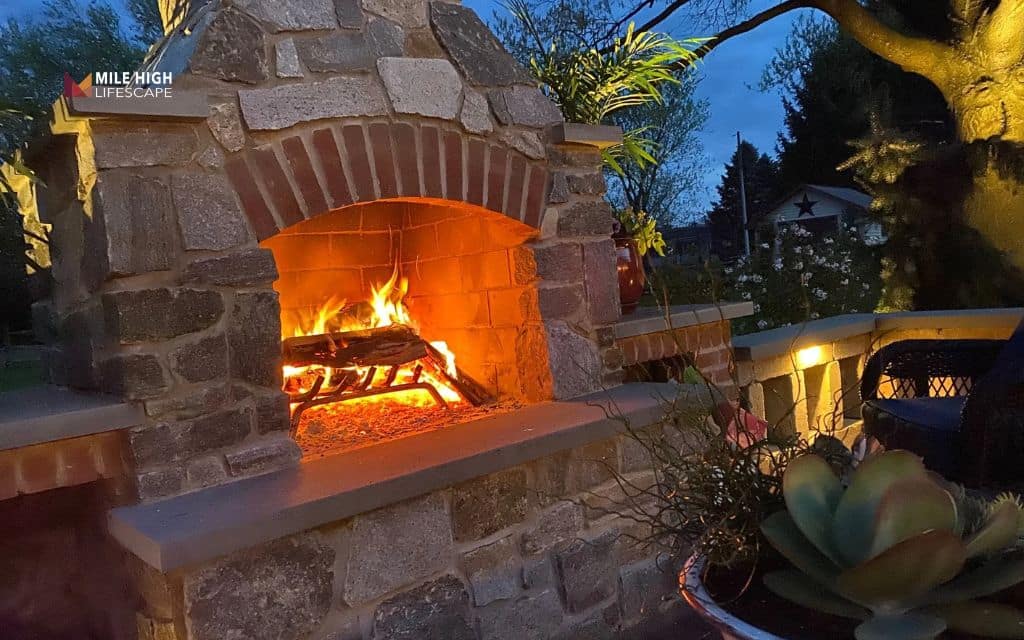
16. Incorporate a fire feature
In the desert, where temperatures drop noticeably after sunset, an outdoor fire extends your comfortable outdoor hours by months and creates a natural gathering point for neighbors, guests, and family.
From a design standpoint, a fire feature anchors the yard with a clear focal point, making other landscaping decisions such as where to place seating and how to orient pathways much easier to make.
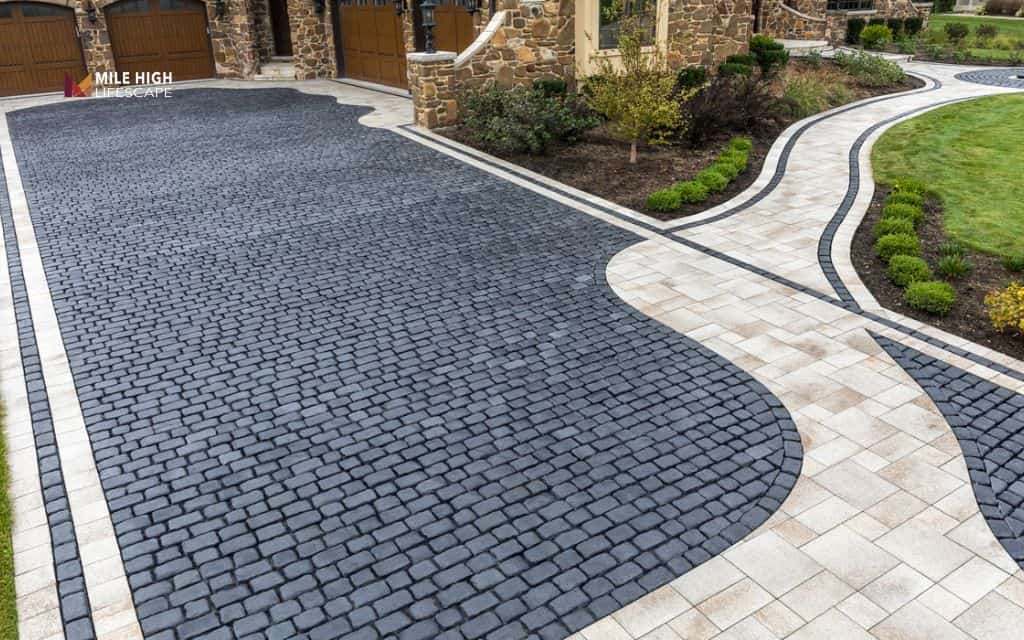
17. Use curved pathways
In a landscape dominated by angular boulders, upright cacti, and geometric hardscape beds, a gently curving pathway introduces a welcome softness. Curved paths in a desert landscape front yard slow visitors down as they approach your entry, giving them time to appreciate the plants and details along the way and making the overall yard feel larger and more interesting to explore.
Use flagstone, stabilized decomposed granite, or exposed aggregate concrete in a curve that flows naturally from the driveway or street to your front door. The path itself becomes part of the design.
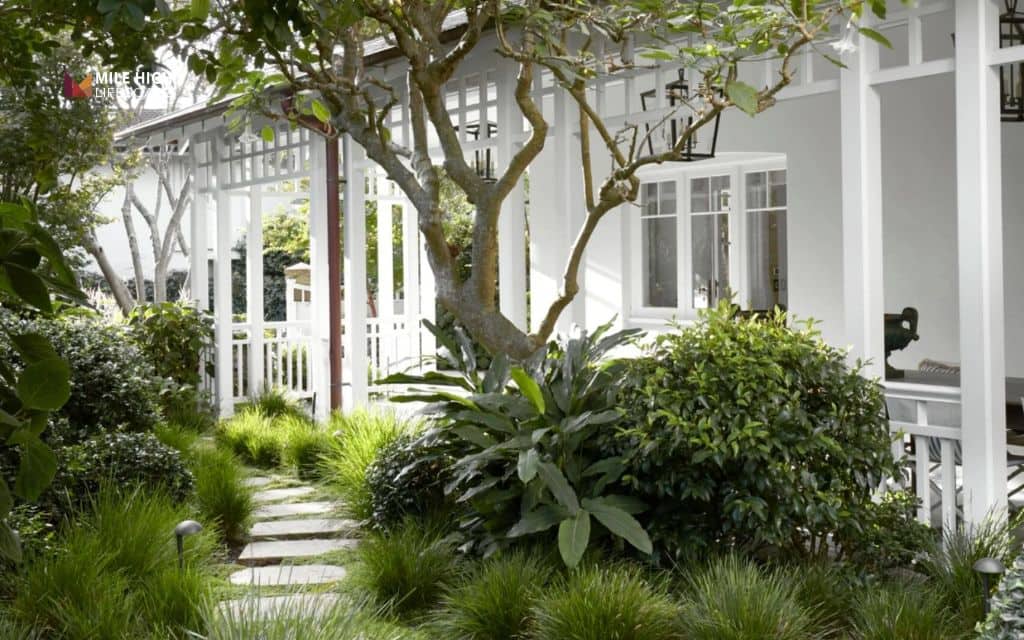
18. Frame the entryway with plants and rock
Your front entry is the most viewed spot in your entire landscape. Framing it with bold, beautiful plants and complementary rock elements immediately upgrades your curb appeal in a way that no other single change can match. Flanking your front door with matching specimen agaves, or creating a boulder-and-succulent vignette at the base of your entry steps, signals that your home and landscape are thoughtfully designed.
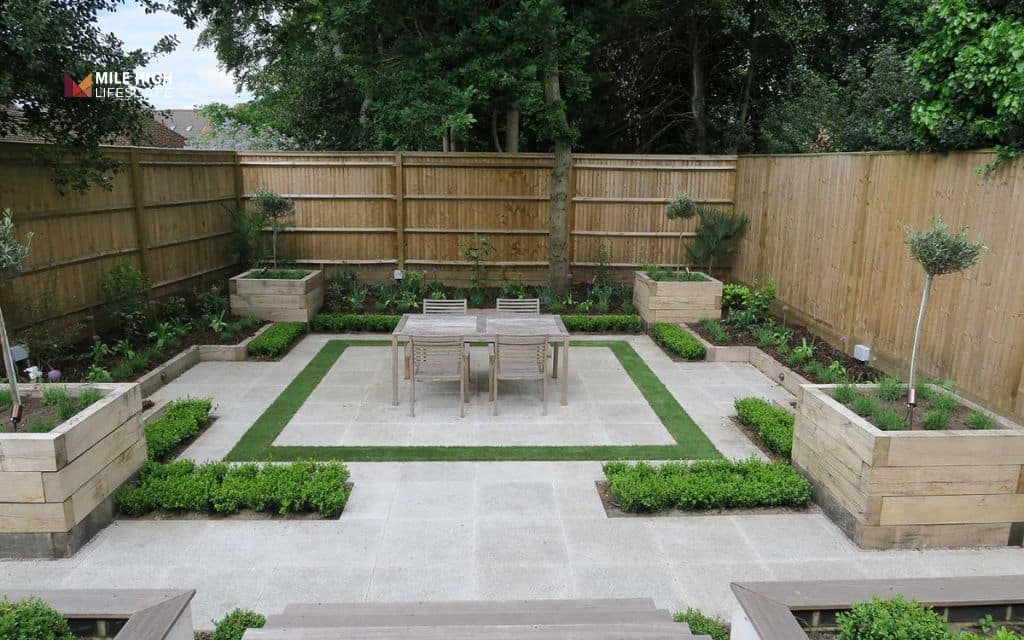
19. Leave open space for balance
This is one of the most overlooked desert landscape ideas, and one of the most important. In the excitement of discovering beautiful cacti, colorful shrubs, and interesting rock combinations, it is easy to overplant. Resist that urge. Empty space such as an open sweep of raked gravel or a clear expanse of decomposed granite between two boulder groupings is not a gap to be filled. It is a design element in its own right.
Generous negative space gives your eye places to rest, makes individual plants more dramatic by isolating them, and creates the clean, modern aesthetic that defines the best contemporary desert landscapes.
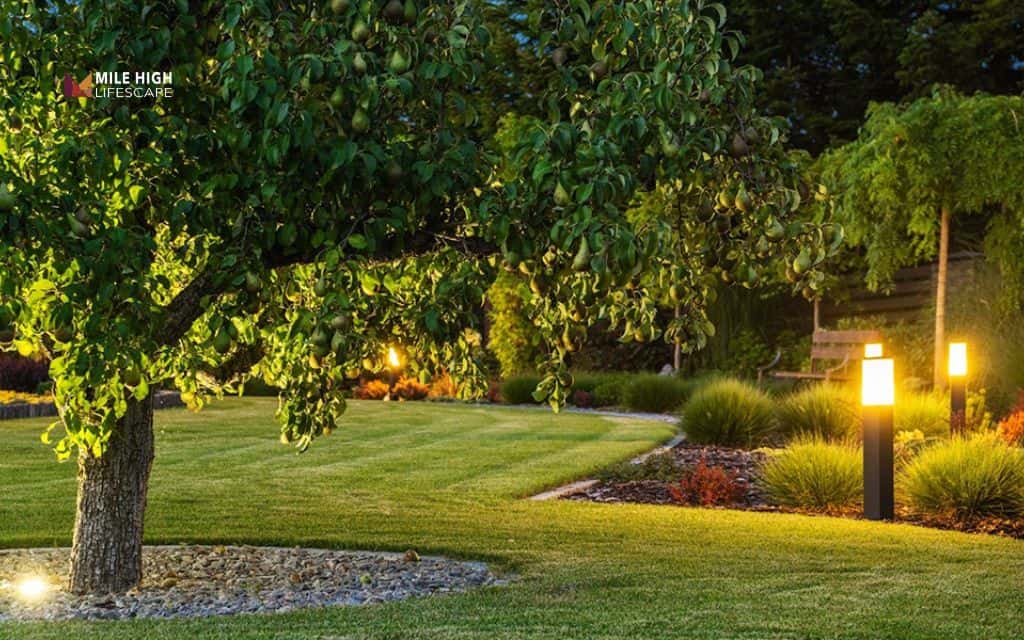
20. Add landscape lighting
A desert front yard landscape that looks magnificent at noon can look completely flat and uninteresting after dark. Low-voltage LED landscape lights are inexpensive, energy-efficient, and transformative. Uplighting a large saguaro cactus or palo verde tree at night creates a dramatic silhouette that is visible from the street and from inside your home.
Path lighting along your entry walkway improves safety and creates a warm, welcoming glow. Accent lighting pointed at textured boulders or specimen plants highlights the three-dimensional quality of your design after the sun goes down.
21. Use a limited color palette
The final principle ties every other idea together: restraint. The most visually cohesive desert landscaping pictures share one common quality: they commit to a limited, intentional color palette. This means selecting gravel tones that complement your home’s exterior, choosing plant foliage colors that relate to one another, and keeping hard materials within the same warm or cool tone family.
A desert front yard landscape does not need ten colors to be beautiful. In fact, the more you narrow your palette, the more sophisticated and intentional the result will look from the street, from your driveway, and in every photograph you take of it.
Read more:18 Front Yard Landscaping with Pots and Rocks That Works
Best plants for desert front yard landscaping
These drought-tolerant desert landscaping plants have earned their reputation through decades of proven performance in hot, dry climates. Each one rewards you with beauty in exchange for surprisingly little water.
- Agave
- Aloe
- Saguaro Cactus
- Prickly Pear
- Lavender
- Desert Sage
- Yucca
- Desert Marigold
- Red Yucca
- Palo Verde
- Brittlebush
- Globe Mallow
How to save water with desert landscaping
The water savings in a properly designed desert front yard landscape are real and significant. Here is how to maximize them from the moment you begin planning.
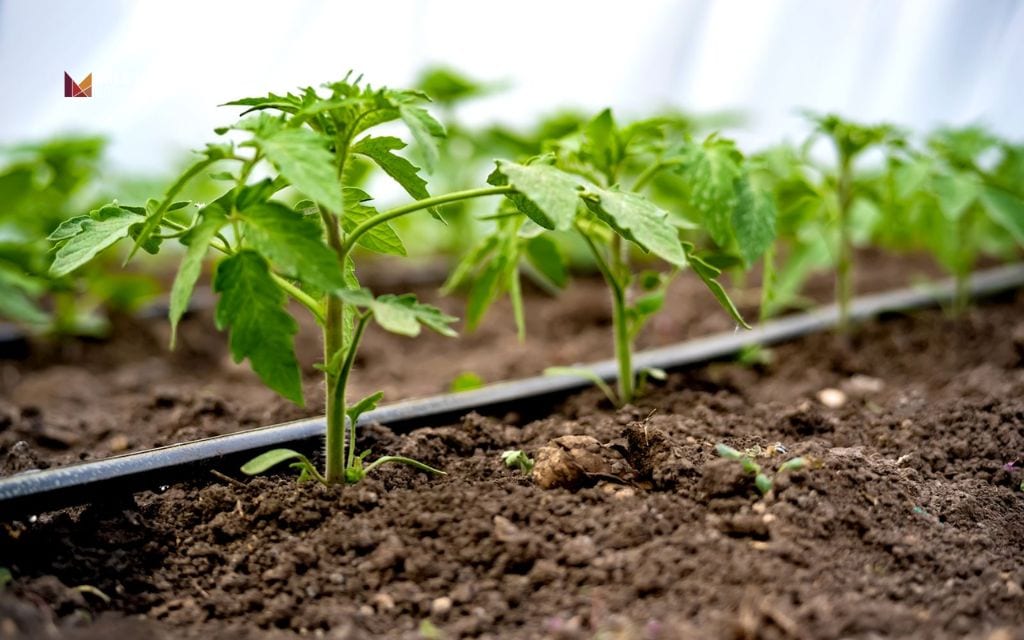
1. Install a drip irrigation system
Drip irrigation delivers water directly to plant root zones, eliminating evaporation and overspray waste. A properly programmed drip system uses 30–50% less water than traditional spray heads and delivers it exactly where it is needed.
2. Group plants by water need (hydrozoning)
Cluster high, medium, and low water plants in separate irrigation zones. This prevents overwatering your most drought-tolerant specimens while ensuring adequate moisture for plants that need a bit more.
3. Apply rock or organic mulch generously
A 3–4 inch layer of rock mulch or organic bark reduces soil moisture evaporation by up to 70%, meaning the water you do apply stays in the root zone far longer between irrigation cycles.
4. Eliminate or dramatically reduce turf
Lawn grass is by far the thirstiest element of any traditional front yard. Replacing even a portion of your lawn with gravel, decomposed granite, or low-water ground covers produces immediate, measurable water savings.
Conclusion
A well-designed desert front yard landscape is one of the smartest investments you can make as a homeowner. It is not simply a swap from grass to gravel. It is a complete rethinking of how your outdoor space can look, function, and serve you for years to come. The results speak for themselves: a front yard that turns heads, demands almost nothing in return, and works in harmony with the climate rather than against it.
Every desert front yard done right delivers the same four things:
- Attractive curb appeal all year round
- Reduced water usage compared to traditional lawns
- Lower maintenance needs
- A long-term, eco-friendly investment
Whether you start with one idea from this guide or commit to a full transformation, the direction is clear. You get more beauty, more efficiency, and more freedom, all while doing right by your environment and your water bill.
By choosing a landscape that works with your climate, you create an outdoor space that is efficient, beautiful, and built to last.
Ready to transform your front yard into a low-maintenance, high-impact landscape? Start planning your desert-style design today and bring your vision to life.
At Mile High Lifescape, our professional landscaping service helps Denver homeowners create beautiful, water-wise outdoor spaces designed for the local climate. From landscape design and installation to complete yard transformations, our team is here to bring your vision to life with a low-maintenance landscape built to last. Contact us today to get started.
Frequently Asked Questions (FAQs)
What plants work best in desert landscaping?
The most reliable plants for a desert front yard landscape include agave, aloe, yucca, and cactus species that need little to no watering once established. For seasonal color, desert marigold, globe mallow, and Penstemon deliver vivid blooms without meaningful water demand. Desert sage, lavender, red yucca, and ornamental grasses like blue grama or deer grass complete a well-balanced planting palette.
How can I make my desert front yard look modern?
A modern desert front yard landscape comes down to restraint and intention. Use steel edging to create clean borders between gravel areas and planting beds, and choose decomposed granite or smooth river rock in a neutral tone that suits your home’s exterior. Let a few bold specimens like a large agave or a multi-trunk palo verde do the visual work rather than filling every inch of space. Clean lines and a limited color palette do the rest.
Is desert landscaping cheaper than grass?
Over time, a desert front yard landscape is consistently more cost-effective than maintaining traditional turf. While upfront installation costs vary, the ongoing savings are significant. You eliminate monthly lawn service, reduce water bills considerably, and avoid fertilizer and irrigation repair costs. Most homeowners find their desert landscape pays for itself within three to five years.
What are some cheap desert backyard ideas that also work in the front yard?
Several budget-friendly approaches translate well into a desert front yard landscape. Seeding native wildflowers directly into prepared soil delivers impressive spring color at minimal cost. Sourcing decomposed granite locally keeps material costs low. Propagating succulents from cuttings expands your plant collection for free. A dry creek bed built from collected river rocks adds real design value without a large investment.
How do you maintain a desert landscape front yard?
Maintaining a desert front yard landscape is light but not zero effort. In spring, trim dead foliage and prune winter-damaged cactus pads. In summer, check drip emitters and flush irrigation lines. In fall, remove spent wildflower stalks and replenish mulch. Year-round, pull weeds early and clear gravel of wind-blown debris. Most desert front yards need no more than a few focused hours of care each season.
Where can I find desert landscaping pictures for inspiration?
Local botanical gardens are a great starting point, as many feature dedicated xeriscape demonstration areas that showcase real desert front yard landscape examples. Houzz and Pinterest both offer extensive photo libraries organized by style and plant type. Driving through established neighborhoods in Scottsdale, Tucson, Albuquerque, or Las Vegas gives real-world perspective on how designs age and perform. The Mile High Lifescape blog also features before and after desert front yard landscape transformations with detailed plant and material breakdowns.