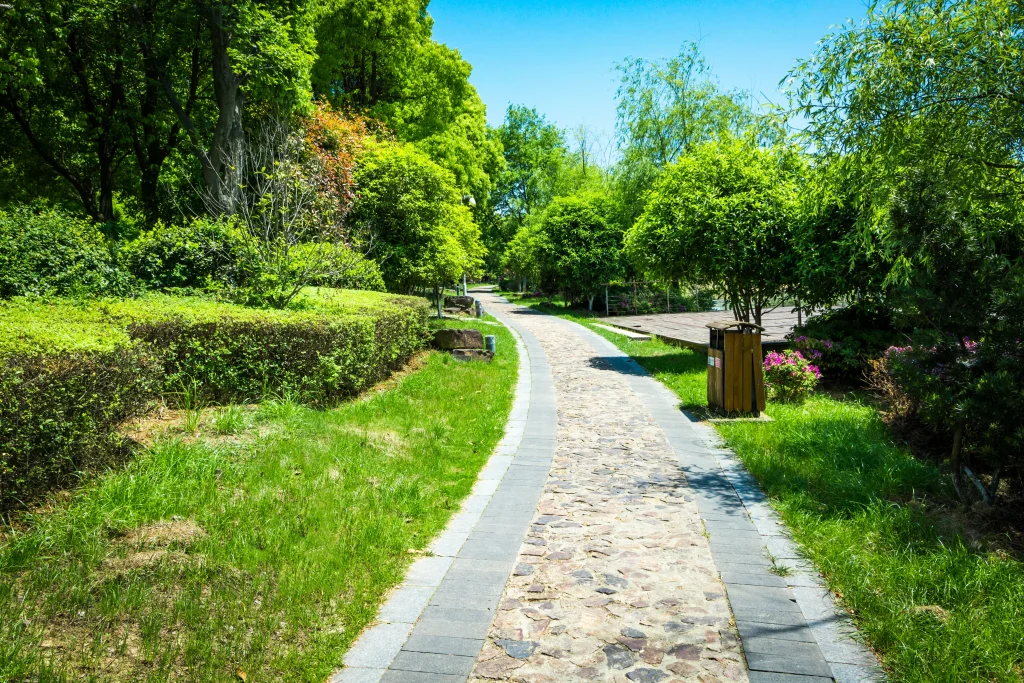
A great garden rarely happens by accident. Behind every yard that makes you slow down and look twice is a handful of smart, intentional choices, and the good news is that most of them are easier to pull off than they appear.
Whether you’re staring at a blank patch of dirt, a tired front lawn, or a backyard that never quite became the hangout spot you imagined, the right landscaping ideas can turn that space into something you actually want to spend time in.
This guide walks you through 27 ideas, grouped by what you need, so you can find inspiration, plan with confidence, and take the first practical step.
Why landscaping makes such a big difference
Thoughtful landscaping increases curb appeal and property value, often delivering one of the better returns of any home improvement.
It makes outdoor spaces more usable and relaxing, turning unused corners into places for morning coffee or weekend gatherings. It helps organize gardens and outdoor living areas so everything has a purpose and a place. And it creates a more personal, inviting atmosphere that reflects how you actually live.
Best of all, you don’t need a full overhaul to see results. Even small landscaping changes, like a defined walkway or a few layered plantings, can completely transform a yard.
How to choose the right landscaping style
Before you buy a single plant or paver, it helps to step back and think about your specific conditions. The most successful gardens work with their environment rather than against it.
Sun & climate conditions
Sunlight and weather shape almost every landscaping decision:
- Sunny yards work well with drought-tolerant plants that thrive in heat and need less water
- Shady spaces benefit from layered greenery and texture, where foliage and form carry the design instead of constant blooms
And your local climate affects watering and maintenance needs year-round, which matters a great deal here in Colorado’s dry, high-altitude conditions.
Yard size & layout
The shape and scale of your space determine what’s realistic:
- Small yards benefit from vertical design and simple layouts that keep things from feeling cramped
- Large yards allow for zones and layered landscaping, where you can create distinct areas for dining, lounging, and gardening
- Sloped spaces may require retaining walls or pathways to stay usable and prevent erosion
Maintenance preferences
Be honest about how much time you want to spend on upkeep. Gravel and native plants reduce upkeep dramatically and look intentional doing it. Flower-heavy gardens require more maintenance, with regular deadheading, watering, and seasonal replanting.
The key is to choose realistic landscaping goals for your lifestyle, because the best garden is one you can actually keep up with.
27 landscaping ideas to upgrade any garden
1. Try layered landscaping
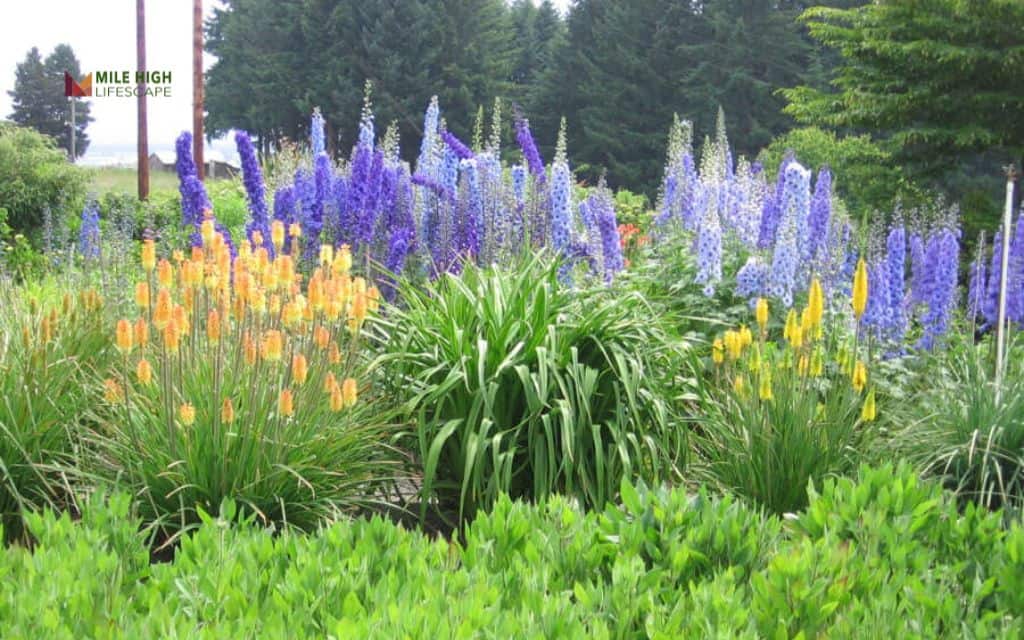
Layered landscaping arranges plants in tiers, with taller trees at the back, mid-height shrubs in the middle, and low flowers or groundcovers in front. This builds depth from the ground up so the eye travels naturally across the planting.
It combines trees, shrubs, flowers, and groundcovers to make landscapes look fuller and more professional, and the different layers keep something visually interesting happening in every season.
2. Design a welcoming garden walkway
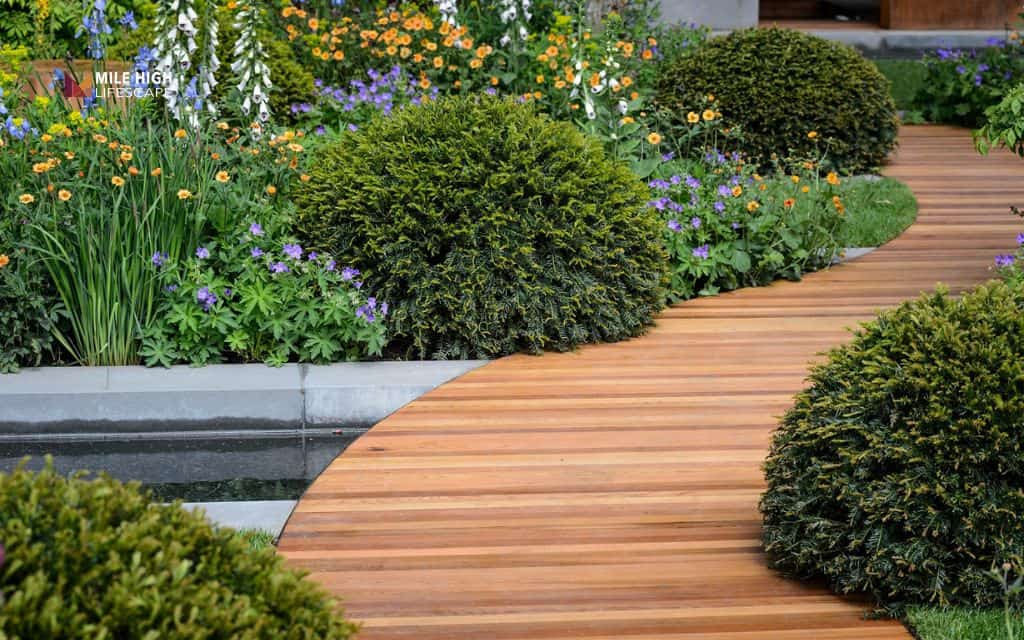
A well-designed walkway does more than get you from the sidewalk to the door, it sets the tone for the whole property. Whether built from flagstone, pavers, brick, or gravel, a path creates a clear and inviting entrance and gently guides visitors where you want them to go.
3. Boost home value with landscaping
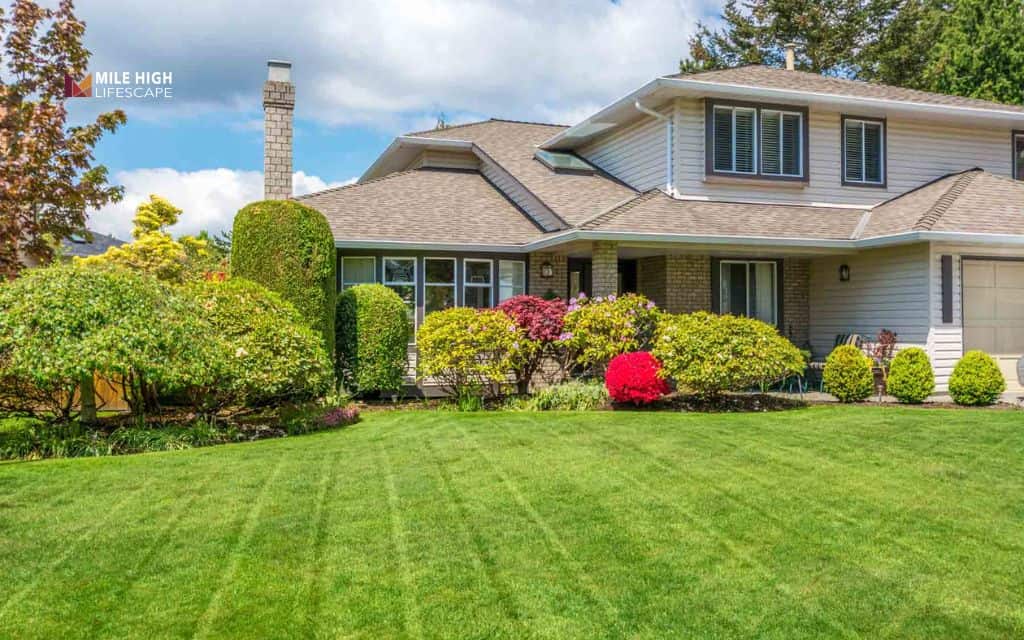
Landscaping is one of the few home upgrades that works while you’re not even home, quietly raising your property’s appeal every single day. A thoughtfully planted, well-kept yard improves curb appeal instantly and makes the property feel more polished and cared for.
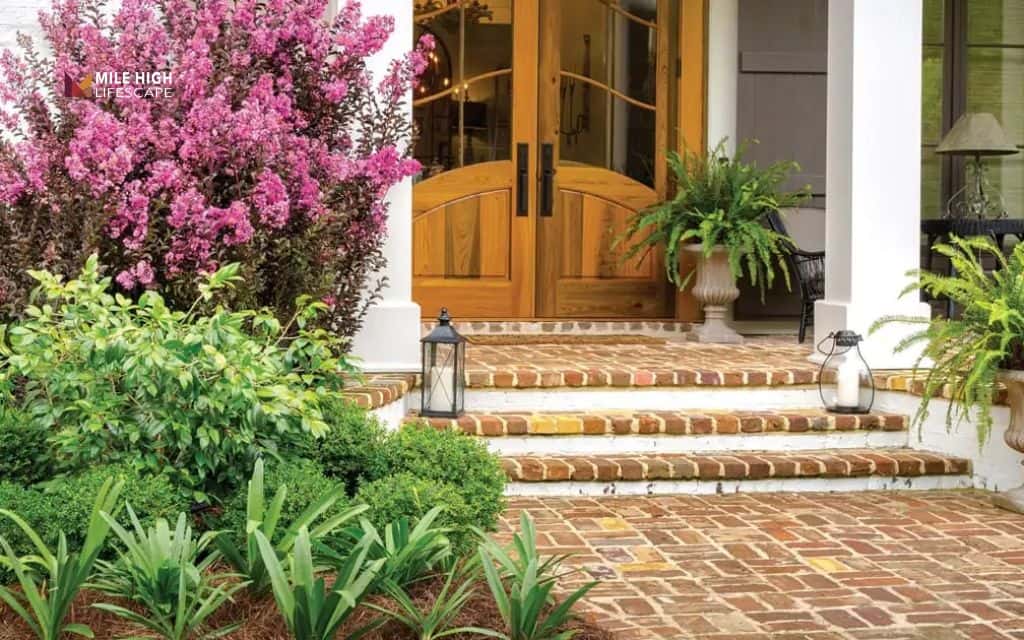
4. Frame the entryway with plants
Placing greenery on either side of your front door creates a sense of arrival and draws attention to the home naturally. Matching planters, flanking shrubs, or a pair of small ornamental trees soften hard architectural lines and round off the sharp edges of a facade.
The effect creates a warm, welcoming atmosphere that makes the entrance feel cared for and complete. Even a couple of well-chosen containers can make a plain doorway feel finished.
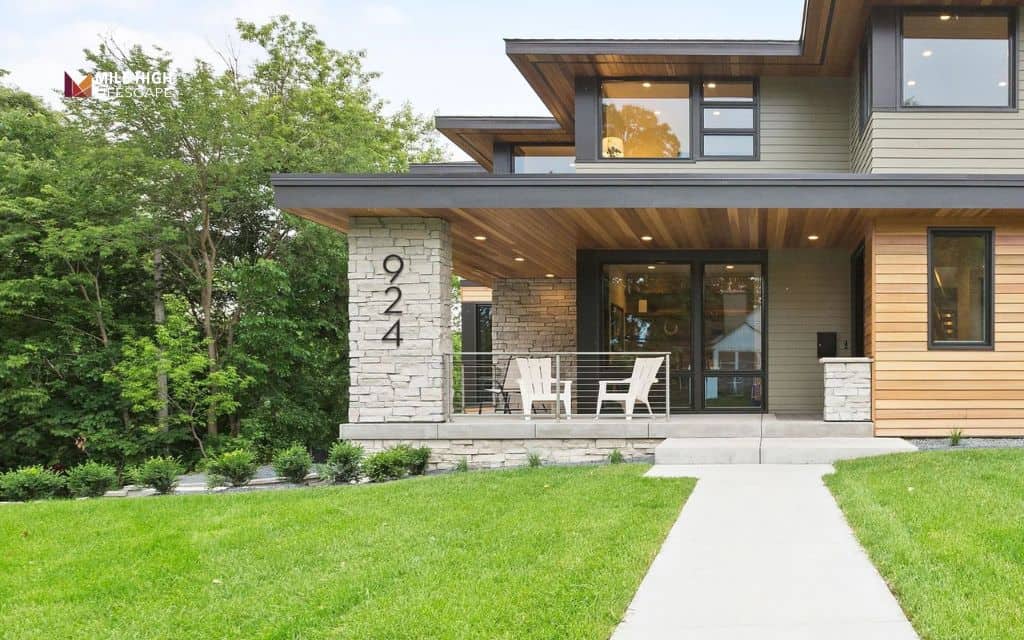
5. Create a contemporary house number feature
House numbers are usually an afterthought, but treating them as a design element gives the front yard an unexpected dose of style. A modern, oversized, or backlit number set against stone, wood, or a planted backdrop adds personality to the front yard while staying entirely practical. Pairing it with a small planting or a sleek light fixture turns a small feature into a real statement.
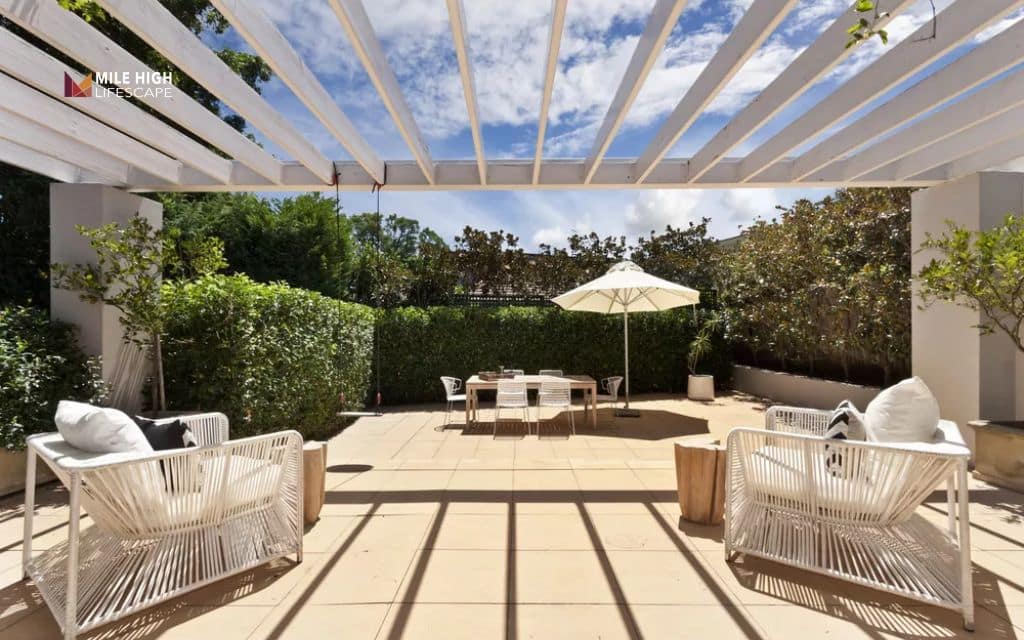
6. Create an outdoor living room
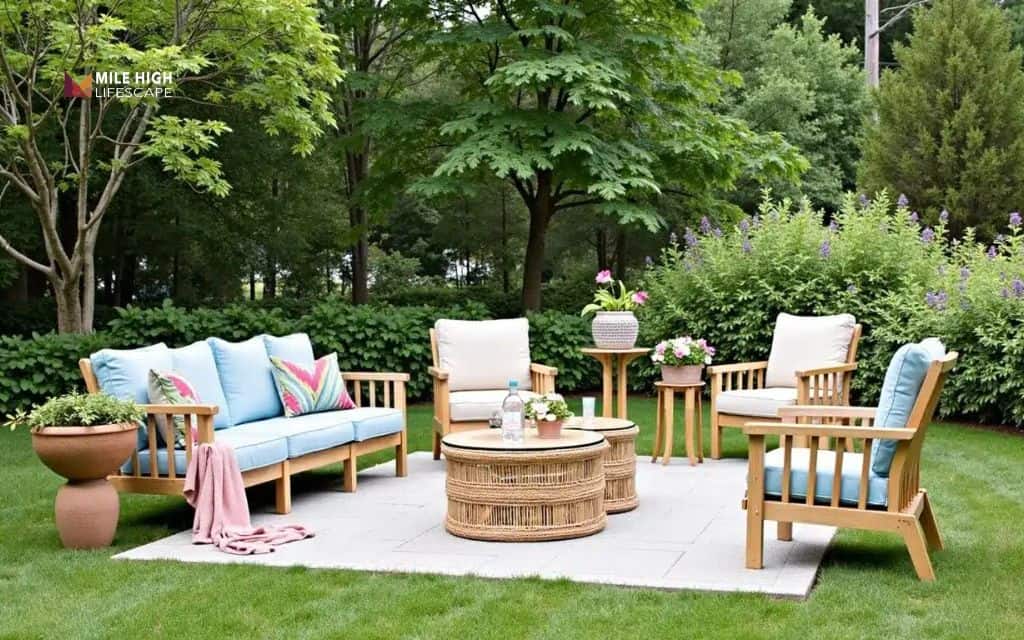
An outdoor living room takes the comfort of your indoor lounge and moves it outside. With weatherproof sofas, a coffee table, an outdoor rug, and a few cushions, you extend indoor comfort into the backyard and signal that this is a place to settle in, not just pass through.
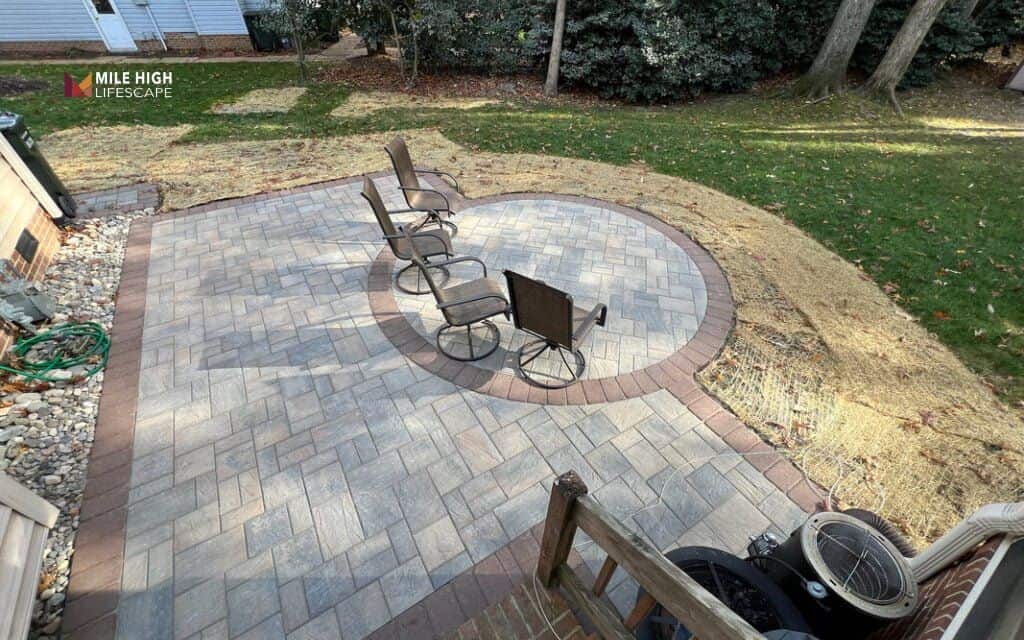
7. Build a paver patio
A paver patio gives your outdoor furniture a stable, level home and anchors the whole backyard. Built from interlocking concrete, stone, or brick units, it creates durable outdoor living space that resists cracking and is easy to repair, since individual pavers can be lifted and replaced. It works with nearly every landscape style, depending on the material and pattern you choose, and it adds long-term usability to the yard for dining, grilling, or simply relaxing.
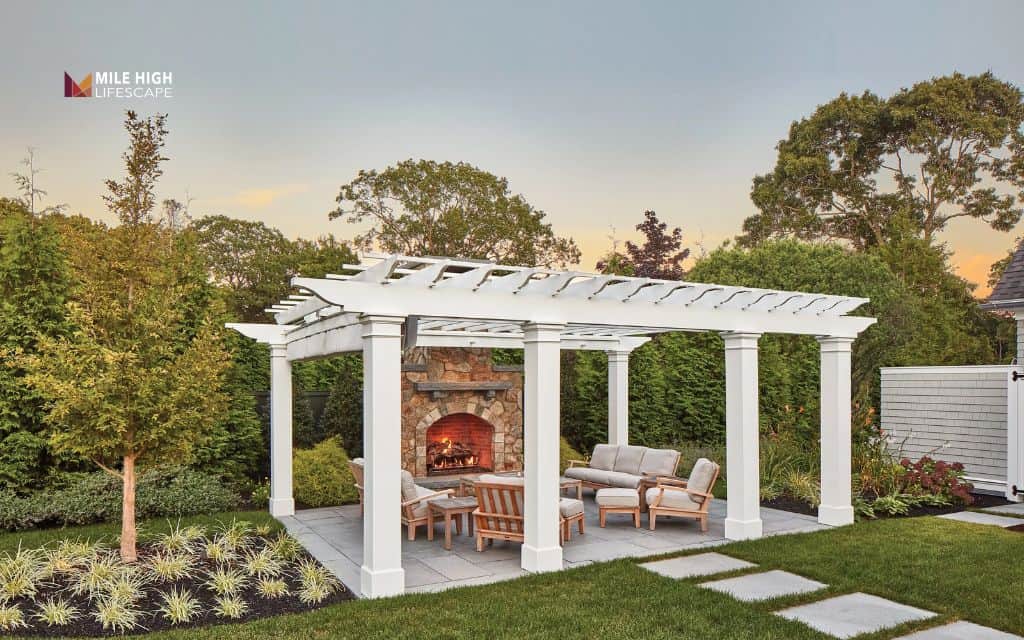
8. Install a pergola for shade & style
A pergola is part shade structure, part sculpture. Its open framework of beams creates cooler outdoor seating areas by filtering harsh midday sun while still letting light and air through. It adds height and architectural interest, giving a flat patio a defined sense of “ceiling” and instantly making the space feel more designed.
9. Design a cozy fire pit area
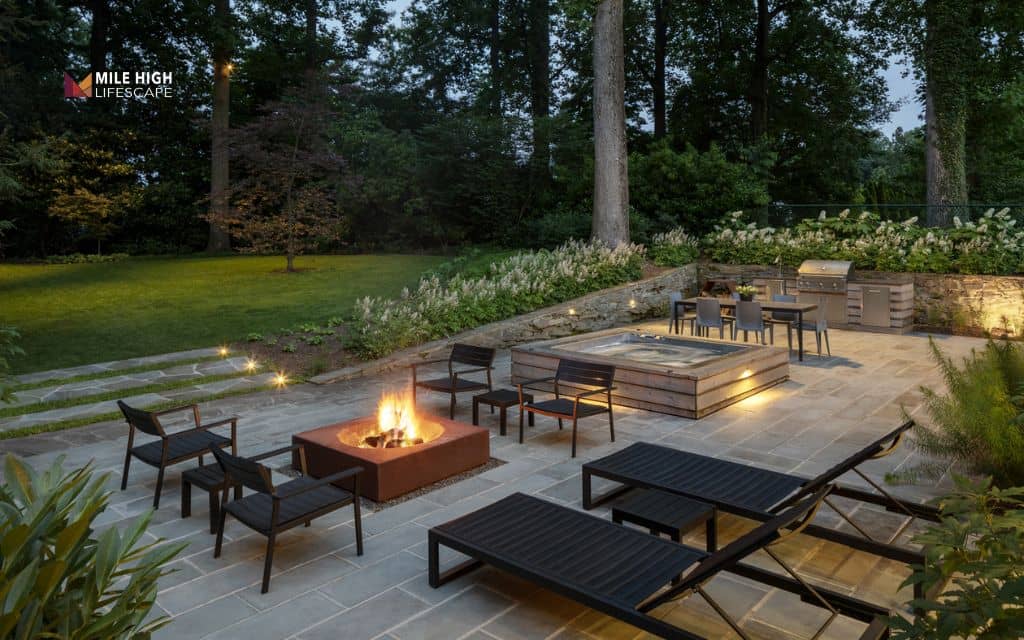
Whether it’s a simple stone ring or a built-in gas feature, it creates a natural gathering space where people instinctively pull up a chair. It makes the backyard usable during cooler weather and shoulder seasons, stretching your outdoor time well past summer, and it adds warmth and ambiance that few other features can match. Ring it with comfortable seating and you’ve created the social heart of the yard.
10. Add a backyard waterfall
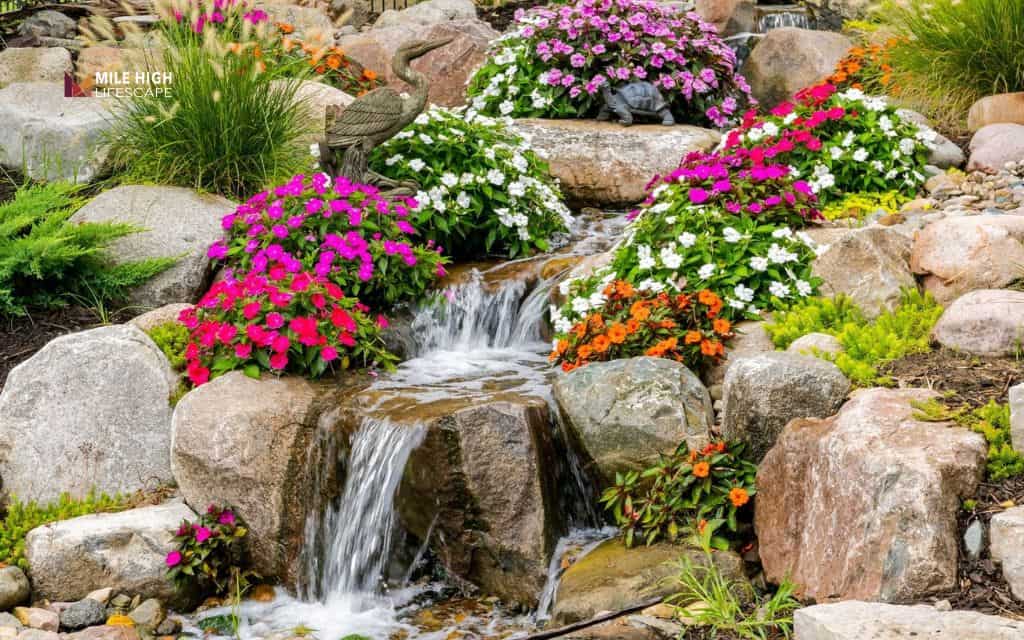
A waterfall creates soothing sound and movement that masks street noise and adds calm. It turns the landscape into a relaxing retreat and enhances natural-style gardens beautifully, especially when surrounded by rocks and lush plantings. Whether it cascades into a pond or recirculates into a hidden basin, a waterfall becomes a true focal point.
11. Set up a DIY water fountain
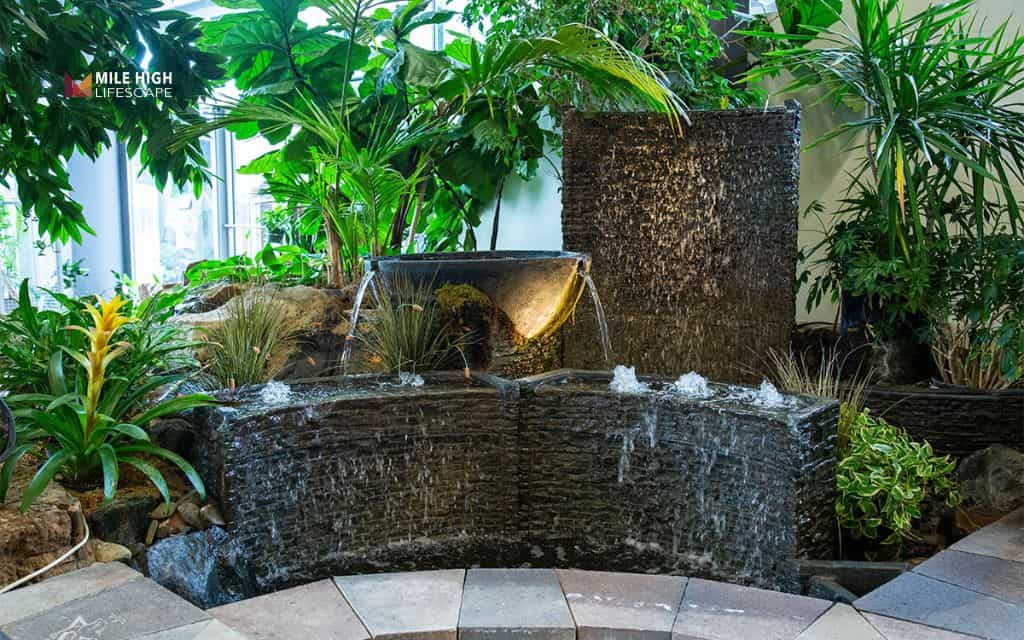
You don’t need a sprawling yard or a contractor to enjoy water in your garden. A self-contained fountain, from a tiered classic to a simple bubbling urn, adds a touch of luxury without requiring a large yard or complex plumbing.
12. Incorporate a pond or water garden
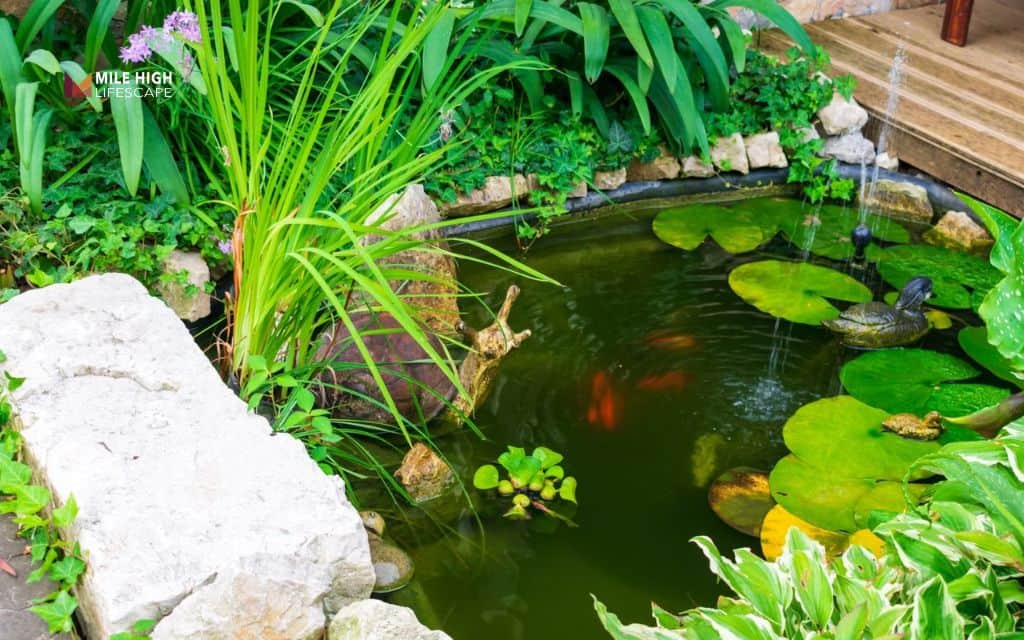
A pond introduces a living, breathing element to your landscape. Planted with water lilies and edged with stones and marginal plants, it attracts birds, frogs, and pollinators that bring the garden to life. With the right balance of plants and a small pump, a water garden can become a low-fuss, self-sustaining ecosystem.
13. Save water with xeriscaping
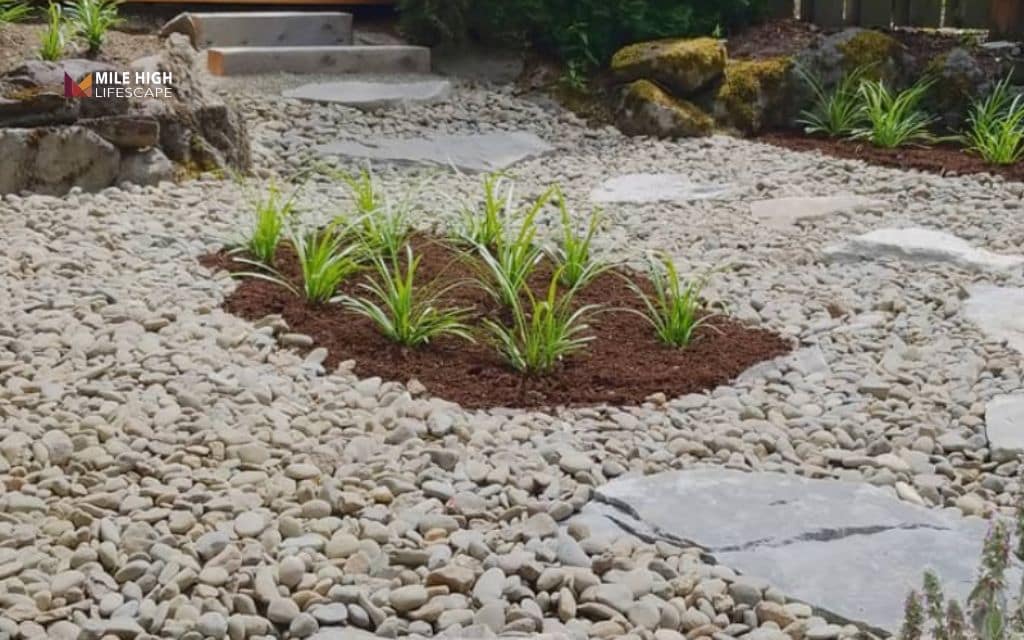
Xeriscaping is landscaping designed to thrive with little supplemental water. By relying on drought-tolerant plants, gravel, and smart grouping of plants with similar water needs, it reduces watering and maintenance dramatically. It works well in dry or water-restricted climates, but the principles, less thirsty turf and more resilient plantings, save effort and money almost anywhere. Once established, a xeriscape can largely sustain itself on natural rainfall.
14. Use mulch to simplify maintenance
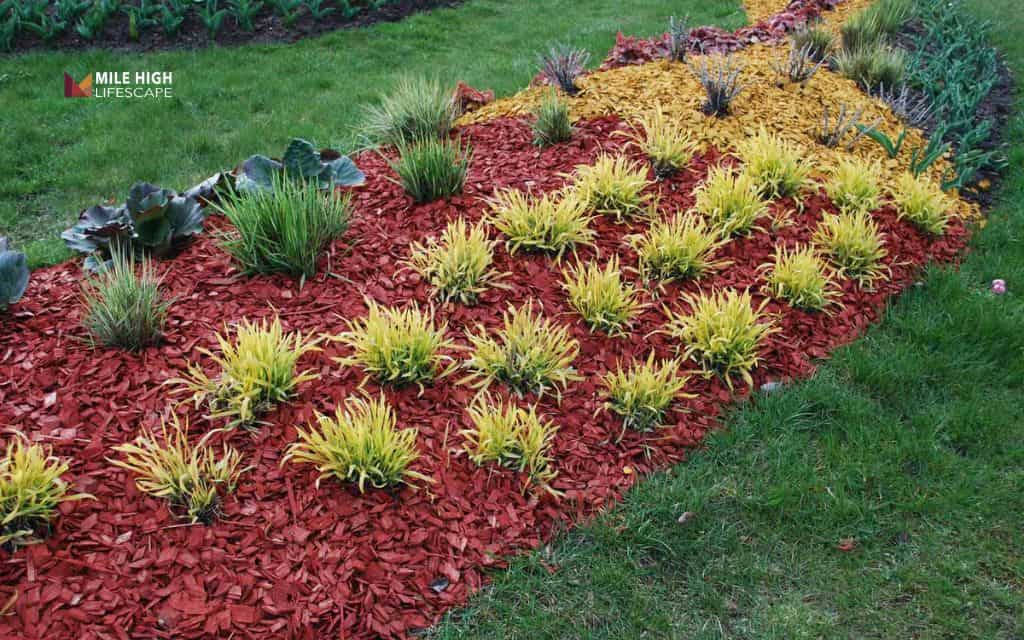
Mulch is one of the highest-impact, lowest-effort upgrades in any garden. It keeps planting beds looking clean and finished with a consistent, tidy surface, and as organic mulch like bark or wood chips breaks down, it improves soil quality over time by adding nutrients and structure. Refreshing it once a year keeps beds looking their best.
15. Plant perennials for long-term color
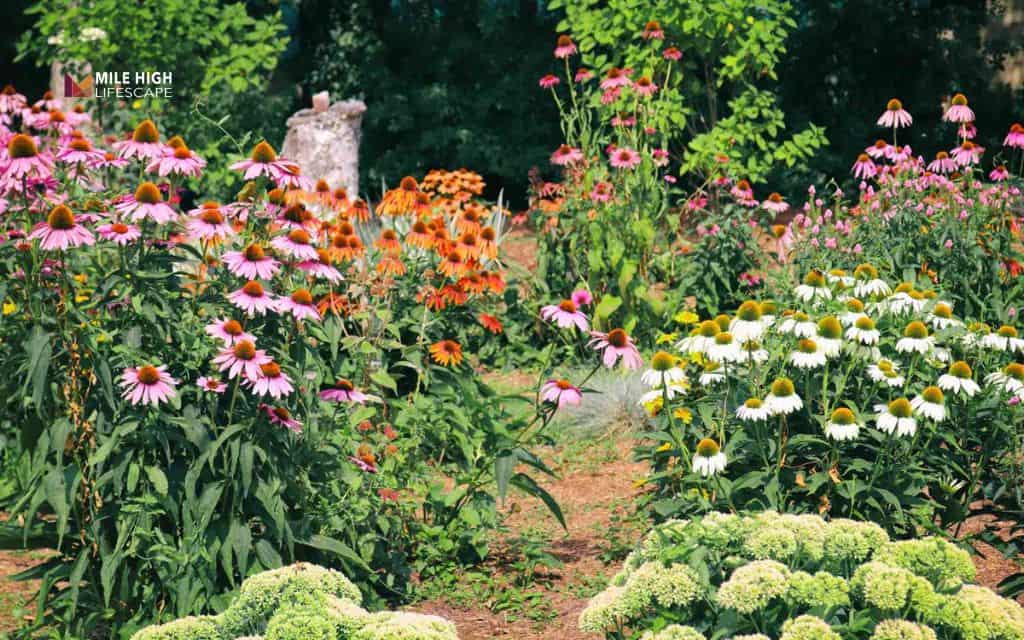
Perennials add seasonal beauty and pollinator support, with different varieties blooming at different times to keep color rolling through the seasons. Because they re-emerge on their own, they reduce the need for constant replanting and gradually fill out into established, reliable clumps. Mix a few varieties and you’ll have something in bloom for months.
16. Landscape with potted plants
Pots add flexibility and seasonal color you can rearrange, swap out, or bring under cover whenever you like. They work beautifully on patios, porches, steps, and balconies, and clustering them at varying heights makes small spaces feel more layered and full. Containers also let you grow plants that wouldn’t suit your soil, since you control what goes in each pot.
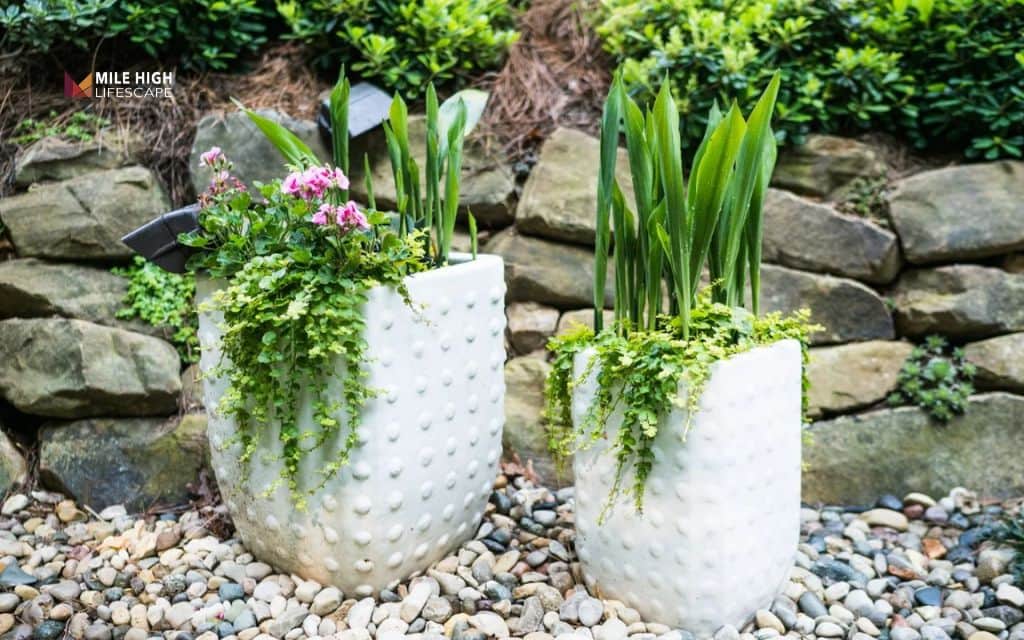
17. Go minimal with clean landscaping
By limiting your palette to a few well-chosen plants, clean lines, and simple materials, it reduces visual clutter and makes maintenance easier, since there’s simply less to tend. The result is a calm, modern aesthetic that feels deliberate and serene rather than busy.
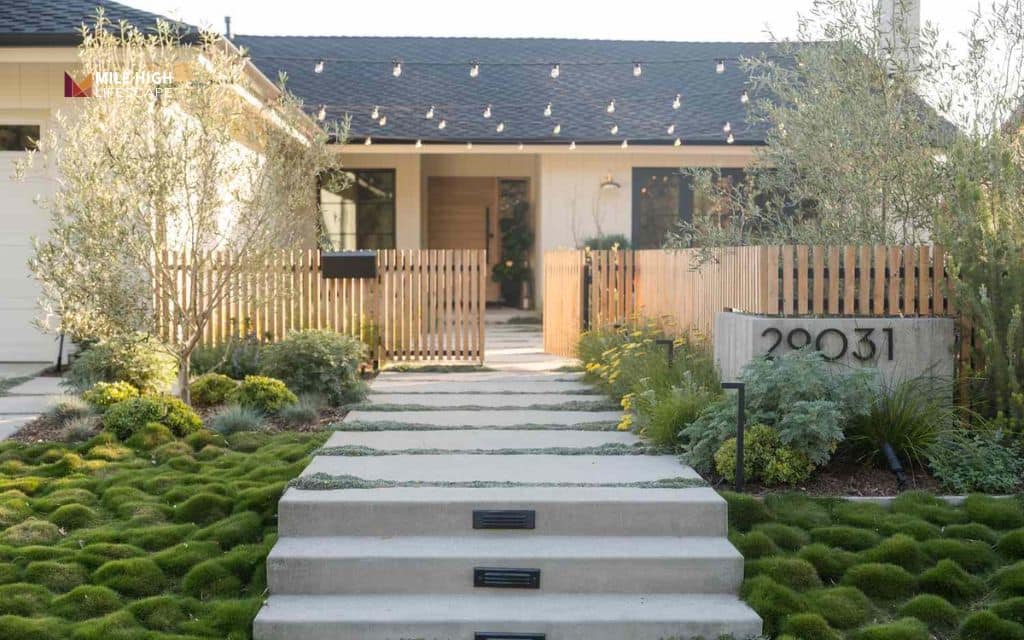
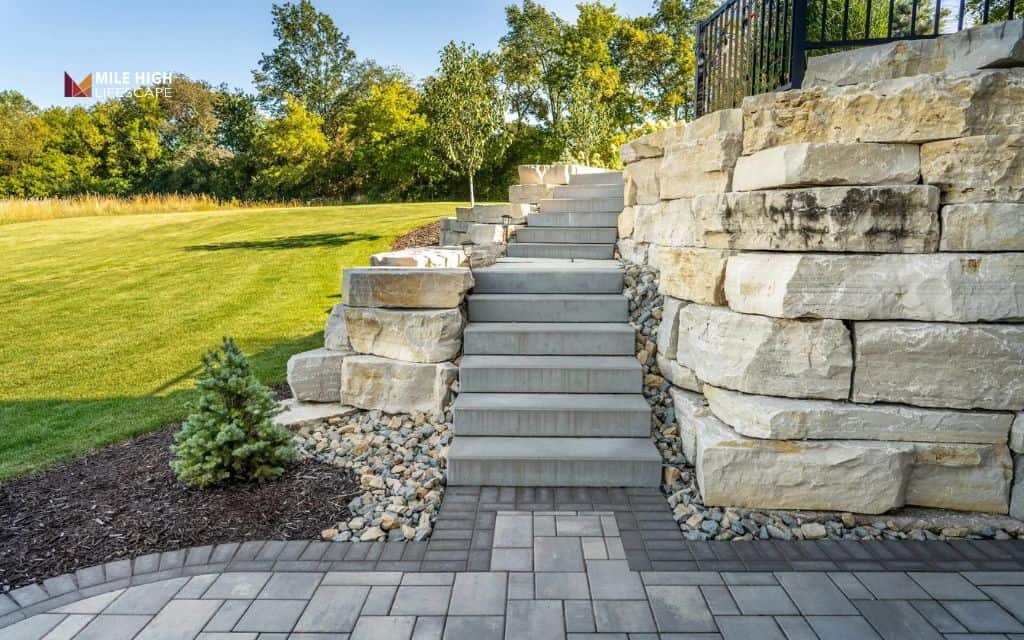
18. Build a retaining wall
A retaining wall turns problem slopes into usable, attractive space. Built from stone, block, or timber, it stabilizes slopes and prevents erosion by holding soil in place. It creates usable planting areas by leveling out terraced beds, and it adds texture and architectural structure that grounds the whole landscape. Beyond the practical fix, a well-built wall doubles as a design feature that defines the edges of your yard.
19. Experiment with landscape edging
A clean border of metal, stone, brick, or molded edging defines flower beds and pathways cleanly and prevents grass from spreading into beds, cutting down on the constant battle to keep lines crisp. The finished effect makes landscapes feel more organized and deliberate, framing your plantings the way a border frames a picture.
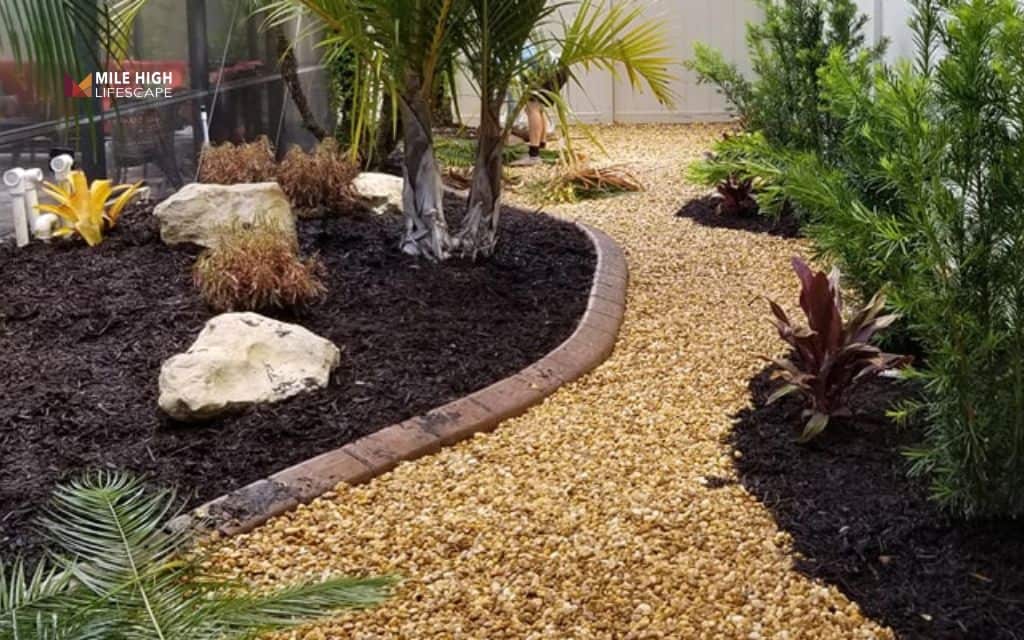
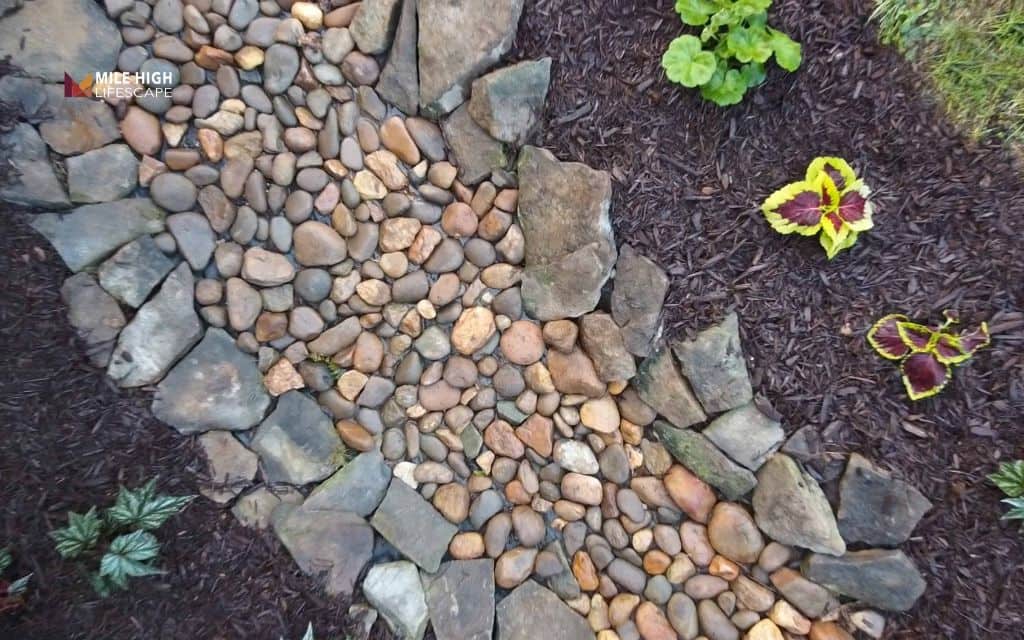
20. Create a dry stream bed
A dry stream bed is a shallow channel lined with rocks and gravel that mimics a natural creek. Functionally, it helps direct water runoff naturally during heavy rain, channeling it safely away from your home or low spots. Visually, it adds texture and movement to the yard and creates a natural-looking landscape feature even when no water is flowing. Wind it through a bed and edge it with grasses or boulders, and it reads as an intentional, almost sculptural element.
21. Build a DIY rock garden
Because it leans on boulders, gravel, and tough specimens, it reduces watering and maintenance while creating texture-rich visual interest through contrasting shapes and surfaces. It works with succulents and ornamental grasses that love the sharp drainage rocks provide. Arrange stones in natural-looking groupings and tuck plants into the pockets between them for an effortless, organic feel.
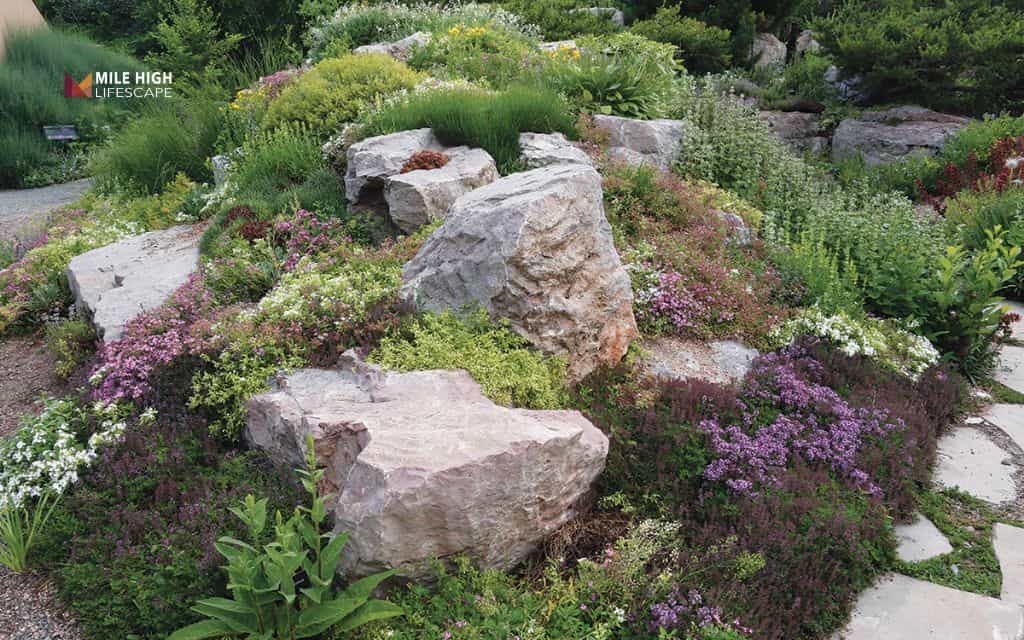
22. Make a berm for added dimension
A berm is a mounded area of soil that breaks up the monotony of a flat lot. By adding gentle height variation to flat yards, it gives the landscape contour and a more natural, rolling feel.
A berm creates natural privacy and visual flow when planted with shrubs or grasses, screening sightlines without a hard barrier, and it helps define planting areas by separating one part of the yard from another. It’s also a great way to put excess soil from another project to good use.
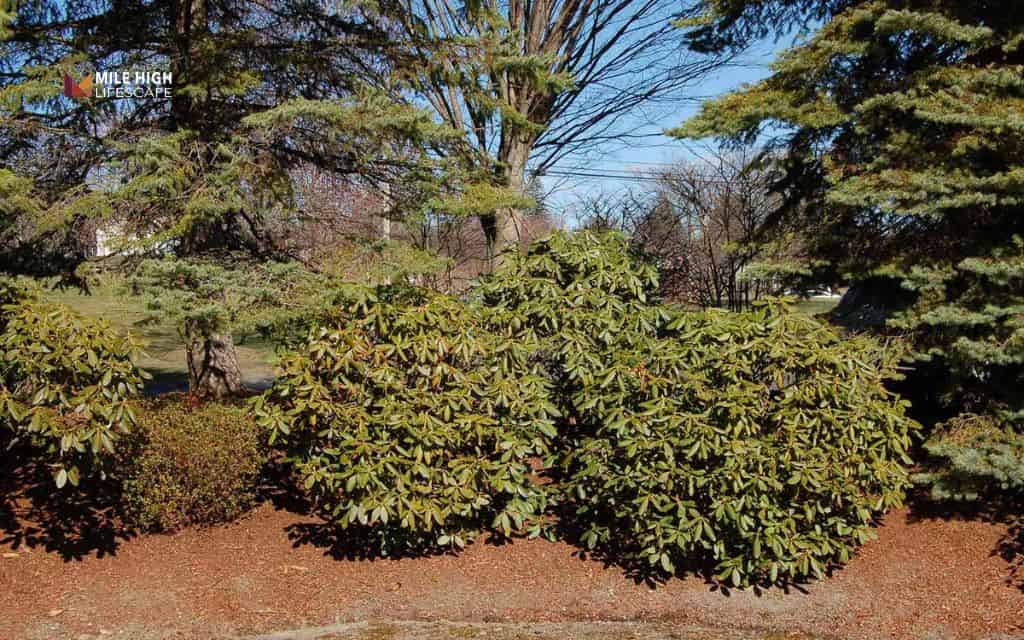
23. Define spaces with boxwoods
Boxwoods are the workhorses of structured garden design. Their dense, evergreen foliage creates structure and clean garden lines that help organize larger landscapes into defined rooms and borders. Trimmed into hedges, spheres, or low edging, they hold their shape beautifully and add evergreen beauty year-round, keeping the garden looking intentional even in the bare months of winter.
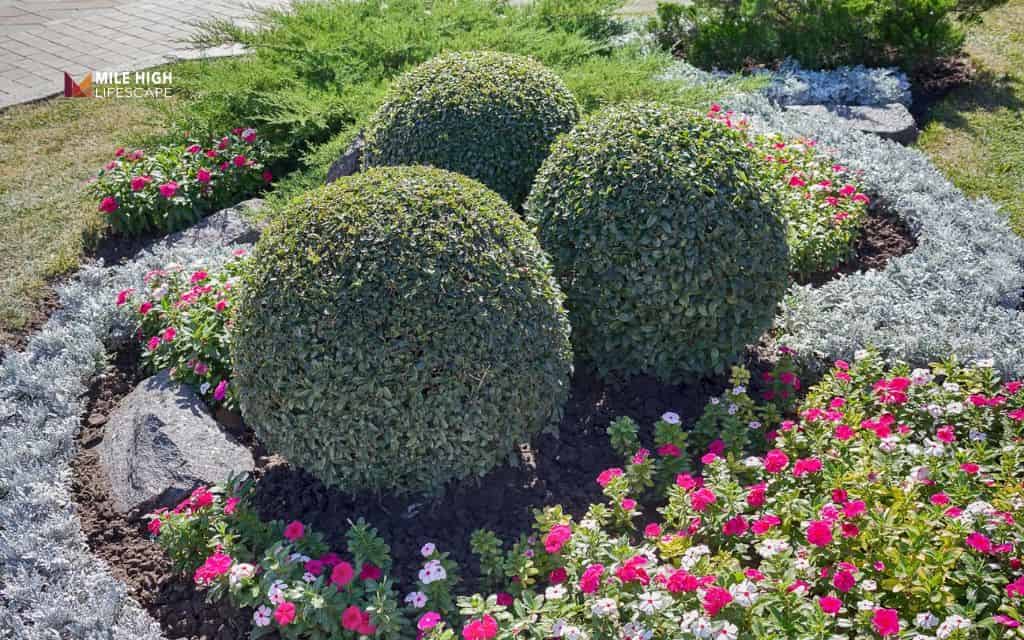
24. Vary plant textures for depth
Texture is the secret ingredient. By combining soft, feathery grasses with bold, broad-leaved foliage, you make gardens feel richer and more dynamic.
Pairing fine textures against coarse ones, glossy leaves against matte, prevents landscapes from looking flat or repetitive, even within a limited color palette. This contrast keeps the eye engaged and gives a planting a layered, intentional quality.
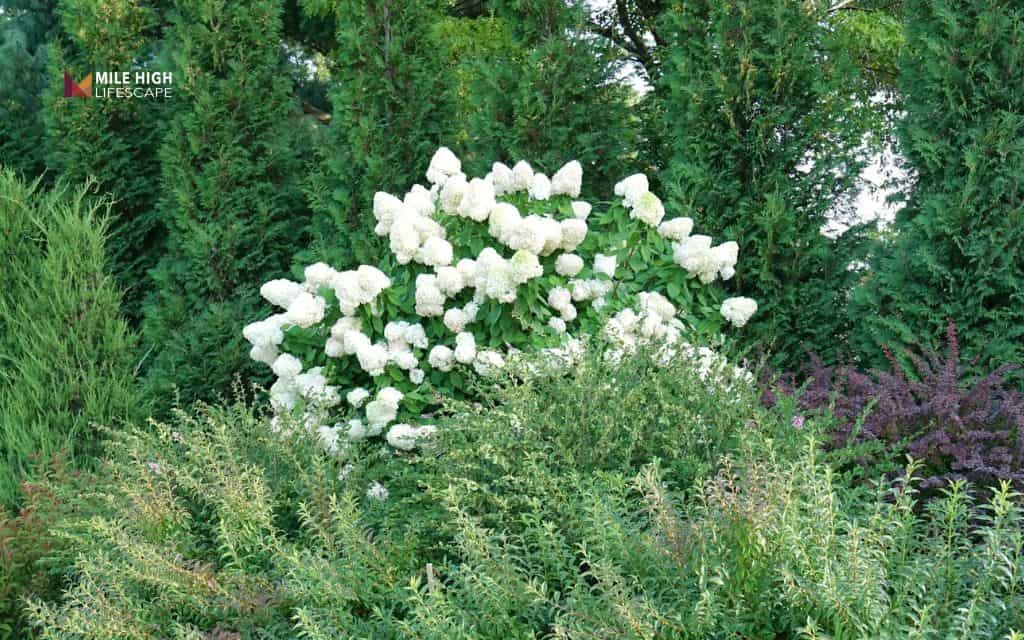
25. Create privacy with greenery
A living privacy screen is softer and more beautiful than a fence, and it works just as well. Strategically placed trees, tall shrubs, or dense hedges screen unwanted views and make outdoor spaces feel more secluded and intimate.
As a bonus, that same greenery helps reduce noise and wind exposure, buffering the yard from busy streets or exposed sightlines. Layering evergreen and deciduous plants ensures the screen stays effective throughout the year.
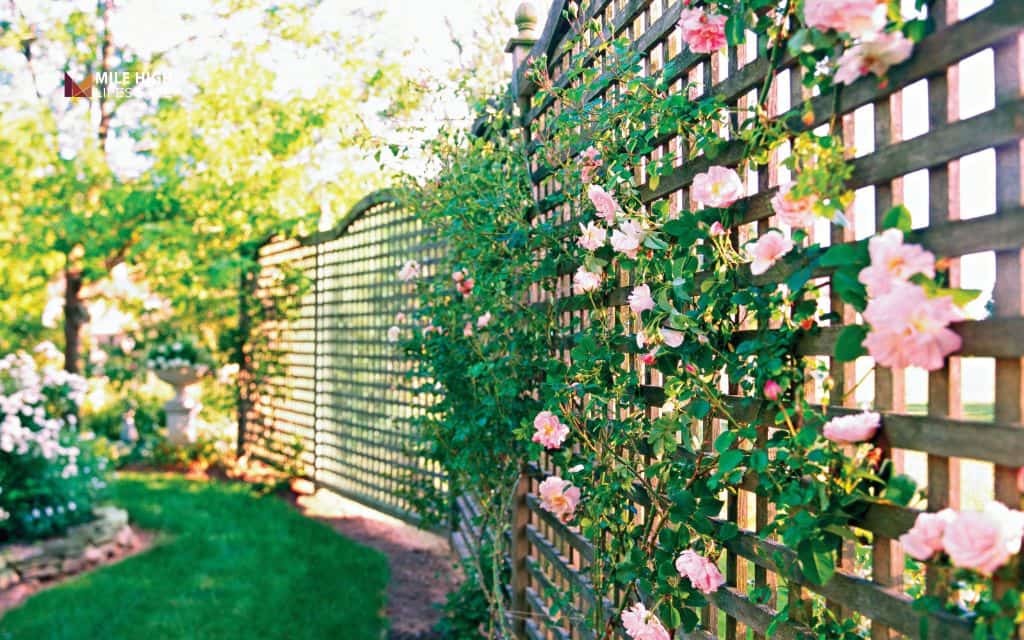
26. Mimic nature with organic planting
Organic planting trades rigid rows for a looser, more natural arrangement. By blending plants together in drifts and informal groupings, it creates a softer, more relaxed landscape style that feels like it grew that way on its own. This approach works well in cottage and woodland gardens, where the goal is abundance and charm rather than precise symmetry. Letting plants mingle and self-seed a little adds to the effortless, lived-in beauty.
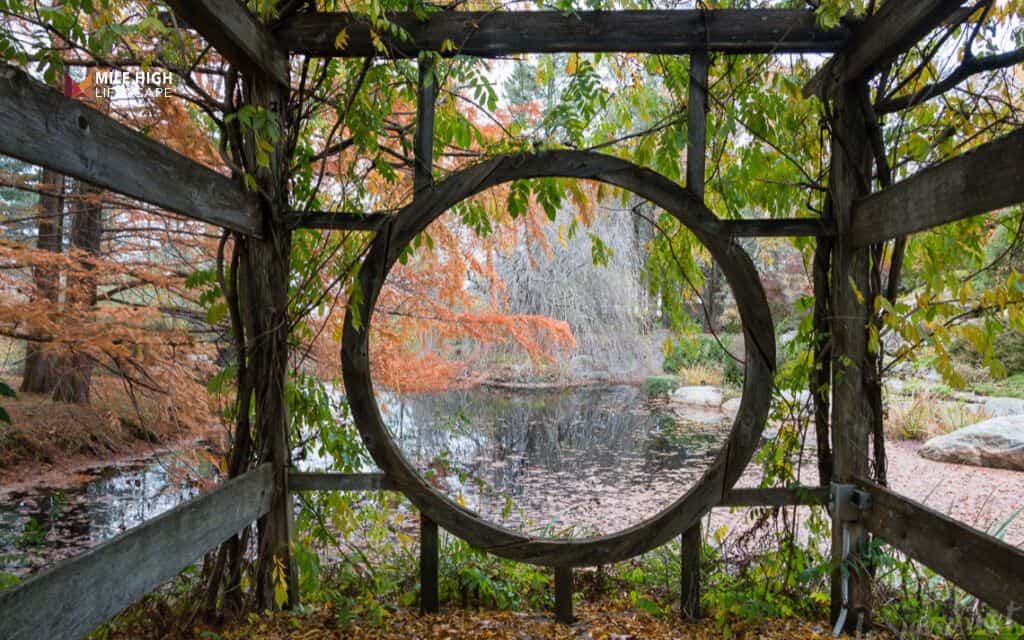
27. Create a relaxing garden retreat
The final idea brings everything together into a single, immersive space. A garden retreat combines comfortable seating, lush greenery, soft lighting, and a sense of privacy to make the yard feel like a destination rather than just a view from the window.
Tucked into a quiet corner with a canopy of plants overhead and gentle light for the evening, a retreat like this encourages outdoor relaxation and entertainment.
It’s the payoff for all the other ideas, a place you genuinely want to escape to.
Best plants for easy landscaping ideas
If you’re not sure where to begin, these dependable, widely loved plants offer beauty with manageable upkeep:
- Lavender: This silvery-leaved favorite thrives in full sun and well-drained soil, fills the air with scent, and rarely needs more than an annual trim to keep its tidy mounded shape.
- Boxwood: A go-to for borders, hedges, and topiary, boxwood stays green all year and tolerates regular shaping, making it ideal for adding clean, reliable structure to any garden.
- Hydrangea: Beloved for its oversized flower clusters in blues, pinks, and whites, hydrangea performs best in morning sun with afternoon shade and rewards you with months of generous color.
- Ornamental grasses: Varieties like fountain grass and feather reed grass sway gracefully in the breeze, add height and softness, and require almost nothing beyond a single cut-back each year.
- Coneflowers: These cheerful daisy-like blooms shrug off heat and drought, return faithfully each summer, and draw in bees, butterflies, and seed-loving birds well into fall.
- Juniper: Available as low groundcovers or upright shrubs, juniper handles poor soil, heat, and neglect with ease, providing year-round greenery where many plants struggle.
- Salvia: With its tall spikes of purple, blue, or red flowers, salvia blooms for weeks on end, tolerates dry conditions, and is a magnet for bees and hummingbirds.
Beginner landscaping tips
A few simple principles make a big difference:
- Start with 1 section at a time so the project feels manageable rather than overwhelming.
- Repeat plants and materials for consistency, which ties the whole yard together visually.
- Combine hardscape with soft planting to balance structure and life.
- Focus on both beauty and function so your yard looks good and works for how you live.
A reassuring truth to remember: simple landscapes often age the best.
Conclusion
The best landscaping ideas combine 4 essentials: beauty, structure, functionality, and realistic maintenance. When those work together, the result is a yard that looks great and fits your life. Whether your goal is curb appeal, outdoor entertaining, privacy, or low-maintenance beauty, thoughtful landscaping can completely transform any garden space. Start small, build with intention, and let your yard grow into something you love.
Bring Your Dream Garden to Life with Mile High Lifescape
Loving these landscaping ideas is the easy part – turning them into a yard you’re proud of is where Mile High Lifescape comes in. Our team designs and builds outdoor spaces that blend beauty, function, and lasting value, whether you’re after a low-maintenance front yard, a cozy backyard retreat, or a complete landscape transformation. From layered plantings and paver patios to retaining walls, water features, and water-wise designs, we handle every detail with the craftsmanship and care your home deserves.
No project is too big or too small, and we’ll work within your style, your space, and your budget to create something you’ll enjoy for years to come.
Ready to upgrade your garden? Contact Mile High Lifescape today for a free consultation and let’s start designing the outdoor space you’ve always wanted.
Frequently asked questions (FAQs)
How can I landscape my yard on a budget?
Start small and prioritize high-impact, low-cost changes. Mulch, edging, and a defined walkway dramatically improve a yard for little money. Choose perennials and native plants that return each year, propagate or divide existing plants, and tackle the work in phases. DIY hardscaping like a simple gravel area or rock garden also stretches a budget further than hiring out every task.
What landscaping adds the most value to a home?
A healthy, well-maintained lawn and a polished, inviting front yard typically deliver the strongest returns. Mature trees, clearly defined beds, a quality walkway, and functional outdoor living spaces like a patio also boost value. Buyers respond to landscaping that looks cared for and ready to enjoy.
What are the best low-maintenance landscaping ideas?
Xeriscaping, generous mulch, perennials, native plants, and rock gardens all cut down on upkeep. Reducing lawn area, choosing drought-tolerant species, and adding edging to keep beds tidy further minimize ongoing work. The goal is a yard that looks intentional while needing less water, mowing, and replanting.
How do I make my backyard look more luxurious?
Layer your plantings for depth, add a focal point like a water feature or fire pit, and create a comfortable outdoor living area with quality furniture. Thoughtful lighting, defined pathways, and a sense of privacy all elevate the feel. Consistency in materials and plants makes the space read as cohesive and high-end.
What is the rule of 3 in landscaping?
The rule of 3 suggests grouping plants and design elements in odd numbers, especially 3, because clusters of three feel more natural and balanced to the eye than pairs or single specimens. It’s a simple trick for arrangements that look professionally designed.
What is the least expensive way to landscape?
The most affordable approach leans on mulch, gravel, native and drought-tolerant plants, and DIY labor. Spreading mulch, defining beds with simple edging, dividing plants you already own, and building features like a rock garden yourself keep costs low while still making a noticeable difference.
What to put in front of a house instead of bushes?
Consider ornamental grasses, perennials, layered flower beds, or a mix of low groundcovers and a few structural plants for variety. Container plantings, a small rock garden, or a tidy bed framed with edging can replace bushes while adding more color, texture, and personality to the entrance.