The best flower bed designs do more than just add color. They define outdoor spaces, create a sense of structure, support pollinators, and maintain seasonal interest from early spring. A flower bed placed thoughtfully along a walkway, beneath a tree, or framing a porch can elevate the entire look of a property in a way that lawn alone never could.
This guide covers 28 inspiring flower garden ideas, along with practical design tips. Whether you have a sprawling suburban lot or a compact urban garden, there are designs and plant combinations that will suit your space, your sunlight, and your schedule.
Choosing the best flower bed style for your front yard
Match the flower bed to your home style
The architecture of your home is your best starting point when selecting a flower bed design.
- Cottage-style homes look beautiful with layered, loosely planted beds full of colorful perennials and old-fashioned blooms like roses, foxglove, and phlox.
- Modern homes benefit from clean geometric lines and a restrained plant palette.
- Traditional homes call for symmetrical front yard flower bed ideas, with matching beds flanking the entry or mirroring each other along a central walkway.
Consider sunlight and maintenance needs
Sun exposure is one of the most important factors in selecting the right flowers.
- Full-sun beds, those receiving 6 or more hours of direct sunlight daily, support the widest range of colorful blooms, including coneflowers, salvia, black-eyed Susan, and lavender.
- Shady front yards call for shade-tolerant plants like hostas, ferns, astilbes, and impatiens, which thrive without direct sun and add lush texture to darker areas.
Think about bed shape and size
Bed shape communicates style before a single plant is even noticed.
- Curved beds create a softer, more naturalistic appearance that suits cottage gardens and informal landscapes beautifully.
- Straight-edged beds read as more formal and modern, making them a smart choice for contemporary homes.
In a small front yard, an oversized bed can overpower the space, so scale your design to fit the proportions of the lot and leave enough open lawn or hardscape to balance the planting.
Choose a color palette that feels cohesive
Color is where many front yard flower bed ideas succeed or fall apart. Repeating 1 or 2 anchor colors throughout the bed creates a look that feels intentional rather than random.
Mixing too many flower colors across a small space can make even a well-planted bed appear chaotic. Some of the most timeless garden combinations include white, purple, pink, and blue, a palette that reads as elegant and works across almost every home style and season.
28 stunning flower bed ideas for your yard
1. Create a pollinator-friendly flower bed
One of the most rewarding flower bed designs you can build is one that supports local wildlife.
A pollinator-friendly bed attracts bees, butterflies, and hummingbirds throughout the growing season, creating constant movement and color in the garden. Plants like coneflowers, salvia, lavender, and milkweed are favorites that deliver both visual beauty and ecological value.
A pollinator garden also tends to look full and lush throughout summer, making it one of the most rewarding flower garden ideas for homeowners who want color that gives back.
2. Design a low-maintenance perennial bed
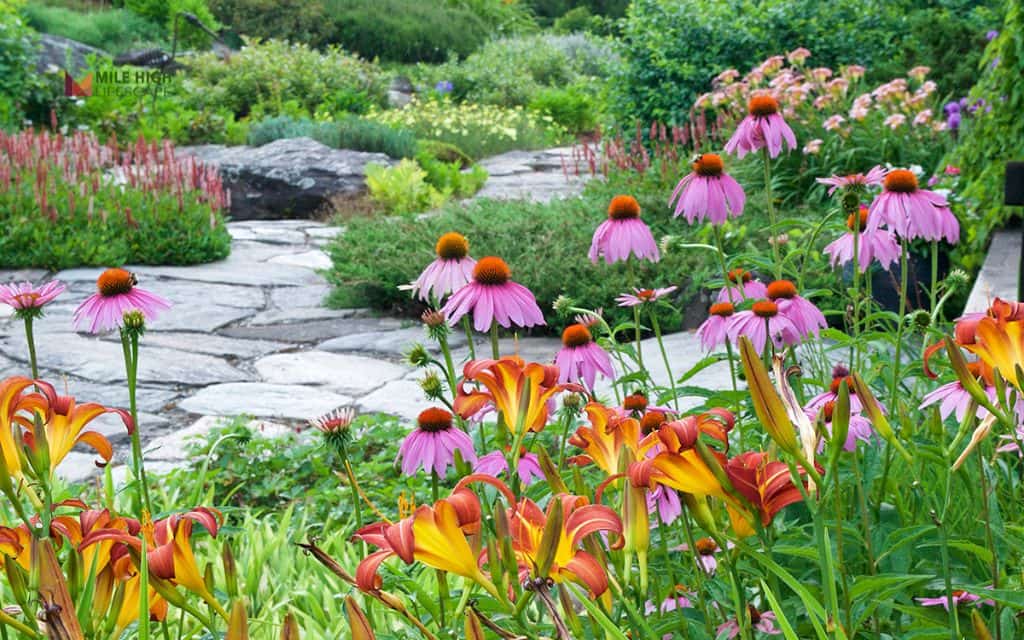
For busy homeowners who want a beautiful garden without constant upkeep, a perennial bed is the most practical of all flower beds ideas.
Unlike annuals, perennials return year after year from the same root system, reducing the need for seasonal replanting. Once established, a well-designed perennial bed requires far less watering, fewer interventions, and minimal replanting compared to annual-heavy designs.
Popular perennial choices include daylilies, coneflowers, black-eyed Susan, salvia, and ornamental grasses. Combine plants that bloom at different times from spring through fall to keep the bed looking full and colorful across multiple seasons.
3. Build a layered flower bed for depth
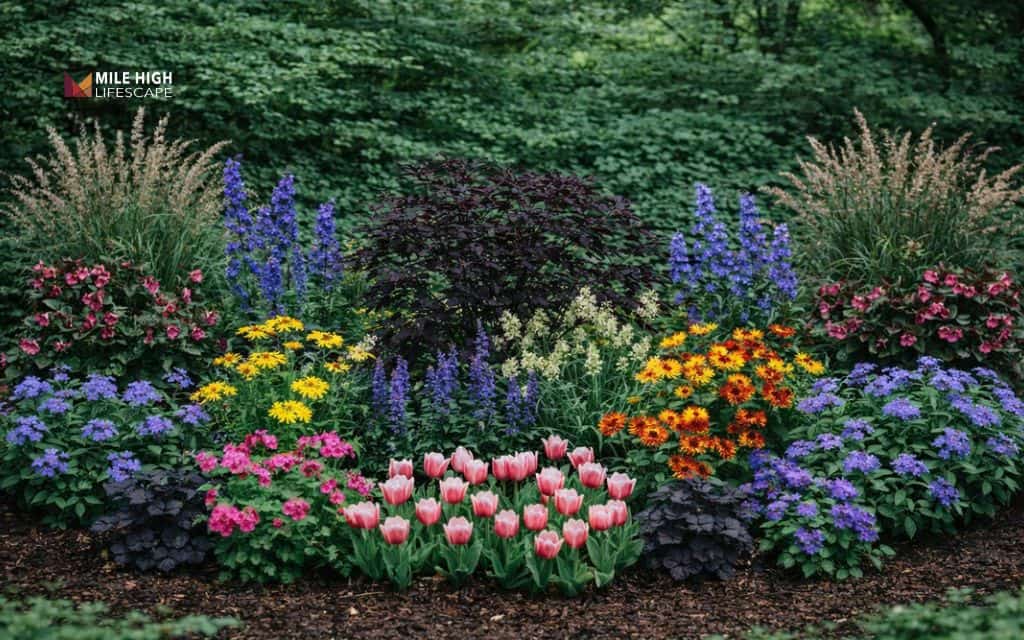
The principle is simple: place tall plants at the back, medium-height flowers in the middle, and low edging plants along the front edge. This creates a lush, tiered appearance that makes even a narrow garden bed feel rich and full.
4. Line a fence with flowers and shrubs
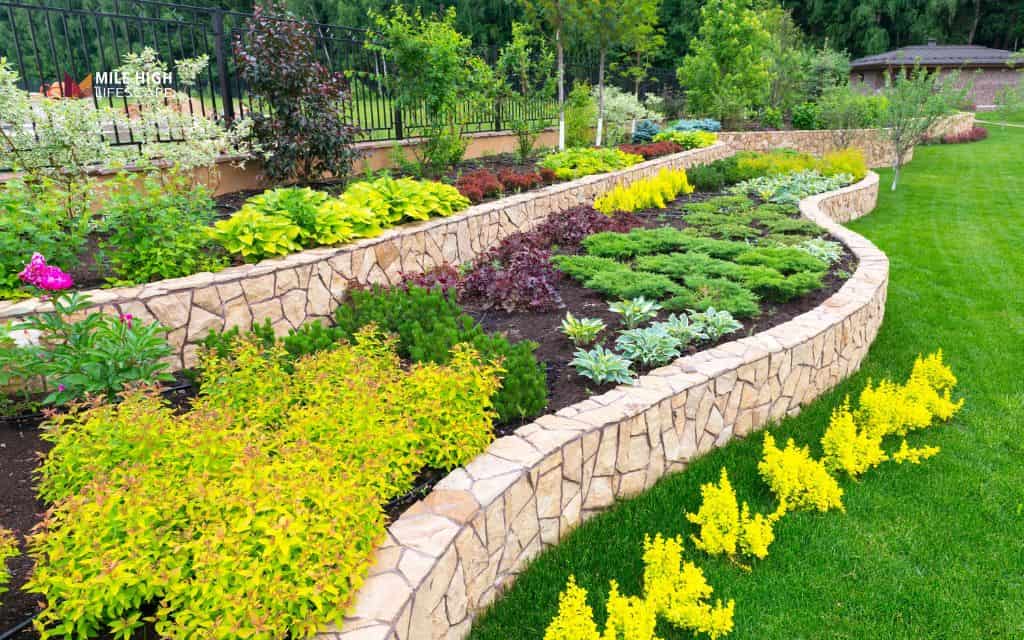
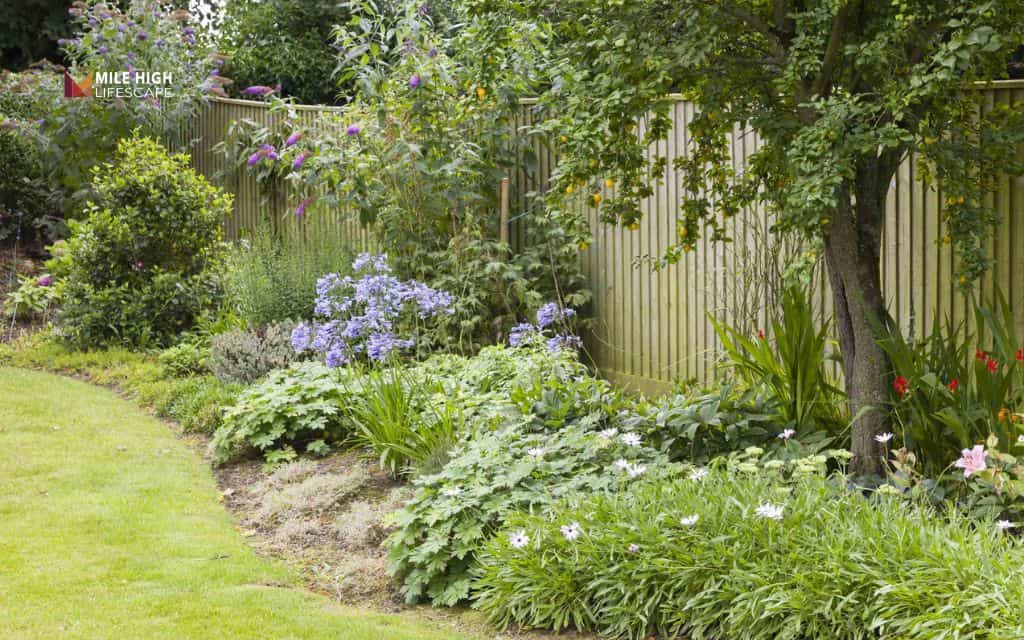
A bare fence is a missed opportunity. Lining it with a long flower border instantly softens the boundary, adds privacy, and transforms an otherwise plain edge into a garden feature. Layer compact shrubs like spirea or knockout roses at the back, followed by mid-height perennials, and low groundcovers or annual flowers along the front.
This approach turns a functional boundary into one of the most attractive flower garden ideas on your property. It also creates a natural backdrop that makes other garden features stand out more clearly.
5. Add decorative edging around flower beds
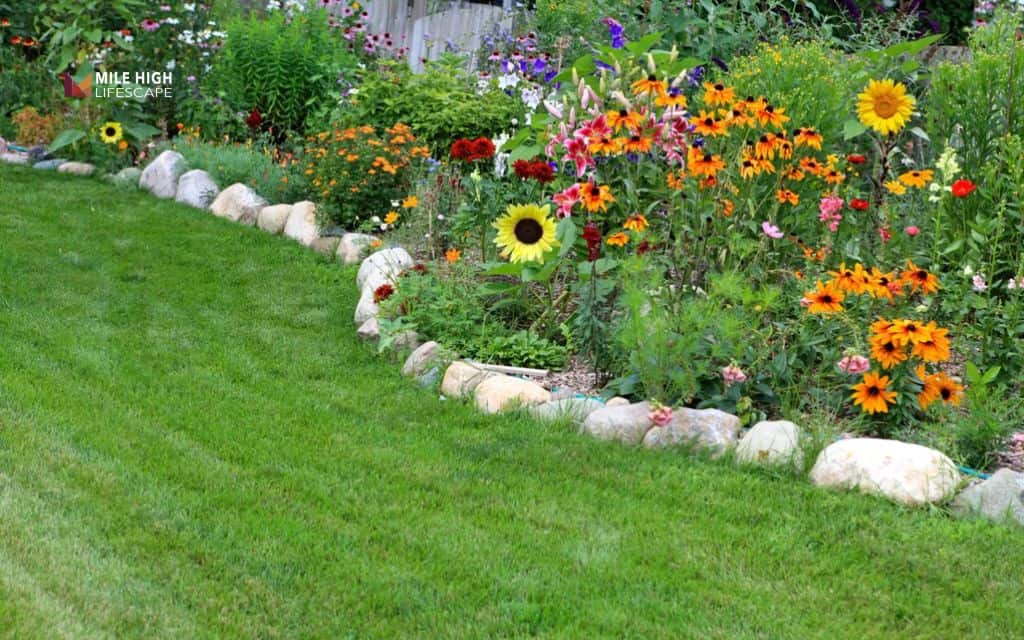
Edging is often the detail that separates a tidy, polished garden from one that looks unfinished. A clean edge creates a visual frame around flower beds, helps contain mulch and soil, and provides a clear contrast between the planting area and surrounding lawn. Stone, brick, natural timber, and metal edging are all popular choices, each lending a different aesthetic to the bed.
6. Incorporate a retaining wall flower bed
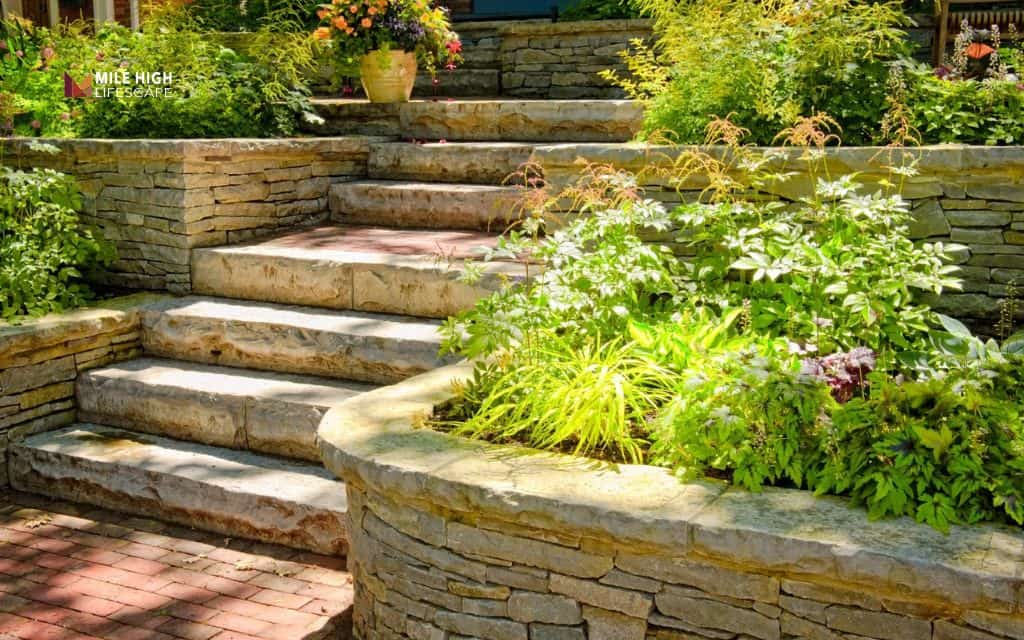
For sloped yards or properties with uneven terrain, a retaining wall flower bed solves a practical problem while creating a beautiful visual feature.
The wall controls erosion, manages drainage, and creates a raised planting area that adds dimension to an otherwise flat or difficult landscape. Stone, brick, or concrete block walls all work well and can be planted with trailing or cascading flowers along the top edge for added softness.
Hillside gardens in particular benefit from tiered retaining wall beds, which turn a challenging slope into a series of terraced planting levels. This is one of the most structural and long-lasting of all garden bed ideas for yards with significant grade changes.
7. Try a natural flower bed without edging
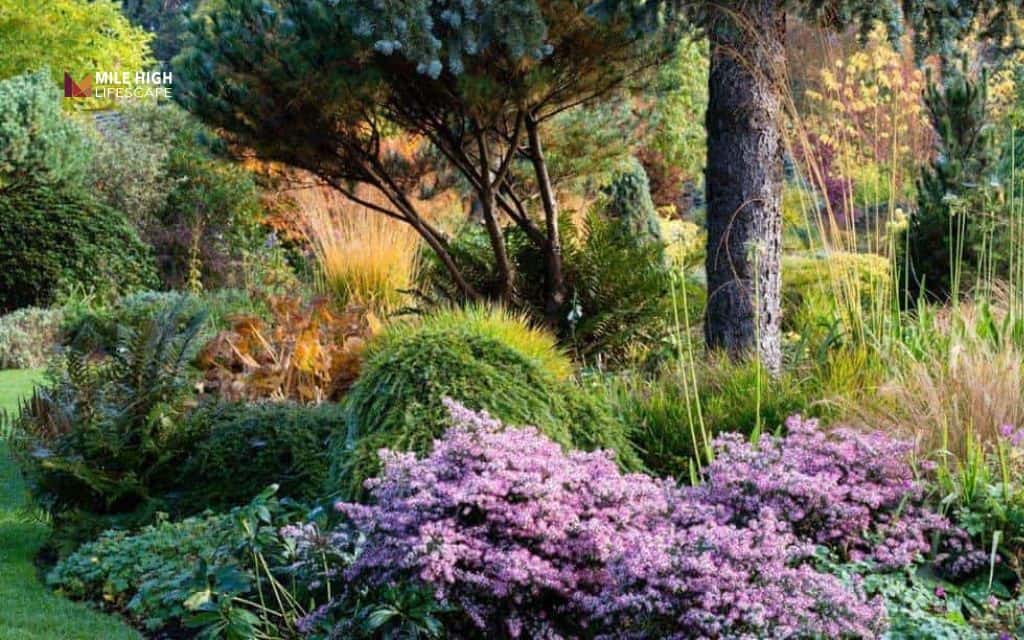
A natural flower bed without formal edging creates a relaxed, meadow-inspired look that blends softly into the surrounding lawn or landscape. This style suits cottage gardens, woodland-inspired designs, and any yard where an organic, unstructured aesthetic feels right.
To make an unedged bed look intentional, choose plants that spread gradually rather than aggressively, and allow the bed edges to taper naturally into the surrounding space. Native wildflowers, ornamental grasses, and self-seeding perennials are ideal companions for this relaxed approach to ideas for flower gardens.
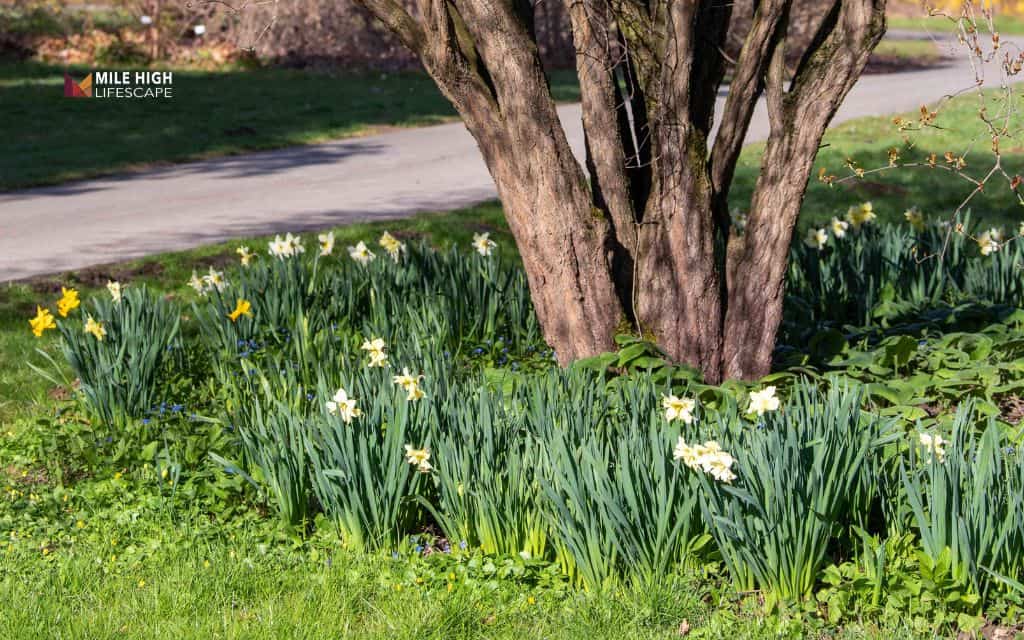
8. Build a tree base flower bed
Planting a flower bed around the base of a mature tree is one of the quickest ways to elevate the look of a front yard. A bare trunk surrounded by lawn can look stark and unfinished, but a ring of shade-tolerant plants softens the transition and adds color beneath the canopy. Hostas, astilbes, impatiens, and ferns are excellent choices for shady tree bases, as they thrive in the dappled light found beneath most trees.
Keep the bed mulched and avoid planting too close to the trunk to protect the root system. A circular tree base bed creates natural symmetry and makes the front yard feel more structured and professionally landscaped.
9. Transform a narrow side yard with flowers
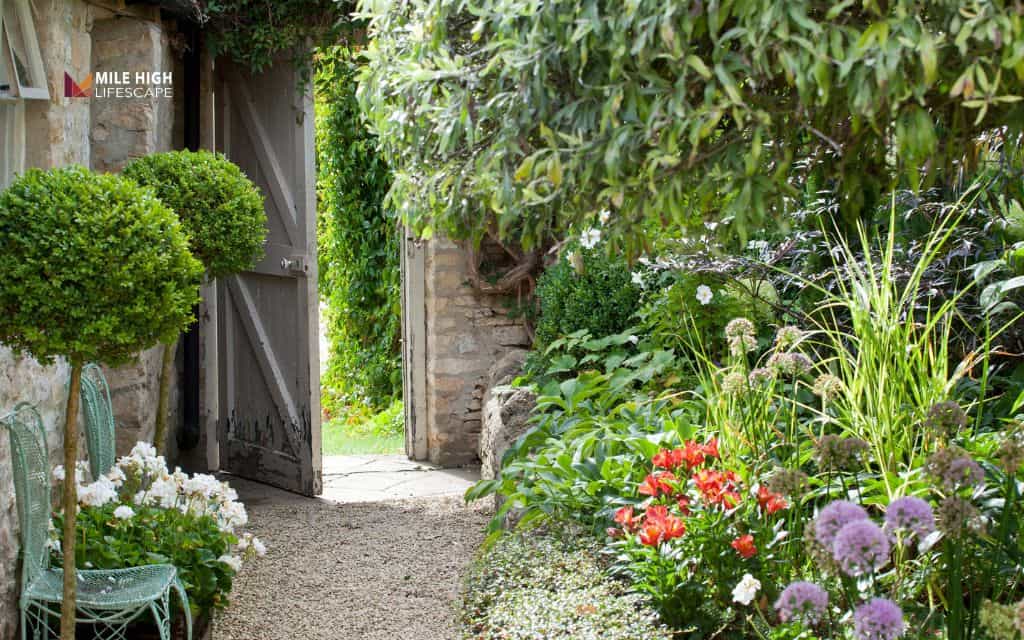
Side yards are among the most underused spaces in the residential landscape. A narrow strip between a home and a fence or property line can feel like dead space, but with the right flower bed design it becomes one of the most charming parts of the garden. Long, linear beds planted with vertically inclined flowers or climbers maximize every inch of a narrow corridor.
For shaded side yards, use ferns, hostas, and astilbes. Sunnier strips look great with salvias, ornamental grasses, and coneflowers. Adding stepping stones through the planting creates a path that makes the side yard feel intentionally designed rather than simply filled.
10. Create a modern single-species flower bed
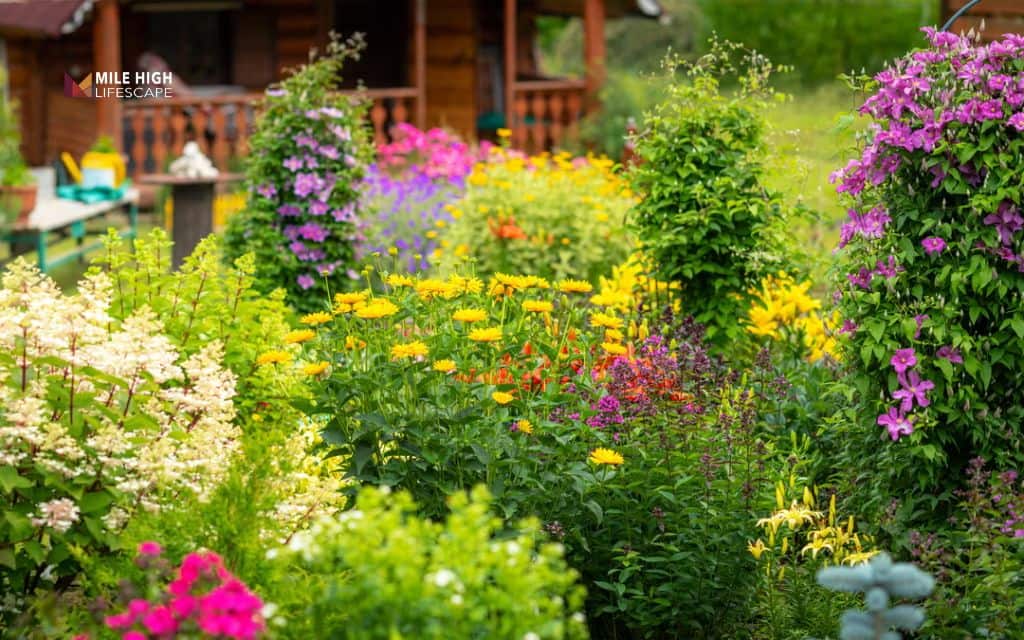
Planting a single species in a large, bold mass creates a clean, contemporary look that reads with confidence from the street. Mass plantings of lavender, hydrangeas, ornamental grasses, or rudbeckia deliver maximum visual impact with minimal complexity.
This approach simplifies both design decisions and ongoing care, since all plants share the same sunlight, water, and fertilizer needs. It is particularly effective in modern or minimalist landscapes where restraint and repetition carry more visual weight than variety.
11. Design a shade-loving flower bed
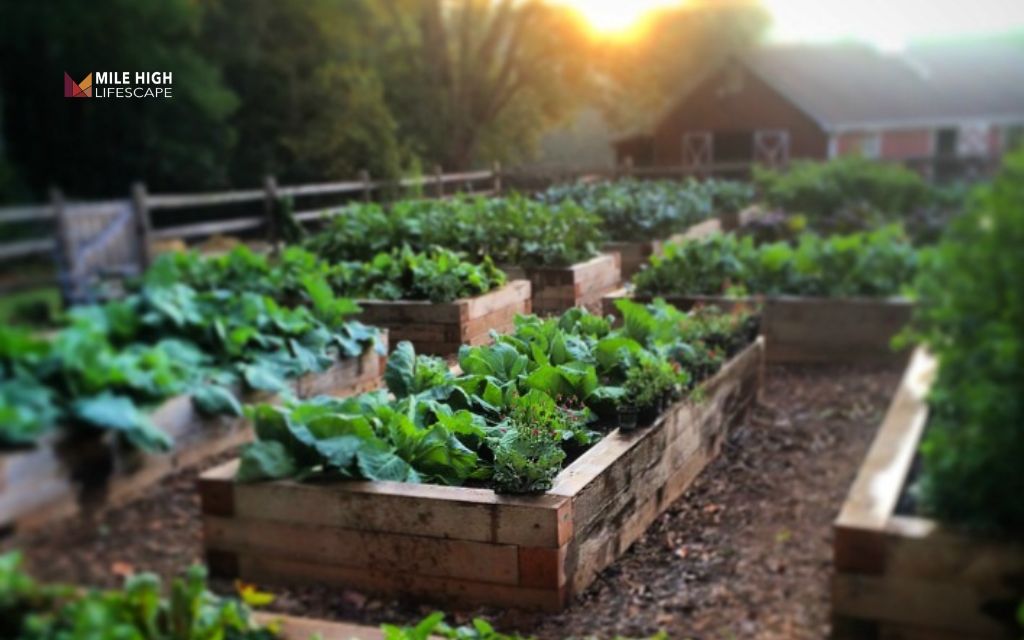
Shady spots do not have to mean empty spots. A well-chosen shade-loving flower bed can be just as lush and visually interesting as any sun-drenched border. Ferns, hostas, and astilbes are the workhorses of the shade garden, offering bold foliage and elegant bloom spikes that thrive without direct sunlight. A shade garden built around varied leaf textures, sizes, and colors remains attractive from spring through fall even in periods when few flowers are in bloom.
12. Use flower pots to create flexible beds
Container gardening is one of the most versatile of all flower garden ideas, especially for homeowners who rent, have limited ground space, or want the freedom to rearrange their garden as the seasons change. Grouping large pots of varying heights creates a bed-like effect on patios, porches, and balconies without requiring any permanent in-ground planting.
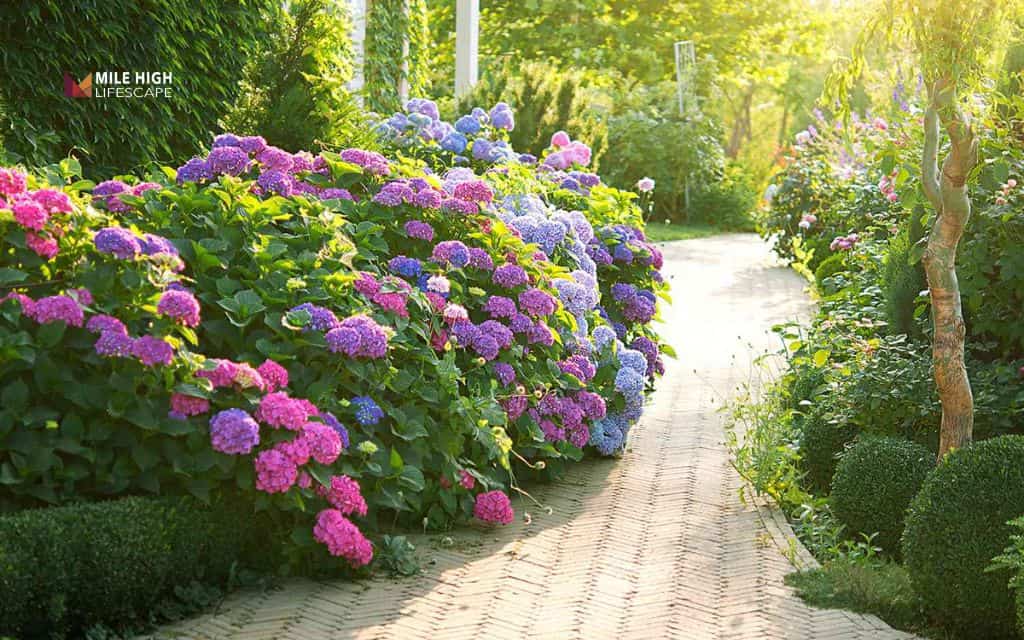
13. Line garden walkways with flowers
Lining a walkway with flowers is one of the most effective front yard flower bed ideas for creating a warm, welcoming entrance. A path bordered on both sides with blooming plants draws the eye toward the front door and gives visitors the feeling of walking through a garden rather than simply across a lawn.
Lavender, salvia, and catmint are exceptional choices for walkway borders because they bloom generously, stay compact, and release a pleasant fragrance when brushed in passing. For a more colorful annual border, petunias, marigolds, and alyssum work beautifully and are easy to maintain throughout the season.
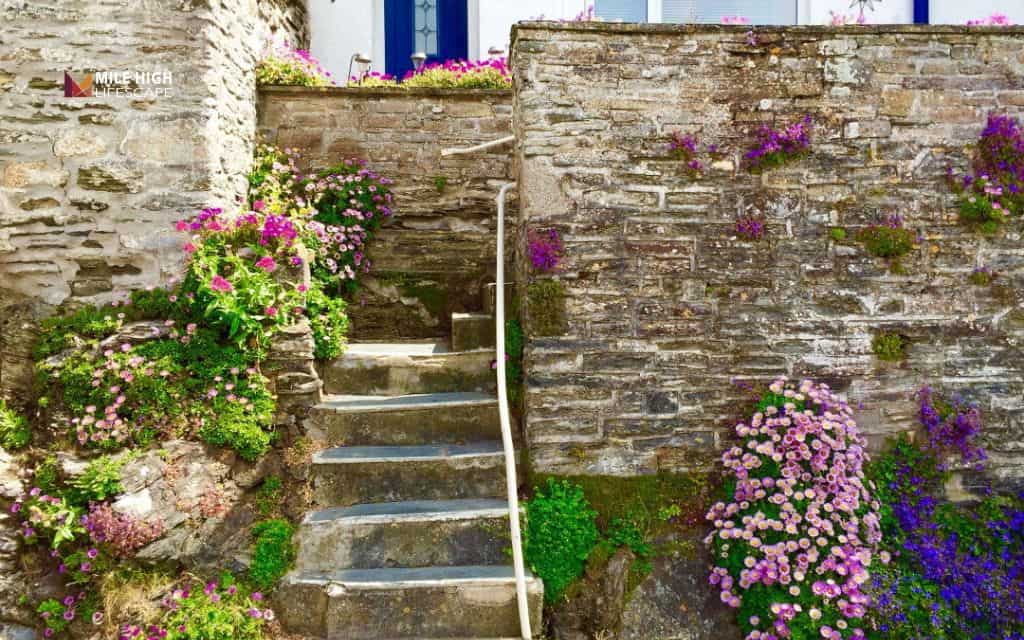
14. Add flowers along steps and stairways
Steps and stairways are transitional spaces that benefit greatly from planted borders. Adding flowers alongside steps softens the hardscape edges, makes the entrance feel more welcoming, and creates layered visual interest at multiple heights simultaneously.
Trailing plants like creeping phlox or sweet alyssum that spill gently over the edges of steps add a particularly charming touch.
15. Create a flower bed that matches your style
The most satisfying garden is one that genuinely reflects the personality and taste of the people who live there. Whether your style leans toward sleek and modern, romantic and cottage-inspired, lush and tropical, or simple and rustic, your flower bed can be designed to match. Choose colors, materials, and plant varieties that feel aligned with your home and your sensibility.
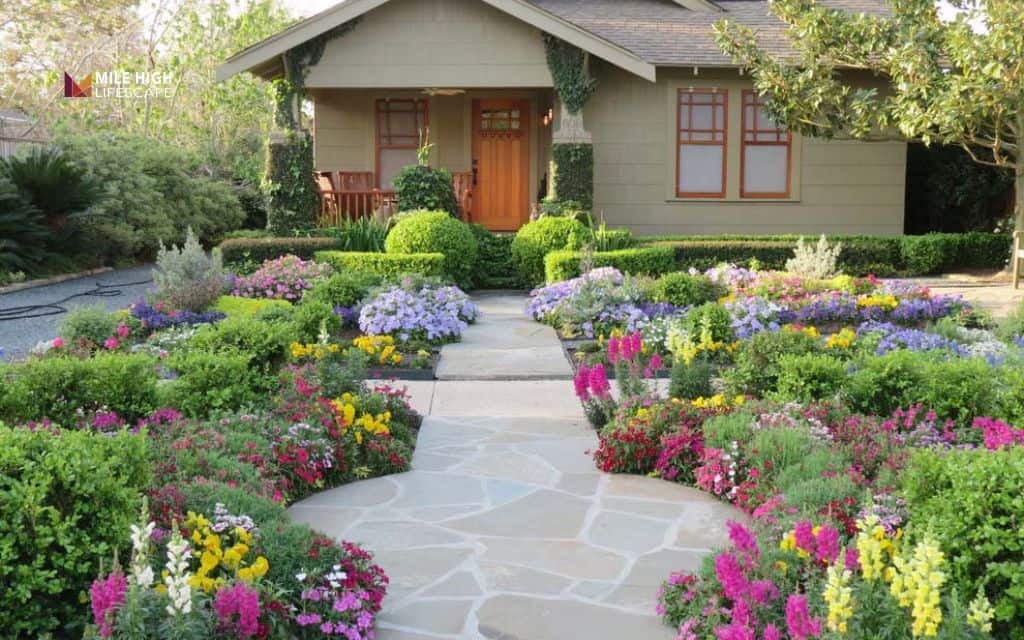
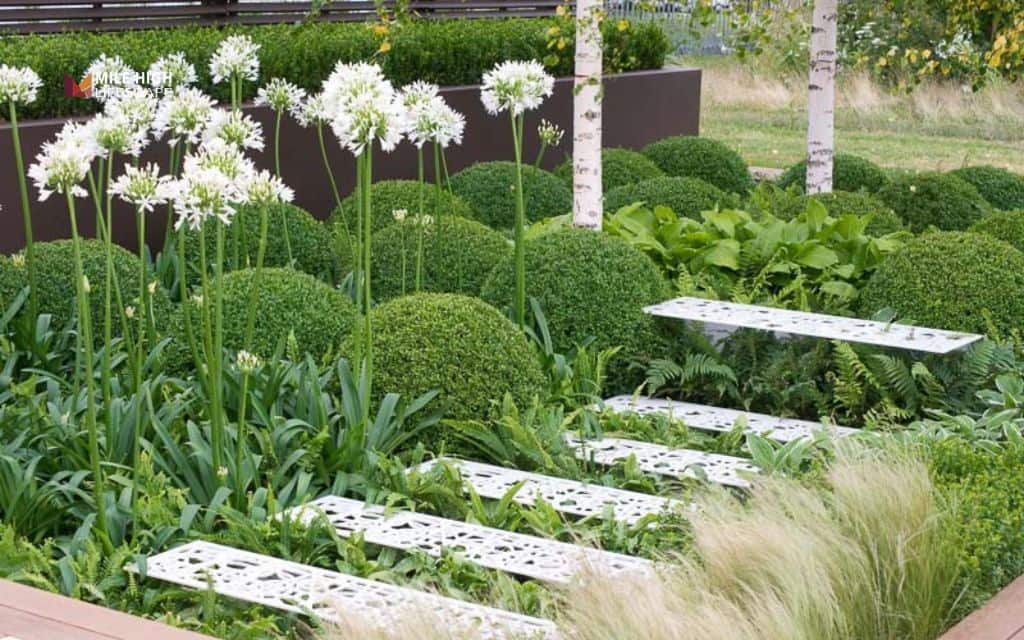
16. Design formal flower beds with boxwood borders
Few flower bed designs convey elegance as immediately as one framed by clipped boxwood hedging. Boxwood borders create a crisp, symmetrical structure that defines the bed and provides year-round greenery regardless of what is blooming inside. This classic approach suits traditional front yards and formal garden landscapes particularly well.
Inside the boxwood frame, plant seasonal flowers that change with the year: tulips and pansies in spring, roses and salvia in summer, asters and ornamental kale in fall.
The structured border makes even simple plantings look curated and refined, which is one of the reasons boxwood-edged beds have remained a staple of formal garden flower garden design for centuries.
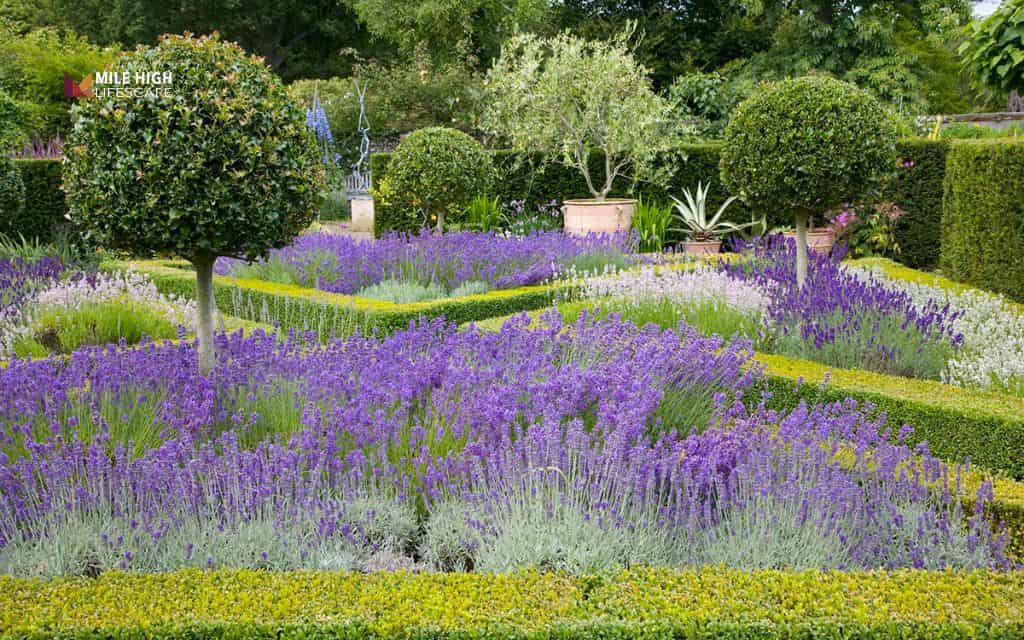
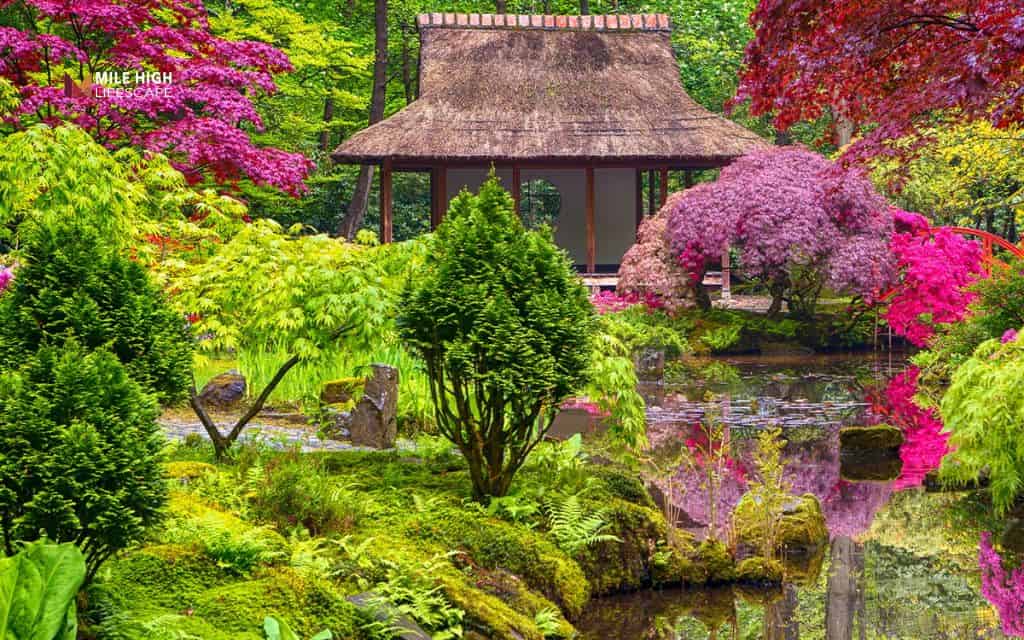
17. Try a Japanese-inspired flower bed
Japanese garden aesthetics emphasize simplicity, balance, and the beauty of natural materials. A Japanese-inspired flower bed typically combines restrained plant palettes, carefully placed natural stone, and gravel or decomposed granite mulch to create a meditative, calming garden atmosphere. Ornamental grasses, Japanese forest grass, mondo grass, and low-growing azaleas are all excellent plant choices for this style.
18. Add a trellis with climbing roses or clematis
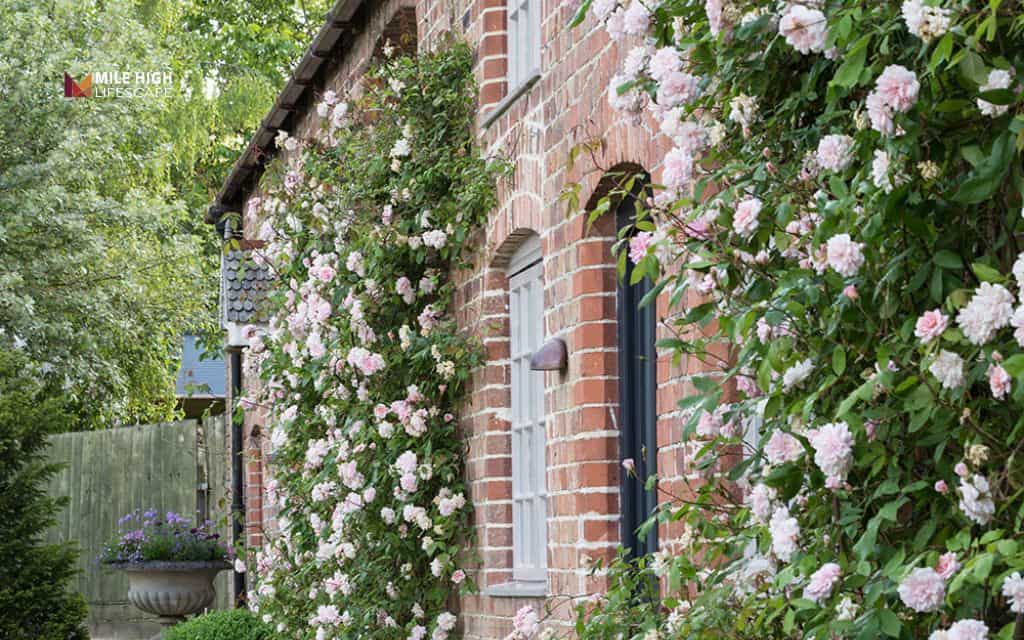
Vertical interest is one of the most underused dimensions in residential garden design.
A trellis planted with climbing roses, clematis, or honeysuckle draws the eye upward, makes small spaces feel taller, and adds a romantic, cottage-inspired quality that few other flower bed ideas can match. Positioned at the back of a border bed or alongside an entrance, a flowering trellis becomes an instant focal point.
Clematis pair with roses because their flowering periods can complement each other, extending the season of bloom from late spring through summer and into fall.
The combination of vertical structure and cascading flowers is one of the most effective front yard flower bed ideas for creating a romantic, welcoming garden entrance.
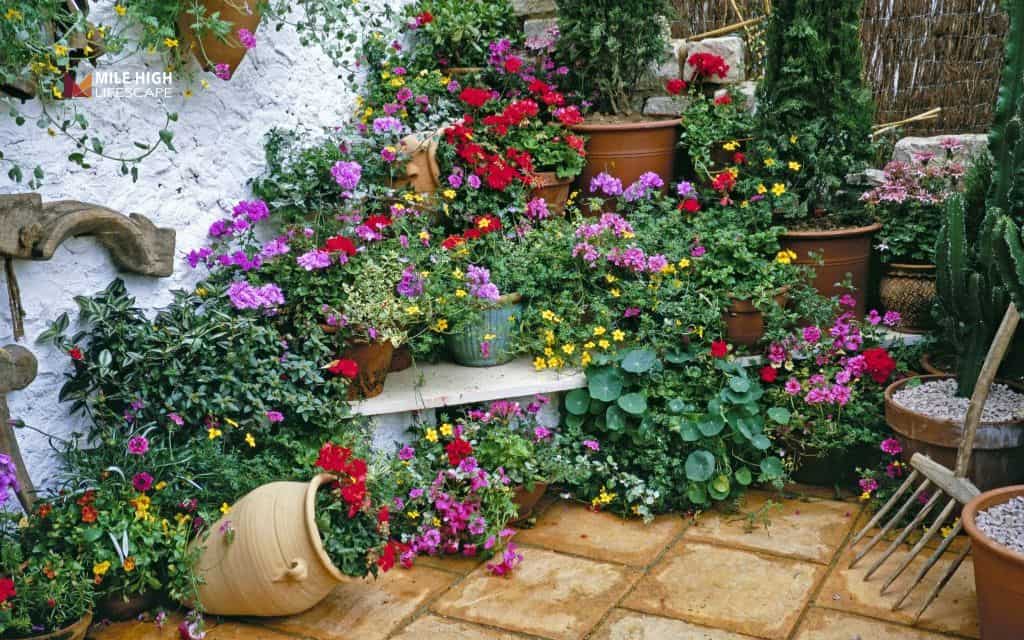
19. Build a Mediterranean-inspired flower bed
This style is built around drought-tolerant plants like lavender, rosemary, sage, thyme, and cistus, all of which thrive in full sun and well-drained soil with minimal irrigation once established. Gravel or decomposed granite mulch reinforces the sun-baked, resort-style aesthetic while helping to suppress weeds and retain soil warmth.
This is one of the most practical flower bed designs for water-conscious gardeners or regions with dry summers, as it reduces long-term irrigation needs. The warm color palette of silver foliage, purple lavender spikes, and pale pink roses also looks exceptionally beautiful in the late afternoon light.
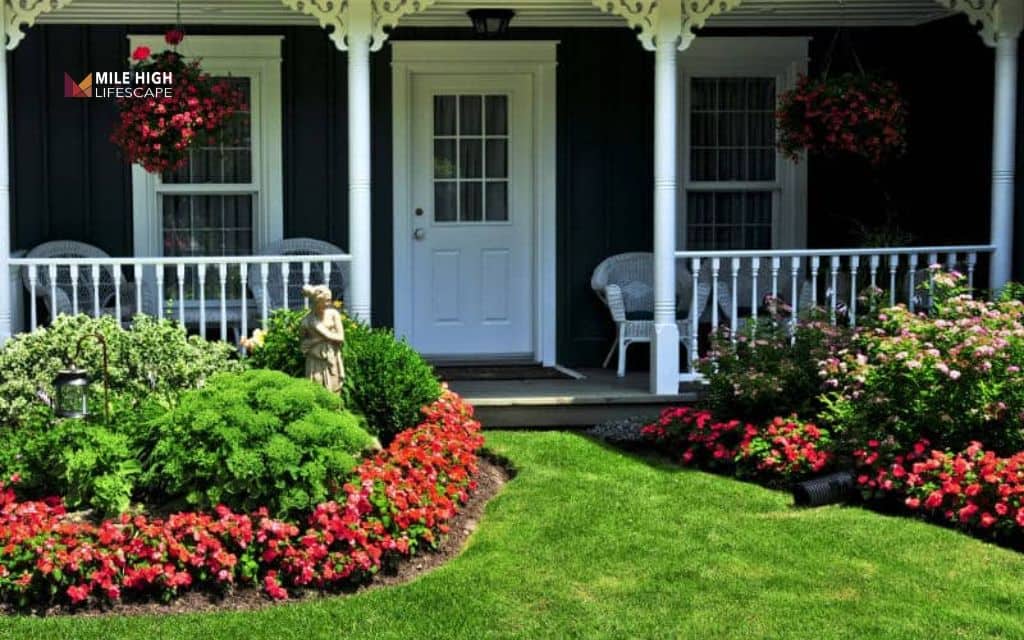
20. Frame your front porch with flowers
The area around a front porch is prime real estate for flower bed ideas that boost curb appeal. Framing the porch with layered plantings creates a soft, natural transition between the architectural structure of the home and the open landscape beyond. Compact flowering shrubs like hydrangeas or knockout roses work well as anchors, with seasonal perennials filling in the space between them.
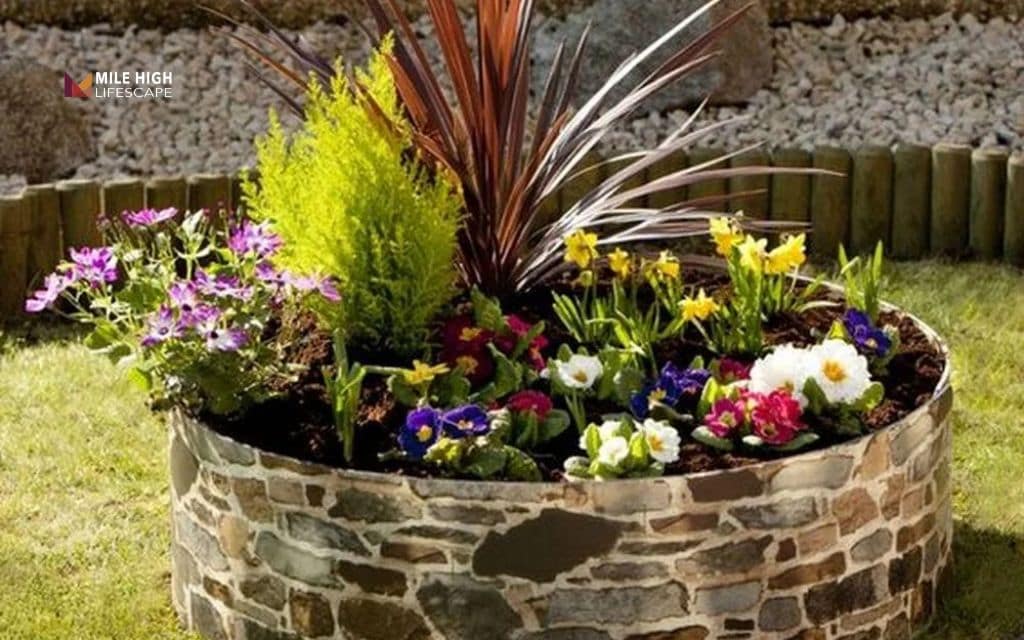
21. Create a circular flower bed around a focal point
A circular flower bed designed around a central focal point, whether a birdbath, fountain, flagpole, or specimen tree, creates a strong visual anchor in an open lawn area. The circular shape draws the eye inward toward the feature at its center while providing symmetry and structure to the surrounding landscape.
22. Design a fern and hosta shade garden
For deeply shaded areas beneath trees or along north-facing walls, a fern and hosta combination creates a lush, woodland-inspired bed that thrives with minimal sun.
Hostas are available in an enormous range of leaf sizes, colors, and textures, from tiny miniatures to dramatic specimens with leaves as large as a dinner plate. Paired with the delicate, feathery fronds of ferns, they create a tapestry of green that remains attractive from spring through the first hard frost.
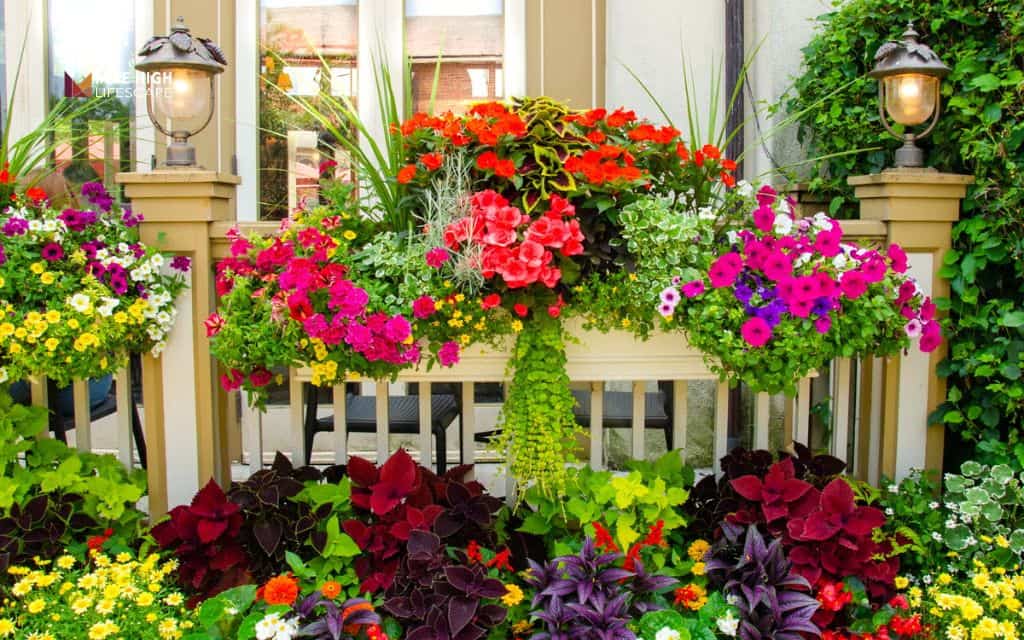
23. Add a bright annual flower border
Annual flower borders deliver the highest color impact per dollar of any planting approach. While annuals require replanting each season, they bloom from planting time through the first frost, providing months of uninterrupted color along sidewalks, driveways, and garden edges. Petunias, marigolds, zinnias, and impatiens are among the easiest and most colorful choices for beginner gardeners.
24. Create a coastal cottage flower bed
The coastal cottage aesthetic captures the breezy, relaxed beauty of seaside landscapes, and it translates beautifully into garden bed ideas for homes far from the actual coast. Airy ornamental grasses, sea thrift, dune sunflowers, beach roses, and daisies are all hallmarks of this style, creating a light, wind-swept quality that feels effortlessly beautiful.
A soft color palette of whites, soft blues, and lavender reinforces the coastal feel, while natural materials like driftwood edging or pale gravel mulch add texture and authenticity. This flower bed design works well along patios, walkways, and the perimeters of cottage-style homes.
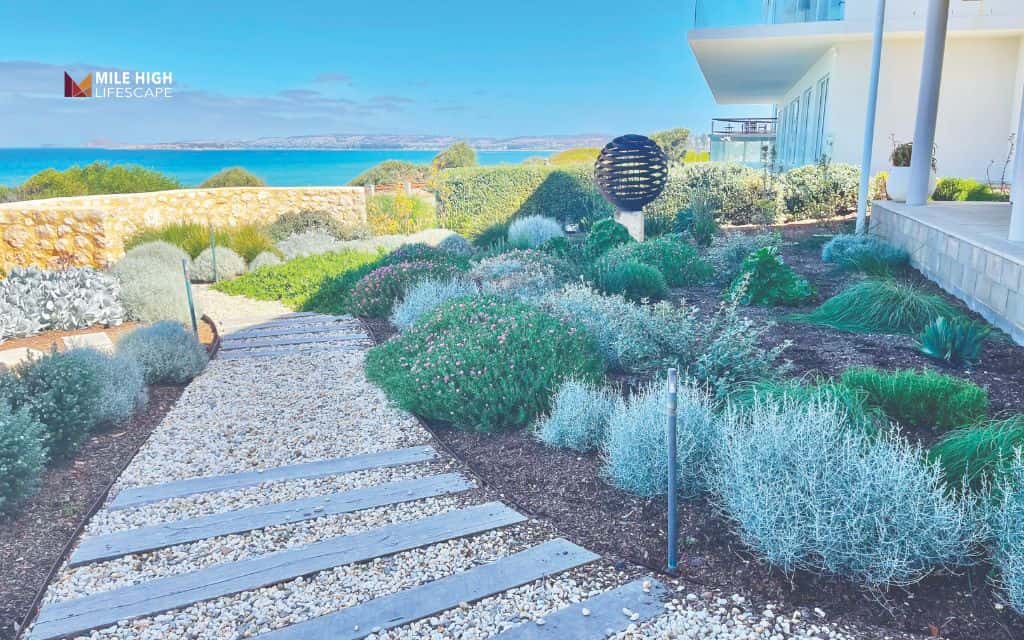
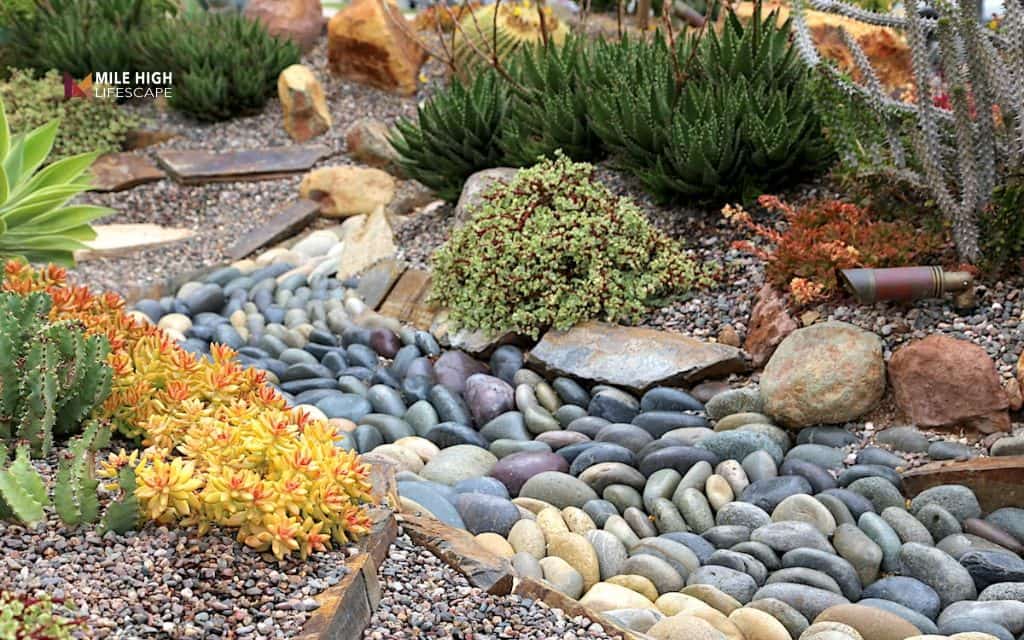
25. Design a succulent and gravel flower bed
For a modern, low-water garden bed that requires almost no maintenance, succulents paired with decorative gravel create a striking and highly practical landscape. Agave, sedum, echeveria, and Sempervivum are all excellent choices that provide bold sculptural shapes, interesting textures, and surprising color variation without the watering demands of traditional flower beds. A gravel mulch in contrasting tones, from pale limestone to dark slate, highlights the geometric beauty of succulent rosettes and makes the bed feel cohesive and designed.
26. Build a four-season flower bed
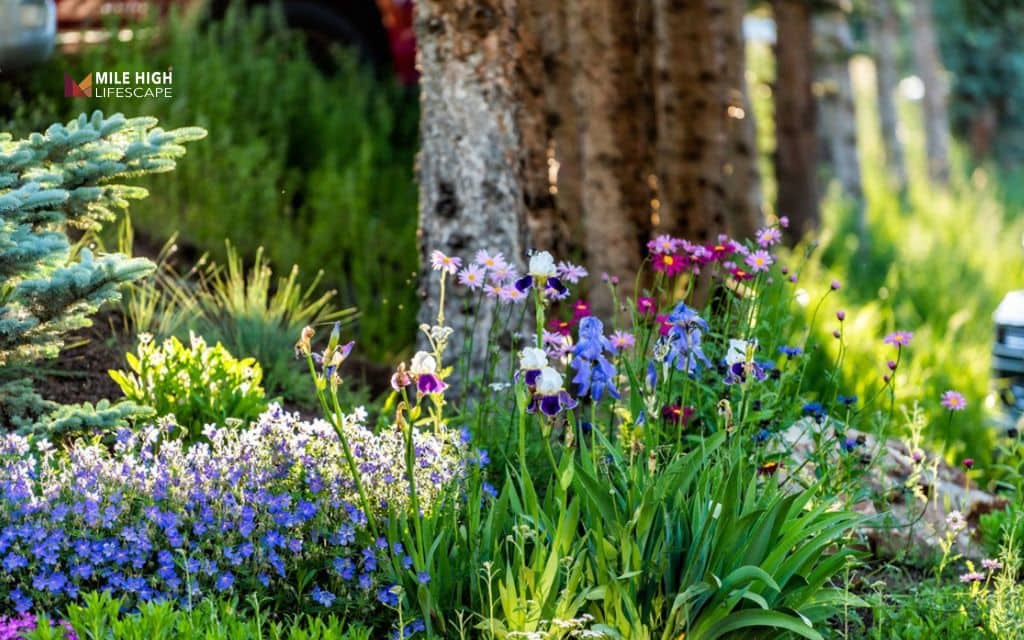
A 4-season flower bed is designed from the start to provide interest across every part of the year. Layer spring-blooming bulbs like tulips and daffodils with summer perennials, fall-blooming asters and ornamental grasses, and evergreen structural shrubs that hold their form through winter. Adding a small conifer or dwarf evergreen provides a focal point that remains attractive even under snow.
The key to a successful 4-season bed is thinking about bloom succession from the beginning and choosing plants with contrasting textures and forms so the garden remains visually interesting even when fewer flowers are in bloom.
27. Add landscape lighting to flower beds
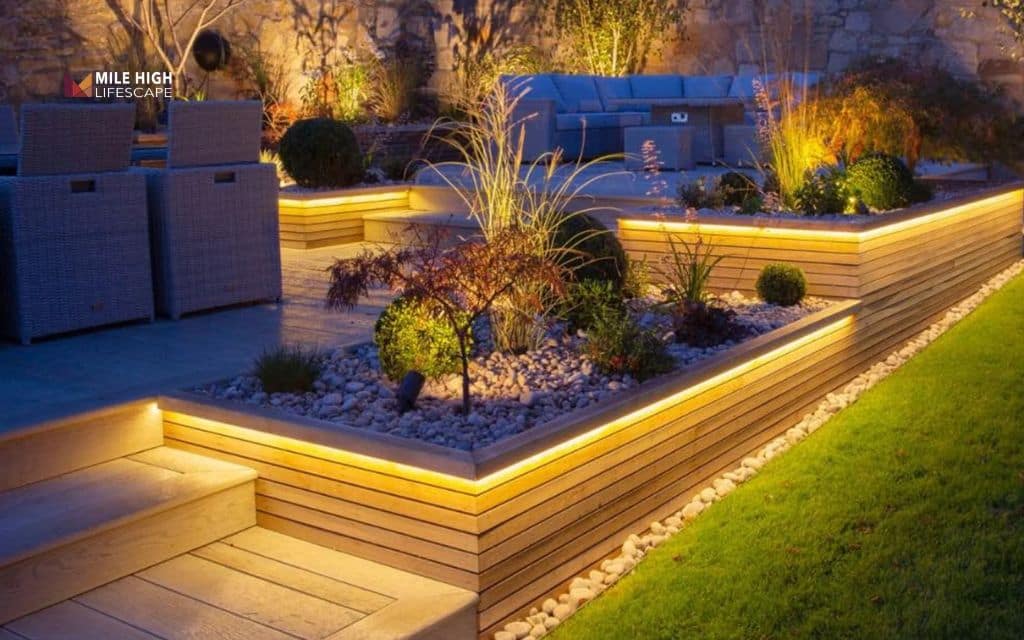
Landscape lighting transforms a beautiful flower bed into something magical after dark. Warm LED spotlights aimed at key plants highlight interesting textures and colors in the evening, extending the time you can enjoy your garden well past sunset. Path lights along the flower bed. Lighting is one of the few flower bed ideas that adds value to your garden without requiring any additional planting.
28. Mix flowers with ornamental grasses
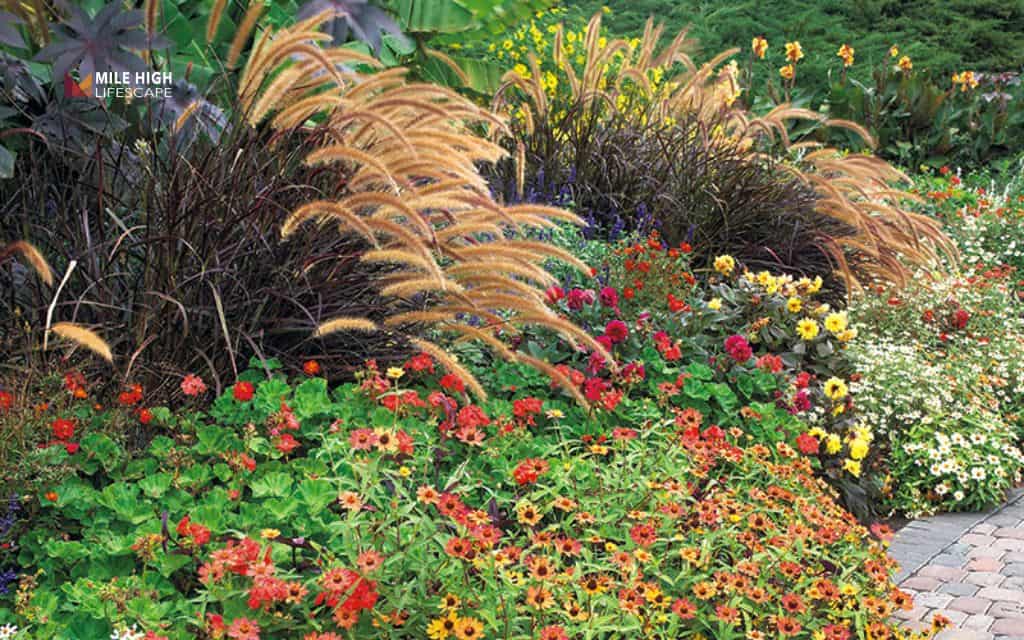
Ornamental grasses are among the most versatile and underappreciated plants in garden design. When combined with flowering perennials, they add movement, texture, and seasonal interest that purely flower-focused beds cannot match. Feather reed grass, blue oat grass, Mexican feather grass, and switchgrass are all excellent companions for coneflowers, black-eyed Susan, and rudbeckia.
Simple design tricks for a more professional-looking flower bed
Layer plants by height
The most fundamental rule of professional flower bed design is layering by height. Tall plants go in the back of the bed, medium-height plants fill the center, and low edging plants line the front.
This simple sequence creates depth and visual balance, allowing every plant in the bed to be seen clearly from the viewing angle of the street or path.
Repeat plants throughout the bed
Repetition is one of the most powerful tools in garden design, yet it is frequently overlooked by home gardeners who tend to buy one of everything at the nursery. Repeating groups of the same plant at regular intervals throughout a bed creates rhythm, cohesion, and visual continuity that immediately elevates the design.
Mix texture along with color
Color gets most of the attention in flower bed design, but texture is equally important. Combining soft ornamental grasses with bold hosta foliage, delicate ferny leaves with thick succulent rosettes, or fine-textured groundcovers with broad-leaved shrubs creates visual richness that remains interesting even in the gaps between flowering periods. Texture contrast prevents the bed from looking flat when the flowers are not blooming.
Add clean edging for definition
A crisp, clean edge is the finishing touch that makes any flower bed look polished and complete. Stone, brick, metal, or even a neatly cut soil edge all separate the planting area from surrounding lawn cleanly, upgrading the appearance of the entire bed.
Include plants with different bloom seasons
A flower bed that peaks in June and looks barren by August has a planning problem rather than a plant problem. Including plants with bloom times spread across spring, summer, and fall ensures continuous color from the earliest warmth of the year through the final weeks of the growing season. Combine spring bulbs, early-season perennials, mid-summer bloomers, and late-season asters or sedums to keep the bed attractive and dynamic throughout.
Leave space for plants to grow
One of the most common mistakes in new flower bed design is planting too close together. Overcrowded beds lead to poor airflow, increased disease pressure, and the difficult task of separating or removing plants once they begin competing for space.
Following the spacing guidance on plant tags and resisting the urge to fill every inch immediately allows plants to grow to their natural size and shape without stress, producing a healthier and ultimately fuller bed in just a season or two.
Conclusion
Beautiful flower beds are not the result of having the biggest budget or the most time. They are the result of combining color, texture, structure, and seasonal interest in a way that suits the specific conditions of a space.
Start small if the scope of a full garden renovation feels overwhelming. Choose one section of the yard, focus on grouping plants, and match your selections to the sunlight and maintenance level you can sustain. A single well-designed flower bed will add more to a garden than a dozen poorly planned ones. As your confidence grows, you can expand the design one bed at a time.
Even the simplest flower bed ideas, when executed with care, can completely transform the look and feel of a garden.
Ready to bring these flower bed ideas to life?
At Mile High Lifescape, we design and install stunning, custom flower beds and landscapes for homeowners across the Denver area, tailored to your space, your style, and your budget. From pollinator gardens to low-maintenance perennial borders, our experienced team handles every detail from concept to final installation.
Contact Mile High Lifescape today for a free consultation and let us help you create the yard you have always wanted.
Frequently asked questions (FAQs)
What flowers work best in flower beds?
Perennials like coneflowers, salvia, lavender, and hydrangeas are among the most popular choices because they provide long-lasting color and are relatively easy to maintain. For high-impact seasonal color, annuals such as petunias, marigolds, and zinnias bloom continuously from spring planting through the first frost. The best choice always depends on your specific sun exposure, soil type, and how much maintenance you are willing to do.
How do I arrange flowers in a flower bed?
Place taller plants at the back of the bed, medium-height flowers in the middle, and shorter edging plants along the front edge for a layered look that allows every plant to be seen clearly. Repeat groups of the same plant at intervals to create rhythm, and choose plants with varying bloom times to maintain color across multiple seasons.
How do I make my flower beds look professional?
Use repeating plant groups rather than one of everything, coordinate your color palette to two or three anchor colors, layer plants by height from back to front, and maintain clean edging at all times. Finishing the bed with a fresh layer of mulch ties the design together and makes even simple plantings look polished and intentional.
What should I put around flower beds?
Stone edging, brick borders, mulch, decorative gravel, and low-growing plants all help define flower beds clearly and attractively. Metal edging is a popular modern choice for its sleek, nearly invisible profile. Natural stone and brick work well for traditional and cottage-style gardens. A layer of mulch inside the border suppresses weeds, retains moisture, and gives the entire bed a finished appearance.
What are some low-maintenance flower bed ideas?
Low-maintenance flower beds work best when built around perennials rather than annuals, since perennials return year after year without replanting. Drought-tolerant plants like lavender, salvia, coneflowers, and ornamental grasses reduce watering needs significantly once they are established. Adding a thick layer of mulch reduces weed pressure and moisture loss, and choosing plants suited to your native soil and climate eliminates the need for heavy fertilization or supplemental irrigation throughout the growing season.