
If you have noticed fast-growing shoots sprouting up around the base of your tree, you are dealing with what gardeners call tree suckers.
They seem to appear out of nowhere, and once you spot a few, they tend to keep coming back. Many homeowners find them frustrating because they make a well-kept yard look messy, and left unchecked, they can actually weaken the tree over time.
Knowing how to remove tree suckers properly makes the whole process straightforward. You do not need specialized equipment or harsh chemicals. With the right pruning methods and a little consistency, you can keep tree shoots under control and help your tree stay healthier and more attractive season after season.
What are tree suckers?
Understanding suckers vs. normal growth
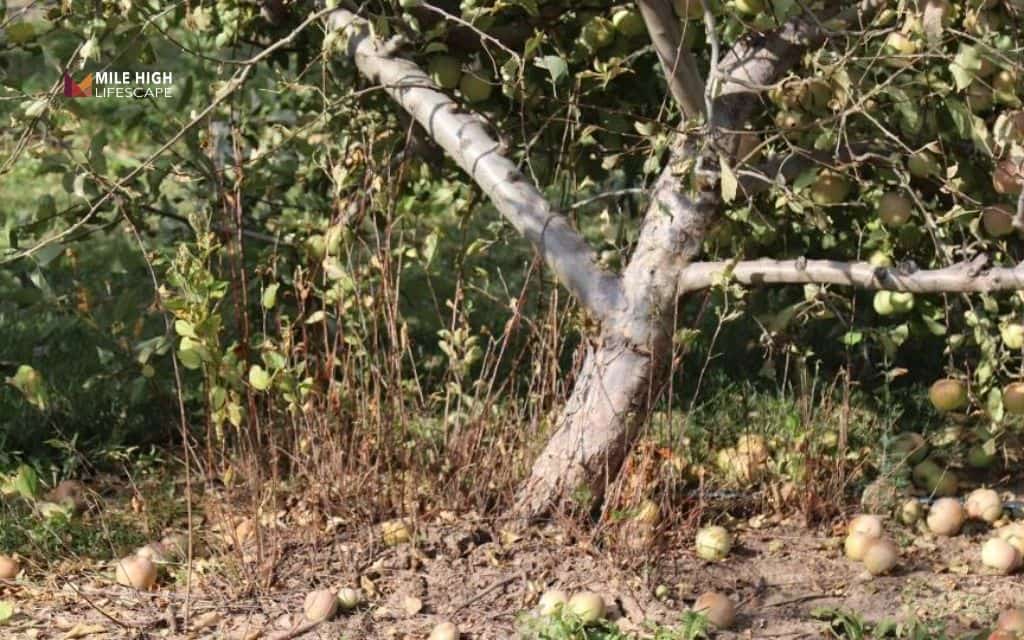
Tree suckers are vigorous, fast-growing shoots that emerge from a tree’s roots, the trunk base, or underground runners spreading out from the root system.
Unlike healthy branches that grow as part of the tree’s natural canopy, tree shoots at the base of a tree are drawing energy away from the main structure, competing directly with established growth for nutrients and water.
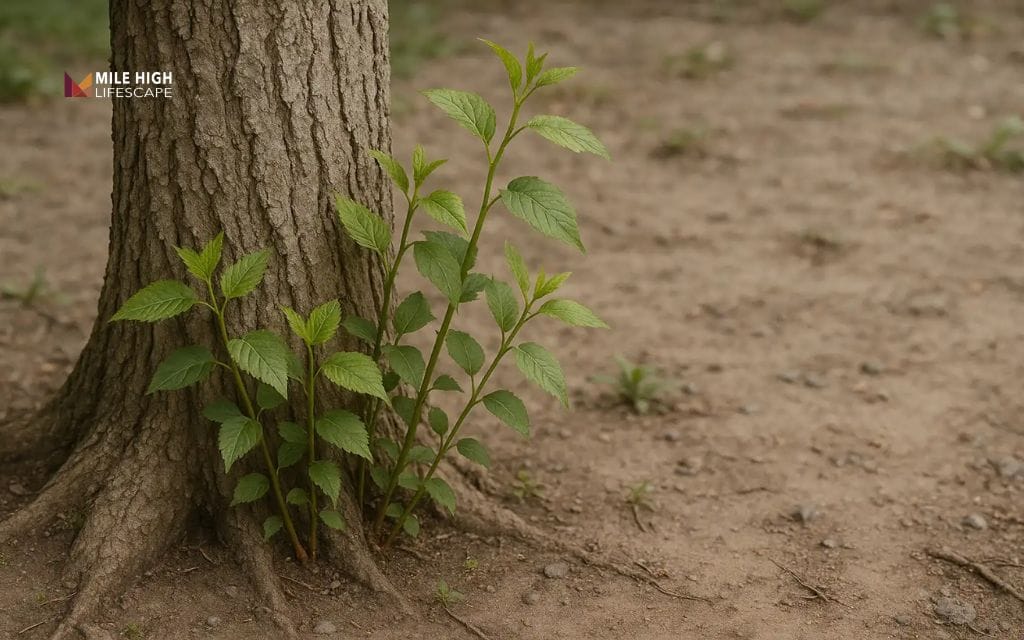
You can recognize a sucker by its posture. These shoots grow straight upward, often appearing in clusters, and they tend to have slightly lighter or more vibrant foliage than the rest of the tree. They grow quickly and feel soft when young, which also makes them easier to remove at that stage.
Root suckers are different from water sprouts, which are similar fast-growing shoots but appear on established branches rather than from the root system. Both need to be removed, but suckers originating from the base or roots are often more persistent and may signal a stressed tree.
Common suckering trees
Some species are naturally more prone to producing suckers than others. If you have any of the following trees in your yard, it is worth checking around the base regularly:
- Crabapple
- Cherry
- Plum
- Lilac
- Aspen
- Poplar
- Elm
- Maple
Crabapple suckers, in particular, are among the most commonly reported by homeowners. Grafted crabapples and ornamental cherries tend to produce persistent sucker growth from the rootstock below the graft union.
Learn more: Benefits of trimming trees
Why do trees produce suckers?
Understanding why suckers appear is key to managing them long-term. They are rarely random. In most cases, sucker tree growth is a response to something disrupting the tree’s balance.
Stress or damage
When a tree experiences stress, it often responds by sending up new shoots in an attempt to generate more energy. Common stress triggers include:
- Drought or inconsistent watering
- Storm damage to branches or roots
- Improper pruning that removes too much canopy at once
- Construction or soil compaction near the root zone
Aggressive tree species
Some trees simply have a strong genetic tendency to sucker. Aspens and poplars, for example, are well known for spreading through root suckers that can appear several feet away from the parent tree. Crabapple, plum, cherry, and maple are also common culprits in home landscapes.
Grafted trees
Many ornamental and fruit trees are grafted, meaning the desirable upper portion is joined to a hardier rootstock. When the rootstock sends up its own shoots below the graft line, those are true suckers and they need to be removed quickly. Rootstock growth will not have the same characteristics as the grafted variety and can overtake the desirable tree if left unchecked.
Best time to remove tree suckers
Timing makes a meaningful difference when it comes to managing root suckers and tree shoots. As a general rule, remove suckers as soon as you notice them. The earlier you catch them, the easier they are to remove cleanly and the less energy the tree has already lost to them.
Spring and early summer tend to be the most practical windows for removal. Growth is active, which means suckers are still soft and young. Young shoots respond better to hand removal and simple pruning than woody growth that has been left to establish for a full season.
Waiting too long allows suckers to develop a stronger connection to the root system, which means they are harder to remove completely and more likely to regrow from remaining dormant buds. Early removal also prevents stronger regrowth later in the season.
Tools you will need
You do not need a large toolkit for this job. A few basic items are all it takes:
- Hand pruners
- Loppers
- Gardening gloves
- A sharp pruning saw
- Disinfectant or rubbing alcohol
Keeping your tools sharp and clean matters more than most gardeners realize. Sharp blades make cleaner cuts, which means less stress on the tree at the point of removal. Cleaning tools between uses also prevents the spread of disease between plants, particularly with trees like cherry and plum that are susceptible to bacterial infections.
Learn more: https://milehighlifescape.com/how-to-trim-tall-trees/
How to remove tree suckers the right way
Step 1: Identify all suckers around the tree
Before you start cutting, take a few minutes to walk around the entire tree and locate all the sucker growth. Look near the trunk base, along any exposed roots, and in the surrounding lawn area. Root suckers can appear several feet from the tree, especially in suckering species like aspen or poplar.
Young suckers are easiest to identify by their upright growth habit and slightly lighter leaf color. They tend to grow faster than surrounding grass or groundcover. Mark the areas you find so you can work through them methodically.
Step 2: Pull back mulch or soil carefully
For suckers growing at or near ground level, gently pull back any mulch or soil covering the base of the shoot. Exposing the attachment point allows you to make a cleaner cut much closer to where the sucker originates, which is important for reducing regrowth.
Cuts made at ground level or even slightly below, right at the root or trunk origin, leave fewer dormant buds behind. Those buds are what produce regrowth after removal, so eliminating as many as possible at the source gives you better results. Work carefully to avoid damaging nearby roots during this step.
Step 3: Cut the sucker as close to the root as possible
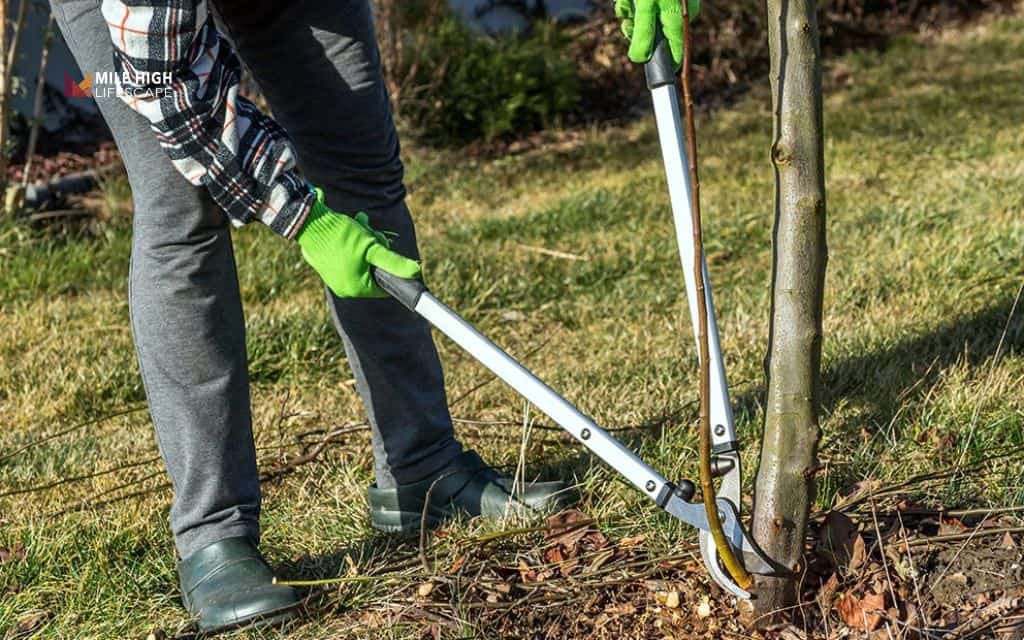
Using sharp pruners or loppers, cut the sucker flush with the root or trunk it is emerging from. Avoid leaving stubs behind. This is one of the most common mistakes homeowners make when they try to get rid of tree suckers quickly without digging around the base first.
Stubs left behind are problematic because they contain dormant buds that are already primed to send up new growth. In many cases, cutting a sucker above ground with a stub actually triggers a stronger flush of regrowth than if the sucker had been left alone entirely. The cleaner and closer the cut, the better your results will be.
Step 4: Remove small young shoots by hand
For soft, green suckers that have not yet become woody, hand removal is often more effective than cutting. Grip the base of the shoot firmly and pull downward with steady pressure, trying to tear the sucker away at its attachment point rather than snapping it off higher up.
When done correctly, pulling can remove dormant buds along with the sucker itself, which tends to slow repeat growth more effectively than a clean cut. This technique works best in spring and early summer when shoots are young and soft.
Step 5: Clean and monitor the area
Once you have removed all visible suckers, clear away any fallen shoots and plant debris from the area around the tree. Left on the ground, this material can harbor pests or disease.
Plan to check the area monthly during the active growing season. Most trees with a suckering tendency will require more than one round of removal per year, especially in the first season or two after you begin managing the problem.
Repeat removal early, before suckers become woody, makes each session faster and more effective. Consistent maintenance is what keeps suckers manageable over the long term.
How to stop tree suckers from coming back
Removing suckers handles the symptom, but reducing the underlying stress is what leads to fewer suckers over time. A healthy, well-maintained tree generally produces far less sucker growth than one dealing with drought, root damage, or improper pruning.
Water properly
Drought stress is one of the most common triggers for sucker growth. Make sure your tree is receiving enough water, particularly during dry summer periods.
Deep, infrequent watering is more beneficial than frequent shallow watering because it encourages roots to grow deeper into the soil. A slow soak at the drip line every week or two during dry spells makes a significant difference for most landscape trees.
Avoid damaging roots
Root injury is another frequent cause of sucker production. Be careful when using lawn equipment near the base of trees. String trimmers and lawn mowers can nick the bark and surface roots repeatedly, creating stress injuries that trigger sucker responses.
Avoid heavy digging or soil disturbance near the root zone, and never pile soil or mulch directly against the trunk.
Prune carefully
Over-pruning the main canopy is a direct trigger for sucker growth. When too much foliage is removed at once, the tree compensates by pushing energy into new growth from the base and roots. Stick to removing no more than 25% of the canopy in any single pruning session, and avoid making large cuts unnecessarily. When in doubt, consult a certified arborist before heavy pruning of established trees.
Healthy trees that receive consistent care, proper watering, and thoughtful pruning usually produce far fewer suckers. Addressing what is causing the stress is the most effective long-term strategy.
Should you use herbicides on tree suckers?
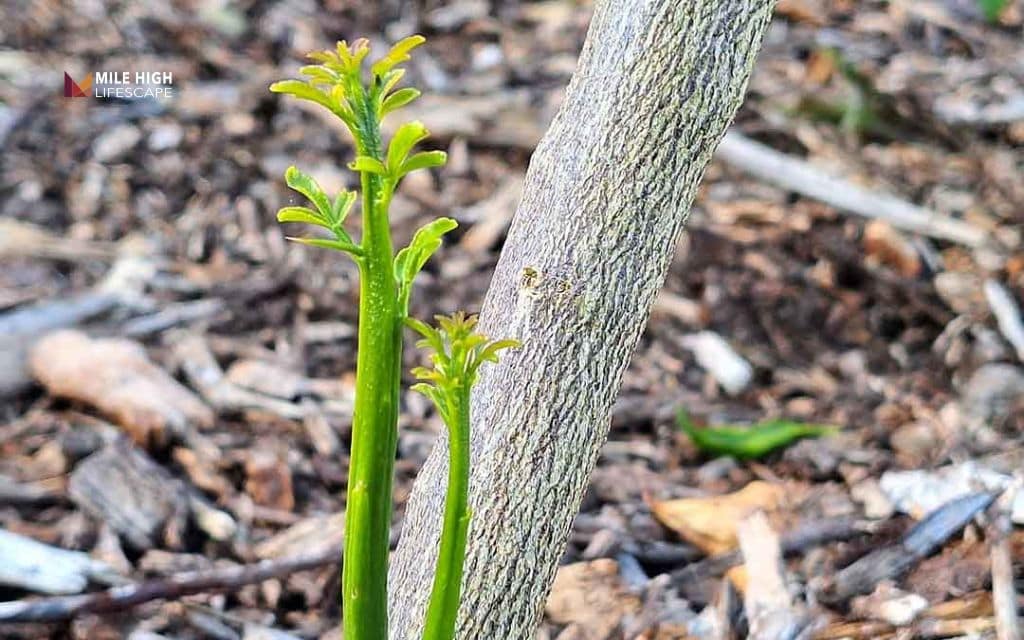
Sucker-control sprays and growth regulators are available on the market, and some homeowners look to these as a faster solution. However, herbicides should be approached with caution, particularly on ornamental trees and fruit trees.
Many products that kill suckers work by being absorbed through plant tissue. Because suckers share a root system with the main tree, there is a real risk that chemical treatments can travel into the parent tree and cause unintended damage. This is especially true for species like aspen and poplar that spread through interconnected root networks.
In most situations, proper pruning is a safer and more effective approach for home gardeners. If you are dealing with persistent suckering that does not respond to mechanical removal, consult a licensed arborist or horticulturist before applying any chemical treatment. They can recommend targeted products appropriate for your specific species and situation.
Common mistakes when removing tree suckers
Even with the best intentions, a few common errors can make sucker management harder than it needs to be. Here is what to watch out for:
- Leaving stubs behind after cutting, which stimulates even more regrowth from dormant buds
- Using dull or dirty pruning tools that crush plant tissue and spread disease
- Ignoring the underlying tree stress that is causing sucker production in the first place
- Over-pruning the main canopy, which directly triggers a surge of new sucker growth
- Applying herbicides carelessly without understanding how they move through connected root systems
Avoiding these mistakes does not require extra effort. It just requires slowing down slightly to do each step correctly the first time.
Conclusion
Tree suckers are one of the more common frustrations in home landscaping, but they are entirely manageable once you understand what causes them and how to deal with them properly. The key is to act early, remove suckers flush with their origin point, and make sure you are also addressing the underlying stress that is driving their growth.
Start by checking around your trees regularly throughout the growing season. Remove any sucker growth as soon as it appears, before it has time to become woody or establish a stronger root connection. Keep your pruning tools sharp and clean, water your trees consistently during dry periods, and avoid any unnecessary root disturbance near the base.
If sucker production is persistent and heavy despite your best efforts, that may be a signal of a deeper problem worth having a professional arborist evaluate. A healthy tree that is well cared for will always produce fewer suckers than one under chronic stress.
Keep your trees and landscape looking their best
Tree suckers are just one sign that your landscape needs attention. At Mile High Lifescape, we provide full-service landscaping solutions for Denver homeowners, from tree care and shrub pruning to complete yard transformations.
Our experienced team knows how to spot the signs of tree stress early, remove problem growth the right way, and keep your outdoor space healthy, clean, and beautiful all season long.
For trees with dead, damaged, or overgrown branches, our Tree Branch Removal service provides a safe and efficient solution. We carefully remove problematic branches while helping protect the health and appearance of your trees and surrounding landscape.
Whether you are dealing with persistent suckers, overgrown beds, or a yard that simply needs a fresh start, we are here to help.
Contact Mile High Lifescape today for a FREE consultation. Let our Denver landscaping experts take the guesswork out of yard care, so you can enjoy the outdoor space you deserve.
Frequently asked questions (FAQs)
How do you stop tree suckers permanently?
There is no single step that eliminates suckers forever, but early removal combined with stress reduction gets you close. Remove suckers flush with the root or trunk as soon as they appear, and reduce the triggers causing them by watering properly, protecting roots from damage, and avoiding over-pruning the canopy. Healthy, well-maintained trees naturally produce fewer suckers over time.
Should tree suckers be removed?
Yes. Most suckers should be removed. They pull nutrients and water away from the main tree, they weaken the overall structure over time, and they create an untidy appearance in the landscape. For grafted trees, rootstock suckers are particularly important to remove because they can overtake and replace the desirable grafted variety if left unchecked.
Can cutting tree suckers damage the tree?
No, not if you remove them correctly. Using sharp, clean tools and cutting flush with the root or trunk surface causes minimal stress to the tree. The damage comes from doing it incorrectly: leaving stubs, using dull blades, or making cuts above the soil surface where dormant buds remain. Follow the step-by-step method above and removal will not harm your tree.
How do you get rid of tree offshoots?
Tree offshoots, or suckers, are best removed by first exposing the base of the shoot, then cutting it flush with the root or trunk using sharp pruners. For young, soft shoots, pulling them downward by hand can be even more effective because it removes dormant buds along with the shoot. Repeat removal throughout the growing season until the tree’s overall stress level is reduced.
What chemical kills tree saplings?
Several herbicide products contain active ingredients such as triclopyr or glyphosate that can kill young tree suckers and saplings. However, these should be used with significant caution around ornamental and fruit trees because the chemicals can travel through shared root systems and damage the parent tree. For most home gardeners, manual removal is the safer and more practical choice. If chemical control is necessary, consult a licensed arborist or landscape professional before applying any product.