If you are searching for how to get rid of tree stumps, you are probably already staring at one. Most homeowners only figure out the right approach after the tree is gone. A stump left in the yard is rarely just a cosmetic issue. It creates a tripping hazard, occupies space you could be using, and attracts pests and fungal activity you do not want near healthy trees or your home. Whether it is left from storm damage, disease, or a planned removal, getting rid of it properly is the logical next step.
The right approach to tree stump removal DIY or professional service depends on how large the stump is, how soon you need the area cleared, and what you plan to do with the space afterward. This guide walks through every proven option, compares them honestly, and helps you choose the best approach for your yard and timeline.
Why you should remove a tree stump
Beyond being an eyesore, a stump continues to cause real problems long after the tree is gone. Decaying wood draws termites, carpenter ants, and wood-boring beetles, which can spread to nearby structures or healthy trees. Fungal pathogens that establish on the stump can also travel through shared root zones and infect living trees on the same property.
A stump also blocks almost any improvement you want to make in that area. You cannot lay new sod cleanly, pour a patio, install a retaining wall, or plant a replacement tree without first dealing with the root system underneath. In neighborhoods with active HOAs, a visible stump can trigger compliance notices on top of everything else.
That said, stumps in remote or naturalized corners of a large property can provide genuine ecological value, supporting nesting birds, beneficial fungi, and insect populations. Whether to remove or leave ultimately depends on the stump’s location and what surrounds it.
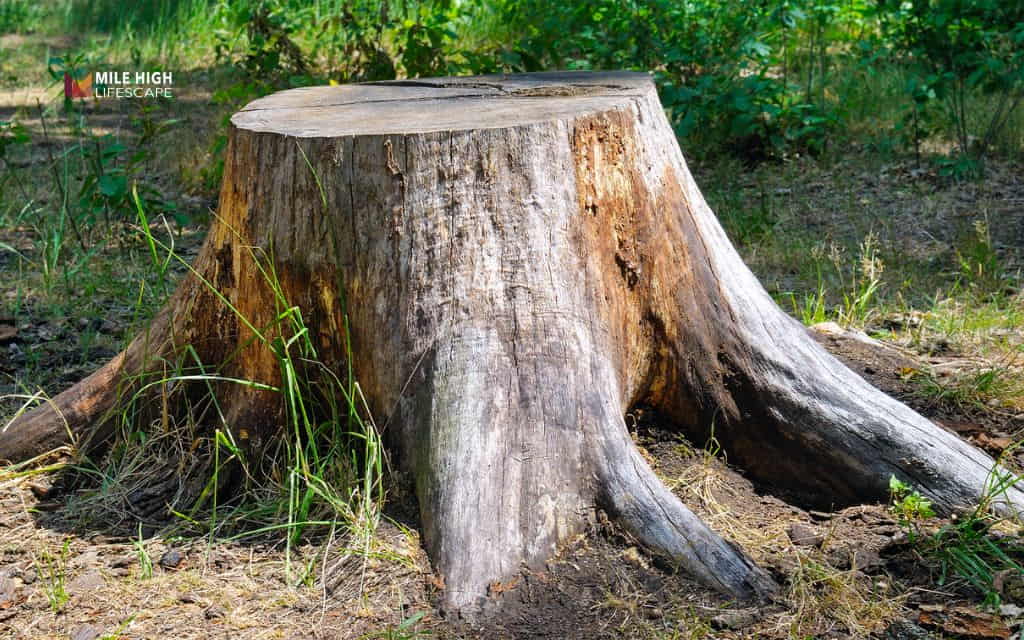
6 ways to get rid of a tree stump
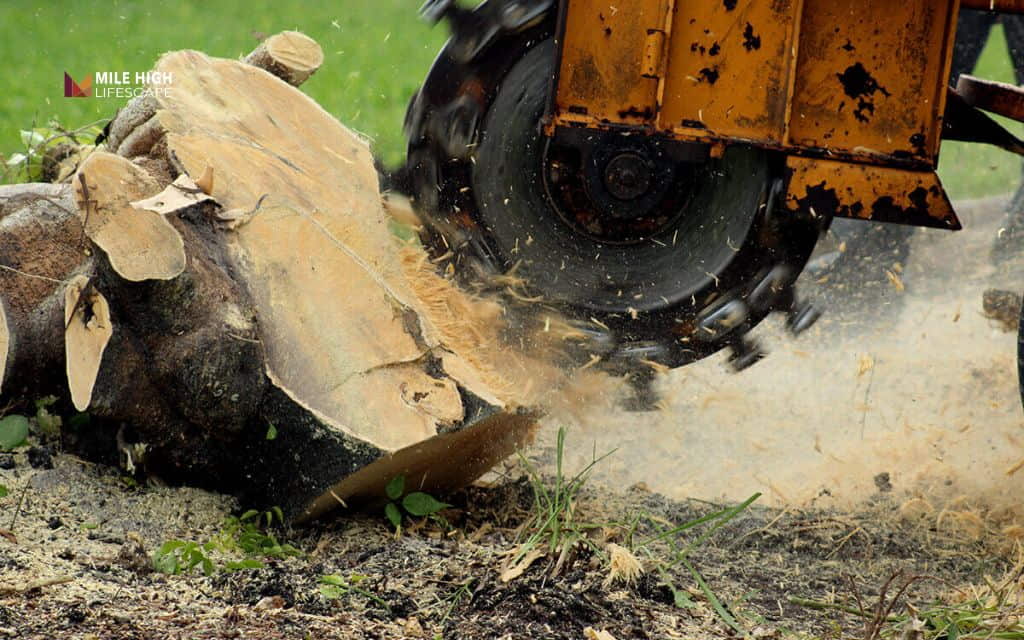
Stump grinding
Stump grinding is the fastest and most practical method for most homeowners. A rotating cutting wheel chews the stump 8 to 12 inches below grade in a matter of hours, leaving a pile of wood chips in place of the stump. It works on virtually any size stump, requires minimal digging, and causes little disruption to the surrounding lawn. The main limitation is that it does not remove the root system, which continues to decay underground on its own timeline. For most residential uses, that is a perfectly acceptable trade-off.
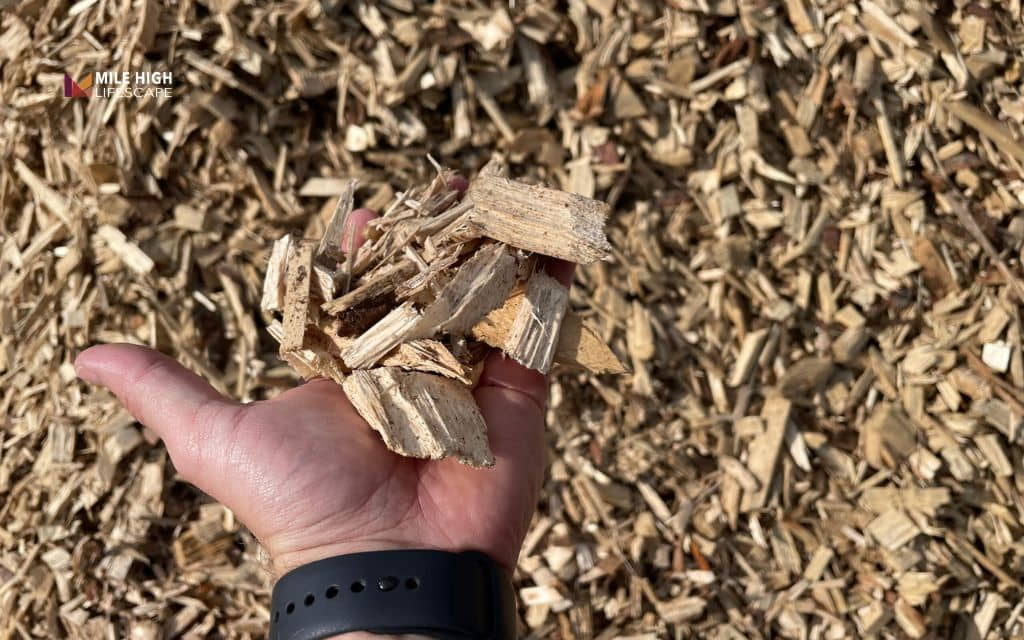
One detail that is easy to overlook: remove all wood chips from the grinding hole before backfilling with topsoil. Chips left in the soil tie up nitrogen as they decompose, creating a nutrient-depleted zone where new turf or plants will struggle. Haul the chips away or compost them separately, then fill the void with quality topsoil before replanting.
Digging and pulling the stump by hand
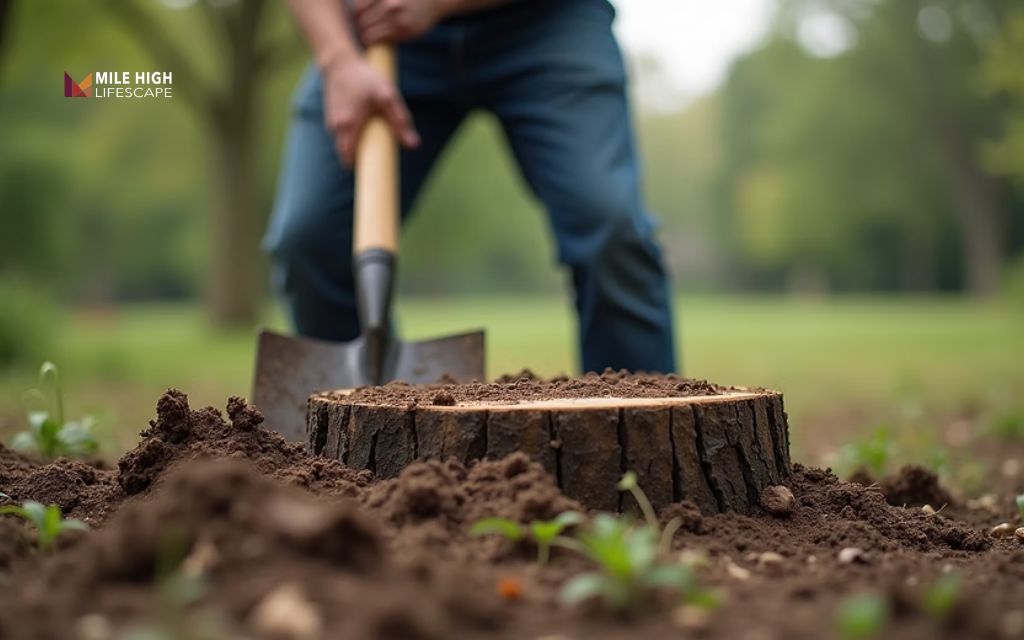
Manual digging is the most labor-intensive option but gives the most complete root removal. It is realistic for stumps with a trunk diameter under 8 inches. If you want to know how to pull a stump or how to pull out a tree stump by hand, the process comes down to smart sequencing. Before you begin, call 811 to locate any buried utilities in the area. Then work through these steps:
- Leave the stump 3 to 4 feet tall rather than cutting it flush. The extra height provides leverage for prying and rocking the root ball free.
- Dig a trench 1 to 2 feet deep around the perimeter to expose the lateral roots.
- Sever every root you expose using a pruning saw or reciprocating saw, working your way around the stump.
- Pry and rock the stump free with a digging bar, then lift it out and backfill the hole with quality topsoil.
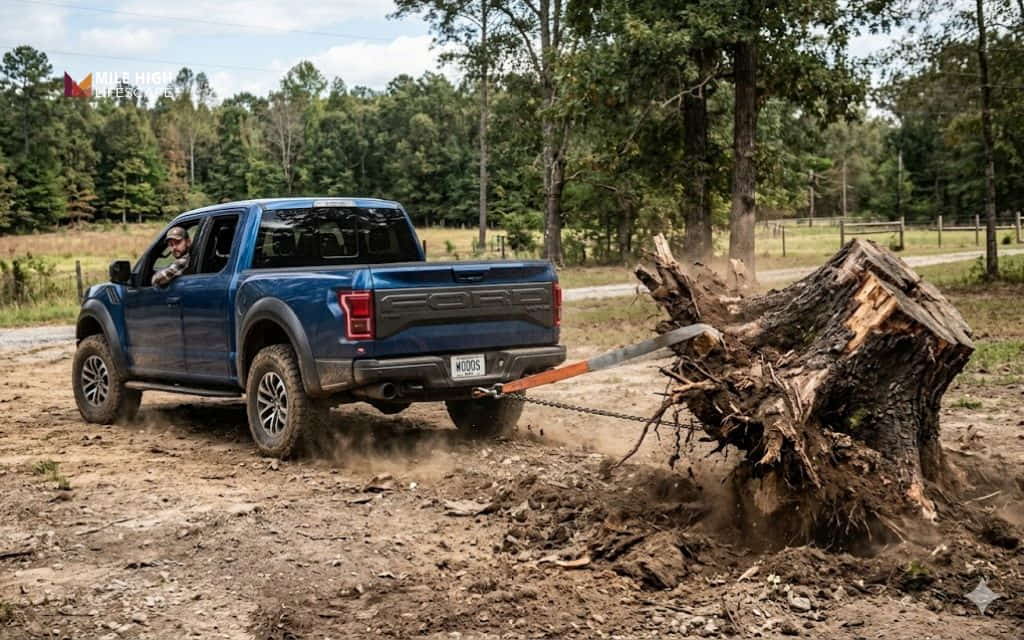
Never use a vehicle, chain, or rope to yank a stump from the ground. A chain under load can snap and recoil at lethal speed. Research shows a root just half an inch in diameter requires around 450 pounds of pull force, and structural roots on mature trees can be several inches thick.
Chemical stump removers
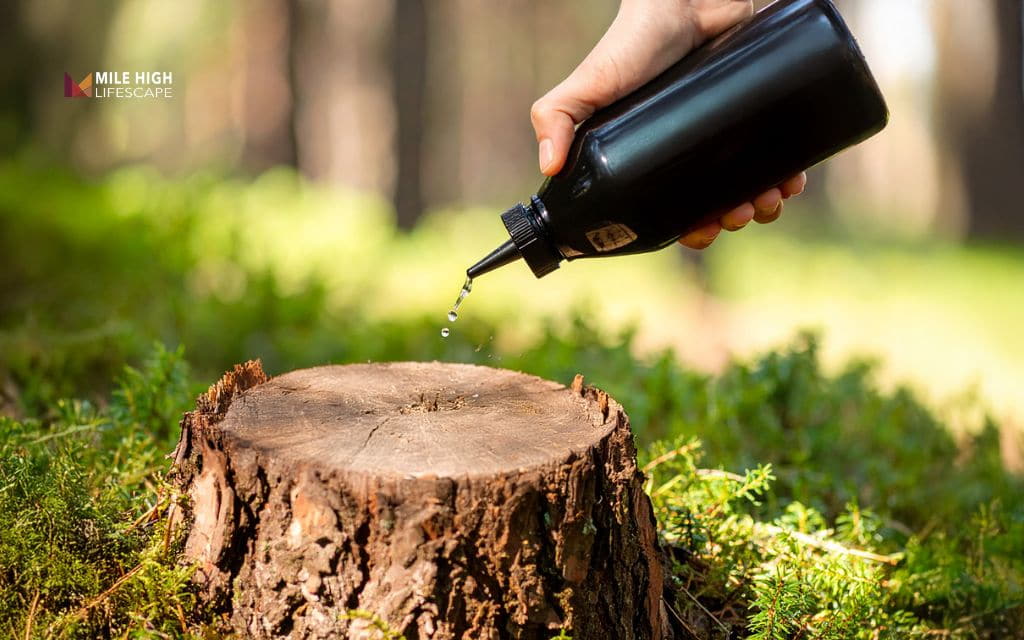
Commercial stump removers are typically potassium nitrate-based, a compound that draws moisture from the wood and accelerates microbial decay. Some products also include a herbicide to prevent resprouting. The process involves cutting the stump low, drilling a grid of 1-inch holes 8 to 12 inches deep across the top, filling them with product per label instructions, watering in, and covering with a tarp to retain moisture. It is low-effort and inexpensive, making it a solid choice for homeowners who are not on a tight schedule.
The honest trade-off is time. Most stumps require 4 to 12 months of treatment before they are soft enough to break apart and remove. University research indicates potassium nitrate accelerates decomposition by roughly 25%, which is useful but modest. This method works best when the area has no near-term landscaping plans and a hands-off approach is preferred.
Natural decay
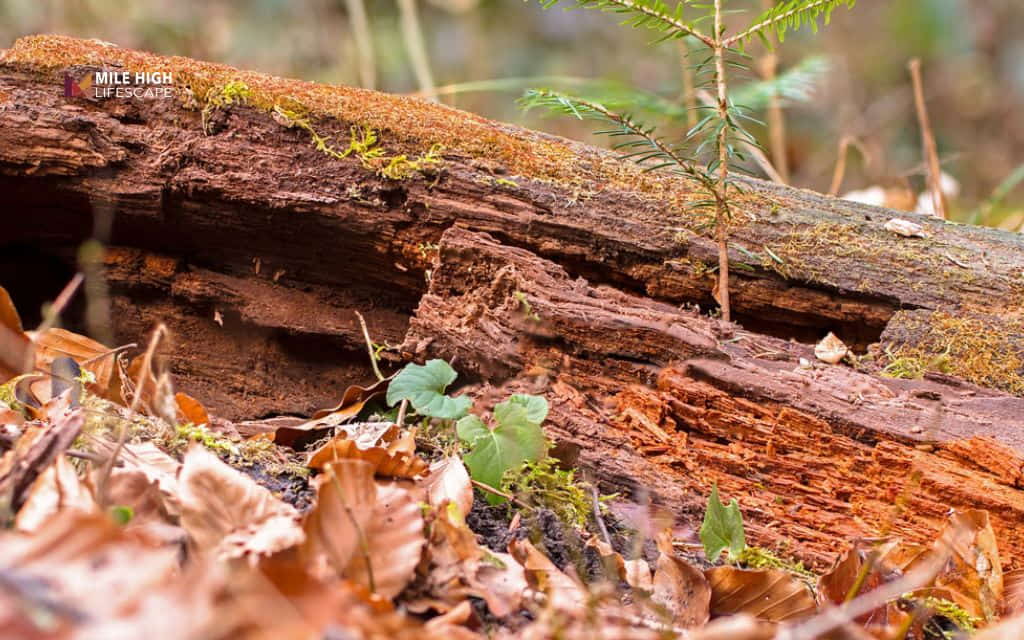
Without any intervention, a stump can take 3 to 10 years or more to decay on its own. With a few targeted steps, you can bring that down to 1 to 3 years:
- Increase surface area: Cut the stump low, drill 1-inch holes 8 to 12 inches deep across the top and sides, score the surface with a saw, and peel off as much bark as possible.
- Aerate the surrounding soil: Use an auger or tiller to loosen soil 12 to 24 inches deep around the stump. Decay organisms need atmospheric oxygen to work efficiently.
- Manage moisture: Keep the stump consistently moist but not waterlogged. A layer of coarse wood mulch over the surface helps retain moisture and moderate temperature.
- Add nitrogen: Apply a slow-release fertilizer at roughly 0.5 pounds of actual nitrogen per year for a 10-inch stump, split into three applications. Wood is nitrogen-poor, and microbes need it to break the material down.
- Cover and protect: Use wood chip mulch, geotextile fabric, or a thin layer of finished compost over the stump. Compost also inoculates the area with decay organisms.
- Disrupt it regularly: Every three months, re-drill holes, score new wood, and break up any soft sections with a pry bar. Consistent disruption keeps the decay process active.
Burning the stump
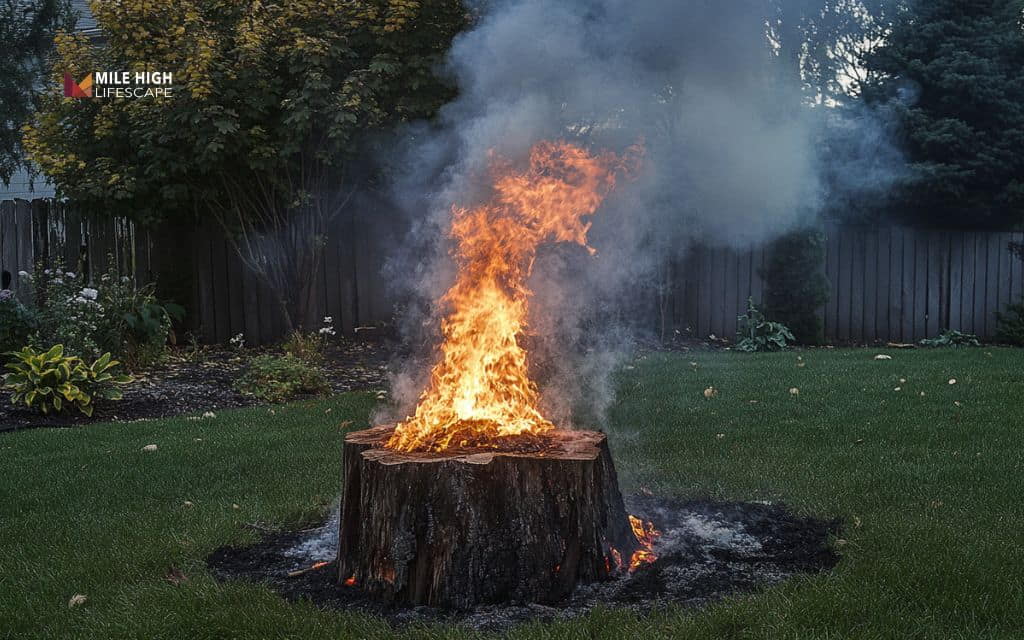
Burning can remove a stump but carries meaningful legal and safety constraints. Open burning is prohibited or heavily restricted in many urban and suburban areas, and fire bans during dry seasons extend those restrictions further. If burning is legally permitted in your location, avoid pouring diesel, gasoline, or any accelerant on the stump. These create flash-fire hazards and contaminate the surrounding soil. A safer approach is positioning a metal cylinder with no top or bottom over the stump and building a controlled charcoal fire inside it.
Stump fires burn slowly and can smolder underground for several days, so keep water and a shovel nearby at all times. One additional drawback: the intense heat sterilizes the soil, making it difficult to establish new plants in that spot afterward. For most suburban homeowners, grinding or digging are cleaner and faster alternatives.
Leave it
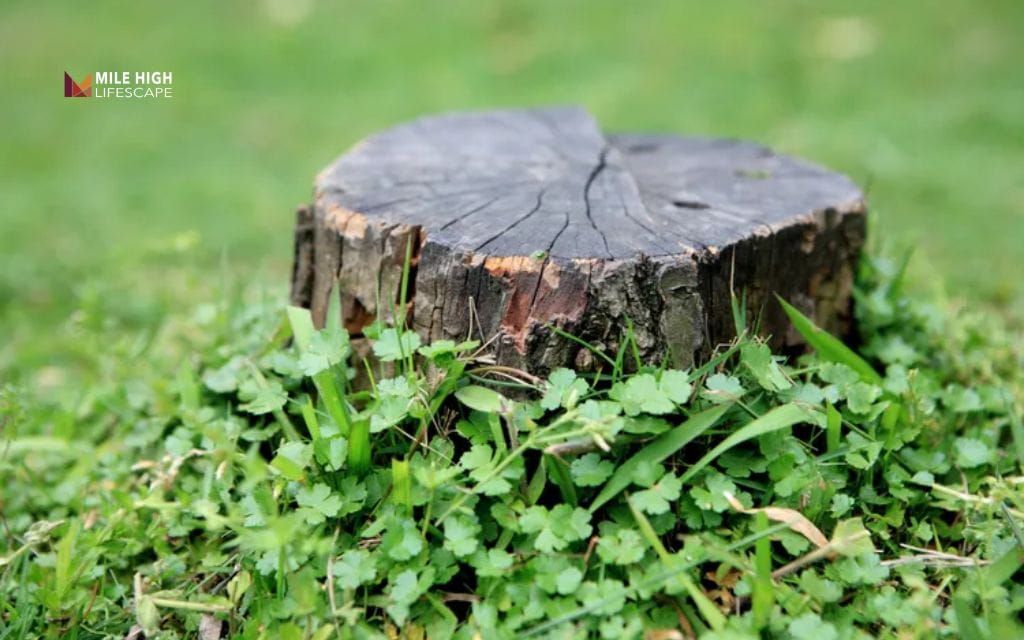
Leaving a stump in place is not always wrong. Dead wood provides some of the most ecologically valuable habitat in a yard, supporting cavity-nesting birds, beneficial fungi, and insect larvae that feed local wildlife. In naturalized areas or the back of a large property where the stump poses no safety or HOA risk, leaving it is a legitimate and ecologically sound choice. Some homeowners also repurpose stumps as raised planters, garden sculptures, or rustic seating.
The key consideration is structural stability. As decay progresses, a stump can become hollow and unstable. Inspect it regularly, and if it begins to lean, crack at the base, or show signs of collapse, remove it before it becomes a hazard.
Learn more: How to get rid of tree trunks
How to choose the right method
Choosing the right removal method comes down to four questions:
- How large is the stump? Stumps under 8 inches in diameter are viable for manual digging. Anything larger almost always warrants grinding or chemical treatment.
- How soon do you need the area cleared? If a landscaping project is coming up in the next few months, grinding is the only method that delivers on that timeline. Chemical and natural decay are measured in months to years, not days.
- What are you doing with the space next? Laying sod or planting a new tree requires clean topsoil, not a pit full of wood chips. Installing a patio or fence requires ground clear of roots that could shift over time. The best way to get rid of tree stumps for hardscaping projects is always the method that clears the most root mass.
- How close is the stump to structures or buried utilities? Knowing how to take out a tree stump safely matters even more when it sits within 10 feet of a foundation, gas line, or septic system. Any time digging is involved, call 811 a few days before you start to protect yourself from striking buried utility lines.
For small stumps with no time pressure, chemical or natural decay is a practical low-cost path. Manual digging sits in the middle, offering more complete root removal when total clearance is the priority. For stumps over 12 inches or anything near infrastructure, hiring a professional for grinding is almost always the right call.
Mile High Lifescape offers expert stump grinding and full removal services across the Denver metro and Front Range, whether you are dealing with a single stubborn stump or clearing space for a larger outdoor living project. Schedule a consultation today and let us take care of the stump so you can focus on what comes next.
Mistakes to avoid when removing a tree stump
When researching how to remove the tree stump in your yard, you will inevitably come across a few techniques that carry risks serious enough to warrant a direct warning:
- Pulling stumps with a vehicle or chain: A chain or tow strap under load can snap and recoil at lethal speed. Most residential vehicles are not equipped to safely generate the hundreds of pounds of force needed to extract structural roots.
- Pouring gasoline or diesel on the stump: Both create flash-fire hazards, produce toxic fumes, and contaminate the surrounding soil. Neither burns efficiently on green or partially wet wood.
- Using herbicides containing picloram (Tordon): Picloram persists in soil for extended periods, leaches easily, and can damage or kill nearby plants and trees. Use only glyphosate or triclopyr-based products when herbicide treatment is needed.
- Skipping the utility locate: Digging into a buried gas or electrical line is a genuine emergency. Always call 811 before any digging project, no exceptions.
Learn more: Tree removal after ice storm
What to do after the stump is gone
Removing the stump is the first step. What you do with the hole determines whether the space actually becomes useful. Work through these steps in order:
- Remove all wood chips before backfilling. Chips left in the hole tie up nitrogen as they decompose, creating a zone where new turf or plants will struggle to establish. Haul them away or add to a compost pile.
- Backfill with quality topsoil, tamped lightly in layers. Do not simply push the original soil-and-sawdust mix back into the hole.
- Wait 4 to 6 weeks before planting new turf or seed to allow the soil to settle. Rushing this step leads to uneven surfaces and poor establishment.
- For a replacement tree, plant nearby rather than directly in the old root zone. Residual roots, altered drainage, and depleted soil structure in the original footprint can slow establishment and create long-term competition.
- For hardscaping (patio, retaining wall, fence), grade carefully and ensure drainage is directed away from structures. In clay-dominant soils, incorporate coarse material and organic matter before paving or planting to improve long-term drainage and stability.
Learn more: Will a tree stump regrow?
Conclusion
The best approach to get rid of tree stumps comes down to matching the right method to the right situation. Grinding is the fastest option for most homeowners. Chemical and natural decay cost less but require patience. Digging offers the most complete root removal when total clearance is the priority. Whatever method you choose, call 811 before any digging, wear proper protective gear, and bring in a professional when the stump is large, near infrastructure, or simply more than the project warrants handling alone.
If you are a Colorado homeowner trying to figure out how to remove a tree stump and what to do with the space it leaves behind, Mile High Lifescape can handle both. From tree branch removal and stump grinding to site grading, custom paver patios, xeriscape installations, and full outdoor living design, our team serves the Denver metro and the Front Range. Schedule a consultation today, and let’s plan what your space becomes next.
Frequently asked questions (FAQs)
What rots tree stumps the fastest?
Potassium nitrate is the fastest stump-rotting agent available for DIY use. Sold as commercial stump remover, it draws moisture out of the wood and accelerates microbial decay, softening most stumps in 4 to 12 months. For even faster results, combine it with drilling deep 1-inch holes across the stump, keeping it moist under a tarp, and adding a nitrogen-rich fertilizer to feed the decay microbes.
What is the fastest way to get rid of stumps?
Stump grinding is the fastest way to get rid of stumps. A professional with a commercial-grade grinder can reduce a stump to wood chips in a matter of hours, leaving the area ready for backfilling the same day. Renting a smaller consumer grinder works too, but takes longer on larger stumps. Every other method, including chemical, digging, and natural decay, requires weeks to years to achieve similar results.
What kills a tree stump quickly DIY?
The fastest DIY way to kill a tree stump is applying a systemic herbicide containing glyphosate or triclopyr to the freshly cut cambium ring just inside the bark, immediately after the tree is cut. This stops sprouts from growing back within days to weeks. For rotting the dead stump faster, drill 1-inch holes 8 to 12 inches deep, fill with commercial stump remover, water in, and cover with a tarp to retain moisture.
Does Epsom salt actually remove tree stumps?
Partially. Epsom salt and rock salt draw moisture out of the wood, which can dry it faster and slow regrowth. In practice, they are a slower, weaker version of commercial potassium nitrate removers, typically taking 6 to 12 months or longer to soften a stump enough to break apart. One important caution: rock salt can leach into surrounding soil and harm nearby plants and grass, so use it carefully and keep it well away from any vegetation you want to preserve.
Can I grind a stump myself with a rental grinder?
Yes. Stump grinder rentals are available at many equipment rental centers and some home improvement stores. Consumer-grade units are smaller than professional machines and work more slowly on larger stumps, but they get the job done. Before starting, call 811 for a utility locate, clear rocks and debris from the area, and wear full protective gear including eye protection, hearing protection, heavy gloves, and sturdy boots. For stumps over 12 inches, near structures, or on difficult terrain, hiring a professional is usually the safer and more cost-effective choice.