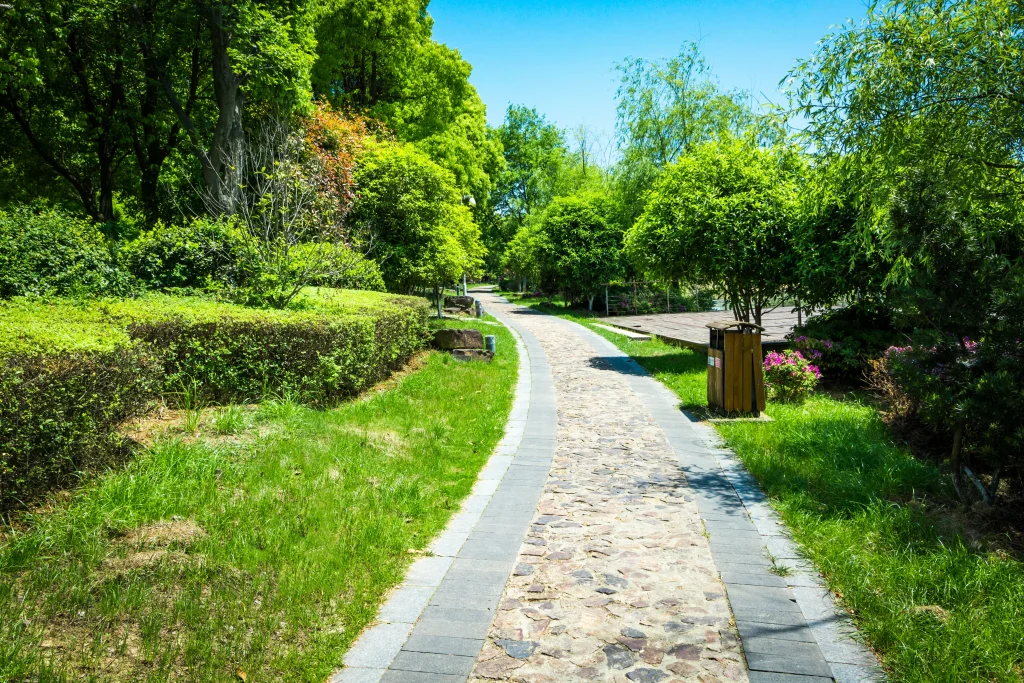
Many gardeners assume summer is off limits, but that idea comes from the ease of spring and fall planting, not from any hard rule. Heat and short rainfall change your approach. They do not close the door. With the right plant choices and a steady watering routine, planting in summer works for flowers, shrubs, trees, vegetables, and herbs alike. This guide breaks down what grows well in the heat, how to prepare the ground, and how to keep new plants alive through the hottest weeks of the year.
Is summer really a bad time to plant?
Spring and fall earn their reputation for a reason. Cooler air, steady rain, and mild soil temperatures ask less of a new plant’s root system. Summer heat speeds up water loss and stresses roots before they establish. That does not make summer planting a mistake. It makes it a different job, one that depends on consistent moisture rather than favorable weather.
Your USDA hardiness zone plays a role too. Gardeners in hot, dry zones face a narrower window and need more shade and water discipline. Gardeners in cooler northern zones, where summer heat stays milder, often plant with fewer adjustments. Knowing your zone helps you judge how much extra care a summer planting will actually require.
What to plant in summer
Flowers for the summer garden
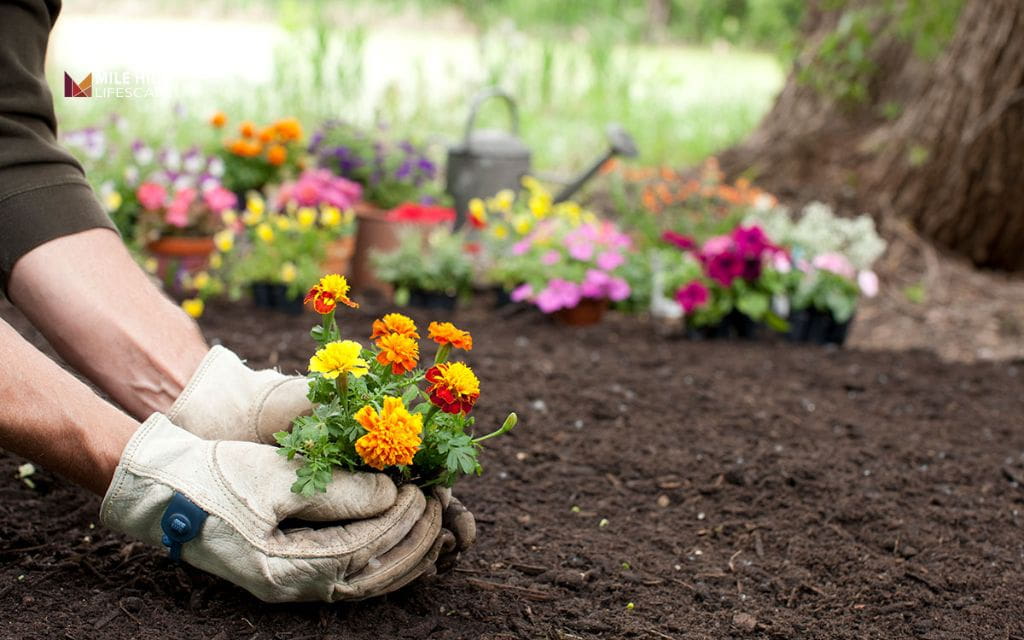
Heat tolerant annuals and perennials adjust quickly to summer planting. Zinnias, marigolds, coneflowers, and black eyed Susans establish fast and bloom through the season once watered consistently. Look for container grown stock at the nursery rather than bare root perennials, which struggle far more in hot soil.
Shrubs that handle summer heat
Shrubs planted in summer need the same container grown approach as flowers. Boxwood, spirea, hydrangea, and juniper adapt well when watered deeply right after planting. Avoid moving an established shrub from one spot in the yard to another during summer, since that kind of root disturbance is better saved for cooler months.
Trees for summer planting
Can you plant trees in summer? Yes, and tree planting in summer is common practice among nurseries and landscapers, provided the tree comes from a container rather than a bare root source. Planting trees in the summer asks more of the gardener than a spring planting does, since a young tree’s root system has not yet spread out to draw on deep soil moisture. Maples, oaks, and crape myrtles all tolerate trees in summer planting when given deep, regular watering for the first several weeks. A tree gator or slow release watering bag makes trees during summer far easier to manage, especially for anyone without an automatic irrigation system.
Vegetables and herbs
Vegetable gardens do not have to pause once spring crops finish. As spinach, lettuce, and radishes bolt and get pulled, that open space is ready for beans, cucumbers, summer squash, and carrots, all of which germinate well in warm soil. Herbs like basil, dill, and cilantro also do well seeded directly into the garden through early summer.
Preparing the site and planting correctly
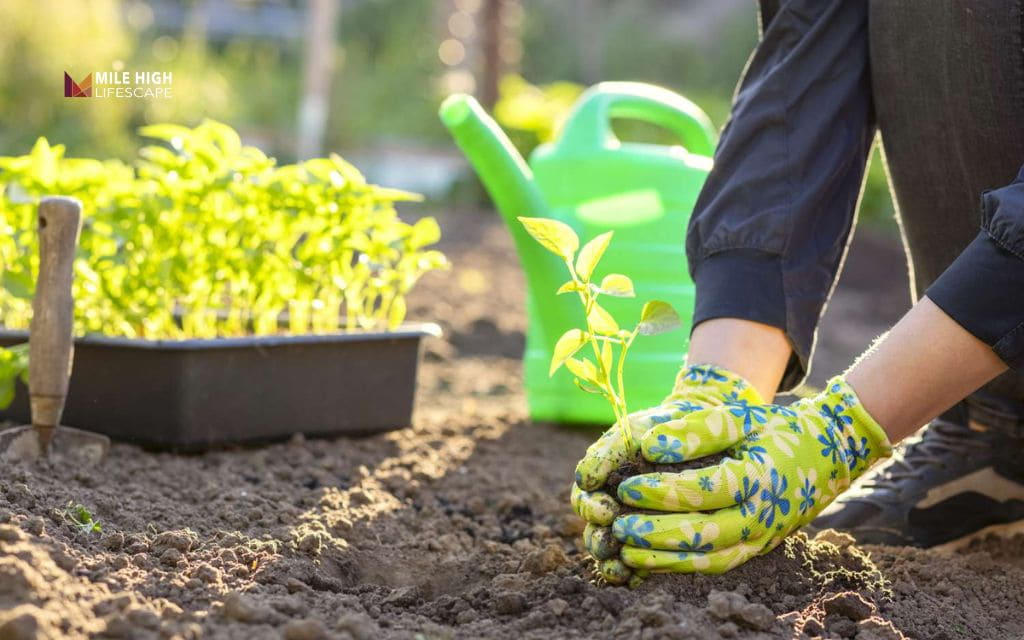
Good preparation matters more when planting in summer than in any other season, since a new plant has less time to recover from a rough start. Dig the planting hole, fill it with water, and let it drain fully before setting the plant in place. This step tests drainage and gives the surrounding soil a head start on moisture. Loosen the soil at the edges of the hole so roots can push outward instead of circling.
Once the plant is in the ground, water it deeply and apply two to three inches of organic mulch around the base, keeping it a few inches clear of the trunk or stem. Mulch slows evaporation, moderates soil temperature, and cuts down the weeds that would otherwise pull moisture away from new roots.
Watering and protecting new plants from heat
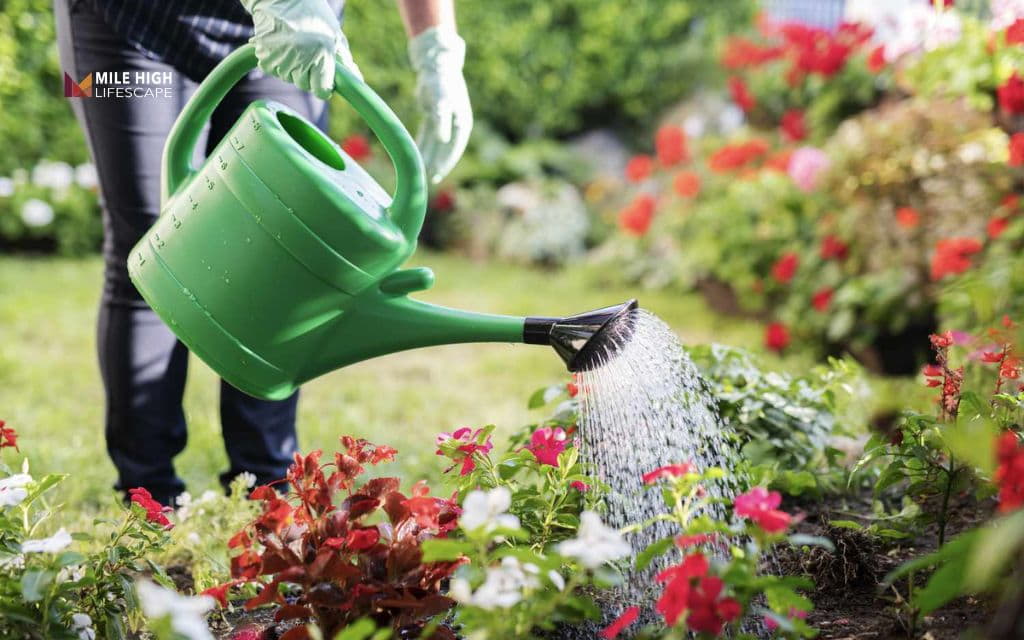
Watering makes or breaks a summer planting. New plantings need far more frequent watering than established ones, and the schedule should taper as roots settle in:
| Time since planting | Watering frequency | Notes |
| Week 1 to 2 | Daily, or every other day in extreme heat | Water deeply at the base, not the leaves |
| Week 3 to 4 | Every 2 to 3 days | Check soil moisture before each watering |
| Week 5 and beyond | 1 to 2 times per week | Reduce further once rain becomes consistent |
Water early in the morning or in the evening. Midday watering loses more to evaporation and can scorch wet leaves under direct sun. Check soil moisture by hand before watering rather than following a fixed schedule, since overwatering is possible even in summer, especially after rain.
Transplant shock shows up as wilting, leaf drop, or slowed growth in the first few weeks. Reduce it by planting on a cloudy day or in the evening, watering thoroughly at planting time, and giving the plant temporary afternoon shade if the forecast calls for extreme heat. A plant that looks stressed but has moist soil and green stems is usually adjusting, not failing.
Common mistakes to avoid when planting in summer
To ensure your new plantings thrive rather than just survive the heat, be sure to avoid these frequent missteps:
- Planting bare root stock: Bare root plants and freshly divided perennials lose too much moisture in summer heat. Save them for fall or spring.
- Watering the leaves instead of the roots: Overhead watering wets foliage without reaching the root zone and raises the risk of fungal disease.
- Skipping mulch: Bare soil around a new planting dries out and heats up far faster than mulched soil.
- Fertilizing right after planting: New roots are not ready to process fertilizer. Wait until the plant shows active growth before feeding it.
- Leaving town without a watering plan: A week without water during peak summer heat can undo weeks of establishment. Arrange for a neighbor or an irrigation timer before you travel.
Conclusion
Planting in summer works when you match the plant to the effort. Choose container grown stock, prepare the soil, mulch, and stay consistent with water, and flowers, shrubs, trees, vegetables, and herbs all have a real chance to establish before fall arrives.
Mile High Lifescape brings the planning and hands on care your landscape needs to thrive through the heat of summer. Call us at (303) 877-9091 to talk with our team about your next landscape project.
Frequently asked questions (FAQs)
Can you plant trees in the summer?
Yes. Container grown trees planted in summer establish successfully with deep, consistent watering for the first several weeks after planting.
What should you avoid planting in summer?
Avoid bare root plants and anything freshly divided or moved from another spot in the yard. These lose moisture too quickly in summer heat to recover well.
How often should you water a new planting in summer?
Water daily or every other day for the first two weeks, then taper to two or three times a week as roots establish.
Is it better to wait until fall to plant?
Fall and spring ask less of a new plant, but summer planting works well when you commit to a consistent watering routine and choose container grown stock.
Do all plants need shade after summer planting?
Not all, but many benefit from temporary afternoon shade during the first week, especially in regions with intense heat.