
Every lawn faces stretches of hot, dry weather. Building a drought tolerant lawn does not eliminate that challenge; it simply handles it better. Grass classified as drought tolerant uses less water than average turf, recovers faster from dry spells, and often carries a genetic capacity to survive extended periods without regular irrigation.
That process starts with grass selection and continues through soil preparation, irrigation habits, and mowing practices. This guide walks through each piece, so homeowners can match the right grass and care routine to their property.
What a drought tolerant lawn actually means
The label “drought tolerant” gets used loosely, so clarity matters before choosing grass seed or sod. No turfgrass survives indefinitely without water. Drought tolerant grass simply requires less water than other varieties and withstands longer stretches between waterings without dying. Some species achieve this through deep root systems that reach moisture other grasses cannot access.
Newly seeded or sodded lawns need consistent watering during establishment, regardless of grass variety. Drought tolerant grass only earns that reputation once its root system matures, typically after the first full growing season. Homeowners who expect zero irrigation from day one will be disappointed; the payoff comes later, once the lawn is established.
Factors that determine the right grass for your lawn
Selecting the right grass matters more for a drought tolerant lawn than any watering schedule. The factors below determine which grass fits a property best:
- Climate: Warm-season grasses thrive in regions with hot summers and mild winters, while cool-season grasses perform best where summers stay moderate and winters turn cold, and choosing a grass suited to the wrong climate zone undermines drought tolerance before it has a chance to work.
- Sunlight: Full-sun lawns support a wider range of drought tolerant turfgrass than shaded yards, since shade limits several warm-season options.
- Soil type: Soil composition affects root depth and water retention, which directly shapes how well a grass handles dry conditions.
- Foot traffic: Heavy foot traffic calls for a more resilient species than a rarely used side yard sees.
- Maintenance expectations: Some drought resistant grass varieties demand frequent mowing, while others grow slowly and need little attention.
Warm-season grasses built for heat and dry spells
Bermudagrass
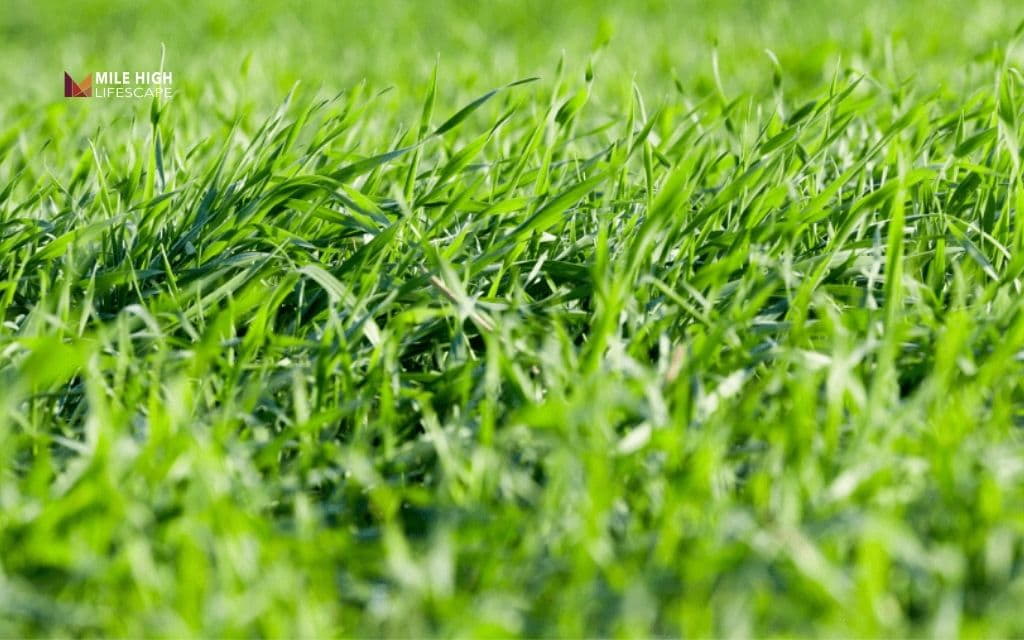
Bermudagrass ranks among the most drought tolerant grass options available. Its root system can extend several feet into the soil, giving it access to moisture other turfgrasses cannot reach. It spreads aggressively, recovers quickly from wear, and tolerates heavy foot traffic better than most warm-season species. Full sun brings out its best performance, and it holds up well in high-heat, low-rainfall regions. That same aggressive growth habit means it spreads into flower beds and neighboring lawns if left unchecked, so homeowners should confirm they want a spreading grass before planting it.
Zoysiagrass
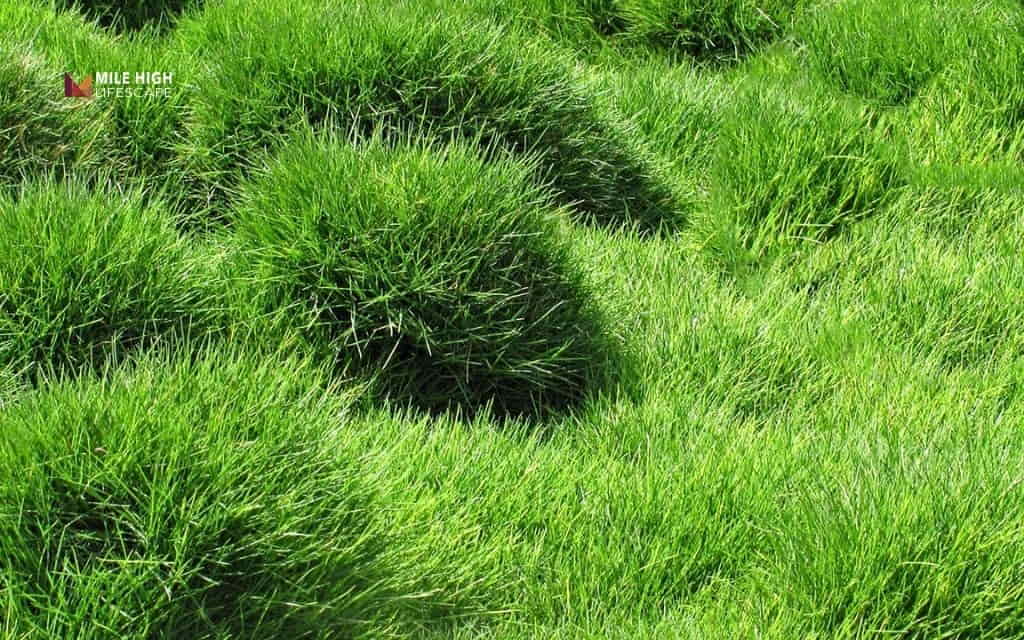
Zoysiagrass combines solid drought tolerance with more shade tolerance than bermudagrass, making it a fit for lawns with partial coverage from trees. It grows more slowly, which reduces mowing frequency, and spreads through underground rhizomes that help it self-repair after stress. During extended dry periods, zoysiagrass may enter dormancy before bermudagrass does, but it typically rebounds well once water returns.
St. Augustinegrass
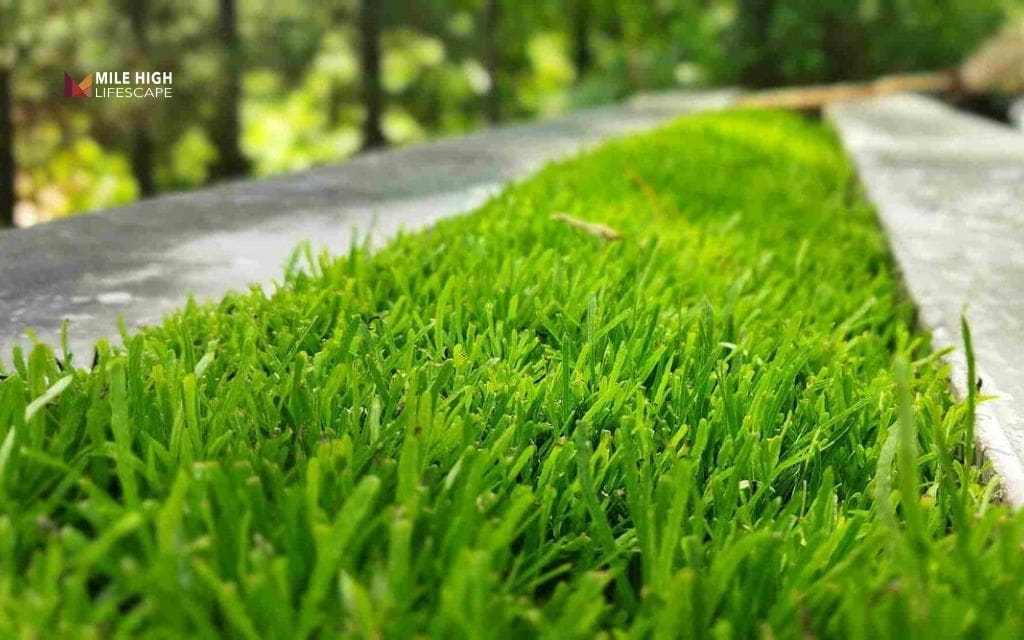
St. Augustinegrass carries a decent drought tolerance and a distinct visual cue when it needs water: the blades stay flattened after foot traffic instead of springing back upright. It handles more shade than bermudagrass, which makes it a common choice in humid, warmer climates. It requires good air circulation to avoid fungal issues and does not tolerate cold as well as other warm-season grasses, so it fits best in regions with mild winters.
Buffalograss
Buffalograss stands out for surviving on minimal water once established, drawing on its native prairie origins. It thrives in clay soil, needs little fertilizer, and tolerates the boom-and-bust rainfall patterns common to the Great Plains. The trade-off is a longer dormancy window; it browns early in fall and greens up later in spring than most turfgrass. Growth stays low and slow, which suits homeowners who want a low-input lawn over a manicured look.
Cool-season grasses that hold up in dry stretches
Tall fescue
Tall fescue leads the cool-season category for drought tolerance. Its root system grows deeper than Kentucky bluegrass or fine fescue, reaching soil moisture that shallower-rooted grasses miss. It also tolerates heat and shade better than most cool-season options, which makes it a common choice in regions where summer and winter conditions both place stress on turf.
Kentucky bluegrass
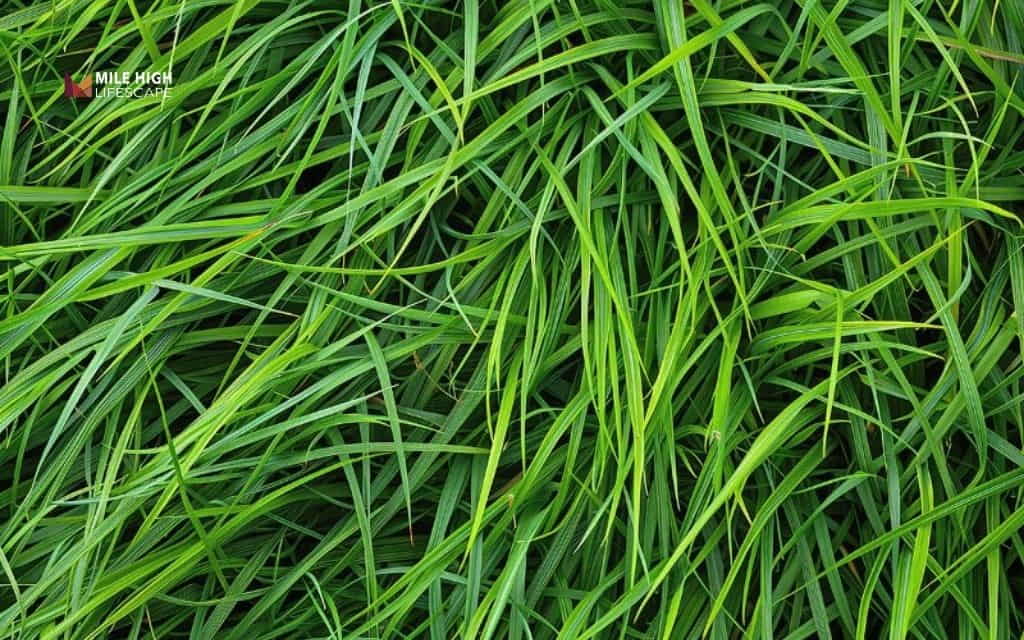
Kentucky bluegrass carries less natural drought tolerance than tall fescue on its own, but its underground rhizomes give it a self-repairing quality that many drought tolerant grasses lack. When drought forces it into dormancy, it typically fills back in once conditions improve. Blending Kentucky bluegrass with tall fescue produces a lawn that draws on the recovery strength of one species and the deep-root drought tolerance of the other.
Fine fescue
Fine fescue varieties, including sheep fescue and creeping red fescue, grow slowly and tolerate low water, poor soil, and shade better than most cool-season grasses. Their fine texture and blue-green color suit naturalized or low-maintenance areas where frequent mowing and watering are not the goal. Fine fescue generally handles drought better than Kentucky bluegrass, though it does not match the deep-root performance of tall fescue.
Lawn alternatives and xeriscaping for further water savings
Turfgrass is not the only path to a lower-water landscape. Xeriscaping replaces some or all of a traditional lawn with drought tolerant plants, mulch beds, and hardscape features that need little to no supplemental water once established. This approach works well for slopes, narrow side yards, or areas that see little foot traffic, where a full lawn adds water demand without much practical benefit.
Groundcovers such as clover offer a middle path between full turf and full xeriscape. Clover develops a deep root system, stays green longer during dry periods than most grasses, and requires less frequent mowing. It also self-feeds through nitrogen fixation, which reduces fertilizer need.
Practical tips to build lawn drought tolerance
The following practices support a drought tolerant lawn, regardless of grass species.
- Water deeply and infrequently: Frequent shallow watering trains roots to stay near the surface, while deep watering less often encourages roots to grow downward in search of moisture.
- Prepare the soil before planting: Loosening compacted soil and working in organic matter improves water infiltration and gives new roots room to spread.
- Mow at a higher setting: Taller grass blades shade the soil, reduce evaporation, and support deeper root growth than grass cut short.
- Aerate on a regular schedule: Aeration relieves soil compaction and helps water and nutrients reach the root zone instead of running off the surface.
- Time fertilization to the growing season: Feeding grass during its active growth period builds root strength without pushing excess leaf growth that demands more water.
- Choose efficient irrigation equipment: Drip irrigation and smart controllers apply water more precisely than traditional sprinklers, reducing waste from runoff and evaporation.
Conclusion
Building a drought tolerant lawn comes down to matching the right grass to a property’s climate, sunlight, soil, and use, then supporting it with sound watering and mowing habits. No single grass species works everywhere, and no lawn survives entirely without water, but the right combination of species and care substantially reduces water demand while keeping the yard functional and attractive.
Mile High Lifescape‘s lawn care service handles everything from soil assessment to grass selection and ongoing maintenance, tailored to Colorado’s climate and each property’s conditions. Call (303) 877-9091 or request a free quote to get started.
Frequently asked questions (FAQs)
Is there a grass that never needs water?
No. Every grass species requires some water to survive. Drought tolerant grass needs less water than average turf and withstands longer gaps between waterings, but it still depends on moisture to stay alive.
When is the best time to plant drought tolerant grass?
Warm-season grasses establish best in late spring to early summer, once soil has warmed. Cool-season grasses establish best in late summer to early fall, which gives roots time to develop before summer heat arrives.
Can an existing lawn be converted to a more drought tolerant grass?
Yes. Conversion typically involves removing or suppressing the existing turf, preparing the soil, and seeding or sodding the new grass. The process takes planning around the right planting window for the chosen species.
How much watering does a drought tolerant lawn need while it establishes?
New grass needs consistent moisture during establishment, generally over the first four to eight weeks, regardless of long-term drought tolerance. Reduced watering only begins once the root system matures.
Does drought tolerant grass still need fertilizer?
Yes. Fertilization supports root development, which directly affects drought performance. Skipping fertilizer weakens the grass and reduces its ability to handle dry conditions.