
Sandy soil drains fast, dries out quickly, and holds few nutrients, which puts pressure on new grass before roots ever take hold. Homeowners searching for the best grass seed for sandy soil often assume one species solves every yard, but climate determines success just as much as soil texture does. Matching seed to both soil and climate, then following through on preparation and watering, gives grass the conditions it needs to establish and spread.
Why sandy soil makes grass establishment difficult
Sandy soil consists of large, loose particles that leave wide gaps between them, so water and dissolved nutrients move through the profile within hours rather than days. Grass depends on moisture staying near the root zone long enough for uptake, and sand rarely gives it that time. Nutrient leaching compounds the problem, since fertilizer applied to sand often washes past the root system before the plant absorbs it.
Newly planted seed struggles the most in this environment. Seedlings have shallow, undeveloped roots and cannot yet reach moisture that has drained deeper into the profile, so germinating grass in sand demands more frequent attention than germinating grass in loam or clay. Established turf fares better once roots extend several inches down, which is why choosing the right grass seed for sand and preparing the soil properly matter more than in almost any other soil type.
How to choose the best grass seed for sandy soil
Choosing the right seed for sandy soil starts with climate rather than soil texture. Cool-season grasses thrive where winters bring hard freezes and summers stay moderate, while warm-season grasses need long, hot growing seasons and go dormant in cold weather. Planting a warm-season species in a northern climate, or a cool-season species in the Deep South, undermines the seed’s natural advantages regardless of how well it handles sand.
Once climate narrows the field, drought tolerance, sunlight exposure, maintenance tolerance, foot traffic, and desired appearance separate the remaining candidates. Deep-rooted species generally outperform shallow-rooted ones in sand, since roots can chase moisture further down the profile before the surface dries out. The table below compares the species covered in this guide across those factors.
Best cool-season grasses for sandy soil
Tall fescue
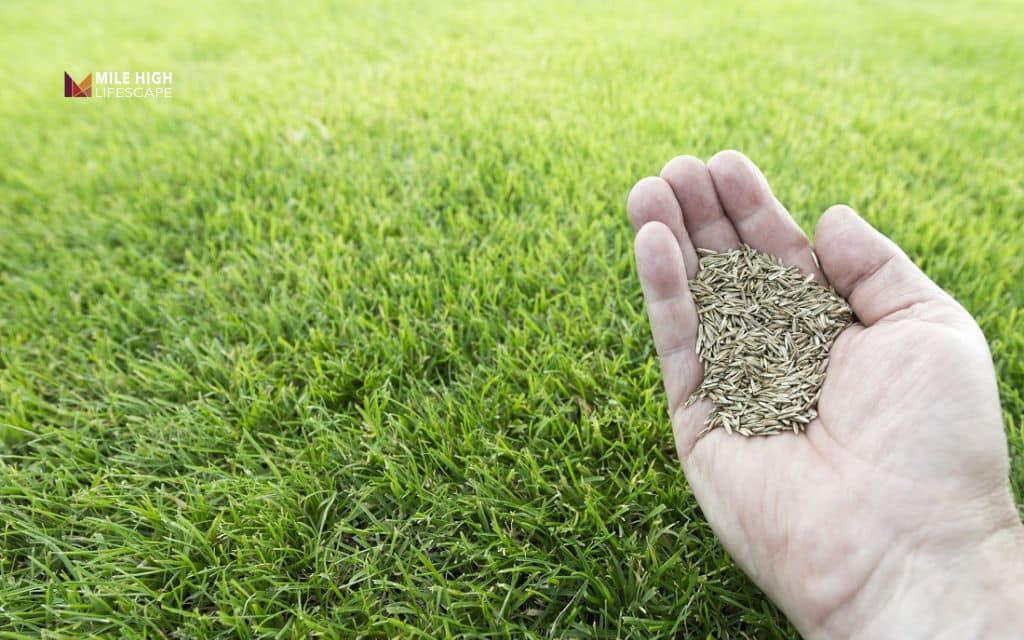
Tall fescue counts as good grass seed for sandy soil in transition zone and northern climates, since roots often extend a foot or more into the profile and reach moisture well below where sand dries out first. Its coarse blade and bunch-type growth habit tolerate moderate shade, producing a lawn that stays green through most of the season with consistent watering. Supplemental irrigation during summer heat and yearly fall overseeding keep established stands dense.
Fine fescues
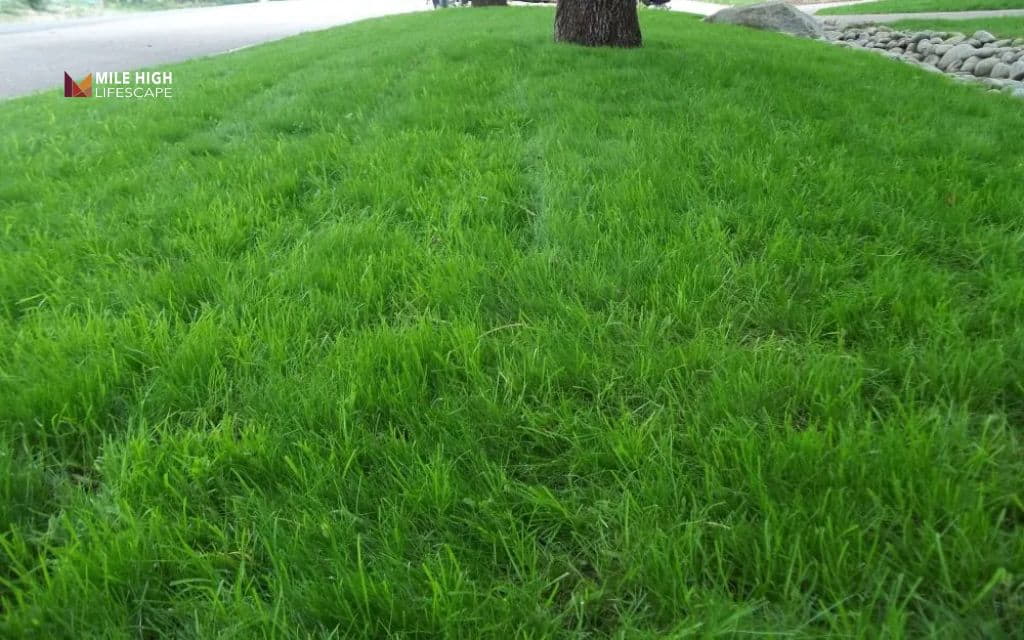
Fine fescues, including creeping red, chewings, hard, and sheep fescue, rank among the most shade-tolerant and low-input options for sandy soil in cool-season regions. Their fine blade texture and dense root mass suit sand well once organic matter has been worked into the topsoil, and their naturally low fertility requirement fits a soil type that leaches nutrients quickly. Blends combining several fine fescue types tend to perform more consistently across a yard’s varying light and moisture conditions than any single fescue planted alone.
Best warm-season grasses for sandy soil
Bermudagrass
Bermudagrass ranks among the most drought tolerant grass for sandy soil available to warm-season homeowners, with roots capable of reaching several feet deep under favorable conditions. Its aggressive spreading habit through both stolons and rhizomes fills in bare or thin areas quickly, and the species tolerates heavy foot traffic better than nearly any other lawn grass. Full sun is non-negotiable for Bermudagrass, and the same spreading vigor that makes it resilient in sand also means it needs regular edging to keep it contained to the lawn area.

Bahiagrass
Bahiagrass forms a deep, coarse taproot that makes it one of the more forgiving choices for sandy, low-fertility soil, particularly across the Southeast where it grows on coastal and inland sandy sites alike. Low fertilizer requirements and strong drought tolerance suit yards where homeowners want a functional, low-input lawn rather than a manicured appearance. Its coarser texture and open growth habit produce a less refined look than Bermudagrass or Zoysiagrass, a tradeoff many homeowners accept in exchange for lower maintenance demands.
Zoysiagrass
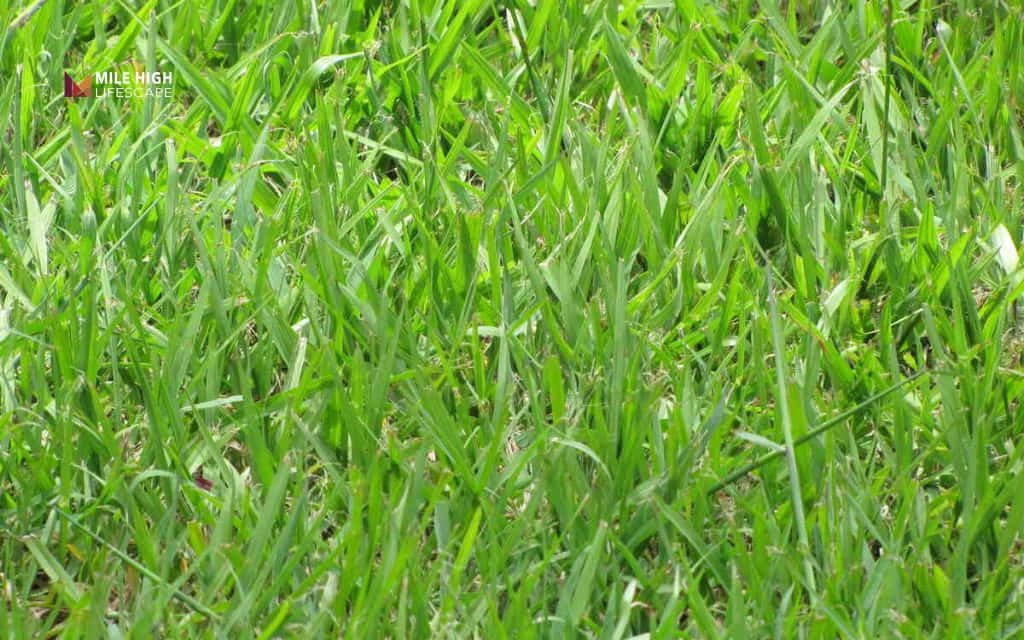
Zoysiagrass builds a dense, weed-resistant turf that roots well in sand and tolerates both heat and moderate shade better than Bermudagrass. Establishment from seed takes longer than most warm-season alternatives, often requiring several weeks for germination and a full season or more to reach complete coverage, but the slow growth habit also means less frequent mowing once the lawn matures. Homeowners willing to wait out establishment typically find the reduced long-term maintenance worthwhile.
Centipedegrass
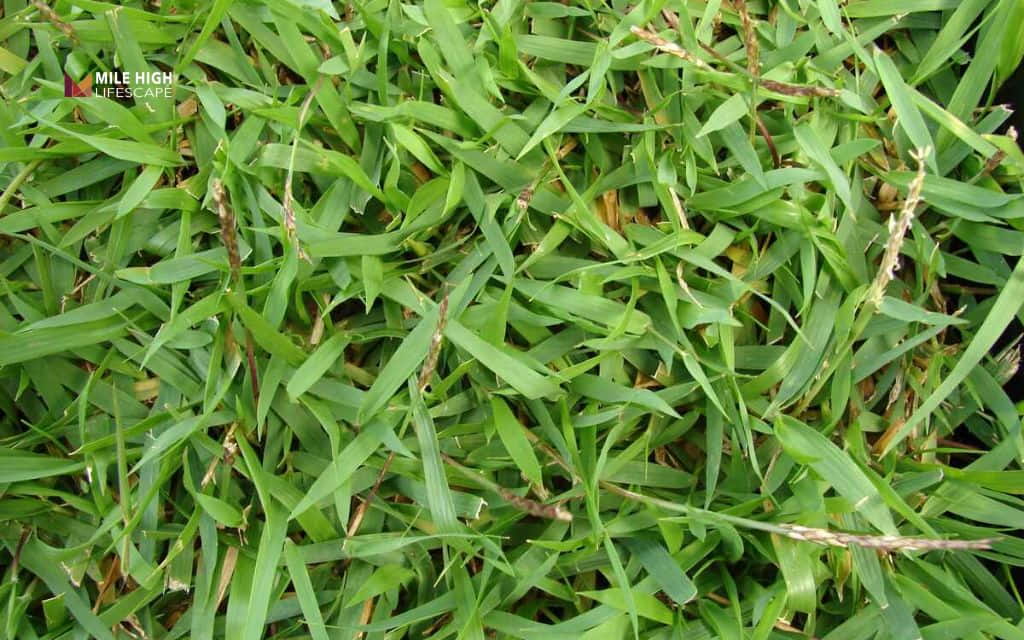
Centipedegrass thrives in the acidic, sandy soils common across the Southeast and asks for less fertilizer and fewer inputs than almost any other warm-season species, earning it a reputation as a low-maintenance lawn option. Its slow growth rate reduces mowing frequency but also means recovery from heavy foot traffic or bare patches takes longer than with Bermudagrass or Zoysiagrass. Cold tolerance stays limited, which restricts Centipedegrass to warmer regions where hard freezes are rare.
Preparing sandy soil for seeding
Soil testing through a university Cooperative Extension office or certified lab should come before any amendment decisions, since it identifies existing pH and nutrient levels rather than leaving fertilization to guesswork. Results typically call for lime or sulfur adjustments depending on regional soil chemistry, along with specific phosphorus and potassium recommendations tailored to the grass species being planted.
Working several inches of compost or other organic matter into the top layer of soil improves both water retention and nutrient-holding capacity, addressing sand’s two biggest weaknesses at once. Grading the area to a firm, level, fine-textured seedbed afterward ensures even germination across the yard, and a slow-release starter fertilizer applied according to soil test results gives seedlings access to nutrients that would otherwise leach away before roots develop.
Planting, watering, and early lawn care in sandy soil
Firm seed-to-soil contact matters more in sandy soil than in denser soil types, since loose sand lets seed settle too deep or wash away without a prepared surface. Rake seed lightly into the top layer, then roll or tamp the area. Seeding rates vary by species, so follow the label or a local Cooperative Extension recommendation.
Watering needs shift as the lawn moves from germination to maturity, and sandy soil makes that shift urgent. Keep the top inch consistently moist with light, frequent sessions until seedlings emerge, then gradually stretch intervals while watering longer per session. Mature grass performs best with deep, infrequent watering, once or twice weekly, which pulls roots downward into the sand.
Mow at the height suited to the species planted rather than cutting too short too early, which protects young grass while roots are still developing. Apply a light dose of nitrogen after two or three mowings to support early growth without overwhelming a root system that has not yet matured enough for heavier feeding.
Conclusion
Selecting the best grass seed for sandy soil comes down to matching climate first, then narrowing choices by drought tolerance, sunlight, maintenance expectations, and how the lawn gets used day to day.
Homeowners in the Denver Metro area dealing with sandy or compacted soil do not have to guess their way through species selection and establishment. Mile High Lifescape evaluates soil conditions and climate factors specific to each property, then builds a planting and maintenance plan through its lawn care services suited to Colorado’s growing season. Reach out at (303) 877-9091 get sandy soil turned into a lawn that holds up.
Frequently asked questions (FAQs)
What is the best grass seed for sandy soil?
No single grass qualifies as the best grass seed for sandy soil across the entire country, since climate determines suitability as much as soil texture does. Tall fescue and fine fescues perform best in cool-season regions, while Bermudagrass, Bahiagrass, Zoysiagrass, and Centipedegrass suit warm-season climates, each with different drought tolerance, maintenance, and traffic requirements.
What grass grows well in sandy soil?
Grass species with deep root systems and above-average drought tolerance grow well in sandy soil, since sand offers less margin for error during establishment and dry stretches than soils that already retain water and nutrients well. Species selection matters more here than in almost any other soil type.
How can sandy soil be improved before planting grass?
Incorporating organic matter such as compost into the top several inches of soil improves both water retention and nutrient-holding capacity before seeding begins. Testing soil through a Cooperative Extension office identifies specific pH and fertility adjustments needed for the grass species being planted.
How often should sandy soil grass seed be watered after planting?
New seed in sandy soil needs light, frequent watering, often several short sessions per day, until germination occurs, since sand dries out faster than other soil types. Once grass establishes, watering should shift to deeper, less frequent sessions that train roots to grow downward rather than staying near the surface.
What is the most drought tolerant grass for sandy soil?
Bermudagrass and Bahiagrass rank among the most drought tolerant grass for sandy soil in warm-season climates, while fine fescues and tall fescue offer the strongest drought tolerance among cool-season options. Root depth, more than any single trait, determines how well a grass species handles sand during dry stretches.