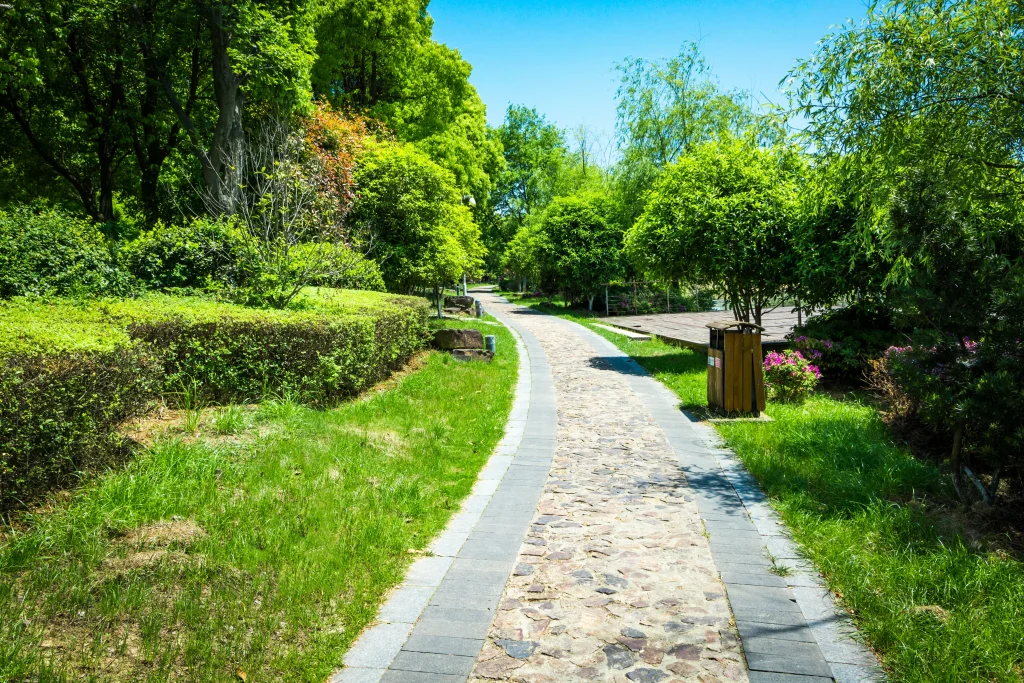
Choosing the right grass seed Arizona lawns can support starts with understanding that the state does not have one uniform growing climate. Hot low-desert areas favor warm-season grasses that tolerate intense sun and summer heat, while higher elevations can support cool-season turf for longer periods.
This guide explains which seed types fit different conditions, when to plant them, and how to avoid common seeding mistakes so you can make a practical choice for your lawn.
Grass seed Arizona needs elevation and season split
Arizona lawn decisions should begin with two questions: What is your elevation, and when do you want the grass to be actively growing?
In low-desert areas, warm-season turf is usually the practical starting point because it is built for high temperatures and strong sun. At higher elevations, where summers are cooler and winters are colder, cool-season grasses become more practical.
Elevation bands are useful starting points, but they are not rigid property lines. Sun exposure, irrigation, soil, slope, wind, and local temperatures can all change how well a grass performs. Use elevation and season to narrow your choices, then match the seed to the actual conditions in your yard.
Warm-season grass seed for low desert and summer lawns
Bermudagrass
Bermudagrass is one of the best seeded options for Arizona’s low desert because it tolerates heat, full sun, and foot traffic well. Common bermudagrass can be grown from seed, while many hybrid varieties must be installed as sod, plugs, or sprigs.
Plant after the soil has warmed in late spring or early summer. Keep the surface consistently moist during germination, then gradually reduce watering frequency as roots develop. Bermudagrass also works well as a base lawn for winter ryegrass overseeding.
Buffalograss
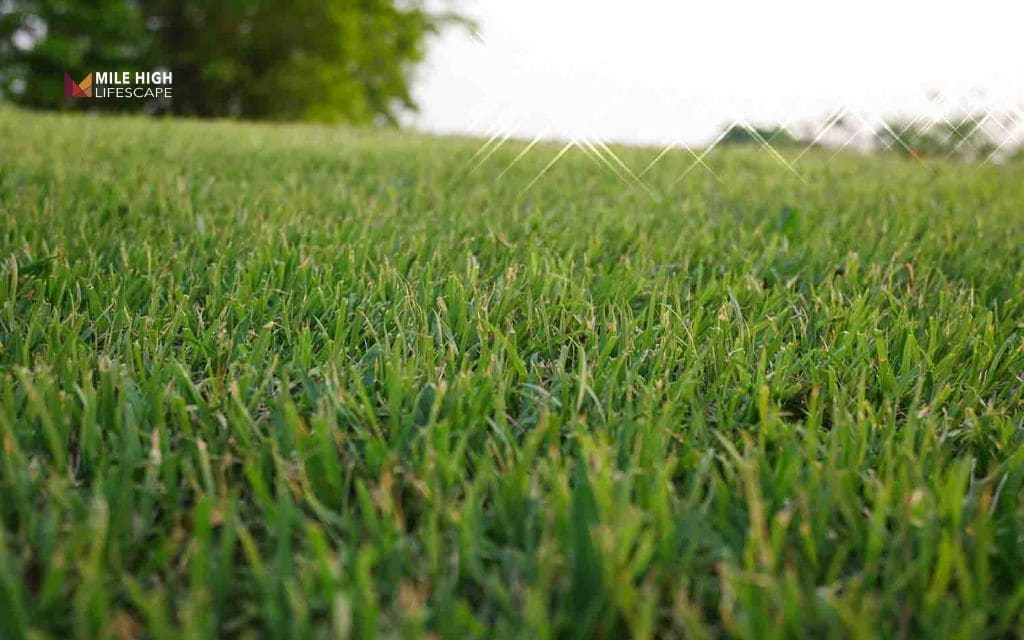
Buffalograss is a warm-season, drought-tolerant choice suited to lower-maintenance lawns. It can be established from seed, plugs, or sod and generally requires less water and fertilizer than many traditional turfgrasses once established.
Growth is slower than bermudagrass, so it performs best in lower-traffic areas where a more natural lawn appearance is acceptable. Seed after warm weather arrives and use properly treated seed for better germination. Winter ryegrass overseeding is usually not recommended because it can compete with buffalograss.
Zoysiagrass
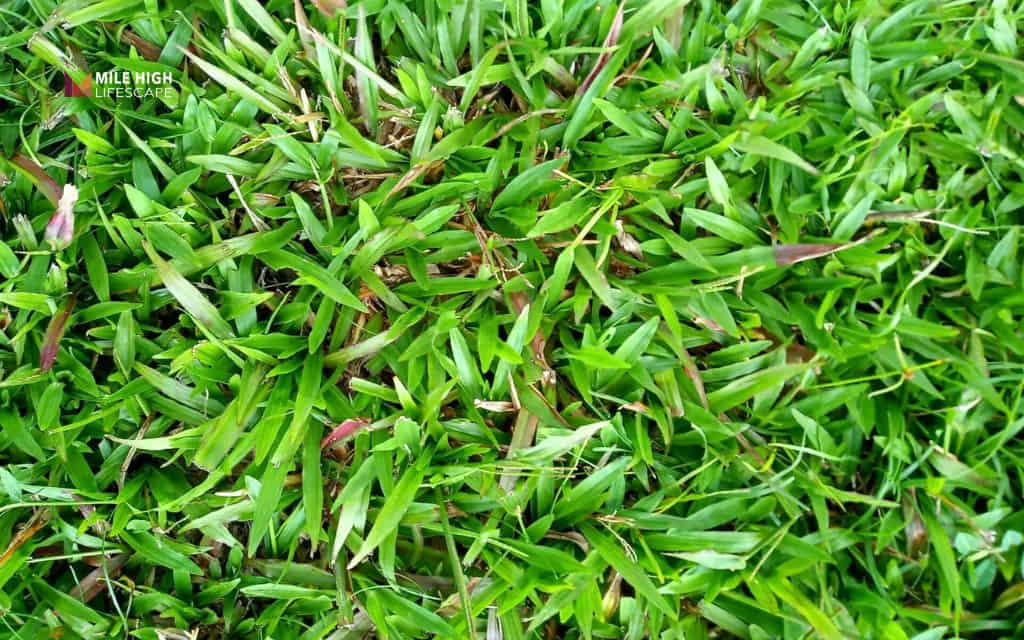
Zoysiagrass offers strong heat tolerance, dense growth, and good durability in warm climates. Establishment is typically slower than bermudagrass, so timing is important when starting from seed.
Some zoysia cultivars are available as seed, while others are commonly installed as sod or plugs. Confirm the cultivar before buying if seed establishment is your goal. Plant once the soil is warm enough for active growth and allow enough time for the turf to establish before cooler temperatures slow development.
Cool-season grass seed for high elevation and winter color
Perennial and annual ryegrass
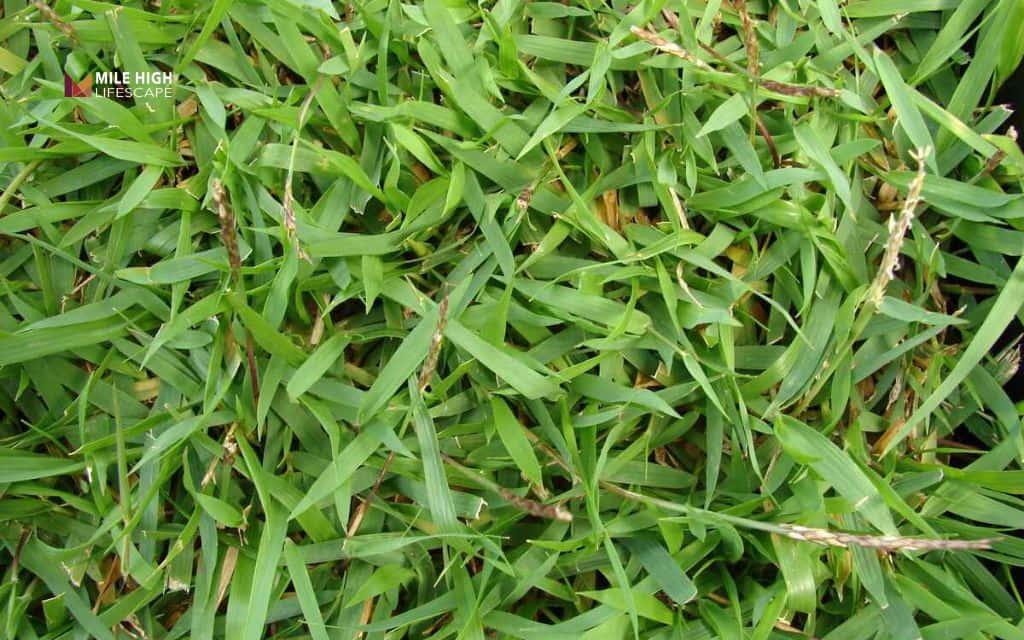
Ryegrass is widely used for winter overseeding in Arizona because it germinates quickly and provides green color while bermudagrass is dormant. Perennial ryegrass usually produces finer, denser turf with better overall appearance, while annual ryegrass is often less expensive but coarser.
Low-desert overseeding is commonly done in October, when daytime temperatures drop to about 80 to 85°F and nights approach 55°F. Seeding too early increases heat stress, while late planting can slow establishment as temperatures fall.
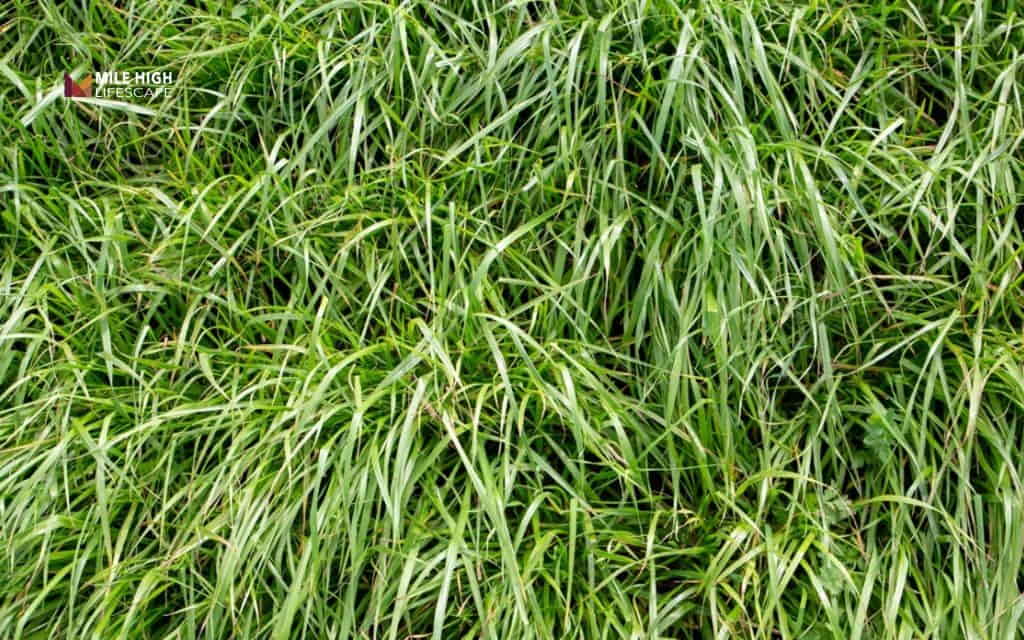
Tall fescue
Tall fescue is a cool-season grass that performs best in intermediate and higher-elevation parts of Arizona. Deep roots help it handle dry periods better than some other cool-season grasses, but regular irrigation is still necessary during hot weather.
Low-desert conditions can create excessive summer stress and higher water demand, making warm-season turf more practical there. Seed during cooler growing periods so seedlings have time to establish before extreme heat arrives. Tall fescue works best where temperatures remain moderate enough to support steady growth.
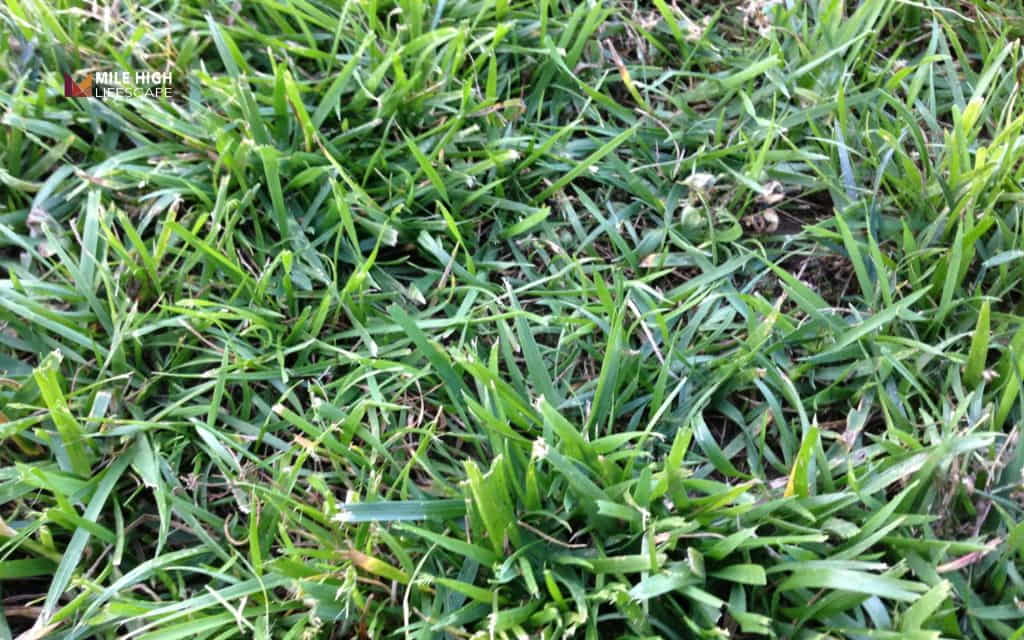
Kentucky bluegrass
Kentucky bluegrass is well suited to cooler, higher-elevation areas where summer heat is less intense. It forms dense, fine-textured turf and spreads through underground rhizomes, which helps established lawns recover from minor damage. Seed establishment is slower than with ryegrass, and the grass is less tolerant of heat and drought than warm-season species.
Reliable irrigation is important during dry periods. Kentucky bluegrass is generally not recommended for hot low-desert lawns but can perform well where elevation creates a cooler growing environment.
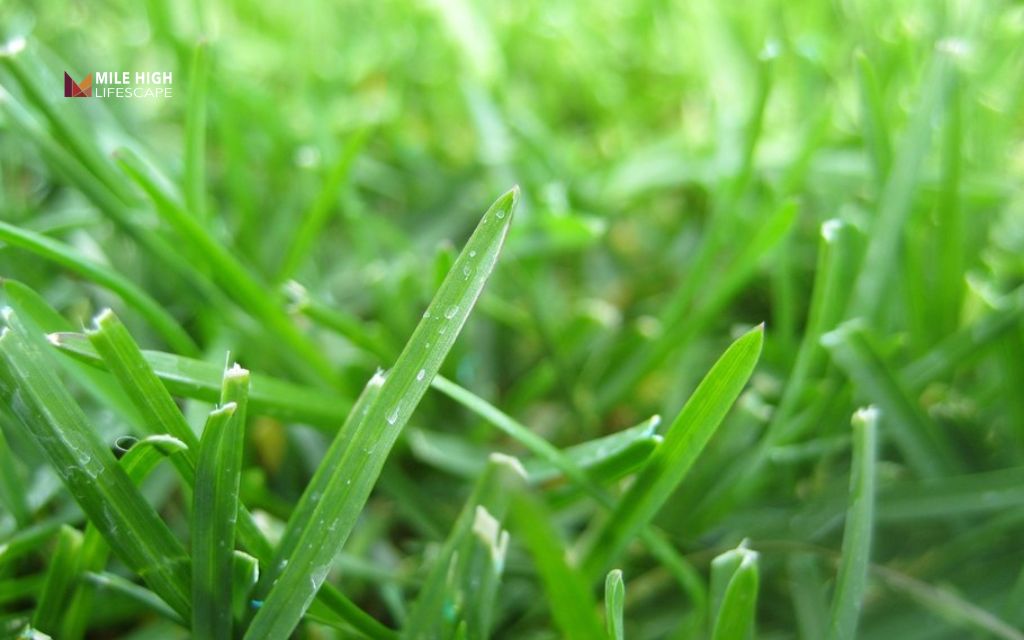
Overseeding an arizona lawn for year-round green
Low-desert bermudagrass naturally loses its green color as it goes dormant in winter. For homeowners who prefer a green lawn through the cooler months, overseeding with ryegrass can provide temporary winter color until bermudagrass returns to active growth.
The overseeding process typically includes these steps:
- Wait for the correct fall temperatures: In low-desert conditions, October is a common target, especially when daytime temperatures have cooled into the low to mid 80s and nights are near the mid 50s.
- Prepare the bermudagrass: Reduce mowing height shortly before seeding so ryegrass seed can reach the turf surface. Avoid aggressive cultivation that damages the bermudagrass crown and rhizomes.
- Spread seed evenly: Apply seed in two directions for more uniform coverage and lightly rake or drag the surface to improve seed-to-soil contact.
- Keep the seedbed consistently moist: Light, frequent irrigation is needed during germination. Do not allow newly germinating seed to dry out.
- Reduce watering frequency after establishment: Once seedlings are established, gradually shift from frequent surface watering to less frequent irrigation that wets a deeper soil profile.
- Plan for the spring transition: As temperatures rise, bermudagrass must regain dominance. Excessively vigorous ryegrass can delay that transition.
Common mistakes when planting grass seed in Arizona
Choosing the wrong grass for the elevation
A grass that performs well in a cooler mountain climate may struggle badly in low-desert summer heat. Likewise, a warm-season grass may spend too much of the year dormant in colder, higher-elevation areas. Start with your climate and elevation before comparing brands or seed blends.
Assuming every turf variety is available as seed
This is especially important with bermudagrass and zoysiagrass. Some cultivars are seed-propagated, but many premium turf varieties are sold only as sod, plugs, or sprigs. If you want a seeded lawn, confirm the establishment method before purchasing.
Planting by the calendar alone
A date on the calendar is less useful than the actual growing conditions. Warm-season seed needs sufficiently warm soil. Fall ryegrass overseeding works best after the low-desert heat has eased but before cold weather slows germination.
Letting new seed dry out
Grass seed must stay consistently moist through germination and early establishment. In hot, dry conditions, the surface can lose moisture quickly. Light, frequent irrigation is often necessary at first, but watering should be adjusted as roots develop.
Burying seed too deeply
Most lawn grass seed needs strong contact with the soil surface without being buried under a thick layer of soil. Light raking can improve contact, but deep burial can reduce emergence.
Overseeding every warm-season grass the same way
Bermudagrass is widely used as a base for winter ryegrass overseeding. Buffalograss should generally not be treated the same way, and zoysiagrass is less commonly recommended for routine winter overseeding.
Ignoring the long-term water requirement
Drought tolerance does not mean a lawn needs no irrigation. Newly seeded grass needs dependable moisture, and even established turf requires enough water to remain healthy. Compare not only appearance and seed price, but also irrigation demand, maintenance, mowing, and seasonal dormancy.
Conclusion
The best lawn starts with a grass species that fits the site’s elevation, growing season, sun exposure, irrigation capacity, and maintenance goals. For much of Arizona’s low desert, warm-season turf such as bermudagrass is the logical summer foundation. For higher elevations, cool-season grasses become more suitable.
Choosing the right grass is only the first step. Proper soil preparation, seeding, watering, and ongoing care all affect how well a lawn establishes. If you’re in the Denver Metro area and want professional guidance for your own lawn, contact Mile High Lifescape for a professional lawn care service suited to your property. Call (303) 877-9091 for a free quote.
Frequently asked questions (FAQs)
What is the best grass seed for Arizona?
There is no single best grass seed for every Arizona lawn. In hot low-desert areas, seeded common bermudagrass is one of the most reliable choices because it is well adapted to summer heat. Buffalograss can suit lower-maintenance, lower-traffic sites. At higher elevations, cool-season grasses such as tall fescue, Kentucky bluegrass, and perennial ryegrass become more practical.
When is the best time to plant grass seed in Arizona?
Timing depends on the grass type. Warm-season grasses are generally seeded after the soil has warmed in late spring or early summer. Cool-season grasses are better planted during cooler growing periods. In low-desert lawns, ryegrass overseeding is commonly done in October as temperatures fall into a range that supports germination.
What grass grows best in phoenix compared with flagstaff?
Phoenix is a low-desert environment where bermudagrass is especially well adapted to summer heat. Flagstaff has a much cooler, higher-elevation climate, so cool-season grasses are generally more appropriate. The difference illustrates why Arizona lawn recommendations should be based on elevation and climate rather than statewide averages.
Can you grow grass from seed in Arizona?
Yes. Common bermudagrass, buffalograss, ryegrass, tall fescue, Kentucky bluegrass, and certain zoysiagrass cultivars can be established from seed. However, not every cultivar of every species is seed-grown. Many hybrid bermudagrasses and some zoysia varieties must be installed vegetatively.
Can an Arizona lawn stay green all year?
It can, but year-round green often requires different strategies depending on location. In the low desert, homeowners commonly maintain bermudagrass for summer and overseed it with ryegrass for winter color. At higher elevations, a cool-season lawn may stay green through more of the year but can still experience winter dormancy, snow cover, or summer stress depending on local conditions.