Mulch does not follow a fixed calendar. How often to replace mulch depends on the material, the depth of the layer, and the condition of the bed. Organic types such as bark and wood chips break down and need regular top-ups, while stone and rubber last for years.
This guide covers the lifespan of each mulch type, the signs of a worn layer, and the point where you replenish, replace, or remove old mulch. Use it to maintain your beds by condition instead of by habit.
How long mulch lasts and how often to replace mulch by type
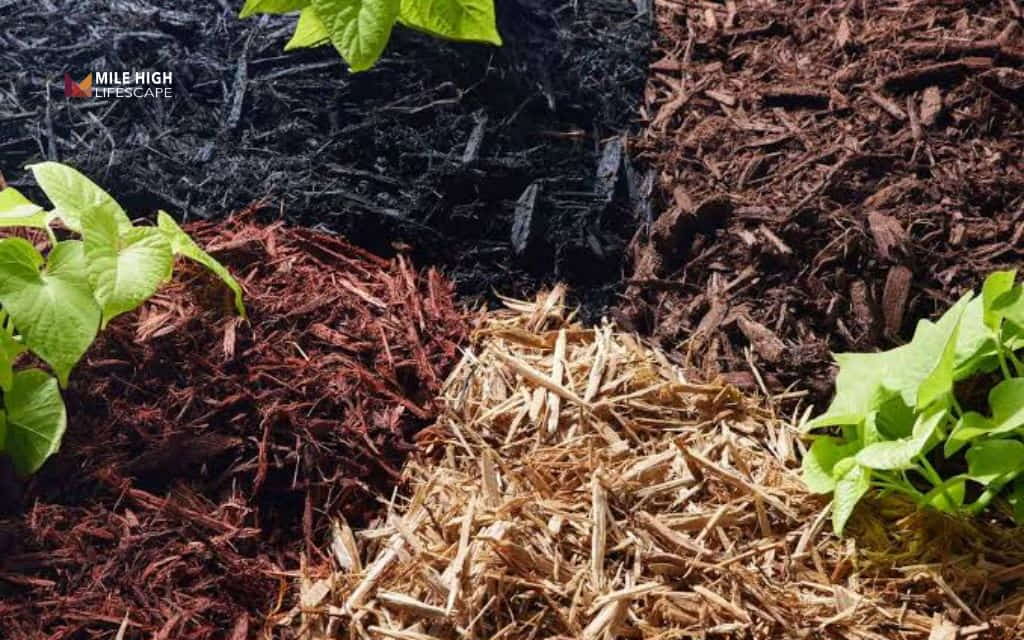
Lifespan splits along one line: organic mulch decomposes, and inorganic mulch does not. Organic types need attention every few months to every few years, depending on the material. Stone and rubber last close to a decade or longer, though they still need occasional cleanup.
| Mulch type | Typical lifespan | Usual action |
| Grass clippings | 1 to 2 months | Reapply in thin layers as they break down |
| Straw or pine straw | 6 months to 1 year | Top up each season |
| Bark | 1 to 2 years | Top up yearly; replace when broken down |
| Wood chips | 1 to 2 years | Top up yearly; replace when broken down |
| Cypress | 2 to 3 years | Top up as the layer thins |
| Cocoa hulls | 1 to 2 years | Top up; keep away from dogs, since the hulls are toxic to them |
| Gravel or stone | 10+ years | Rake, clear debris, refill thin spots |
| Rubber | 8 to 10 years | Rake and check for wear |
Find your mulch replacement schedule
Start with the material, then adjust for climate and sun. Wet or hot regions speed decomposition, so organic mulch there needs earlier attention. Cool, dry sites slow it. Full sun fades color and dries the surface, while shade keeps the layer intact longer.
Set two inspection dates each year, one in spring and one in fall. At each check, measure the depth and look for the signs below, then act on what you find. This routine answers how often to replace mulch better than any fixed calendar.
How to know when mulch needs replacing
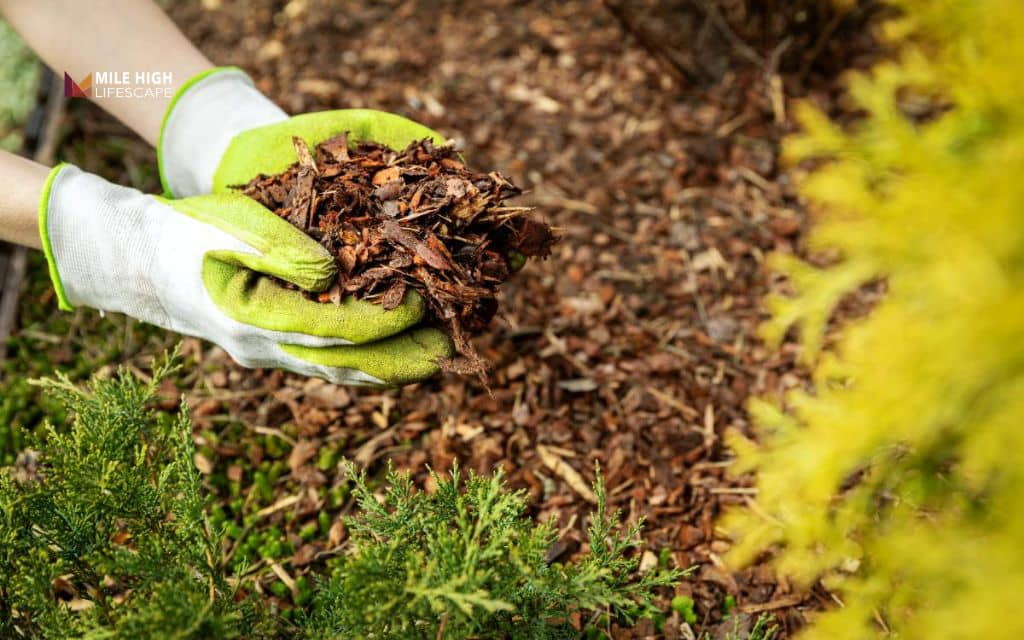
Depth gives the first answer. Aim for a 2 to 4 inch layer of organic mulch and add more when it thins to about 2 inches. Mulch that has broken down into dark, crumbly material looks like compost or soil. It has finished its job as a cover and now feeds the soil.
Four signs point to a worn layer: heavy fading, weeds pushing through, dense mats that shed water, and a sour smell. One sign calls for a closer look. Two or three signs mean it is time to refresh or replace. Fading alone is cosmetic.
Three checks tell you whether you need new mulch. Push a ruler through the layer to measure depth. Pull back a handful and look at the lower level, where dark, crumbly material shows advanced decomposition. Pour water on the surface. If it pools or runs off instead of soaking in, the top has matted or crusted.
Replace, replenish, or remove: which does your mulch need?
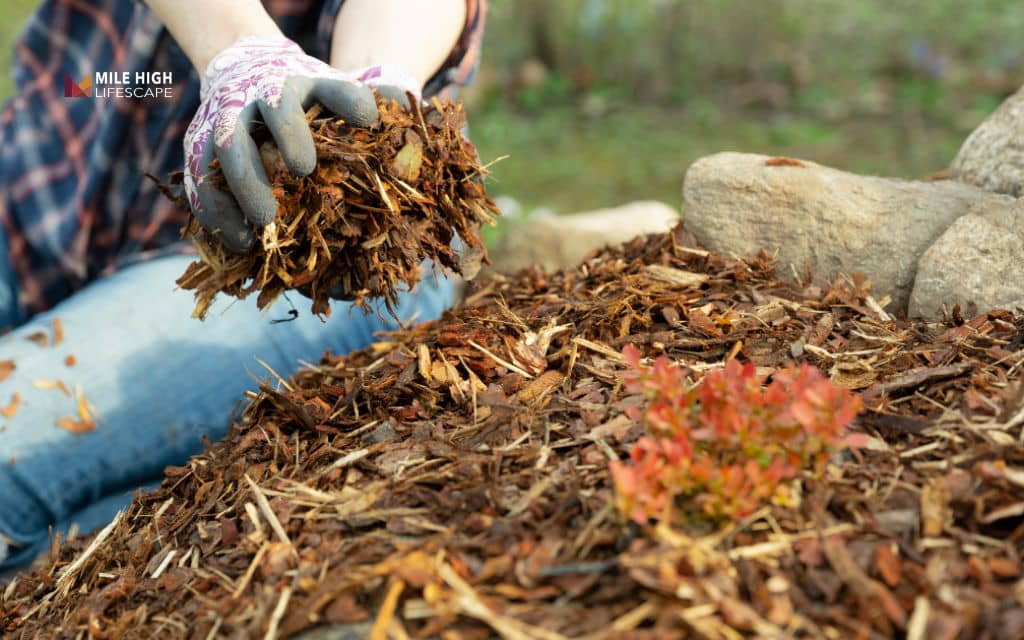
Three actions cover every case. Replenish when the layer is thin but healthy. Replace when the material has broken down or matted. Remove it when the layer holds mold, pests, or disease. Matching the action to the condition settles how often to replace mulch in practice.
Loose mulch thinner than 2 inches needs a top-up to 2 to 4 inches. Faded mulch at the right depth needs only a rake, since fading changes looks, not function. Matted crusts need loosening or removal. Remove sour, moldy, pest-ridden, or diseased layers, because sour mulch forms without oxygen and can stress plants.
When to replace mulch in different climates
Rain and humidity
Moisture speeds decomposition. In rainy or humid regions, organic mulch compacts faster and can grow mold, so inspect it twice a year and loosen matted areas. Heavy storms can also wash lightweight mulch off slopes.
Heat
Warm temperatures speed the microbes that break mulch down, and strong sun fades color and dries the surface. In hot regions, expect to top up organic mulch sooner, and choose coarse pieces that break down slowly.
Wind
Strong wind moves lightweight materials such as straw and small chips. Check exposed beds after storms and refill bare spots. Bark chunks and stone stay in place better.
Cold and freeze-thaw cycles
Cold slows decomposition, so mulch lasts longer in cool climates. Repeated freezing and thawing can heave shallow roots, and a mulch layer moderates swings in soil temperature. Add winter cover after the ground cools.
Common overmulching mistakes
Mulch protects plants only at the right depth and placement. These four errors turn a protective layer into a source of rot, pests, and blocked airflow:
- Mulch volcanoes: Piling mulch in a cone against a trunk holds moisture on the bark, invites rot and pests, and can push roots to grow into the mulch instead of the soil.
- Annual coats without measuring: Adding fresh mulch each year without checking depth builds a layer thicker than 4 inches.
- Covering matted mulch: New mulch over a compacted crust seals in the problem and blocks water and air.
- Burying plant crowns: Mulch over the base of perennials and shrubs holds moisture at the crown and invites rot.
Conclusion
Fixed schedules fail because mulch wears at different rates. How often to replace mulch comes down to three checks: the material, the depth, and the condition of the layer. Top up thin organic mulch, replace matted or sour layers, and leave stone alone until debris or thin spots appear.
Mile High Lifescape provides mulch installation for homeowners across the Denver Metro area, from a simple top-up to a full bed replacement. Call (303) 877-9091 to discuss your beds.
Frequently asked questions (FAQs)
Does mulch need to be replaced every year?
No. Replace only the mulch that has broken down. Most beds need a top-up to restore depth, not a full replacement. Stone and rubber mulch rarely need either. Check depth and condition each spring and fall, then act on what you find.
Can you put new mulch over old mulch?
Yes, if the old layer is loose. Rake it to break up any crust, add 1 to 2 inches of fresh mulch, and keep the total depth under 4 inches.
When should old mulch be removed?
Remove it when it is matted, sour, moldy, or full of pests, or when the bed had a plant disease. Rake or shovel it out, and bag diseased material for disposal. Clean, decomposed mulch can go into the soil as an amendment.
Does stone or gravel mulch need replacing?
Rarely. Stone does not decompose, so it needs raking, debris removal, and an occasional top-up where it has sunk or thinned. Leaves and soil that collect between stones feed weeds, so clear them each season.
How much does mulch replacement cost?
Cost depends on the material, the bed size, and whether old mulch comes out. Measure the bed and calculate volume before you buy. One cubic yard covers about 108 square feet at 3 inches deep, or 162 square feet at 2 inches. Replenishing takes less material than a full replacement.
What happens if you use too much mulch?
More than 4 inches limits the water and air that reach roots, and it can encourage rot, disease, and pests. Keep the layer at 2 to 4 inches and hold it back from stems and trunks.
Should you refresh mulch yourself or hire a professional?
Small beds take basic tools and a few hours. Hire a landscaper when the job needs hauling, removal of old mulch, or a check of plant health.