Mulching is the best default when you bag or mulch lawn clippings. Cut grass that returns to the turf feeds the soil, holds moisture, and saves mowing time. Bagging fits specific cases: wet or overgrown grass, a lawn with severe disease, and weeds that have gone to seed.
This guide compares both methods, separates thatch myths from facts, and shows when to switch. You will know how to bag or mulch lawn clippings for your own lawn and how to manage them without harming the grass.
Mulching vs bagging: What is the difference?
Mulching versus bagging grass comes down to where the clippings go. Mulching cuts them fine and leaves them on the lawn to break down and feed the soil. Bagging collects them in a mower bag and removes them. You can bag or mulch lawn clippings with one mower by changing the setup.
Should you mulch or bag your grass? This table compares mulch vs bag and haul, so you can bag or mulch lawn clippings with the facts in front of you.
| Factor | Mulching | Bagging |
| Time and effort | Less work. You skip emptying and hauling the bag. | More work. You stop to empty the bag and move the clippings. |
| Equipment | Mulching mower, or a mulching blade or plug on a standard mower. | Bag attachment, or a rake and a bin. |
| Lawn health | Returns nutrients and moisture to the soil. | Removes nutrients, diseased leaf tissue, and weed seed. |
| Appearance | Clippings can show on the surface when grass is wet or tall. | Leaves a clean surface with no loose clippings. |
| Environmental impact | Keeps clippings out of the waste stream and cuts fertilizer needs. | Creates waste to compost or dispose of. |
Advantages of mulching lawn clippings
Is it better to bag or mulch grass? For routine mowing, mulching wins. When you bag or mulch lawn clippings, only mulching returns their nutrients and moisture to the soil. Clippings are leaf tissue with high water content, so they break down fast and feed the turf.
Clippings contain about 4 percent nitrogen, 1 percent phosphorus, and 2 percent potassium. Extension research finds that returned clippings can supply up to 25 percent of a lawn’s total fertilizer needs. When you mulch the grass, you also save time: extension programs report that mowing time can drop by up to one-third.
Disadvantages of mulching lawn clippings
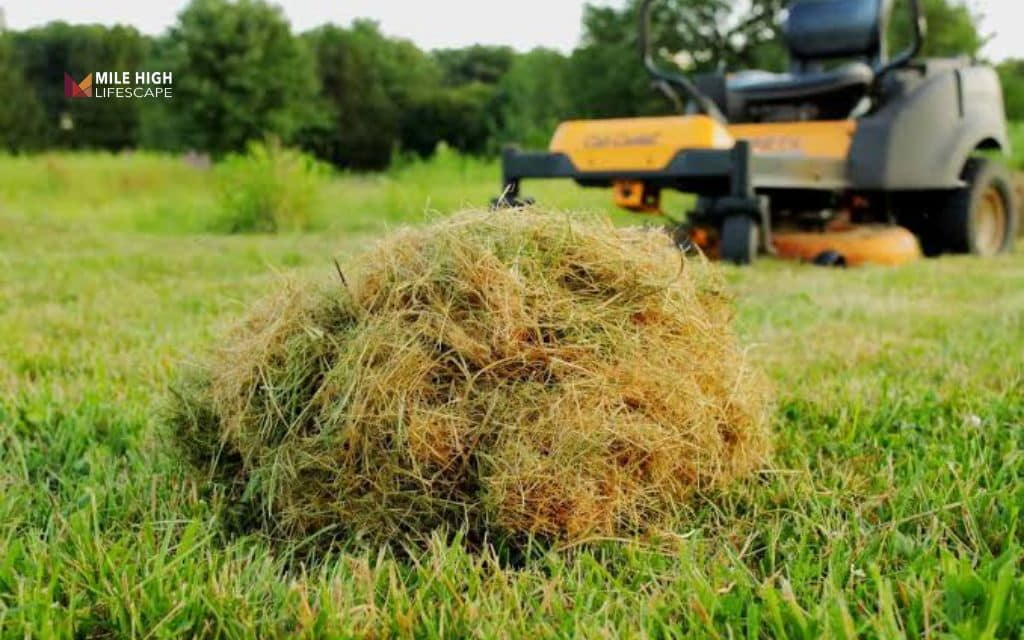
Mulching works when clippings are short and dry. Wet or tall grass makes clumps that mat together and can damage the turf underneath, and mulching mowers struggle in those conditions. Disease is the second limit: removing clippings from a lawn with heavy disease can lower the number of disease organisms.
Appearance is the third limit: cutting too much at once leaves clippings on the surface. These limits explain why you should bag or mulch lawn clippings by condition, not by habit.
Thatch, weeds, and disease: Myth or fact?
Three myths shape how homeowners bag or mulch lawn clippings: thatch, disease, and weeds. Myth: mulching causes thatch. Fact: thatch builds from grass stems, runners, and roots. Extension research on cool-season and warm-season grasses finds that clippings do not add to thatch, because they are leaf tissue that breaks down fast.
Mulching does not cause lawn disease when you follow the one-third rule. Heavy infection is a reason to collect clippings while you treat the lawn. Mulching does not create weeds, but mowing weeds with seed heads can spread seed, so bag those cuttings.
Advantages of bagging lawn clippings
When you bag or mulch lawn clippings, bagging gives you control as conditions turn against mulching. It removes clippings that would mat on wet or overgrown grass, takes diseased leaf tissue off a sick lawn, and carries away weed seed. It also leaves a clean surface and keeps clippings off walkways.
Bagged clippings stay useful. Compost them with dry leaves or wood chips, using one or two parts dry material per part of clippings. Add fresh clippings in thin layers to avoid odor. Dry clippings also work as bed mulch, built up to a 1-inch layer in steps.
Disadvantages of bagging lawn clippings
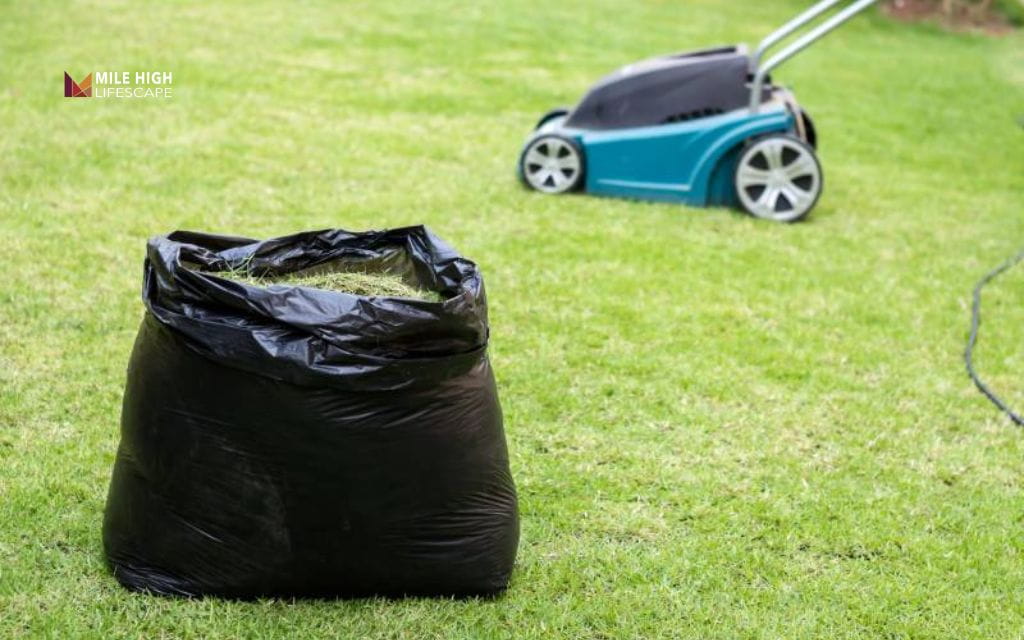
In the bag vs mulch decision, time is the first cost. You stop to empty the bag each time it fills, then move the clippings to a bin, compost pile, or curb. Weigh these costs before you bag or mulch lawn clippings as a routine.
Bagging also removes nutrients. Extension specialists note that leaving clippings can replace one fertilizer application each year, so a bagged lawn may need that extra application. Disposal adds a step, and some landfills and local programs restrict yard waste, so check your local rules.
Should you bag or mulch lawn clippings?
When to mulch lawn clippings
Mulching suits healthy lawns that you mow on schedule. Check these conditions before you bag or mulch lawn clippings, and mulch when they match your lawn:
- Regular mowing: Mow often enough to remove no more than one-third of the blade, and clippings decompose in the turf.
- Dry grass: Dry grass cuts and drops into the turf, while wet grass clumps.
- Healthy turf: Without disease or seeding weeds, you have no reason to remove clippings.
- Hot or dry spells: Thin layers of clippings help hold moisture at the soil surface.
When to bag grass clippings
Bagging fixes problems that mulching cannot handle. When one of these conditions applies, collect the clippings and return to mulching once it clears:
- Wet or overgrown grass: Clippings mat together and can damage the lawn beneath them. For tall grass, raise the deck and cut in stages when you can.
- Active lawn disease: Removing clippings from a lawn with heavy disease can lower the number of disease organisms.
- Weeds in seed: Bag clippings from areas where weeds carry seed heads.
- Thick thatch: Thatch over 1/2 inch keeps clippings from reaching soil microbes, so collect them while you manage the thatch.
When to bag or mulch lawn clippings?
Seasons change growth rate and leaf cover, which changes how you bag or mulch lawn clippings:
- Spring: Growth is fast, so mow often and mulch. Bag clumps from wet grass and cuttings from weeds in seed.
- Summer: Mulch to keep thin layers of clippings on the soil, which help hold moisture. Mow when the grass is dry, and bag during disease outbreaks.
- Fall: Mulch light leaf fall along with the clippings. Bag or rake thick leaf cover that blocks light.
- After a missed mowing: Raise the deck, mow every few days, and lower it in steps. Bag the clumps that remain.
How to mulch lawn clippings the right way
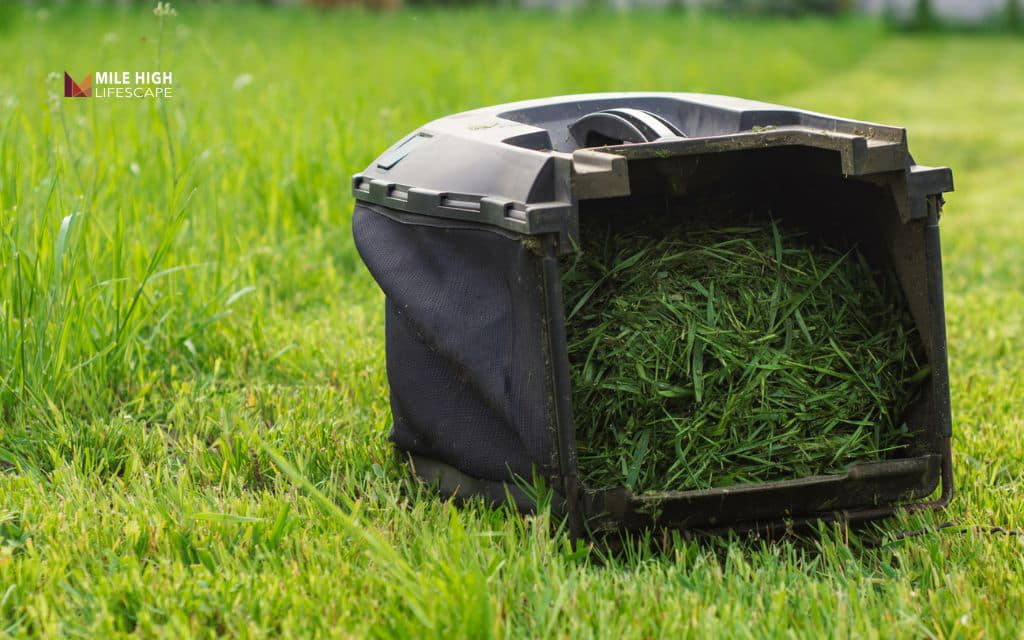
How you mow matters as much as whether you bag or mulch lawn clippings. Mulch the grass when it is dry. Remove no more than one-third of the blade per cut. Keep the blade sharp, since a dull blade tears grass and can raise disease risk. Use a mulching blade or plug so clippings recirculate and cut finer.
If the grass gets ahead of you, raise the deck and mow every few days, then lower it in small steps to your normal height. Scatter clumps that sit on the surface with a rake or a second pass, and bag the clumps you cannot break up.
Conclusion
Bagging or mulching, the right choice follows the condition of the grass. When you bag or mulch lawn clippings by condition, you protect the turf, save time, and cut fertilizer needs. Mulch on schedule with dry grass and a sharp blade. Bag wet, overgrown, diseased, or seeding turf, then return to mulching.
Would you rather not decide whether to bag or mulch lawn clippings each week? Mile High Lifescape provides mulch installation services for homeowners across the Denver Metro area. For nearly two decades, our pros have kept lawns healthy with free quotes and on-time service. Call us at (303) 877-9091.
Frequently asked questions (FAQs)
Can a regular mower bag or mulch lawn clippings?
Yes. Most mowers can bag or mulch lawn clippings with the right setup. Close the discharge chute with a mulching plug or kit to mulch, or fit a bag attachment to collect.
Does grass type change how you bag or mulch lawn clippings?
Grass type changes mowing height, not how you bag or mulch lawn clippings. Extension research finds that clippings do not add to thatch on cool-season or warm-season grasses. Any type can be mulched when you follow the one-third rule. When you bag or mulch Bermuda grass, the usual cut of 1 to 2 inches keeps clippings short.
How many of my mowings should I mulch instead of bag?
Most of them. Treat bagging as the exception for wet or overgrown turf, active disease, or weeds in seed. On a healthy lawn mowed on schedule, the choice to bag or mulch lawn clippings is usually mulching.
Should I bag or mulch lawn clippings after using weed killer?
Follow the product label before you bag or mulch lawn clippings from treated turf. Do not use clippings from turf treated with broadleaf herbicides such as 2,4-D, MCPP, or dicamba around trees, shrubs, or garden plants. If you collect those clippings, keep them out of garden beds and compost you plan to use there.
Is it better to mulch or bag grass clippings in fall?
Mulch when leaves are light and dry. When you bag or mulch lawn clippings with leaves in the mix, set the deck to its highest setting and make a couple of passes. If you can still see grass afterward, the layer is not too thick. Rake or bag when leaves bury the grass, because thick layers block light.