Choosing the best sod for Colorado starts with matching the grass to local sun, water, elevation, soil, and lawn use. Kentucky bluegrass remains a strong all-round option, while tall fescue suits many warmer or drier sites and buffalograss offers a lower-water alternative. Mile High Lifescape helps Denver-area homeowners choose sod around the actual conditions of their property rather than relying on one grass type for every yard.
What Is The Best Sod For Colorado?
For many residential lawns, Kentucky bluegrass remains one of the most practical choices because it forms dense turf, tolerates cold winters, and recovers well from wear. However, the best sod for Colorado can change with the site. Tall fescue often performs well where deeper rooting and heat tolerance matter, while buffalograss suits sunny lawns where lower water use is a priority.
Best Sod Types For Colorado Lawns
Climate alone does not determine the best sod for Colorado. Rooting habit, irrigation, sunlight, traffic, and maintenance expectations also matter. These four grasses cover most common residential situations.
Kentucky Bluegrass
Kentucky bluegrass is widely used for Colorado sod because it forms a dense, attractive lawn and spreads through underground rhizomes. That growth habit gives it strong recovery after moderate wear.
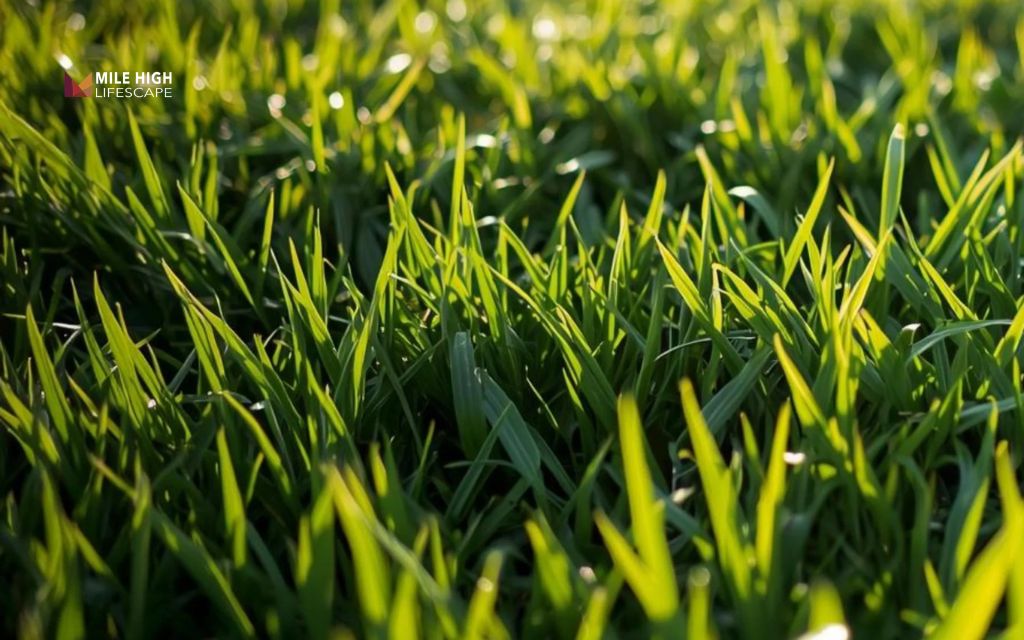
Cold tolerance is excellent, but maintaining a deep green colour through hot, dry periods usually requires regular irrigation. Its sod availability also makes it one of the easiest options to source for conventional residential lawns.
Turf-Type Tall Fescue
Turf-type tall fescue develops deeper roots when soil conditions allow, which can improve drought resilience and performance during summer heat. Modern turf cultivars also have a finer texture and darker colour than older pasture-type fescues.
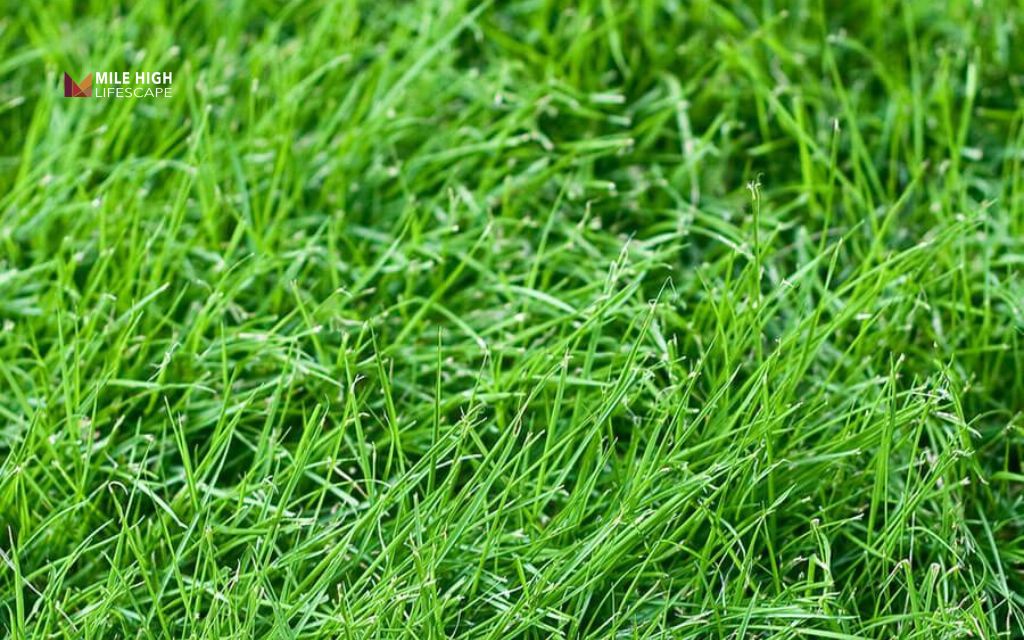
This grass works particularly well where the lawn receives moderate foot traffic or needs better heat tolerance. Sod availability may be more limited than Kentucky bluegrass, and worn areas recover more slowly because tall fescue does not spread as aggressively.
Buffalograss
Buffalograss is a native warm-season grass suited to sunny Colorado landscapes. Once established, high-quality turf types can remain attractive with significantly less irrigation than Kentucky bluegrass.
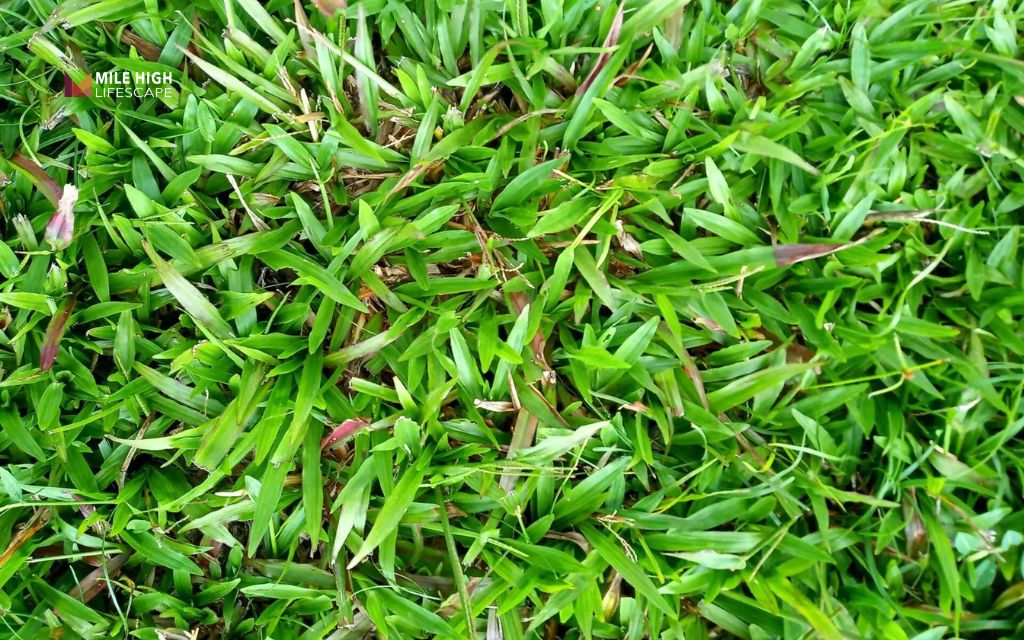
The trade-off is a shorter green season. Buffalograss turns dormant after the first hard frost and usually greens later in spring. It also performs poorly in deep shade and is generally not recommended for exposed sites above about 6,500 feet.
Fine Fescue
Fine fescues are useful where shade, cooler conditions, or lower maintenance matter more than heavy traffic tolerance. Their fine blades create a soft appearance and they can perform well in soils where other turf grasses struggle.
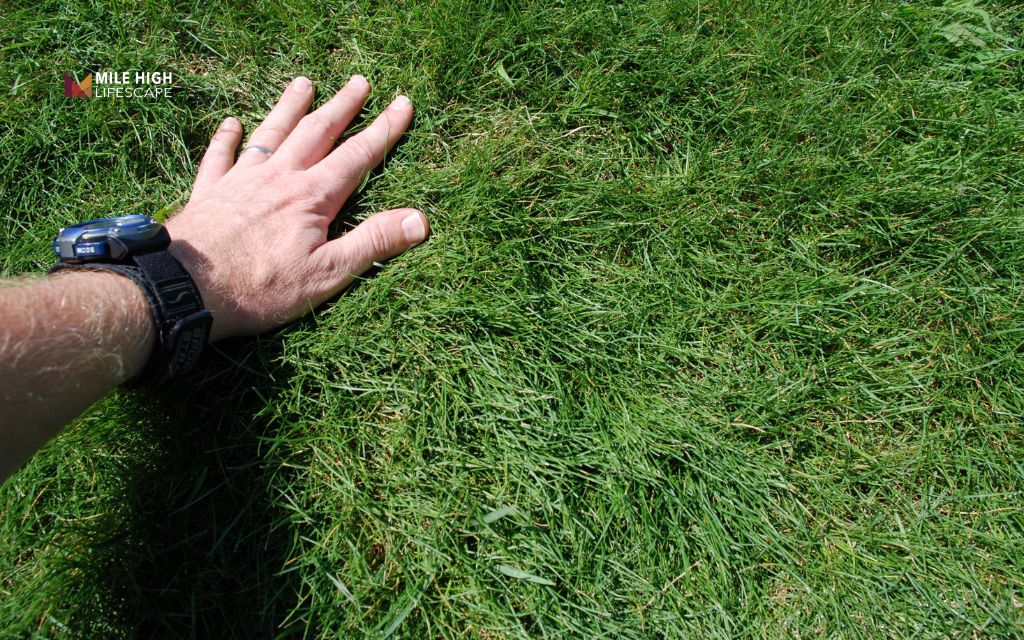
They tolerate cold and shade particularly well, making them relevant for some higher-elevation or protected Colorado sites. Heavy use, however, can leave worn areas because recovery is slower than with Kentucky bluegrass.
How To Choose The Right Sod In Colorado
The best sod for Colorado should suit the property rather than simply look good on delivery day. Sun exposure, available water, lawn use, and elevation have a direct effect on long-term performance.
Sun And Shade
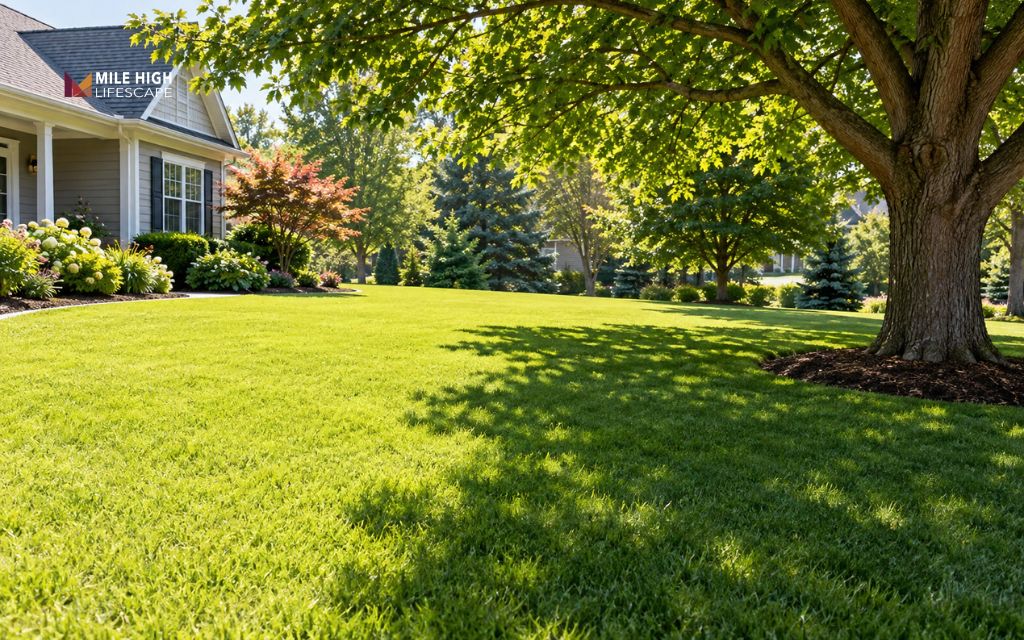
Sun exposure can quickly narrow down the best sod for Colorado. Kentucky bluegrass and tall fescue both perform well in sunny yards, while fine fescue is usually a better fit where shade is part of the day. Buffalograss needs plenty of direct sun, so it is not ideal for lawns shaded by mature trees, fences, or buildings. Matching the grass to the actual light conditions helps the lawn stay fuller and more consistent over time.
Water Availability
Water needs are another major factor when choosing sod in Colorado. Kentucky bluegrass usually needs more regular irrigation to stay green through hot, dry periods, while tall fescue can cope better once its roots are well established. Buffalograss offers the strongest water-saving potential for sunny sites. A properly designed sprinkler installation can also make a big difference during establishment, when even coverage matters most.
Foot Traffic And Lawn Use
Daily use should influence which sod in Colorado you choose. Kentucky bluegrass recovers well from wear, while tall fescue handles regular foot traffic but fills bare spots more slowly. Buffalograss and fine fescue are better suited to lawns with lighter activity.

Elevation And Local Conditions
Colorado’s elevation and microclimates can change what works from one yard to the next. Buffalograss tends to do best on sunnier, lower-elevation sites, while fine fescue is often more comfortable in cooler conditions. Kentucky bluegrass and tall fescue remain reliable choices across much of the Front Range.
Put simply, the right sod depends on how your property actually behaves through the seasons, not just where it is on the map.
Kentucky Bluegrass Vs Tall Fescue Vs Buffalograss
These three grasses represent the most useful comparison for homeowners searching for the best sod for Colorado. Each offers a different balance of appearance, water use, durability, and seasonal performance.
| Factor | Kentucky Bluegrass | Tall Fescue | Buffalograss |
| Lawn appearance | Dense, fine texture | Dense, slightly coarser | Natural, fine texture |
| Water demand | Higher | Moderate | Low once established |
| Heat tolerance | Moderate | Good | Excellent |
| Cold tolerance | Excellent | Very good | Good |
| Shade tolerance | Fair | Fair to good | Poor |
| Wear recovery | Excellent | Moderate | Moderate |
| Green season | Long | Long | Shorter |
| Maintenance | Moderate to high | Moderate | Low |
Sod Vs Seed For Colorado Lawns: Which Is Better?
When comparing sod and seed, the best sod for Colorado offers faster coverage and a more predictable finished lawn, while seed is usually more affordable and gives you more cultivar options. The better choice depends on your budget, timeline, site conditions, and how quickly you want the lawn established.
| Factor | Sod | Seed |
| Results | Fast, with immediate ground coverage | Takes longer to establish |
| Cost | Higher upfront material and installation cost | Lower initial cost |
| Grass options | More limited by local sod availability | Wider variety of cultivars |
| Weed competition | Lower once installed | Higher during establishment |
| Site preparation | Requires properly prepared soil | Requires properly prepared soil |
| Watering | Needs consistent watering while rooting | Needs frequent watering during germination |
When Is The Best Time To Install Sod In Colorado?
Timing matters when choosing the best sod for Colorado because establishment depends on soil temperature, weather, and reliable irrigation. Cool-season grasses usually settle in best during milder weather, while warm-season varieties follow a different schedule.
- Spring: A strong window for most Colorado sod when soil is workable and moisture is easier to manage.
- Early fall: Often ideal for sod in Colorado because cooler temperatures reduce water stress during rooting.
- Summer: Possible with close irrigation, but heat can increase moisture demand and establishment stress.
- Buffalograss season: Best installed during active warm-season growth, typically from late spring through summer.
- Winter: Usually less practical when soil is frozen or watering is restricted.
How To Identify Quality Sod In Colorado
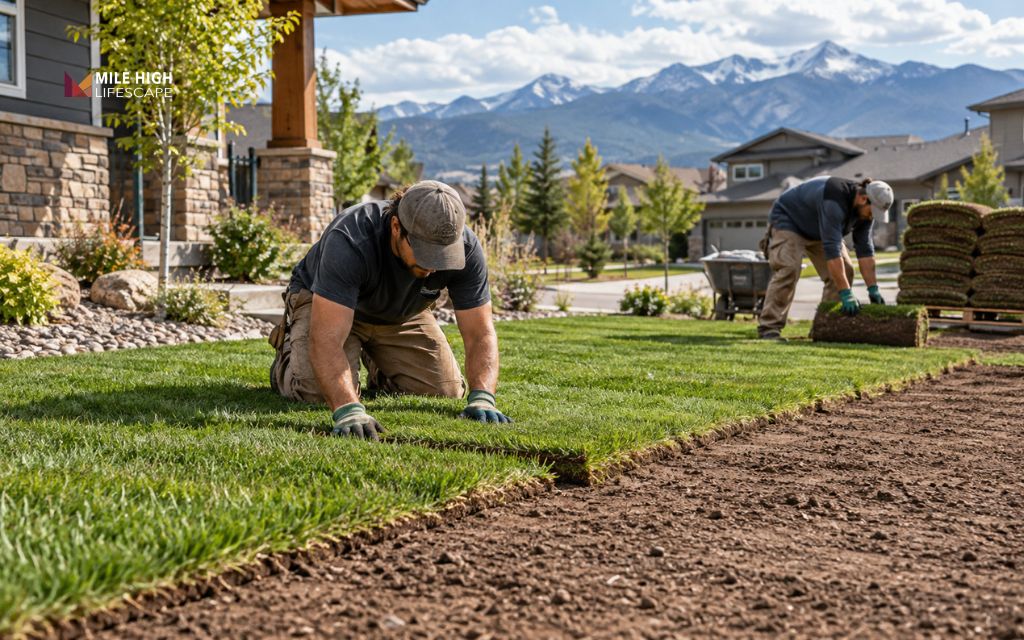
The best sod for Colorado should arrive fresh, structurally sound, and appropriate for the site. Colour alone is not enough because grass can vary naturally with season, species, and dormancy.
Quality sod Colorado buyers should look for:
- Dense turf with minimal bare areas
- Strong roots that hold each piece together
- Moist soil without excessive saturation
- Consistent thickness across rolls
- Minimal weeds or unwanted grasses
- No strong sour or rotting smell
- Sod harvested recently enough to remain viable
Professional Sod Installation For Colorado Lawns
A new lawn should feel like a long-term improvement, not a quick cosmetic fix. At Mile High Lifescape, our Sod Installation service is built around proper preparation, careful placement, and the conditions your yard actually has to handle. From grading and soil contact to irrigation coverage and sod selection, each step is planned to give the turf a stronger start.

With over 20 years of experience, we help Denver Metro homeowners choose and install sod with long-term performance in mind. The result is a cleaner, more even lawn that establishes properly and is easier to maintain from the outset.
Call (303) 877-9091 or email hello@milehighlifescape.com to discuss your project and request an estimate.
Final Thoughts
The best sod for Colorado depends on the conditions of the property, not on one grass type alone. Kentucky bluegrass suits many traditional lawns, tall fescue handles heat and wear well, and buffalograss offers a lower-water option for sunny sites. A good choice should match the yard’s sunlight, irrigation, elevation, traffic, and maintenance needs so the lawn can establish well and stay healthy over time.
Frequently Asked Questions
Is Kentucky Bluegrass Good For Colorado?
Yes. It handles cold winters well, forms dense turf, and recovers effectively from moderate wear.
Is Tall Fescue Better Than Bluegrass In Colorado?
It can be better on hotter or drier sites. Bluegrass usually offers stronger self-repair and a finer traditional lawn appearance.
What Sod Uses The Least Water In Colorado?
Buffalograss generally uses the least water once established, especially in sunny, lower-elevation areas.
Can Buffalograss Be Installed As Sod?
Yes. Improved buffalograss varieties are available as sod and can establish more evenly than seed.
How Long Does Sod Take To Root In Colorado?
Initial rooting often begins within about two weeks, but full establishment takes longer and depends on weather, soil, irrigation, and grass type.