Watering new sod correctly is essential during the first few weeks, when the roots are still shallow and easily stressed by dry conditions. A consistent watering routine keeps the turf hydrated, supports root development, and helps the sod settle into the soil more quickly. Unlike an established lawn, fresh sod needs closer attention to moisture while it builds a stronger root system. This guide of Mile High Lifescape explains how often and how much to water new sod so you can give your lawn a healthy start.
How Often Should You Water New Sod?
During the first week, new turf usually needs water every day and may need more than one light watering during hot or windy weather. The goal is to keep both the sod and the upper layer of soil moist without creating puddles.
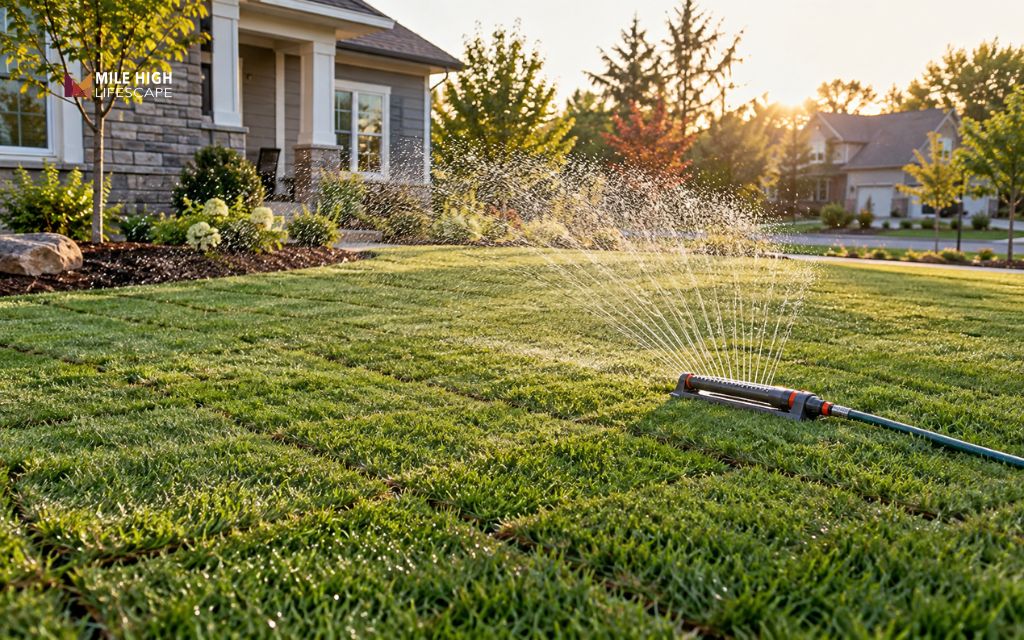
As the roots begin to establish, watering new sod should become less frequent. A gentle tug on one corner can help: once the turf starts resisting, the roots are beginning to anchor. From that point, reduce the number of sessions and allow water to reach deeper into the soil.
New Sod Watering Schedule By Establishment Stage
A watering schedule for sod should change as the roots develop rather than staying the same for an entire month. Under favourable conditions, new sod often begins rooting within roughly 10 – 14 days.
| Stage | Watering Approach | Main Goal |
| Installation day | Water immediately and thoroughly | Wet sod and soil below |
| Days 1 – 7 | Usually 1–2 times daily | Prevent the root zone from drying |
| Days 8 – 14 | Gradually reduce frequency | Support early root growth |
| Weeks 3 – 4 | Water less often but deeper | Encourage deeper roots |
| After establishment | Move toward normal lawn irrigation | Build a stronger root system |
Do not follow the table blindly. When watering new sod during very hot weather, extra short cycles may be necessary. During cool or rainy periods, the same lawn may need considerably less.
How To Tell If New Sod Is Getting Enough Water
The lawn itself gives better information than the clock when watering new sod. Instead of relying only on a fixed run time, check beneath the turf and watch how the grass responds between watering sessions. Soil moisture, colour, and early root development will tell you whether the lawn needs more water or more time to dry.
Check The Soil Underneath
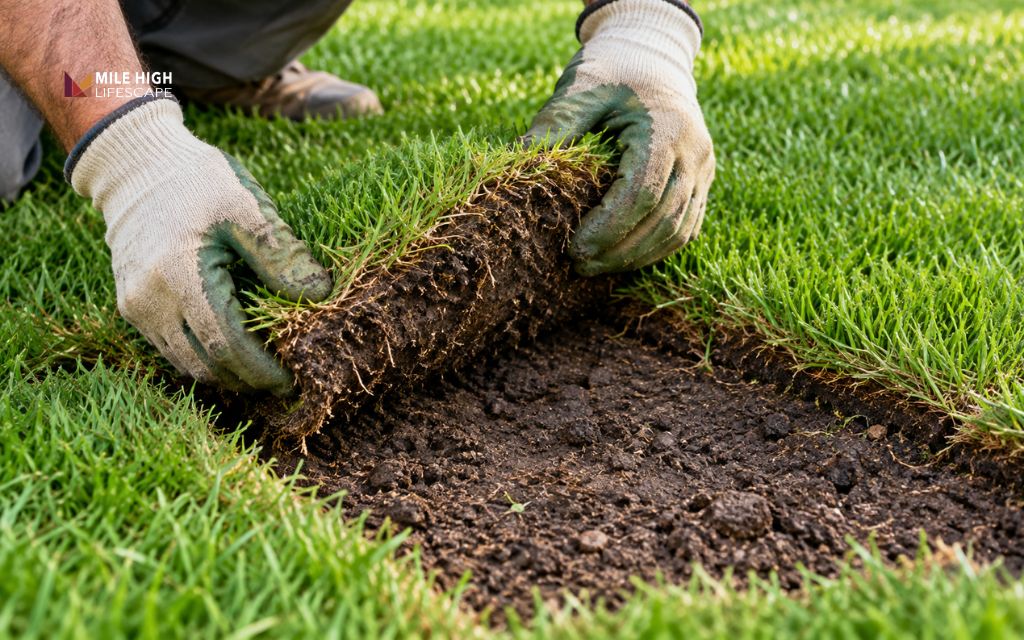
Lift a corner gently and touch the soil below. It should feel moist and cool, not dusty or muddy. During the first stage of watering new sod, moisture should reach through the sod and into at least the upper portion of the prepared soil.
Dry soil means the irrigation is not reaching far enough. If water pools underneath or the soil feels saturated for long periods, reduce the amount or frequency.
Watch The Sod Colour And Texture
Colour changes can reveal moisture stress before serious damage develops. Turf that turns dull or bluish-grey, starts to curl, or dries along the seams often needs more moisture.
Do not assume every brown area needs more water, however. Sod turning brown can also result from poor soil contact, excess moisture, heat, or establishment problems.
Check Whether The Sod Has Started Rooting
About a week after installation, gently lift one corner of the turf. At first, it should come up quite easily, but you will begin to feel resistance as new roots move into the soil below. That change is an important sign that watering new sod is supporting healthy establishment.
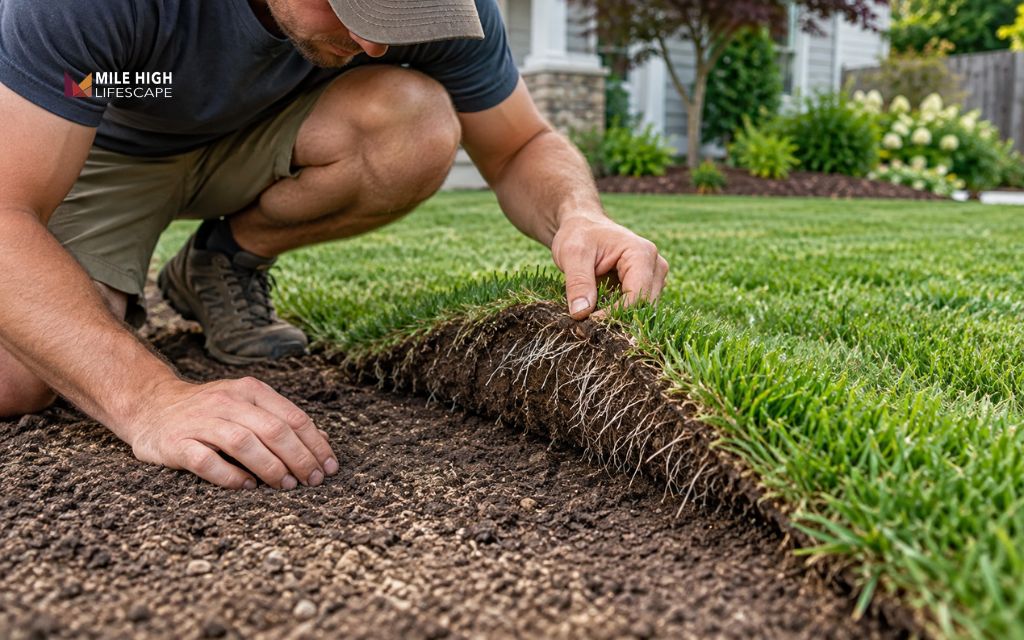
Once the turf starts to hold firmly, you can water new sod less often and allow each session to reach deeper into the root zone. Under favourable conditions, rooting often becomes noticeable within around 10 – 14 days. Until then, keep foot traffic light so the sod stays in close contact with the soil.
Signs You Are Overwatering New Sod
Watering new sod too often can be just as damaging as letting it dry out. When the soil stays saturated for long periods, roots receive less oxygen and may struggle to establish. Instead of adding more water automatically, watch how the lawn feels and how quickly the ground dries between sessions.
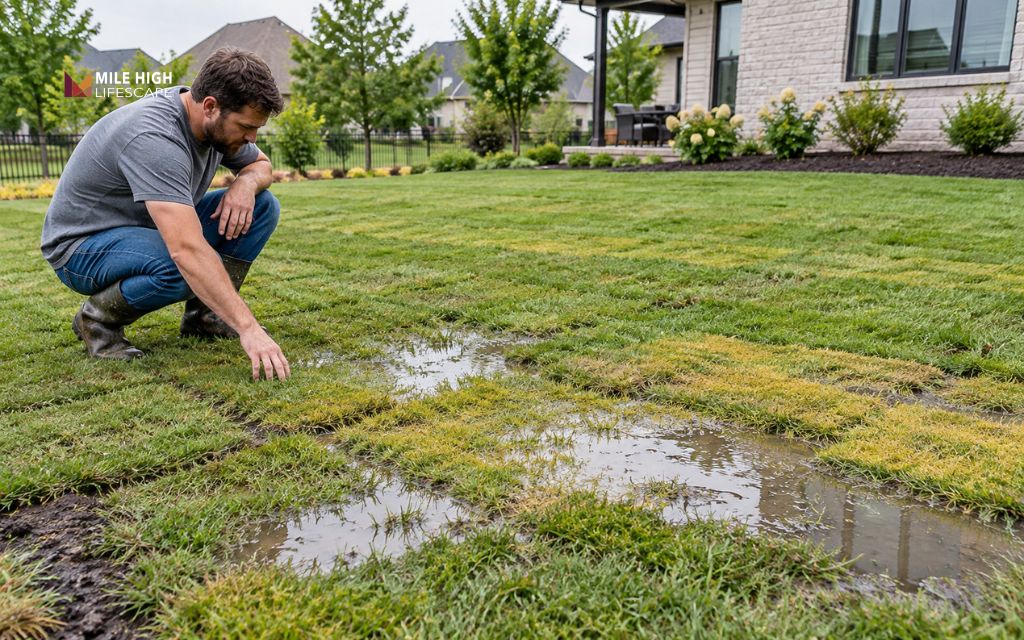
Common signs include:
- The soil stays soggy long after you water new sod.
- Water pools on the surface after each irrigation cycle.
- The lawn feels soft or spongy underfoot.
- New sod watering leaves the grass yellow rather than healthy green.
- The turf stays loose and shows little new root growth.
- How much watering for new sod is too much becomes obvious when the soil never begins to dry.
- A strong musty smell or fungal growth can develop in persistently wet areas.
How Weather Changes Your New Sod Watering Schedule
The right schedule for watering new sod can change quickly with the weather. Heat, wind, cloud cover, and rainfall all affect how fast moisture leaves the soil, so the lawn should guide your decisions more than a fixed timer.
Hot And Windy Weather
Hot, dry air can pull moisture from fresh turf very quickly, especially around seams and exposed edges. In these conditions, watering new sod may need to happen more often to keep the root zone from drying out.
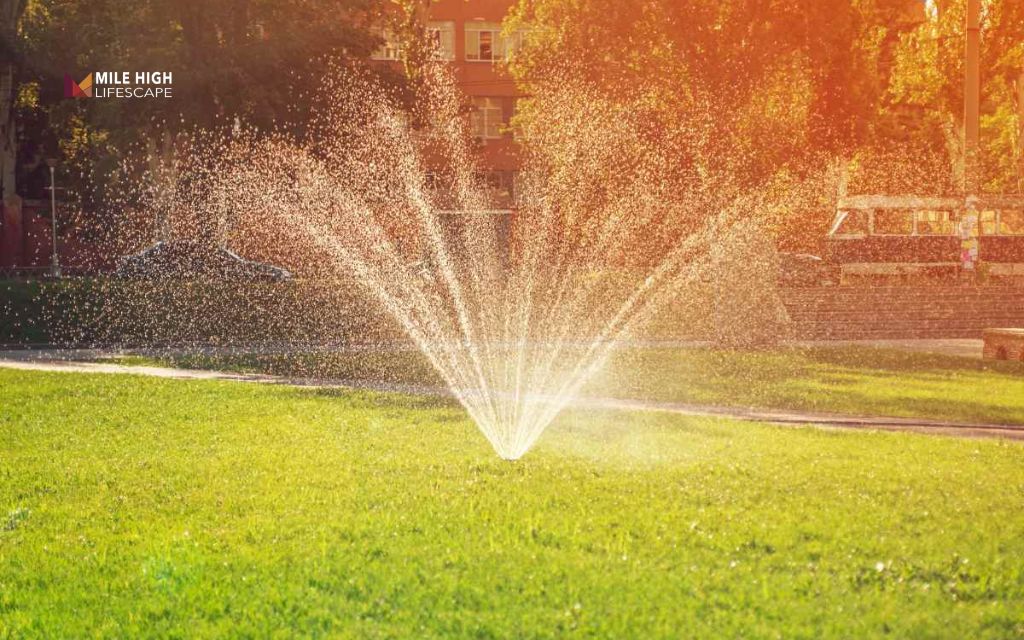
If you are unsure how much water on new sod is enough, check beneath the turf instead of relying on surface colour alone. The soil should stay moist without becoming saturated.
Cool Or Cloudy Weather
Cooler conditions slow evaporation, so the lawn usually holds moisture for longer. This means watering new sod can often be reduced compared with hot summer weather.
If you are wondering how often to water new sod in cool weather, lift a corner and check the soil before running the system again. When the root zone still feels moist, there is no need to add more water.
Rainy Weather
Rainfall should always count toward the lawn’s moisture needs. After a good shower, pause the irrigation and check whether the soil below the sod is already wet enough.
A watering schedule for sod should stay flexible during rainy periods. If the ground remains saturated, skip the next cycle and wait until the upper soil begins to lose some moisture. Following sensible lawn watering practices can also help prevent unnecessary irrigation after wet weather.
Best Time Of Day To Water New Sod
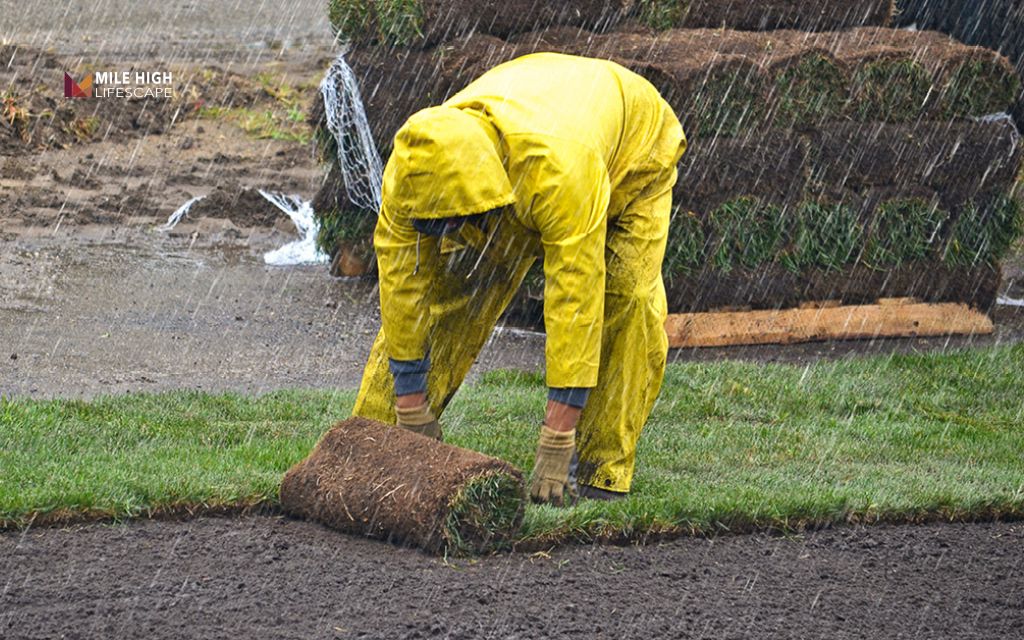
Early morning is usually the best time for watering new sod. Cooler temperatures, lighter wind, and lower evaporation allow more water to reach the root zone instead of being lost to the air. A practical window is around 6 – 8 a.m., although the exact timing can vary with local weather and irrigation rules.
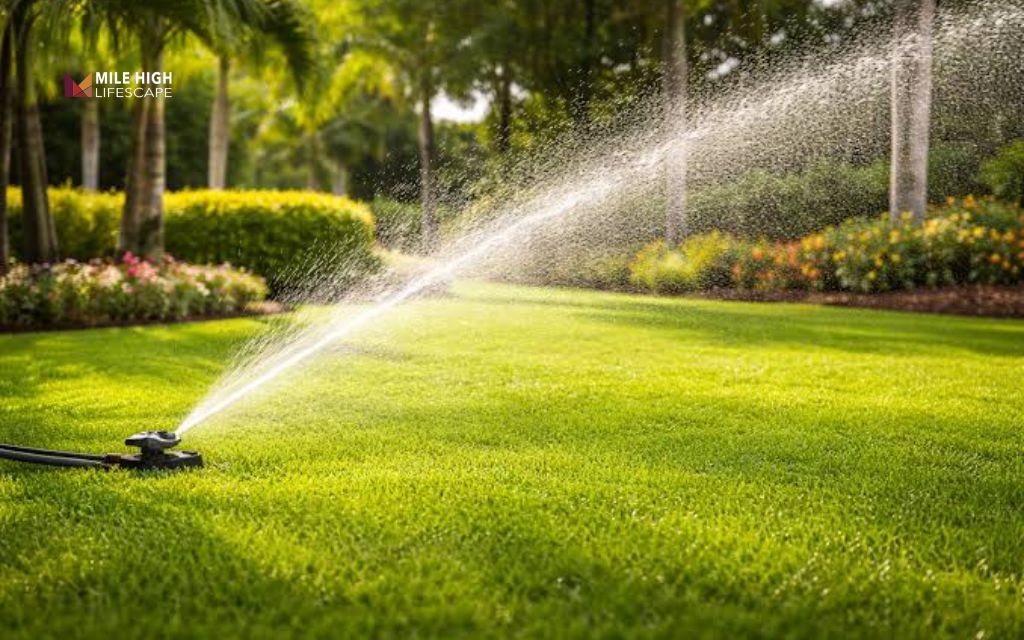
Midday watering new sod is less efficient because heat and wind can increase evaporation. Late-evening watering is also less ideal when it keeps the grass wet for long periods, although local climate and watering restrictions may affect the schedule.
During very hot or windy weather, one morning session may not be enough for newly installed turf. A short additional cycle can help prevent wilting and excessive surface heat, but it should only supplement the main watering rather than leave the soil saturated.
Common New Sod Watering Mistakes To Avoid
Watering new sod works best when moisture stays consistent without leaving the soil soaked. Most problems come from watering too little, too much, or following a fixed routine without checking how the turf is actually responding.
- Letting the sod dry out during the first week.
- Soaking the lawn until water begins to pool.
- Using the same watering schedule for sod in every weather condition.
- Ignoring dry seams, corners, and edges between sod pieces.
- Reducing irrigation before the roots begin to anchor.
- Asking how long to water new sod without checking soil moisture first.
- Watering late at night when the turf stays wet for hours.
- Keeping sprinklers running after meaningful rainfall.
Start Your New Lawn With Mile High Lifescape Sod Installation
Mile High Lifescape brings over 20 years of experience to every Sod Installation project, with careful attention to site preparation, placement, irrigation coverage, and early establishment. That approach helps reduce common problems after installation, including uneven rooting and issues with watering new sod.
- Site preparation: Clear, grade, and prepare the soil so each sod piece sits evenly and roots can establish without unnecessary stress.
- Sod placement: Fit each section closely together to reduce gaps, lifted edges, and weak contact between the turf and soil.
- Irrigation support: Check coverage across the lawn so watering new sod stays consistent without leaving dry spots or oversaturated areas.
- Early lawn care: Give clear guidance on watering, mowing, and reducing irrigation as the roots strengthen and the new lawn settles in.

Ready for a healthier lawn? Call Mile High Lifescape at (303) 877-9091 for expert sod installation and practical guidance on watering new sod from day one.
Conclusion
A new lawn needs close attention during its first few weeks, but the routine should change as the roots develop. Watering new sod is most effective when the turf stays moist without sitting in saturated soil. As the lawn begins to hold firmly, space the sessions out and let the water reach deeper. This gradual shift helps the grass build a stronger root system and become easier to maintain over time.
Frequently Asked Questions
How Long Should I Water New Sod Each Time?
Water long enough to moisten the sod and the soil beneath it without creating runoff or puddles. The exact time depends on sprinkler output, soil type, slope, and weather.
Should New Sod Be Watered Every Day?
Usually, yes, during the first stage of establishment. Watering new sod daily helps keep the shallow root zone from drying out before the turf begins to anchor.
When Can I Stop Watering New Sod Every Day?
You can begin reducing daily watering once the sod resists a gentle pull and the soil stays moist for longer between sessions. This often happens after about 10–14 days under favorable conditions.
How Often Should I Water New Sod In Cool Weather?
Cool weather slows evaporation, so the lawn may need water less often. Check the soil beneath the turf and wait longer between sessions if it still feels moist.
When Can You Reduce Watering New Sod?
Reduce watering new sod gradually once the roots begin to establish. Shift from frequent light watering to deeper, less frequent sessions so the root system continues developing downward.