The type of mulching you choose can affect how well your garden holds moisture, limits weeds, and protects plant roots. Wood chips may work beautifully around trees, while straw is often a better fit for vegetable beds. Gravel provides a lasting finish in certain landscape areas, but it cannot improve soil the way decomposing plant materials can.
With so many kinds of mulching materials available, choosing one based on appearance alone can lead to extra maintenance or problems for your plants. This guide explains 13 common mulch materials, their advantages and limitations, and where each is most useful.
What is mulch?
Mulch is a layer of material placed on top of soil around plants or across open landscape areas. It helps reduce moisture loss, limit weed germination, moderate soil temperature, and protect exposed soil from erosion. Mulch can also give planting beds a more finished appearance.
Organic mulches contribute organic matter as they break down. Other materials, such as stone and plastic, serve mainly as surface coverings. The right choice depends on what you are growing, how the area is used, and how much maintenance you want to handle.
What are the two main types of mulch?
Most mulch materials fall into two broad categories: organic and inorganic. Both can cover bare soil, but they behave differently over time.
Organic mulch
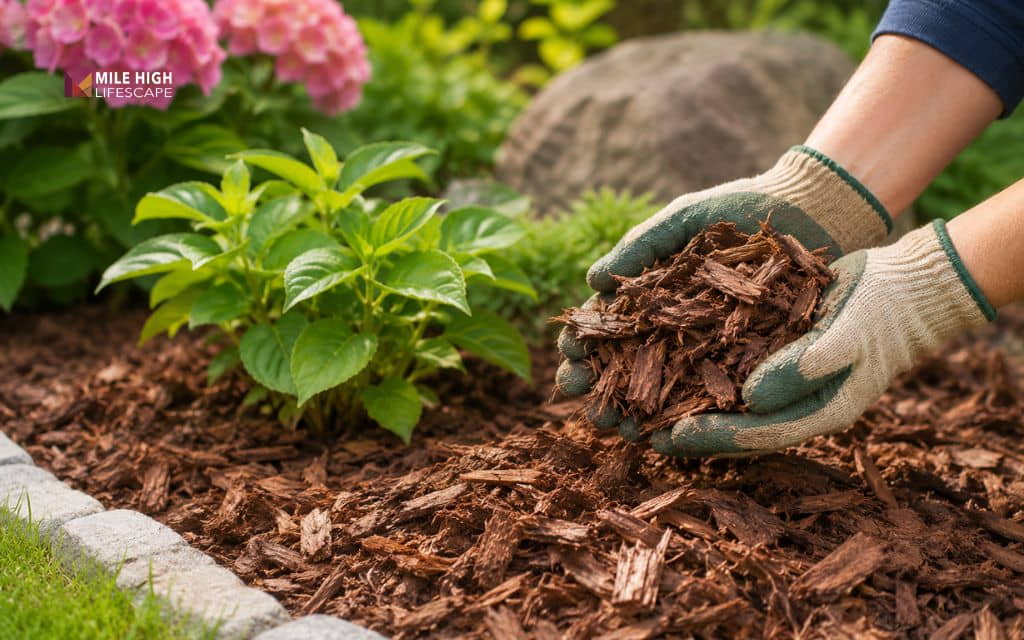
Organic mulch comes from plant-based or other biodegradable materials. Common examples include wood chips, bark, leaves, straw, and compost. As these materials decompose, they add organic matter that can help improve soil structure. They generally need periodic replenishment, especially fine-textured materials that break down quickly.
Inorganic mulch
Inorganic mulch includes stone, gravel, and manufactured coverings such as plastic sheeting and landscape fabric. These materials do not build soil organic matter. Stone can remain in place for many years, while films and fabrics may need replacement as they deteriorate or become clogged. Their performance varies considerably, so inorganic options should not be treated as interchangeable.
9 types of organic mulch
Organic mulch is often a practical choice for planting beds because it combines surface protection with gradual soil improvement. Differences in texture, decomposition rate, and availability can make one material more suitable than another.
1. Wood chips
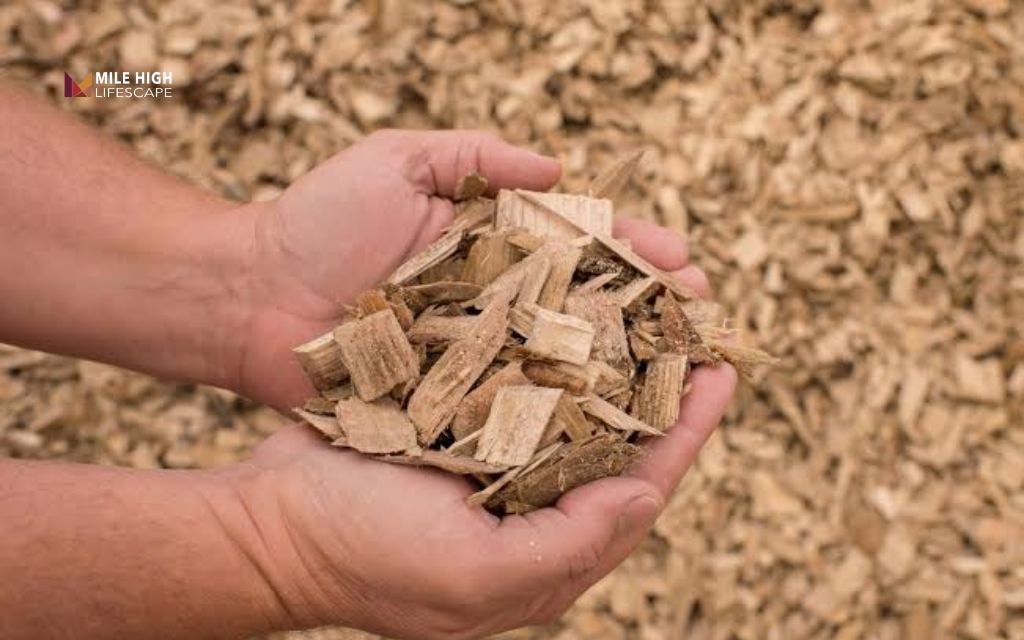
Wood chips are pieces of chipped branches and other woody material, often available from tree-care operations or garden suppliers. Their coarse texture helps maintain air spaces and makes them useful around trees, shrubs, and perennial beds. They also tend to stay in place better than lightweight materials.
Fresh chips may have an uneven appearance, and their color changes as they weather. Spread them on the soil surface rather than mixing large amounts into planting soil, where decomposition can temporarily reduce available nitrogen.
2. Bark mulch
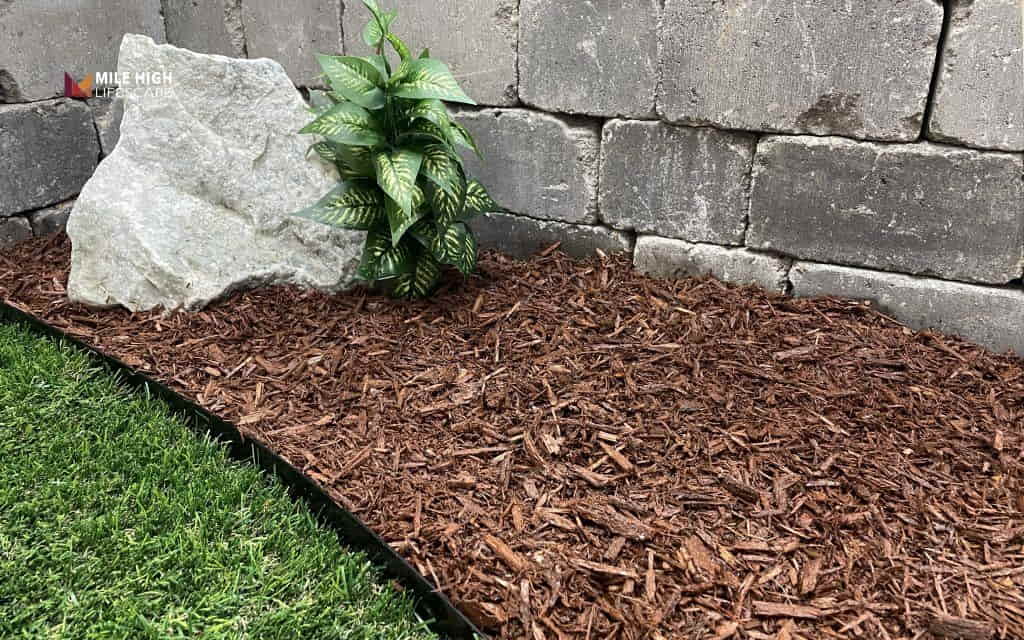
Bark mulch is made from shredded or chipped tree bark, commonly pine or hardwood. Its consistent appearance makes it popular for ornamental beds, foundation plantings, and shrub borders. Shredded bark often settles into a more connected layer, while larger bark nuggets give beds a coarser texture.
Bark can cost more than locally sourced wood chips. Large nuggets may float or shift in heavy runoff, and some finely shredded products can mat if neglected. Check the material’s texture and the site’s drainage before choosing it.
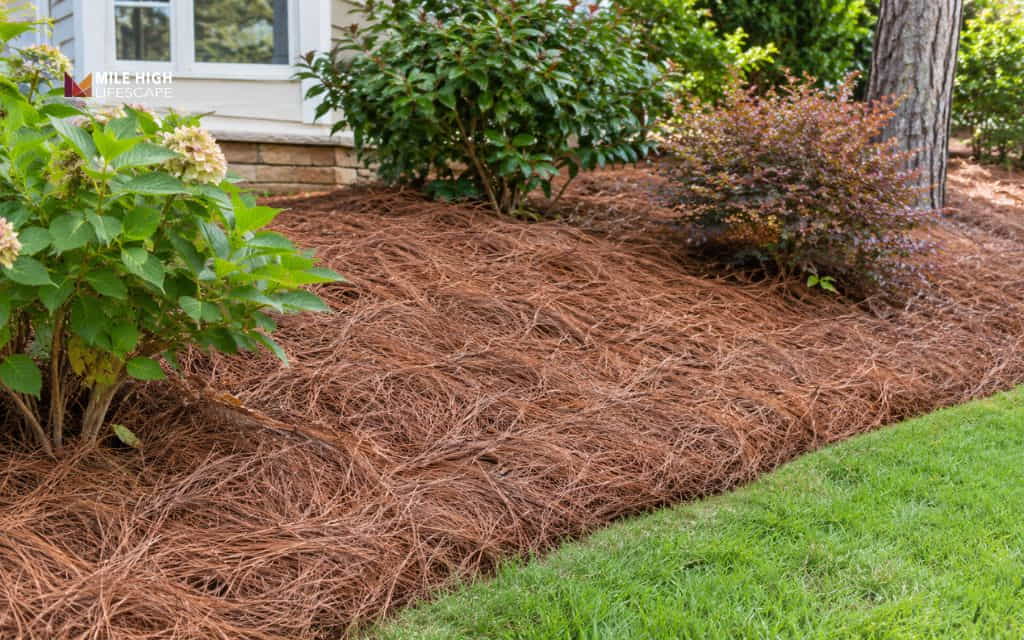
3. Pine straw
Pine straw consists of fallen pine needles collected for landscaping. The needles overlap and interlock, making this mulch useful on gently sloped beds and around shrubs. Its loose structure also allows air movement, and its natural appearance works well in informal plantings.
Pine straw gradually settles and needs replenishment. It can blow away before becoming established, particularly in exposed areas. Contrary to a common assumption, a surface layer of pine needles does not reliably make garden soil significantly more acidic.
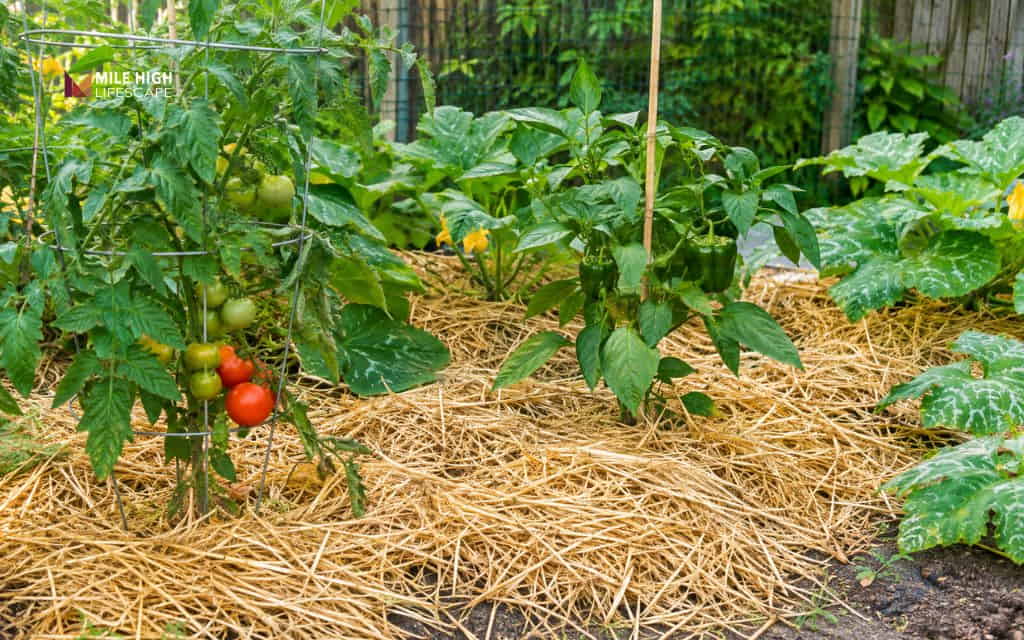
4. Straw mulch
Straw is the dried stalk material left after grains such as wheat are harvested. It is lightweight, relatively easy to spread, and widely used around vegetables and newly established plants. Straw helps keep soil from splashing onto produce and can buffer temperature changes.
Choose clean, low-seed straw when possible. Some products contain weed seeds, and loose straw may move in strong wind. It decomposes relatively quickly, so expect to add more during the growing season.
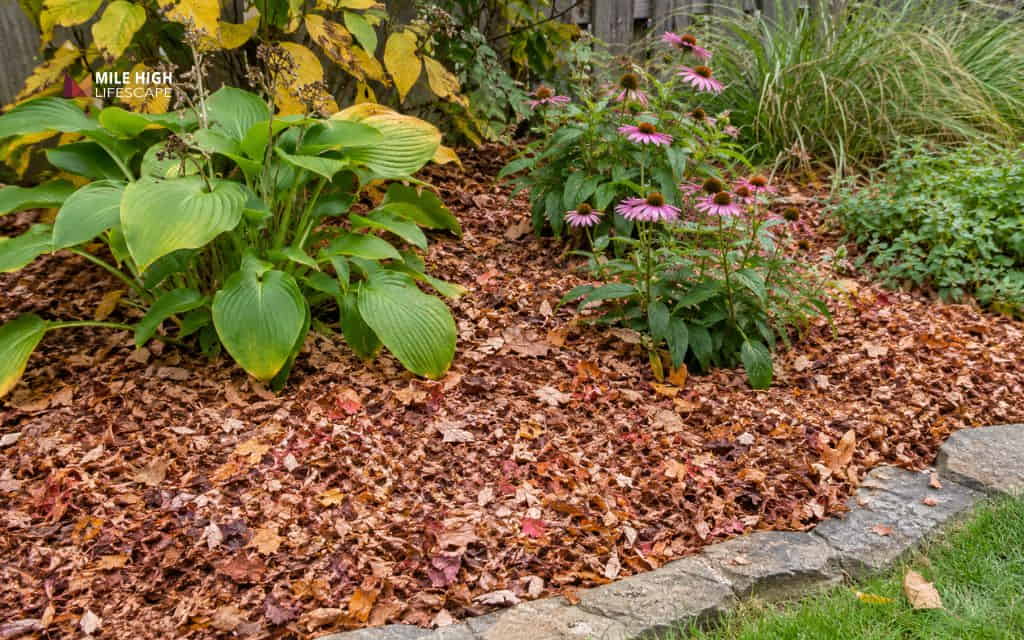
5. Shredded leaves
Shredded fall leaves offer an inexpensive way to cover garden soil while recycling material already on the property. They work especially well in perennial and vegetable beds, where their gradual breakdown adds organic matter.
Whole leaves can form dense, wet mats that restrict water movement or smother small plants. Shredding them with a mower helps create a more even layer. Because leaves settle and decompose, check the coverage periodically instead of continually piling on more material.
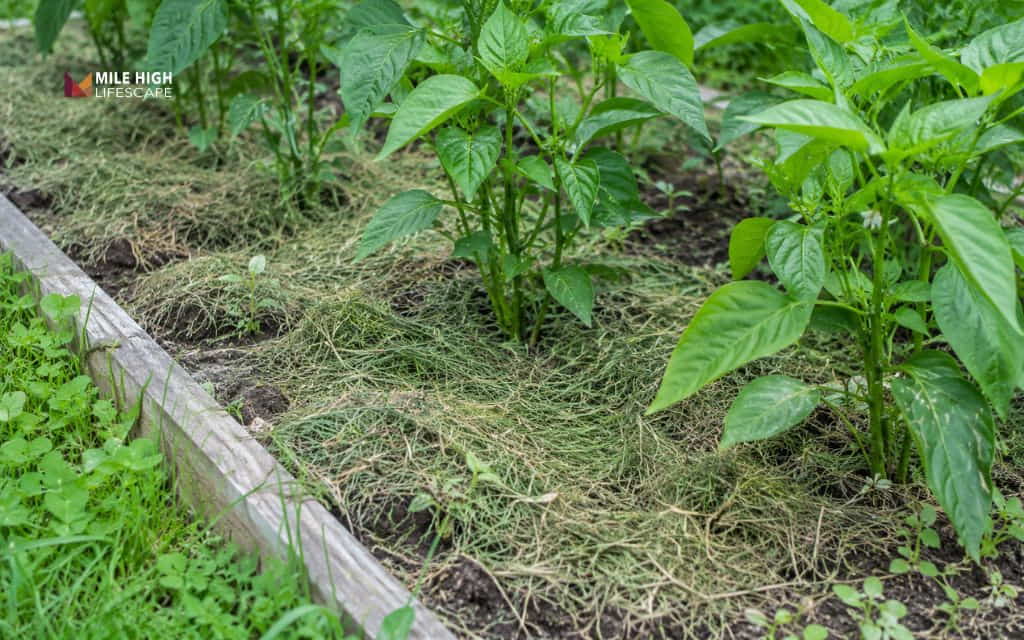
6. Grass clippings
Grass clippings can be used as a short-lived mulch around some garden plants, provided they come from a lawn without problematic herbicide residues. They are readily available during the growing season and break down quickly, recycling nutrients into the soil.
Apply dry or partially dried clippings in thin layers. Thick piles of fresh grass may heat up, develop odors, or form a mat that limits water movement. Leaving clippings on the lawn is often the simpler option unless garden beds have a specific need.
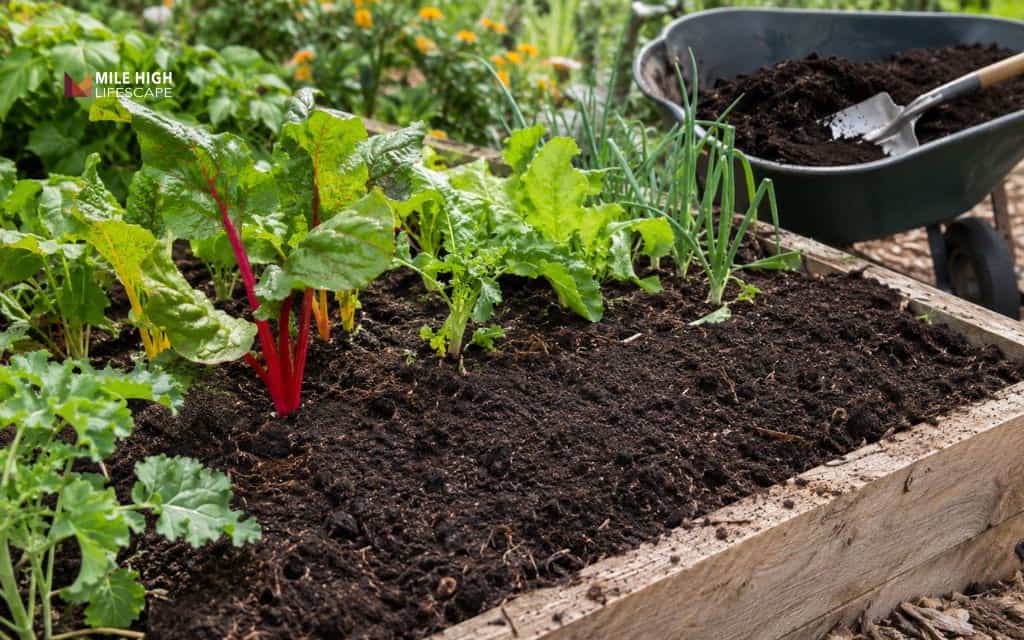
7. Compost
Finished compost can be spread over soil as a thin topdressing or surface mulch. It adds organic matter and plant nutrients while supporting soil structure, making it particularly useful in vegetable gardens and beds with depleted soil.
Fine compost does not usually block weeds as effectively as a deeper layer of coarse mulch. It also becomes incorporated into the soil relatively quickly. For longer-lasting surface coverage, gardeners often pair compost with a suitable layer of straw, leaves, or wood chips.
8. Sawdust
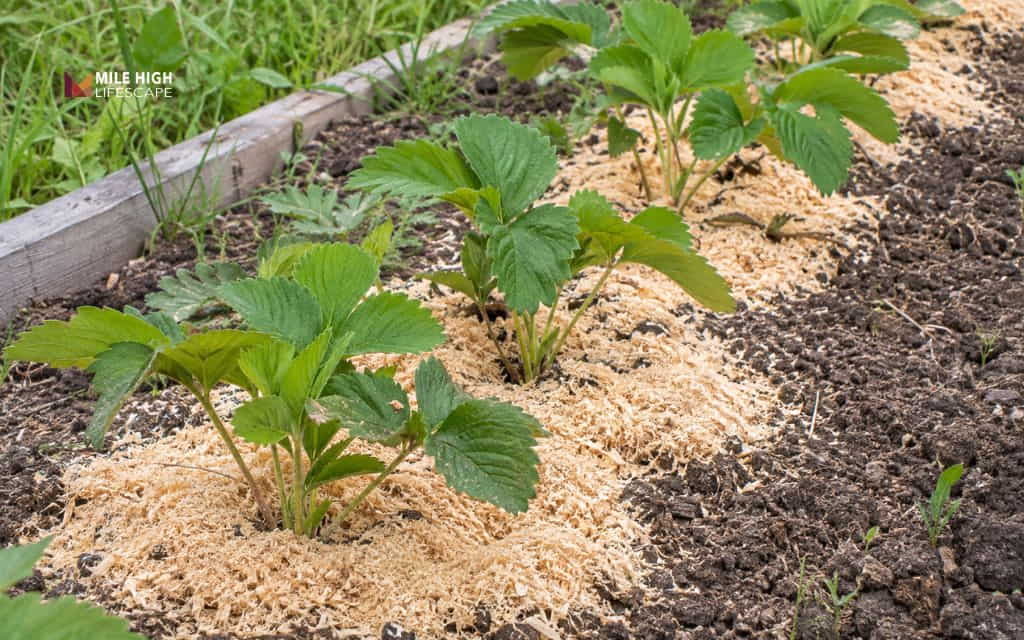
Sawdust is finely ground wood residue that may be available from sawmills or woodworking operations. Untreated, uncontaminated sawdust can cover soil in limited applications, but its fine particles compact easily and may shed water once dry.
Decomposing sawdust can temporarily tie up nitrogen near the soil surface, with a greater risk when it is mixed into the soil. Avoid sawdust from pressure-treated, painted, or otherwise chemically processed wood. Coarser organic materials are generally easier to manage in established planting beds.
9. Cardboard mulch
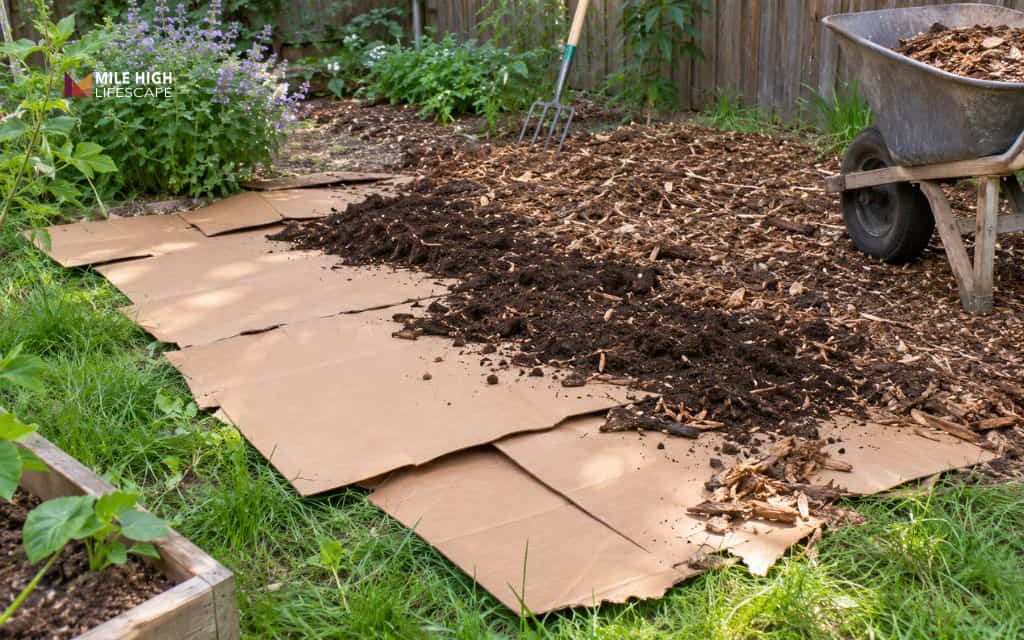
Plain, uncoated cardboard is sometimes used as a temporary layer in sheet mulching, especially when converting weedy ground into new planting space. The cardboard blocks light while a layer of organic material above it improves appearance and helps hold it down.
Remove tape, labels, and staples before use. Overlapping sheets can restrict air and water movement, particularly if they dry out or are applied too thickly. Cardboard is best treated as a site-preparation technique rather than a routine mulch around established plants.
4 types of inorganic mulch
Inorganic materials can suit pathways, utility areas, and certain specialized growing systems. Their durability is useful, but long life does not automatically mean they are best for plant health.
1. Rock and gravel mulch
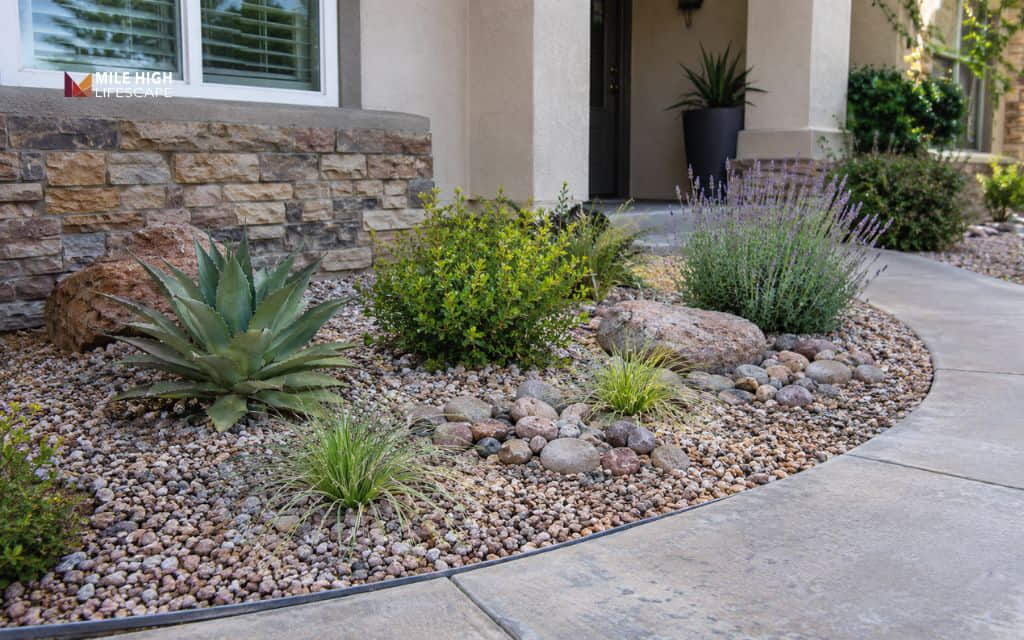
Pea gravel, crushed stone, and decorative rock provide a long-lasting surface that does not need replenishment as it decomposes. Smaller gravel can be useful in dry-style planting designs, while larger stones are often better as accents, drainage features, or pathway materials.
Rock adds no organic matter and can be difficult to remove if planting plans change. Stone also transfers heat differently from organic mulch, which may help some plants but create stress for others. Soil, plant type, and exposure should guide its placement.
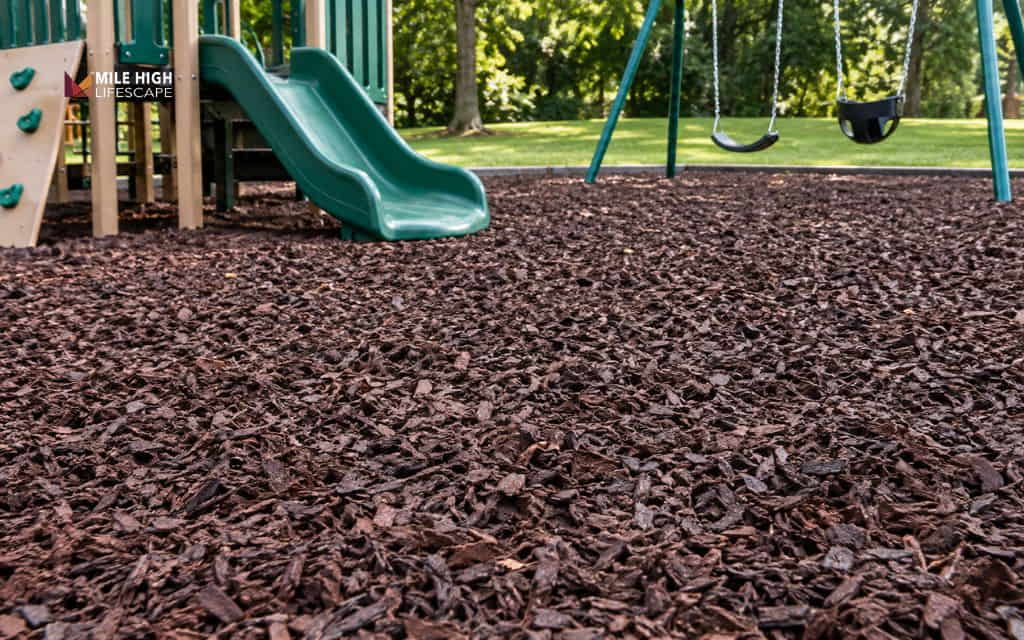
2. Rubber mulch
Rubber mulch is usually manufactured from recycled rubber and is marketed for its durability and consistent appearance. It is sometimes used around play areas and other non-growing surfaces where a specialized product is appropriate.
For garden beds, rubber is generally a less desirable option. It does not improve soil, can become hot in exposed locations, and raises concerns about material breakdown and environmental contamination. Avoid using it around edible crops, and assess product-specific safety requirements for playground applications.
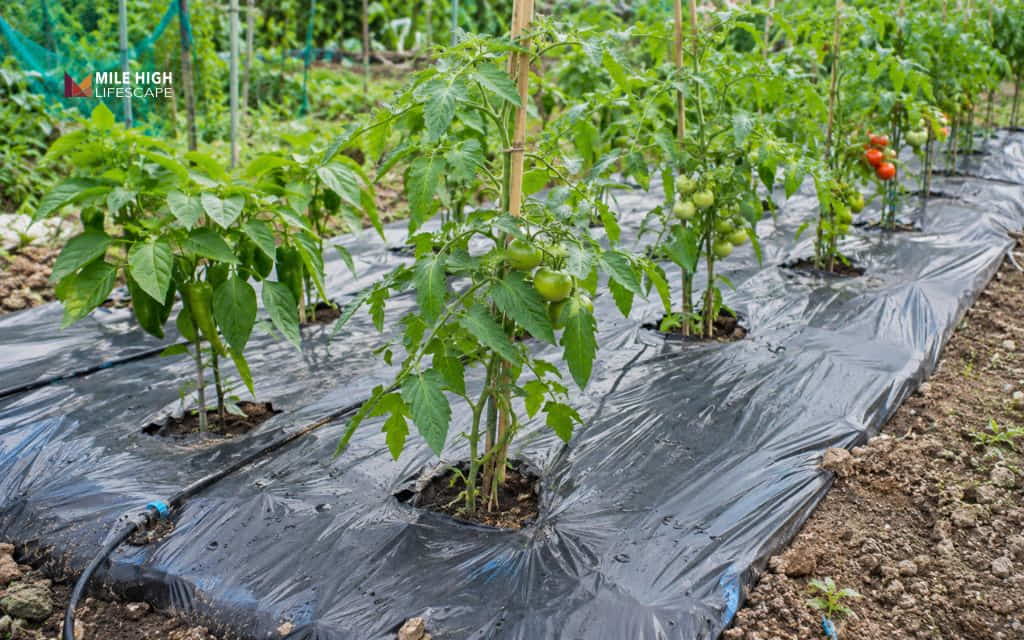
3. Plastic mulch
Plastic mulch consists of sheets or films laid over prepared soil, often with planting holes for crops. Black film can help suppress weeds and warm soil, which may benefit certain vegetables early in the season. Other colors are used for more specialized production goals.
Plastic does not permit normal water and air exchange through the covered surface, so irrigation and drainage must be planned before installation. It also creates removal and disposal work. For these reasons, plastic film is usually better suited to short-term crop production than permanent ornamental beds.
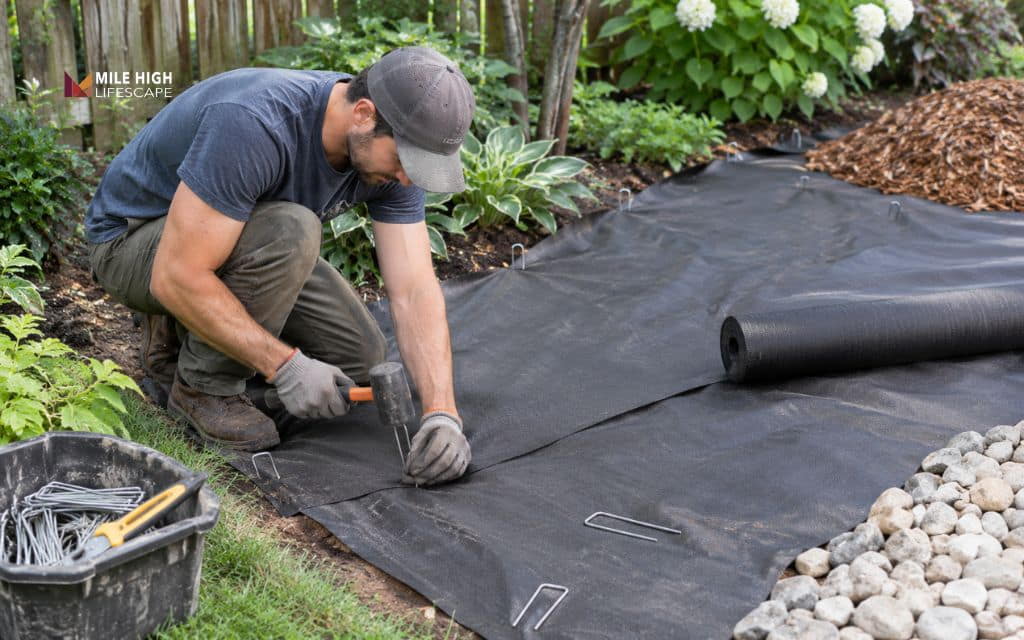
4. Landscape fabric
Landscape fabric is a woven or nonwoven synthetic sheet placed over soil, often beneath gravel or another surface material. It can initially reduce weed growth, and some fabrics allow water to pass through when new.
Over time, soil and debris collect on top, allowing weeds to establish. Fabric can also clog, restrict water movement, and become difficult to remove from beds filled with plant roots. It is generally not necessary beneath a properly maintained layer of organic mulch and is best reserved for situations where its limitations can be managed.
Organic vs. inorganic mulch: Which is better?
Neither category is best for every landscape. Organic mulch is usually the stronger choice around plants when soil health matters, while certain in organic materials suit long-lasting paths, drainage features, or specific crop-growing methods.
| Factor | Organic mulch | Inorganic mulch |
| Soil improvement | Adds organic matter as it decomposes | Does not add organic matter |
| Longevity | Requires replenishment as it breaks down | Stone lasts for years; films and fabrics can deteriorate |
| Weed control | Helps block light when applied at a suitable depth | Varies by material and installation |
| Moisture and temperature | Often buffers soil moisture loss and temperature changes | Effects vary; some stones transfer more heat and films restrict water entry |
| Maintenance | Occasional topping up and loosening | Cleaning, weeding, removal, or replacement may still be needed |
| Common uses | Planting beds, trees, shrubs, vegetable gardens | Paths, decorative stone areas, specialized crop production |
For most mixed planting beds, coarse organic mulch offers a useful balance of soil protection and manageable maintenance. Decorative stone or other inorganic materials may be preferable where plant requirements and site conditions support them.
How to choose the right type of mulch
Start with the purpose of the area rather than a preferred color. Consider the plants, drainage, exposure to wind or runoff, local material availability, and how frequently you can maintain the bed.
Best mulch for flower beds
Shredded bark, fine wood chips, and shredded leaves are practical choices for many flower beds. Bark provides a neat finish, while leaves add organic matter at low cost. Keep mulch clear of delicate stems and the crowns of perennials, and avoid burying low-growing plants.
When creating or renovating planting areas, flower bed services can help coordinate bed preparation, plant placement, and mulch selection so the finished space is easier to maintain.
Best mulch for vegetable gardens
Clean straw, shredded leaves, and finished compost are commonly useful in vegetable beds. Straw and leaves help cover open soil between crops, while compost is better suited to improving soil fertility than creating a thick weed-blocking layer.
Select materials free of persistent herbicide residues, treated wood, and unwanted seeds. Keep heavy mulch away from emerging seedlings and adjust coverage as plants grow.
Best mulch for trees and shrubs
Coarse wood chips and shredded bark are reliable options around many trees and shrubs. They help reduce competition from weeds and lawn grass while covering the root zone. Spread mulch outward in a broad, even area rather than building a tall ring immediately next to the trunk.
Leave a clear gap around bark and woody stems. Excess moisture held against trunks can encourage decay and create favorable conditions for pests.
Best mulch for pathways and decorative areas
Wood chips make comfortable, natural-looking informal paths but require occasional replenishment. Gravel and crushed stone can handle repeated foot traffic and provide a more permanent surface when installed on a suitable base.
Think about how the path drains and whether loose material might spill into lawns or walkways. Material movement is especially important where beds or paths slope.
Best mulch for low-maintenance landscaping
Coarse bark and wood chips offer relatively long-lasting organic coverage without making future replanting difficult. Gravel can also limit replacement work in suitable areas, though leaves, windblown soil, and weeds still need attention.
Low maintenance should not mean ignoring plant needs. Choose materials that suit the root environment before prioritizing how long they last.
Common mistakes to avoid when using mulch
Even suitable mulch can perform poorly when applied incorrectly. Watch for these common problems:
- Piling mulch too high: Excessive depth can restrict air and water movement. For many established beds, a layer of roughly 2 to 3 inches of coarse organic mulch is a useful starting point, but finer or lighter materials may require different depths.
- Covering trunks and stems: Keep mulch away from tree trunks, shrub bases, and plant crowns to reduce moisture-related damage.
- Using contaminated materials: Avoid treated wood residues and grass clippings with potentially harmful herbicide residues.
- Ignoring water movement: Loose mulch may wash downhill or spill onto paths. Knowing how to keep mulch in place is especially important for sloped or exposed beds.
- Assuming landscape fabric is maintenance-free: Weeds can grow in debris above the fabric, and removal can become difficult over time.
- Adding new mulch without checking the old layer: Measure the remaining depth first. Loosen matted material when appropriate and add only what is needed.
Conclusion
Choosing the right type of mulching starts with understanding what each material does for the soil, plants, and surrounding landscape. Organic options such as wood chips, bark, straw, and leaves work well in many growing areas, while stone and specialized synthetic products have narrower applications. The best results come from matching the material to the site and applying it correctly.
For homeowners in Denver and surrounding Colorado communities, Mile High Lifescape provides professional mulch installation services based on your planting beds, landscape goals, and maintenance needs. Call (303) 877-9091 to request a free estimate.
Frequently asked questions (FAQs)
What is the best type of mulch for landscaping?
Wood chips and shredded bark are versatile choices for many planting beds because they conserve moisture, suppress some weeds, and gradually contribute organic matter. The best material still depends on the plants and site conditions.
Which type of mulch lasts the longest?
Stone and gravel do not decompose like organic mulch and can remain in place for many years. Among common organic materials, coarse wood chips and bark generally last longer than grass clippings, leaves, or compost.
What is the cheapest type of mulch?
Shredded leaves and untreated grass clippings can cost little or nothing if they are already available on your property. Tree-care companies or local programs may also offer low-cost wood chips, although delivery and material quality vary.
Which mulch is best for preventing weeds?
Coarse organic mulch applied at an appropriate depth can suppress many weed seedlings by limiting light at the soil surface. No mulch stops every weed, particularly established perennial weeds or seeds that land on top later.
Does mulch attract termites or other pests?
Mulch does not automatically cause a termite infestation, but consistently damp areas near foundations can provide favorable conditions for some pests. Keep wood-based mulch away from direct contact with siding or structural wood, and follow local pest-management guidance.
Can you mix different types of mulch?
Yes. Finished compost beneath wood chips or shredded leaves beneath bark can combine soil improvement with longer-lasting surface coverage. Avoid creating excessively thick layers or adding impermeable barriers that restrict water and air movement.