Does grass fertilizer go bad? It can, but an old bag or bottle is not automatically useless. Many dry granular lawn fertilizers remain effective for years when stored in a cool, dry place. Liquid fertilizers, organic formulations, and products containing weed killers may have different storage limits.
Moisture, extreme temperatures, and damaged packaging can also affect how a product performs. Before throwing out leftover fertilizer or spreading it across your lawn, check what type you have, how it was stored, and whether its condition has changed.
Why lawn fertilizer can deteriorate during storage
Most lawn fertilizers supply nitrogen, phosphorus, and potassium, often identified by the three numbers on the package. Many of these nutrients remain chemically stable in dry mineral fertilizers, which is why a bag can stay usable long after purchase. Problems often begin when the product absorbs moisture or is exposed to conditions its formulation cannot tolerate.
Clumped granules may become difficult to spread evenly. Liquid products can separate or develop deposits, while fertilizers containing biological ingredients or herbicides may lose performance over time. Shelf life depends on the complete formulation, not just the age of the fertilizer.
How long does lawn fertilizer last?
There is no single expiration period for every product. The form of fertilizer and its ingredients provide the best starting point.
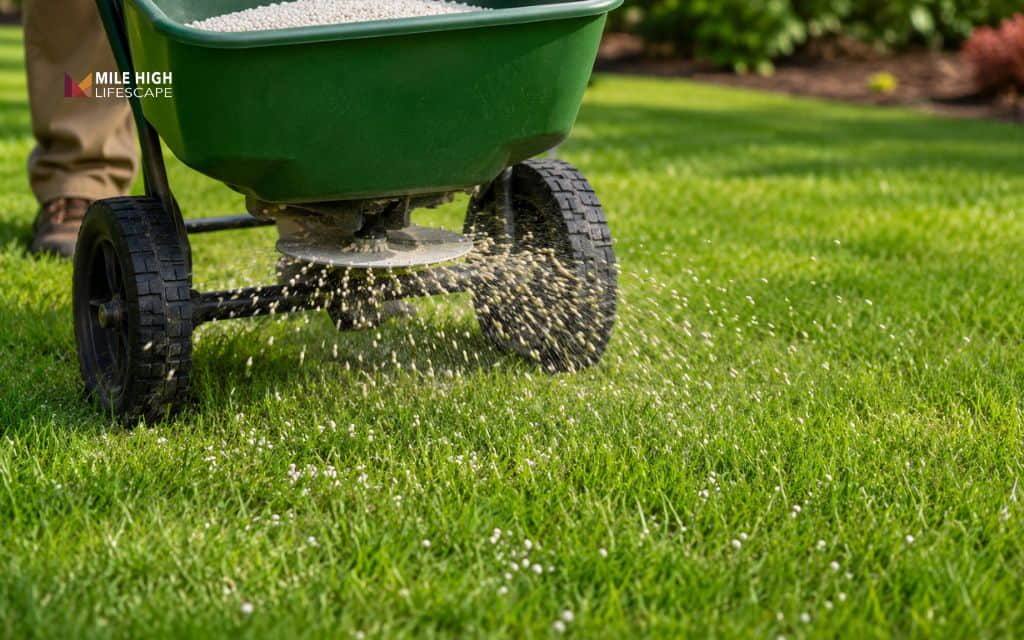
Granular fertilizer
The shelf life of granular fertilizer is often long, especially for dry synthetic products without added pesticides. Some manufacturers, including Scotts, describe the shelf life of their dry fertilizer-only products as indefinite under suitable storage conditions. That does not mean the packaging is immune to damage or that wet, hardened material will spread properly.
Keep granular products dry and sealed. Even when their nutrients remain present, caked granules can deliver an uneven application and may be better replaced.
Liquid fertilizer
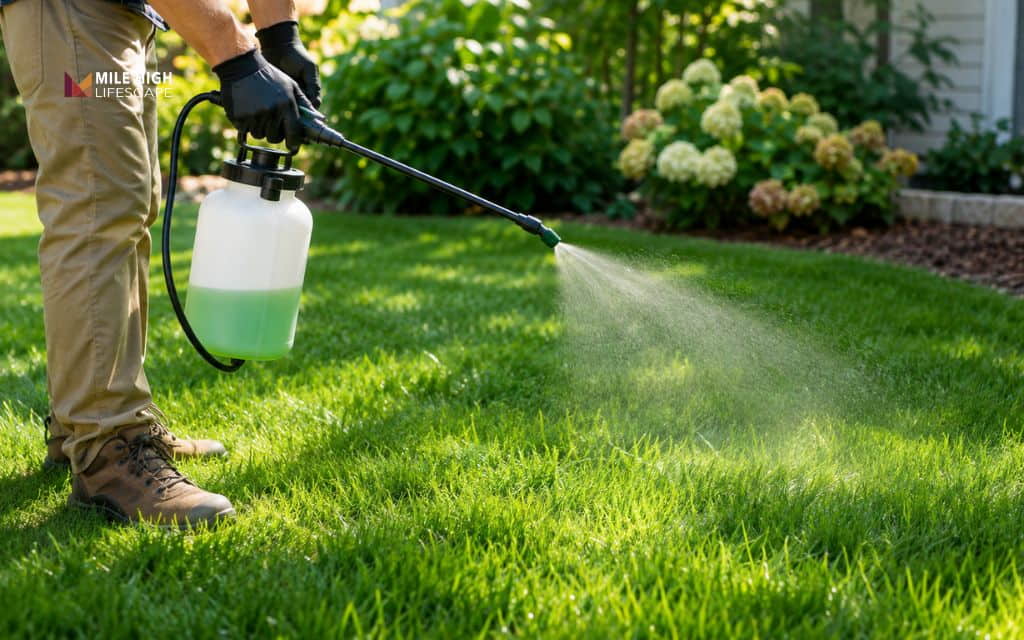
Liquid lawn fertilizers generally have more product-specific storage requirements. Freezing, prolonged heat, evaporation, or separation can change the formulation. Some products can be mixed again according to label directions, while persistent layers or crystals may indicate a problem.
For example, Scotts lists a minimum shelf life of three to four years when properly stored for its Liquid Turf Builder Lawn Food, although it may last longer. Check the label or manufacturer for the particular bottle rather than assuming all liquids last the same number of years.
Organic fertilizer
Dry organic fertilizers made from processed plant or animal materials may remain usable for extended periods if kept dry. Their condition depends on the ingredients, processing, and packaging. Products that contain living microorganisms or liquid organic components may have shorter, manufacturer-defined shelf lives.
Some organic products naturally have a noticeable odor, so smell alone does not prove spoilage. Unexpected mold, water damage, or a major change from the product’s original condition deserves closer attention.
Weed-and-feed fertilizer
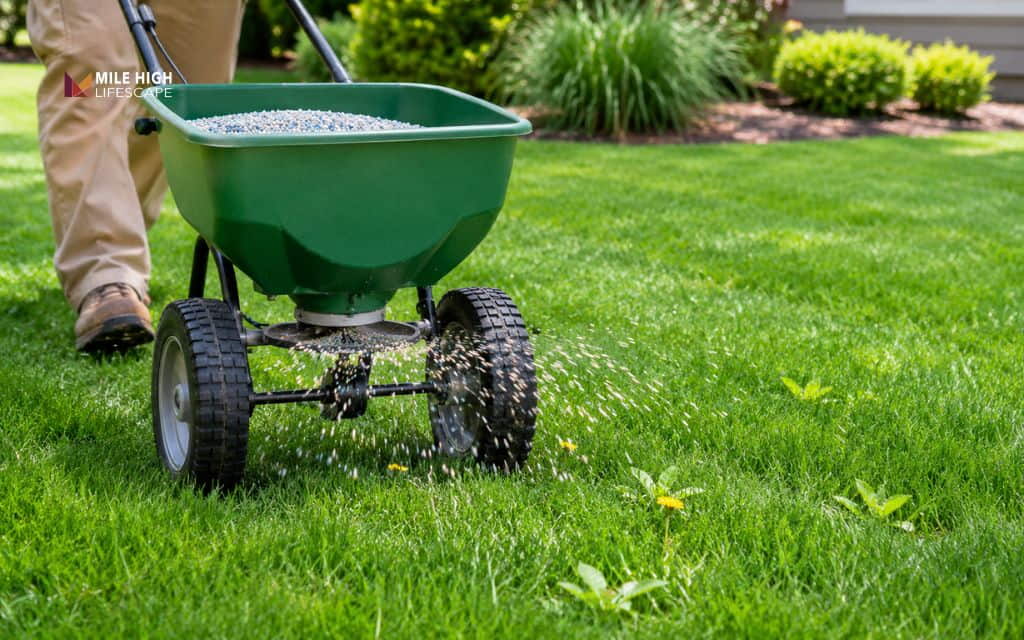
Weed-and-feed products combine lawn nutrients with herbicides. Even when the fertilizer portion remains stable, the weed-control ingredients have their own storage and performance limits. Moisture can also damage coated granules.
Follow the complete product label and ask the manufacturer about older supplies. Never treat weed-and-feed as ordinary fertilizer when deciding whether to use or discard it.
How can you tell if lawn fertilizer has gone bad?
Look at the product before loading a spreader or attaching a sprayer. Signs that call for caution include:
- Hard, cement-like clumps: Granules may have absorbed moisture and become difficult to distribute at the intended rate.
- Wet or damaged packaging: Tears, leaks, or water stains suggest the contents may have been exposed to unfavorable conditions.
- Persistent liquid separation: Layers, sediment, or crystals that do not remix as directed can make application unreliable.
- Unusual mold or unexpected odors: Changes from the product’s normal appearance or smell may indicate contamination or deterioration.
- Missing labels: Without the original directions, you cannot reliably confirm the ingredients, application rate, or safety precautions.
Minor clumping does not always mean a dry fertilizer has lost its nutrients. Still, poor flow through a spreader can leave some areas underfed and others overfertilized. When the product’s condition is uncertain, seek manufacturer guidance before use.
Can you still use old lawn fertilizer?
Often, yes, particularly when dry fertilizer has remained sealed, free-flowing, and clearly labeled. Before applying an older product, work through three questions:
- Is the product identifiable? Confirm its ingredients, intended use, and original application instructions.
- Was it stored properly? Check for moisture exposure, excessive heat, freezing where prohibited, and container damage.
- Can it be applied evenly and as directed? Avoid material that will not mix, dissolve, or pass through equipment properly.
Never increase the application rate because fertilizer is old. More fertilizer can burn grass, waste nutrients, and contribute to runoff. If you need a replacement, choosing the right lawn fertilizer for your grass and soil matters as much as choosing a fresh package.
What affects the shelf life of lawn fertilizer?
Moisture is a major threat to stored granular fertilizer. Many mineral fertilizers absorb water from humid air, causing particles to stick together or harden. Temperature extremes are especially important for some liquids and pesticide-containing products. Open containers face greater exposure to air and humidity, while sunlight and damaged packaging can worsen storage conditions.
Storage instructions on the original label should take priority over general advice because formulations differ.
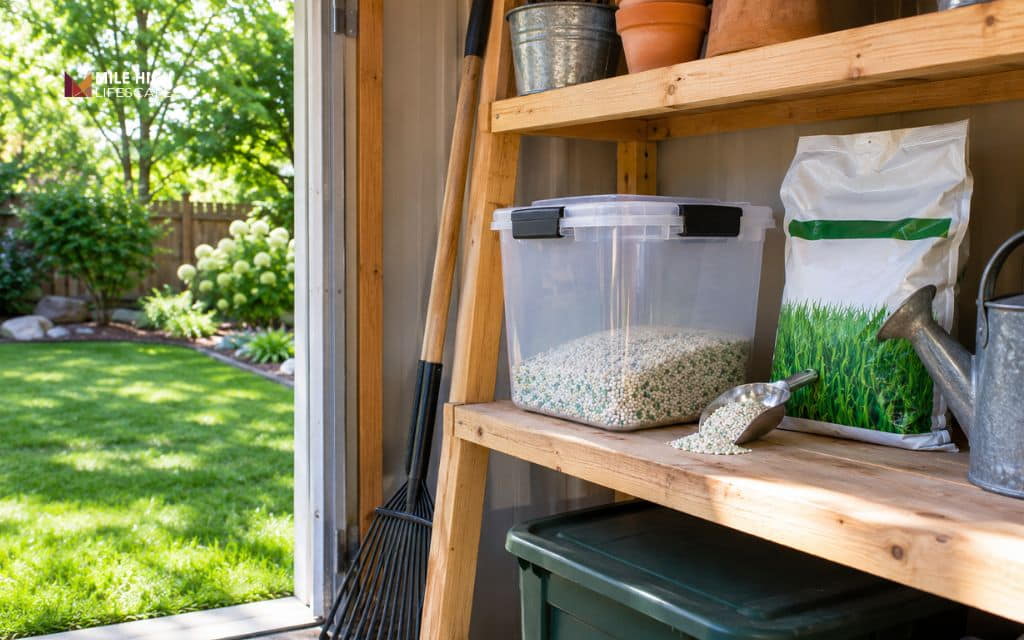
How to store lawn fertilizer properly
Good storage habits help you get more use from leftover products without guessing about their condition next season.
- Keep fertilizer in its original, labeled bag or container so the ingredients and application directions remain available.
- Place opened granular bags inside a larger container with a tight-fitting lid to limit moisture exposure.
- Choose a cool, dry, secure storage area protected from rain, direct sunlight, and extreme temperatures.
- Close liquid containers tightly and follow any warnings about freezing or maximum storage temperatures.
- Store products where children and pets cannot reach them, away from food and drinking water.
- Write the purchase or opening date on the package to make older supplies easier to identify.
For opened dry fertilizer, Iowa State University Extension recommends keeping the original bag inside a tightly sealed container to prevent moisture-related caking.
What should you do with unusable fertilizer?
Do not pour unwanted fertilizer into a drain, scatter it on pavement, or apply extra simply to empty the bag. Check the label and ask your local solid waste or household hazardous waste program how to dispose of the specific product. Fertilizers containing herbicides or pesticides may require different handling from fertilizer-only products.
Spreading leftover lawn fertilizer over shrubs or flower beds is not a safe disposal shortcut, either. Those areas may have different nutrient needs.
Discarding unusable fertilizer prevents an improper application, but it does not address an existing lawn problem. If grass remains thin or discolored, professional lawn care services can help identify whether soil conditions, watering, or maintenance needs attention before more fertilizer is applied.
Keep your lawn healthy with proper fertilizer care
Does grass fertilizer go bad? Sometimes, but proper storage can keep many dry lawn fertilizers usable for years. Look beyond the purchase date, inspect the product, and follow its specific label before applying anything to your grass. When the formulation or condition is uncertain, replacing the product is often more sensible than risking uneven results.
For homeowners in Denver and surrounding areas, Mile High Lifescape brings 20+ years of landscaping experience to practical lawn maintenance. When an existing lawn has extensive bare or damaged areas, our sod installation service can help establish new turf on properly prepared soil. Call (303) 877-9091 to discuss your lawn and request a free estimate.
Frequently asked questions (FAQs)
Can you use lawn fertilizer that is five years old?
Possibly. Properly stored dry mineral fertilizer may still be usable after five years. Inspect its condition and check the label. Older liquid, organic, and weed-and-feed products need closer review and may warrant a call to the manufacturer.
Does unopened lawn fertilizer expire?
Unopened fertilizer often stores better because the packaging limits exposure to moisture and air. However, unopened does not guarantee unlimited shelf life, especially for liquids, biological products, and formulations containing pesticides.
Does fertilizer go bad if wet?
Moisture can make dry fertilizer clump, dissolve, or harden. Light clumping does not always mean the nutrients are gone, but severely wet or caked material may no longer spread evenly. Follow the manufacturer’s advice rather than guessing at a new application rate.
Does fertilizer lose its potency over time?
Dry mineral nutrients may remain stable for a long time, but changes to a formulation can affect its performance. Liquid, biological, and pesticide-containing products have different risks. Age alone cannot tell you exactly how effective the fertilizer remains.
How long does fertilizer last once applied?
The feeding period depends on whether the product contains quick-release or slow-release nutrients, along with watering, temperature, and grass growth. Some products provide a relatively short feeding period, while controlled-release formulas can feed for several weeks or longer. Follow the product’s stated feeding duration and reapplication interval.
Can old fertilizer burn your grass?
Yes. Excessive application or uneven distribution can damage grass even when fertilizer has been stored for years. Hard clumps and spreader problems may increase the risk of applying too much in one spot. Always follow the labeled rate.