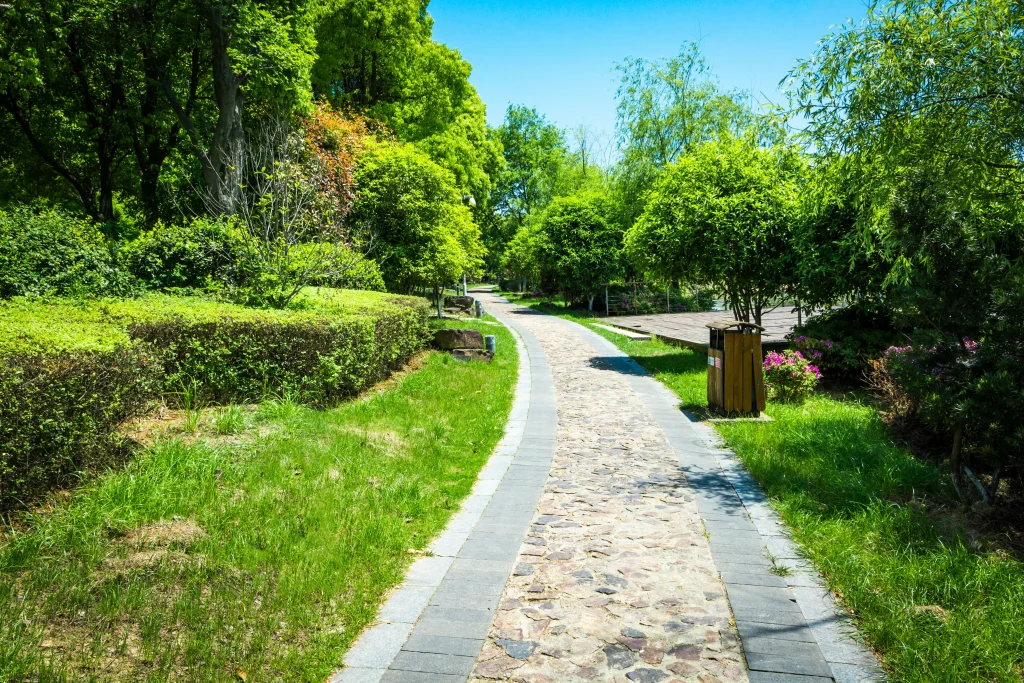
Bermuda grass sod creates a dense, durable lawn that performs best in warm, sunny conditions. It handles heat and wear well, but shade, winter dormancy, and Colorado’s shorter growing season should be considered before installation. Mile High Lifescape helps homeowners choose sod that fits the property and local conditions.
What Is Bermuda Grass Sod?
Bermuda grass sod is pre-grown warm-season turf harvested with an intact layer of roots and soil, then installed directly over prepared ground. Bermudagrass spreads through both stolons and rhizomes, which allows it to form a dense surface and recover relatively quickly from wear.
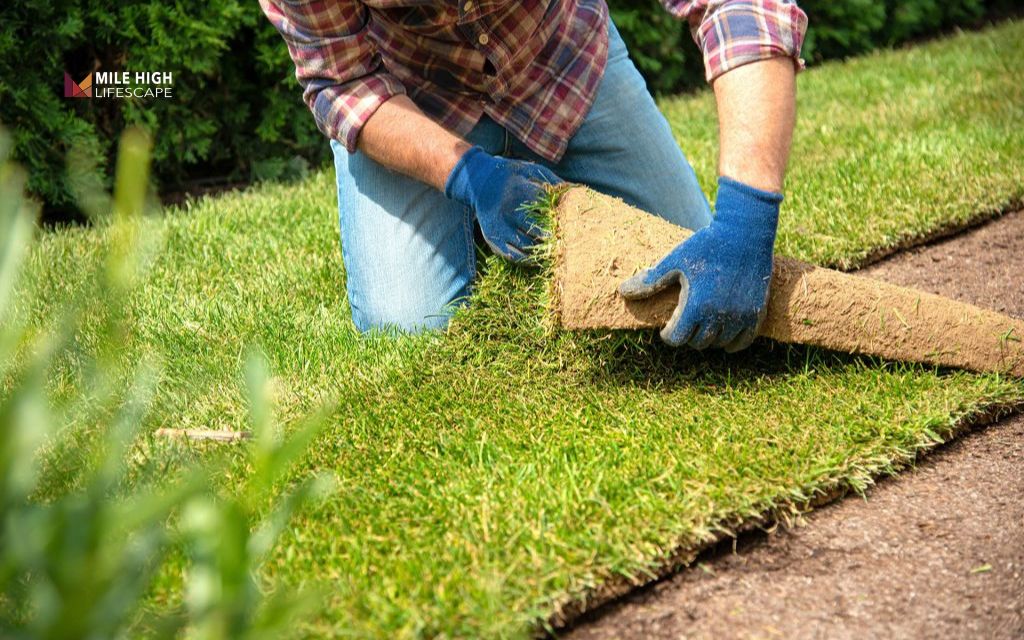
Unlike seed, Bermuda sod grass provides immediate ground coverage while the roots establish below. Growth becomes strongest during warm weather, then slows as temperatures fall. After the first hard frost, Bermuda normally becomes dormant and loses its green colour until warmer conditions return.
Benefits And Drawbacks Of Bermuda Grass Sod
Bermuda grass sod offers several useful qualities, but its growth habit also creates maintenance considerations. The decision should reflect sunlight, climate, lawn use, and the appearance you expect through winter.
Benefits Of Bermuda Sod
Bermuda performs strongly during hot weather and can recover quickly because its stolons and rhizomes spread across damaged areas. Once established, it also tolerates drought and regular foot traffic relatively well.
Key benefits include:
- Strong heat tolerance during active summer growth.
- Good drought resistance after establishment.
- Rapid recovery from moderate wear.
- Dense turf under full sunlight.
- Strong lateral growth across damaged areas.
- Good tolerance of frequent mowing.
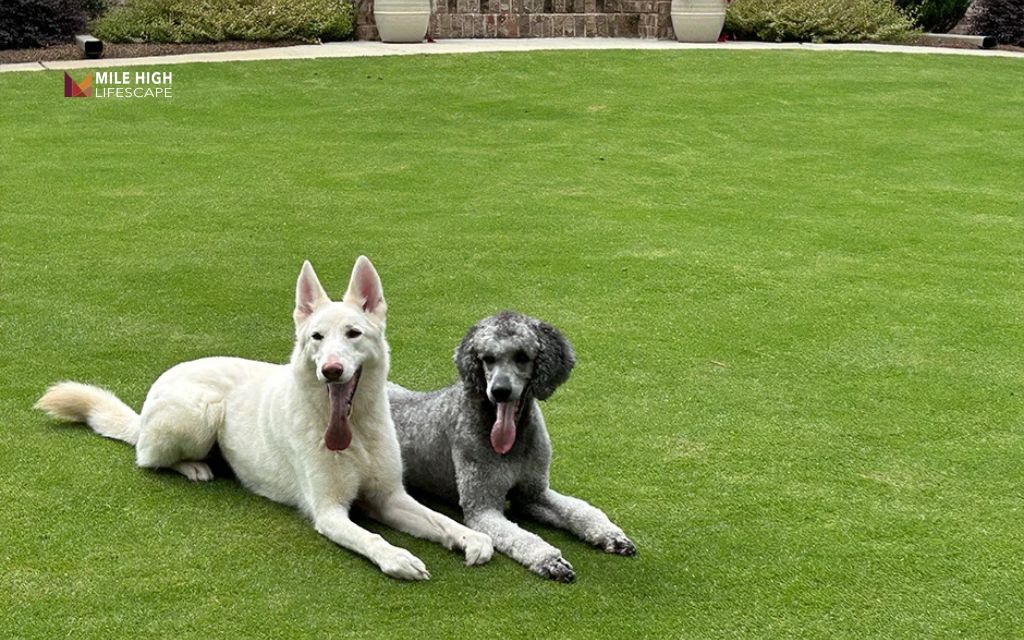
Drawbacks Of Bermuda Sod
Shade is one of Bermuda’s main limitations. Turf can become thin where buildings, fences, or mature trees block direct sunlight for much of the day.
Other considerations include:
- Poor performance in moderate or heavy shade.
- Brown winter dormancy after frost.
- Aggressive spreading into nearby beds.
- Regular mowing during active growth.
- Possible thatch development under intensive management.
- Shorter green season in colder climates.
Bermuda grass sod is therefore best treated as a site-specific choice rather than an automatic option for every property.
What Conditions Does Bermuda Grass Sod Need?
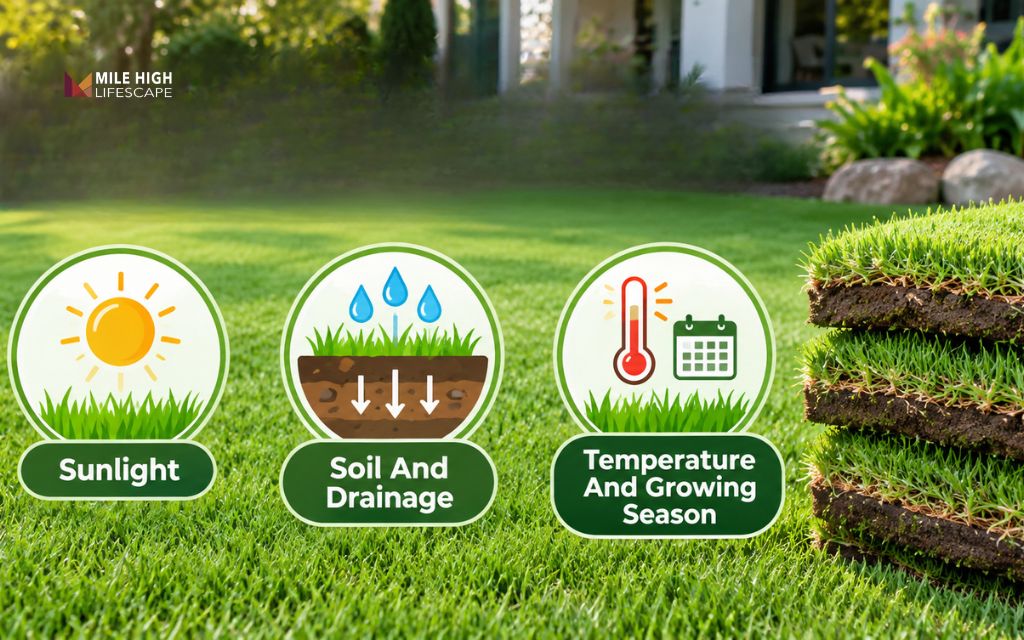
The strongest Bermuda lawns develop where sunlight, drainage, and summer temperatures support active growth. Check these conditions before ordering sod rather than trying to correct an unsuitable site after installation.
Sunlight
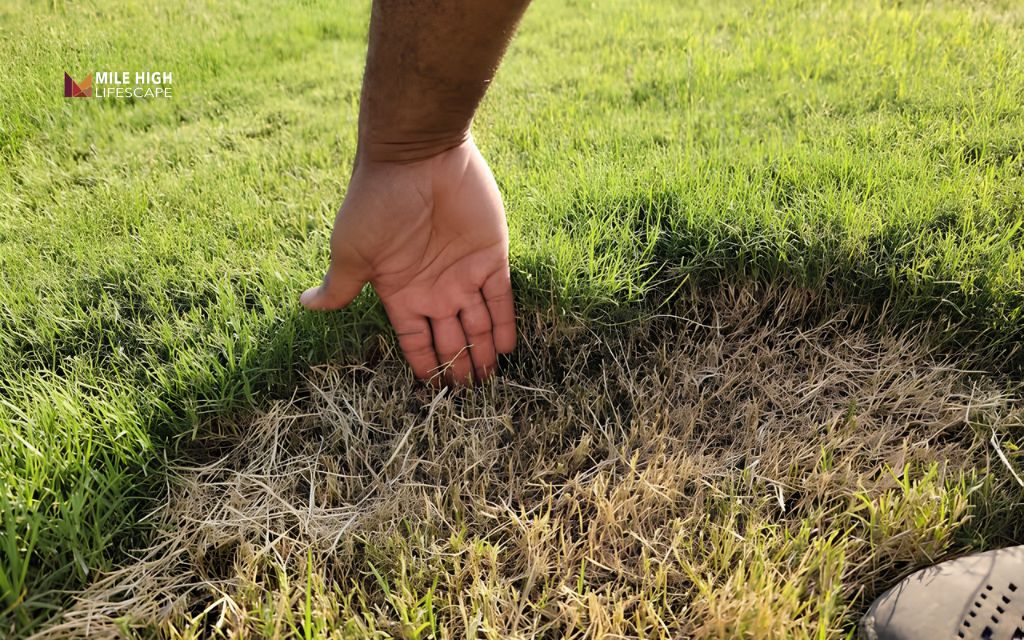
Bermuda grass sod performs best in full sun, where strong light supports dense growth, faster recovery, and more even colour. Shaded areas often become thinner because Bermuda has relatively poor shade tolerance. Before installation, it helps to observe how buildings, fences, and trees affect the lawn throughout the day.
Soil And Drainage
Bermuda grass sod can adapt to different soil types, but the ground should drain well and remain loose enough for roots to penetrate. Compacted soil, low spots, or poor grading can slow establishment and create uneven growth. Good results depend heavily on preparing the soil for sod so the root zone has suitable structure and close contact with the new turf. The finished surface should feel firm without becoming hard or compressed.
Temperature And Growing Season
Bermuda is a warm-season grass, so it grows most actively during hot weather and slows as temperatures fall. Frost usually sends the turf into dormancy, which means the lawn may turn brown through winter before greening again in warmer conditions. Installation works best when there is enough warm weather left for roots to establish properly.
Is Bermuda Grass Sod Suitable For Colorado Lawns?
Bermuda grass sod can work in Colorado, but it is not the default choice for every Front Range property. Colorado guidance notes that Bermudagrass can be used successfully in many parts of the state below roughly 6,500 feet, particularly in warmer, sunny locations.
Homeowners should also expect a shorter green season than with common cool-season turf. Bermuda usually greens later in spring and turns brown after the first hard frost.
For Colorado lawns, consider:
- Elevation and local winter temperatures.
- Daily sun exposure.
- Desired winter appearance.
- Irrigation availability.
- Lawn traffic and intended use.
- Whether aggressive spreading will suit nearby landscaping.
Bermuda Grass Squares, Pieces And Sod Rolls
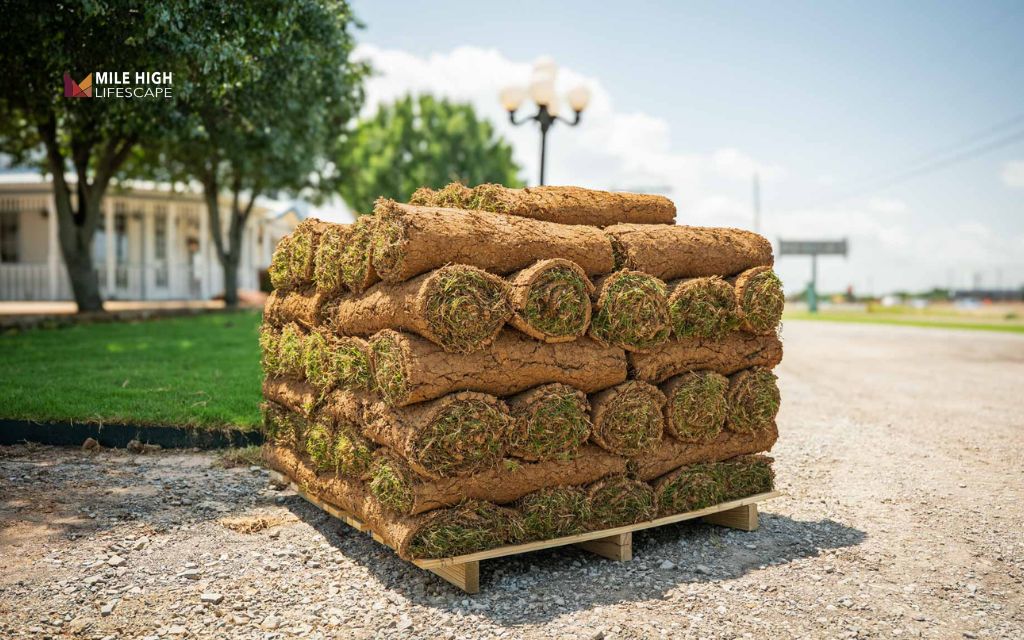
Bermuda grass sod may be sold as squares, individual pieces, or longer rolls, depending on the supplier and harvesting method. The size can vary, so it is important to confirm coverage before ordering. Bermuda grass squares and Bermuda sod pieces should arrive fresh, moist, and intact, with enough extra material allowed for trimming around edges and landscape features.
How To Install Bermuda Grass Sod
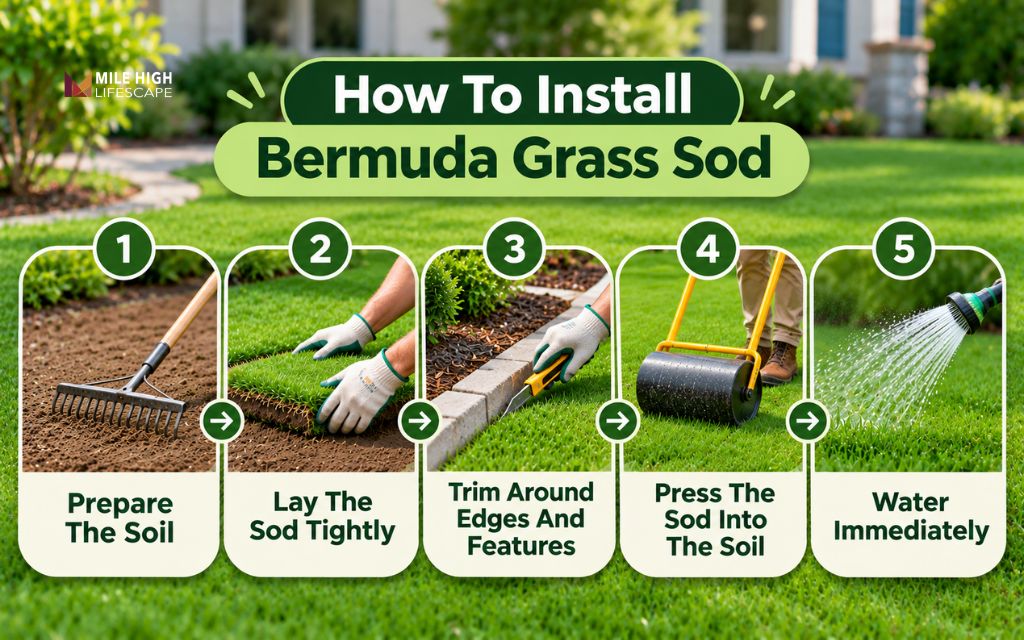
Bermuda grass sod establishes more evenly when the soil is prepared properly, the pieces fit closely together, and moisture reaches the root zone immediately after installation. Each step should support firm sod-to-soil contact without compacting the ground too heavily.
1. Prepare The Soil
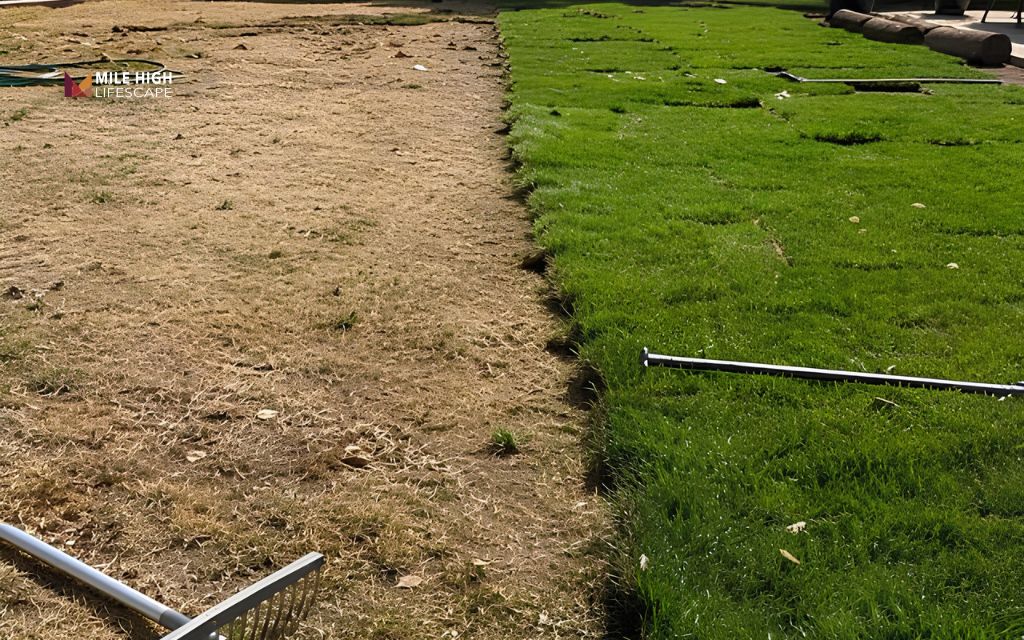
Clear away old turf, weeds, stones, and debris before laying bermuda grass sod. Loosen compacted areas, correct uneven grading, and create a smooth surface that allows roots to move into the soil. The ground should feel firm enough to support the sod without becoming hard or compressed.
2. Lay The Sod Tightly
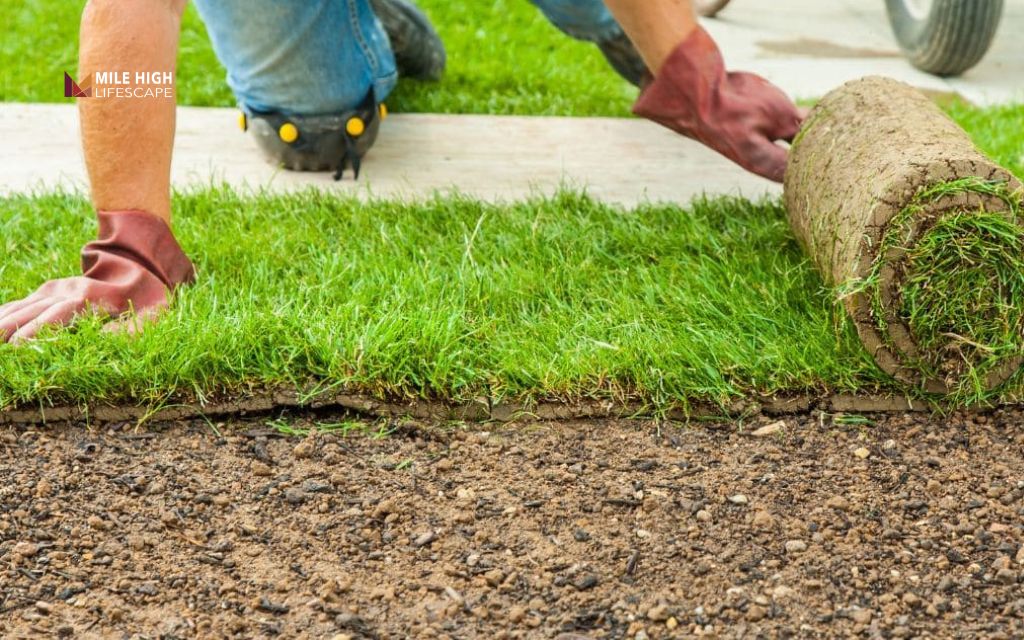
Place each section of bermuda sod grass firmly against the next so there are no open gaps between pieces. Stagger the seams between rows rather than lining them up continuously. Tight placement helps reduce moisture loss along the edges and creates a more even surface as the turf begins to establish.
3. Trim Around Edges And Features
Cut bermuda sod pieces carefully around walkways, planting beds, sprinkler heads, and curved borders. Clean cuts fit more securely and are less likely to dry out than small, loose scraps. Avoid stretching the sod to fill gaps, as this can create weak seams after the turf settles.
4. Press The Sod Into The Soil
Lightly press or roll the bermuda grass sod once the installation is complete. This removes air pockets and improves contact between the roots and prepared soil below. Extra attention should go to seams and outer edges, where poor contact can lead to uneven rooting or early drying.
5. Water Immediately
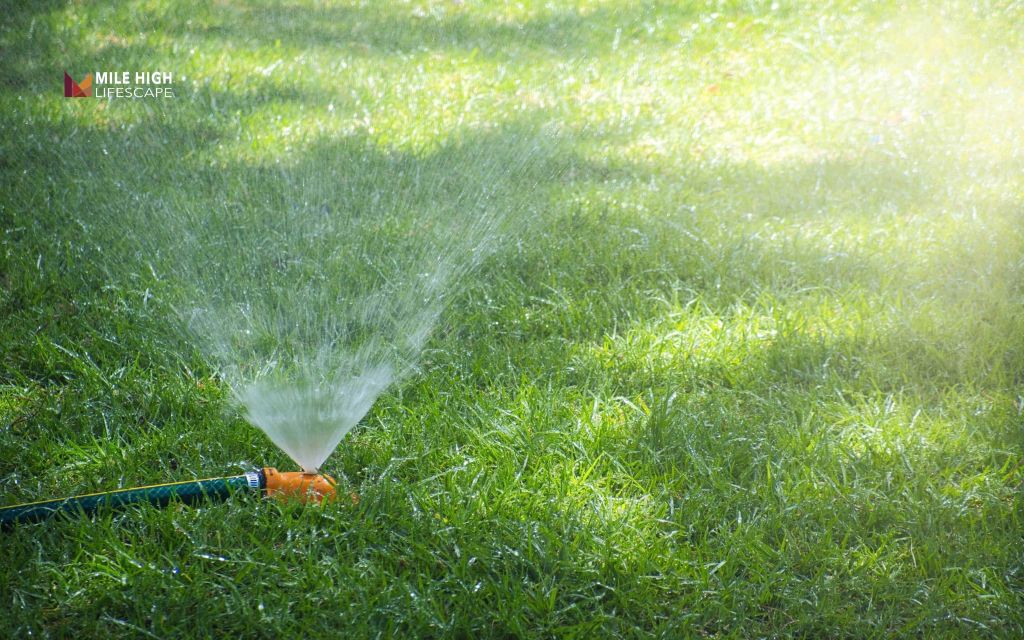
Water the bermuda grass sod as soon as it is laid so moisture passes through the turf and reaches the soil underneath. Keep the root zone consistently moist during early establishment, then reduce watering gradually as the roots begin to anchor. Avoid leaving the surface waterlogged, as saturated soil can slow healthy root development.
Practical Tips For Establishing Bermuda Grass Sod
The first few weeks after installation determine how well the new turf settles into the soil. Bermuda grass sod needs steady moisture, limited disturbance, and enough sunlight to build a stronger root system before normal lawn use resumes.
- Give the sod time to root before allowing heavy foot traffic.
- Keep the root zone consistently moist during early establishment.
- Reduce watering gradually as roots begin to grow deeper.
- Wait until the turf feels secure before the first mow.
- Maintain strong sunlight to support dense Bermuda growth.
- Watch seams and edges closely for signs of drying.
- Expect better heat and traffic tolerance than many cool-season grasses.
- Remember that Bermuda performs poorly in shade and turns brown during winter dormancy.
Common Bermuda Sod Problems To Watch For
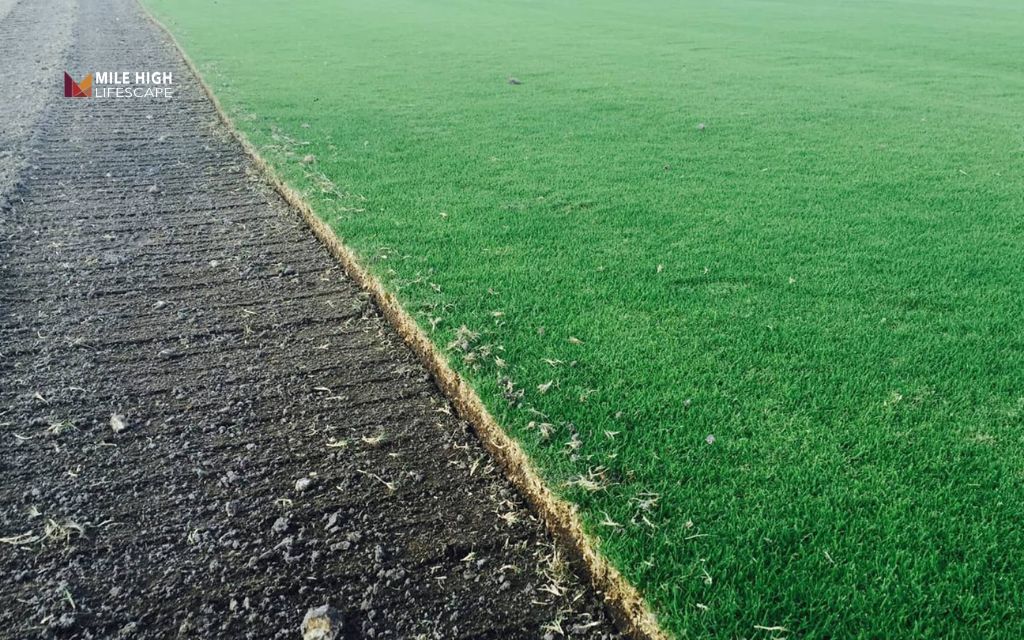
Bermuda sod can struggle when moisture, sunlight, or soil contact is inconsistent. Dry seams, loose sections, thin shaded areas, and uneven colour often appear first when establishment conditions are not ideal.
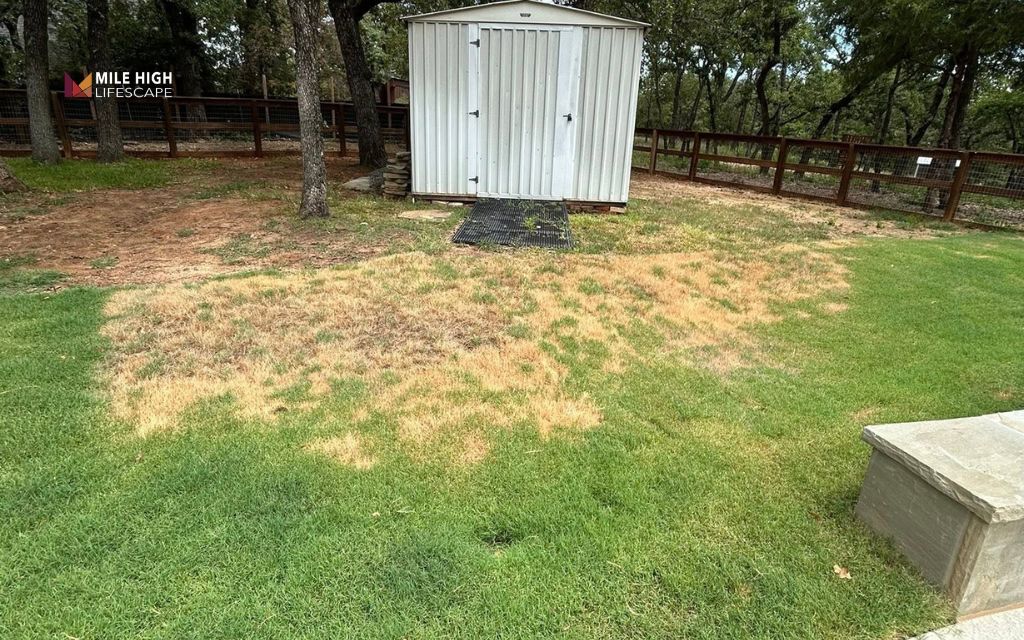
Excess water can also slow rooting, while winter dormancy may cause Bermuda to turn brown even when the grass is still healthy. Early attention to these changes makes it easier to separate normal seasonal behaviour from a genuine lawn problem.
Mile High Lifescape: Professional Sod Installation For Better Lawn Results
Sod installation can look straightforward, but small mistakes in timing, layout, watering, or handling often show up later as dry seams, uneven rooting, or patchy growth. Mile High Lifescape helps homeowners avoid those setbacks with a complete installation service built around careful preparation, precise placement, and a clean finished result.

With over 20 years of experience, we can take the project from old-lawn removal through final sod placement and early-care guidance. Our professional Sod Installation service is designed for homeowners who want a faster, more reliable way to replace worn turf and start with a lawn that looks finished from day one.
Bermuda grass sod can be a strong choice for sunny lawns that need durability, fast recovery, and reliable summer performance. Its success depends on matching the grass to the site, installing it carefully, and managing the early establishment period well. For homeowners, the key is deciding whether Bermuda’s warm-season growth and winter dormancy fit the way the lawn will be used throughout the year.
Ready to give your lawn a stronger start? Contact Mile High Lifescape at (303) 877-9091 to discuss the right sod installation approach for your property.