Your lawn maintenance fall checklist should do more than clear away leaves. Cooler weather gives many lawns an opportunity to recover from summer stress, but the right work depends on the grass you grow and how soon winter arrives.
For cool-season turf, fall is often the best time to fertilize, aerate, and repair thin areas. Warm-season lawns need a different approach as growth slows. This fall lawn care guide explains what to do, when to do it, and which tasks to skip so your grass enters the next season in better condition.
Why fall lawn care depends on your grass type
Before setting a fall lawn maintenance schedule, identify whether your lawn contains primarily cool-season or warm-season grass. Growth patterns matter more than the date on the calendar.
Cool-season grasses
Kentucky bluegrass, tall fescue, fine fescue, and perennial ryegrass grow especially well during the milder temperatures of spring and fall. After summer heat subsides, these grasses can regain density and develop stronger roots before winter. Early fall is commonly a suitable period for overseeding, core aeration where needed, and fertilizer applications matched to the lawn’s needs.
Do not assume every cool-season lawn needs every treatment. Healthy, lightly used turf may require only mowing, leaf management, and a modest amount of seasonal feeding.
Warm-season grasses
Bermudagrass, zoysiagrass, St. Augustinegrass, and centipedegrass grow most vigorously in warm weather. As temperatures decline, their growth slows and many lawns turn brown during dormancy. Heavy nitrogen fertilization late in the growing season can promote tender growth that is vulnerable to cold weather.
For these lawns, focus on mowing while growth continues, checking moisture, managing winter weeds, and keeping the surface clear. Major aeration, dethatching, and establishment work are generally better scheduled during active warm-season growth rather than late fall.
Fall lawn maintenance checklist: 10 essential steps
The following fall lawn care steps cover the work that matters most. Use your grass type, soil condition, rainfall, and expected frost dates to decide which tasks apply to your yard.
Inspect the lawn and test your soil
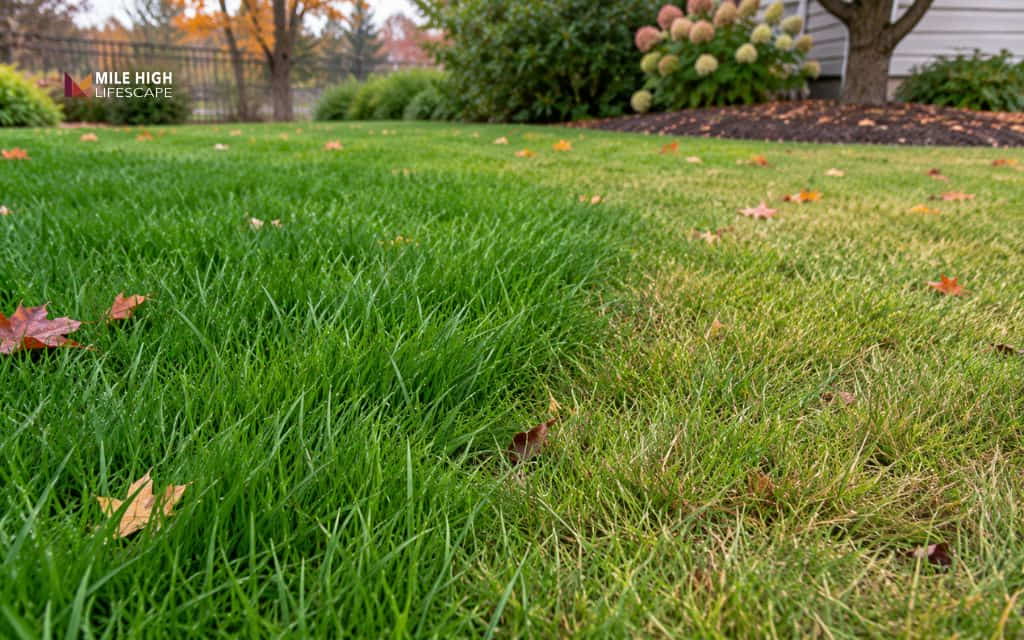
Start by walking the property and identifying compacted areas, weeds, thin patches, drainage problems, and sections that failed to recover after summer. Compare sunny and shaded spots before assuming fertilizer will fix the problem. Persistent bare patches may indicate poor light, disease, insects, or unsuitable grass rather than a lack of nutrients.
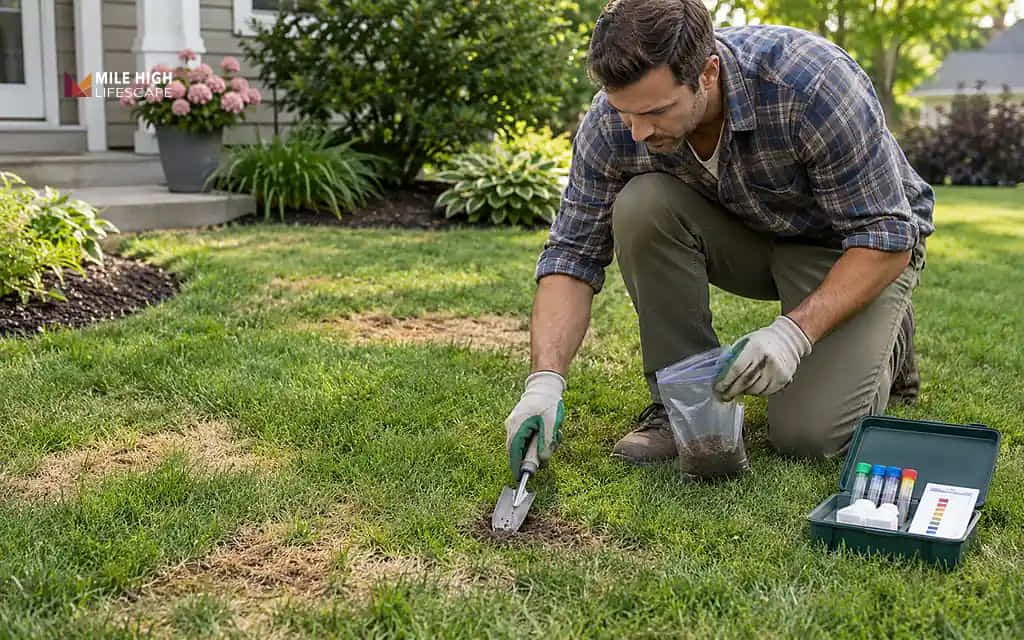
Consider a laboratory soil test before adding lime, phosphorus, or potassium. Results can reveal soil pH and nutrient levels, helping you avoid unnecessary products. Sample the soil before major renovation so any recommended corrections can be incorporated into the plan.
Continue mowing while the grass is growing
Keep mowing throughout fall while the lawn actively produces new leaves. Growth may slow as temperatures fall, so adjust mowing frequency rather than following a rigid weekly schedule. Use a sharp mower blade and remove no more than one-third of the grass blade in a single cut.
Maintain a mowing height recommended for your particular turf species. Cool-season grasses such as tall fescue are commonly maintained higher than closely cut bermudagrass. In colder areas, a slightly shorter final cut may help prevent matting, but scalping the lawn exposes crowns and increases stress. Stop mowing once growth ceases, and avoid mowing frozen or frost-covered grass.
Fertilize at the right time, not automatically
Fall fertilization can help cool-season grasses recover from summer, improve turf density, and support nutrient reserves. Early to mid-fall is often the main feeding window, with a later application sometimes appropriate while grass is still green and growing. Timing and amount depend on the species, prior applications, local rules, and product label.
Warm-season lawns should generally avoid heavy late-fall nitrogen feeding as dormancy approaches. Do not apply fertilizer to frozen ground, before heavy rain, or when the lawn is waterlogged. Use soil test results to determine whether phosphorus or potassium is needed instead of assuming every lawn requires a special winterizer blend.
Adjust watering as temperatures cool
Many lawns lose moisture more slowly in fall because days are cooler and sunlight is less intense. Reduce automatic irrigation when rainfall is sufficient, but do not let actively growing grass remain severely dry through a prolonged rainless period.
Check the soil rather than watering by the calendar. Moisture should reach the active root zone without creating puddles or runoff. Newly seeded lawns need more frequent, lighter watering until seedlings establish. Newly laid sod also needs careful moisture monitoring while roots anchor into the soil beneath it.
Aerate compacted soil when appropriate
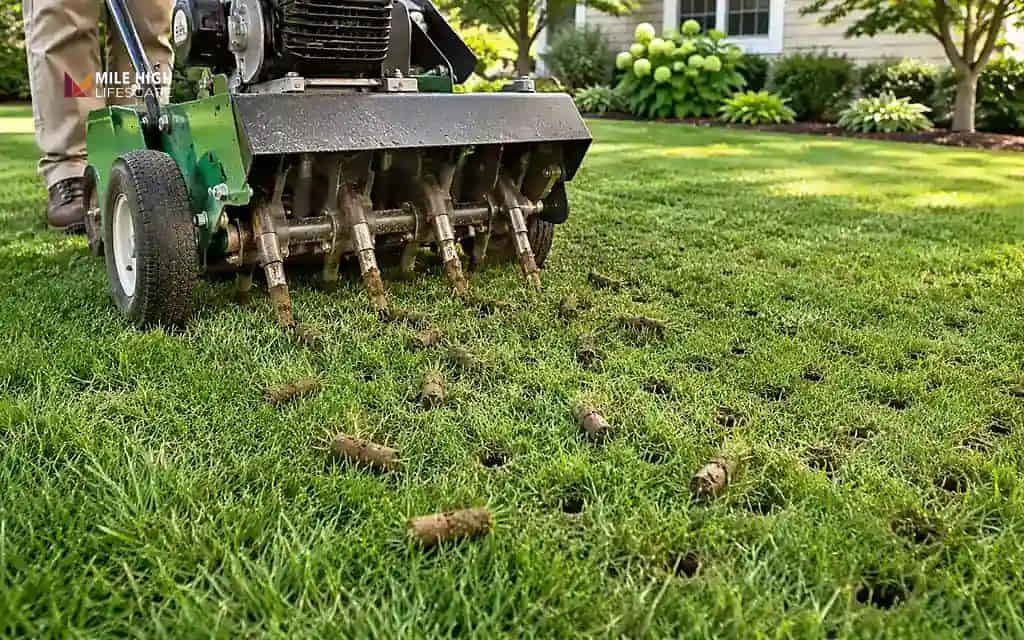
Heavy foot traffic and equipment can compress soil, restricting air movement, water infiltration, and root development. Core aeration removes small plugs of soil to relieve compaction. Early fall is a favorable time for many cool-season lawns because the grass can recover while actively growing.
A rented core aerator or professional lawn aeration service can help where compaction is a genuine problem. Skip routine aeration if the lawn is already healthy and the soil is not compacted. Avoid aerating saturated soil, and schedule warm-season turf aeration during its active growing period instead.
Overseed thin areas before the weather turns cold
Fall is often ideal for filling bare or sparse sections of cool-season lawns. Warm soil, cooler air, and reduced competition from many summer weeds create favorable conditions for seed germination. Choose a grass variety suited to the site, loosen the surface, and ensure seeds make direct contact with soil.
For homeowners wondering how to grow grass fast, proper seed selection, good soil contact, and steady moisture are more reliable than adding excessive fertilizer. Seed early enough to establish before hard freezes, using local extension guidance for the planting window. Avoid planting ordinary warm-season turf seed in late fall when temperatures no longer support its growth.
Keep fallen leaves from smothering grass
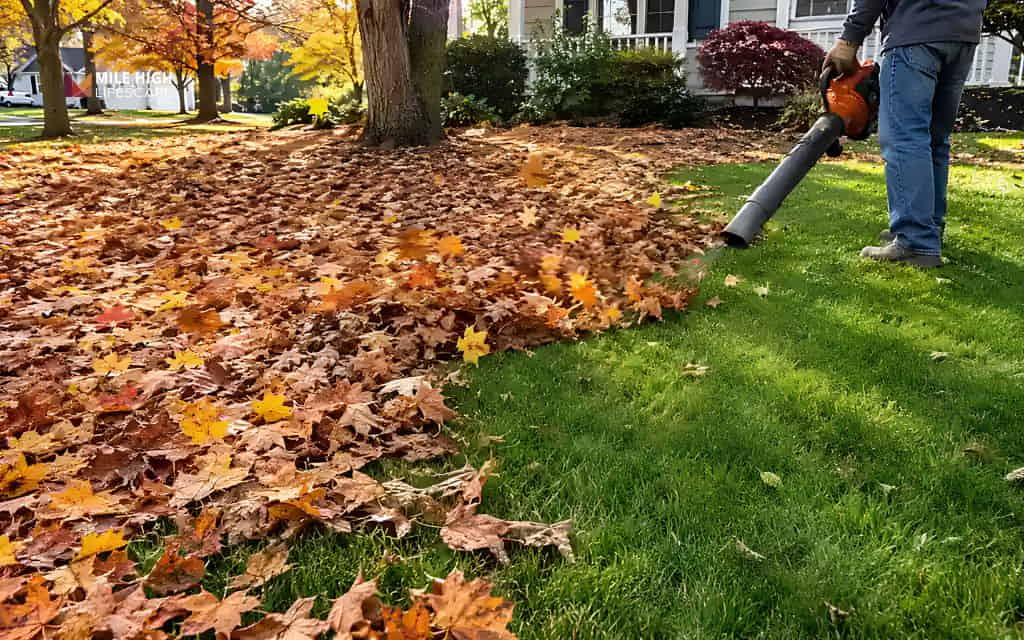
Leaves are useful organic material, but thick, wet layers block light and trap moisture against turf. Remove heavy accumulations before they form mats, especially in shaded spots and areas receiving little airflow.
Where leaves are dry and scattered, mow them into small pieces that settle between grass blades. If the layer is too heavy to mulch without covering the lawn, collect the excess for compost or garden beds. Regular attention is easier than tackling a dense blanket of leaves after several rainy days.
Manage weeds without interfering with seeding
Fall can be an effective time to address actively growing perennial broadleaf weeds, such as dandelions, and to prevent winter annual weeds from becoming established. Begin with hand removal, targeted treatment, and practices that improve lawn density.
If herbicides are necessary, identify the weed and confirm that the product is labeled for your turf. Many pre-emergent weed controls also prevent newly planted grass seed from germinating. Read seeding restrictions and application instructions carefully, follow local regulations, and avoid applying chemicals merely because they appear on a standard fall yard treatment schedule.
Dethatch only when thatch is excessive
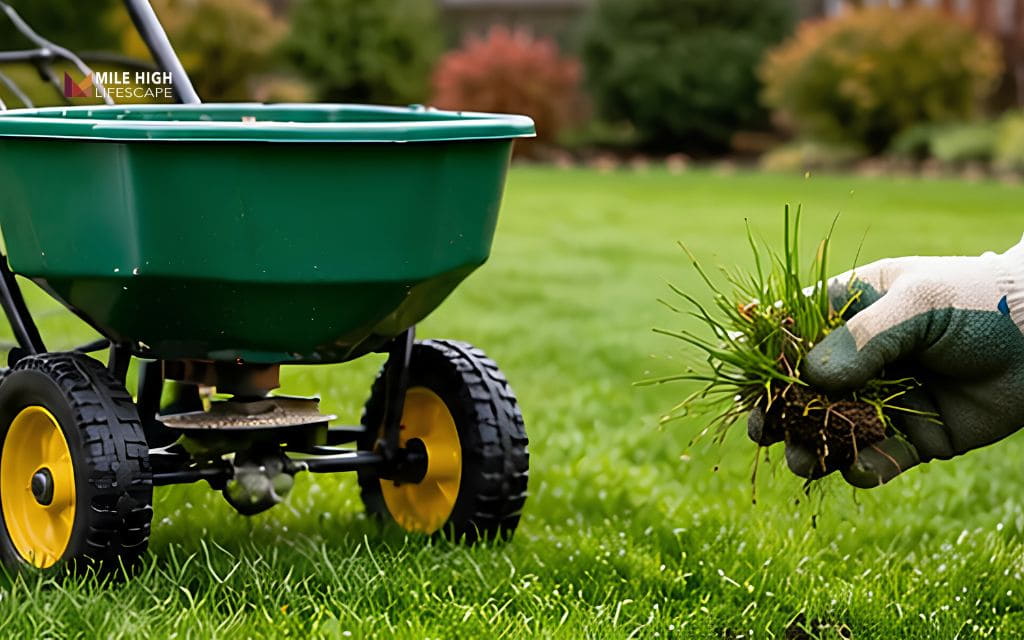
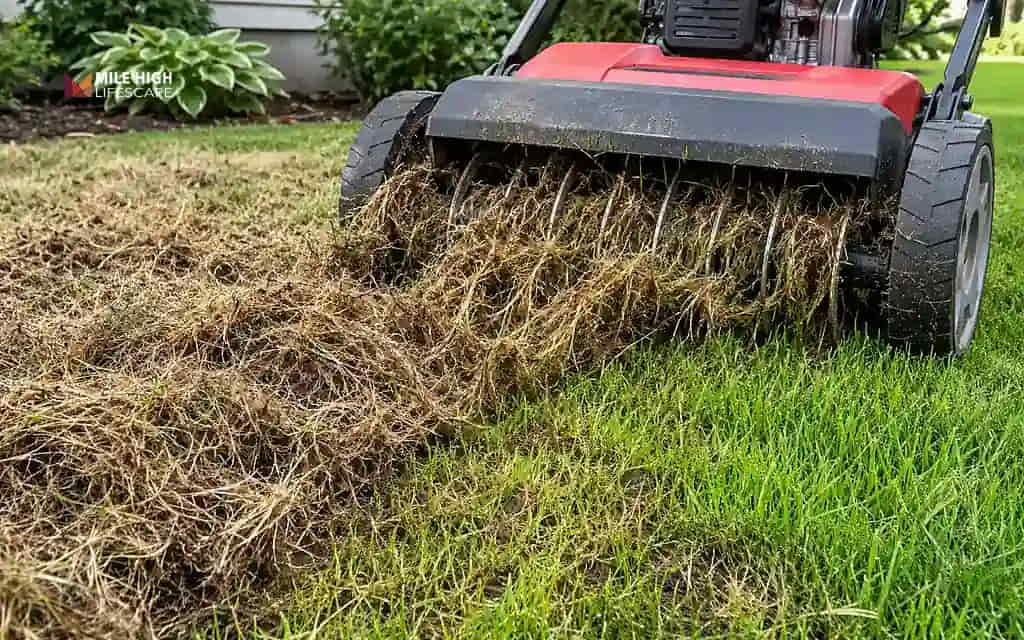
Thatch is a layer of undecomposed stems and roots between the grass canopy and soil. Some thatch is normal, and aggressive removal can damage healthy turf. Examine a small soil-and-grass section before deciding whether dethatching is justified.
When buildup is substantial and interferes with water movement, cool-season lawns may recover well from dethatching in early fall while growth is vigorous. Warm-season grasses generally need this treatment during their warm-weather growing season. Do not combine unnecessary dethatching with late-season drought, freezing conditions, or other stress.
Prepare the lawn and equipment for winter
Toward the end of fall, clear heavy leaf cover, remove debris, and check for standing water. In freeze-prone climates, shut down and winterize irrigation systems according to equipment requirements and local procedures. Drain hoses and protect exposed plumbing where temperatures can fall below freezing.
Clean the mower deck, inspect blades, and store equipment according to the manufacturer’s guidance. Limit heavy foot traffic on frozen turf, which can damage grass crowns. These simple fall yard maintenance tasks reduce preventable problems before spring growth resumes.
Fall lawn maintenance schedule by season stage
Use the following fall lawn care schedule as a flexible planning tool. Dates vary widely across the United States, especially between northern and southern growing regions.
| Time period | Cool-season lawns | Warm-season lawns |
| Early fall | Check soil, fertilize if needed, core-aerate compacted areas, and overseed early enough for establishment. | Continue mowing while growing, monitor moisture, and plan winter weed control where appropriate. |
| Mid-fall | Continue mowing, keep seedbeds moist, manage leaves, and evaluate whether additional feeding is justified. | Reduce irrigation as growth slows, remove leaves, and avoid heavy late-season nitrogen. |
| Late fall | Remove thick leaf layers, mow only if growing, and finish eligible tasks before ground freeze or local application cutoffs. | Maintain dormant turf, avoid unnecessary fertilizer, and winterize irrigation in areas subject to freezing. |
Common fall lawn care mistakes to avoid
Even a detailed fall lawn maintenance checklist can cause problems if every treatment is applied to every yard. Watch for these common errors:
- Fertilizing dormant or frozen turf: Nutrients are less useful when grass is not growing, and runoff or leaching risks may increase.
- Seeding too late: Cool-season seedlings may not develop enough before freezing weather; warm-season turf is generally established during warmer growing conditions.
- Applying pre-emergent control before overseeding. Many products prevent desirable grass seed from germinating along with weed seeds.
- Cutting the grass too short: Scalping reduces leaf area and can expose the growing points to cold and wear.
- Ignoring leaves and excess moisture: Matted debris and soggy soil create unfavorable conditions for grass.
- Performing every treatment by habit: Aeration, dethatching, fertilization, and lime should address an actual lawn need.
Make fall lawn care easier with a practical plan
The best fall yard care routine is manageable, not complicated. Prioritize tasks that solve visible problems, protect the lawn, or support growth during the right season. A simple weekly check of mowing needs, leaf accumulation, soil moisture, and newly seeded areas can prevent small issues from becoming expensive repairs.
When choosing lawn maintenance for fall, focus first on the dominant grass type and current conditions. That approach helps you spend time and money where they can make a meaningful difference.
Get your lawn ready for the next growing season
Successful lawn maintenance fall planning comes down to timely mowing, sensible fertilization, proper moisture, and targeted repairs. Cool-season grasses often benefit from fall renovation, while warm-season lawns generally need a gentler transition toward dormancy. Choosing the appropriate work now can help preserve healthier turf for the seasons ahead.
For homeowners in Denver and surrounding communities, Mile High Lifescape brings 20+ years of experience to lawn care, landscaping, and practical property improvements. If extensive bare or damaged areas need a fresh start, our sod installation service can help with site preparation and new turf establishment. Call (303) 877-9091 to request a free estimate.
Frequently asked questions (FAQs)
When should I start fall lawn maintenance?
Begin as summer heat eases and your grass enters its fall growth or slowdown period. Cool-season turf often benefits from early-fall repairs, while warm-season lawns require adjustments as active growth declines. Local temperatures matter more than a fixed date.
Should I fertilize my lawn in the fall?
Usually, fall is an important feeding season for cool-season grass, provided the lawn needs nutrients and remains actively growing. Warm-season grass generally should not receive heavy nitrogen applications as it approaches dormancy. Follow soil results, label directions, and local restrictions.
Is fall a good time to overseed a lawn?
Early fall is often excellent for overseeding cool-season lawns. Give seedlings time to establish before freezing weather. Most warm-season grasses are better seeded during their late-spring or summer growth period.
How often should I mow my lawn in fall?
Mow whenever active growth requires it, following the recommended height for your grass species. As growth slows, mowing may become less frequent. Stop once the turf is dormant or frozen.
Should I rake leaves or mulch them into the lawn?
Mulch light, dry layers with a mower so the pieces filter through the grass. Remove or relocate heavy leaf accumulations that would smother the turf. Avoid leaving thick, wet mats on the lawn.
Can I aerate and overseed on the same day?
Yes, for cool-season lawns during a suitable planting window, core aeration and overseeding can be coordinated. Ensure good seed-to-soil contact, water appropriately, and avoid weed controls that interfere with germination.