
Every mow ends with the same choice. Grass clippings can either scatter finely across the lawn or collect in a bag for disposal. That single decision, bagging vs mulching grass, shapes lawn density, nutrient levels, and the time a mower spends in the yard each week. Neither method wins in every situation. Grass height, soil condition, disease pressure, and the season all tip the scale toward one approach or the other. This guide breaks down what each method actually does to a lawn, clears up a stubborn myth about thatch, and lays out a practical way to choose between the two all season long.
What is grass mulching
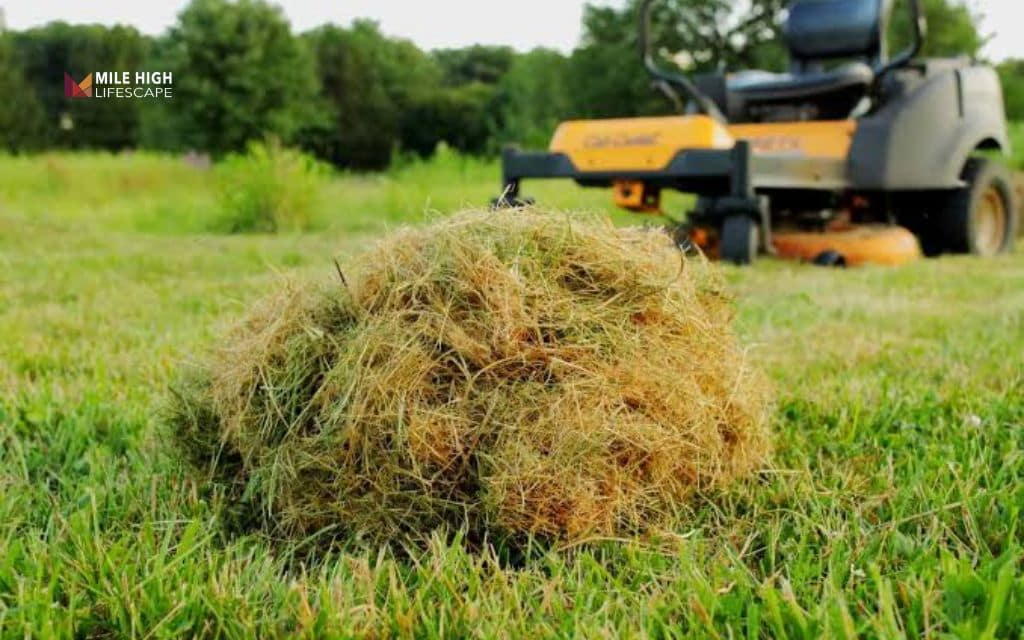
Mulching returns grass clippings to the lawn instead of removing them. A mulching mower, or a standard mower fitted with a mulching blade, cuts each blade of grass more than once before it falls, breaking clippings into small pieces. These fragments settle down through the canopy to the soil surface, where soil microbes break them down within one to two weeks.
Because clippings are made up mostly of water, they decompose fast and add organic matter to the soil rather than sitting on top of it. Mowing on a regular schedule, and never removing more than one third of the blade height at a time, keeps clippings short enough to disappear into the turf instead of clumping on the surface.
What is grass bagging
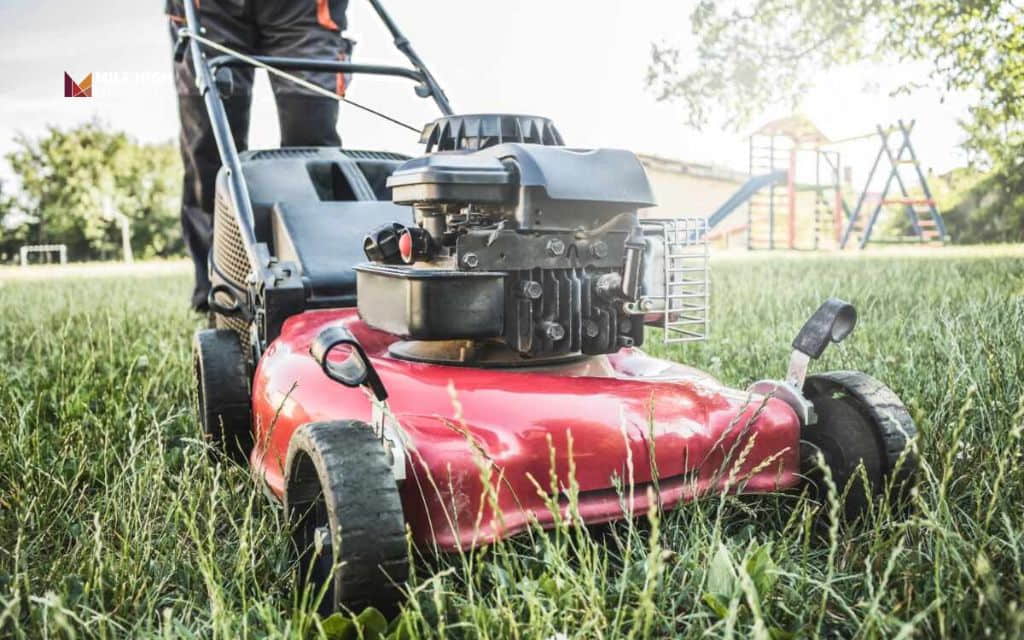
Bagging collects clippings in an attachment mounted on the mower instead of leaving them on the lawn. A rear or side bagging system channels cut grass through a chute into a removable bag, which gets emptied once full. Some mowers switch between mulching, bagging, and side discharge with a simple lever, while dedicated bagging mowers are built around the collection system.
Bagged clippings can go into a curbside yard waste bin, a compost pile, or serve as mulch around garden beds and shrubs. Collecting clippings works well when a lawn needs an immediate, uniform look, or when the material itself needs to leave the yard rather than break down in place.
Bagging vs mulching grass: how the two methods compare
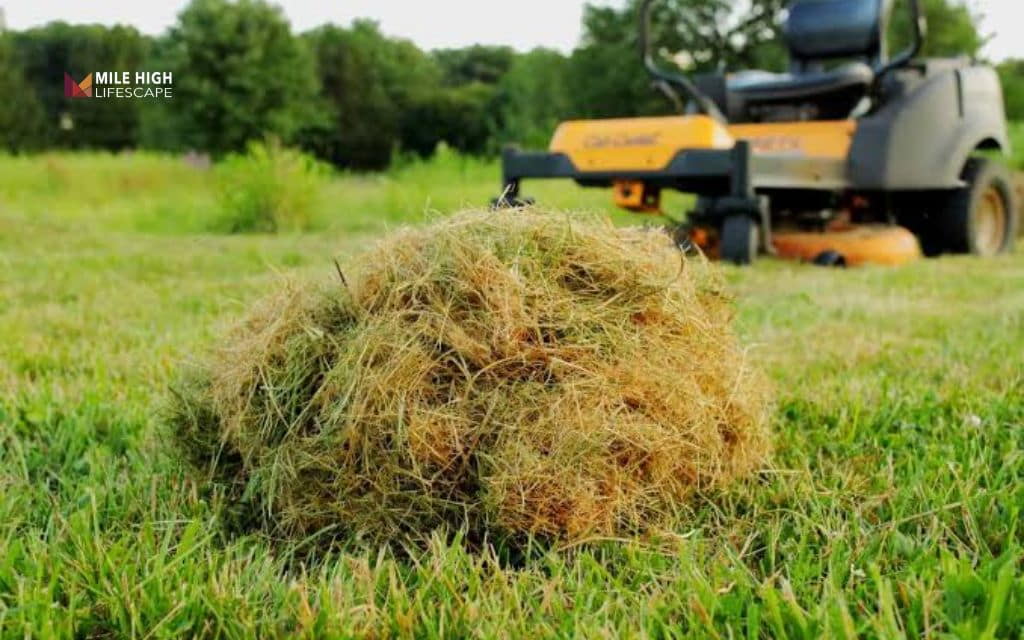
Bagging vs mulching grass is a trade of time for control. Mulching saves steps at the mower and returns nutrients to the soil, often saving several hours of yard work over a season, while bagging trades that convenience for a clean, uniform finish. The table below compares both methods across the factors that matter most.
| Factor | Mulching | Bagging |
| Lawn health | Returns nitrogen, phosphorus, and potassium to the soil as clippings break down | Removes nutrients along with the clippings, increasing reliance on fertilizer |
| Mowing time | Faster overall, since there is no stopping to empty a bag | Slower, with regular stops to empty and dispose of clippings |
| Appearance | Clippings disappear within days when grass is cut short and dry | Immediate, uniform finish with no visible clippings |
| Moisture retention | Clippings shade the soil surface and slow water loss | No added moisture benefit from clippings |
| Environmental impact | Keeps organic material out of landfills and cuts fertilizer use | Produces yard waste unless clippings are composted |
| Best suited for | Regularly mowed, dry, moderate height lawns | Wet, overgrown, diseased, or weed heavy lawns |
Does mulching cause thatch?
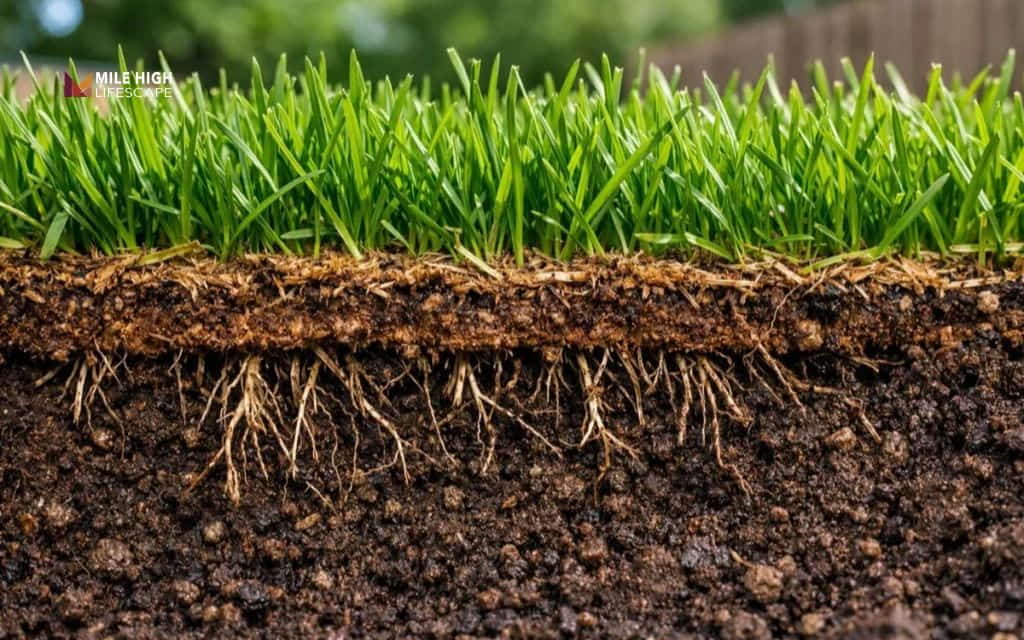
Mulching does not cause thatch. Extension research from Oregon State University, the University of Minnesota, and Virginia Tech confirms it: thatch is a layer of undecomposed stems, roots, and runners, not clippings, which are mostly water and decompose within one to two weeks. The real causes are frequent shallow watering, heavy nitrogen fertilization, infrequent high mowing, compacted soil, and rhizome spreading grasses like Kentucky bluegrass. Mow on a regular schedule, and mulching feeds the soil instead of adding to that layer.
When bagging makes more sense than mulching
Mulching works well under normal mowing conditions, but bagging is the better call whenever clippings cannot break down cleanly or would spread a problem instead of solving one. Clumped, wet, or overgrown grass smothers turf rather than decomposing into it, and clippings from a diseased or weedy lawn can carry spores and seed to parts of the yard that were clean. The condition-based guide further down covers the specific situations where bagging wins out.
Matching your mower to your method
Choosing equipment for mulching or bagging depends on how much lawn gets mowed each week. A dedicated mulching mower uses a specialized blade and a closed deck to chop clippings finely before they drop, which produces a better result than running a standard mower with the discharge chute closed. Homeowners who mow frequently and want to skip bag disposal altogether tend to get the most value from this setup.
A bagging attachment, by contrast, adds a collection bag and chute to a standard mower deck. Many mowers sold today combine both functions, along with side discharge, into a single three in one deck that switches between modes with a lever or a plug. That flexibility suits lawns that need mulching most weeks but bagging during wet spells, disease outbreaks, or the fall leaf season.
A condition-based approach through the mowing season
Rather than picking one method for the whole season, the bagging vs mulching grass decision often changes week to week based on what the lawn needs. The table below lays out common conditions and the method each one favors.
| Condition | Recommended method |
| Grass cut on a regular weekly schedule | Mulching |
| Grass overgrown after a missed mow or heavy rain | Bagging |
| Dry, short clippings | Mulching |
| Wet or clumping clippings | Bagging |
| Active lawn disease | Bagging |
| Weeds that have gone to seed | Bagging |
| Peak growing season, spring and early summer | Mulching |
| Heavy fall leaf drop | Bagging, or a mix of mulching leaves and bagging the excess |
Conclusion
Bagging vs mulching grass is not a single decision made once and left alone. It is a weekly judgment call based on grass height, moisture, disease pressure, and the season. Mulching carries a lawn through most of the year, feeding the soil and cutting mowing time. Bagging steps in when conditions call for a clean removal instead, whether that is an overgrown lawn after a week of rain or a yard recovering from disease.
For homeowners across the Denver Metro area who would rather leave the clipping schedule to someone else, Mile High Lifescape‘s lawn care service covers mowing, edging, and clipping management on a schedule built around each lawn’s growing pattern. Reach out at (303) 877-9091 for a free quote.
Frequently asked questions (FAQs)
Should I bag my lawn clippings?
Bag clippings when the grass is wet, overgrown, diseased, or heavy with weed seeds. Outside of those conditions, mulching returns more value to the lawn than removing clippings does.
Is it better to bag grass or not?
For most lawns mowed on a regular schedule, leaving clippings in place through mulching is the stronger long term choice. Bagging works best reserved for specific conditions rather than a default habit.
Bagging or mulching: which should be the default?
Mulching is the safer default for a healthy, regularly mowed lawn. Switch to bagging only when a specific condition calls for it.
Do I need special equipment to bag lawn clippings?
A bagging attachment or a mower with a built in collection bag is enough. Many mowers sold today include mulching, bagging, and side discharge in one deck.
Should you bag or mulch your lawn after applying a weed treatment?
Bag the first mow or two after a weed treatment. This keeps treated clippings and any remaining seed from spreading across the yard.
Can I mulch wet grass?
Wet grass clumps instead of breaking into fine pieces, so bagging works better until the lawn dries out.