A cactus landscape is one of the easiest ways to give your yard a striking, modern look while cutting water use to a minimum. Whether you have a sun-baked front yard, a small patio, or a side garden that struggles in summer, cacti and succulents bring sculptural shapes, year-round structure, and quiet drama with very little upkeep.
This guide walks you through plant choices, 11 design ideas, growing conditions, and planning tips so you can build a cactus garden that actually thrives.
Why cactus landscaping is so popular
Cactus landscaping has become a favorite for homeowners who want a yard that looks intentional and holds up beautifully in heat. It works in front yards, side yards, courtyards, and small patios, and it pairs naturally with gravel, boulders, and stone.
The appeal of a cactus landscape comes down to 4 things working together:
- Low water needs that fit with water-wise gardening
- Sculptural beauty from bold shapes and clean silhouettes
- Easy maintenance with no mowing and very little pruning
- A strong desert-modern style that looks designed year-round
Popular cacti to include in your landscape
The right cactus plants for landscaping depend on your climate and the look you want. 5 options cover most home landscapes, from cold-winter regions to hot desert zones.
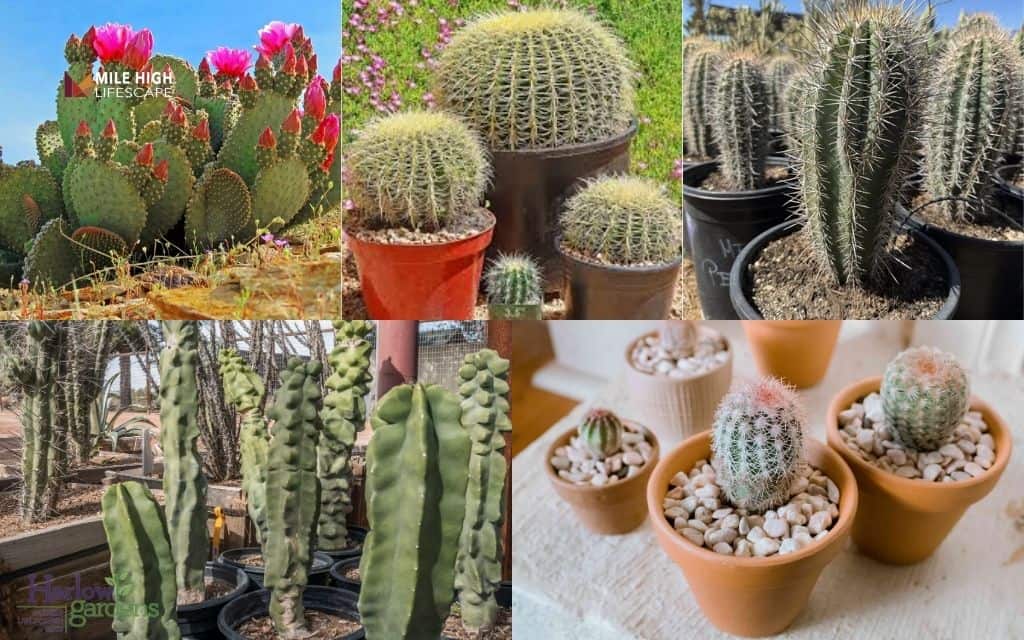
Prickly pear cactus
Prickly pear is one of the most beginner-friendly choices for landscaping with cacti. It is cold-hardy enough for many parts of the country, produces colorful flowers followed by edible fruit, and looks especially good in naturalistic, desert-style gardens.
Golden barrel cactus
With its ribbed, round shape, the golden barrel is the landscape cactus most associated with modern design. It works as a sculptural focal point in gravel beds and pairs beautifully with minimalist architecture and clean hardscape lines.
Saguaro cactus
The saguaro is the classic Southwestern centerpiece, tall and unmistakable. It is slow-growing and only suited to warm desert climates, but a mature specimen instantly anchors a yard with serious presence.
Totem pole cactus
The totem pole has a smooth, knobbed surface that feels almost carved. It adds vertical interest in modern courtyards and looks especially good near walls, entries, or any spot where you want a strong column shape.
Hedgehog cactus
Hedgehog is compact, easy to fit into small beds, and produces vibrant pink, red, or magenta blooms. It is a great choice for rock gardens and for adding seasonal color at the edges of paths.
Popular succulents to include in your landscape
Succulent plant landscaping pairs beautifully with cactus, softening the overall look, adding color, and giving you more design flexibility. A balanced succulent and cactus garden feels less spiky and more inviting.
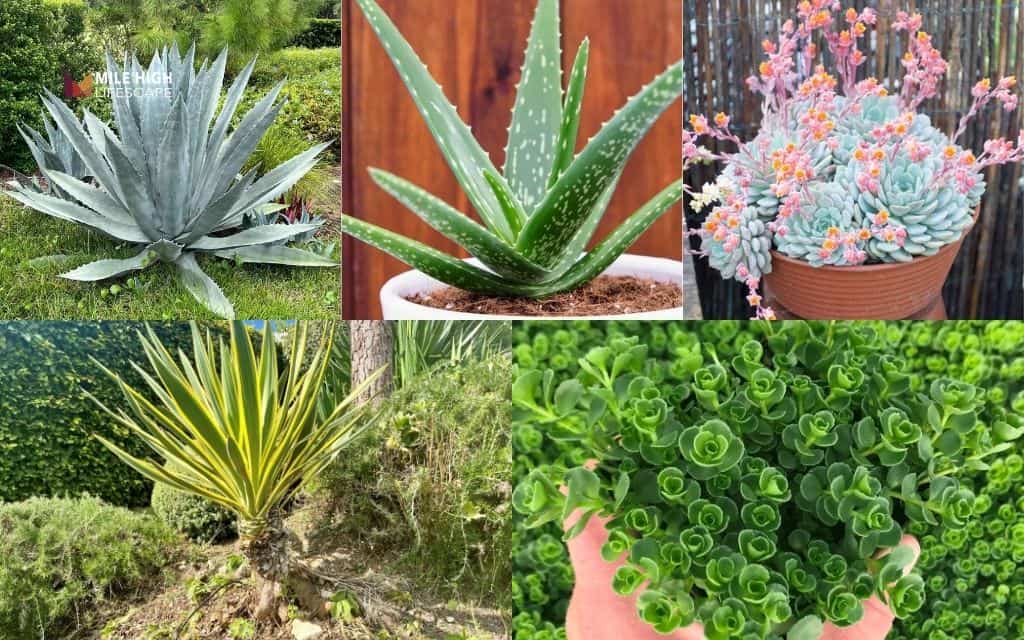
Agave
Agave brings an architectural rosette shape and serious drought tolerance. It works as a strong focal planting in gravel or stone beds and gives a yard structure that holds up year-round.
Aloe
Aloe softens cactus-heavy landscapes with smooth, fleshy foliage and adds attractive texture in every season. Many varieties also send up tall, colorful flower spikes that bring movement to the design.
Echeveria
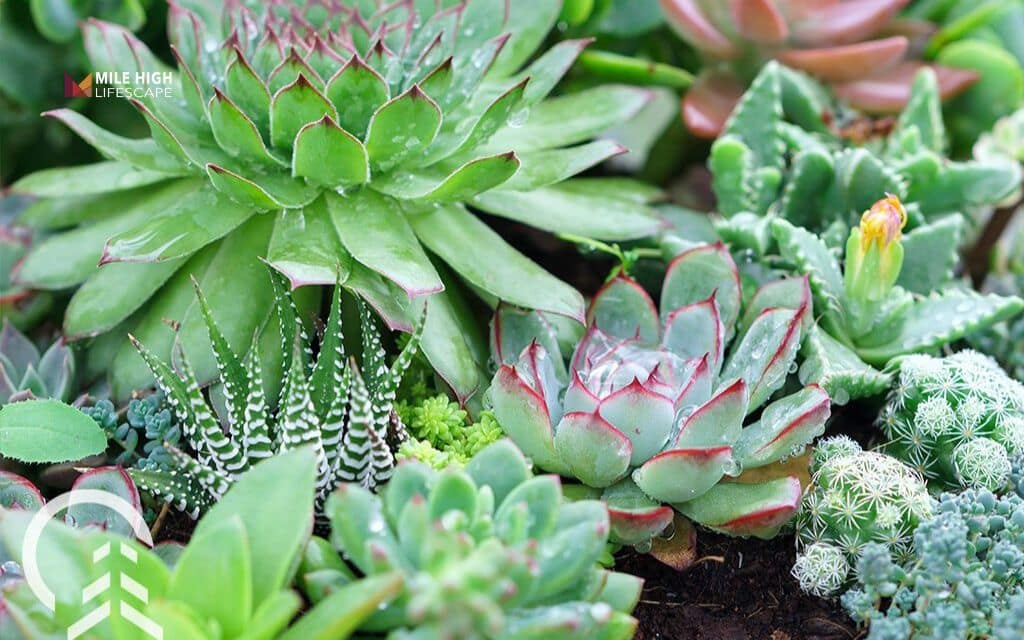
Echeveria has compact rosettes in a wide range of colors, from pale green to deep purple. It works well in containers, along borders, and tucked into rock pockets where it can sit next to bolder cactus forms.
Yucca
Yucca is tough, adaptable, and highly drought tolerant. It provides height and structure in larger beds and is one of the most reliable choices for dry climates and exposed front yards.
Sedum
Sedum spreads gently between rocks as an easy groundcover. It fills bare spots, reduces visible soil, and adds seasonal color through changing foliage and small blooms.
11 smart ways to create a beautiful cactus landscape
Once you have a plant list in mind, the next step is deciding how to arrange everything. These 11 ideas show you how to use cacti landscaping in real yards, from full front-yard makeovers to small patio corners.
1. Create a desert-inspired front yard
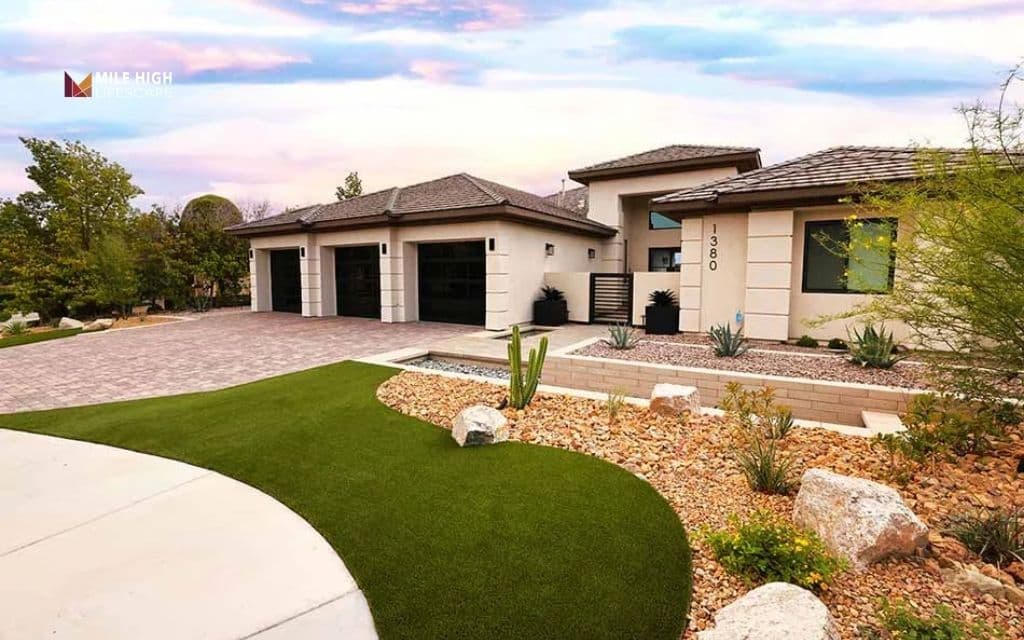
A cactus front yard replaces thirsty lawn with a low-water planting that looks polished in every season. Gravel mulch, a few boulders, and sculptural plants do the work that grass used to, with a fraction of the upkeep. This style is especially flattering on modern, ranch, and Southwestern homes, and the curb appeal payoff is immediate.
2. Build a cactus rock garden
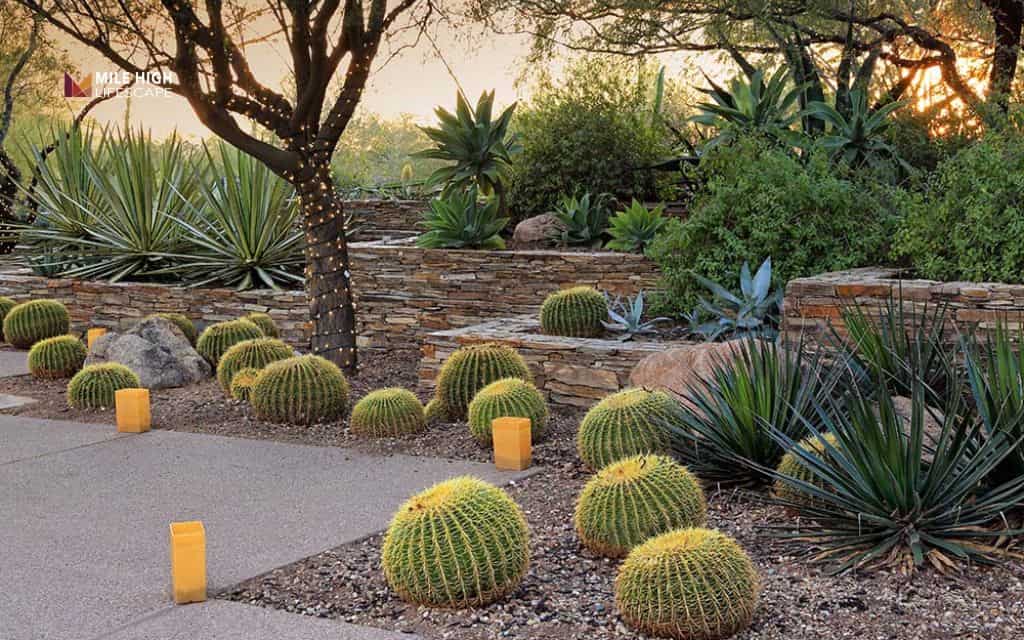
A rock garden is one of the simplest ways to start landscaping cactus. The stone improves drainage, shows off plant shapes, and creates a texture-rich design that needs almost no maintenance. It works well on sunny slopes, narrow planting strips, and front yards where you want something low and tidy.
3. Mix cactus with succulents
Pairing cactus with softer succulents gives you variety without raising the water bill. Layering shapes, heights, and textures in the same bed adds color through aloe blooms, echeveria rosettes, and agave foliage. A classic combination is agave, aloe, golden barrel cactus, and a low sedum groundcover that fills the gaps.
4. Use tall cacti as focal points
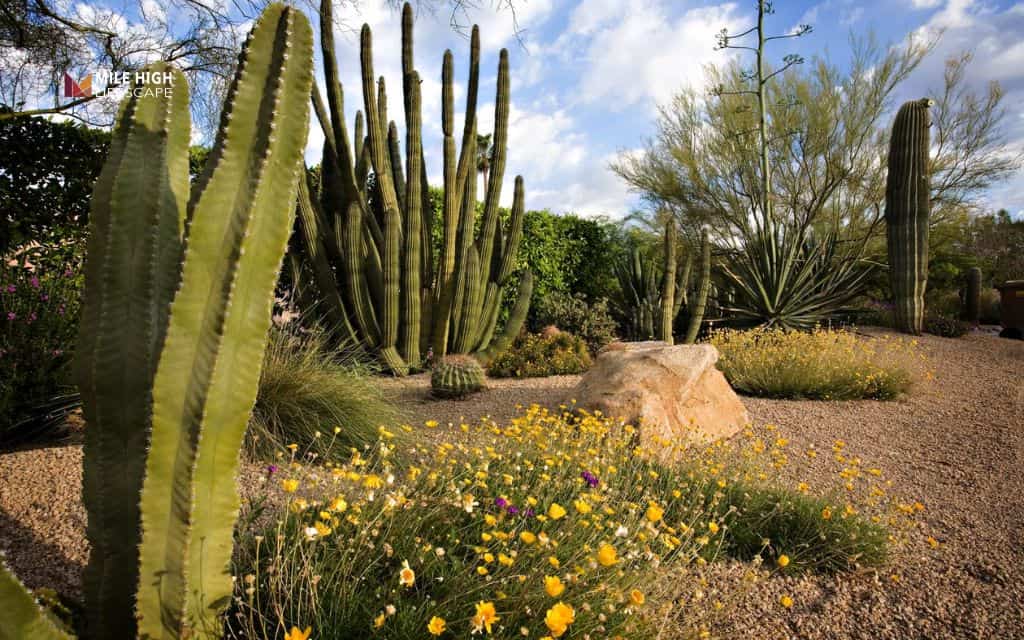
A single tall cactus can carry an entire design when placed thoughtfully. Saguaro, totem pole, and columnar species add vertical drama to gravel beds and open courtyards, and they work especially well near entryways or against clean walls. In minimalist landscapes that rely on a few strong shapes, one well-placed specimen is often enough.
5. Design a cactus border along pathways
Cactus borders define walkways and soften the edge between gravel and paving. They frame stone or decomposed granite paths, create a clean desert-garden look, and guide foot traffic naturally through the yard. Choose smaller, less spiny species close to the path so the route stays safe and comfortable to walk.
6. Create a modern minimalist cactus landscape
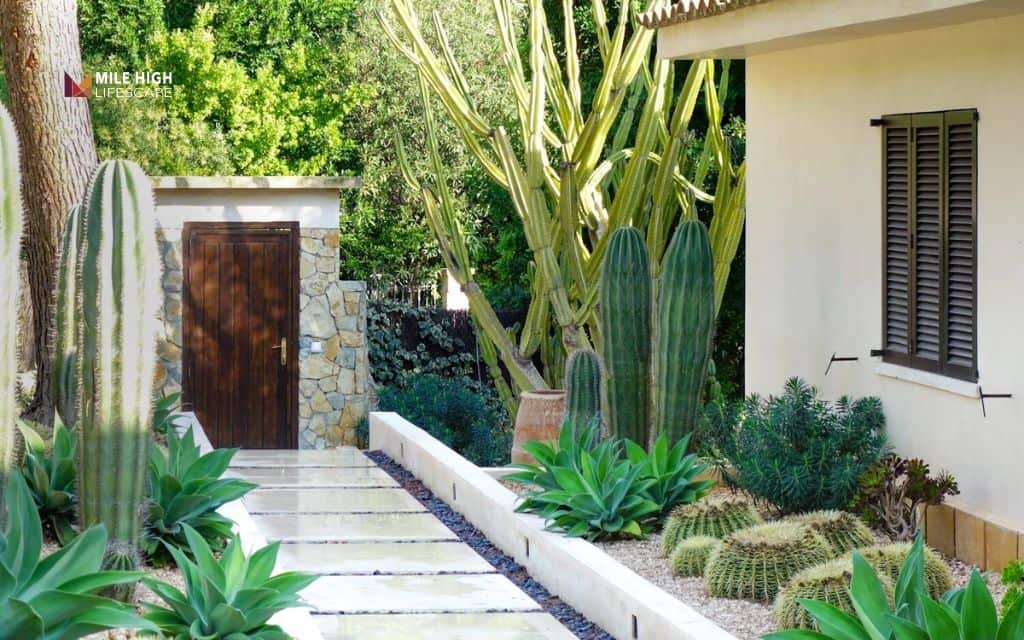
A minimalist cactus landscape relies on restraint. A few bold plant shapes set against clean hardscape, simple geometric layouts, and reduced visual clutter add up to a sleek, architectural feel. Concrete pavers, smooth gravel, and a small number of sculptural cacti are usually all it takes to pull off the look.
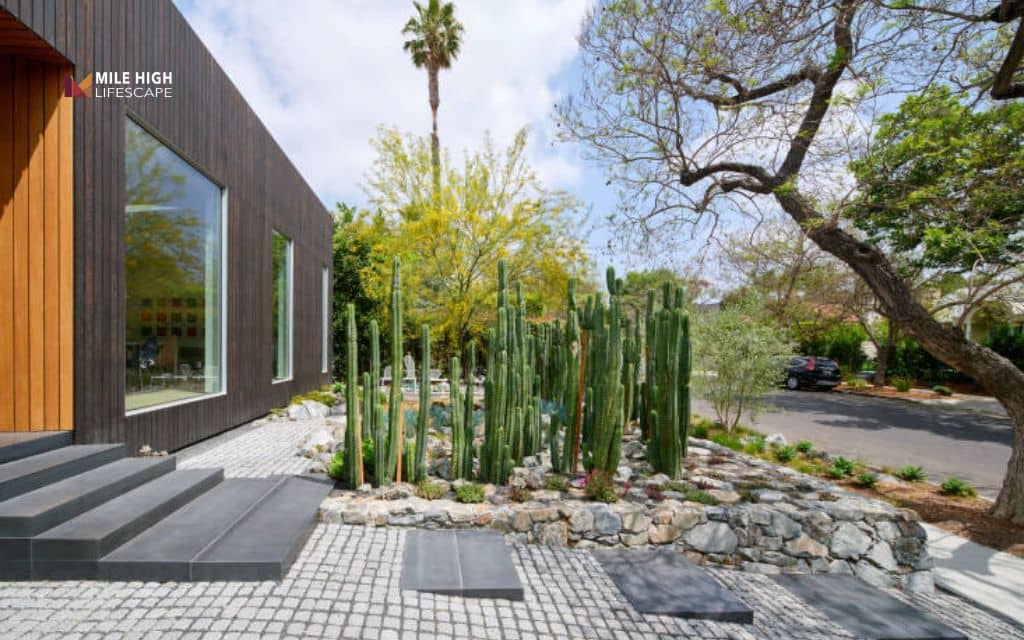
7. Add cactus around patios and seating areas
Yard cactus around a patio brings a resort feel without crowding the space. Container cacti, agave in low planters, and a few drought-tolerant grasses create texture without blocking views or breezes. Pair the planting with soft accent lighting at night and the seating area feels both relaxed and intentional.
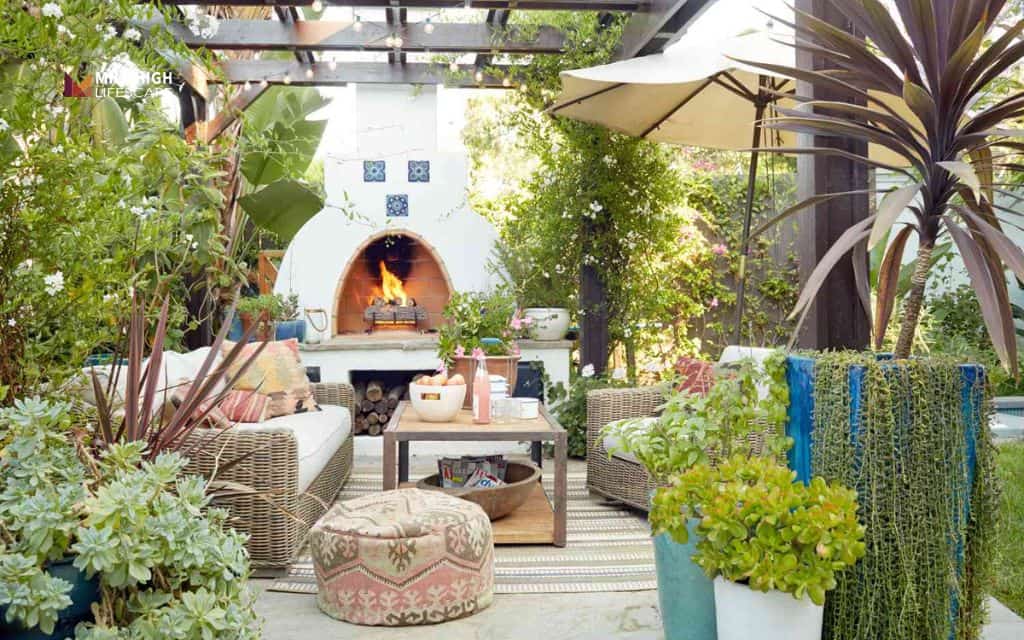
8. Incorporate raised cactus beds
Raised beds give you more control over soil and drainage, which matters in wetter regions or yards with heavy clay. They improve root health, make cactus easier to display, and add dimension to flat landscapes. Raised beds are especially helpful if your yard holds winter moisture or has poor native soil.
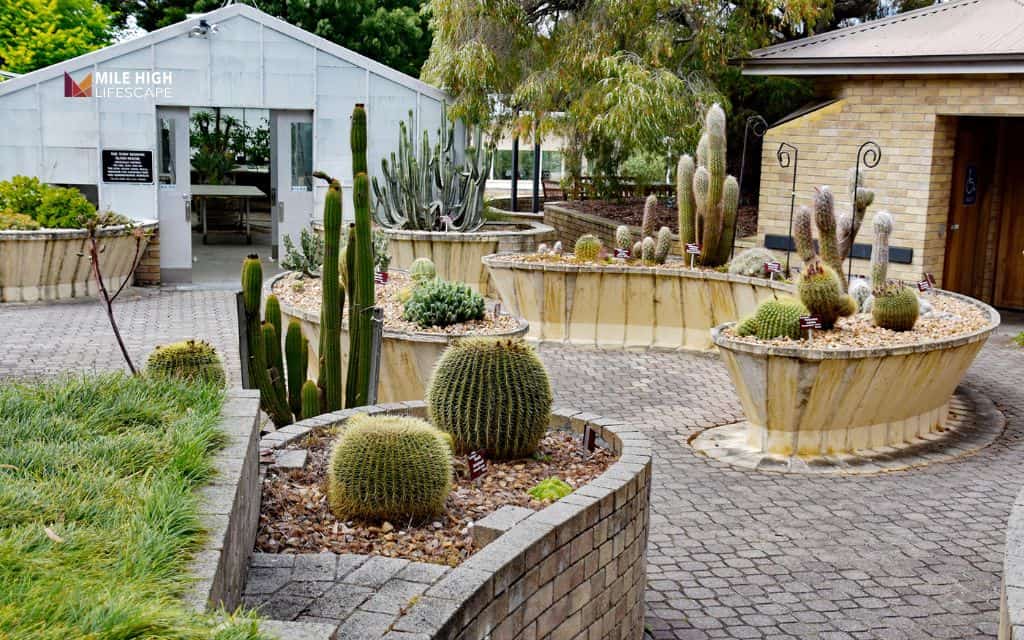
9. Combine cactus with decorative boulders
Pairing cactus with boulders mimics natural desert scenery and gives the design instant maturity. Boulders add scale, weight, and a more organic feel, especially when you mix sizes rather than placing them in a uniform line. Even a small bed feels established when a few well-chosen rocks anchor the planting.
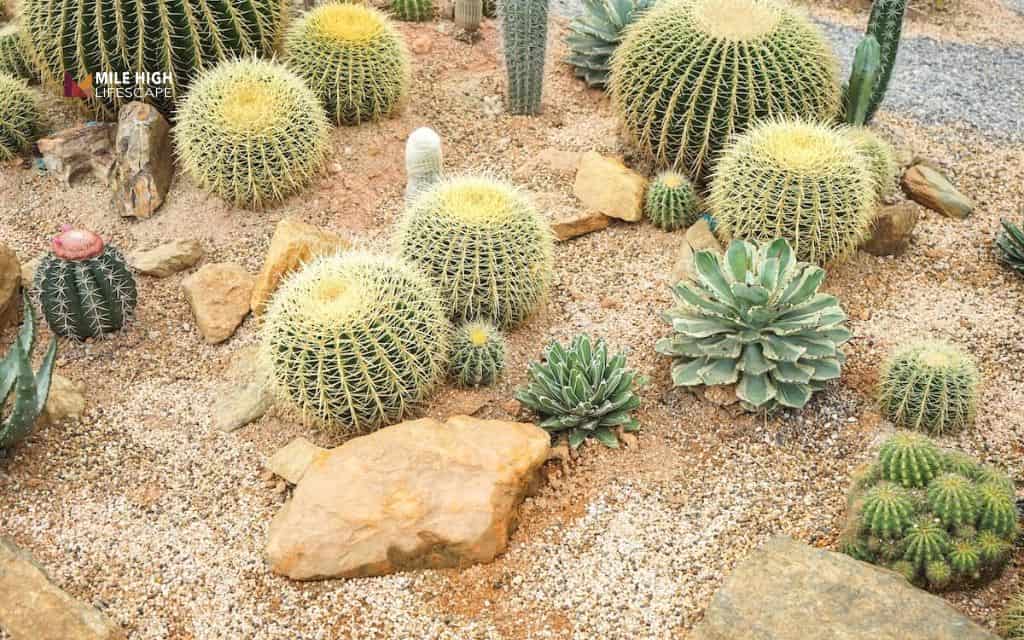
10. Use container cactus gardens
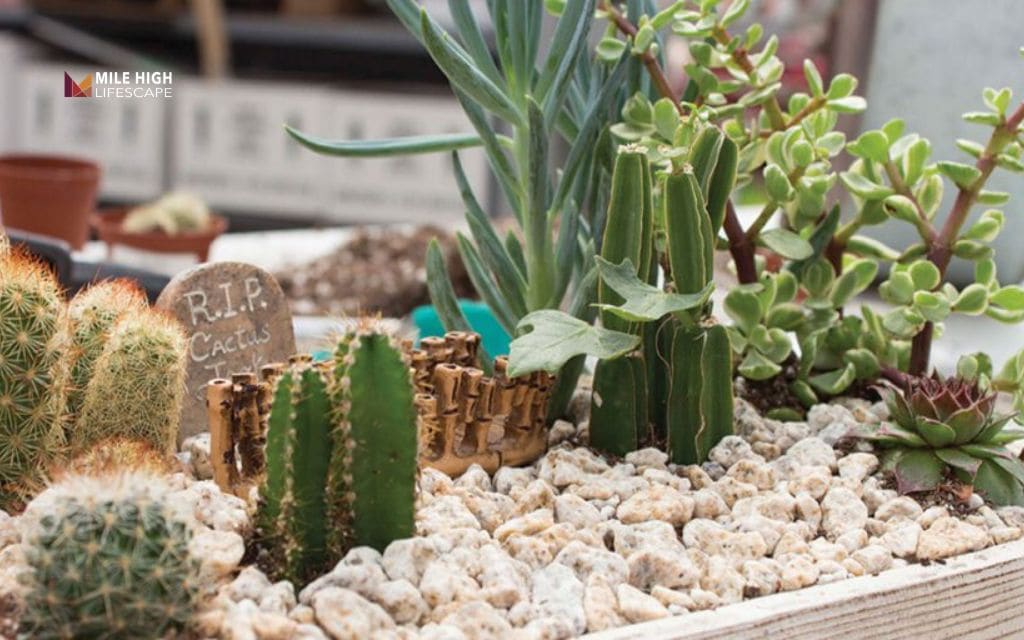
Container gardens are perfect if you have a small yard, a rental, or a colder climate. They fit patios, porches, balconies, and small entries, and they are easy to refresh seasonally. Containers also let you move frost-sensitive plants indoors in winter, which makes them the easiest entry point for beginner gardeners.
11. Create a low-maintenance xeriscape garden
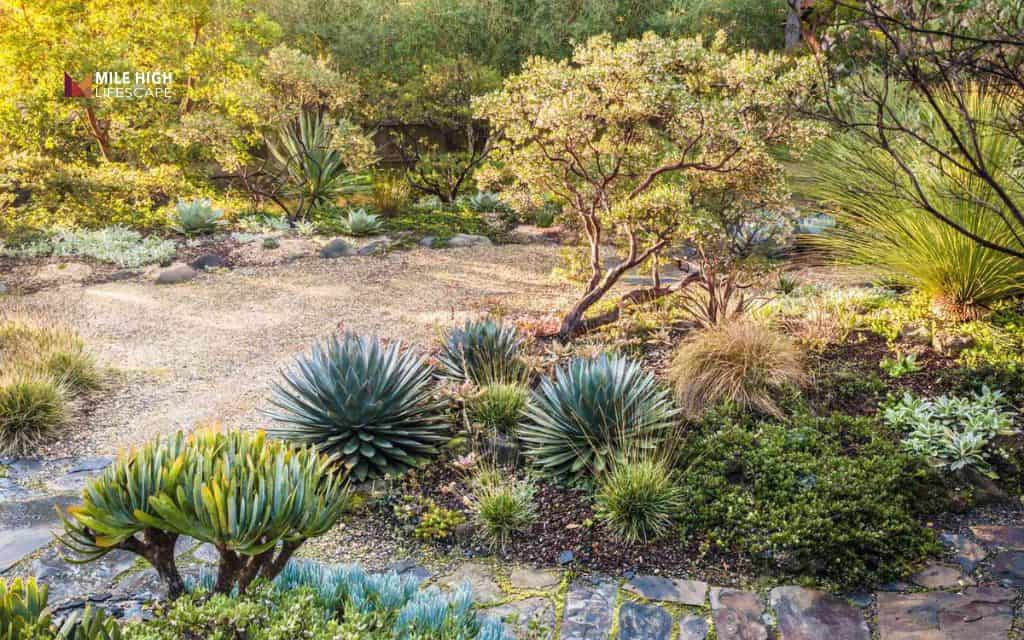
A xeriscape uses cactus as part of a broader drought-tolerant design that almost takes care of itself. Combining cactus with native plants and gravel mulch reduces watering and upkeep dramatically while keeping the landscape water-wise. For hot, dry climates, this is one of the most practical cactus garden design choices you can make.
Conditions for cacti and succulents
Before designing a cactus landscape, it helps to understand what these plants actually need. Getting the basics right is what separates a thriving garden from a struggling one.
Sunlight requirements
Most cacti and succulents prefer full sun and do best with at least six to eight hours of direct light each day. A few softer succulents appreciate afternoon shade in extreme heat, but for the most part, sunny exposure is non-negotiable. Always match plants to your climate and the actual sun your yard gets, not the sun you wish it had.
Soil and drainage
Fast-draining soil is essential. Sandy or rocky soil works best for most cacti, while heavy or clay soils need amending with coarse sand, pumice, or fine gravel. In wet climates, raised beds help prevent root rot. Poor drainage is the most common reason a cactus landscape fails, so plan for it from the start.
Water needs
Water deeply but infrequently, and let the soil dry out fully between waterings. Newly planted cacti need a bit more water as they establish, but after the first season most species are remarkably self-sufficient. Overwatering is more dangerous than underwatering for almost every cactus and succulent.
Climate considerations
Some cacti thrive only in hot desert climates, while others, like prickly pear, tolerate cold winters surprisingly well. Frost-sensitive species may need containers or seasonal protection in cooler regions. Always check your USDA hardiness zone before buying so the plants you choose can actually live where you plant them.
How to plan your cactus landscape?
A successful cactus landscape starts with a clear plan. A little thought up front saves replanting, regret, and money later.
Decide on the garden style
Pick a single direction before you shop for plants. Popular cactus garden design styles include:
- Modern minimalist desert gardens with clean geometry
- Southwestern landscapes with warm earth tones and adobe accents
- Rock gardens layered with succulents and small cacti
- Tropical-inspired cactus patios with container plantings
Whichever you choose, keep the design cohesive rather than mixing too many looks in one yard.
Choose hardscape materials
Hardscape reinforces the desert aesthetic and ties the planting together. Gravel in warm neutral tones, decorative rock, boulders, sand-colored pavers, and natural stone are all strong companions for cactus. Aim for two or three materials that share a color palette rather than a busy mix that competes with the plants.
Plan plant heights and spacing
Place tall cactus toward the back or center of beds, medium succulents in the middle layer, and low groundcovers near edges and pathways. Leave room for mature growth and good airflow between plants. Overcrowding is one of the easiest mistakes to make and one of the hardest to fix later.
Consider safety and accessibility
Avoid sharp or spiny cactus near walkways, entries, seating areas, and play spaces. Keep pathways clear, even, and comfortable to walk. Great cactus garden design balances beauty with everyday usability, so the yard works for the whole household, not just the photographs.
Conclusion
A cactus landscape brings together sculptural beauty, water-wise gardening, low-maintenance care, and modern desert charm in one cohesive design. With the right planning, drainage, and plant selection, you can create a yard that feels dramatic, welcoming, and easy to live with year-round.
Ready to design your own cactus landscape? Contact Mile High Lifescape today for a personalized design consultation.
Frequently Answered Questions (FAQs)
Is cactus landscaping low maintenance?
Yes. Once established, most cactus landscapes need very little water, no mowing, and only occasional weeding or light pruning. The biggest ongoing task is usually keeping gravel tidy and resisting the urge to overwater.
Can you mix succulents and cactus together?
Absolutely. A mixed succulent and cactus garden gives you more shapes, colors, and textures while keeping water needs low. Just group plants with similar sun and watering needs so everything thrives in the same conditions.
How do you prepare soil for cactus landscaping?
Start with fast-draining soil. Amend heavy or clay soil with coarse sand, pumice, or small gravel, and consider raised beds if drainage is poor. The goal is for water to move through quickly rather than sit around the roots.
Do cactus landscapes need irrigation?
Newly planted cacti benefit from light irrigation during their first growing season. After that, most established cactus landscapes only need occasional deep watering during long dry spells, especially in hotter climates.
Do cacti like deep or shallow pots?
Most cacti prefer shallow to medium-depth pots that match their root system, since their roots tend to spread outward rather than down. Always use a container with drainage holes and a gritty, fast-draining mix.
How to arrange a cactus garden?
Place tall cacti at the back or as focal points, mid-height succulents in the middle, and low groundcovers near edges. Use boulders and gravel to fill negative space, and group plants with similar sun and water needs so the arrangement looks intentional and stays healthy.