Centipede grass is a low-maintenance warm-season turf that suits homeowners who want less mowing and feeding. Its slow, steady growth creates a soft green lawn, but it performs best where traffic is light and growing conditions are suitable. Mile High Lifescape can help you decide whether this grass fits your property before planting or installing sod.
What Is Centipede Grass?
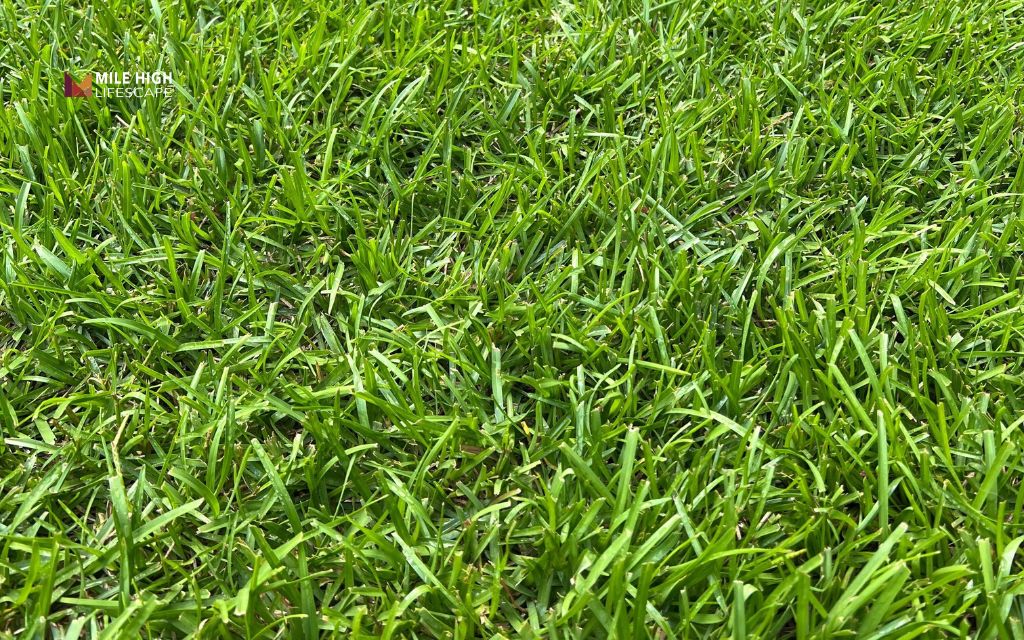
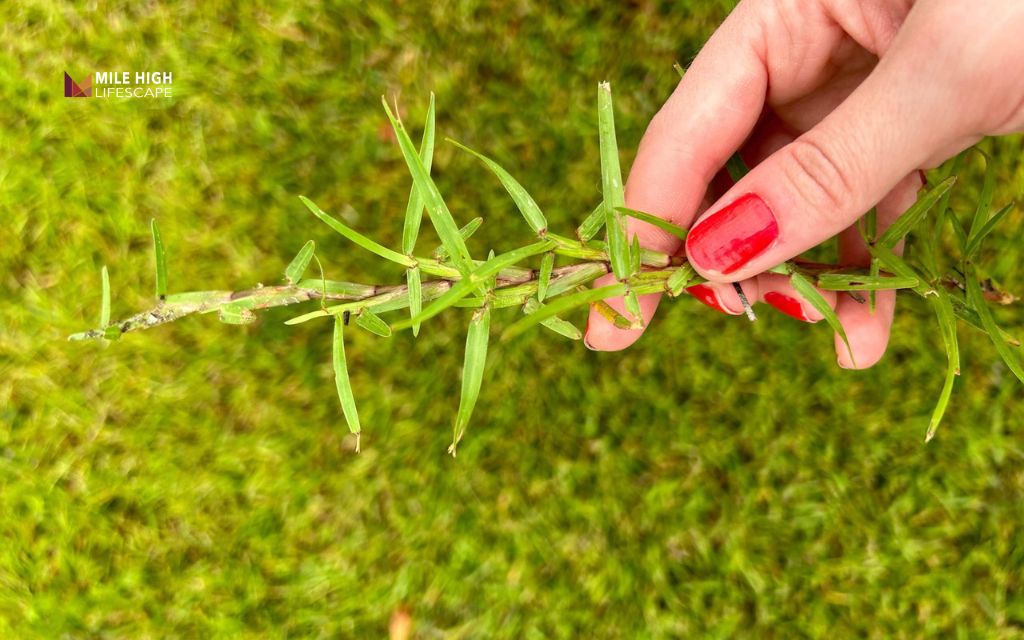
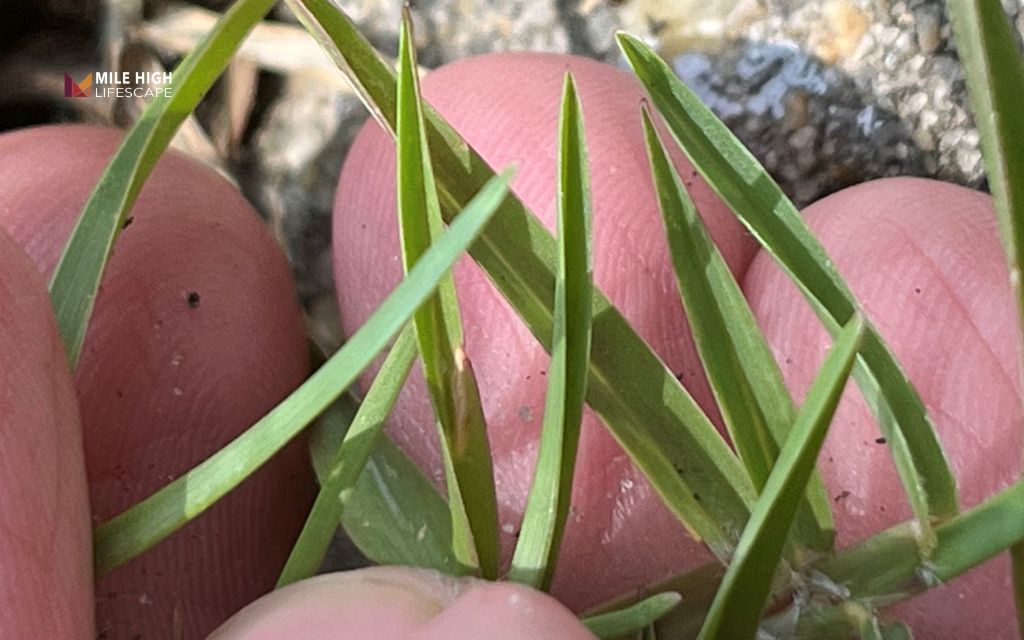
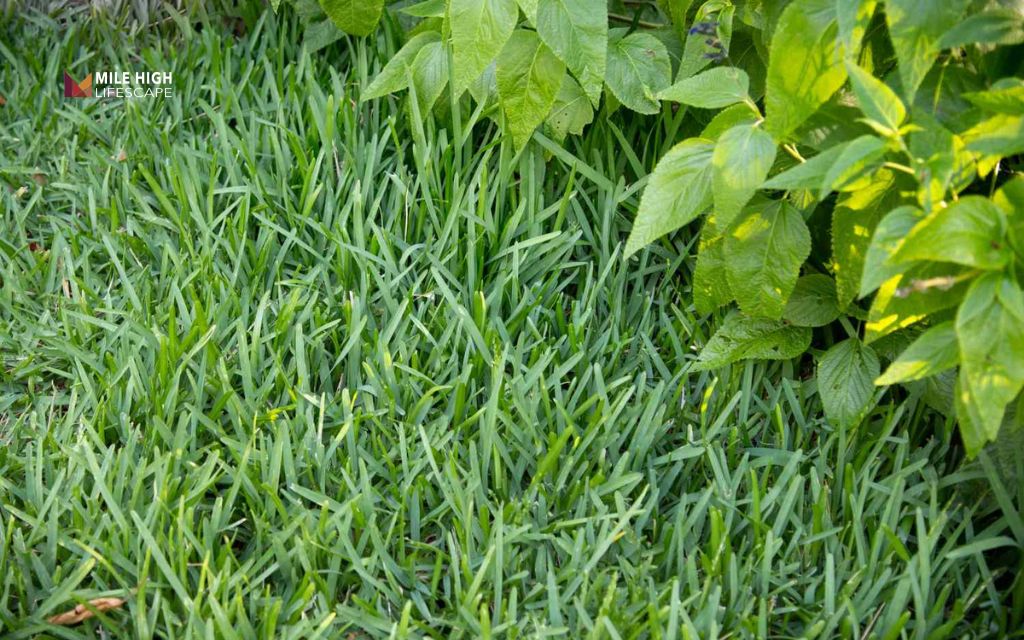
Centipede grass is a perennial warm-season turf with coarse blades, a naturally light green colour and a low-growing habit. It spreads mainly through stolons that move across the soil surface rather than through an aggressive underground root network.
Its slow growth reduces mowing frequency, while relatively low nutrient demand makes it attractive for homeowners who prefer a simpler maintenance routine.
Is Centipede Grass Right For Your Lawn?
Centipede grass works best where the lawn receives relatively light traffic and fast recovery is not essential. It suits homeowners who prefer fewer mowings and lower fertiliser demand, but it is less appropriate for play areas, busy paths or sites that need rapid coverage. Soil conditions and winter exposure also matter, so turf selection should reflect the property rather than maintenance level alone.
When Is The Best Time To Plant Centipede Grass?
Centipede grass establishes most reliably from late spring into early summer, once both air and soil temperatures remain warm enough to support active growth. This seasonal window is especially important for seed, which develops more slowly in cooler ground. The same timing principle also matters when choosing the best time to lay sod so new turf has enough warm weather to establish.
- Aim for consistently warm spring or early-summer conditions
- Soil temperatures around 65°F–90°F support seed germination
- Warmer soil generally encourages faster early development
- Avoid planting too early while the ground remains cool
- Allow enough growing time before colder weather returns
How To Grow Centipede Grass
To grow centipede grass successfully, the planting area needs clean soil, even seed distribution, suitable nutrition, and consistent early moisture. Each step should support steady establishment without pushing the turf too hard during its slower early growth.
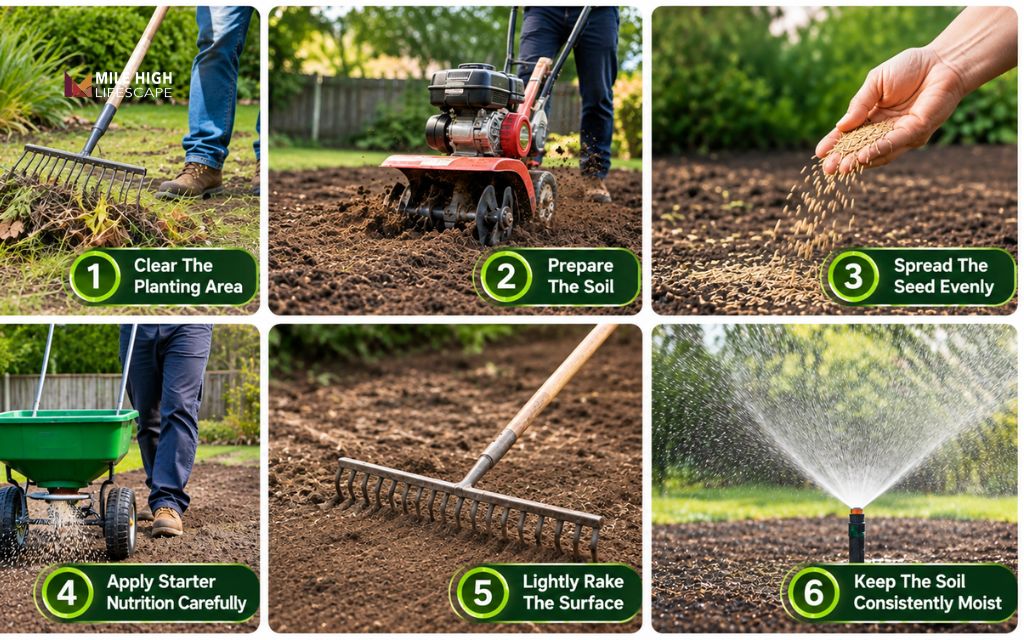
1. Clear The Planting Area
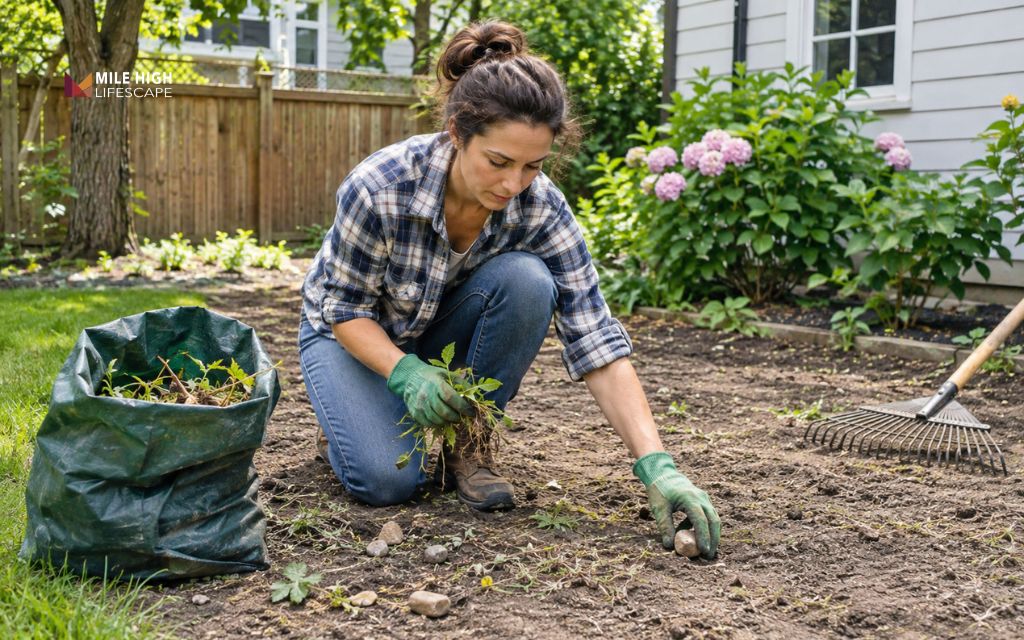
Remove existing grass, weeds, stones, sticks, and other debris before planting. A clean surface gives new seed direct access to the soil and reduces competition for water and space. Check the area for low spots or drainage issues at the same time so the ground is ready for the next step.
2. Prepare The Soil
Loosen the upper layer of soil and create a smooth, even surface without leaving it excessively soft. Centipede grass generally performs best in acidic, sandy or well-drained soil, so a soil test can help identify pH or nutrient issues before planting. Good preparation also improves seed-to-soil contact.
3. Spread The Seed Evenly
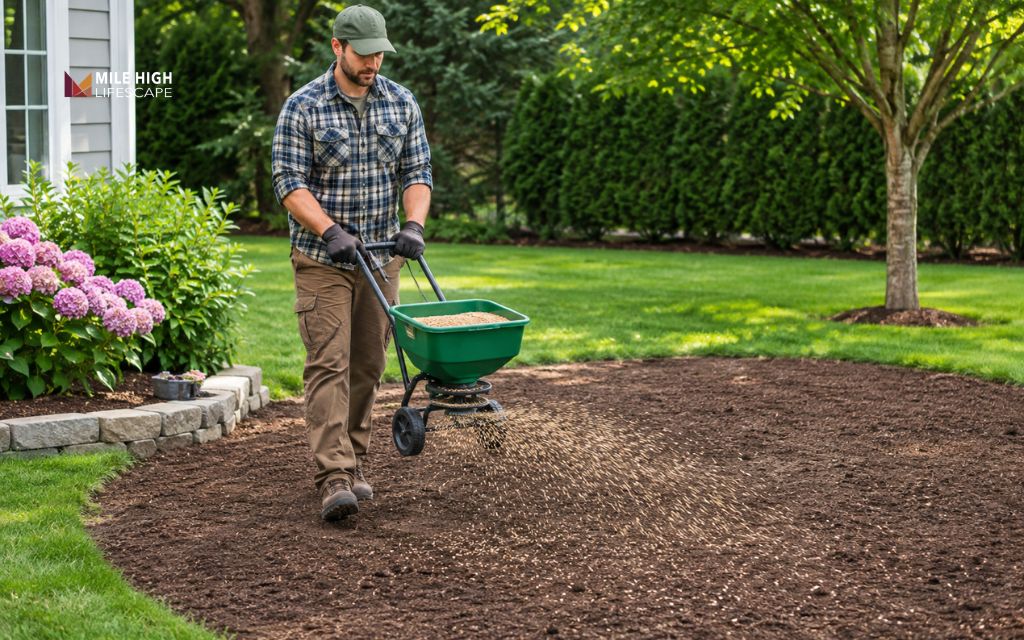
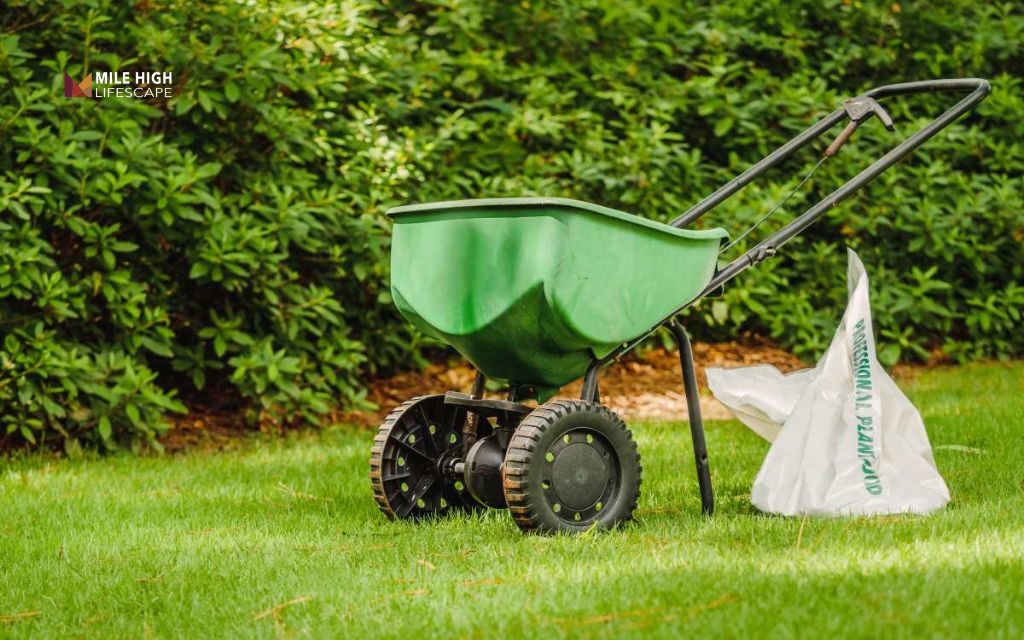
Apply the seed at the recommended rate and keep each pass as even as possible across the lawn. Avoid concentrating too much seed in one area, as uneven distribution can leave patchy growth later. A spreader can help maintain more consistent coverage across larger or irregular planting areas.
4. Apply Starter Nutrition Carefully
Centipede grass has relatively low nutrient requirements, so starter nutrition should be applied carefully rather than heavily. Match fertiliser use to the soil condition and avoid excessive nitrogen, which can push unnecessary growth and weaken the turf over time. A measured approach supports establishment without overstimulating the lawn.
5. Lightly Rake The Surface
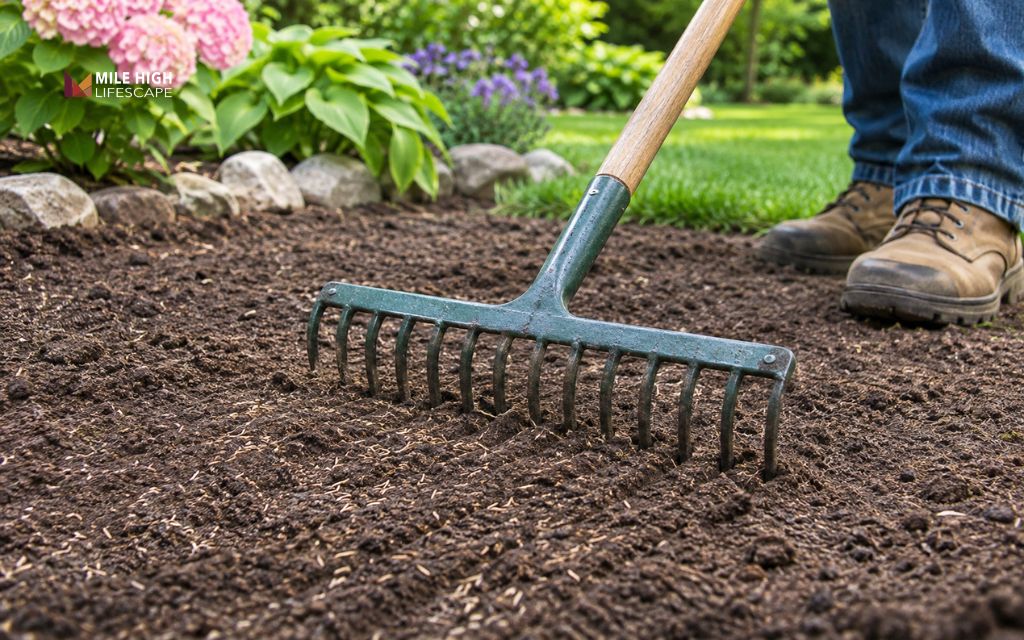
Pass a rake lightly over the seeded area so the seed settles into the uppermost layer of soil. The goal is to improve contact without burying the seed too deeply. Keep the surface level enough for even watering, as exposed or displaced seed can dry out more quickly.
6. Keep The Soil Consistently Moist
Keep the top layer of soil consistently moist while the seed germinates and young grass begins to establish. Light watering may be needed more than once during hot or dry periods, but the area should not remain saturated. Reduce irrigation gradually as the roots become stronger and begin reaching deeper into the soil.
Can You Grow Centipede Grass From Sod?
Yes. Centipede grass can be established from sod, and this method provides immediate coverage while the roots begin establishing beneath the surface. Compared with seed or plugs, sod generally establishes faster and is less exposed to early stress, although it costs more.
For the best results, place centipede sod grass on well-prepared, moist soil, fit each piece tightly, press it into firm contact, and water thoroughly after installation.
How To Care For Centipede Grass
Centipede grass performs best with a relatively light maintenance routine. It does not respond well to excessive watering, frequent feeding, or aggressive mowing, so care should follow the lawn’s actual condition rather than a heavy schedule. Consistent moisture, moderate cutting height, and restrained fertiliser use help preserve its naturally slow-growing character.
Watering
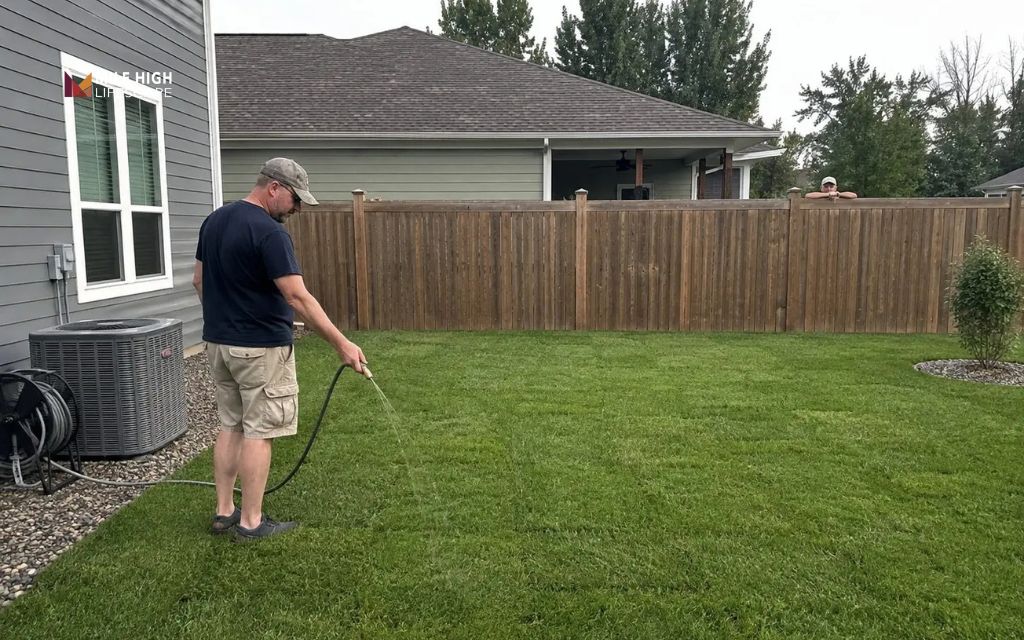
Water centipede grass when the lawn begins to show early signs of drought stress, such as a grey-green colour or slight wilting. A deeper soak is more useful than frequent shallow watering because moisture should reach several inches into the soil. Once established, the lawn does not need a rigid daily schedule, and the soil should have time to drain between irrigation cycles.
Mowing
Keep centipede grass at roughly 1.5 to 2 inches and use a sharp mower blade for cleaner cuts. Avoid removing more than one-third of the leaf height in a single mowing, as excessive cutting can stress the turf. Its slow growth usually means fewer mowing sessions than more vigorous warm-season grasses.
Feeding
Centipede grass needs relatively little nitrogen compared with many warm-season lawns. Excess fertiliser can force unnecessary growth, increase stress, and weaken the turf over time. A lighter feeding approach is more appropriate, with applications based on soil condition rather than attempts to create an unnaturally dark green colour.
Centipede Grass Vs Other Lawn Grasses
Centipede grass stands out for its slow growth, low fertiliser demand, and relatively light maintenance needs. Compared with faster or more cold-tolerant grasses, it trades durability and recovery speed for a simpler care routine.
| Factor | Centipede Grass | Bermuda Grass | Zoysia Grass | Tall Fescue |
| Growth rate | Slow | Fast | Slow–moderate | Moderate |
| Shade tolerance | Fair | Poor | Good | Good |
| Traffic tolerance | Low | High | Moderate–high | Moderate |
| Fertiliser needs | Low | Moderate–high | Moderate | Moderate |
| Recovery speed | Slow | Fast | Moderate | Moderate |
| Cold tolerance | Low | Limited | Moderate | Good |
Why Does Centipede Grass Recover Slowly From Damage?
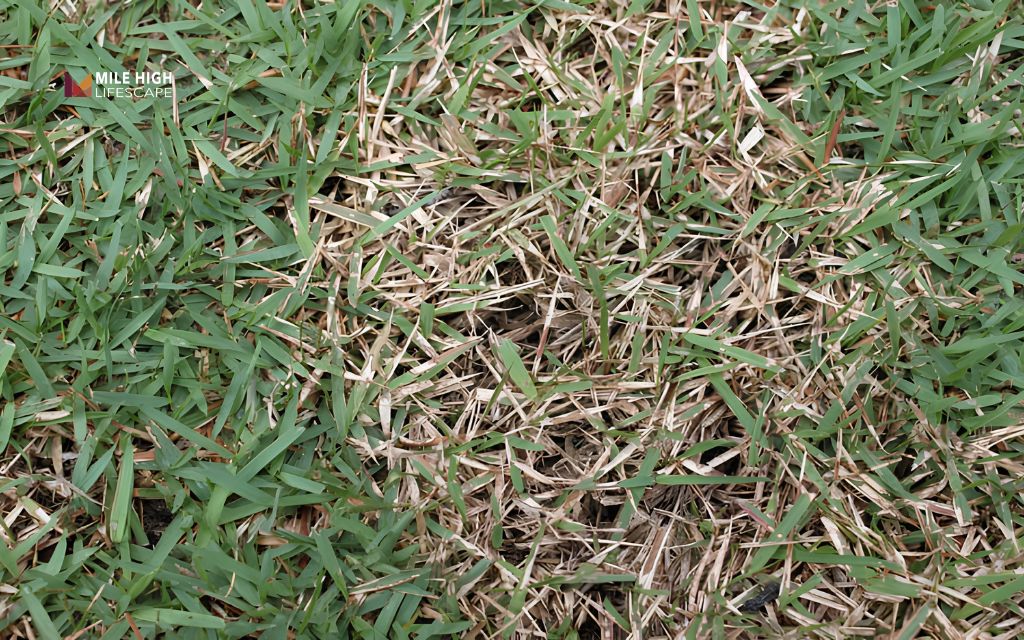
This turf has a naturally restrained growth rate, so worn or bare areas take longer to fill than they do with faster-spreading grasses. Heavy foot traffic, repeated play, or physical damage can therefore remain visible for an extended period. Limiting pressure on weak areas and repairing damage early helps prevent small bare spots from becoming larger.
Common Centipede Grass Problems
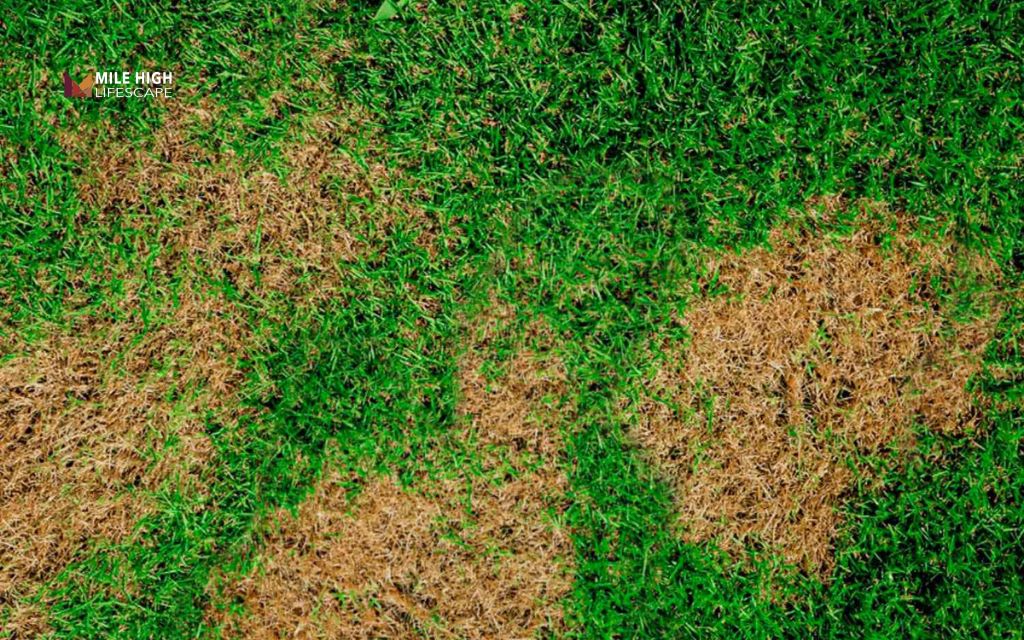
Several issues can develop when the lawn is exposed to unsuitable moisture, excessive fertiliser, heavy traffic, or poor growing conditions. Thin or bare patches after repeated foot traffic
- Yellowing linked to unsuitable soil conditions
- Winter browning during seasonal dormancy
- Weed pressure in weak or open areas
- Slow recovery after physical damage
- Thinning where shade becomes too dense
- Stress caused by excessive fertiliser
- Poor growth in persistently wet soil
Mile High Lifescape: Choose The Right Sod For Your Lawn
Mile High Lifescape helps Denver-area homeowners build lawns that suit the property, climate, and way the space is actually used. With over 20 years of experience, we handle everything from lawn preparation to professional Sod Installation, with practical recommendations based on long-term performance rather than appearance alone.
- Professional preparation and sod placement help create stronger soil contact, cleaner edges, and more consistent early establishment
- Turf recommendations consider sunlight, traffic, maintenance needs, and long-term performance rather than appearance alone
- Ongoing support can include watering guidance, irrigation planning, and broader lawn care to help new turf establish more reliably
Ready for a lawn that fits your property and performs long term? Call Mile High Lifescape at (303) 877-9091 to discuss the right sod installation approach.

Final Thoughts
Centipede grass can be a practical choice for homeowners who prefer a slower-growing lawn with lighter mowing and feeding demands. Its main limitations are slower recovery, lower traffic tolerance, and weaker performance in unsuitable shade or climate conditions. The best results come from matching the grass to the property, maintaining it carefully, and avoiding excessive inputs that work against its natural growth habit.
Frequently Asked Questions
Does Centipede Grass Grow In Shade?
Yes, but it performs best in light or partial shade rather than deep shade. Too little sunlight can lead to thinner growth and slower recovery.
Will Centipede Grass Grow In The Shade Under Trees?
It can grow under lightly filtered tree cover, but dense canopies often reduce turf quality. Tree roots can also compete for water and nutrients.
How Fast Does Centipede Grass Grow?
Centipede grass grows slowly and spreads gradually through stolons. This reduces mowing needs but also means bare areas take longer to fill.
Can You Install Centipede Sod Grass?
Yes. Centipede sod grass provides immediate coverage and establishes faster than seed, but it still needs good soil contact and consistent early watering.
How To Repair Bare Spots In Centipede Grass
First correct the cause of damage, then repair the area with matching seed or sod. Avoid mixing in faster-growing grasses that may compete with the existing lawn.
What Happens To Centipede Grass In Winter?
Centipede grass normally enters dormancy as temperatures fall and may turn brown through winter. The green colour returns when warm-season growth resumes.