The centipede vs zoysia comparison comes down to how you use your yard, how much upkeep you want, and the conditions your lawn needs to handle. Both are warm-season grasses that thrive during hot weather, but they differ in texture, shade tolerance, soil preferences, and durability. Centipedegrass usually suits low-traffic lawns where minimal fertilizing is a priority. Zoysiagrass offers a denser lawn that stands up better to regular use. Understanding the differences will help you choose grass that looks good and remains manageable over time.
Centipede vs zoysia at a glance
The table below highlights the main differences between these two warm-season grasses. Performance varies with the cultivar, climate, and maintenance practices.
| Feature | Centipedegrass | Zoysiagrass |
| Appearance | Light, apple-green color with relatively broad blades | Medium- to dark-green color with a dense, carpetlike appearance |
| Texture | Medium to somewhat coarse | Fine to medium, often firm underfoot |
| Growth habit | Spreads through aboveground runners called stolons | Spreads through aboveground stolons and underground rhizomes |
| Sun and shade | Prefers full sun; tolerates light or partial shade | Prefers full sun; some cultivars perform better in partial shade |
| Drought response | Can survive dry periods by going dormant but may struggle with prolonged drought | Generally strong drought survival once established; may turn brown under stress |
| Cold tolerance | Relatively limited | Generally better, depending on cultivar |
| Soil preference | Performs well in acidic, relatively low-fertility soils | Adapts to more soil conditions; generally prefers slightly acidic to near-neutral soil |
| Foot traffic | Poor wear tolerance and slow recovery | Better wear tolerance, though damaged turf can recover slowly |
| Fertilizer needs | Low | Low to moderate, depending on cultivar and desired appearance |
| Establishment | Seed, sod, or plugs | Mostly sod or plugs; some cultivars can be seeded |
| Maintenance | Usually lower input | Often requires more attention to mowing and thatch |
Quick answer: Choose centipedegrass for a warm-climate lawn with acidic soil, light traffic, and modest maintenance needs. Choose zoysiagrass if you prefer thick turf that handles more activity and your growing conditions support the cultivar you select.
What is centipede grass?
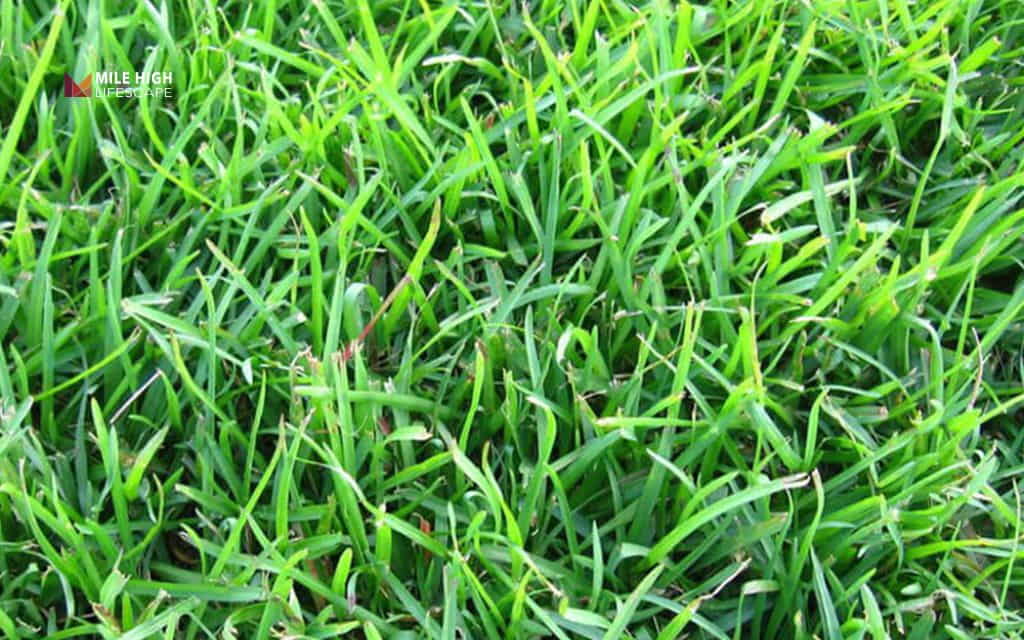
Centipedegrass (Eremochloa ophiuroides) is a slow-growing, warm-season grass commonly used for low-maintenance lawns in the southeastern United States. Its naturally light-green color, medium-to-coarse leaf texture, and relatively open growth habit distinguish it from denser warm-season grasses.
Centipedegrass spreads through stolons, which are runners that grow along the soil surface and develop roots at their nodes. Established turf generally needs less nitrogen fertilizer and less frequent mowing than many other lawn grasses. It also grows well in acidic soil where some turf varieties struggle.
Those benefits come with limitations. Centipedegrass tolerates little foot traffic, repairs damage slowly, and is vulnerable to prolonged cold. Overfertilizing it to achieve a darker green color can cause more problems than it solves.
What is zoysia grass?
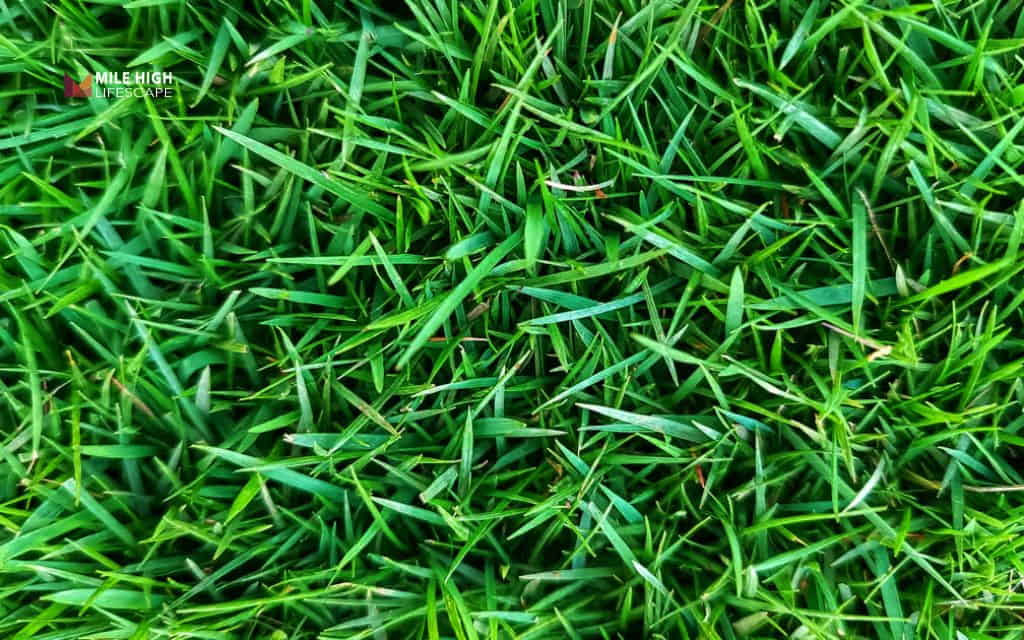
Zoysiagrass (Zoysia spp.) is another warm-season lawn grass valued for its thick growth, attractive appearance, and resistance to wear. Its blades range from fine to medium in texture depending on the species and cultivar. Dense growth can help established turf compete with weeds, although weeds can still appear in thin or stressed areas.
Unlike centipedegrass, zoysiagrass spreads through both stolons and underground stems called rhizomes. The resulting turf can feel firm and cushiony underfoot. Many cultivars withstand drought and seasonal cold better than centipedegrass, but zoysia also grows slowly and may take time to fill damaged areas.
Popular zoysia choices include Meyer, Zeon, Emerald, and Zenith. Their texture, shade tolerance, cold hardiness, and establishment methods are not identical, so cultivar selection matters.
Centipede vs zoysia: Key differences
Appearance and texture
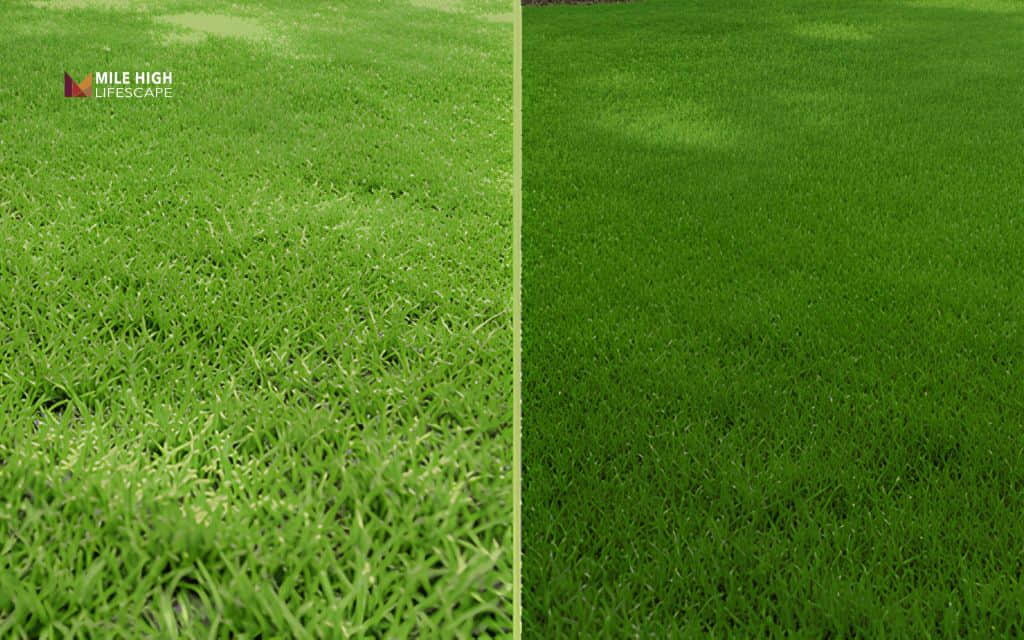
What does centipede grass look like compared with zoysia? Centipedegrass usually has apple-green blades, a medium-to-coarse texture, and visible surface runners. Healthy zoysiagrass generally looks denser and darker, with blades that may feel firmer underfoot.
For zoysia vs centipede identification, consider growth habit as well as color. Centipedegrass has conspicuous stolons with alternating leaves, while zoysia forms a tightly interwoven mat through stolons and rhizomes. Color alone is unreliable because nutrition and growing conditions affect both grasses.
For a closer look, inspect stems near the soil surface and compare several healthy sections of lawn. Recently mowed or drought-stressed turf may be harder to identify than actively growing grass.
Sun and shade tolerance
Both grasses perform best in full sun. Centipede grass in shade can survive light or filtered sunlight, but sustained heavy shade often produces thin turf. Certain fine-textured zoysia cultivars perform better in partial shade, although none is a reliable choice for deep shade.
Can centipede grass grow in shade? Sometimes, depending on the amount of light and competition from nearby trees. Before planting either grass, assess the site’s actual sunlight rather than assuming a shaded area will support healthy turf. Tree roots also compete with grass for water and nutrients, so a lawn beneath a mature canopy faces more challenges than one shaded briefly by a building.
Climate and cold tolerance
Centipedegrass prefers warm, humid climates with relatively mild winters. Extended freezing weather can damage it, although improved selections such as TifBlair offer greater cold tolerance than common centipedegrass.
Zoysiagrass generally has better cold hardiness, and some cultivars grow in parts of the transition zone where centipedegrass struggles. Both enter dormancy and turn tan or brown during colder weather. Green-up depends on local temperatures and cultivar, while zoysia generally offers better salt tolerance for some coastal sites. Regional recommendations are especially important near the edge of each grass’s growing range. Winter injury and delayed spring green-up can outweigh differences in summer appearance or maintenance.
Drought tolerance and watering needs
Established zoysiagrass generally survives drought well but may turn brown during severe water stress. Centipedegrass can also enter dormancy, although prolonged dry conditions may cause more damage. Neither grass should be watered on a rigid daily schedule.
Use rainfall, soil moisture, and visible stress to guide irrigation. Deep, appropriately spaced watering usually supports healthier roots than frequent shallow sprinkling. When coverage is uneven, well-designed sprinkler installation can improve distribution and reduce recurring dry or overly wet spots. Newly seeded lawns and fresh sod need more frequent moisture during establishment than mature turf. After roots develop, gradually adjust irrigation to encourage deeper rooting without leaving the soil saturated.
Soil type and pH requirements
Centipedegrass favors acidic, well-drained, relatively low-fertility soils. Extension recommendations commonly target a soil pH around 5.0 to 6.0, although the grass can tolerate a broader acidic range. Excessive fertilizer or unnecessary lime can create nutrient problems.
Zoysiagrass adapts to more soil conditions and generally prefers slightly acidic to near-neutral soil, often around pH 6.0 to 7.0. Neither thrives in waterlogged or severely compacted soil. Test the soil before applying amendments rather than guessing from appearance. Low fertilizer needs do not mean that centipedegrass should never be fertilized. Follow soil-test recommendations, since adding nutrients without evidence of deficiency can do more harm than good, particularly in established centipede lawns.
Foot traffic and durability
Zoysiagrass is usually better for yards used by children, pets, or visitors. Its dense turf withstands routine wear more effectively than centipedegrass, though bare patches may still fill slowly.
Centipedegrass performs best where traffic is light. Repeated running, compaction, or concentrated pet activity can thin it, and slow lateral growth makes repairs challenging. Neither grass is ideal for constant sports-field-level use. Think about where people naturally walk, such as routes between a patio and a gate.
Mowing, fertilizing, and maintenance
Centipedegrass grows slowly and usually needs minimal nitrogen. Overfertilizing to darken its natural light-green color can increase disease or decline. It is often mowed around 1 to 2 inches, with local recommendations guiding adjustments.
Zoysiagrass may need more attentive mowing because of its dense growth. Recommended height depends on cultivar and equipment, often around 1 to 2 inches for home lawns. Nutrient needs vary, and excessive fertilization can encourage thatch.
Grass growth determines how often to mow your lawn. Avoid removing more than about one-third of the blade at once, and monitor thatch buildup rather than assuming either lawn is maintenance-free. Thatch is a layer of accumulated stems and roots between green blades and the soil. Excessive buildup can interfere with water movement and rooting, but aggressive dethatching can also damage slow-growing turf.
Seeding, sod, and establishment
Centipedegrass can be established from seed, sod, or plugs. Seed may cost less initially but requires patience while the grass fills in. Sod offers immediate coverage, though roots still need time to establish.
Most commonly sold zoysia cultivars are planted as sod or plugs, but seeded varieties such as Zenith are available. Plugs of either grass can take considerable time to create full coverage, especially when spaced widely.
Prepare well-drained soil and plant during suitable warm-season growing conditions. Professional sod installation services can help address grading, soil preparation, and even coverage before the new lawn takes root.
Installation and long-term costs
Centipedegrass may be less expensive to maintain because it generally requires less fertilizer and mowing. Seeding can lower upfront material costs, but slow establishment demands weed control and careful watering.
Zoysia sod, plugs, or specialty cultivars may cost more initially. Ongoing expenses depend on irrigation, mowing, fertilization, and occasional thatch management. Compare total estimates that include soil preparation, labor, materials, and establishment rather than assuming either grass is always cheaper. The least expensive grass to buy is not necessarily the least expensive to maintain.
Centipede or zoysia: Which grass is better for your lawn?
Match your choice to the local climate, soil, sunlight, maintenance expectations, and how often people use the yard.
Choose centipede grass if…
- Winters are generally mild and the growing season is warm.
- Your soil is acidic and relatively low in fertility.
- Most of the lawn receives full sun or only light shade.
- Foot traffic is light.
- You prefer a light-green lawn with modest mowing and fertilizer needs.
Centipedegrass is practical for a low-input yard when its climate and traffic limitations are respected.
Choose zoysia grass if…
- You prefer dense, carpetlike turf.
- Children, pets, or guests use the lawn regularly.
- Your site offers sun or partial shade suitable for the selected cultivar.
- Better cold hardiness is important.
- You can accommodate establishment costs and occasional thatch management.
Zoysiagrass often balances appearance with wear tolerance. Deep shade, persistent wetness, or unsuitable temperatures may make another grass species a better choice than either option.
Conclusion
The centipede vs zoysia decision is largely about matching turf performance to your yard. Centipedegrass works well for low-traffic lawns with acidic soil and limited maintenance demands. Zoysiagrass is typically better for homeowners who want thicker turf and stronger wear tolerance. Shade, local winters, and cultivar differences can change the outcome, so evaluate the property before choosing.
For homeowners in Denver and surrounding areas, Mile High Lifescape brings over 20 years of landscaping experience to lawn planning and installation. The team can assess your property’s conditions and recommend grass varieties suited to the local climate rather than assuming either warm-season option will work. Call (303) 877-9091 to request a free estimate.
Frequently asked questions (FAQs)
Can you mix centipede and zoysia grass?
Both can coexist, but their different colors, textures, and growth habits usually create an uneven lawn. Zoysia may spread into centipede areas over time. Separate planting areas are generally easier to manage.
Does zoysia spread faster than centipede grass?
Neither establishes rapidly. Spreading speed depends on cultivar, planting method, temperature, and care. Some zoysia cultivars establish faster than others, so there is no universal winner.
Which grass is better for dogs, centipede or zoysia?
Zoysia generally tolerates routine paw traffic better. However, digging, concentrated urine, and repeated running can damage either grass. Consider a separate surface for the most heavily used areas.
Does centipede or zoysia stay green longer?
Both turn brown during cool-season dormancy. Spring green-up and fall color vary by climate and cultivar, so neither consistently stays green longer in every location.