Weeds never take a day off. If you have a flower bed, gravel path, or shrub border that keeps getting overrun no matter what you do, landscape fabric might be the solution you need. But here is the thing: plenty of homeowners who learn how to lay landscape fabric end up frustrated anyway, not because the material fails, but because the installation was done incorrectly from the start.
This guide covers the right way to do it, including which type to choose, the tools you need, and the step-by-step process from soil prep to final cover. We also talk honestly about where landscape fabric works well and where you might want to skip it altogether.
What is landscape fabric
Landscape fabric, also called weed barrier fabric or landscaping cloth, is a permeable sheet material laid directly on the soil surface beneath mulch, gravel, or rock. Its main job is to block sunlight from reaching the soil, which stops weed seeds from germinating. At the same time, good-quality fabric still allows water and air to pass through so your plants and soil stay healthy underneath.
Is landscape fabric worth it?
Used in the right situation and installed correctly, landscape fabric earns its place. The benefits go beyond just blocking weeds, here is what it actually delivers for your yard:
Reduces weed growth
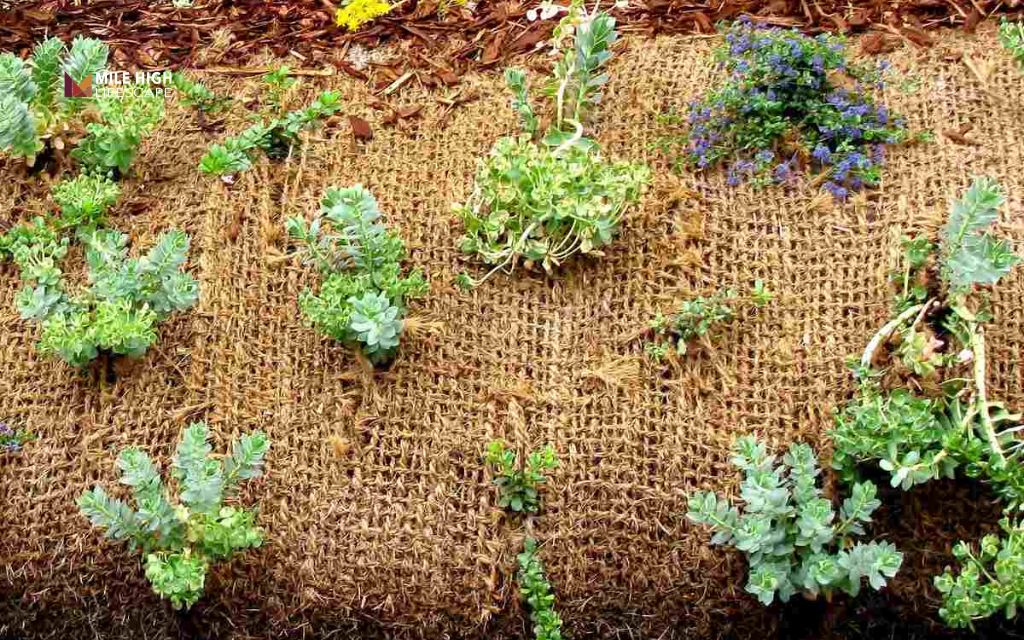
Landscape fabric blocks sunlight from reaching the soil, preventing most weed seeds from ever sprouting. It works best in established shrub beds and gravel areas where the ground is not being regularly disturbed.
Improves landscape cleanliness
Over time, gravel, mulch, and soil naturally shift and mix together, creating a messy, undefined look. Landscape fabric keeps each layer separate, making it an ideal choice for decorative rock and gravel paths where a clean, polished finish matters.
Enhances water efficiency
Quality landscape fabric allows water to pass through to the soil while slowing evaporation from the surface, helping the ground stay moist longer between waterings. This benefit is especially valuable in dry climates and on sloped beds where water runoff is a common problem.
Provides long-term ground stability
Heavy materials like gravel and rock can shift and sink into soft soil over time without a barrier underneath. Landscape fabric holds everything in place, making it a practical foundation for gravel paths and rock gardens that need to stay level and stable for years.
Types of landscape fabric
Not all landscape fabric is the same. Choosing the wrong type for your project is one of the most common mistakes homeowners make. Here is a breakdown of the three main categories:
| Type | Best for | Durability | Water & air flow |
| Woven | Gravel beds, rock gardens, long-term projects | High | Medium |
| Non-Woven | Drainage-sensitive areas, mulch beds | Medium | High |
| Spun | Temporary weed control, short-term use | Low | High |
Woven landscape fabric
Made from interlocked polypropylene strands, woven fabric is the most durable option on the market. It holds up well under heavy gravel and rock, resists tearing, and can last many years when properly covered. This is the best choice for permanent gravel beds, rock gardens, and long-term landscape projects where you are not planning to replant often.
Non-woven fabric
Non-woven fabric is made from bonded fibers pressed together rather than woven. It tends to allow better water and air flow, making it a good option for areas where drainage matters more than heavy-duty strength. It works well under lighter mulch and in beds where you want to encourage moisture retention.
Spun fabric
Spun or spunbond fabric is the lightest and most flexible of the three types. It is easy to cut and install, making it popular for quick weed control projects. However, it breaks down faster and is better suited for short-term or temporary use rather than permanent installations.
Tools & materials you’ll need
Before you start, gather everything in one place. Most installs stall halfway through because of a missing pin or the wrong cutting tool having it already saves you an unnecessary trip back to the store.
- Landscape fabric roll: Blocks weeds at the source; choose woven, non-woven, or spun based on your project
- Landscape staples or pins: Holds the fabric firmly in place so it does not shift over time
- Utility knife or scissors: Cuts cleanly around plants, edges, and obstacles
- Shovel or rake: Clears, levels, and smooths the soil before installation
- Measuring tape: Ensures accurate coverage and correct overlap between sheets
- Mulch, gravel, or rock: Covers and protects the fabric while completing the finished look
Step-by-Step: How to lay landscape fabric
Step 1: Clear and prepare the area
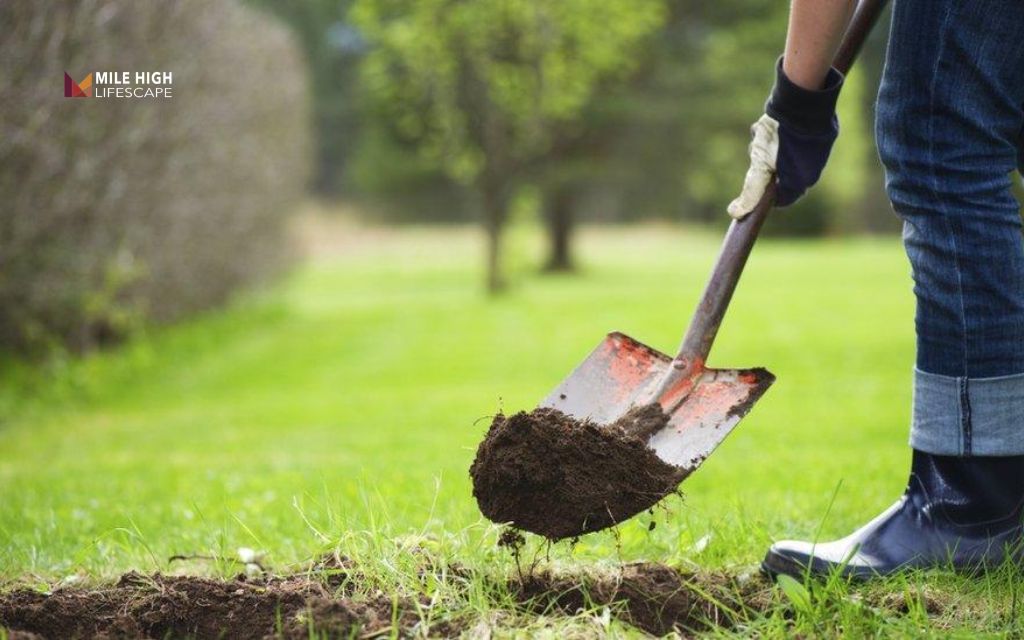
This is the most important step, and it cannot be skipped. Before you unroll any fabric, remove all existing weeds, grass, rocks, and debris from the area by hand or with a shovel.
Pull weeds out by the root rather than just the stem to prevent regrowth underneath the fabric. Level the soil surface as evenly as possible and clear away any large stones or roots that could puncture the material later.
Step 2: Smooth and compact the soil
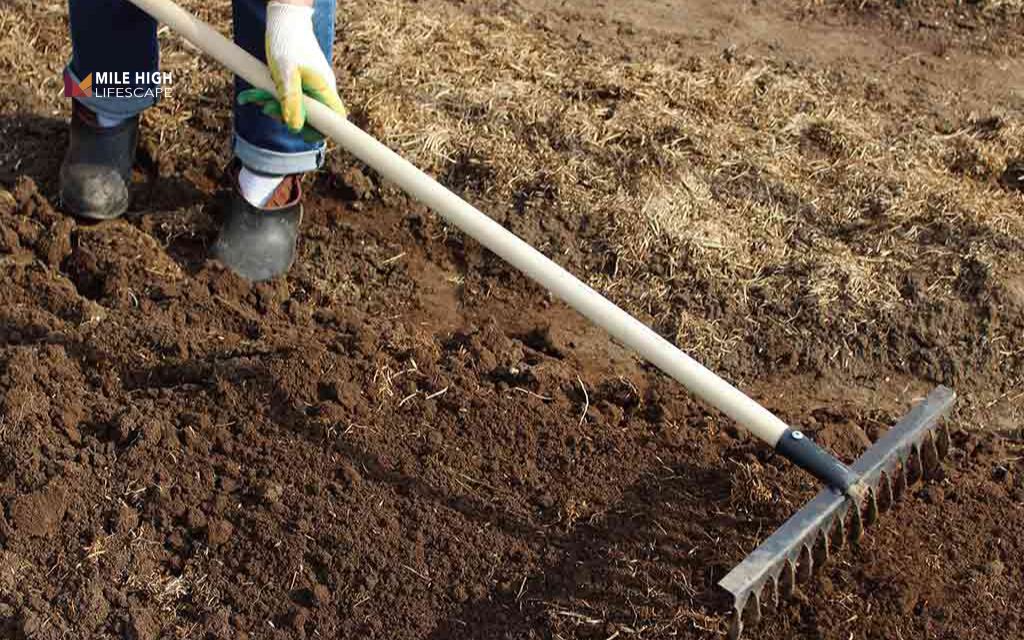
Once the area is clear, the soil surface needs to be smooth and firm before the fabric goes down. Rake the entire area evenly, breaking up any large clods or uneven patches as you go.
Lightly tamp or compact the soil using a lawn roller or the back of your rake. A stable, flat base helps the fabric lie flush against the ground and stay in place after installation.
Step 3: Roll out the landscape fabric
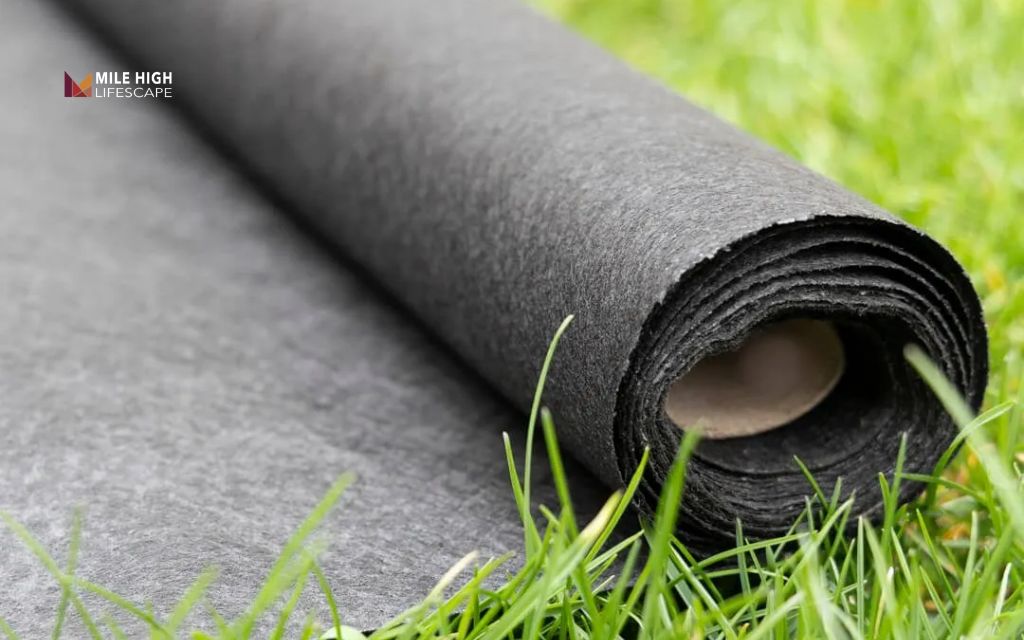
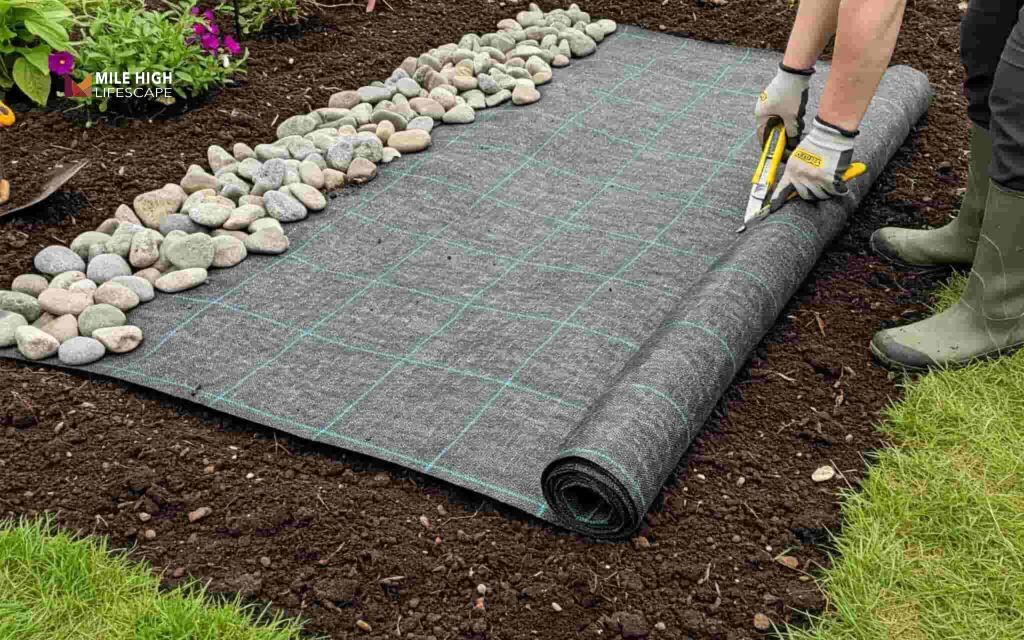
Now comes the part most people think of when they picture how to lay down landscape fabric. Unroll the fabric flat across the prepared area, starting from one edge and working your way across.
When using multiple pieces, overlap the edges by at least 6 to 12 inches to prevent weeds from finding their way through the seams. Extend the fabric a few inches past the bed edges where possible to block weeds from creeping in along the border.
Step 4: Secure with landscape staples
Fabric that shifts is fabric that fails, so stapling it down properly is what keeps everything in place over time. Drive landscape staples or U-shaped pins every 2 to 3 feet across the entire surface.
Pay close attention to edges, corners, and any overlapping seams when placing your staples. Use heavy-gauge metal staples rather than plastic ones for a stronger, longer-lasting hold.
Step 5: Cut openings for plants
If you have shrubs, perennials, or other established plants in the area, the fabric needs to accommodate them without leaving large gaps in coverage. Use a utility knife to cut a small X-shaped slit directly over each plant.
Gently fold the fabric flaps back around the base and keep each opening as small as possible while still allowing enough room for the plant to grow. Secure the folded flaps with additional staples if needed.
Step 6: Add mulch, gravel, or rock on top
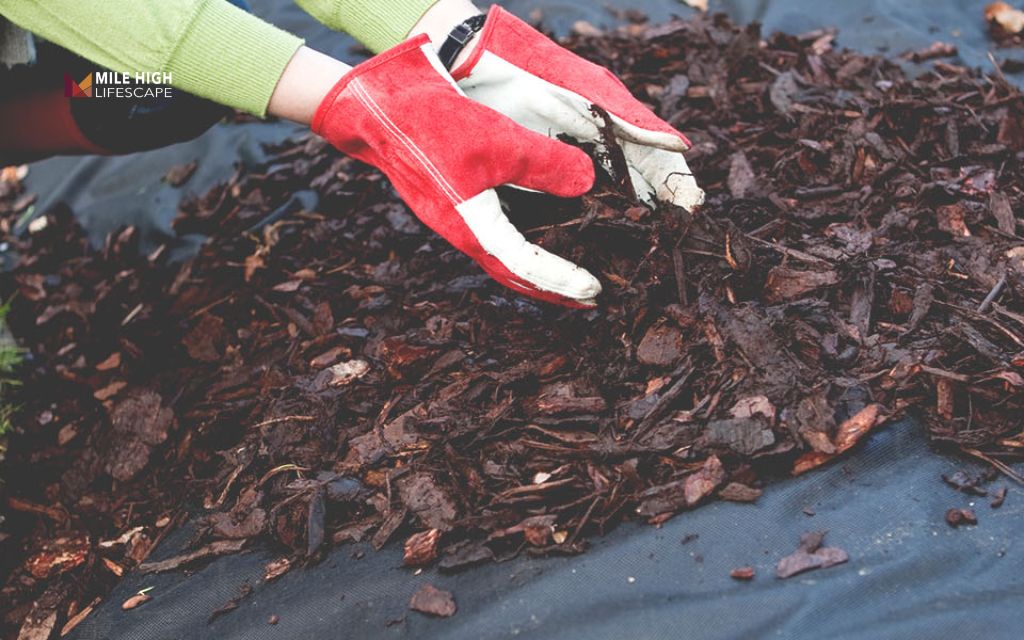
The final and often overlooked step is covering the fabric properly, because bare landscape fabric degrades quickly when exposed to sunlight. Apply 2 to 3 inches of mulch, gravel, or decorative rock over the entire fabric surface.
Spread the material evenly with a rake, taking care not to pull the fabric out of place as you work. The cover layer protects the fabric from UV damage, adds weight to hold it flat, and gives the landscape a clean, finished appearance.
Maintenance tips after installation
Learning how to use landscape fabric is only half the job. Once it is down, a few simple habits will keep it working for years.
- Check the surface every spring for weeds pushing through holes, cuts, or lifted edges, and pull them before the roots have time to establish.
- Top up your mulch or gravel layer whenever it drops below 2 inches, since a thin cover exposes the fabric to UV and speeds up breakdown.
- Press down any seams or edges that have shifted, and re-staple any sections that have pulled away from the border.
- Clear off any leaf litter or organic debris that builds up on top, it becomes a seedbed for new weeds.
Pro tips for best results
These are the details that separate a fabric installation that lasts years from one that fails within a season.
Always overlap fabric edges. Aim for at least 6 inches of overlap, and 12 inches is even better in areas with heavy weed pressure. Gaps at the seams are one of the most common entry points for weeds, and a wider overlap eliminates that risk almost entirely. On sloped ground or in windy areas, add an extra staple directly along the overlap line itself to keep the seam from lifting over time.
Use enough top cover. A minimum of 2 to 3 inches of mulch or gravel is needed to protect the fabric from sunlight breakdown and add enough weight to keep it lying flat against the soil. If you are using gravel, it holds the fabric more reliably than organic mulch because it does not break down over time. With mulch, plan to check the depth more frequently and top it up at least once a year to maintain that protective layer.
Pre-mark plant locations. Mark all plant spots on the soil before rolling out the fabric so you can make precise cuts right where you need them instead of guessing once everything is already stapled down. Rather than using a marker or tape that is hard to see through dark fabric, sprinkle a small circle of dry sand or chalk powder at each spot.
Avoid high-turnover areas. Landscape fabric is not a good fit for vegetable beds or beds where you regularly replant annuals. Cutting and re-cutting the fabric weakens the material quickly and makes seasonal replanting far more frustrating than it needs to be.
Choose high-quality fabric. Heavier-weight woven fabric from a reputable brand will significantly outlast cheap thin sheeting, especially under gravel where foot traffic and weight add constant pressure over time.
Conclusion
Learning how to lay landscape fabric correctly takes about an afternoon, but the payoff lasts for years. When installed in the right location and covered properly, it dramatically reduces weeding time, keeps your beds looking clean and defined, and helps your soil retain moisture through hot Colorado summers.
To get the most out of it, remember to prep the soil thoroughly, overlap edges by at least 6 to 12 inches, staple generously at seams and borders, and keep 2 to 3 inches of cover on top at all times. And make sure you are using the right fabric type for your specific project from the start.
But also be honest with yourself about where it makes sense. Landscape fabric works best in established beds and permanent features. If you are planting a new vegetable garden or rotating annuals every year, other weed control methods will serve you better.
Need help choosing the right landscape fabric or planning your next project? Mile High Lifescape serves the Denver metro area with professional landscaping design and installation. Contact us today to get started.
Frequently asked questions (FAQs)
How do you lay landscape fabric correctly?
To lay landscape fabric correctly, start by clearing all weeds and debris and leveling the soil surface. Roll the fabric out flat across the area, overlapping any seams by 6 to 12 inches. Secure the fabric with landscape staples every 2 to 3 feet, paying close attention to edges and overlaps. Cut small X-shaped openings for existing plants, then cover everything with 2 to 3 inches of mulch or gravel to protect the fabric and complete the installation.
Should you put landscape fabric under mulch?
Yes, placing landscape fabric under mulch can reduce weed growth, especially in low-maintenance shrub beds and gravel areas. However, it works best in permanent plantings where you are not regularly digging or changing plants. In beds with frequent seasonal changes, the constant cutting and replanting can degrade the fabric quickly, and it may actually make garden maintenance more difficult over time.
How long does landscape fabric last?
Most quality landscape fabric lasts between 5 and 10 years, depending on the material grade, installation method, and how well it is protected. Woven fabric under gravel or rock tends to last longer than non-woven fabric under organic mulch. Keeping the top cover layer replenished and doing basic annual maintenance will help extend its useful lifespan significantly.
What is the best type of landscape fabric to use?
The best type depends on your project. Woven landscape fabric is the top choice for gravel areas, rock beds, and any permanent installation where durability matters most. Non-woven fabric is better suited for areas that need strong drainage or where organic mulch is the top cover. Spun fabric is best reserved for temporary or seasonal weed suppression projects where heavy-duty performance is not required
Can weeds grow through landscape fabric?
Yes, weeds can still grow through landscape fabric, but usually only when it has been installed incorrectly. The most common causes include gaps at seams or edges, cuts that are too large around plants, and a buildup of soil and debris on top of the fabric that gives weed seeds a place to root. Proper installation with overlapping edges, full stapling, and consistent maintenance will minimize weed breakthrough significantly.