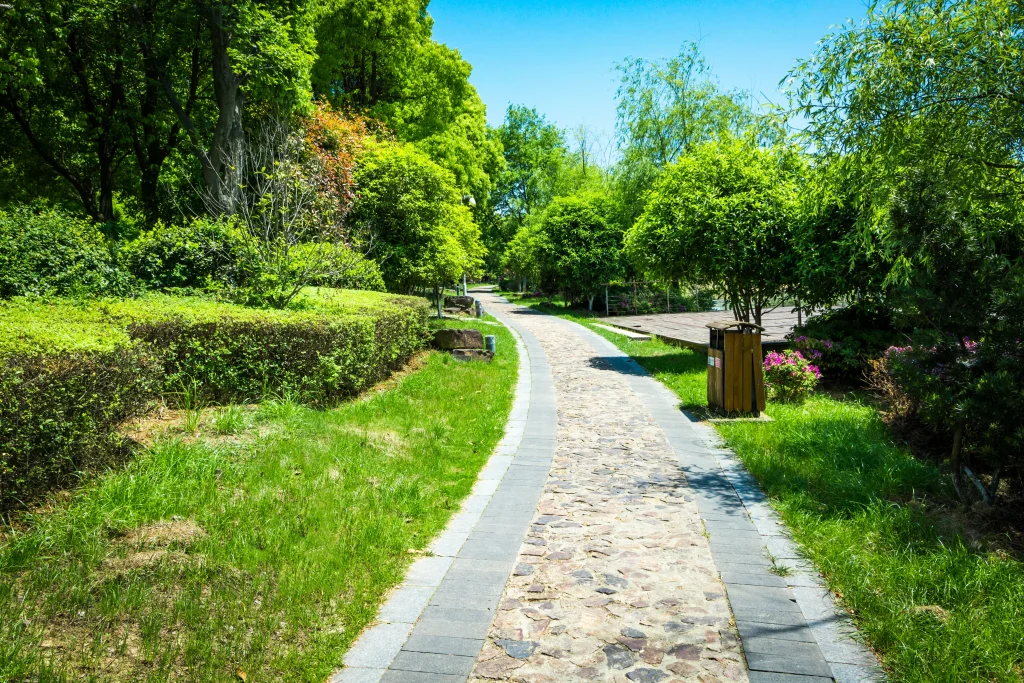
Knowing how to mulch around a tree correctly helps protect roots, retain soil moisture, control weeds, and reduce damage from lawn equipment. The key is to spread mulch across the root zone without piling it against the trunk or covering the root flare. This guide explains the right depth, circle size, materials, and maintenance for a healthy tree bed.
Why Mulching Around Trees Matters
A well-maintained mulch layer creates a more stable environment around tree roots. Soil loses moisture more slowly, temperature changes become less severe, and weeds face greater difficulty competing for water and nutrients.
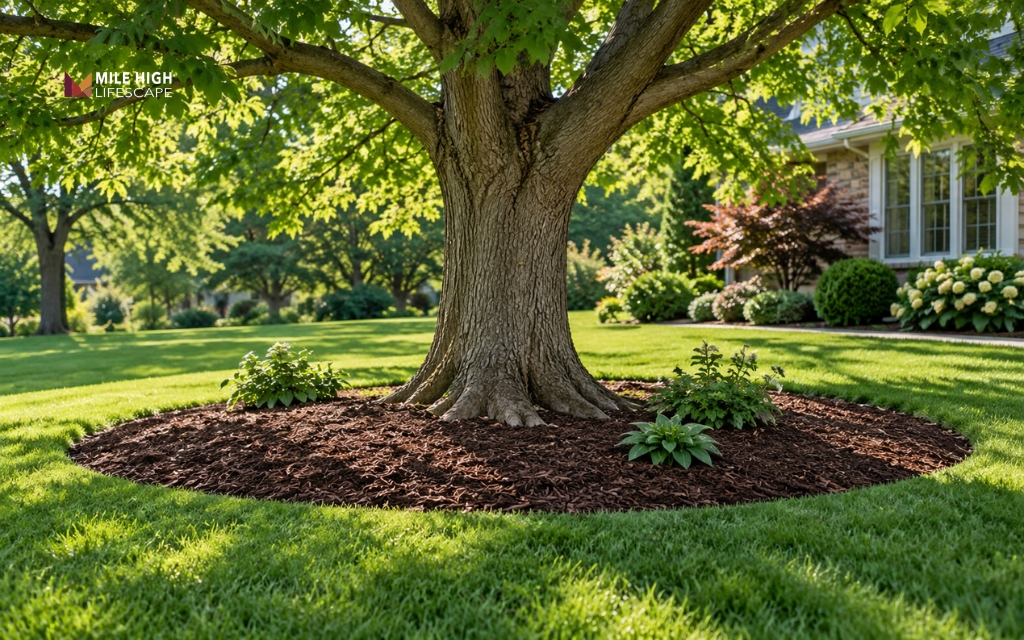
A mulch circle also separates the trunk from lawn areas, which reduces the risk of mower and string-trimmer damage. Organic materials such as wood chips and bark gradually decompose and add organic matter to the soil. Understanding these benefits is useful before learning how to mulch around a tree, because the goal is tree health rather than simply creating a decorative ring.
How To Mulch Around A Tree Step By Step
The basic method for how to mulch around a tree is simple: expose the root flare, spread mulch across a wide area, keep the layer moderate, and leave clear space around the trunk.
Clear Grass And Weeds From The Root Zone
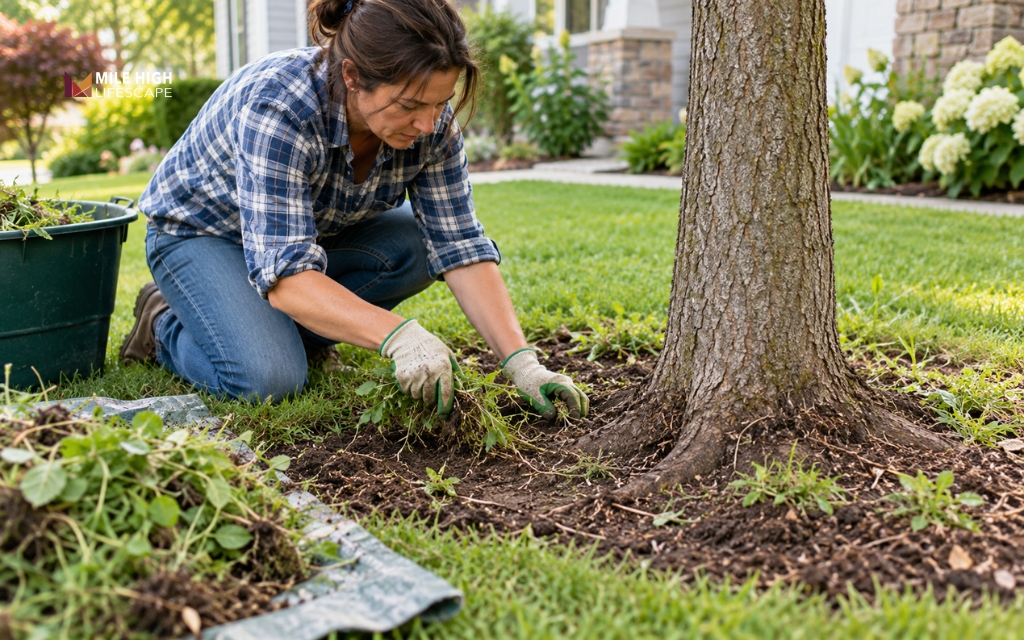
Remove grass and weeds from the planned mulch area without digging deeply around the tree. Shallow roots can sit close to the soil surface and may be damaged by aggressive cultivation. A mulch circle also reduces future competition from turf and creates a clear boundary between the tree and lawn equipment.
Find And Expose The Root Flare
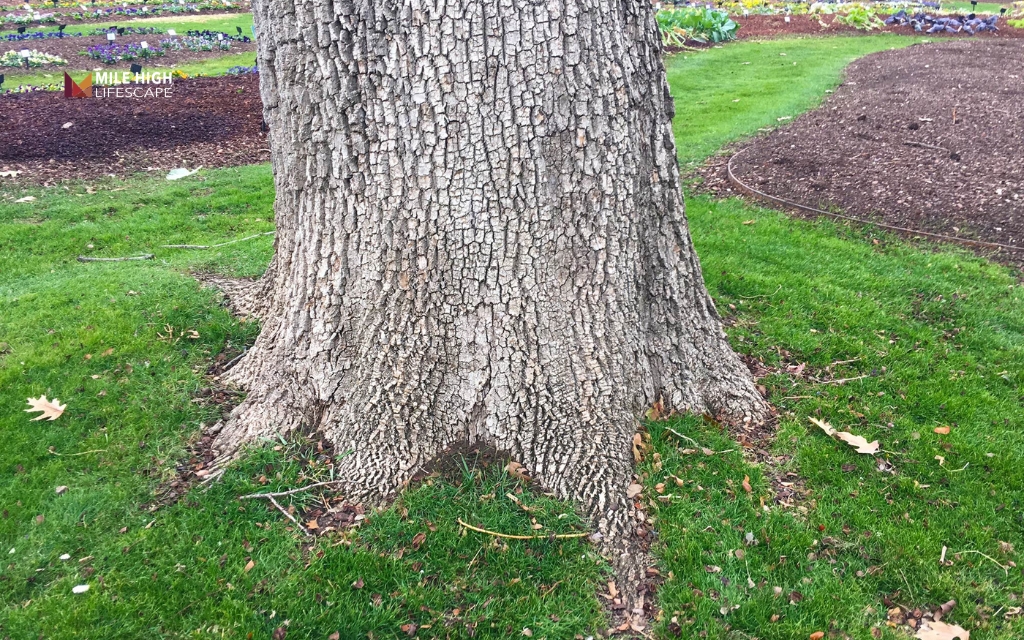
The root flare is the area where the trunk widens and meets the main roots. It should remain visible above the finished mulch layer. If old soil or mulch covers this area, gently pull the material away before adding anything new. Proper guidance on how to mulch around a tree always starts with keeping the root flare exposed, because constant moisture against trunk bark can contribute to decay and root problems.
Create A Wide Mulch Circle
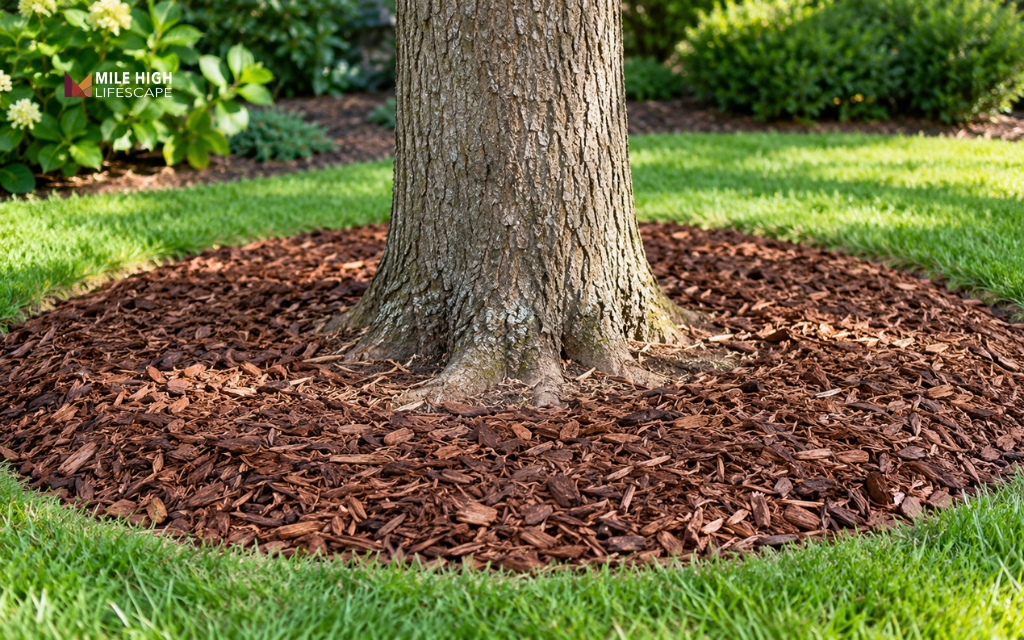
A wide mulch circle protects more of the active root zone and reduces competition from nearby turf. Extend the ring as far from the trunk as the landscape allows; reaching towards the drip line provides greater coverage for established trees.
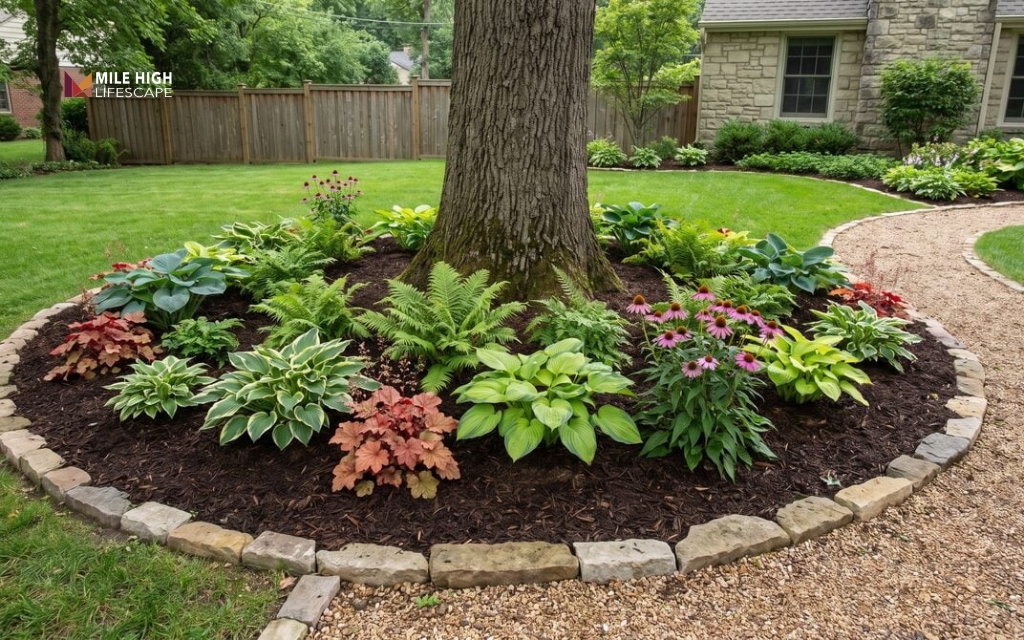
For homeowners exploring mulch around trees ideas, the circle does not need to be perfectly round. A larger natural-shaped bed can connect the tree with nearby shrubs or planting areas.
Spread Mulch At The Proper Depth
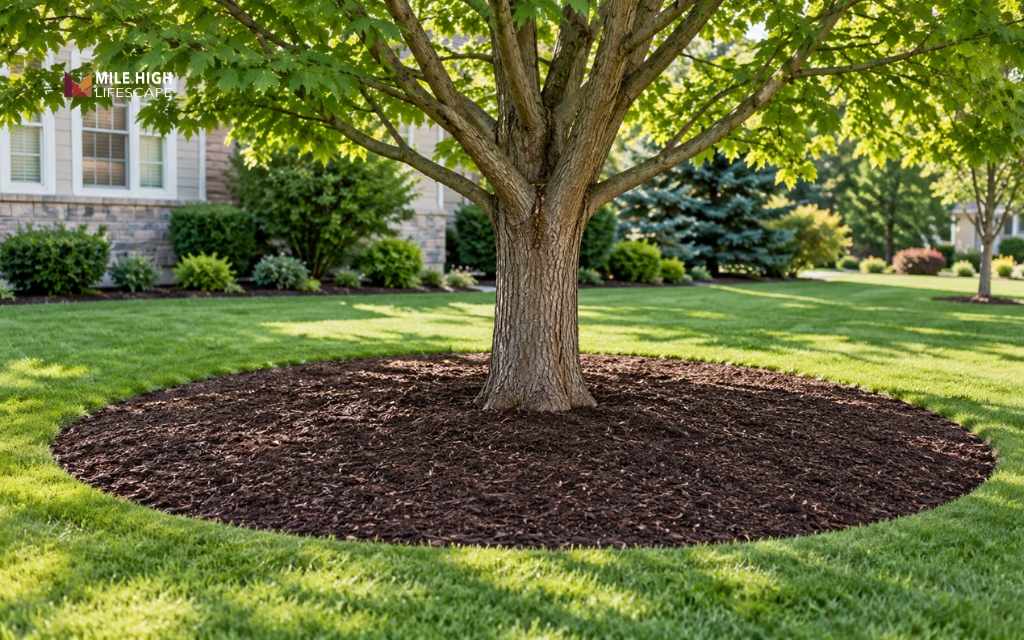
A layer of about 2 to 4 inches works well for many coarse organic mulches. Finer or double-shredded materials usually need a thinner layer because dense mulch can restrict air and water movement. Poorly drained soil also calls for less material. When deciding how to mulch around a tree, avoid assuming that more material offers more protection. Excess depth can create its own problems.
Keep Mulch Away From The Trunk
Leave several inches of open space around the trunk so bark can stay dry and the root flare remains visible. Mulch should never form a mound against the tree.
This clearance is one of the most important rules for how to apply mulch around trees. Direct contact with moist mulch can keep bark damp and create conditions that favour decay or unwanted root growth.
Finish With A Flat, Donut-Shaped Layer
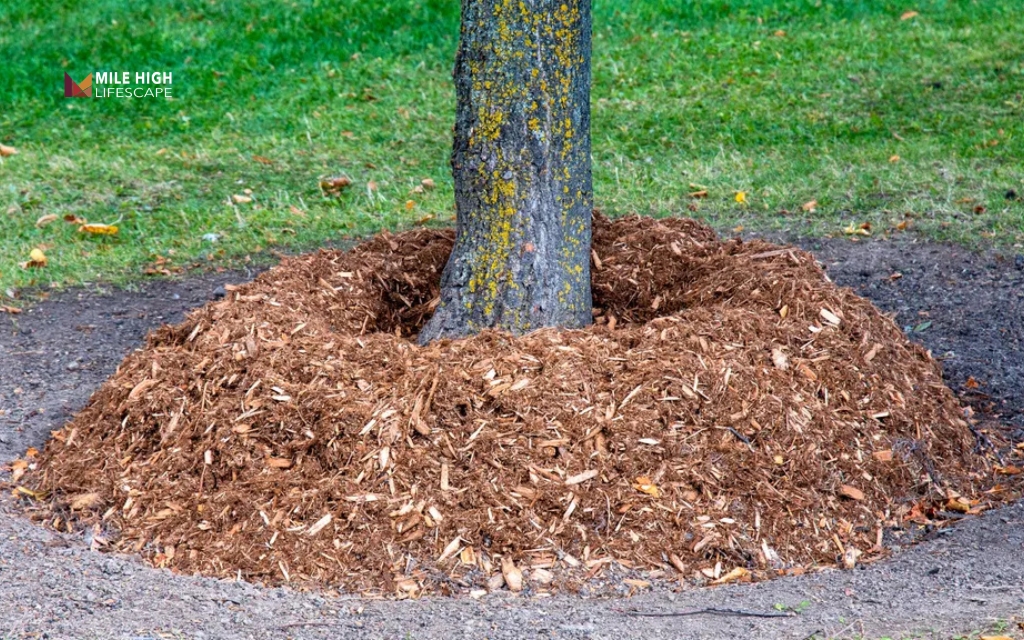
Shape the finished bed like a broad, flat doughnut rather than a cone. The mulch should sit lower near the trunk and remain relatively even across the rest of the circle. This simple shape shows how to mulch around a tree without creating a “mulch volcano”. The finished ring should look wide and shallow, not tall and narrow.
How Big Should A Mulch Circle Around A Tree Be?
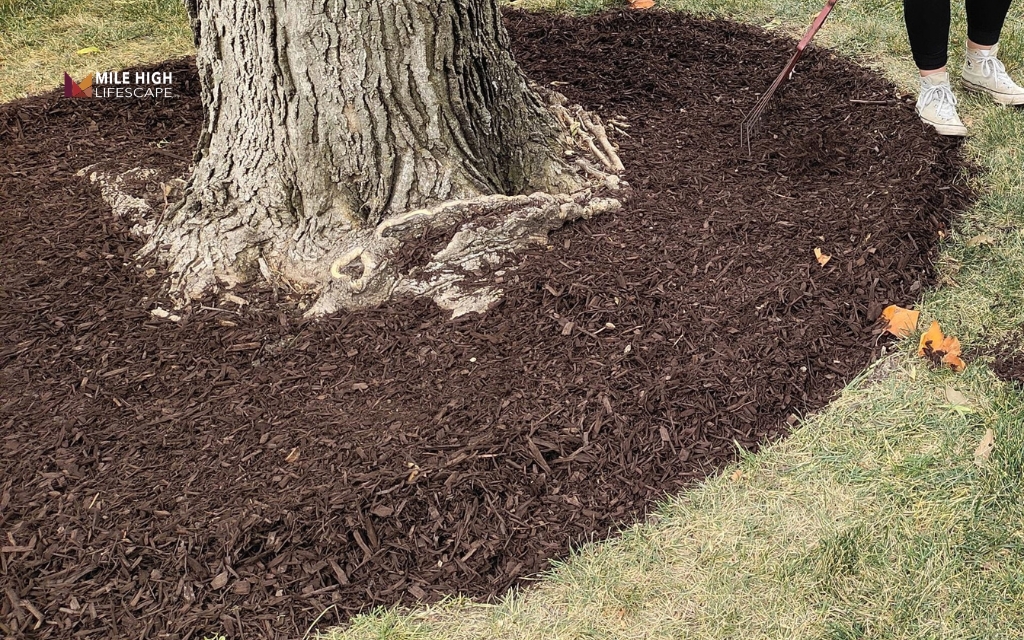
As a general principle, the larger the mulched root zone, the better the protection from turf competition and lawn equipment. Where space allows, extend mulch towards the canopy drip line.
A practical mulch circle around tree roots may follow this approach:
- Newly planted tree: Extend mulch beyond the original root ball.
- Young tree: Increase the circle as the canopy expands.
- Mature tree: Cover more of the root zone where practical.
What Is The Best Mulch To Use Around Trees?
Organic mulch usually offers the most useful combination of moisture control, weed suppression, and gradual soil improvement. The best choice also depends on appearance, availability, and how quickly the material breaks down.
Wood Chips
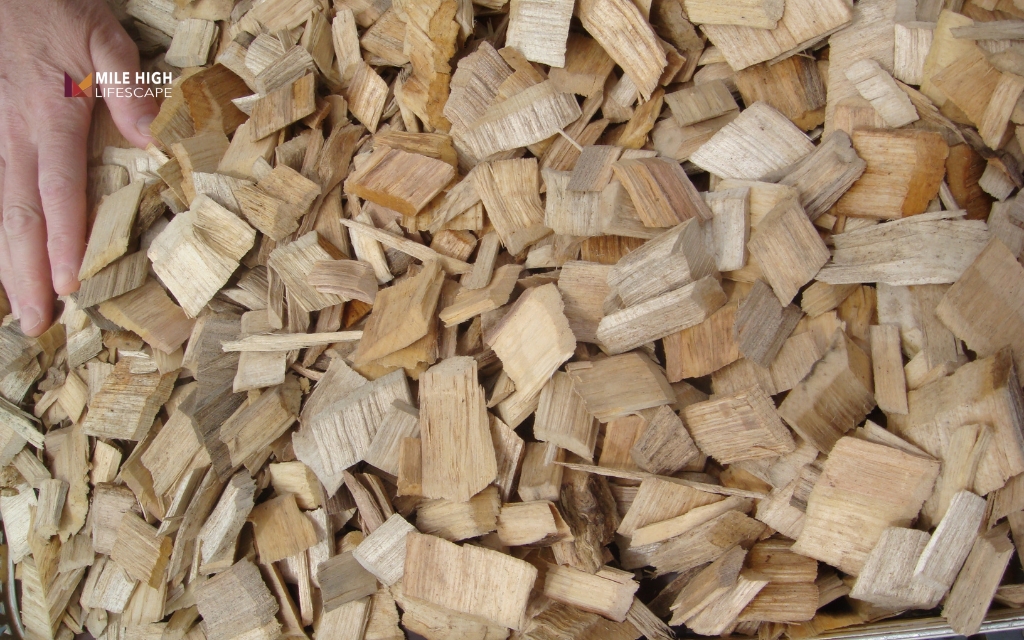
Wood chips work well around trees because their coarse structure allows air and water to move through the layer. They also break down gradually and suit larger mulch circles. Homeowners comparing materials can also review this guide to how often to replace mulch as wood chips decompose over time.
Shredded Bark
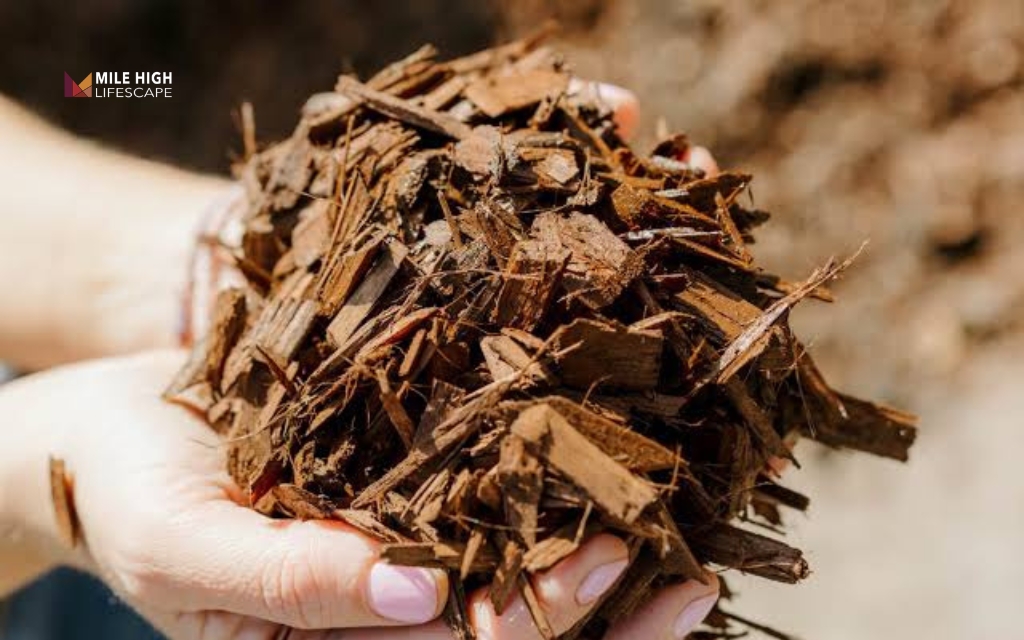
Shredded bark is a common choice when learning how to mulch around a tree because it creates a neat finish while helping conserve soil moisture and suppress weeds. Compared with coarse wood chips, the finer texture can knit together more tightly, so the layer should stay relatively shallow and loose to avoid restricting air and water movement.
Pine Needles And Shredded Leaves
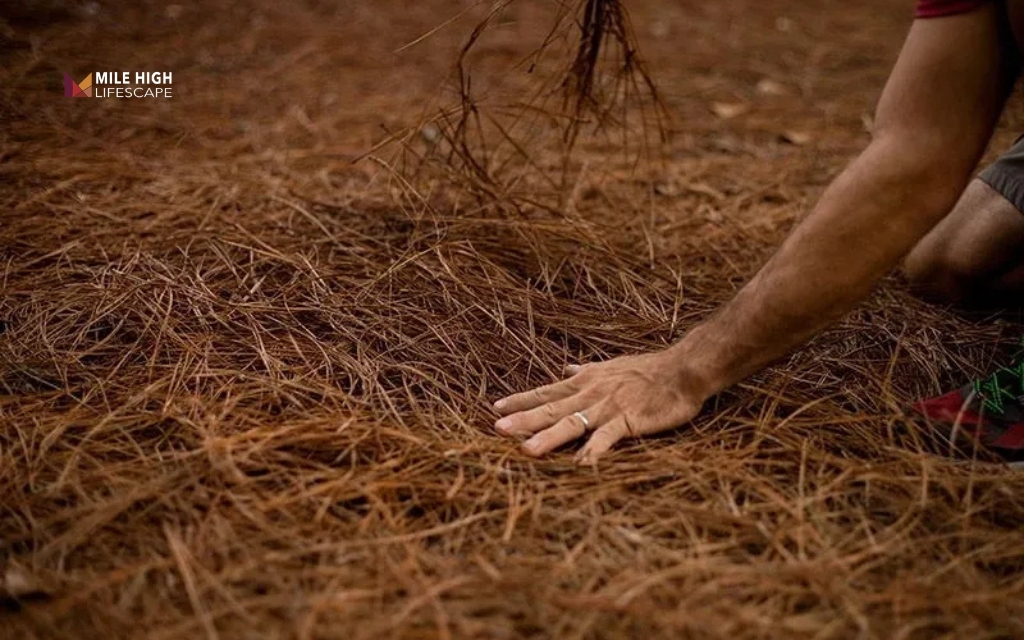
Pine needles and shredded leaves can provide effective organic cover when they suit the landscape. Pine needles stay relatively loose, while shredded leaves add organic matter as they break down. Whole leaves should be avoided in thick layers because they can mat together and restrict airflow.
Common Tree Mulching Mistakes To Avoid
Most tree mulching problems come from placement and depth rather than the material itself. Understanding how to mulch around a tree correctly helps avoid common mistakes that can reduce the benefits of an otherwise healthy mulch bed.
Piling Mulch Against The Trunk
Mulch should never be packed against the trunk. A deep mound around the base, often called a “mulch volcano,” keeps bark damp and may encourage roots to grow above the natural soil line. Over time, this can increase the risk of bark decay and girdling roots.
Applying Too Much Mulch
A deeper layer does not necessarily provide better protection. Excess mulch can hold too much moisture, reduce air movement into the soil, and make it harder for water to reach the root zone evenly. For most tree beds, about 2 to 4 inches of coarse organic mulch is enough. This depth is a key part of how to mulch around a tree properly. Before adding more material, check the existing layer and loosen any compacted mulch first.
Making The Mulch Ring Too Small
A narrow ring may improve appearance, but it leaves much of the root zone exposed to turf competition and lawn equipment. A wider bed gives roots more consistent moisture and reduces the need to mow or trim close to the trunk. Where space allows, extend the mulch area farther towards the canopy. Larger planting zones can also connect naturally with flower bed & garden maintenance for a more cohesive landscape.
Covering The Root Flare
The base of a healthy tree should widen where the trunk meets the main roots. Mulch or soil that hides this transition can keep the lower trunk too moist and change how roots develop near the surface. If the root flare is buried, carefully pull material away until it becomes visible again.
Adding New Mulch Without Checking The Old Layer
Faded mulch does not always need another full layer. Organic material can still provide adequate coverage even after the surface loses its fresh colour. Before topping up the bed, rake through the existing mulch and measure its depth. If much of the old material remains, add only enough to restore the recommended layer. For larger landscape refreshes, professional mulch installation can help reset depth and coverage without unnecessary build-up.
Mulch Around Trees Ideas For A Cleaner Landscape
The best mulch around trees ideas keep the root flare open and use the surrounding bed to complement the rest of the yard.
Several simple layouts work well:
- A broad circular ring for lawn trees
- A natural curved bed around several plants
- A tree incorporated into a larger garden bed
- Clean edging between mulch and lawn
- A mulch zone paired with water-wise planting
Where a low-water redesign is part of the project, xeriscape landscaping can integrate trees, mulch, rock, and drought-tolerant plants into one coordinated landscape.
Professional Mulch Installation For Denver Landscapes
Mile High Lifescape approaches mulch installation as part of the wider health and structure of the landscape, not simply as a finishing layer. With over 20 years of experience, the team considers existing soil conditions, planting layout, drainage, bed depth, and tree clearance before installation, helping each area perform properly and maintain a cleaner appearance over time.
- Correct mulch depth for each planting area
- Proper clearance around trunks and root flares
- Even coverage with clean bed definition
- Material placement based on drainage and site conditions
- Installation suited to long-term landscape maintenance

Final Thoughts
Knowing how to mulch around a tree correctly helps protect the root zone, retain moisture, and keep the landscape easier to maintain. The best results come from using the right depth, keeping the root flare visible, and leaving clear space around the trunk. Small details like these can make a lasting difference to both tree health and the overall look of the bed.
Frequently Asked Questions
How Do You Put Mulch Around Trees?
To learn how to mulch around a tree correctly, clear the root zone, expose the root flare, and spread mulch in a wide, even ring without touching the trunk.
How Far Should Mulch Be From A Tree Trunk?
Keep mulch several inches away from the trunk so the bark stays dry and the root flare remains visible.
How Deep Should Mulch Be Around A Tree?
For most coarse organic mulches, aim for about 2 to 4 inches. When learning how to mulch around a tree, avoid overly deep layers that can trap moisture.
Can You Put Mulch Over Exposed Tree Roots?
Yes, a light layer can cover exposed roots, but do not bury them under deep mulch or extra soil.