If you have ever brushed against a pine branch while pruning, reached into an evergreen shrub, or let the kids play near resinous trees, you already know how stubborn tree sap can be. It clings instantly, hardens fast, and turns into an almost cement-like film on whatever surface it touches. So, knowing how to remove tree sap properly makes a frustrating situation much easier to manage.
Gardeners run into tree sap in all kinds of everyday situations: pruning fruit trees in spring, trimming ornamental conifers, handling pine branches for holiday wreaths, cleaning outdoor furniture after a storm, or simply letting children climb in the backyard. Sap shows up on hands, hair, clothing, pruning tools, gloves, car paint, and patio furniture without warning.
It clings instantly, hardens fast, and turns into an almost cement-like film on whatever surface it touches. So, knowing how to remove tree sap properly makes a frustrating situation much easier to manage.
The good news is that removing tree sap does not require a trip to the hardware store. Most effective sap removers are items you likely already have at home. The key is knowing which method works best for each surface and acting before the sap has time to fully cure and harden.
What is tree sap?
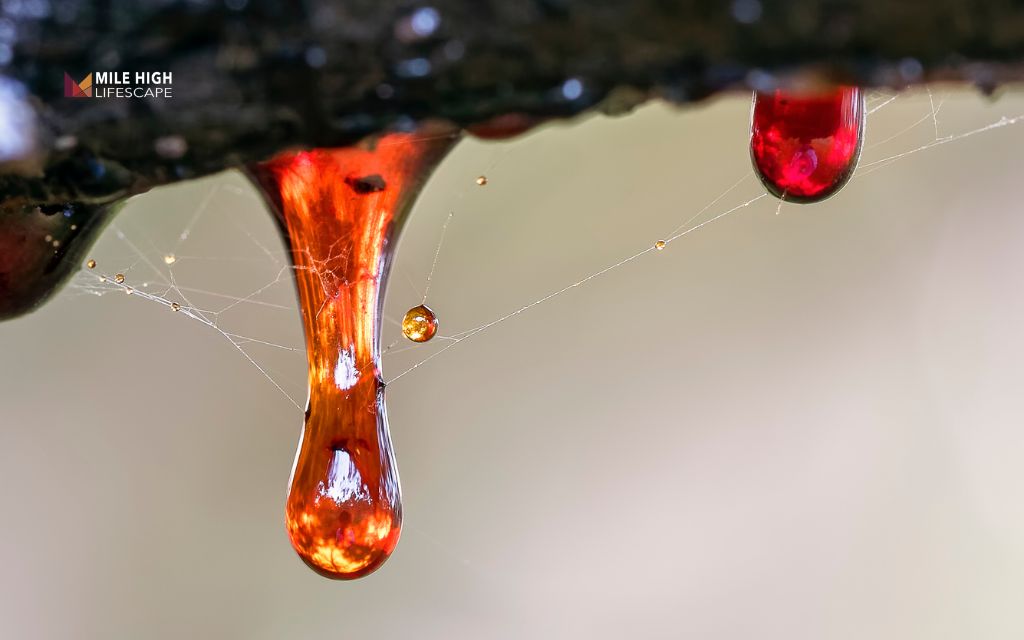
Tree sap is a natural resin that flows through a tree’s vascular system, carrying water, sugars, and nutrients from the roots to the leaves and branches. When a tree is wounded, whether by insects, wind damage, or your pruning shears, it pushes sap toward that wound as a protective response. Think of it as the tree’s version of a bandage.
Pine, spruce, fir, and other evergreen trees produce thick and sticky sap because their resin is rich in terpenes and other organic compounds. These compounds are what make pine sap removal so difficult.
Exposure to air begins to harden the sap almost immediately, which is why the same drop of sap that wipes away easily when fresh becomes nearly impossible to remove once it has dried for a few hours.
Sap hardens quickly and can cling to skin, fabric, tools, and outdoor furniture with remarkable tenacity. Once fully cured, dried resin requires a solvent to break it down rather than simple soap and water.
Best household items for removing tree sap
Before reaching for a commercial product, check your kitchen, bathroom, and garage. Most gardeners already have at least one effective sap remover within easy reach. Here are the most reliable household options for removing tree sap:
- Rubbing alcohol
- Hand sanitizer
- Olive oil or cooking oil
- Peanut butter
- Dish soap
- Baking soda
- Ice cubes
- Vinegar
How to remove tree sap from hands & skin
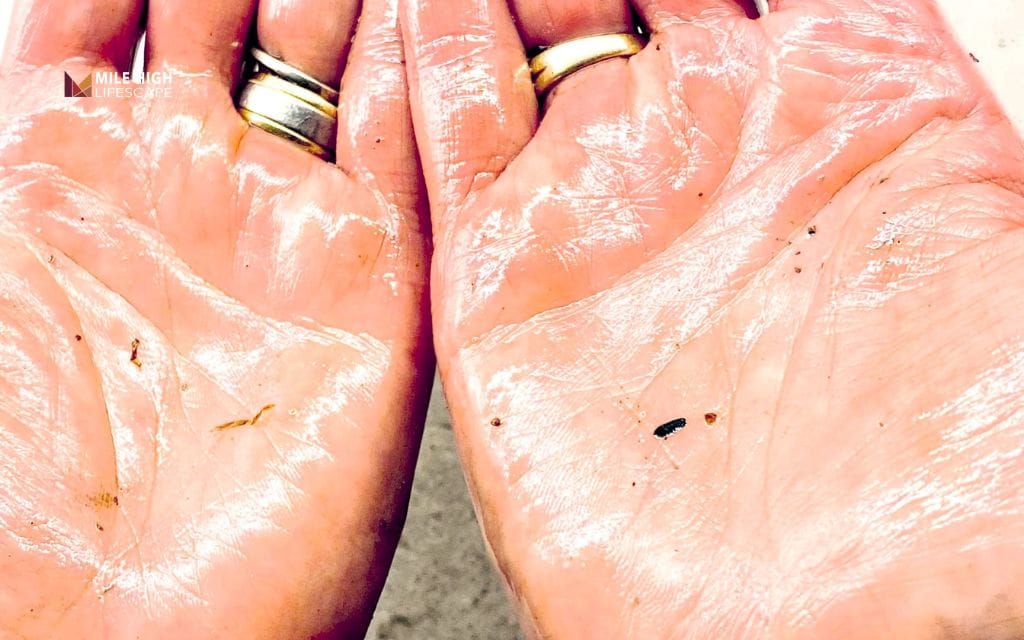
Your hands are the most common place to encounter tree sap, especially after pruning or yard work. Fortunately, skin is one of the easier surfaces to treat, and you have several gentle, effective options.
Use oil first
Olive oil or coconut oil is one of the safest and most effective ways to loosen sticky resin from skin. Pour a small amount directly onto the sap and rub gently in circular motions. The oil works its way under the sap and weakens its grip on your skin without any harsh scrubbing.
Let the oil sit for a minute or two, then rub gently to lift the resin before washing your hands.
Wash with dish soap
After applying oil, follow up with dish soap to break down the oily residue effectively. Dish soap is formulated to cut through grease, and it works equally well on the oil-sap mixture left on your hands. Warm water helps the soap work faster and rinses away residue more thoroughly than cold water.
Try hand sanitizer or rubbing alcohol
For stubborn pine sap that oil alone cannot shift, rubbing alcohol or hand sanitizer will dissolve the resin quickly. Apply a small amount directly to the sap, wait about 30 seconds, and then rub gently with your fingers or a soft cloth.
Because alcohol dries out skin, always follow up with a moisturizer or hand lotion after cleaning.
How to remove tree sap from hair
Finding sap in your hair is alarming, but cutting it out is rarely necessary. A few pantry staples can remove pine sap safely without damaging your hair.
Massage a generous amount of cooking oil or peanut butter directly into the sticky area. Both products work by softening the resin and reducing its grip on the hair shaft. Cover as much of the affected area as possible and let the product sit for several minutes.
Next, use a wide-tooth comb to gently work through the sap from the ends of your hair toward the roots. Avoid pulling or tugging sharply. Once most of the sap has been loosened, shampoo thoroughly with warm water.
How to remove tree sap from clothes
Tree sap on fabric requires a slightly different approach than on skin or tools. The sequence of steps matters here, and skipping ahead to the washing machine can make things worse.
Freeze the sap first
Place ice cubes in a zip-lock bag and press it against the sap to harden the sticky resin. Once the sap is frozen solid, use a dull knife, a spoon, or the edge of a credit card to gently scrape off as much excess residue as possible. This step removes the bulk of the sap before you apply any solvent.
Apply rubbing alcohol
Rubbing alcohol helps break down the resin that remains in the fabric fibers after scraping. Dampen a clean white cloth with alcohol and dab carefully at the stain, working from the outside edge of the stain inward to prevent it from spreading. Do not rub vigorously, as this can push sap deeper into the fabric.
Wash with laundry detergent
After treating with alcohol, apply a small amount of liquid laundry detergent directly to the stain and work it in gently with your fingers. Then wash the item according to the fabric care label, using warm water if the fabric allows.
Before placing the garment in the dryer, check the stain carefully. If any sap residue remains, repeat the alcohol treatment before machine drying.
How to clean tree sap off garden tools
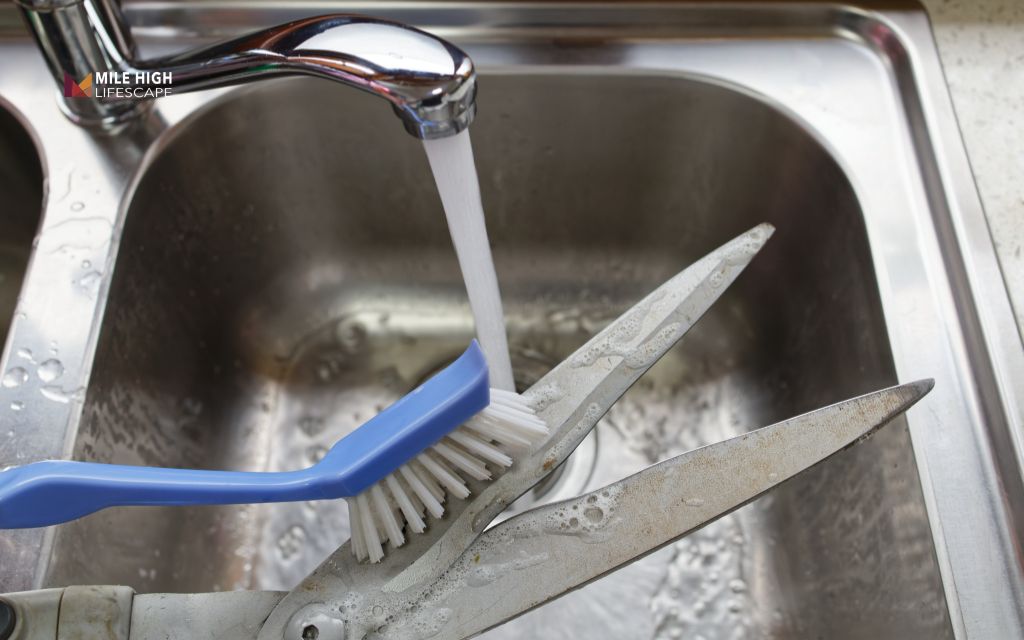
Sap buildup on pruning shears, loppers, and hand saws is not just an aesthetic issue. Sticky blades are harder to use, transfer plant diseases between cuts more easily, and dull faster when coated with hardened resin. Cleaning tree sap off garden tools should be part of every gardener’s regular maintenance routine.
Wipe the blades with a cloth dampened with rubbing alcohol or mineral spirits after each pruning session. For hardened sap that has built up over multiple uses, use fine steel wool to gently scrub the residue from the blade surface. Work carefully to avoid damaging the blade edge.
Once the sap is removed, apply a light coat of mineral oil or a tool lubricant to the blades to prevent rust and keep the moving parts of your pruners working smoothly.
How to remove sap from outdoor furniture & surfaces
Outdoor furniture and decking often sit beneath or near sap-producing trees. Pine, spruce, and fir trees can drop resin directly onto cushions, tabletops, and deck boards during warm weather or after strong winds.
Use warm soapy water first
Start with the gentlest option: a bucket of warm water mixed with dish soap. This solution is safe for most outdoor surfaces and effective at removing light, fresh sap residue. Scrub gently with a soft-bristle brush or sponge and rinse thoroughly.
Try vinegar or alcohol for tough spots
For stubborn sap that soapy water cannot shift, white vinegar or rubbing alcohol are good next steps. Both products help dissolve sticky resin buildup and work well on plastic chair frames, metal table legs, and aluminum outdoor furniture. Apply with a cloth, let it sit briefly, then wipe clean.
Avoid harsh scraping
Resist the urge to use metal scrapers or abrasive pads on painted, stained, or finished outdoor surfaces. These can leave permanent scratches and strip protective coatings, making surfaces more vulnerable to future damage.
How to remove tree sap from cars
Tree sap on a car is more than an annoyance. Sap is slightly acidic, and when left on an automotive clear coat for an extended period, it can etch the surface and cause permanent damage that requires professional polishing to fix. Removing tree sap from cars promptly protects your vehicle’s finish and resale value.
Begin by washing the car thoroughly to remove loose dirt and debris from around the sap spots. This prevents abrasive particles from scratching the paint during the removal process.
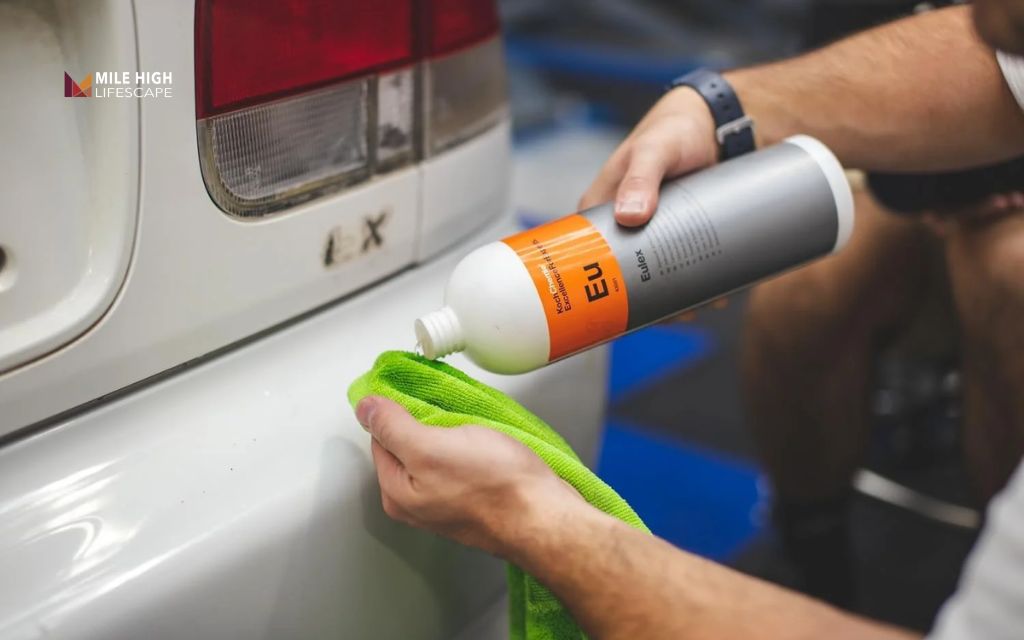
Apply rubbing alcohol or a commercial automotive sap remover to a soft microfiber cloth and lay it gently over the sap spot for 30 to 60 seconds. This softens the resin before you wipe. Then wipe gently in one direction using light pressure.
Step-by-step process to remove tree sap safely (on anything)
1. Locate and assess the sap buildup
Start by identifying the size, age, and location of the sap. A single fresh drop on a garden glove is a very different challenge from a wide swath of dried pine sap on a vehicle hood. Take a moment to assess before reaching for any product.
- Check how large and hardened the sap spots are
- Identify the surface: skin, clothing, tools, outdoor furniture, or vehicle
Fresh sap is easier to remove than dried resin, so if the sap is still tacky to the touch, move quickly.
2. Wash the area and wipe gently
Begin every removal attempt with warm water and mild dish soap. This step often resolves light sap residue entirely and prepares the surface for stronger treatments if needed.
Gently wipe with a microfiber cloth or soft sponge. Avoid applying heavy scrubbing pressure at this stage, particularly on paint, fabric, or skin where aggressive friction can cause damage.
3. Apply a sap remover or rubbing alcohol
When soapy water is not enough, move to rubbing alcohol, hand sanitizer, or a commercial bug-and-tar remover. Apply the product to a cloth rather than directly onto the surface, then press it gently against the sap and let it sit for 30 to 60 seconds before wiping.
Work in small sections and use fresh areas of the cloth as you clean to avoid re-depositing dissolved resin back onto the surface.
4. Use a clay bar for stubborn residue
A clay bar is a professional-grade detailing tool that safely lifts embedded contaminants from smooth surfaces without scratching. It is especially useful for removing tree sap from cars, glass windows, and smooth outdoor furniture.
Always lubricate the surface with a clay bar spray or soapy water before using the clay bar. Glide the bar gently across the surface using light, overlapping passes.
5. Clean clear plastics and delicate surfaces carefully
Headlights, greenhouse panels, and plastic patio covers require extra caution. Standard solvents and abrasive tools can scratch, cloud, or crack optical plastics.
Use a non-abrasive plastic cleaner or a diluted solution of rubbing alcohol and water on these surfaces. Apply with a soft microfiber cloth only, and never use steel wool, scrub pads, or harsh solvents.
6. Protect the surface with wax or sealant
After removing sap from vehicles or outdoor furniture, apply a protective wax or sealant to the cleaned surface. This creates a barrier between future sap drops and the underlying finish, making cleanup much easier next time.
A good wax coat also adds UV protection and weather resistance, which is especially valuable for items kept outdoors year-round.
Common sap removal mistakes
Even with the best intentions, it is easy to make the situation worse. Avoid these frequent errors:
- Using hot water too early on fabrics. Heat sets sap into fibers before you have treated the stain.
- Scraping car paint aggressively. Metal scrapers and rough tools leave scratches that are as damaging as the sap itself.
- Ignoring sap buildup on pruning tools. Coated blades spread plant pathogens and wear out faster.
- Using strong solvents directly on skin. Always dilute or choose gentler alternatives like cooking oil for skin contact.
- Waiting too long before cleaning fresh sap. The longer sap sits, the harder it becomes to remove without a solvent.
Conclusion
Tree sap is one of those unavoidable realities of working and playing in the garden, but it is far from unmanageable. Whether you are dealing with pine sap on your hands after a pruning session, a sticky patch on your favorite gardening shirt, or a cluster of resin spots on your car’s hood, the right approach makes all the difference.
The most important habits are simple: clean sap quickly before it hardens, choose the right removal method for the specific surface, and protect your tools and outdoor items from buildup with regular maintenance and protective coatings.
With a bottle of rubbing alcohol, a bit of cooking oil, and a few microfiber cloths, you are well-equipped to handle almost any sap situation the garden throws at you. With the right approach, even stubborn pine sap can be removed quickly and safely without causing damage to your belongings.
Dealing with tree sap is just one small part of maintaining a healthy, attractive outdoor space. At Mile High Lifescape, we take the hard work off your hands entirely.
As Denver’s trusted landscaping experts, we offer a full range of services, from tree trimming and shrub care to complete landscape design and seasonal yard maintenance, so your outdoor space stays clean, safe, and stunning year-round.
We design and maintain landscapes built for Colorado’s unique climate, using the right plants, the right techniques, and the right care schedule to keep everything thriving.
If your trees have dead, damaged, or overgrown branches, our Tree Branch Removal service can help keep your property safe, clean, and well maintained. Our team handles branch removal carefully and efficiently, protecting your trees and the surrounding landscape throughout the process.
Contact Mile High Lifescape today for a free consultation and let our team create the low-maintenance, beautiful yard you’ve always wanted.
Frequently asked questions (FAQs)
What removes tree sap the fastest?
Rubbing alcohol, hand sanitizer, and cooking oils are some of the fastest and most effective ways to dissolve sticky tree sap. For most surfaces, rubbing alcohol works the quickest because it breaks down the organic compounds in resin within seconds of contact.
How do you remove pine sap from clothes?
Freeze the sap with ice cubes, scrape away excess residue with a dull edge, apply rubbing alcohol to the remaining stain, and wash with laundry detergent before drying. Always check the stain before placing the garment in a dryer, since heat will permanently set sap into fabric.
Does vinegar remove tree sap?
Yes. Vinegar can help loosen light sap buildup on outdoor furniture, tools, and hard surfaces. White vinegar works best on plastic and metal materials, though it may not be strong enough for heavy or fully hardened resin deposits.
What is the safest way to remove sap from skin?
Olive oil, coconut oil, and dish soap are gentle and effective options for removing sap from hands and skin. Apply oil first to loosen the resin, then wash with warm water and dish soap to remove the residue completely.
Can tree sap damage car paint?
Yes. If left too long, hardened sap can damage clear coat finishes and become very difficult to remove safely. Sap is slightly acidic and can etch into automotive paint over time, particularly during hot weather when the sap softens and spreads. Remove it as soon as possible using a microfiber cloth and rubbing alcohol.
Does vinegar dissolve tree sap?
Vinegar can dissolve light or partially dried tree sap on hard, non-porous surfaces such as metal furniture, tools, and plastic outdoor equipment. For fully hardened sap or resin on paint and fabric, rubbing alcohol or a commercial solvent is more effective.
Why is tree sap so hard to remove?
Tree sap is hard to remove because it contains natural terpenes and resins that are chemically similar to varnish. These compounds bond to surfaces on contact and harden quickly when exposed to air, creating a film that water alone cannot break down. A solvent such as rubbing alcohol or oil is needed to dissolve the resin’s chemical structure before it can be wiped away.