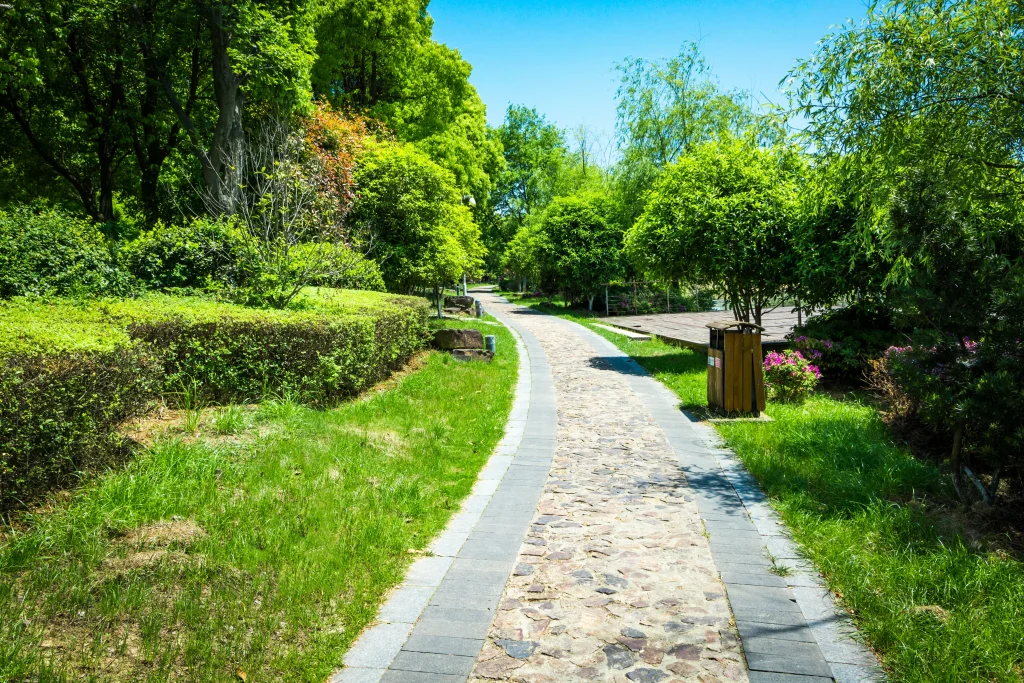
Your front yard is the face of your home. Before a guest rings the doorbell or a buyer steps out of a car, your landscape has already made its first impression. A well-designed front yard signals pride of ownership and adds genuine value to your property.
The frustrating truth: most front yards look plain or dated, not because homeowners do not care, but because they are not sure where to start. Overgrown shrubs, a patchy lawn, a bare concrete walkway, these are signs of uncertainty, not indifference.
This guide covers 25 actionable front yard landscape ideas organized by need, whether you want low maintenance, a modern look, a cottage feel, better curb appeal on a budget, or a lawn-free design.
Start with a plan
Before you order a single plant or swing a shovel, spend a few minutes assessing 2 things:
- How much sun your front yard actually receives
- How much ongoing maintenance you are genuinely willing to do
Skipping this step is the single biggest reason front yard projects waste money. Wrong plants die in the wrong light, fast-growing shrubs overcrowd a small bed in three seasons, and clashing colors undo an otherwise solid design.
A simple way to get both answers at once: photograph your front yard in the morning, at midday, and in the late afternoon. Notice where the sun hits, where shade falls, and where the eye naturally travels. That one exercise will tell you whether you are working with full sun, part shade, or full shade, and it will quickly reveal how complex your space actually is.
25 easy landscape ideas for front of house to refresh your entryway
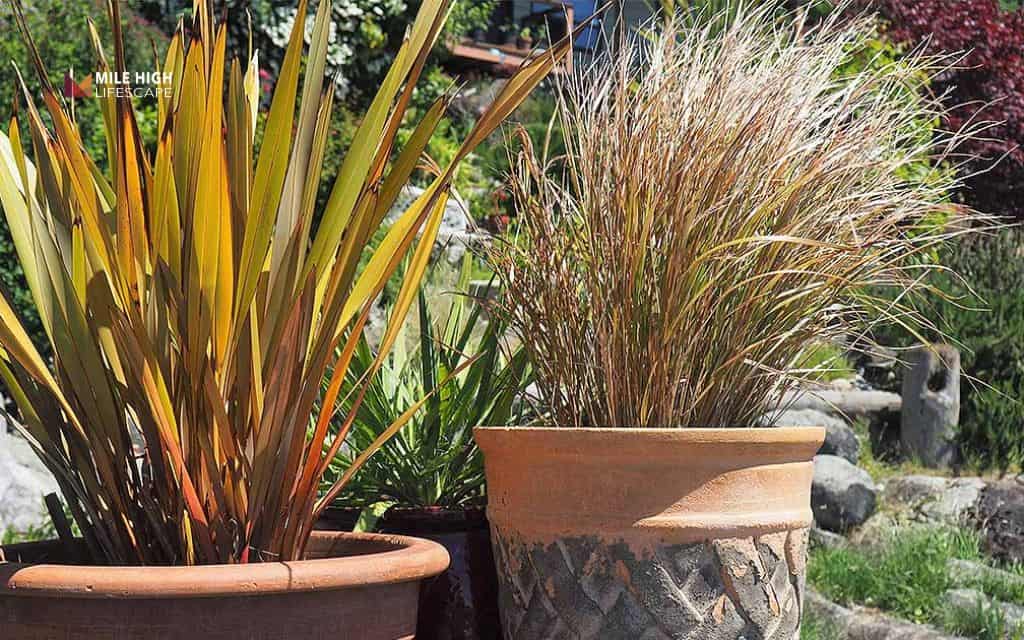
1. Plant ornamental grasses as a carefree border
Ornamental grasses are a simple but effective way to improve a front yard. Types like Karl Foerster feather reed grass and Blue Oat Grass add height and texture without needing much care. Once they are established, they don’t need much water and can handle changing weather, while still looking good even in colder months.
They also help your yard look more organized and well-planned. Instead of planting one grass at a time, placing them in small groups of three along edges or driveways creates a clear pattern that feels more natural and balanced. This small design choice can make a big difference in how neat and put-together the space looks.
2. Mulch every flower bed to suppress weeds and lock in moisture
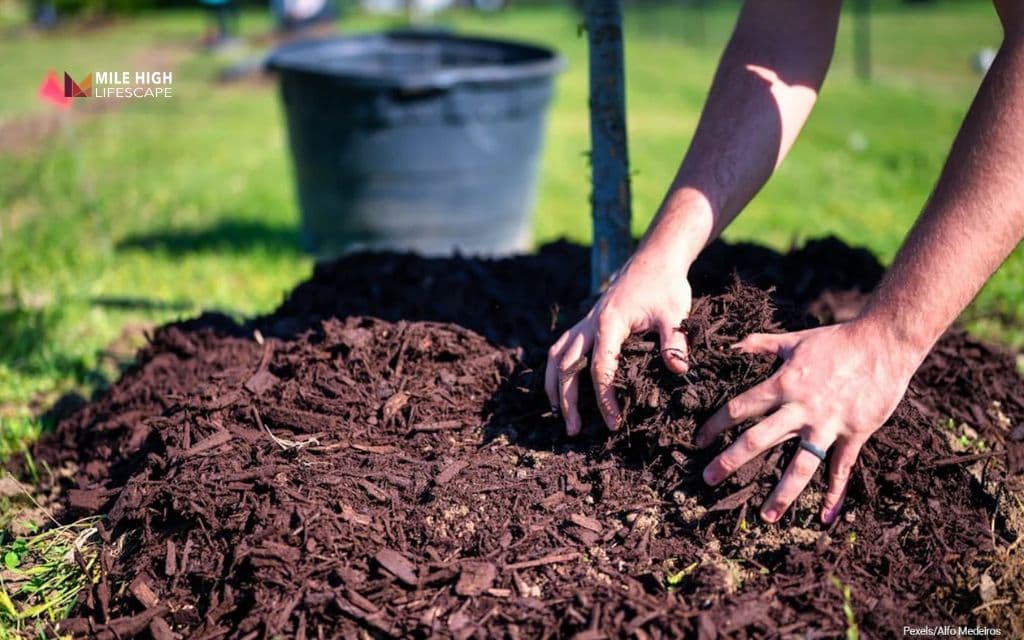
Mulching is a simple and cost-effective way to improve your front yard. It also helps plants stay healthier, especially in hot weather. Fresh mulch also makes your yard look cleaner and more put-together. Dark mulch creates a nice contrast with green plants and flowers, making everything stand out more. It’s a quick upgrade you can finish in a weekend, but the results can make a big difference.
3. Choose flowering shrubs over annual flowers for the foundation
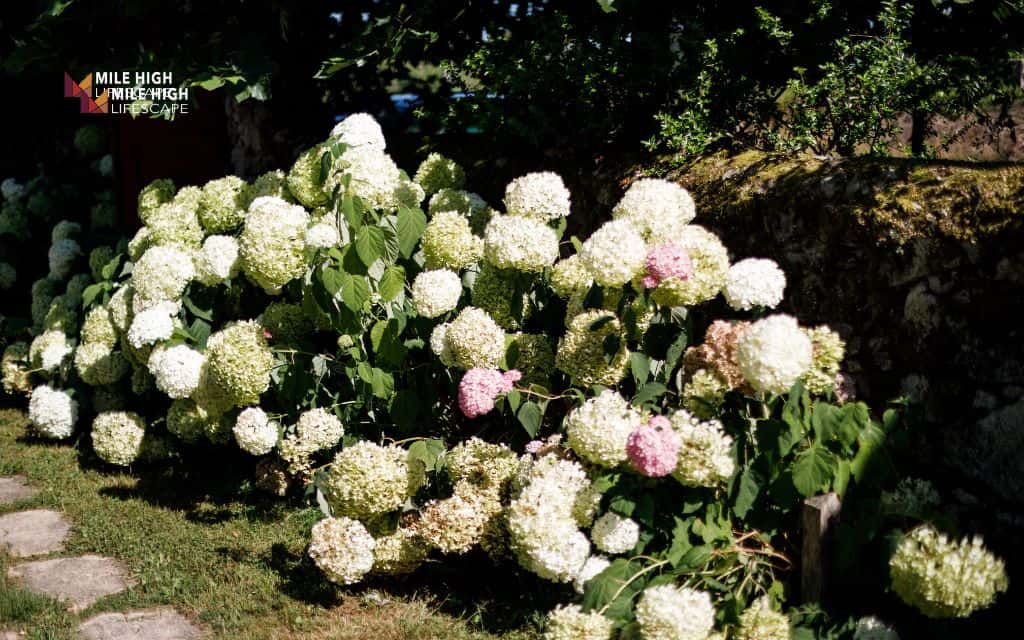
Annual flowers look nice but need to be replanted every year, which can cost more over time. Flowering shrubs are a better long-term choice because they come back each year and grow fuller over time. They also help your yard look more stable and complete.
Good options include Knockout roses and hydrangeas, which bloom for many months and are easy to care for. For a balanced look, place one taller shrub in the back and two smaller ones in front. You only need light pruning once a year to keep them in shape.
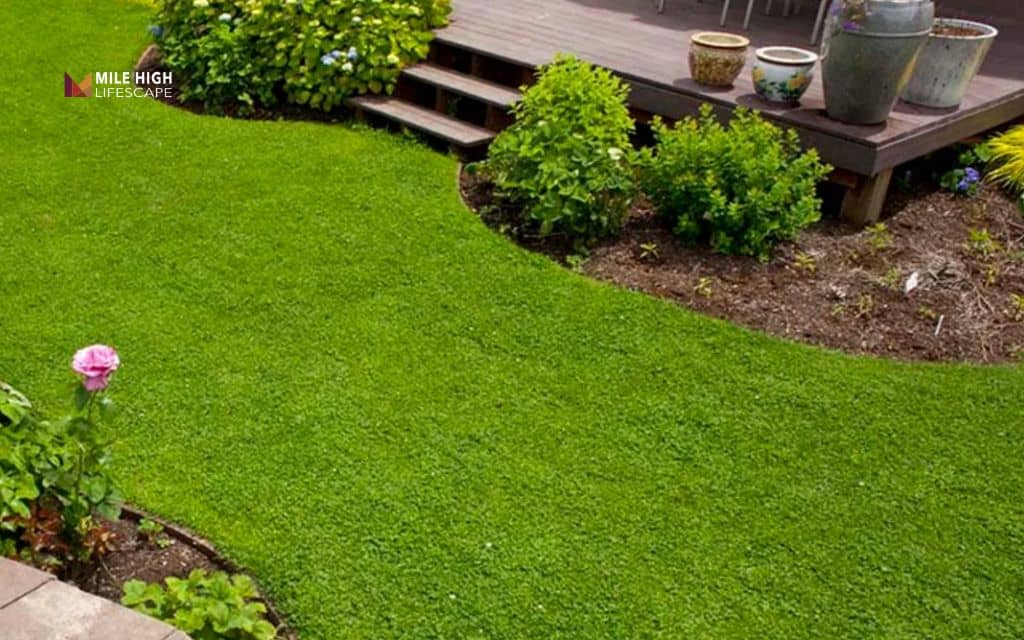
4. Replace problem grass patches with groundcover
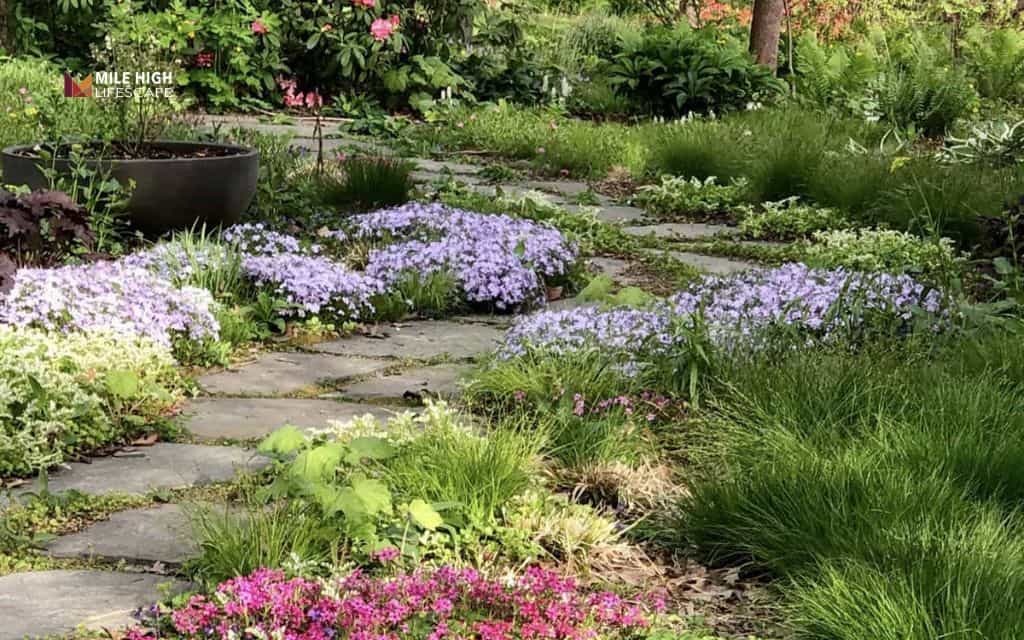
Some areas in a front yard are hard to grow grass, like shady spots, wet areas, or edges near driveways. Instead of trying to fix them, groundcovers are a better solution. They are easy to grow, cover the ground well, and look much nicer than thin or patchy grass.
Plants like pachysandra, ajuga, and creeping phlox work well in different conditions and don’t need much care. They spread over time and create a full, clean look. Adding a clear edge between the groundcover and the lawn or walkway also helps the space look neat and well-defined.
5. Install a trellis or garden arbor at the walkway entry
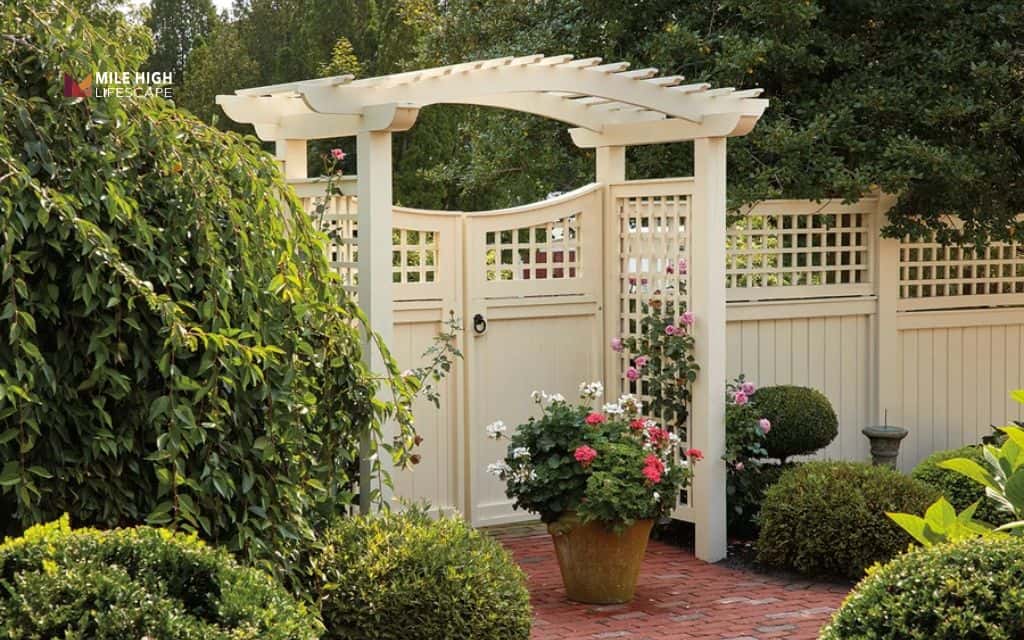
A trellis or garden arbor at the entrance of your walkway can make your front yard feel more welcoming. It creates a clear entry point and draws the eye upward, which helps the space feel bigger and more interesting. Even a small yard can look more complete with this simple feature.
Climbing plants like roses, clematis, or honeysuckle work well on an arbor and add color over time. They are easy to grow and don’t need too much care once established. Just guide new growth onto the structure and trim dead parts once a year to keep it looking neat.
6. Layer foundation planting in three tiers
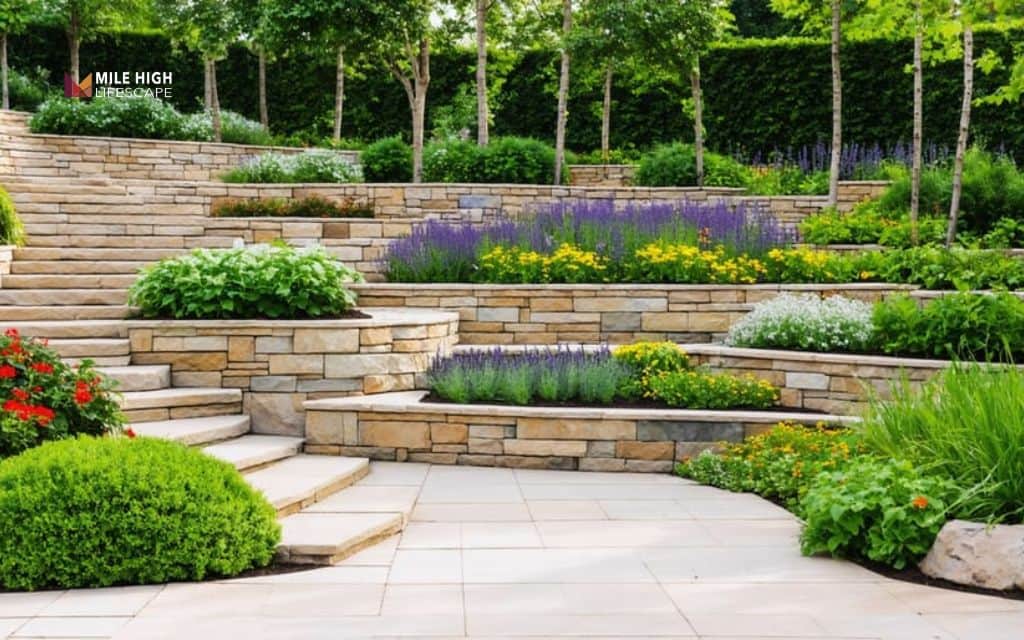
Planting just one row of the same shrubs in front of a house can look flat and boring. A better approach is to use three layers of plants to create depth and make the yard more interesting. This works well even in small spaces.
Place taller plants in the back, medium plants in the middle, and low plants in the front. For example, you can use evergreen shrubs in the back, flowering shrubs in the middle, and groundcover in the front. Repeat this pattern across the space to make the design look clean and well-planned.
7. Create a container garden on steps or the porch
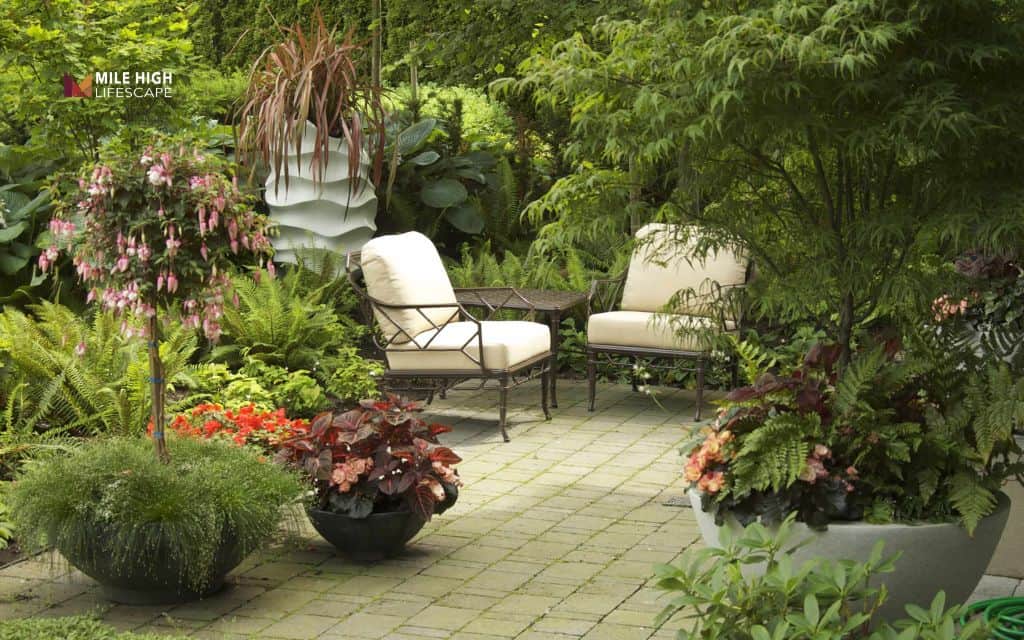
Container gardens are an easy way to add color to your front yard without digging or long-term work. You can place a few pots near the front steps or porch to create a strong first impression. They are simple to set up and can be changed anytime.
A common method is “thriller, filler, spiller.” Use one tall plant in the center, smaller plants to fill the space, and trailing plants to hang over the edge. You can switch plants by season to keep things fresh, and self-watering pots can make care much easier.
8. Define space with slow-growing plants
Fast-growing plants can cause problems in small front yards. They may look small at first, but can quickly become too large, block windows, and need frequent trimming. Choosing slow-growing plants helps avoid this issue and keeps the space easy to manage.
Plants like Dwarf Alberta Spruce and Baby Gem Boxwood grow slowly and keep their shape well. They don’t need much pruning and stay in good proportion over time. When choosing plants, always check their full size, not just how they look in the pot.
9. Start plants from seed for a fraction of the cost
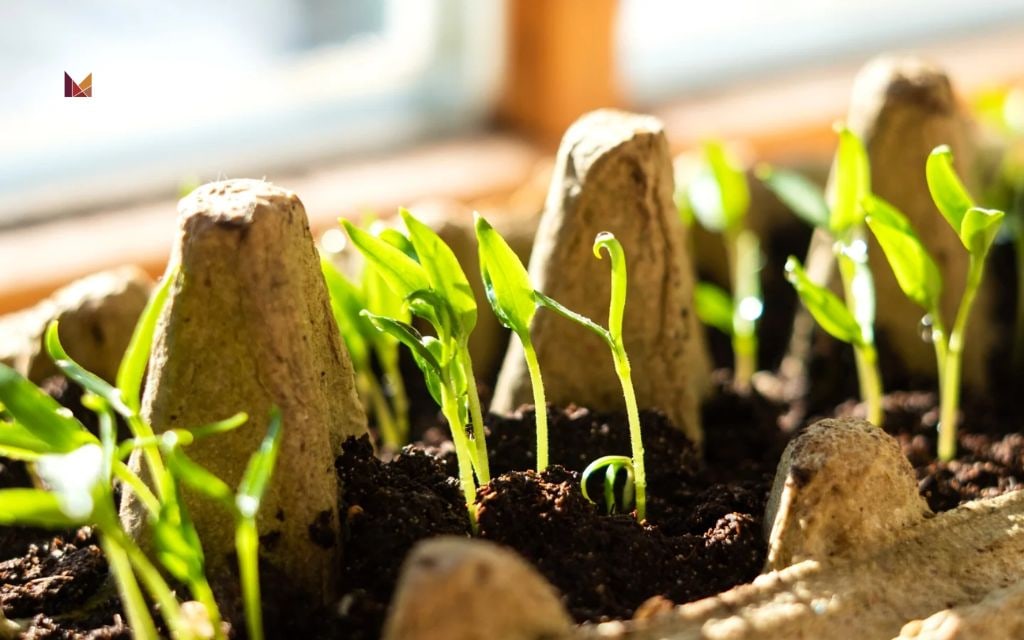
Buying plants from a nursery is easy, but it can get expensive when you need a lot. Starting from seed is much cheaper and works well for large areas. A small packet of seeds can grow many plants for the price of just one pot.
Seeds like zinnias, sunflowers, and marigolds are easy for beginners and grow quickly. Start them indoors a few weeks before the last frost using a simple seed mix. With a little time and care, you can fill your yard with color at a much lower cost.
10. Plant perennial bulbs for effortless spring color
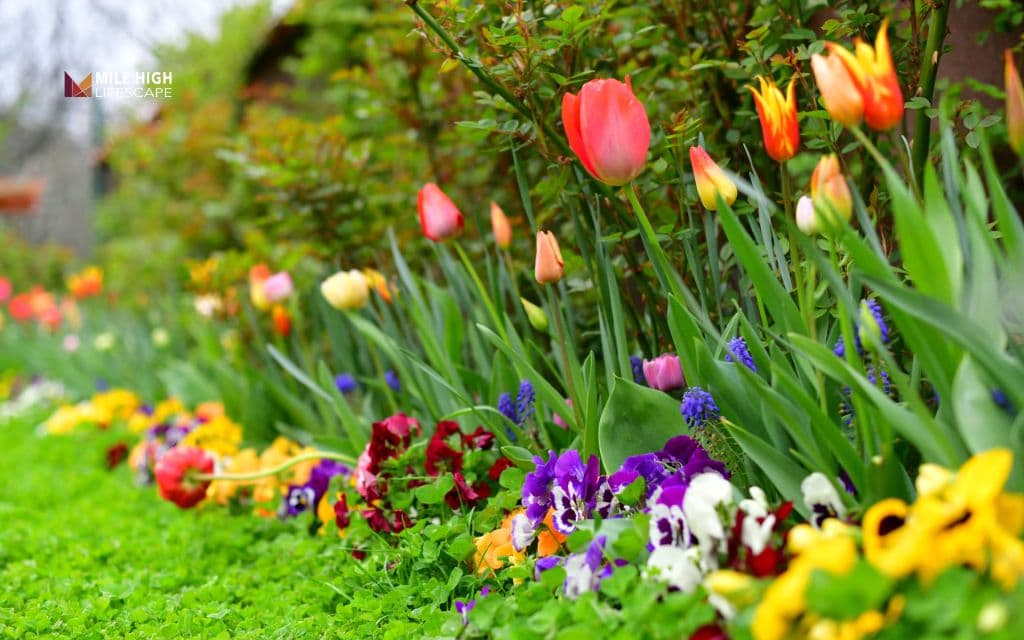
Perennial bulbs are a smart choice for front yard landscaping because you plant them once and they come back every year. Over time, they spread and make your yard look fuller without extra cost or work. This makes them a simple and long-lasting option.
Popular choices include tulips, daffodils, and alliums, which bloom at different times in spring. You can plant them in layers so flowers appear one after another. With just a little effort in the fall, you can enjoy color in your yard every spring.
11. Illuminate the walkway with solar stake lights
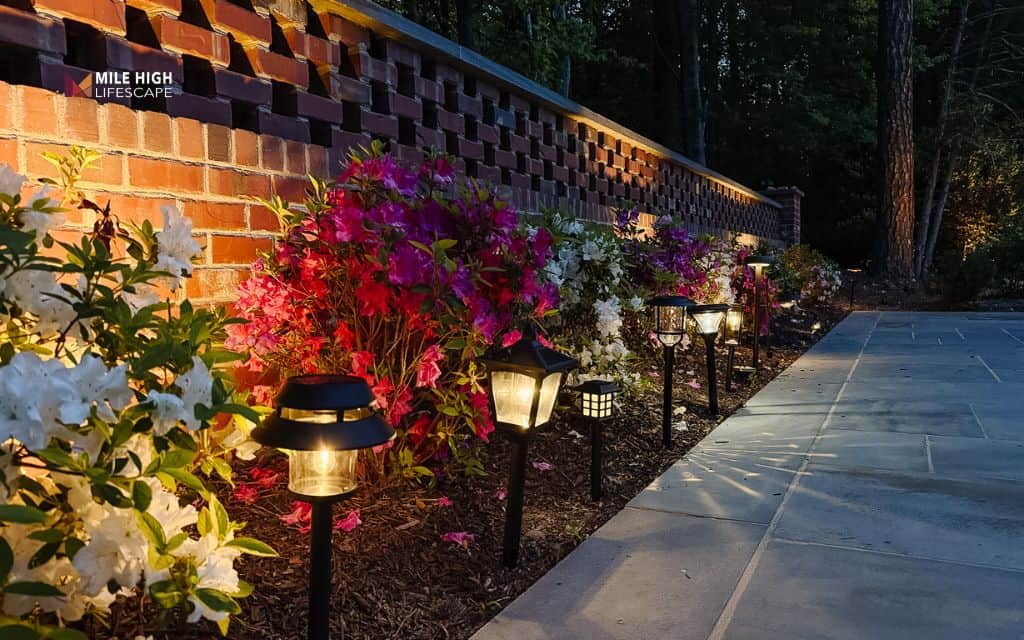
A front yard should look good both day and night. Solar stake lights along the walkway help people see where they are going and make the home feel more welcoming. They also add a soft light that makes the yard look more finished. Choosing a finish that matches your mailbox or door hardware can also help everything look more consistent.
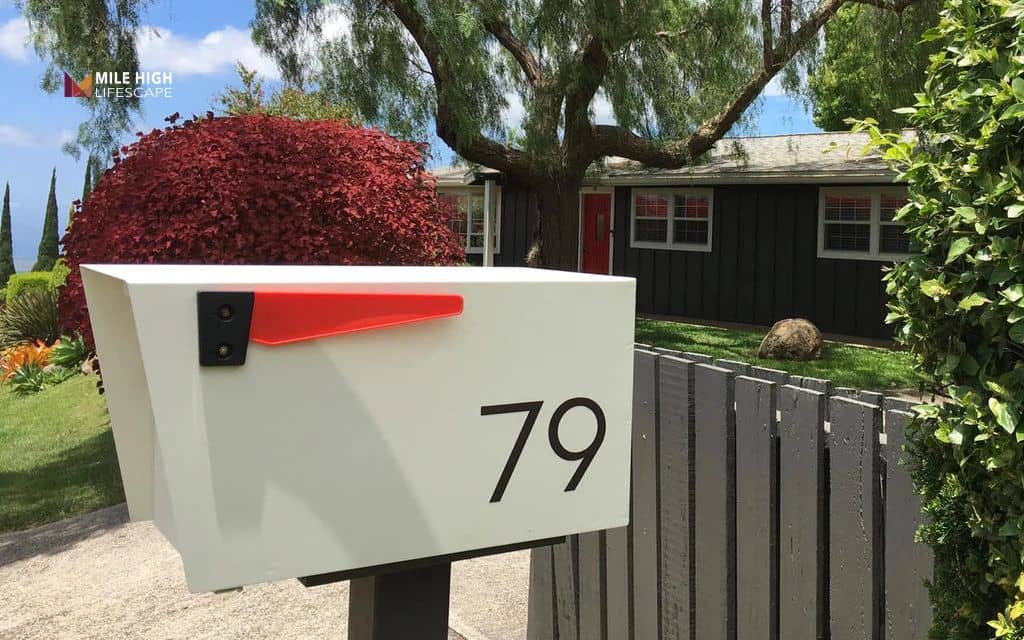
12. Refresh the mailbox and house numbers
Small details like your mailbox and house numbers can make a big difference in how your home looks. If they are old, faded, or damaged, they can make the whole yard feel less cared for. Replacing them is quick, low-cost, and easy to do.
Choose a style and finish that matches other metal parts of your home, like door handles or lights. Simple options like black, brass, or silver usually work well. Make sure the house numbers are large enough to be seen clearly from the street.
13. Create a small flower bed along the front walk
A walkway with only grass on both sides can look plain. Adding a narrow flower bed along the path makes the space feel more welcoming and adds color and texture. Even a small strip can make a big difference.
Choose plants that stay low and neat, like catmint, salvia, or compact lavender. They are easy to care for and don’t grow into the walkway. Plant a few of the same type together to create a clean and organized look.
14. Use evergreens as the structural backbone
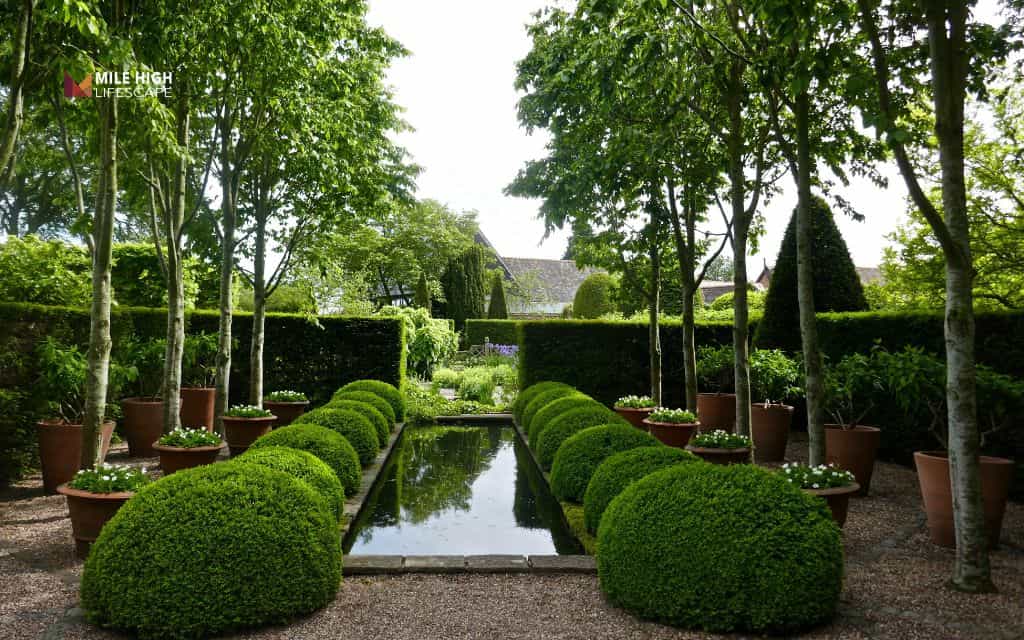
Evergreen plants are the base of a well-designed front yard. While other plants lose leaves in fall, evergreens stay green and keep the yard looking full all year. They help the space feel clean and complete in every season.
Good options include holly, boxwood, and dwarf spruce. These plants keep their shape and are easy to maintain. When planting, make sure to leave enough space for them to grow, so the yard doesn’t become crowded later.
15. Layer in seasonal color between evergreens
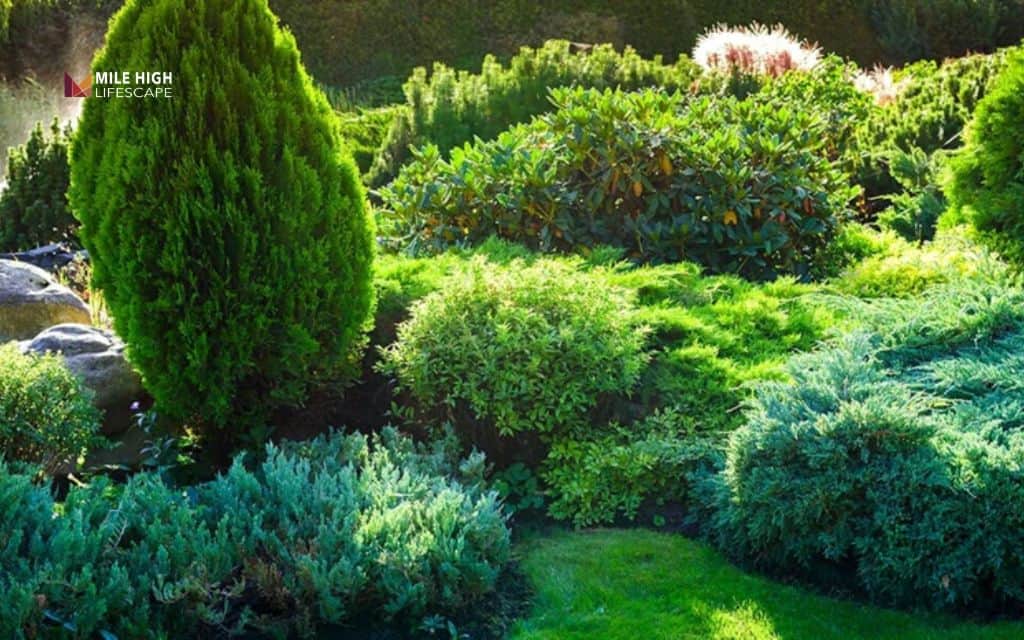
After adding evergreen plants, use the space between them for seasonal color. Perennials are a good choice because they come back each year and keep the yard interesting over time. This helps your front yard look lively instead of plain.
Choose plants that bloom at different times so there is always something in flower. Daylilies work well in sunny areas, while astilbe is better for shade, and salvia adds color later in the season. Mixing these plants keeps your yard looking fresh from spring to fall.
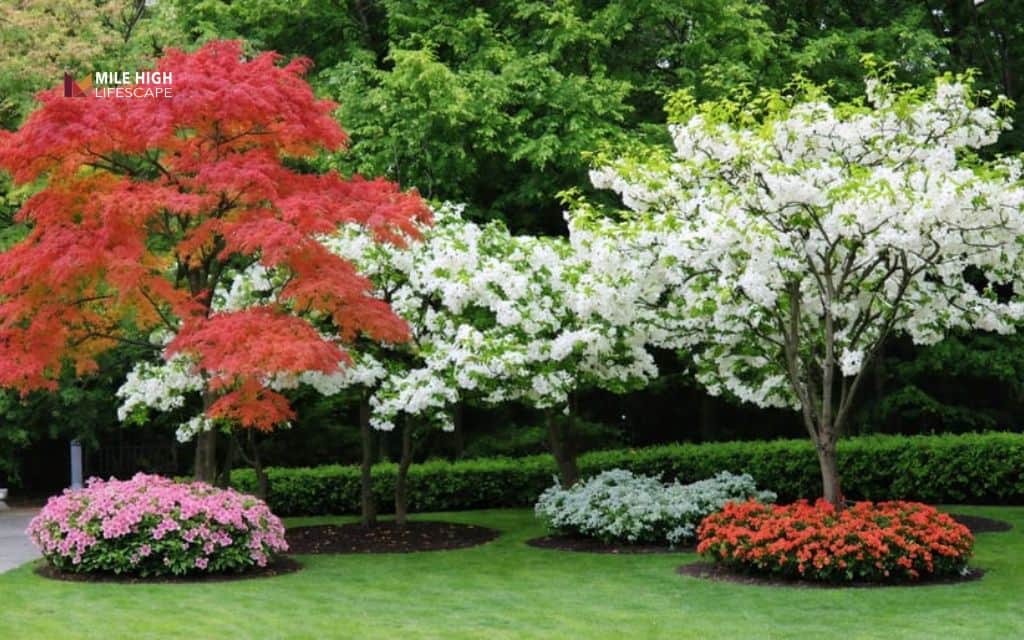
16. Soften corners with a small ornamental tree
The corners of a house can look sharp and plain. Adding a small ornamental tree helps soften these edges and adds height to the space. It also makes the front yard feel more balanced.
Good choices include serviceberry, Japanese maple, or flowering dogwood. These trees add color and interest in different seasons. Pick a tree that stays under about 20 feet tall so it fits well with the size of your home.
17. Plant symmetrical beds on each side of the front door
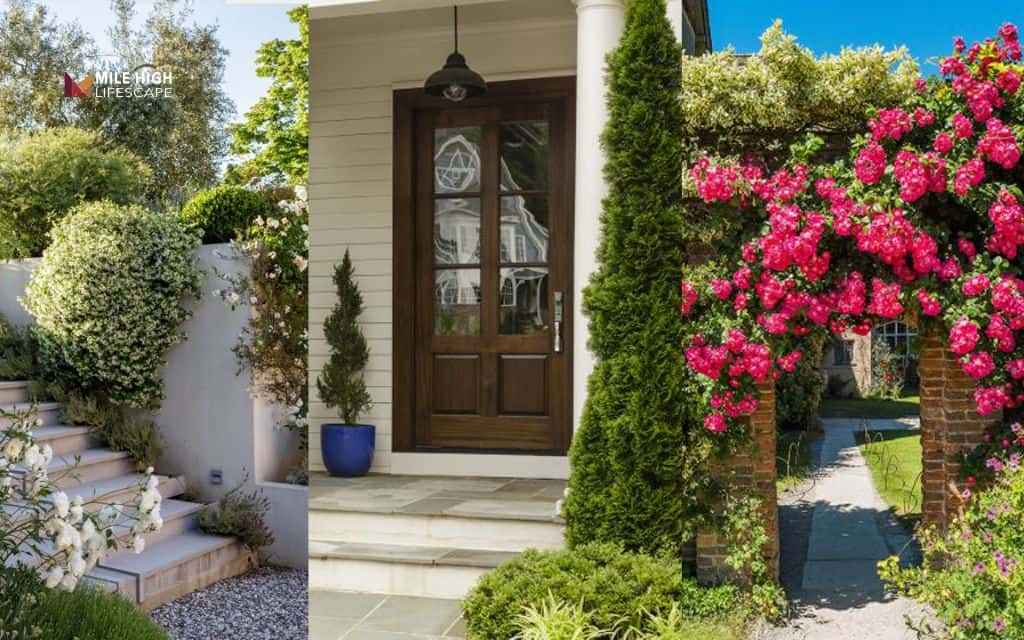
Symmetry is a simple way to make a front yard look clean and well-designed. Placing matching plants or containers on both sides of the front door creates a strong focal point and makes the entrance feel more welcoming. It also helps the whole house look more balanced.
You can use two identical pots or plant the same shrubs on each side with equal spacing. This works especially well with traditional home styles. The key is to keep both sides as similar as possible so the design looks intentional.
18. Modern and minimalist: clean lines and architectural plants
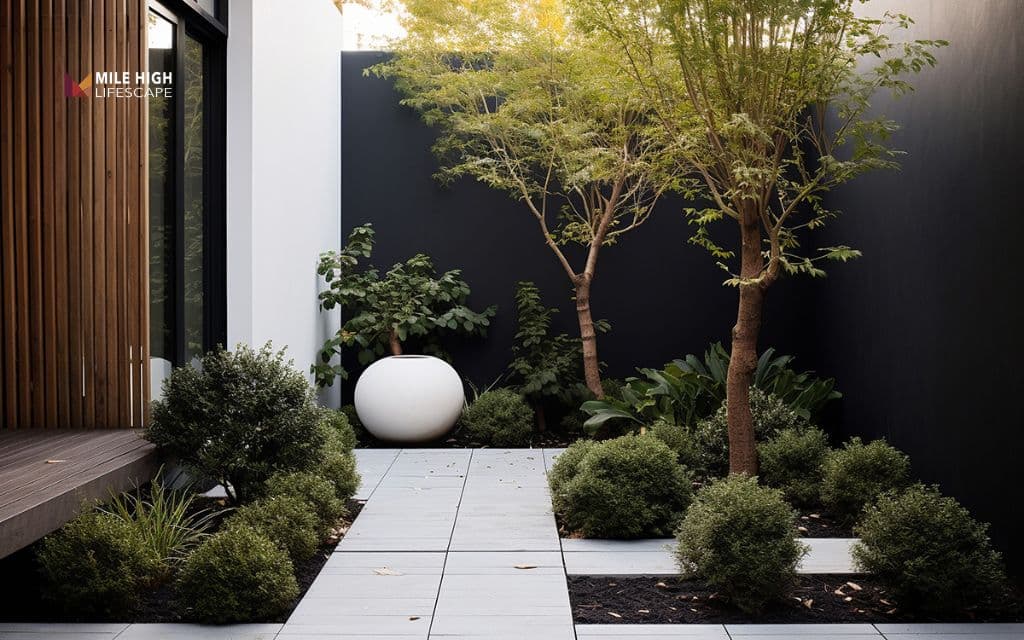
Modern front yard design focuses on simplicity and clean lines. It uses a small number of plants and materials to create a neat, organized look. The goal is to make the space feel calm and well-planned, not crowded.
Plants are chosen for their shape as much as their color. Options like Mexican feather grass, agave, and blue fescue add texture without too much detail. Simple materials like stone, concrete, or gravel work well, and keeping colors limited helps the design stay clean and easy to maintain.
19. Cottage garden: layered, romantic, and full of color
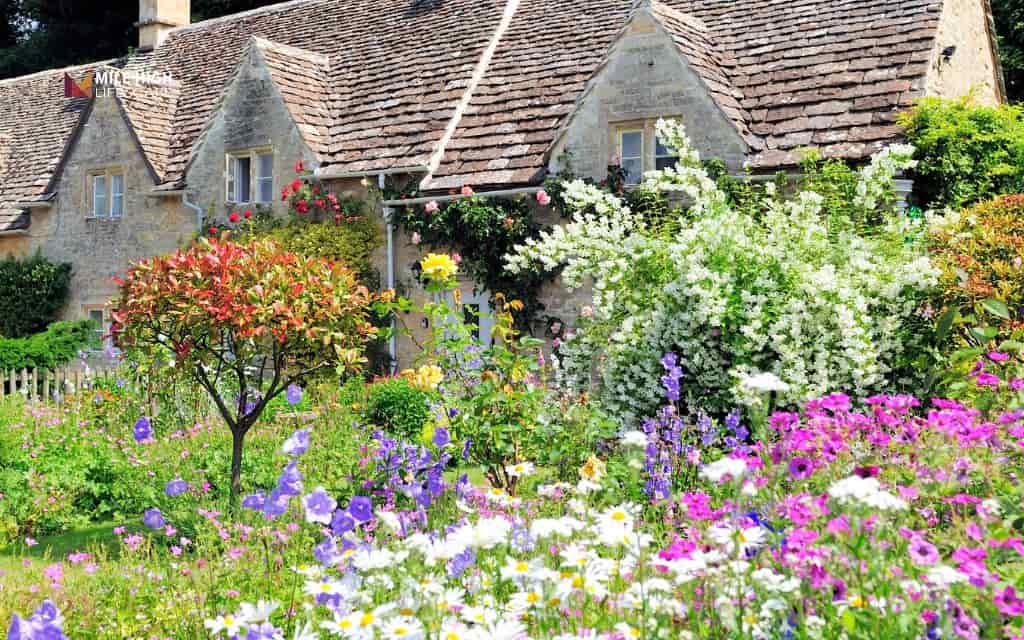
Cottage garden style is full, colorful, and a bit wild compared to modern designs. It mixes many plants together to create a soft, natural look that feels warm and inviting. Even though it looks relaxed, it still needs planning to keep flowers blooming through the seasons.
Plants like lavender, echinacea, and climbing roses work well in this style. They add color, texture, and height to the space. This approach is a good fit for homes with a more classic or cozy feel.
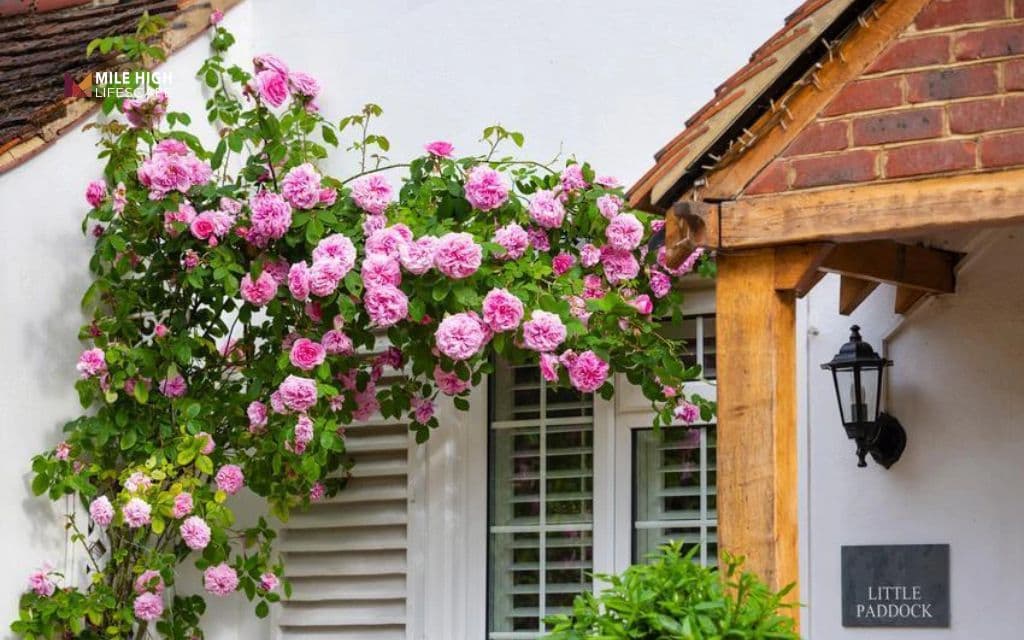
20. Plant roses on an arbor gate for romantic curb appeal
A rose-covered arbor at the front entrance creates a strong and memorable first impression. It turns a simple walkway into a beautiful focal point and makes the home feel more inviting. This feature can quickly improve overall curb appeal.
Climbing roses are a great choice because they grow well on structures like arbors. Training the branches sideways helps them produce more flowers. Varieties like New Dawn, Fourth of July, and Blaze are popular and easy to care for with enough sunlight and basic maintenance.
21. Repeat color blocks in a flowering fence line
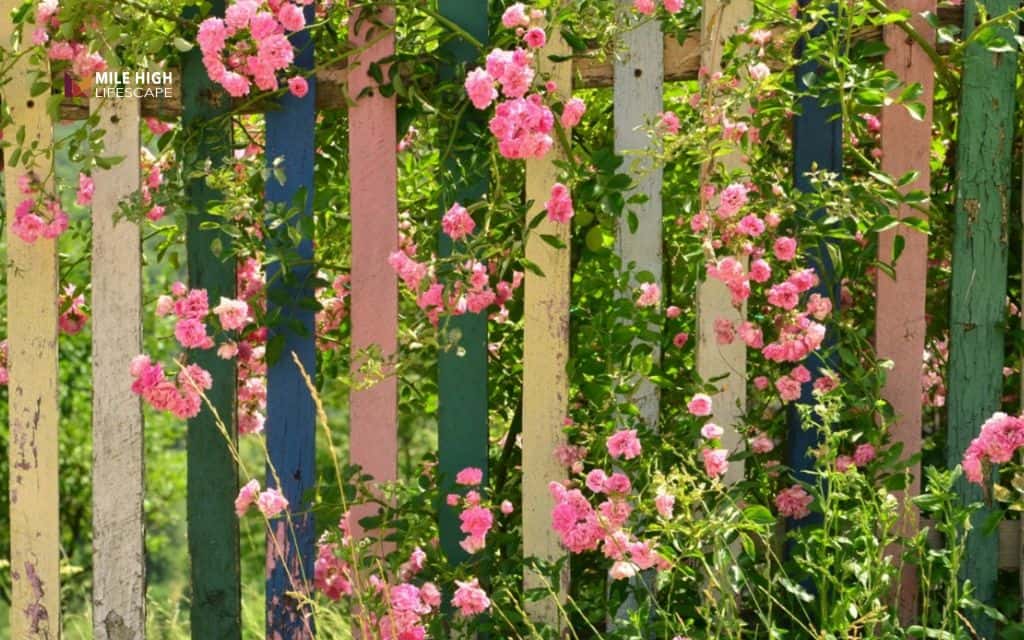
A plain fence line can look empty and unfinished. Adding plants in repeating groups along the fence helps create a more organized and attractive look. This simple idea can make the whole yard feel more designed.
Choose a few types of plants and repeat them in small groups instead of mixing everything randomly. For example, you can use roses for color, grasses for texture, and catmint for a soft edge. Keeping the colors similar also helps the space look clean and consistent.
22. Replace lawn with a gravel or decomposed granite garden
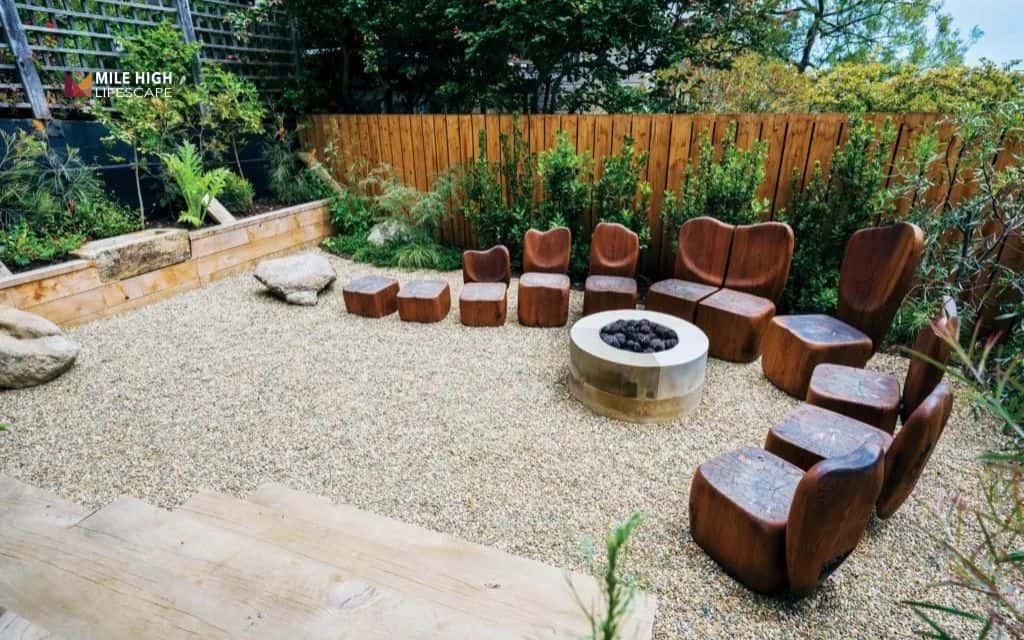
Traditional lawns take a lot of time and water to maintain, especially in dry areas. Replacing part of the lawn with gravel or decomposed granite is a simple way to reduce maintenance. It also gives the front yard a clean and modern look.
Use a base layer to help prevent weeds, then add gravel on top. You can place a few large rocks to create focus and avoid a flat look. Add drought-tolerant plants like agave, yucca, or grasses to keep the space natural and easy to care for.
23. Take up space with a low-maintenance, wide pathway
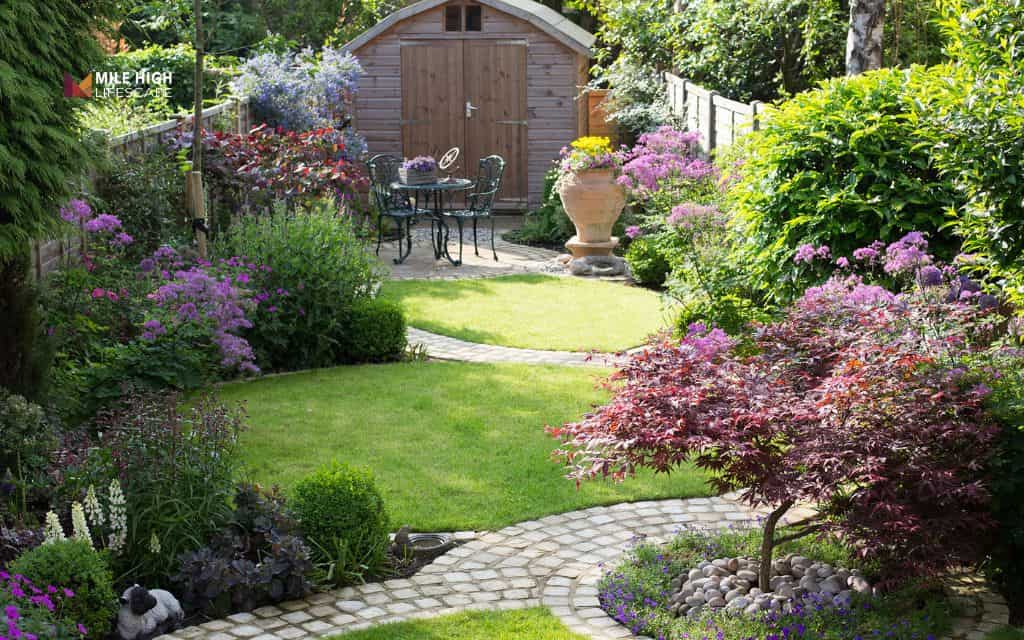
A narrow path to the front door may work, but it often looks plain. Making the walkway wider helps the space feel more open and welcoming. It also gives enough room for two people to walk comfortably.
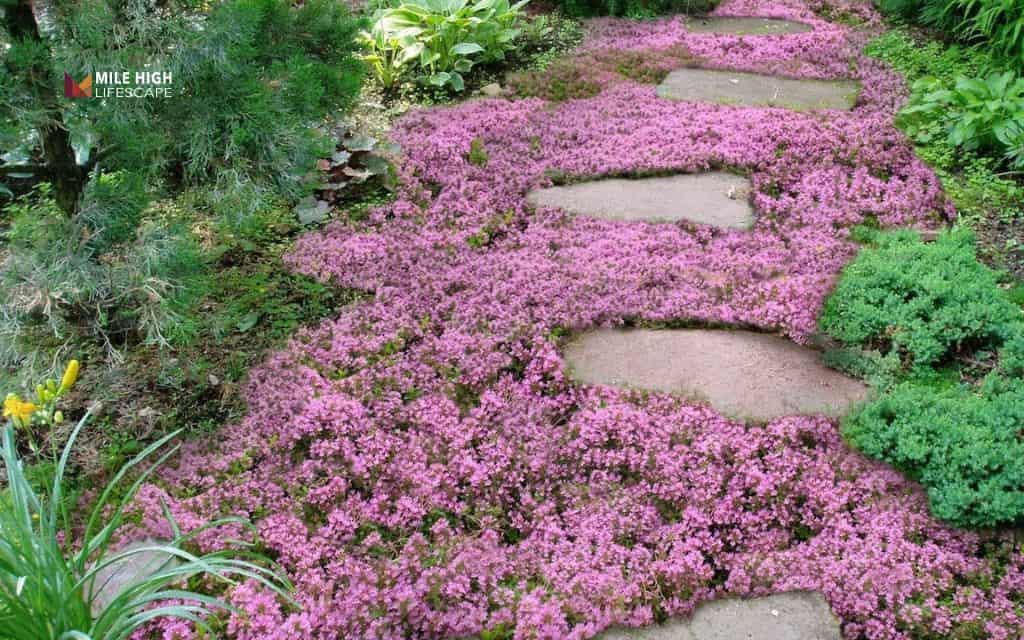
Materials like stone, concrete pavers, or brick can change the look of the path. To soften the edges, add low plants like creeping thyme or sedum along the sides or between gaps. This small detail makes the walkway feel more natural and complete.
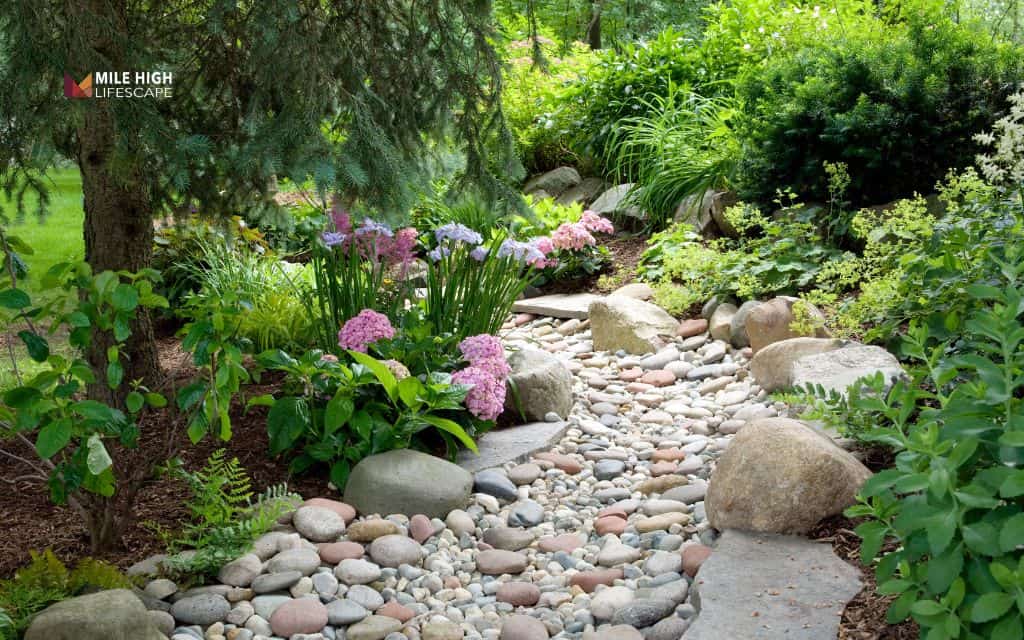
24. Create a dry creek bed for drainage and visual interest
Some front yards have drainage issues like standing water or soil erosion. A dry creek bed is a simple way to fix this while also adding a natural design feature. It helps move water away and makes the yard look more interesting.
To create one, dig a shallow path, line it, and fill it with different sizes of rocks for a natural look. Adding plants along the edges helps soften the space and blend it into the yard. This solution needs very little maintenance and works well in both small and large yards.
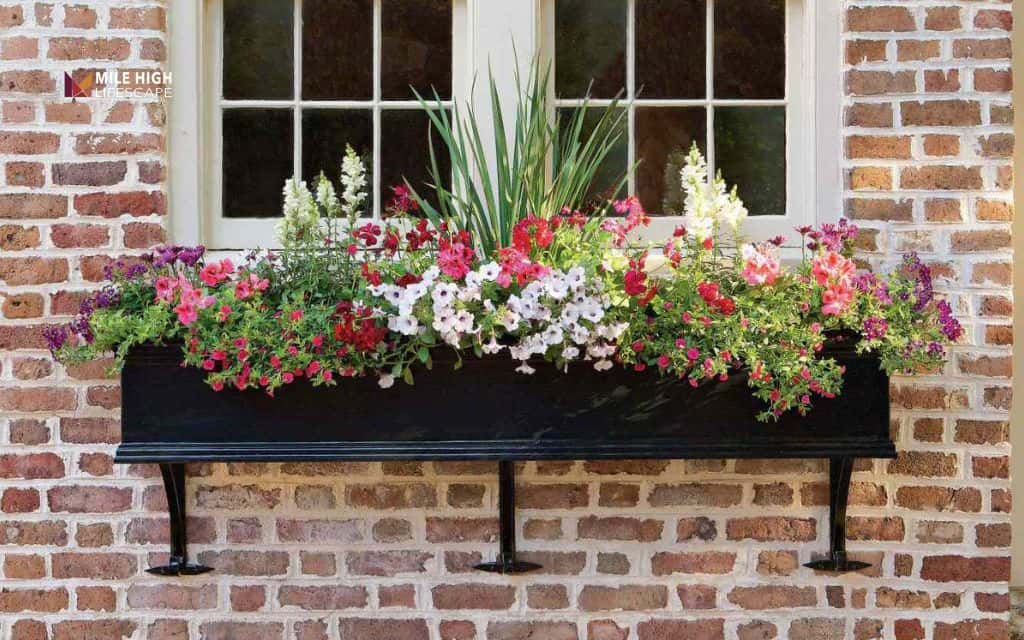
25. Add window boxes or hanging baskets for instant color
Window boxes and hanging baskets are an easy way to add color to your front yard. Because they sit higher, they are easy to see from the street and make a strong first impression. They don’t require digging, so they are quick to install.
Use a simple mix of one tall plant, some full plants, and trailing plants that hang over the edge. Flowers like geraniums, petunias, bacopa, and lobelia work well and bloom for a long time. You can also change the plants by season to keep your home looking fresh.
Which shrubs should you use for the front yard?
Choosing the right shrubs is important for a front yard. The wrong ones can grow too big and need a lot of trimming. The right shrubs fit the space, are easy to care for, and keep the yard looking neat over time.
For sunny areas, plants like Knockout roses, spirea, and boxwood are reliable and easy to manage. For shade, options like hydrangea or holly work well and still add color and structure. No matter what you choose, always check how big the plant will grow so you can space it properly.
Landscaping tips
In addition to the specific ideas above, a handful of foundational practices improve the appearance and ease of care of virtually any front yard landscape, regardless of the style or budget:
- Purchase plants suited to your specific climate and sun conditions. Selecting locally adapted species dramatically reduces transplant failure, supplemental watering needs, and long-term maintenance requirements.
- Learn the correct pruning timing and technique for each shrub you plant. Most flowering shrubs should be pruned immediately after blooming rather than in fall, as fall pruning removes next season’s flower buds.
- Include at least some evergreen trees and shrubs in every front yard design to maintain visual structure and year-round appeal when deciduous plants go dormant.
- Read plant tags carefully before purchasing. Tags provide essential information about mature size, light requirements, water needs, and cold hardiness that is often more accurate than verbal advice at the nursery.
- Install steel or aluminum bed edging wherever planting beds meet lawn or pathways. Clean, defined edges are the single detail that most distinguishes professionally maintained landscapes from do-it-yourself installations.
Conclusion
Improving your front yard doesn’t need a big budget or a full makeover. Start with a few simple ideas that fit your home, your style, and the time you have. Small updates like mulch, planters, or a new mailbox can make a quick difference, while bigger changes can be done over time. If you want better results or larger upgrades, working with a professional can help you plan the right layout and choose the right materials. Contact Mile High Lifescape today to schedule a consultation and start creating a front yard that looks clean, welcoming, and well-designed.
Frequently asked questions (FAQs)
What is the best landscaping in front of a house?
The best front yard landscaping combines evergreen plants for year-round structure, seasonal flowers for color, and simple hardscape like paths or mulch for a clean finish. Using a layered approach with tall, medium, and low plants creates depth and makes the space more visually appealing. The most effective design is also one that matches how much time you can realistically spend on maintenance.
What to put in front of a house instead of bushes?
Instead of traditional shrubs, you can use ornamental grasses, flowering perennials, or groundcovers to create a softer and more modern look. These options often require less trimming and bring more movement and seasonal change. Container plants near the entrance are another flexible way to add color without permanent planting.
Is there a free app to design landscaping?
Free apps like iScape, Garden Planner, and Home Outside can help you plan your front yard before starting. They allow you to test layouts and visualize how plants and materials will look in your space. These tools are simple to use and helpful for basic planning.
Is there landscape design software for beginners?
Beginner-friendly tools such as iScape and Home Outside use simple drag-and-drop features to make planning easy. Garden Planner offers a grid system to help with spacing and layout. These options make it easier to organize ideas without needing design experience.
What are the 4 types of landscape?
The 4 main landscape styles are formal, informal, xeriscape, and woodland. Formal designs use symmetry and clean lines, while informal styles feel more natural and relaxed. Xeriscape focuses on low-water plants, and woodland designs work with shade and trees. Most front yards combine elements from different styles.
What is the most low-maintenance outdoor plant?
Low-maintenance plants include ornamental grasses, sedum, coneflowers, and knockout roses. These plants need little water and care once they are established and can handle different weather conditions. Choosing plants that fit your climate helps reduce maintenance even more.
What front yard features look dated now?
Features like heavily trimmed shrubs, bright red mulch, plastic edging, and old garden decorations can make a yard look outdated. Modern designs focus on natural plant shapes, simple materials, and a mix of plants for a more balanced look.