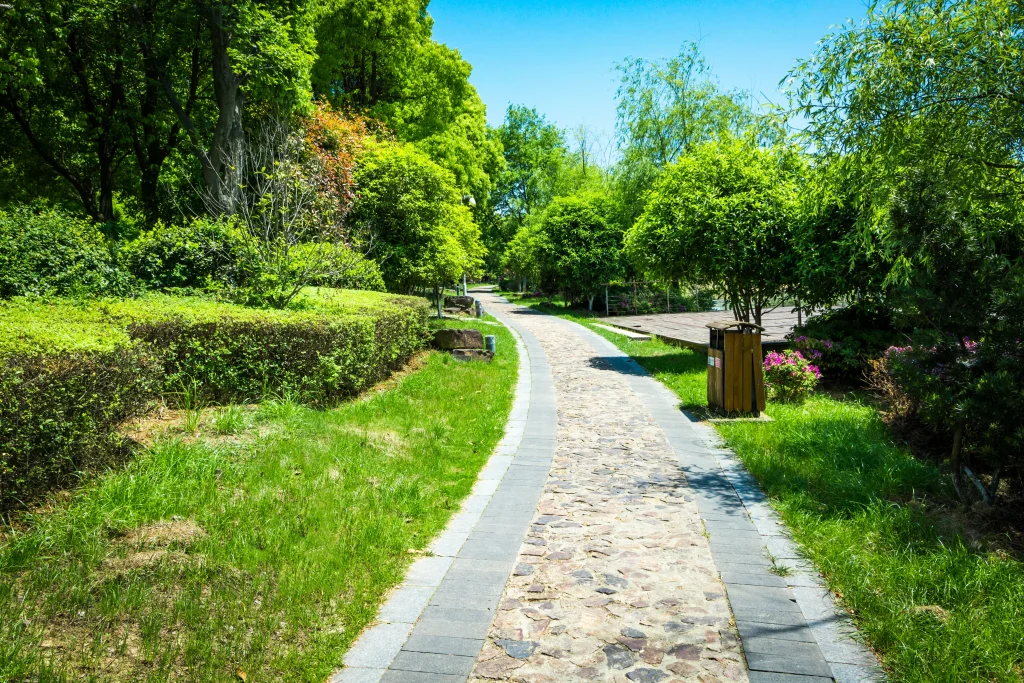
If you have ever looked at your yard and wished it felt more organized, more intentional, and simply more beautiful, landscape timbers might be exactly what you need. Landscape timbers are heavy, elongated pieces of wood that have been purpose-built for outdoor use. You will find them supporting garden beds, defining pathways, building retaining walls, framing patios, and doing dozens of other jobs that make a yard feel pulled together. They are one of the most versatile materials available to home gardeners and DIY landscapers alike.
In recent years, landscaping with landscaping timbers has become increasingly popular, and it is easy to see why. Homeowners want outdoor spaces that are functional but also visually inviting. Landscape timbers deliver on both fronts. They bring a warm, natural, rustic aesthetic that blends seamlessly with gardens, lawns, and naturalistic planting schemes. At the same time, they are a practical, affordable option that does not require specialized skills or expensive equipment to install.
Here is a quick look at why so many homeowners are turning to landscaping wood and timber-based designs:
- Affordable and versatile: Landscape timbers are priced well below many alternative hardscape materials, and they can be cut, shaped, and stacked to suit almost any yard configuration.
- Easy for DIY and professional use: You do not need a contractor to install timber edging, raised beds, or simple retaining walls. Most projects require only basic tools and a weekend afternoon.
- Natural, rustic aesthetic: Timber blends naturally with organic planting designs, making it ideal for cottage gardens, woodland landscapes, and relaxed suburban yards.
Ready to transform your outdoor space? Below, you will find 18 landscape timber ideas along with practical guidance on materials, costs, and installation tips.
Benefits of landscape timbers
Before diving into specific projects with landscape timbers, it helps to understand why these materials stand out from alternatives like concrete, stone, or brick. Here are the key benefits that make landscaping timbers a smart choice for homeowners at every skill level.
- Cost-effective: Standard landscape timbers are among the most affordable hardscape materials on the market. Even large projects can often be completed on a modest budget.
- Easy to work with: Timber can be cut with a standard circular saw, drilled with common bits, and secured with rebar or landscape spikes. No masonry skills required.
- Naturally attractive: Wood has a warmth and texture that concrete simply cannot replicate. Landscape timbers age gracefully, developing a weathered patina that suits naturalistic gardens especially well.
- Structurally reliable: When properly installed and treated, landscape timbers provide solid structural support for retaining walls, steps, and raised beds that can last for many years.
- Highly versatile: From decorative borders to functional furniture, the range of landscaping timber ideas is virtually unlimited. One material can fulfill dozens of purposes across a single yard.
- Environmentally friendly options available: Sustainably sourced and naturally rot-resistant species such as cedar or redwood are excellent eco-conscious choices for landscaping wood projects.
Types of landscape timber
Choosing the right type of timber is one of the most important decisions you will make before starting any landscaping project. The three main categories are pre-treated natural wood, untreated natural wood, and synthetic timber.
Pre-treated natural wood
Pressure-treated (PT) lumber is the most widely used type of landscape timber. It has been infused with chemical preservatives under pressure, giving it excellent resistance to rot, decay, and insect damage. Today, most pressure-treated timber for residential use contains alkaline copper quaternary (ACQ) or copper azole (CA), which are considered safer alternatives to the older chromated copper arsenate (CCA) formula that was phased out for residential use in the United States in 2003.
Untreated natural wood
Naturally rot-resistant species such as western red cedar, black locust, and redwood can be used without chemical treatment, making them a popular choice for gardeners who prefer a more natural approach. These species contain natural oils and tannins that repel moisture and decay-causing organisms.
Synthetic Timber
Synthetic or composite landscape timbers are made from a blend of recycled wood fibers and plastic. They are designed to mimic the look of real wood while offering superior resistance to rot, insects, and weathering. They do not warp, crack, or splinter the way natural wood can over time.
Best landscape timber ideas
From practical retaining walls to charming garden bridges, the following landscaping with timbers ideas cover a wide range of styles, skill levels, and budgets. Each idea includes a short “Best for” note to help you decide if it is the right fit for your yard.
1. Timber retaining walls
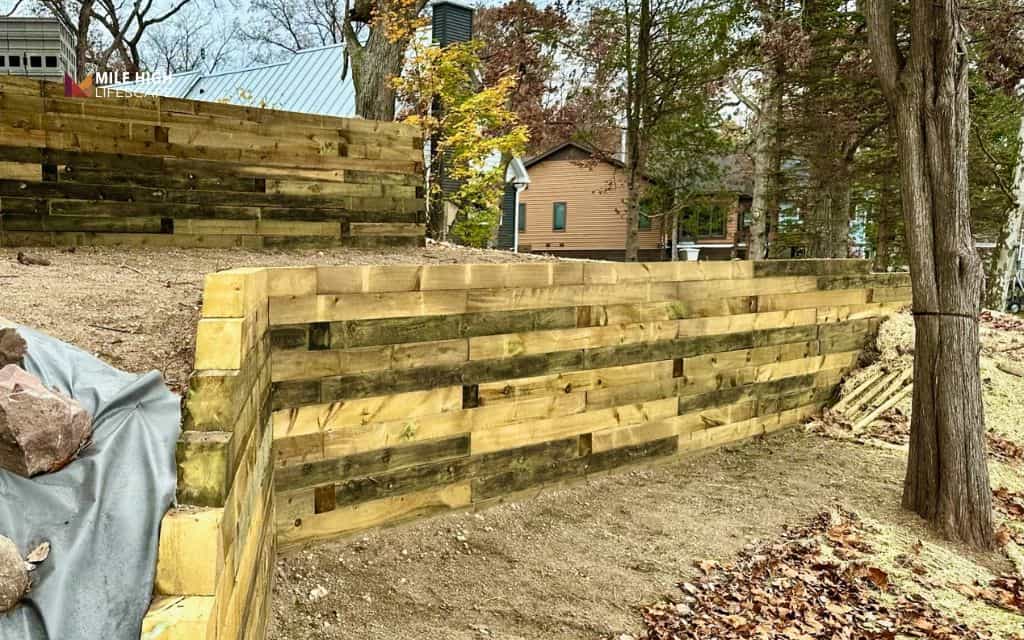
A timber retaining wall is one of the most practical landscape timber ideas for yards with slopes or uneven terrain. By stacking heavy landscape timbers horizontally and anchoring them with deadman ties or rebar driven into the hillside, you can hold back soil, create usable flat terraces, and prevent erosion in one beautifully simple structure.
The key to a long-lasting timber retaining wall lies in proper drainage. Without adequate drainage behind the wall, hydrostatic pressure will build up and eventually push the structure out of alignment. Install a layer of gravel behind the timbers and include weep holes or perforated drainage pipe at the base to allow water to escape freely.
2. Timber steps and stairs
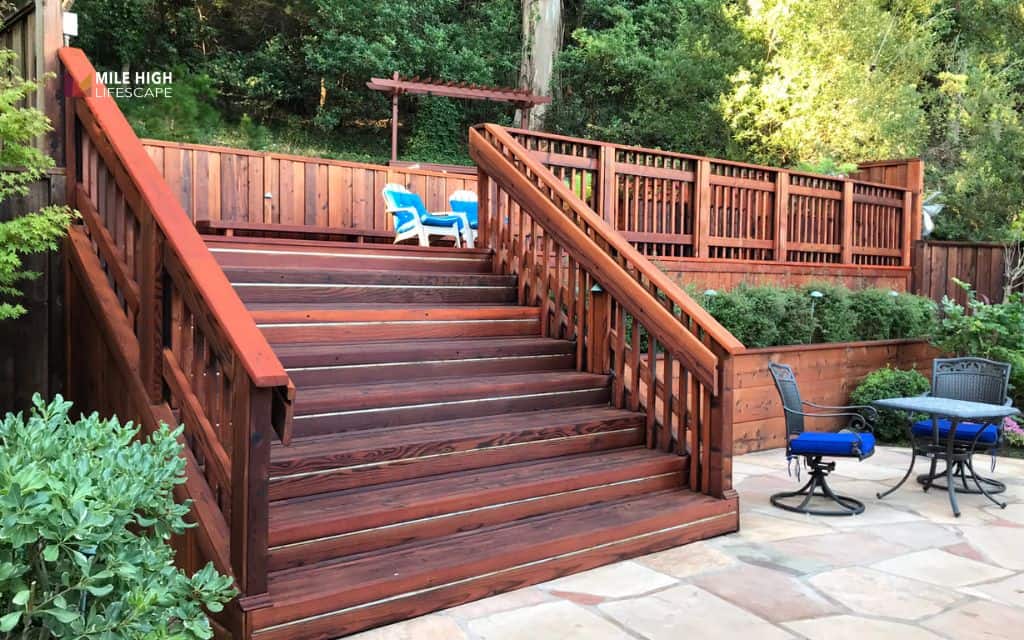
Timber steps are a natural complement to retaining walls and sloped landscaping timbers ideas. Rather than navigating an awkward muddy slope every time you move between different levels of your yard, a set of well-built timber steps makes the transition safe, comfortable, and visually appealing. Landscape timbers work beautifully as risers (the vertical face of each step) while compacted gravel, crushed stone, or even additional timbers serve as the treads.
3. Decking and platforms
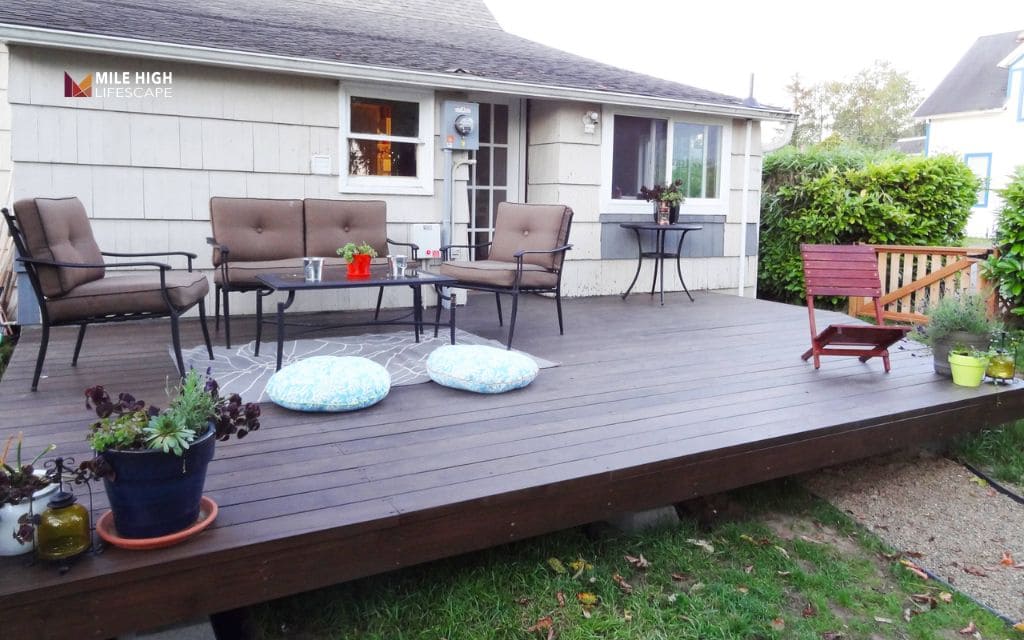
Timber steps are a natural complement to retaining walls and sloped landscaping timbers ideas. Rather than navigating an awkward muddy slope every time you move between different levels of your yard, a set of well-built timber steps makes the transition safe, comfortable, and visually appealing. Landscape timbers work beautifully as risers (the vertical face of each step) while compacted gravel, crushed stone, or even additional timbers serve as the treads.
4. Garden pathways and walkways
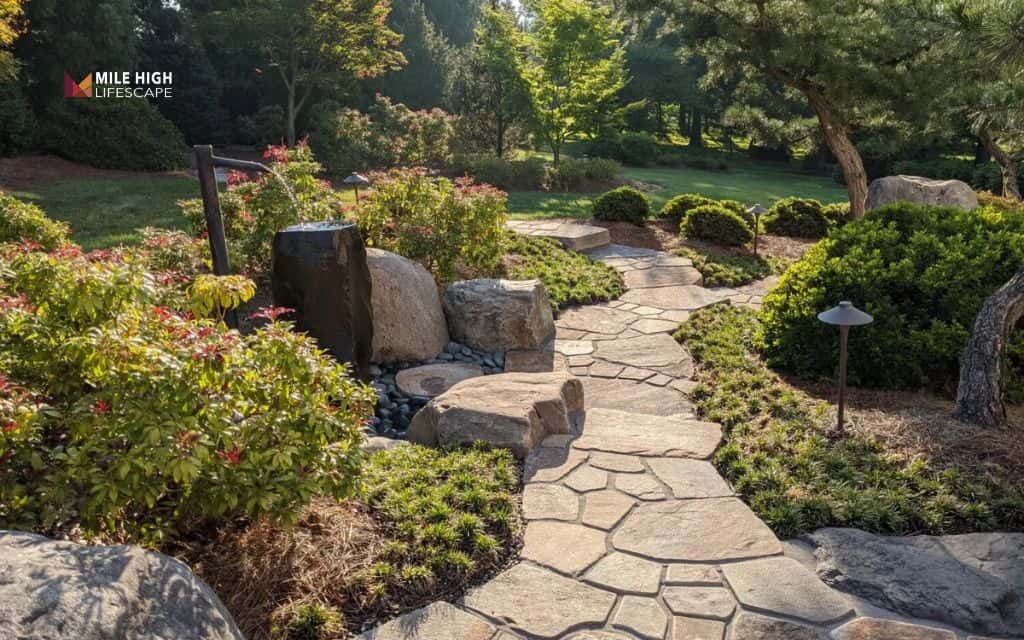
One of the most charming landscaping timbers ideas is to use timber sections as stepping stones or pathway borders in the garden. Cross-cut rounds of timber create a rustic, organic-feeling path through a flower border or woodland garden, while long timber lengths laid parallel make clean, defined walkways that connect the driveway, patio, lawn, and garden zones.
Timber edges work well for gravel paths. They keep the stones contained so gravel does not scatter onto the grass. The path itself drains quickly and gives a satisfying crunch when walked on. Choose pea gravel, decomposed granite, or wood chip mulch depending on the style you want.
5. Raised garden beds
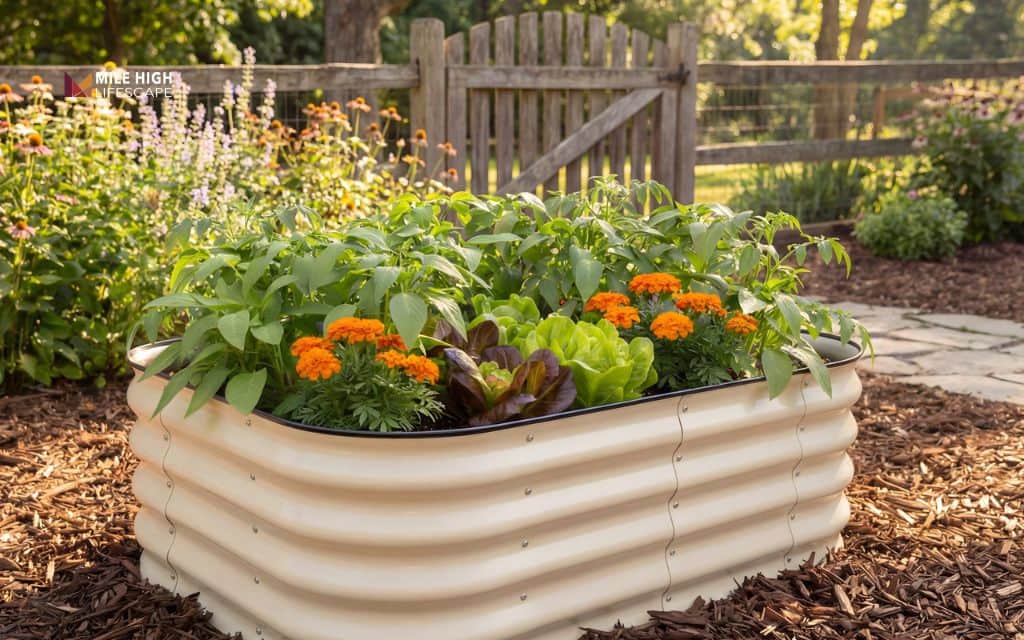
Raised garden beds are one of the most popular projects with landscape timbers. They elevate your growing soil above native ground level, improving drainage, warming the root zone earlier in spring, and giving you full control over soil quality. They also reduce the strain on your back and knees during planting, weeding, and harvesting.
Landscape timbers are perfect for raised bed walls. They’re heavy enough to stay put without a lot of extra hardware, and the flat sides give you nice, clean lines that make a vegetable or herb garden look tidy. Just stack two or three timbers high to get 12 to 18 inches of soil depth.
This setup works well for vegetables, herbs, and flowers. All of these plants like soil that drains nicely and has plenty of nutrients. For food crops, it’s smart to pick the right wood. Use timbers labeled ACQ or CA, or go with natural cedar or redwood which resist rot on their own. Steer clear of old lumber that might contain CCA. One last tip: line the inside walls with landscape fabric before you fill it with soil. This keeps the dirt from sneaking out through the gaps over time and helps your garden bed last longer.
6. Tiered planters
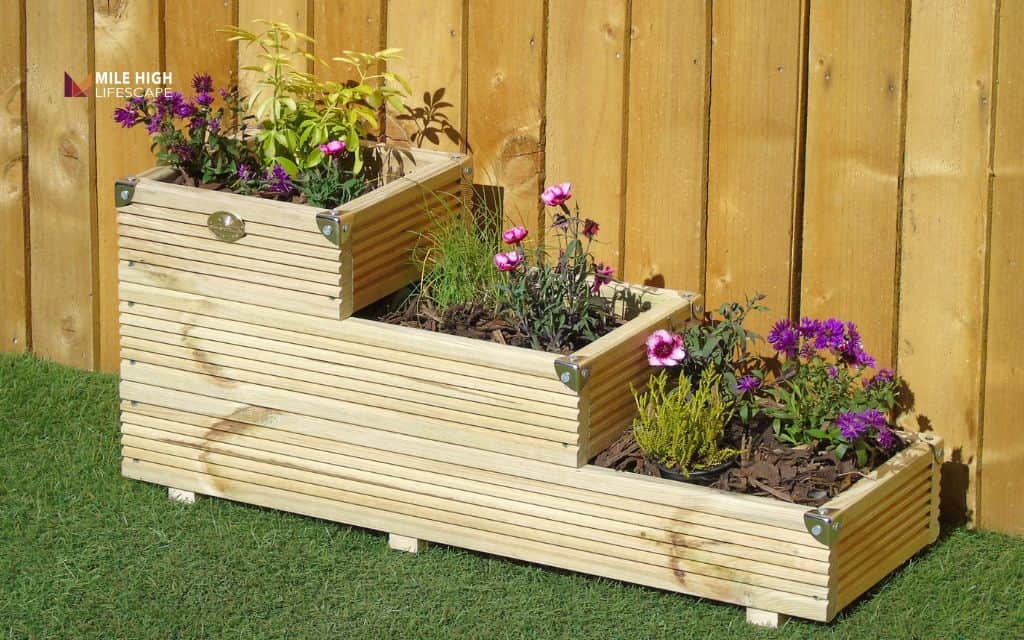
Take the raised bed concept one step further with tiered timber planters. By building two or three stacked levels of decreasing size you create a visually striking multi-level display that is perfect for displaying a range of plants at different heights. The vertical dimension adds depth and interest to what might otherwise be a flat, featureless yard.
Tiered planters work beautifully on uneven terrain where a single flat raised bed would be impractical. The stepped design follows the natural contour of the land, making it one of the most elegant timber landscaping ideas for hillside yards or sloped patios.
7. Timber planter boxes
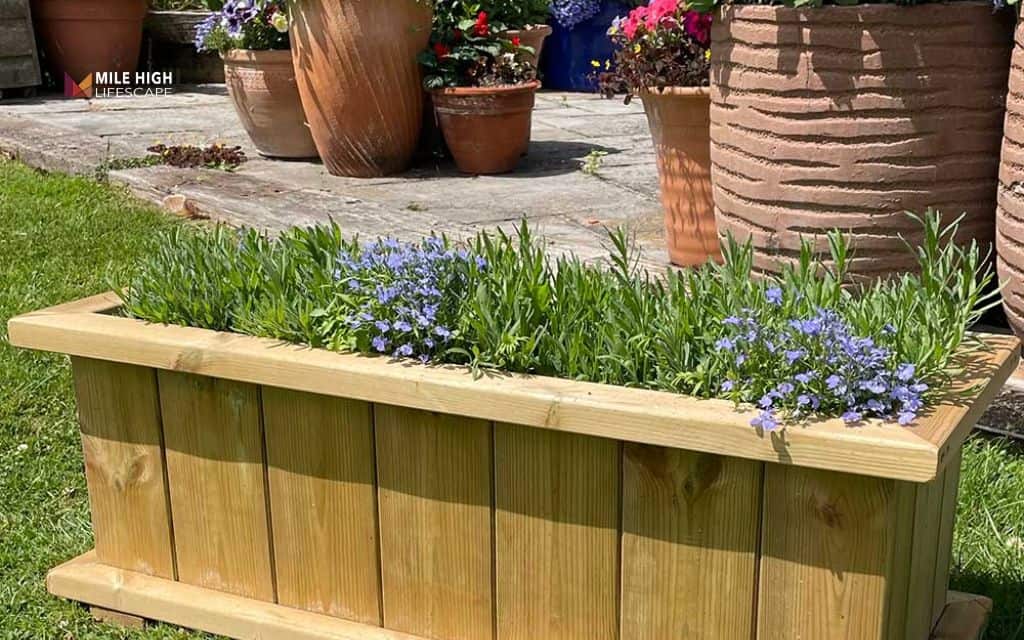
Timber planter boxes are a compact and highly portable version of the raised garden bed concept. Rather than building in-ground structures, you construct a freestanding box from landscape timber pieces and place it wherever it suits. They are ideal for renters, homeowners with limited garden space, or anyone who wants the flexibility to rearrange their plantings seasonally.
8. Garden edging and borders
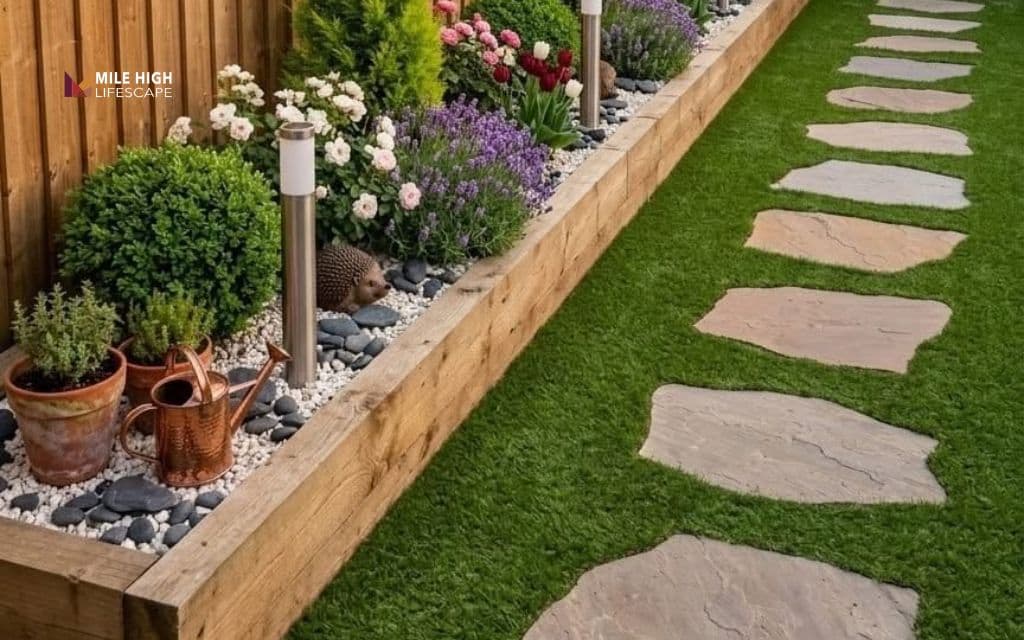
Garden edging is one of the most accessible and impactful ideas for landscape timbers. Simply laying landscape timber lengths along the perimeter of a flower bed instantly creates a clean, defined border between the planting area and the surrounding lawn. It looks tidy, requires almost no skill to install, and makes a dramatic visual difference to any yard.
Timber edging also serves a practical purpose: it acts as a physical barrier that slows the lateral spread of lawn grass into garden beds, reducing the frequency with which you need to re-edge your borders. Over time, this small structural investment saves considerable maintenance time.
9. Modern geometric layouts
Who says landscaping timbers ideas have to look rustic? In contemporary garden design, timber is being used in bold geometric patterns that feel clean, architectural, and unmistakably modern. Think square raised planting modules arranged in a grid, rectangular timber panels set as low garden walls, or angular edging that mirrors the lines of a modern home’s architecture.
Dark-stained or charred timber (a technique known as shou sugi ban, or Japanese wood burning) lends itself especially well to contemporary geometric landscapes. The deep tones contrast strikingly with bright foliage or white gravel, creating a gallery-like garden aesthetic.
10. Curved timber borders
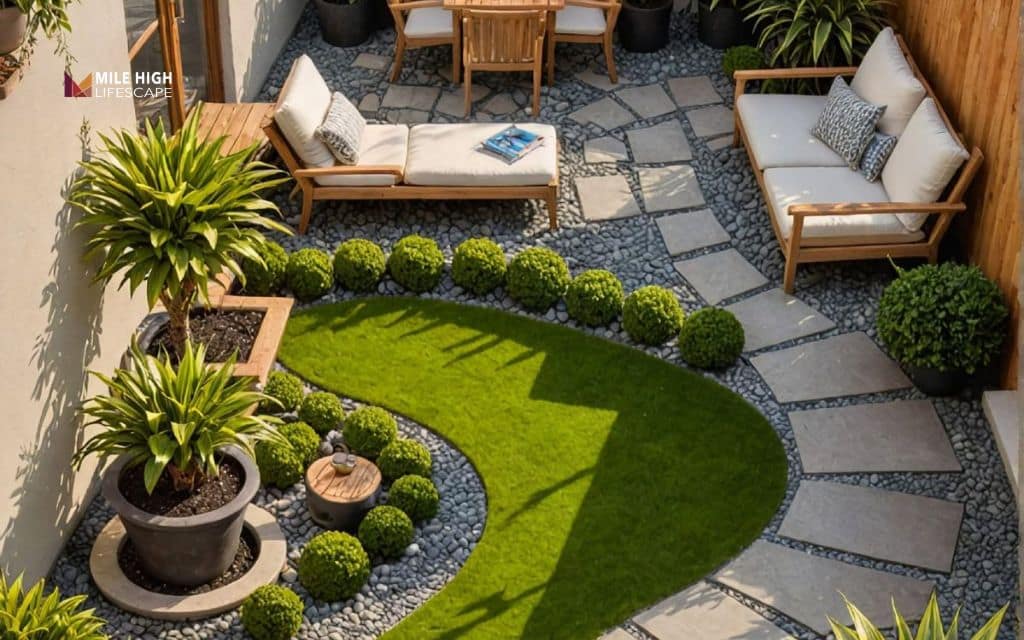
For a softer, more organic landscape feel, curved timber borders offer a beautiful alternative to straight-edged designs. By using shorter timber lengths and angling them slightly to follow a curve, you can create gently flowing garden borders that feel natural and relaxed rather than rigid and formal. Curved borders guide the eye gracefully through the garden and break up the monotony of square or rectangular layouts.
Read more: 25 landscape border ideas that make every garden look neater
11. Timber garden walls
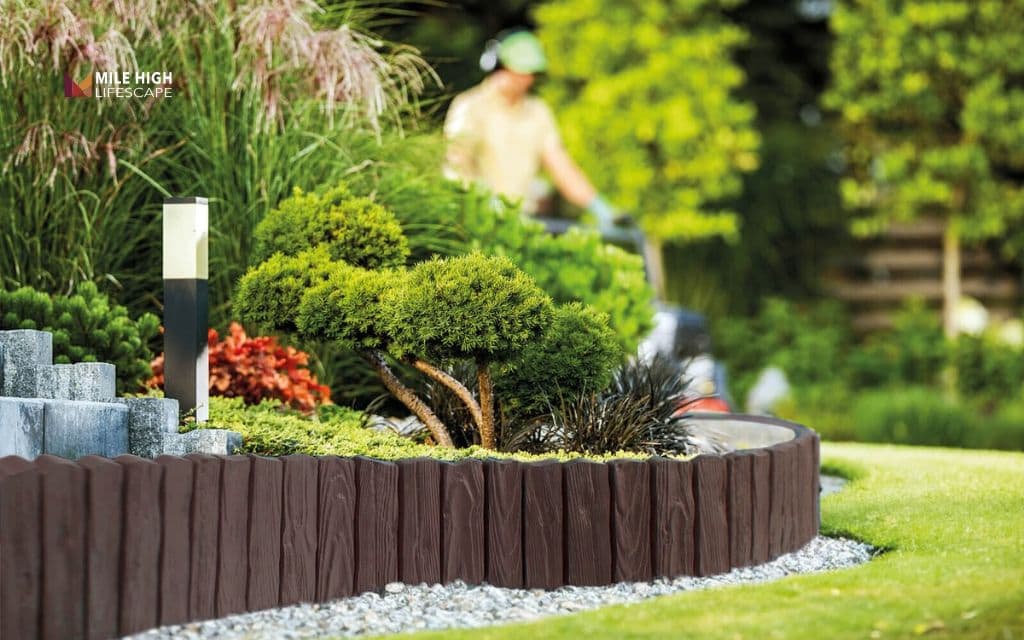
A timber garden wall differs from a retaining wall in that it is primarily decorative rather than structural. These low walls define spaces within the garden without blocking views or light. They create natural backdrops for planting beds, provide a sense of enclosure to seating areas, and add visual texture to flat landscapes.
12. Pergolas and shade structures
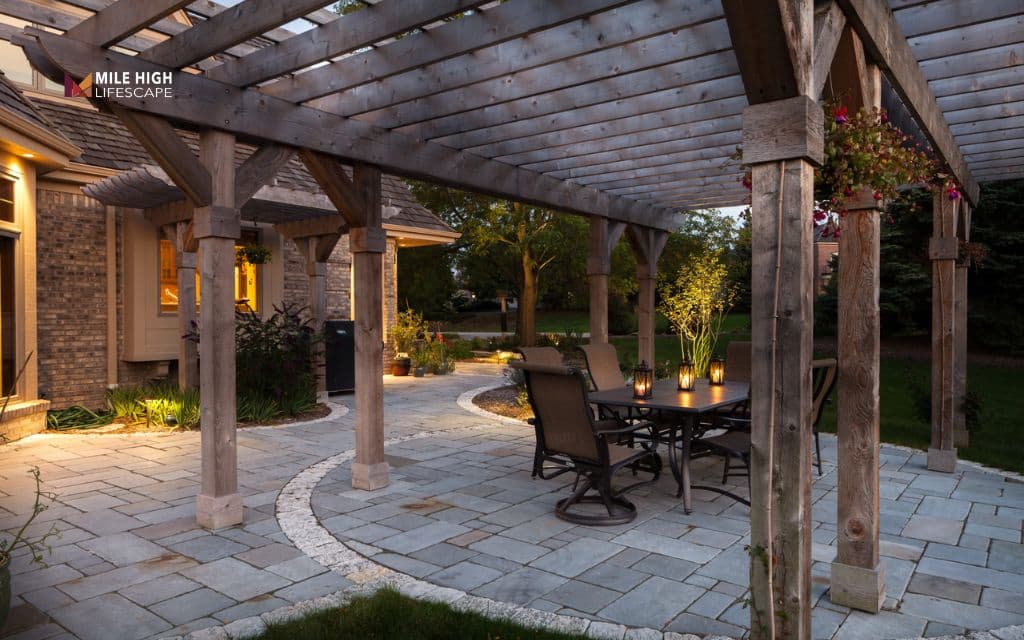
A timber pergola is one of the most ambitious landscape timber ideas on this list. Pergolas are open-frame overhead structures that provide partial shade, define an outdoor seating or dining area, and create a dramatic vertical element in the landscape. They can be freestanding or attached to the house, and they invite climbing plants such as wisteria, roses, or grape vines to weave through their beams over time.
Landscape timbers serve beautifully as pergola posts and beams. Their substantial size gives the structure a satisfying visual weight, and they can be left natural, stained, or painted to complement the style of your home.
13. Outdoor furniture (benches, tables)
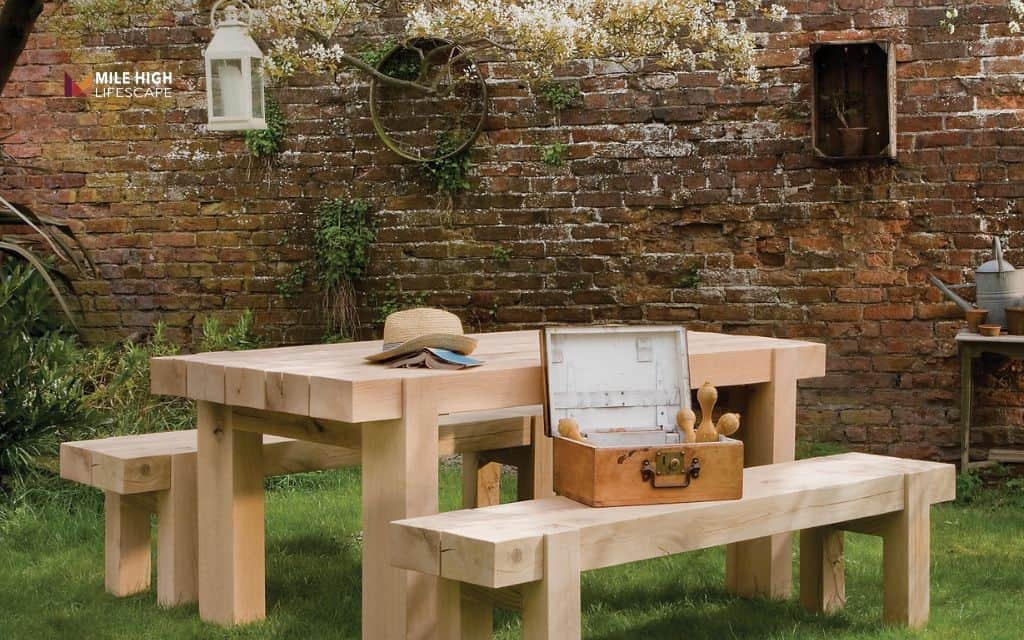
Landscape timbers work well for more than just garden beds. You can make simple outdoor furniture with them, too. For example, two or three stacked timbers topped with a smooth slab create a sturdy bench. It has a heavy, solid feel that lightweight store-bought furniture just can’t offer. With very basic carpentry, you can also build the base for a low coffee table or an outdoor dining table.
This kind of furniture is a good fit for garden seating, spots around a fire pit, or any outdoor eating area where you want something tough and weather-friendly. A couple of tips will help it look better and last longer. Sand the surfaces smooth before you use them. Once a year, apply an exterior wood oil or sealer to protect the wood from sun and rain and keep it looking nice.
14. Timber fences and privacy screens
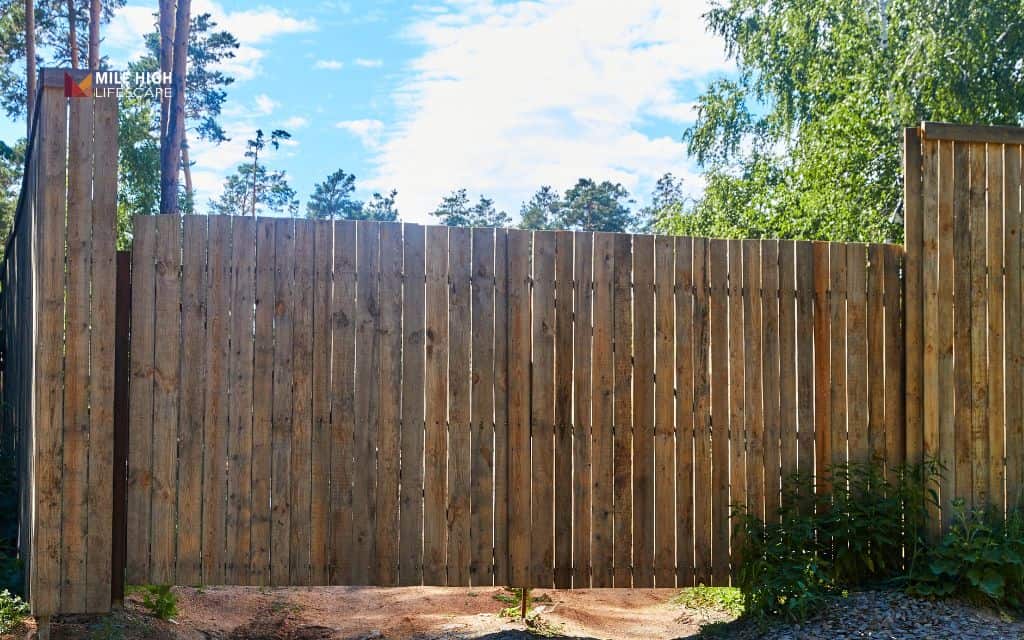
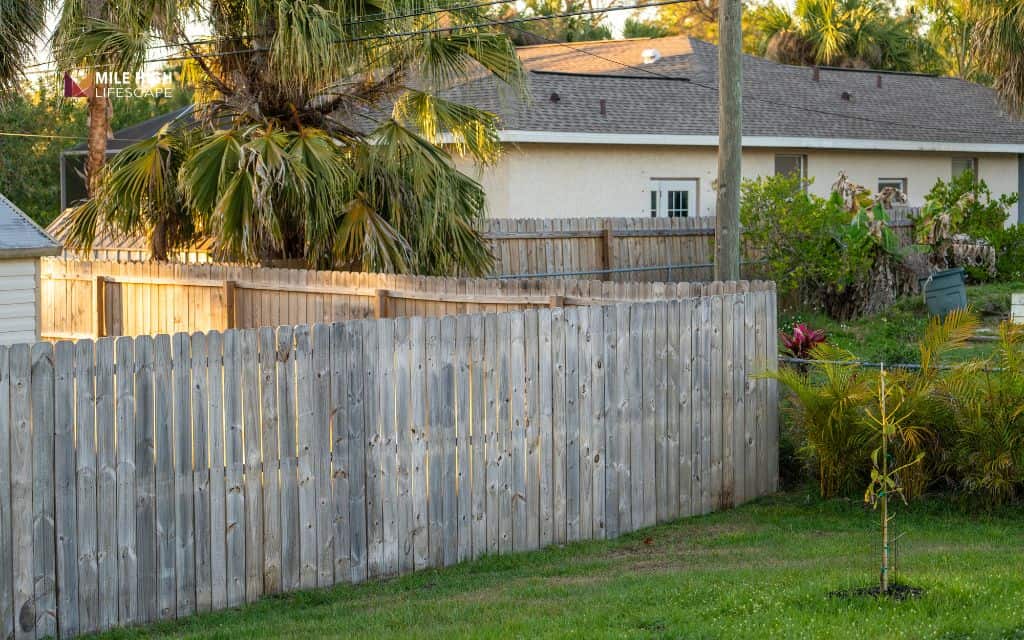
Timber fencing built with landscape timbers delivers a robust, chunky aesthetic that standard fence boards cannot replicate. Using large landscape timbers as vertical posts combined with horizontal rails or pickets creates a fence that feels solid, secure, and naturally beautiful. Privacy screens are another excellent application, particularly for framing a patio or screening a trash storage area.
15. Timber garden bridges
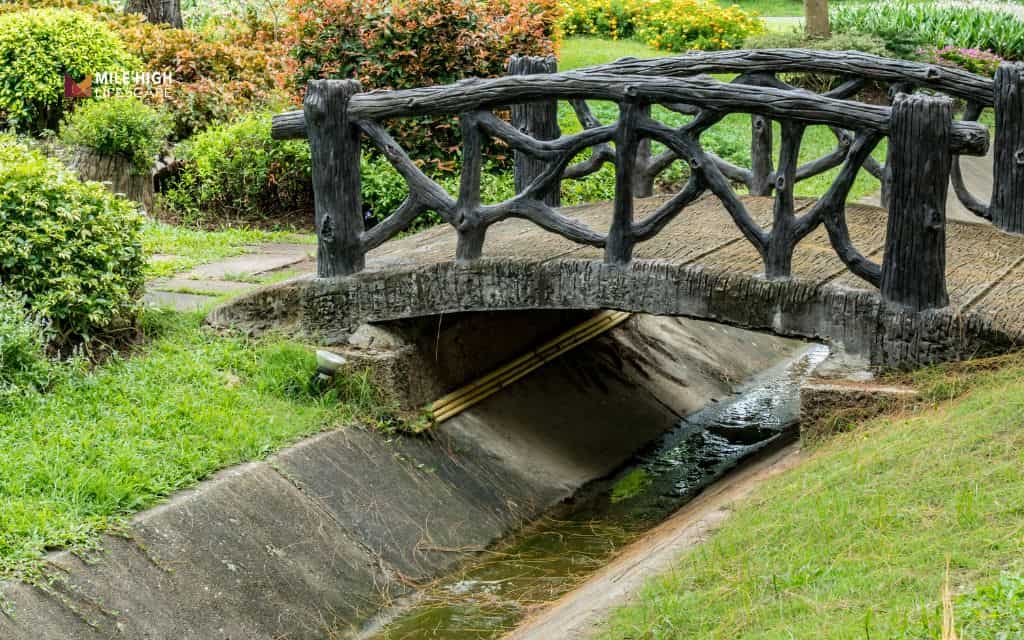
Few landscape features add charm to a garden as effectively as a small timber bridge. Whether you are crossing a backyard pond, a rain garden, a dry creek bed, or even just a low boggy area, a timber bridge creates a focal point that invites exploration and gives the garden a storybook quality. Landscape timbers make ideal bridge beams: they are heavy, strong, and weather naturally to a silvery-gray that looks perfectly at home in a naturalistic garden setting.
16. Timber pool surrounds
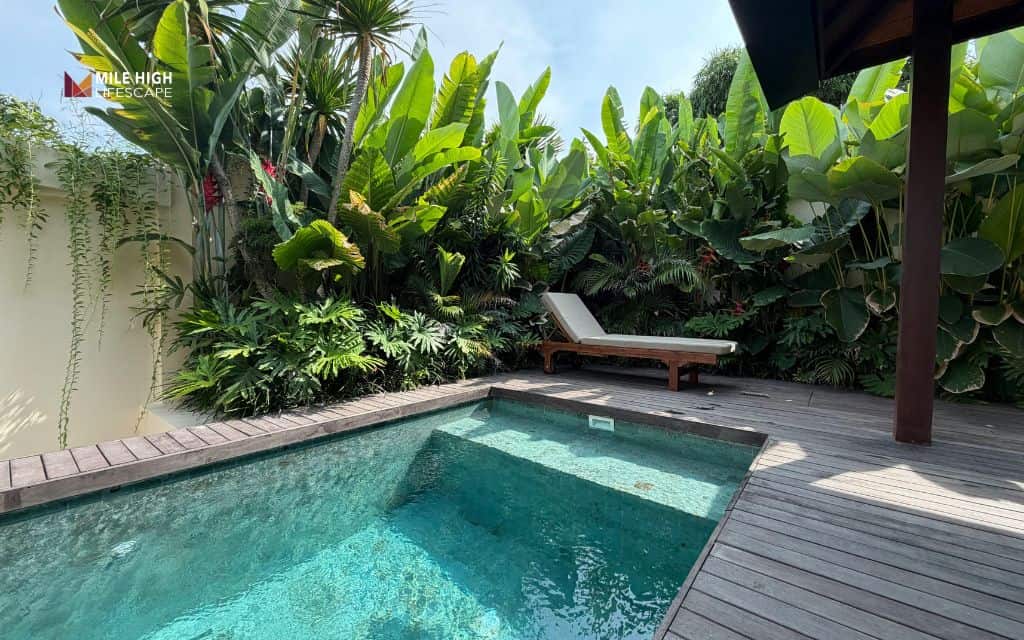
A timber pool surround transforms a backyard swimming pool from a utilitarian feature into a warm, resort-inspired retreat. Horizontal timber decking or timber-framed raised platforms around the pool edge create a cohesive, natural look that pairs especially well with tropical or naturalistic planting. The warm tones of timber are far more inviting underfoot than concrete or ceramic tile, and the non-slip texture of well-maintained timber decking is both practical and comfortable.
17. Children’s play structures
Landscape timbers make fantastic raw material for DIY children’s play structures. From simple balance beams and log rolls laid on the ground to more ambitious fort frames and swing set posts, timber brings a natural, adventure-playground quality to backyard play areas that feels far more engaging than plastic equipment. Children are instinctively drawn to natural materials, and a timber play structure ages and weathers in a way that only adds to its character.

18. Multi-functional seating walls
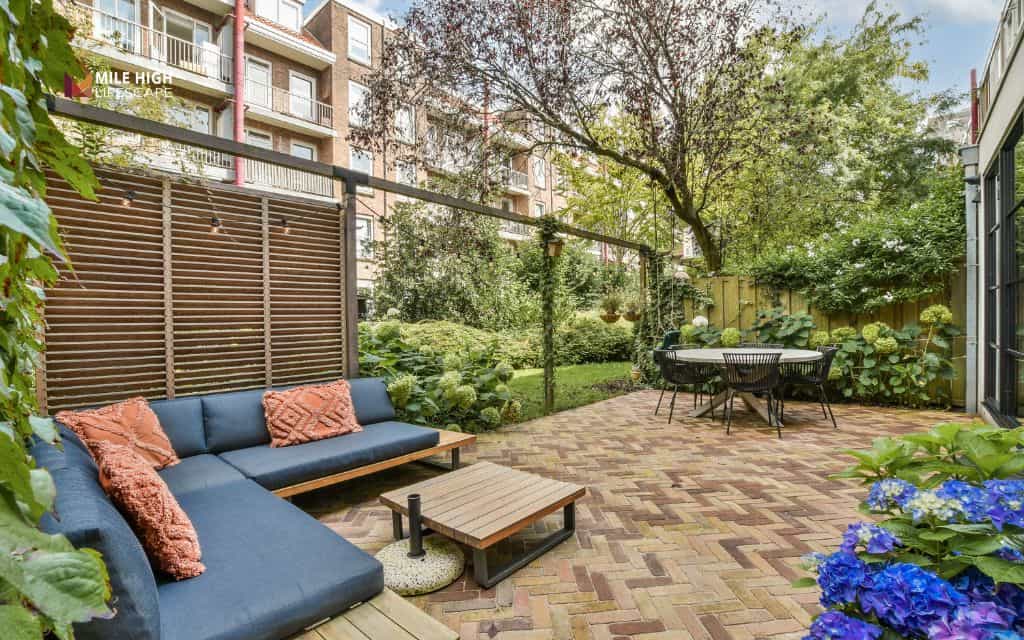
A low wall built from landscape timbers does double duty in the yard. It holds back soil to define a planting area while also providing a solid spot to sit. It is especially useful around fire pits and patios, offering seating that is always there and easily adjusts to however many people show up.
Cost and budget considerations
One of the most appealing aspects of landscaping with timbers is the range of options available at different price points. Whether you are working with a shoestring DIY budget or investing in a professionally installed timber landscape, there is a solution to suit.
| Project Type | DIY Estimated Cost | Notes |
| Garden Edging (50 linear ft) | $50 – $150 | Materials only; straightforward DIY |
| Raised Garden Bed (4×8 ft) | $80 – $250 | Varies by timber type and bed height |
| Timber Steps (3–5 steps) | $100 – $400 | Includes gravel fill for treads |
| Retaining Wall (per 10 linear ft) | $200 – $800 | Higher for taller walls; drainage adds cost |
| Timber Pathway (20 ft) | $100 – $300 | Includes gravel fill between timbers |
| Seating Wall (per 10 linear ft) | $150 – $500 | Includes timber cap |
| Pergola (10×12 ft) | $600 – $2,000 | DIY kit vs custom build; materials vary |
| Timber Planter Box | $40 – $150 each | Depends on size and timber species |
These figures are general estimates for materials only. Labor costs, regional pricing differences, and specific timber species can all affect the final total. Always get multiple supplier quotes and factor in delivery costs for large timber orders.
A few tips for keeping your landscaping timber project on budget:
- Buy in bulk: Most home improvement stores and lumber yards offer volume discounts on large timber orders.
- Compare timber types: Pressure-treated pine is typically the most affordable option for structural applications, while naturally rot-resistant species like cedar cost more but may be preferable for raised garden beds or visible decorative elements.
- Plan precisely: Measure twice and calculate your material needs carefully before purchasing. Waste from miscalculation can significantly increase your project cost.
- Phase your project: Large landscaping projects do not need to be completed all at once. Breaking the work into phases lets you spread the cost over time without compromising the final result.
Conclusion
From a simple stretch of garden edging to an impressive multi-level terrace with built-in seating walls, the range of landscape timber ideas available to homeowners is genuinely exciting. Timber is one of those rare materials that works equally well in formal and relaxed settings, on modest suburban lots and sprawling rural properties, and at virtually every budget level.
The key to getting the most from your timber landscaping project is choosing the right material for the job and taking the time to install it properly. A well-drained, properly anchored timber structure can serve your yard beautifully for decades.
Whether you are tackling your first raised garden bed this weekend or planning an ambitious multi-season landscape transformation, landscaping with timbers gives you a flexible, affordable, and naturally beautiful toolkit to work with. Start small if you need to, build confidence with each project, and enjoy the process of shaping your outdoor space into something you are genuinely proud of.
Ready to bring your landscape timber ideas to life?
At Mile High Lifescape, we design and build beautiful, functional outdoor spaces tailored to your yard, your style, and your budget. From raised garden beds and timber retaining walls to full backyard transformations, our experienced Denver-area landscaping team handles every detail so you get stunning results without the guesswork.
Contact us today for a free consultation and let’s start building the yard you’ve always wanted.
Frequently asked questions (FAQs)
What are landscape timbers?
Landscape timbers consist of heavy, rectangular or square wooden pieces, usually measuring 4×4 inches, 4×6 inches, or 6×6 inches in cross-section, designed specifically for outdoor landscaping projects. Builders and gardeners use them for tasks like creating garden edging, borders, raised beds, retaining walls, steps, and pathway edges, as well as various decorative and structural features. You can find them at home improvement stores and lumber yards in standard lengths, such as 8 feet.
How long do landscape timbers last?
The durability of landscape timbers varies based on the wood type, how they’re used, and local weather conditions. Pressure-treated pine timbers in ground contact, when installed correctly with good drainage, often endure 15 to 25 years or longer. Cedar or redwood kept above ground level can last 20 to 30 years, while untreated wood touching soil might start breaking down in just 5 to 10 years. Composite or synthetic options hold up for 25 to 50 years with little upkeep. Proper selection for the job and ensuring drainage are key to getting the most lifespan out of them.
Are treated timbers safe for gardening?
Modern pressure-treated timbers are generally safe for gardening, even with edible plants, if you pick the right ones. In the U.S., these now use ACQ or CA preservatives instead of the old CCA formula, and the EPA along with university extensions confirm they present minimal risk for raised bed walls—as long as you avoid burning the wood, which releases harmful compounds. For added caution, place a barrier like landscape fabric or plastic sheeting between the timber and soil. Always check the label and opt for ground-contact rated lumber like UC4A or UC4B.