Lawn lime raises the pH of acidic soil so grass roots can reach nutrients that are already in the ground. Many homeowners reach for lime the moment their yard looks tired, yet yellow grass, thin patches, and spreading weeds often trace back to causes that have nothing to do with soil pH. Soil testing, not guesswork, confirms whether lawn lime will actually help. This guide covers what lime does, when a lawn needs it, and how to apply it without wasting money on the wrong fix.
What lawn lime is and what it does
Lawn lime is a soil amendment made from ground limestone. It supplies calcium carbonate, and in some forms magnesium carbonate, both of which react with acidic soil to raise its pH. Raising pH is the entire job of lime. It does not add nitrogen, phosphorus, or potassium, and it cannot replace fertilizer in a lawn care program.
The common mistake is applying lime because a lawn looks unhealthy, not because a test shows the soil is acidic. Lime only helps when soil pH sits below the range turfgrass prefers. Apply it to soil that is already neutral or alkaline, and pH climbs too high, locking out different nutrients than before. In short, that is the answer to what does lime do for grass: it adjusts the soil chemistry so roots can use nutrients that were already there, not feed the grass directly.
How soil pH affects nutrient availability
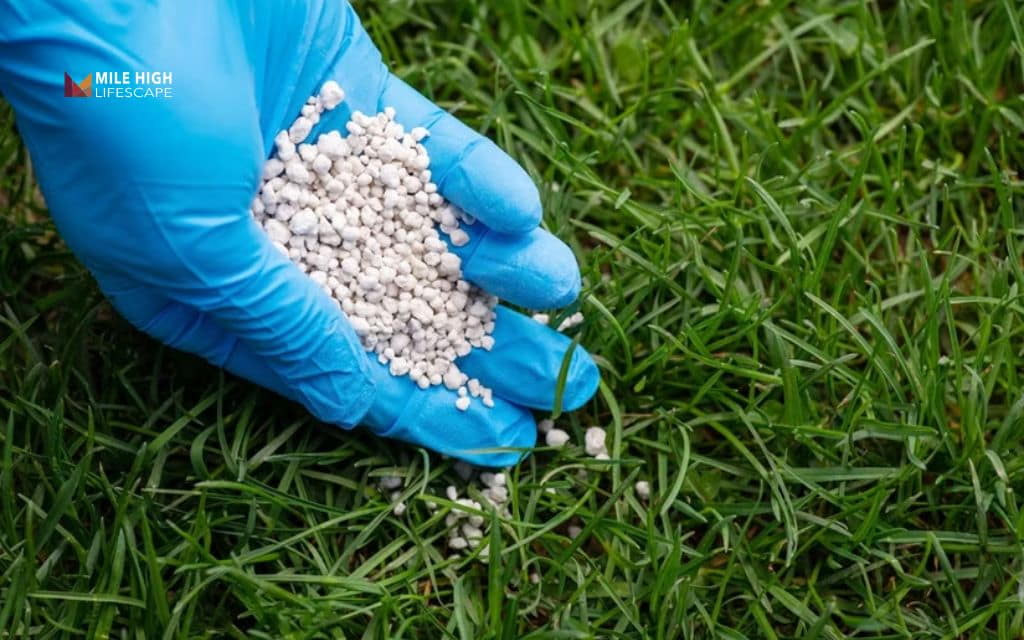
Soil pH runs on a scale from 0 to 14, with 7 marking neutral. Most lawn grasses grow best somewhere between roughly 6.0 and 7.0, though tolerance shifts slightly by species. Inside that window, nitrogen, phosphorus, potassium, and micronutrients stay chemically available for roots to absorb.
Outside that window, nutrients bind to soil particles or convert into forms roots cannot use. Fertilizer applied to overly acidic soil often underperforms for exactly this reason, since the nutrients sit in the ground without reaching the grass. When soil pH drops too far, lawn lime becomes the tool that restores balance and lets existing nutrients do their job again.
Signs that may justify a soil test
Certain patterns show up often in lawns with low soil pH: patchy yellowing, thinning turf, spreading moss, rising weed pressure, and grass that stays dull despite regular fertilizing. Each of these signs also shows up in lawns dealing with compaction, disease, poor drainage, insect damage, or a grass species mismatched to the site.
Treating any single symptom as proof of low pH skips a step. Testing turns a guess into a fact and keeps lime from being added where it will not help, or worse, where it pushes pH past the range grass needs. A soil test is the only reliable link between what a lawn looks like and what lawn lime can actually fix.
Testing soil and reading the results
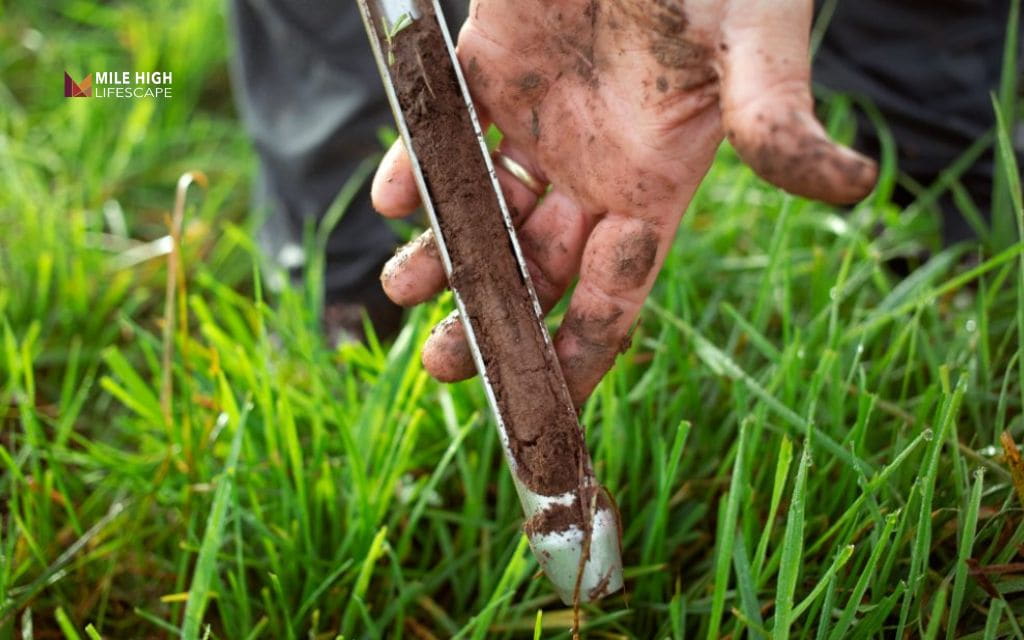
A soil sample pulled from several spots across the lawn, at a few inches deep, gives the most accurate reading. County extension offices and certified soil labs process these samples and typically return results within a couple of weeks. Handheld pH meters offer a rough estimate, but a lab test provides a full nutrient profile along with a specific lime recommendation.
The report lists current pH plus a recommended amount of lime, usually expressed in pounds per 1,000 square feet, calculated from soil type and buffer pH. Clay soil generally needs more lime than sandy soil to shift pH by the same amount. Established lawns benefit from retesting every three to four years, while a lawn undergoing correction should be retested about a year after application to confirm progress.
Types of lawn lime and when each applies
Calcitic and dolomitic lime
Calcitic lime comes from limestone that is mostly calcium carbonate. Dolomitic lime comes from limestone that also carries magnesium carbonate. Choose calcitic lime when a soil test shows adequate magnesium and only calcium needs a boost. Choose dolomitic lime when the same test flags a magnesium shortfall, since it corrects both minerals in one pass. Calcitic lime tends to shift pH somewhat faster than dolomitic lime, though both work within similar timeframes when applied correctly.
Pulverized, granular, and pelletized lime
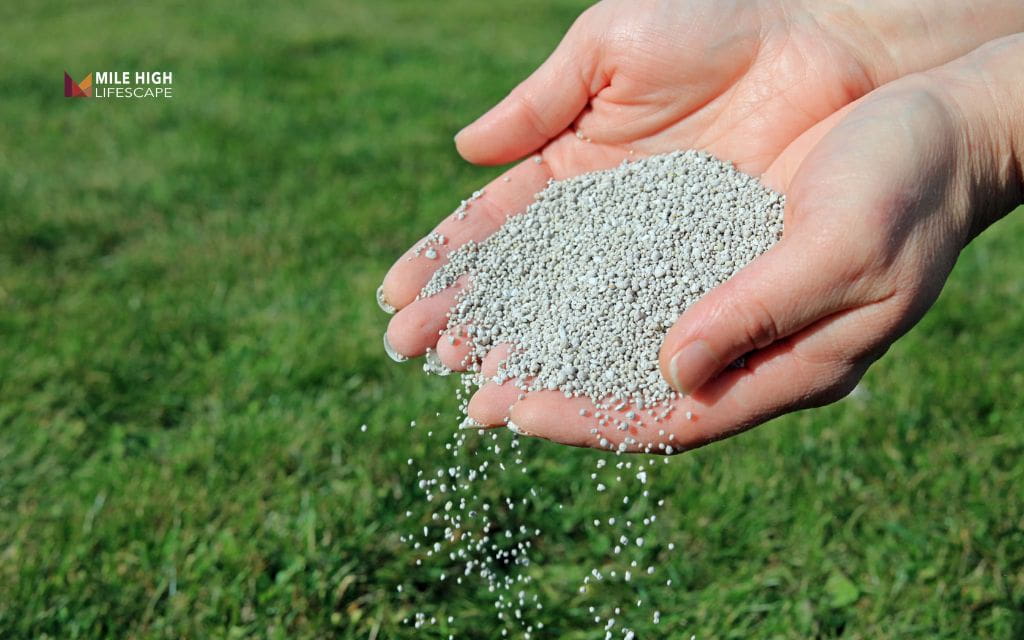
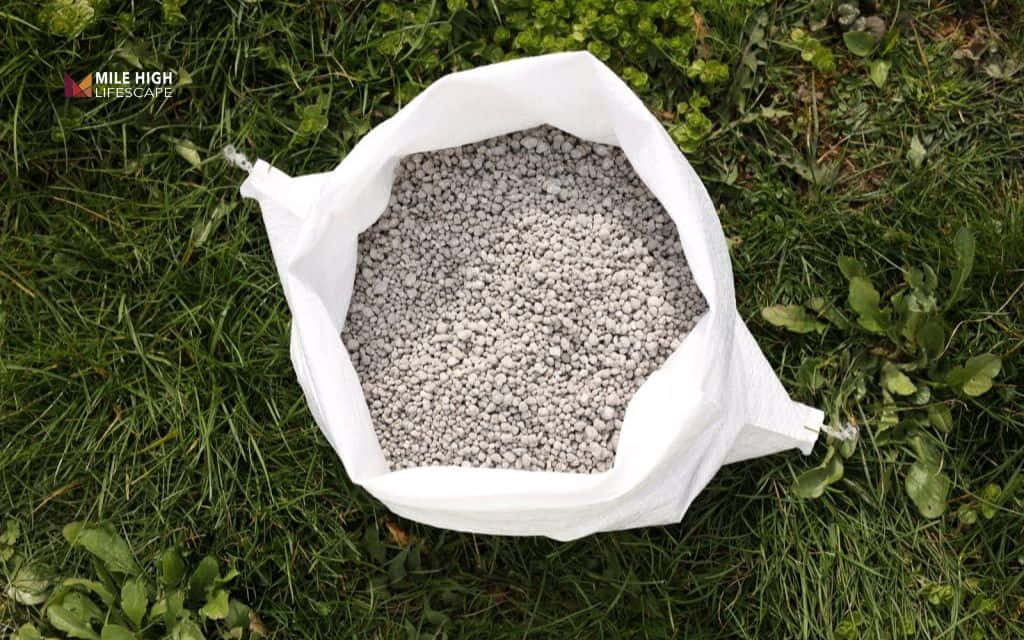
Pulverized or ground lime, sometimes labeled agricultural lime, is finely crushed and reacts quickly, but its fine dust makes it harder to spread evenly by hand. Granular and pelletized lime bind that same ground limestone into small pellets, which move cleanly through a standard lawn spreader and break down once watered in. Homeowners handling their own lime for grass usually find pelletized products easier to control, while pulverized lime suits larger properties with bulk spreading equipment.
The right form depends mainly on the size of the lawn and the spreading equipment on hand:
- Pulverized (ground): best suited for large properties using bulk spreading equipment
- Granular: best suited for standard broadcast or drop spreaders
- Pelletized: best suited for precise, low-dust DIY application
When and how to apply lime correctly
Best time to apply lime
Knowing when to use lime on a lawn matters as much as knowing whether it needs lime at all. Fall and early spring offer the best windows for applying lawn lime. Cool, moist soil helps lime dissolve, and freeze and thaw cycles through winter work particles deeper into the ground before the growing season starts. Applying lime during summer heat risks stressing grass already under drought pressure, so most turf guidance points toward the cooler shoulder seasons instead of a summer application.
Application method and rate
A soil test’s recommendation, not a fixed rule of thumb, sets the amount to apply. Spread lime evenly with a broadcast or drop spreader calibrated to the product’s coverage rate, then water the lawn so particles settle into the soil profile. Heavier recommendations generally work better split into two applications spaced weeks apart rather than delivered as one large dose, which limits pH swings and reduces stress on the grass.
Keep lime away from acid-loving plants such as azaleas, camellias, and blueberries, since raising pH near their root zone works against them. Avoid combining lime with herbicide treatments in the same visit unless a product label specifically allows it, since pairing treatments can reduce the effectiveness of either one.
Conclusion
Lawn lime solves one specific problem: soil that has turned too acidic for turfgrass to use the nutrients already available to it. It works when a soil test confirms low pH, and it works best when the type, amount, and timing match what that test recommends. Skipping the test and applying lime because a lawn looks unhealthy risks fixing nothing, or creating a new imbalance that takes another season to correct. Test first, then lime with a plan.
Mile High Lifescape has served homeowners across the Denver Metro area for nearly two decades, and soil health sits at the center of every lawn program we build. Our lawn care services include soil testing guidance, fertilization, and lawn lime application timed to Colorado’s growing season, so a lawn gets the right treatment instead of a guess. Call (303) 877-9091 to schedule a consultation.
Frequently asked questions (FAQs)
Does lime make grass greener right away?
Not directly. Lime carries no chlorophyll-producing nutrients of its own. Grass tends to look greener over the following weeks because corrected soil pH lets existing fertilizer and native soil nutrients reach the roots again. The color change follows as a secondary effect, not an immediate one.
Does lime kill moss or weeds on its own?
No. Lime is not an herbicide and will not eliminate moss or weeds by itself. Raising soil pH makes conditions less favorable for moss and certain acid-loving weeds over time, which can slow their spread as grass thickens and competes for space, but existing growth still needs separate removal or treatment.
Can lime be applied with fertilizer at the same time?
Lime and fertilizer can go down close together, but many turf programs space them a few weeks apart so each product works without interference. Check the product label for specific guidance, since some fertilizer formulations react differently when combined directly with lime.
How quickly does lawn lime work?
Pulverized lime typically needs several months to shift soil pH fully, since the process depends on rainfall and microbial activity to break particles down. Finer, pelletized products can start adjusting pH sooner, though full results still take roughly one growing season in most cases. Patience matters more than reapplication here, since adding more lime before the first round finishes working risks pushing pH too high.
Can you apply too much lime to a lawn?
Yes. Overapplying lime pushes soil pH above the range turfgrass needs, which locks out iron, manganese, and other micronutrients in much the same way excess acidity locks out calcium and magnesium. This is why the applied amount should always come from a soil test recommendation rather than an estimate, and why retesting before adding more lime protects against overcorrection.