Mulch vs pine straw is a common decision when you refresh a planting bed. Both materials cover soil, cut weeds, and hold moisture, yet they differ in cost, look, lifespan, and behavior on slopes. This guide compares each factor so you can match the material to your property.
Pine straw is technically a type of organic mulch. In most searches, though, “mulch” means shredded hardwood, bark, or wood chips, and this mulch vs pine straw comparison uses that meaning. Neither material wins every category, so the right pick depends on your beds, your budget, and your site.
Mulch vs pine straw: What’s the difference?
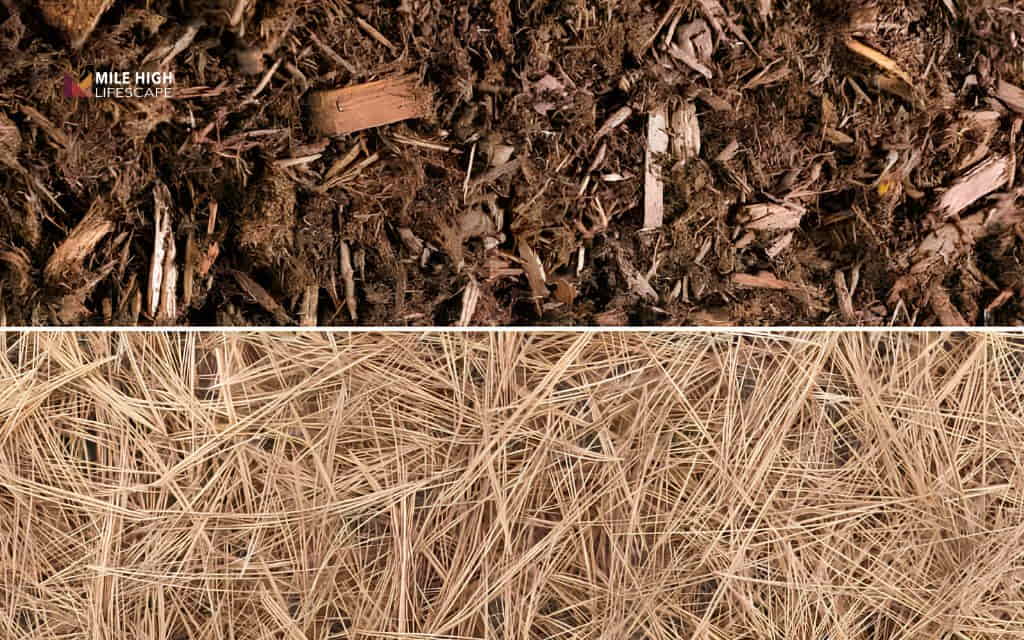
Wood mulch is chipped or shredded bark and hardwood. Pine straw is the needle drop from pine trees, baled and sold as ground cover. The table below sums up the mulch vs pine straw comparison, and the sections after it explain each factor:
| Factor | Wood or bark mulch | Pine straw |
| Cost | Varies by material and color; lasts longer | Often lower where pines grow; needs yearly top-ups |
| Appearance | Tidy look in many colors and textures | Soft, natural look in one color range |
| Weed control | Works at 2 to 4 inches | Works when the layer is deep enough to block light |
| Moisture retention | Dense layer slows evaporation | Airy layer relies on enough depth |
| Erosion control | Shredded types knit together; chunks can roll | Needles tangle into a mat; strong on slopes |
| Longevity | Often 18 to 24 months | Usually about one year |
| Installation | Heavier; spread with a rake and wheelbarrow | Light; spread by hand |
| Best fit | Formal beds, windy sites, color | Slopes, woodland-style beds, quick jobs |
Soil health
Both materials feed the soil as they break down. Organic mulches turn into fine organic matter that supports soil microbes, and those microbes help roots reach water and nutrients. Each layer also shields the surface from raindrop impact, which keeps soil from crusting. On soil health, the mulch vs pine straw result is close.
Moisture retention
Mulch cuts moisture loss and evens out the water supply to roots, and both materials do this better than bare soil. Shredded wood and bark form a dense blanket, while pine straw is airy and needs enough depth to slow evaporation. For moisture, mulch vs pine straw depends on layer thickness as much as material.
Weed control
Both materials smother weed seeds by blocking light, and neither stops weeds completely. Thin layers fail because sunlight reaches the soil. Extension guidance puts wood mulch at 2 to 4 inches, and because pine straw settles fast, some specialists suggest 4 to 6 inches at first. For weeds, mulch vs pine straw comes down to depth.
Durability and maintenance
Wood mulch often holds its coverage for 18 to 24 months, while pine straw usually needs a fresh layer about once a year. Both fade in sun, and dyed mulch keeps its color longer than natural mulch. Rake either one now and then to break up mats. Lighter upkeep with mulch counts in the mulch vs pine straw decision.
Aesthetic
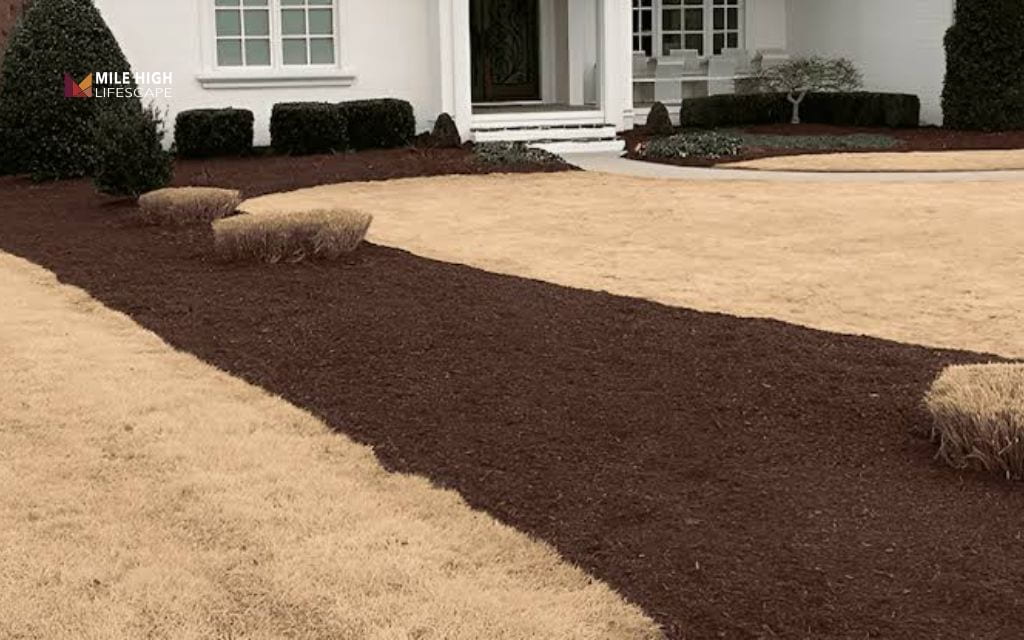
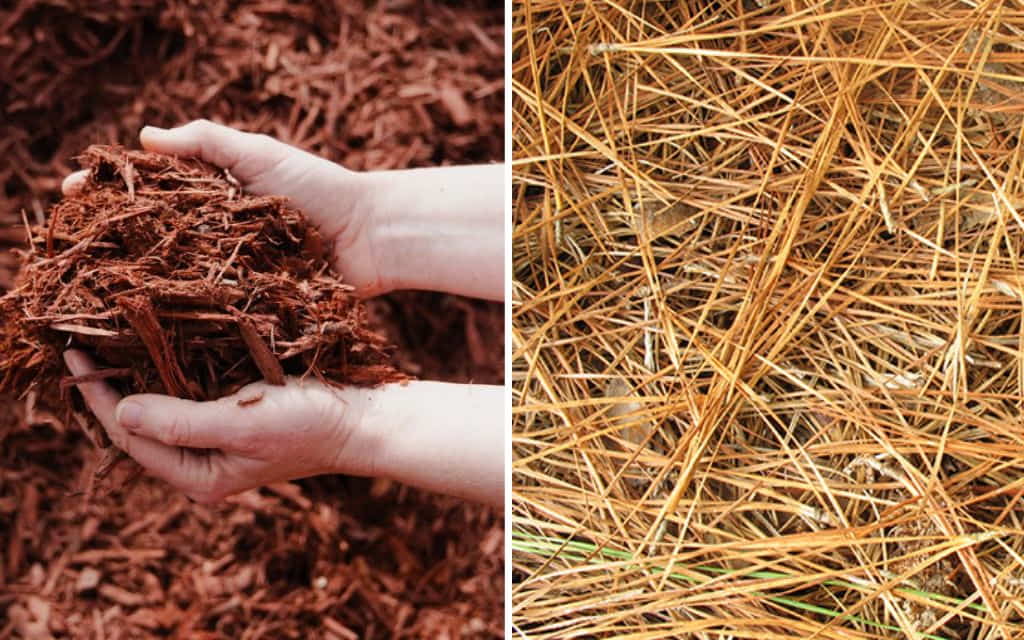
Wood mulch gives beds a manicured edge and comes in several colors, sizes, and textures. Pine straw gives a soft, woodland look in one color range, from bronze to brown. Choose mulch for formal front beds and pine straw for natural plantings. In appearance, mulch vs pine straw is a matter of style, not performance.
Cost
Pine straw often costs less up front where pines grow, and one 40-pound bale covers about 100 square feet at 2 inches deep. Shipping raises prices elsewhere, and top-ups add up. Wood mulch prices vary by type, yet a longer lifespan spreads the cost. Compare cost per year, not cost per load, when you weigh mulch vs pine straw.
Ease of installation
Pine straw arrives in light bales that you break apart and spread by hand, so installation moves fast. Wood mulch is heavy, and bulk loads call for a wheelbarrow and rake, though bagged mulch eases the work. Pine straw shifts in wind and rain, so pick a calm, dry day. That trade-off defines mulch vs pine straw for DIY jobs.
Environmental impact
Both materials are byproducts of trees. Pine straw comes from fallen needles, and wood mulch comes from bark and chipped wood. Sourcing matters more than the material, because shorter transport cuts fuel use. Buy either option from a nearby supplier. On sustainability, mulch vs pine straw ends near a tie.
Erosion control and slopes
Long pine needles tangle into a mat that grips soil and resists washing on slopes. Shredded hardwood also knits together, while chunky chips and nuggets can roll or float in heavy runoff. Very steep grades need more than mulch, such as erosion control netting or retaining structures. On slopes, mulch vs pine straw favors pine straw.
Local climate and landscape
Climate shapes performance. In areas with heavy rain, the interlocking needles of pine straw resist washout. Strong winds lift light needles, so windy sites suit denser wood mulch. Hot, dry sites need a full-depth layer of either material to slow evaporation. Your climate can settle the mulch vs pine straw question.
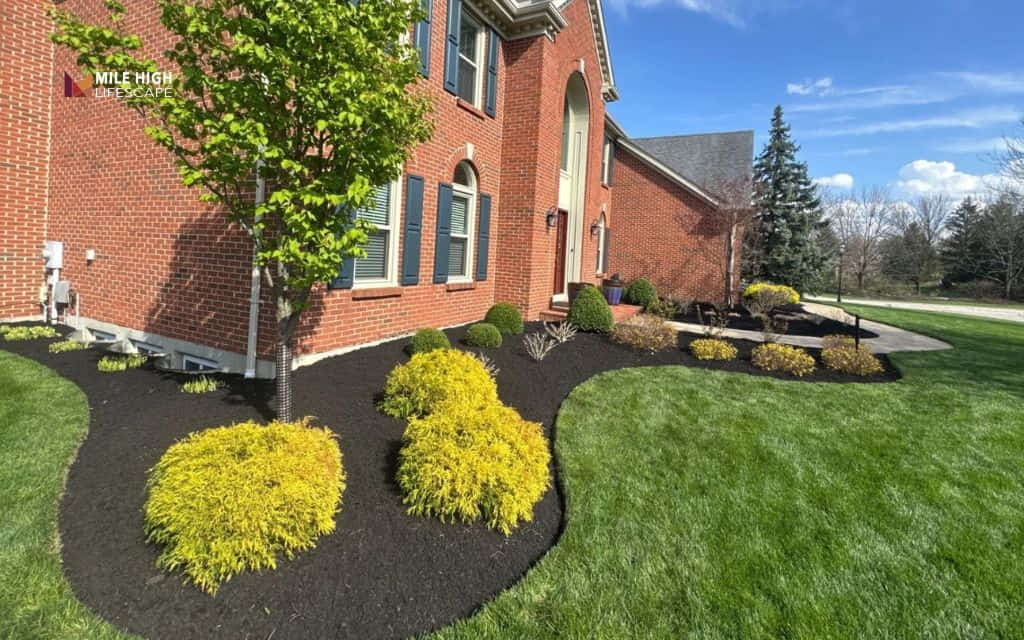
Which option fits your landscape?
Which is better, mulch or pine straw, depends on the job. Choose pine straw for slopes and natural or woodland-style areas, where the needles interlock and match the setting. Choose wood mulch for windy, exposed sites, where heavier pieces stay put. Use this guide to settle your own mulch vs pine straw choice.
Flower beds, trees and shrubs, and large planting beds suit either material, so depth and upkeep decide the result. Pine straw bales are light and quick to spread over big areas, while bulk wood mulch needs fewer refreshes. Next to the house, keep both materials off the foundation, as the next section explains.
How to apply mulch or pine straw correctly
Edge the bed first, clear old debris, and spread the material evenly. Aim for 2 to 4 inches of wood mulch and a thicker start for pine straw, which settles. Keep material a few inches back from trunks and stems to prevent rot. Refresh when the layer thins. These steps apply to mulch vs pine straw alike.
For both options in mulch vs pine straw, leave a gap next to the house. Extension entomologists advise keeping mulch at least 12 inches from the foundation, because moisture and cover help termites hide. Fire guidance from extension programs calls for stone or pavers within 5 feet of structures in fire-prone areas, since wood mulch and pine straw both burn.
Conclusion
The mulch vs pine straw decision comes down to your site. Choose pine straw for slopes, woodland-style beds, and fast, light installation. Choose wood mulch for windy sites, formal beds, color options, and a longer lifespan. In the mulch vs pine straw choice, either material works at the right depth and away from the foundation.
Mile High Lifescape helps Denver-area homeowners choose and install the right ground cover for their beds. Explore our mulching services, call (303) 877-9091 for a free quote with best prices guaranteed.
Frequently asked questions (FAQs)
Does using pine straw for mulch acidify your soil?
No, not in any meaningful way. Fresh needles measure about 3.2 to 3.8 on the pH scale when they fall, but they lose that effect as they decompose, and soils buffer shifts. Extension soil scientists report that pine straw acts no differently from other mulches, so the pH worry in mulch vs pine straw is a myth.
Do grass clippings break down faster than pine straw?
Yes. Fine, moist clippings decompose far faster than pine straw or wood mulch. Spread clippings thin and let them dry to avoid slimy mats, and skip clippings from lawns treated with weed killer.
Is one better than the other for stopping weeds?
Neither wins outright. Both block light from weed seeds, and depth decides the result. Wood mulch works at 2 to 4 inches, and pine straw needs generous depth because it settles. In the mulch vs pine straw debate on weeds, thin layers lose. Pull any weeds that surface while they are small.
Do mulch and pine straw attract bugs?
Both can shelter insects, and neither side of mulch vs pine straw is pest-free. Mulch keeps soil moist and provides cover, which helps termites survive where they already live. Keep both materials off the foundation, avoid deep layers, and watch for mud tubes or winged insects near the house.
Which lasts longer, mulch or pine straw?
In mulch vs pine straw, wood mulch generally lasts longer, often 18 to 24 months, while pine straw usually needs replacing about once a year. Dyed mulch holds color the longest. Climate, layer depth, and material type shift these timelines, so check your beds each spring.
Is pine straw cheaper than mulch?
Often, up front, where pine straw is harvested nearby, since bales are light and cover a wide area. Shipping raises the price elsewhere, and yearly replacement narrows the gap, so mulch vs pine straw can land close over time. Compare cost per year across both options.
Is pine straw a fire risk near a house?
Yes. Extension fire tests found every mulch combustible, and in the mulch vs pine straw comparison, pine needles ranked among the most combustible while composted wood chips ranked among the least. Keep pine straw at least 5 feet from structures in fire-prone areas, and use stone or pavers near walls.
Can you put pine straw over old mulch?
Yes, if the total depth stays within 2 to 4 inches. This mulch vs pine straw layering works when you rake the old layer loose first and remove some if it is already thick. Excess depth lowers soil oxygen and can waterlog roots.