Organic mulch vs inorganic mulch is a choice between two ways to protect soil. Organic mulch breaks down and feeds the ground. Inorganic mulch stays in place and asks for little upkeep. Neither wins in every bed. The right pick depends on your plants, your site, and the work you want to take on.
This guide sets organic mulch vs inorganic mulch side by side on soil health, moisture, weeds, temperature, lifespan, upkeep, and cost. It then shows which material fits flower beds, vegetable gardens, trees, slopes, and paths, so you can pick the right mulch the first time.
Organic mulch vs inorganic mulch: Side by side comparision
Organic mulch and inorganic mulch protect soil in different ways, so each type wins on some factors and loses on others. The table below compares them on soil health, moisture, weeds, temperature, erosion, lifespan, upkeep, cost, and appearance, and shows where each one fits best:
| Factor | Organic mulch | Inorganic mulch |
| Soil health | Adds nutrients and organic matter as it decomposes | Adds nothing to the soil |
| Moisture retention | Reduces evaporation and holds moisture | Varies: stone allows more evaporation, plastic seals moisture in |
| Weed control | Blocks weeds at the right depth; straw and grass clippings can carry seeds | Fabric blocks most weeds at first; gaps between stones let some through |
| Temperature | Insulates soil from heat and cold | Dark rubber, plastic, and stone absorb heat |
| Erosion control | Holds soil on slopes and softens heavy rain | Shields the surface; dense layers can limit water infiltration |
| Lifespan | A few weeks to about two years, by material | About two years (fabric) to 20 years or more (stone) |
| Upkeep | Regular refills and top-ups | Occasional raking and weeding |
| Cost | Lower upfront, repeated over time | Higher upfront, few refills |
| Appearance | Natural look; color fades as it breaks down | Clean, modern look; color and shape stay |
| Best for | Vegetable gardens, flower beds, trees, shrubs, soil building | Paths, dry-climate plantings, modern beds, low-upkeep areas |
What is organic mulch?
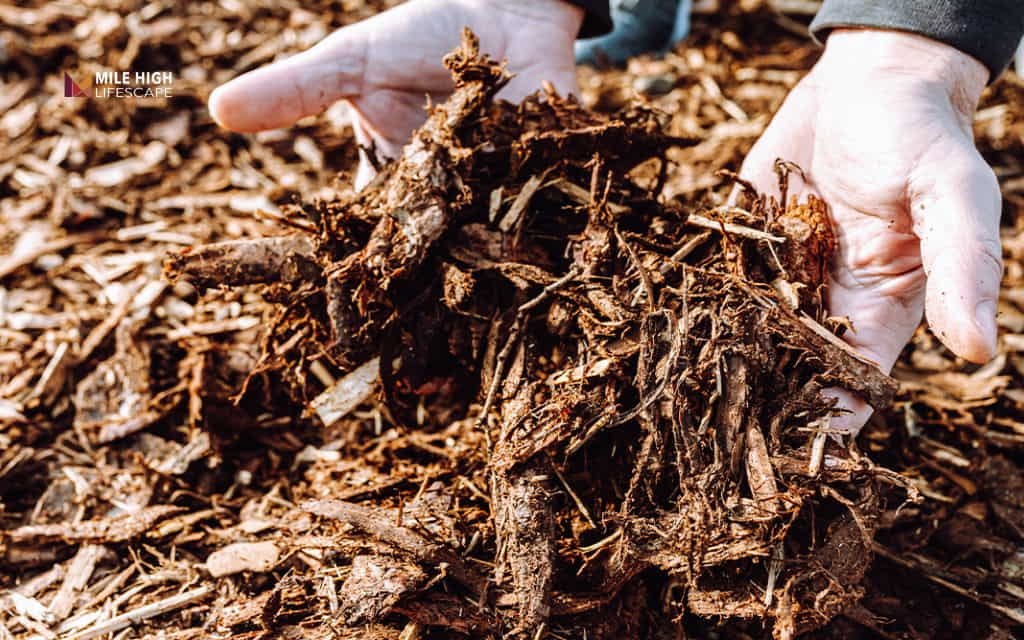
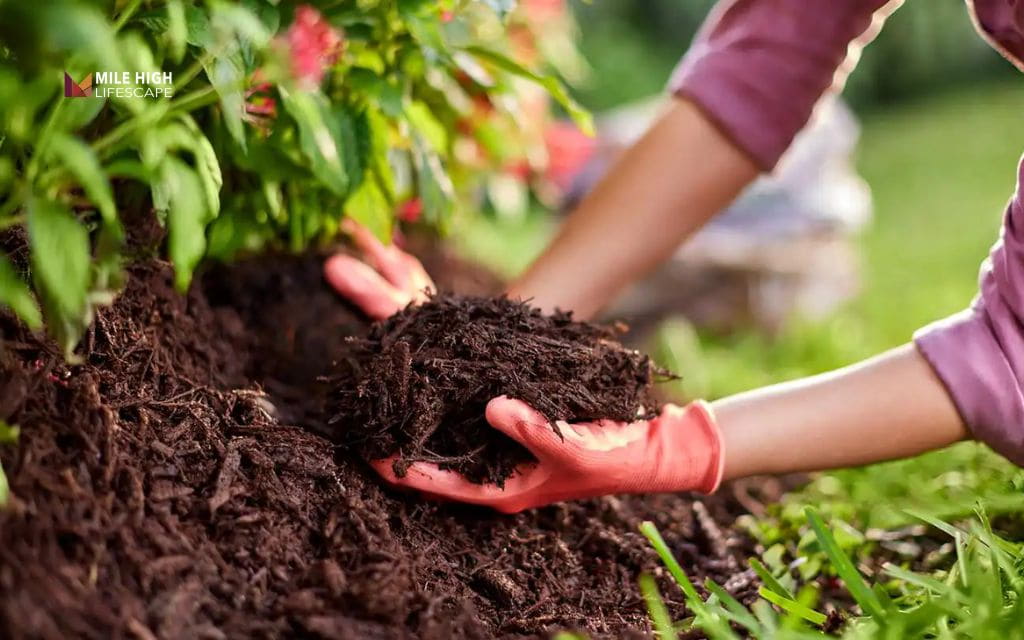
Organic mulch is a ground cover made from once-living plant material. As it decomposes, it adds organic matter, improves soil structure, and feeds soil microbes. Wood chips and shredded bark suit tree rings, shrub borders, and perennial beds. Straw and grass clippings suit vegetable gardens, shredded leaves and pine needles suit flower beds, and compost suits new plantings.
The tradeoff is upkeep. Organic mulch thins as it decays, so you refill it. Fresh wood chips can pull nitrogen from the top layer of soil. Mulch piled against stems and trunks invites rot, insects, and rodents. Check straw for weed seeds, use clippings from untreated lawns, and skip cocoa hulls, which are toxic to dogs.
What is inorganic mulch?
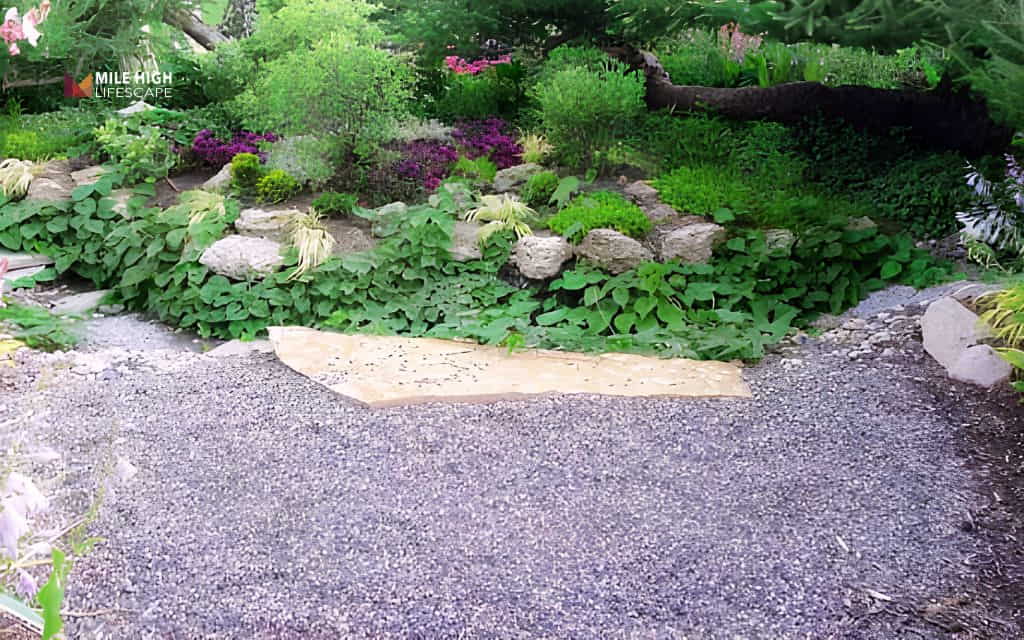
Inorganic mulch, also called non organic mulch, is a ground cover made from stone or manufactured material. It does not decompose, or it breaks down over many years. You spend less on refills and less time on upkeep. Stone and gravel drain well, which suits plants that thrive in warm, dry ground.
The tradeoff is the soil. Inorganic mulch adds no nutrients or organic matter. Dark rubber, plastic, and stone absorb heat and can raise soil temperature enough to stress plants. Plastic sheeting also blocks water and air from reaching roots. Removing stone later takes hard labor.
Lifespan and upkeep for each type
Lifespan is the clearest difference in organic mulch vs inorganic mulch. Grass clippings break down within weeks. Wood chips and shredded bark last up to about two years. Landscape fabric lasts around two years, and stone can last 20 years or more. Inorganic mulch needs only occasional raking and weeding.
Most beds benefit from fresh organic mulch in spring, after cleanup, and a top-up in fall to insulate roots through winter. Do not strip the old layer. Add 2 to 3 inches of new mulch once the old layer thins to about 1 inch.
What each option costs over time
Price tells only part of the story. Organic mulch costs less to buy and install, but you buy it again. Inorganic mulch costs more upfront and rarely needs replacing. Over several seasons the gap narrows, and inorganic mulch can become the cheaper choice for permanent beds.
Installation cost depends on bed size, depth, material, delivery, and prep such as edging or fabric. Suppliers sell mulch by the cubic yard. One cubic yard covers about 108 square feet at 3 inches deep, and about 162 square feet at 2 inches deep. Measure your beds before you order.
How to choose the right mulch for each area
Start with your main goal
Your goal narrows the organic mulch vs inorganic mulch decision fastest. Choose organic mulch to build fertile soil, grow vegetables and annual flowers, repair poor soil, or support soil organisms. Choose inorganic mulch for low upkeep, paths, modern designs, and dry-climate plantings.
Match the mulch to your climate
Climate changes how each type performs. In hot, dry climates, organic mulch holds moisture well and stone suits drought-tolerant plantings, but dark rubber and plastic overheat the soil. In cool, wet climates, organic mulch insulates roots but can hold too much moisture and raise the risk of fungal disease, while stone helps where drainage is poor.
Match soil type and plants
Soil type and plant needs point to different choices. Organic mulch adds structure and holds moisture in sandy soil, and it improves drainage in clay as it breaks down. Loamy soil takes either type. Vegetables, perennials, shrubs, and trees use the nutrients organic mulch supplies. Drought-tolerant plants prefer gravel or rock, which sheds excess moisture.
Use both types in one yard
Many yards use both types, each where it works best. Use straw, compost, or shredded leaves in the vegetable garden, and shredded bark or wood chips in flower beds, shrub borders, and tree rings, kept off the trunk. Use pea gravel or crushed stone on paths, and gravel or river rock in dry-climate beds.
Site conditions that change the right choice
Site conditions can tip organic mulch vs inorganic mulch either way. Light, loose material blows or washes away on windy or sloped ground. Shredded bark knits together and holds on slopes, while loose fine gravel can shift. Walls and pavement reflect heat, so keep stone and rubber away from heat-sensitive plants.
In fire-prone areas, wood mulch and dry plant material can carry flame. Wildfire safety guidance recommends noncombustible ground cover, such as gravel or stone, close to the house, and combustible mulch farther out. Check local fire rules before you mulch beds along the foundation.
Mulching mistakes that cancel the benefits
Most mulch problems come from how you apply it, not from the material you choose. Keep organic mulch at 2 to 3 inches deep and never past 3 inches. Keep it 2 to 3 inches away from trunks and stems. Mulch against bark causes rot and disease and shelters pests.
Skip landscape fabric under organic mulch. Weeds root in the decayed mulch on top, and the fabric blocks organic matter from reaching the soil. Avoid rubber mulch around trees, since research links it to slower growth, yellow leaves, and higher mortality. Remove stone and fabric before you switch to organic mulch.
Conclusion
The organic mulch vs inorganic mulch decision comes down to soil goals versus upkeep. Choose organic mulch where plants need richer soil, steady moisture, and cooler roots. Choose inorganic mulch where you want permanent cover, drainage, and little maintenance. Use both when one yard has both needs.
If you want help matching materials to each bed, Mile High Lifescape provides mulch installation for Denver Metro homeowners, from choosing the right material to spreading it at the correct depth. Call us at (303) 877-9091 to discuss your yard.
Frequently asked questions (FAQs)
Should I remove old mulch before adding new layers?
Leave old organic mulch in place. It enriches the soil as it decomposes. Add a fresh 2 to 3 inch layer once the old layer thins to about 1 inch. When you switch from inorganic to organic mulch, remove the stones or fabric first.
Can mulch attract pests or cause problems?
Yes, when you apply it poorly. Some organic mulches shelter insects, rodents, or fungi. Keep mulch 2 to 3 inches from stems and structures, and avoid piling it against trunks. Fresh wood chips may tie up nitrogen, so watch for yellow leaves and feed plants if needed.
Can I get free mulch instead of buying it?
Yes. Tree care services often give away wood chips from recent removals, and many municipal programs offer free compost. You can also make mulch from leaves, pine needles, straw, or grass clippings. Use clippings only from lawns without herbicide, especially in vegetable gardens.
Which type lasts longer?
Inorganic mulch lasts longer. Stone can last 20 years or more, while organic mulch needs refills every few weeks to two years, depending on the material.
Is organic mulch the better choice for trees and shrubs?
Yes, in most cases. Organic mulch feeds the soil, holds moisture, and moderates temperature around roots. Inorganic mulch does not harm plants by default, but heat-absorbing types such as rubber can stress them.
Is rubber mulch safe around plants?
Rubber mulch suits play areas but not plant beds. Dark rubber absorbs heat, and research links rubber mulch around trees to slower growth, yellow leaves, and higher mortality. Choose organic mulch for trees and garden plants.