Plugging sod provides a straightforward way to establish or repair turf without covering the entire lawn at once. Small rooted sections are planted at set intervals, then gradually spread into the surrounding soil. The final result depends on choosing a suitable grass, preparing the ground well, and maintaining consistent moisture during establishment.
What Is Plugging Sod?
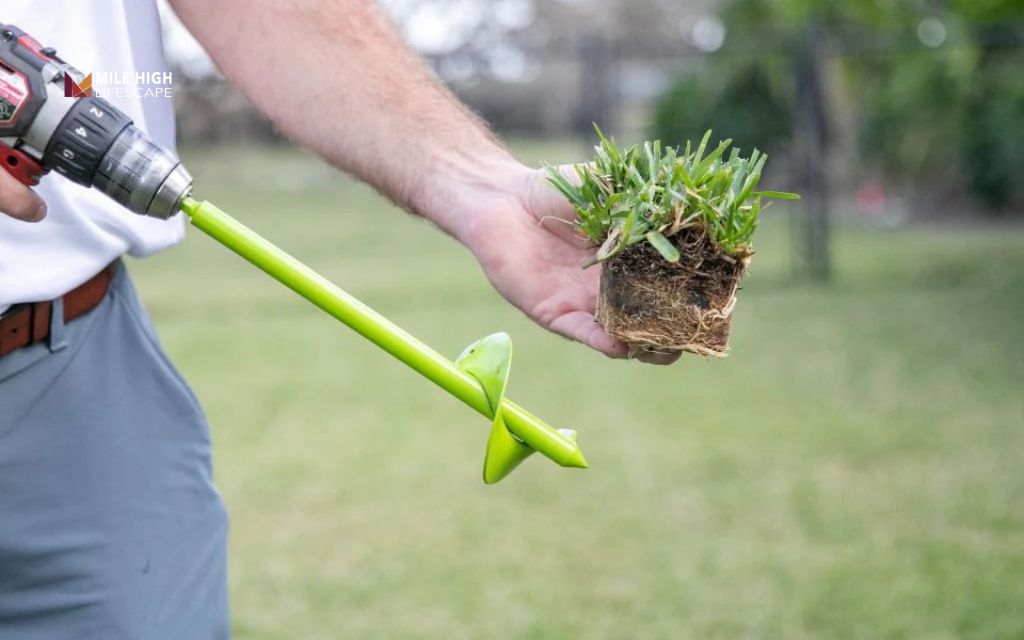
Plugging sod is a lawn establishment method that uses small pieces of rooted turf instead of full sod rolls. Each plug is planted directly into prepared soil at set intervals, where it takes root and spreads into the open areas around it. This approach works best with grasses that can expand through stolons or rhizomes over time.
When Does Plugging Sod Make Sense?
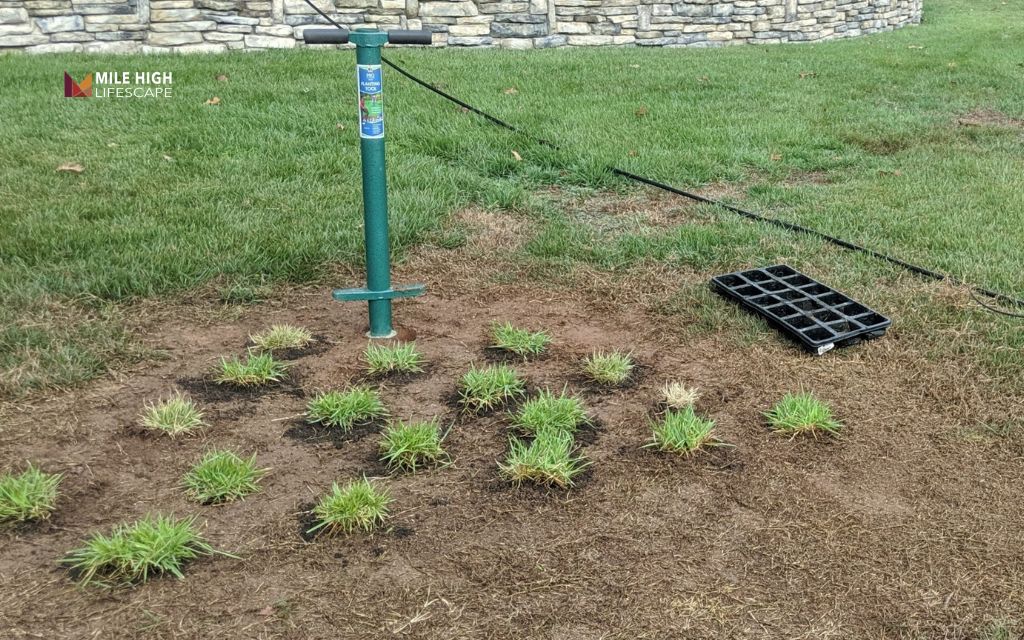
Plugging sod works best when immediate full coverage is not essential. It can suit small repairs, thin areas, or lawns where a spreading grass can gradually fill open ground.
Common situations include:
- Repairing isolated bare or damaged lawn areas.
- Establishing spreading turf with less initial sod material.
- Filling small areas where full rolls would create unnecessary waste.
- Replacing sections damaged by traffic, drought, or previous landscaping.
- Starting a lawn when gradual coverage is acceptable.
For large areas where a finished surface is needed quickly, laying sod across the entire lawn is usually more practical.
What Grass Types Can Be Planted As Plugs?
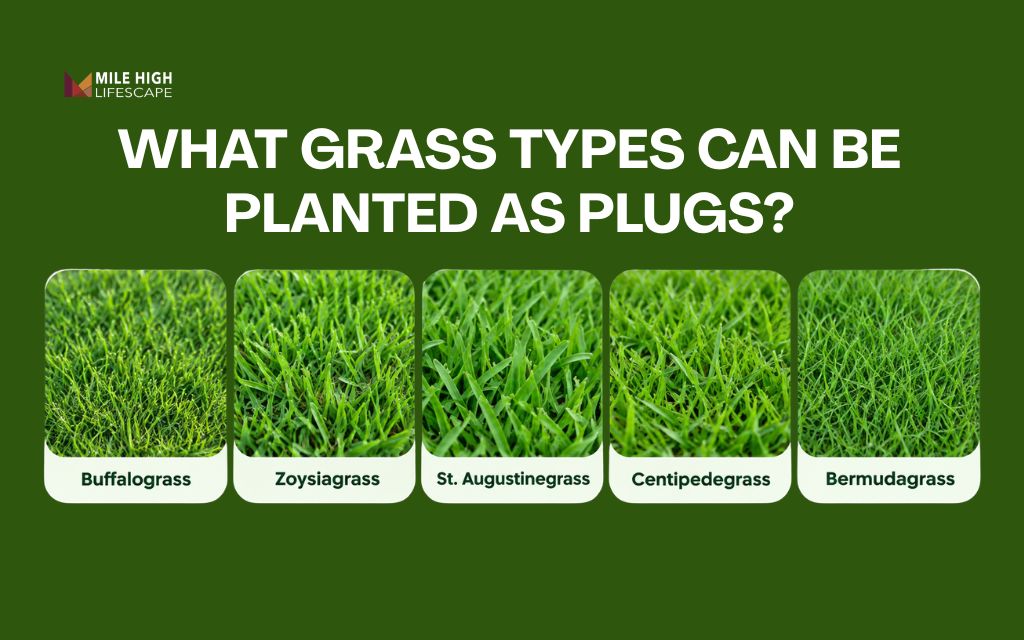
Plugging sod works best with grasses capable of spreading laterally after establishment. Warm-season turf species such as buffalograss, zoysiagrass, St. Augustinegrass, centipedegrass, and some bermudagrass varieties are commonly established vegetatively in suitable climates.
Climate matters as much as the planting method. A grass that performs well as yard plugs in a humid southern region may struggle in Colorado because of winter temperatures, elevation, or a shorter warm-season growth period. Grass plugs for lawns should therefore be selected for local growing conditions rather than availability alone.
How To Plant Grass Plugs Step By Step
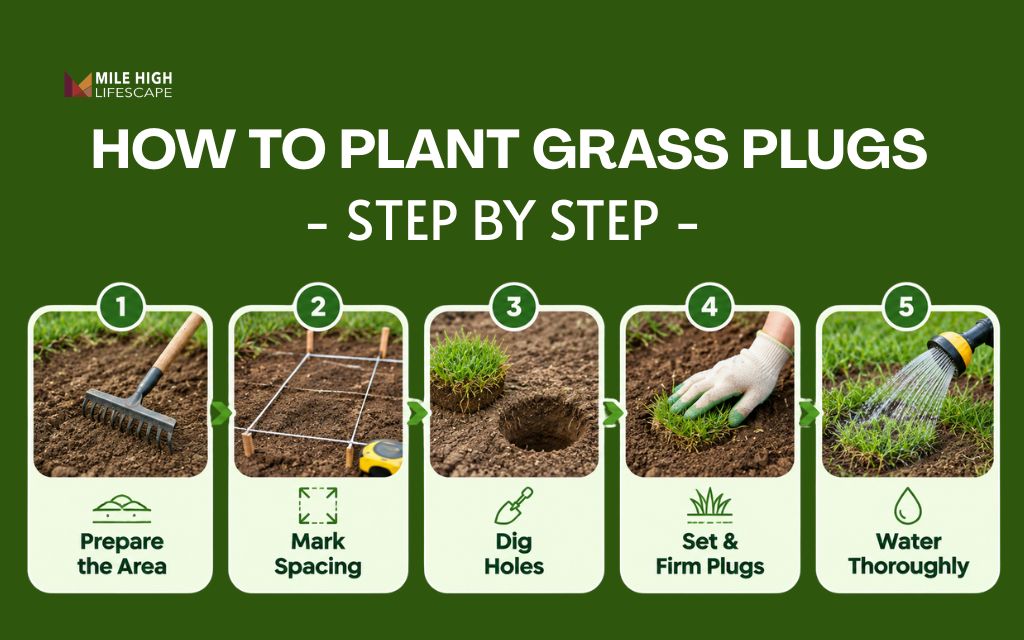
The success of plugging sod depends more on preparation and placement than simply putting small pieces of turf into the ground. If you are asking how do you plant grass plugs, follow the steps below in order so each plug has close soil contact and reliable access to moisture.
1. Prepare The Planting Area
Before plugging sod, clear weeds, dead grass, stones, and debris from the area. Loosen hard soil and level uneven spots so the sod plugs can make direct contact with the ground. Good preparation also makes planting grass plugs more consistent.
2. Mark The Plug Spacing
Set the spacing before plugging sod so each plug has enough room to spread. Grass plugs for lawns are often placed closer together when faster coverage is the priority, while wider spacing reduces the number of plugs needed.
3. Dig Holes To Match The Root Ball
Make each hole slightly wider than the plug and deep enough to keep the top level with the surrounding soil. If you are unsure how do you plant grass plugs, correct depth is important because roots should sit firmly without being buried too deeply.
4. Set And Firm Each Plug
Place the yard plugs into the prepared holes and press the surrounding soil gently around the roots. During plugging sod, firm contact helps reduce air pockets and keeps each plug stable while new roots begin to spread.
5. Water The Plugs Thoroughly
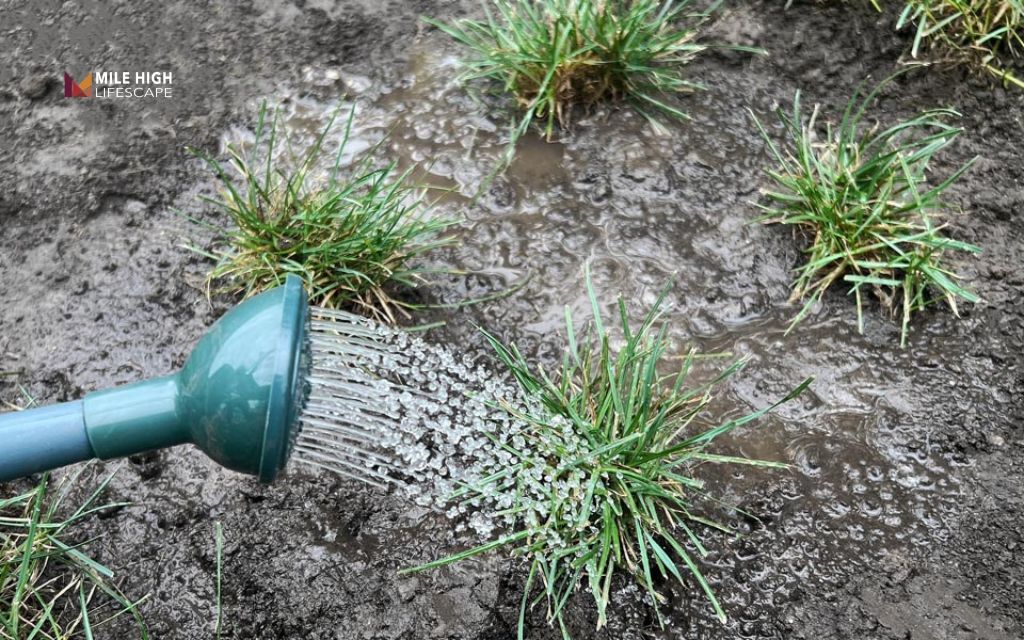
Water the sod plugs immediately after planting so the root ball and nearby soil are evenly moist. Keep the area consistently damp during early establishment, then reduce watering as the roots become stronger.
Grass Plug Spacing And How Long They Take To Fill In
Grass plugs are often spaced around 6–12 inches apart, although the right distance depends on the grass type and how quickly you want the lawn to fill in. Closer spacing needs more plugs but usually creates coverage faster, while wider spacing reduces material use and extends the establishment period.
For plugging sod, fill-in can take several weeks to a few months. Grass species, sunlight, soil temperature, moisture, and plug spacing all influence the timeline. Buffalograss in Colorado may develop substantial coverage within roughly 6–12 weeks under favourable growing conditions.
How To Care For Grass Plugs After Planting
After plugging sod, keep the soil consistently moist until the roots begin to hold firmly. Limit foot traffic, control weeds around open areas, and delay mowing until the plugs are established. Mile High Lifescape also recommends adjusting irrigation as the roots strengthen, much like the early stages of watering new sod.
Sod Plugs Vs. Full Sod: Which Should You Choose?
Sod plugs use less turf at the start but need time to spread, while full sod covers the lawn immediately and creates a finished surface much sooner. Plugging sod is often better for small repairs or gradual establishment, whereas full sod usually suits larger areas where fast, even coverage is the priority.
| Factor | Sod Plugs | Full Sod |
| Coverage | Gradual | Immediate |
| Turf required | Less | More |
| Establishment time | Weeks to months | Much faster |
| Weed exposure | Higher between plugs | Lower |
| Best for | Small repairs, spreading grasses | New lawns, larger areas |
| Upfront material cost | Usually lower | Usually higher |
Common Grass Plugging Mistakes To Avoid
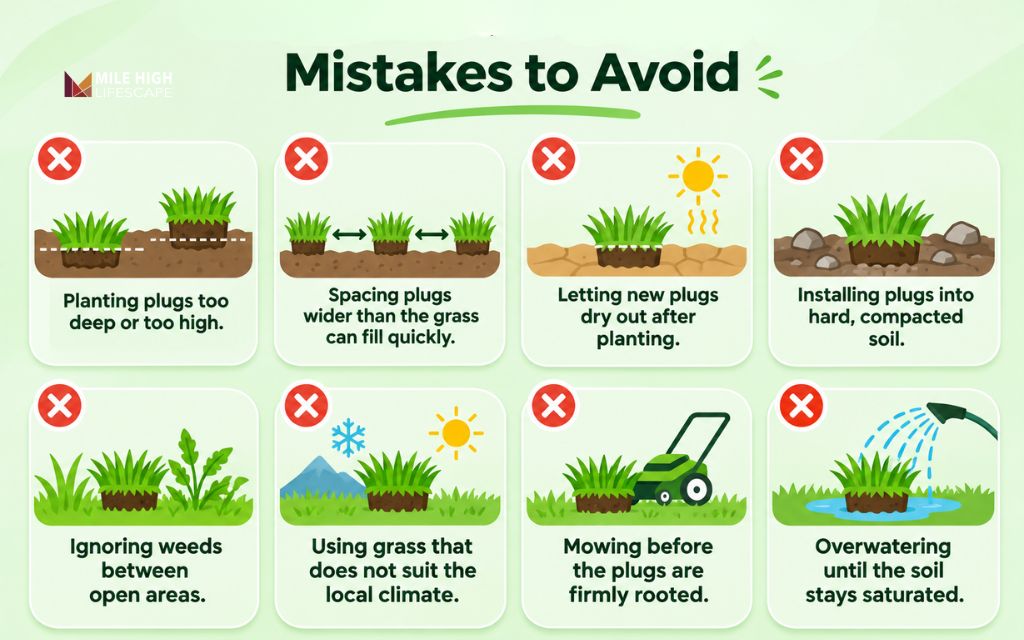
Even when plugging sod seems straightforward, a few small mistakes can slow establishment and leave uneven coverage. Most problems come from poor soil preparation, incorrect spacing, or inconsistent moisture during the first few weeks.
- Planting plugs too deep or too high.
- Spacing plugs wider than the grass can fill quickly.
- Letting new plugs dry out after planting.
- Installing plugs into hard, compacted soil.
- Ignoring weeds between open areas.
- Using grass that does not suit the local climate.
- Mowing before the plugs are firmly rooted.
- Overwatering until the soil stays saturated.
Mile High Lifescape: Choose The Right Approach For Your Lawn
Some lawns only need targeted repair, while others benefit from a full replacement. Mile High Lifescape helps homeowners compare those options based on lawn size, grass condition, soil quality, irrigation, and how quickly complete coverage is needed. With over 20 years of experience, we focus on choosing a method that fits the property rather than treating every lawn the same way.

For areas with extensive damage or where a finished surface is needed sooner, our Sod Installation service offers a more complete solution. We can handle the ground preparation, layout, and installation so the new turf starts on a stable base and has a clearer path towards even establishment.
Final Thoughts
Plugging sod offers a flexible way to rebuild thin or damaged areas without replacing the entire lawn. When the right grass, spacing, soil preparation, and watering come together, each plug has room to spread and connect with the next. Over time, that steady growth can turn scattered patches into a fuller, more unified lawn.
Frequently Asked Questions
Can You Make Grass Plugs From Existing Sod?
Yes. Healthy sod from a spreading grass variety can be cut into small plugs and transplanted into prepared soil. Each piece should include intact roots and enough soil to hold together.
How Big Should Sod Plugs Be?
Sod plugs are commonly around 2–4 inches across. The exact size can vary by grass type, but each plug should contain enough roots to establish successfully.
Can You Plant Grass Plugs In An Existing Lawn?
Yes. Grass plugs can be planted into bare or thin sections of an existing lawn, provided competing weeds and dead turf are removed and the soil is prepared first.
What Is The Best Time To Plant Grass Plugs?
Warm-season grass plugs are usually best planted from late spring into early summer, when soil temperatures support active root and lateral growth.