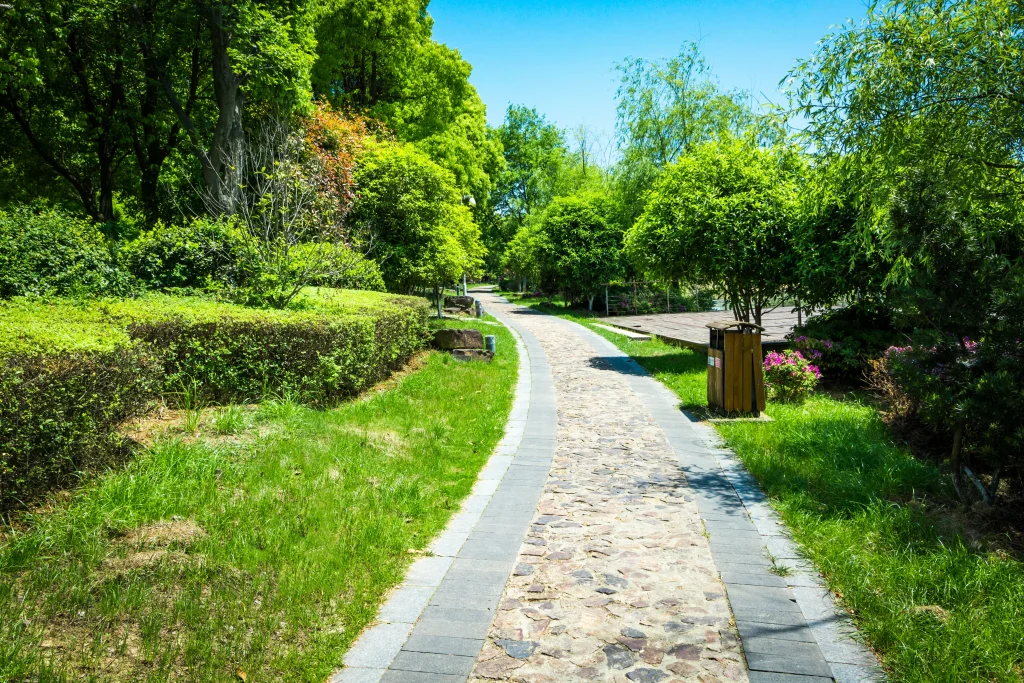
Soft spots in yard present more than just an unsightly nuisance – they create hazardous conditions that compromise both safety and lawn integrity. These spongy, unstable areas form when the ground beneath your feet gives way, creating depressions that collect water and destabilize your landscape.
This comprehensive guide equips you with the knowledge to identify the underlying causes of soft spots in yard and implement effective solutions. We’ll explore the various factors that create unstable ground conditions and provide both DIY remedies and professional approaches to restore your lawn’s firmness and functionality.
What Are Soft Spots in Yard?
Soft spots in yards are specific areas where the ground feels spongy, unstable, or sinks underfoot when walked upon, unlike the firm texture of healthy lawn areas. These depressions occur when the soil structure beneath your grass weakens and loses its stability, creating potentially hazardous conditions that worsen over time.
Several factors contribute to this deterioration, including water saturation, underground voids, soil composition changes, or organic material decomposition. The soil loses its structural integrity and compacts or collapses, creating the characteristic sponginess homeowners notice while walking across their property.
Signs of soft spots in yard include:
- Noticeable depressions or sunken areas across the lawn surface
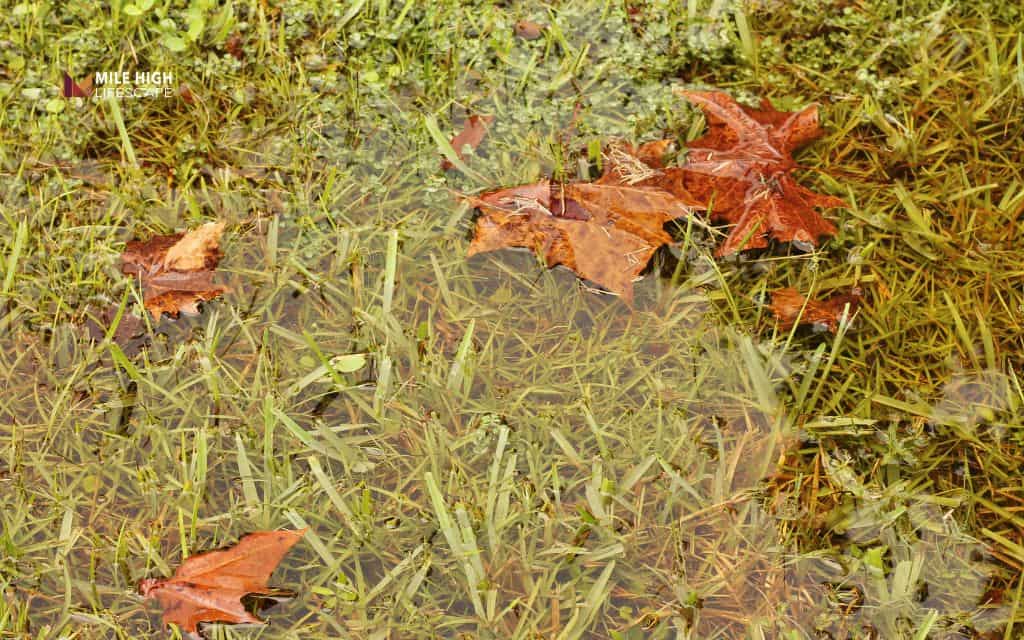
- Water accumulation that persists long after rainfall or irrigation
- Patches where grass grows poorly or appears stressed despite adequate care
- A distinctive bouncy or spongy feeling when walking across affected areas
- Unusually lush or dark green grass in isolated spots (indicating excess moisture)
- Visible soil cracks during dry periods that turn spongy after watering
Why is my yard so soft? 8 common causes
1. Poor drainage
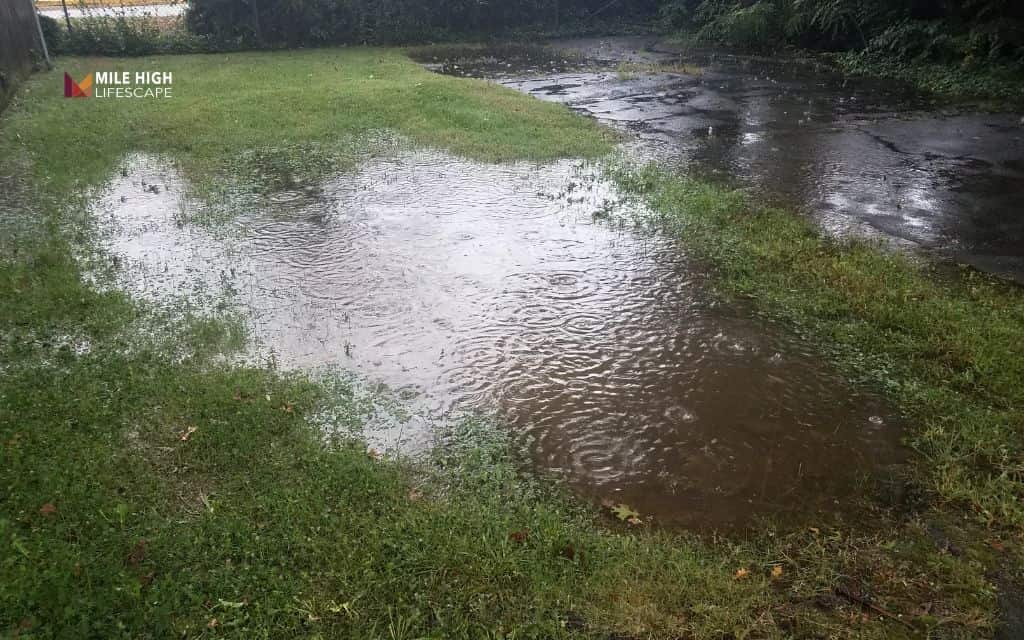
Poor drainage is one of the most common reasons for soft spots in a lawn, particularly in yards with sloped terrain, heavy clay soil, or low-lying areas. When water cannot escape efficiently, it accumulates in the soil and keeps the ground saturated long after a storm has passed.
Signs:
- Standing water after storms that does not disappear within 24 to 48 hours.
- Soft spots that spread over larger areas of the lawn rather than remaining isolated.
- Grass that stays wet and dark for days at a time.
Solutions: Core aeration to break up compacted soil and improve water infiltration. Regarding the yard to redirect surface runoff away from problem areas. Installing French drains to channel subsurface water away from saturated zones.
2. Decaying tree roots
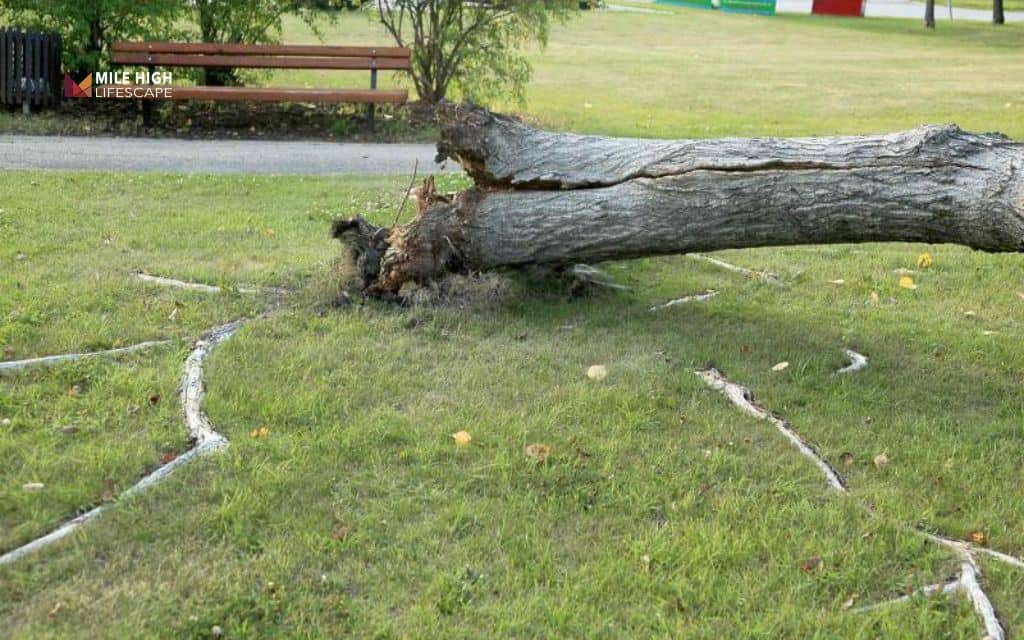
When a tree is removed, its root system remains underground and gradually decomposes over the following years. As the roots break down, they leave behind hollow channels and empty spaces in the soil. Over time, the soil above these voids settles into them, creating soft, sinking patches in the lawn.
Signs:
- Sinking patches near old tree locations or stumps.
- Uneven ground with low spots that were not present before the tree was removed.
- Small depressions forming over time as the decay progresses underground.
Solutions: Fill voids with compacted, high-quality fill soil to restore the surface level. Regrade affected areas to eliminate depressions and restore a consistent lawn surface. Monitor the area for continued settling over the following years as deeper root material continues to decompose.
3. Excess thatch build-up
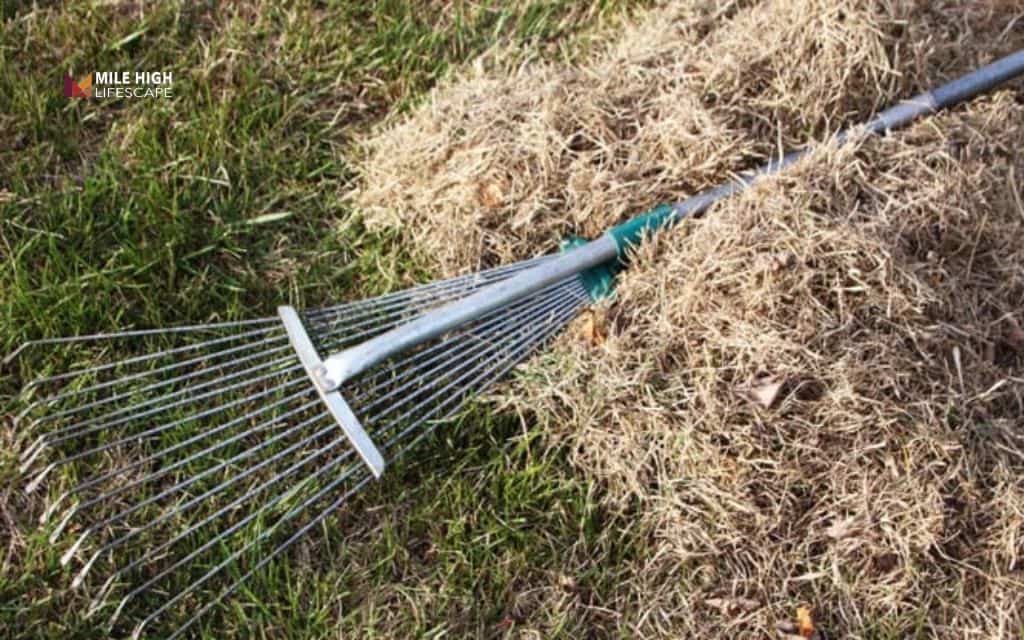
Thatch is the layer of dead and decomposed grass stems, roots, and debris that accumulates between the soil surface and the green grass blades. A thin layer of thatch is normal and even beneficial, but when it exceeds about half an inch in thickness, it creates problems including a lawn that feels spongy underfoot.
Signs:
- The lawn feels spongy or bouncy underfoot even when dry.
- Water sits on top of the turf rather than soaking in quickly.
- Grass roots remain shallow because they establish themselves in the thatch rather than penetrating into the soil.
Solutions: Dethatching with a power dethatcher or a manual thatch rake to physically remove the accumulated layer. Core aeration, which pulls plugs of soil and thatch and allows air and water to reach the root zone. Regular lawn maintenance including proper mowing height and avoiding excessive fertilization to prevent future thatch build-up.
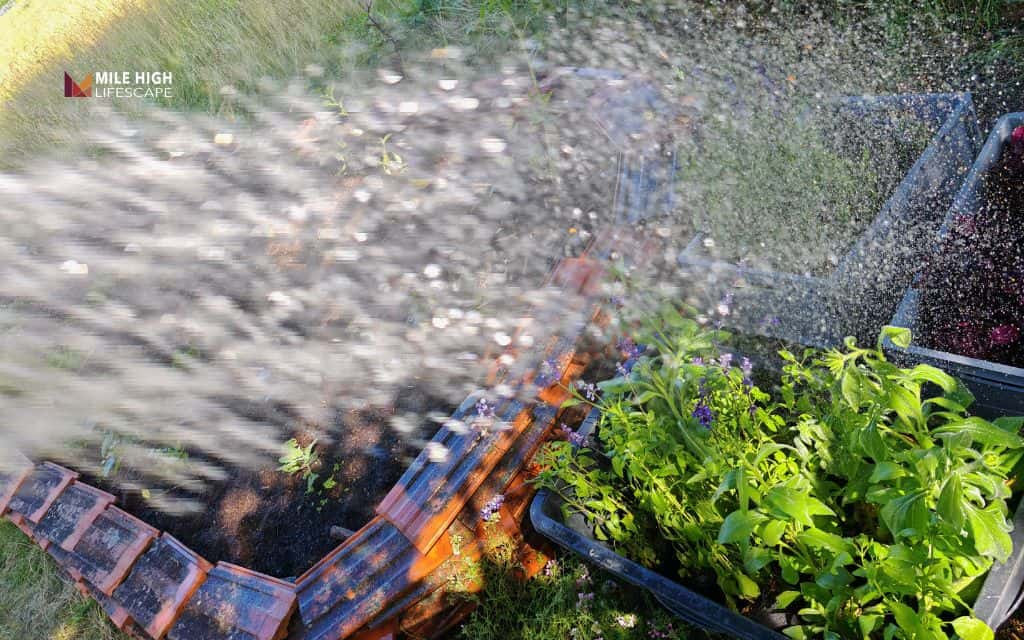
4. Overwatering the lawn
Too much irrigation is a surprisingly common cause of squishy ground, especially in yards with automated sprinkler systems set to run on a fixed schedule regardless of weather. When water is applied faster than the soil can absorb it, or more frequently than the lawn actually needs, the ground becomes saturated.
Signs:
- Mushy grass or squishy ground despite no recent rainfall.
- Excessive moss growth, which thrives in consistently moist conditions.
- Fungal lawn diseases such as brown patch or dollar spot, which are often triggered by prolonged wet conditions at the soil surface.
Solutions: Reduce watering frequency to allow the soil to partially dry between sessions. Adjust irrigation timers to account for seasonal changes in rainfall. Water deeply but less often so moisture reaches deeper root zones without oversaturating the top layer.
5. Pests and burrowing animals
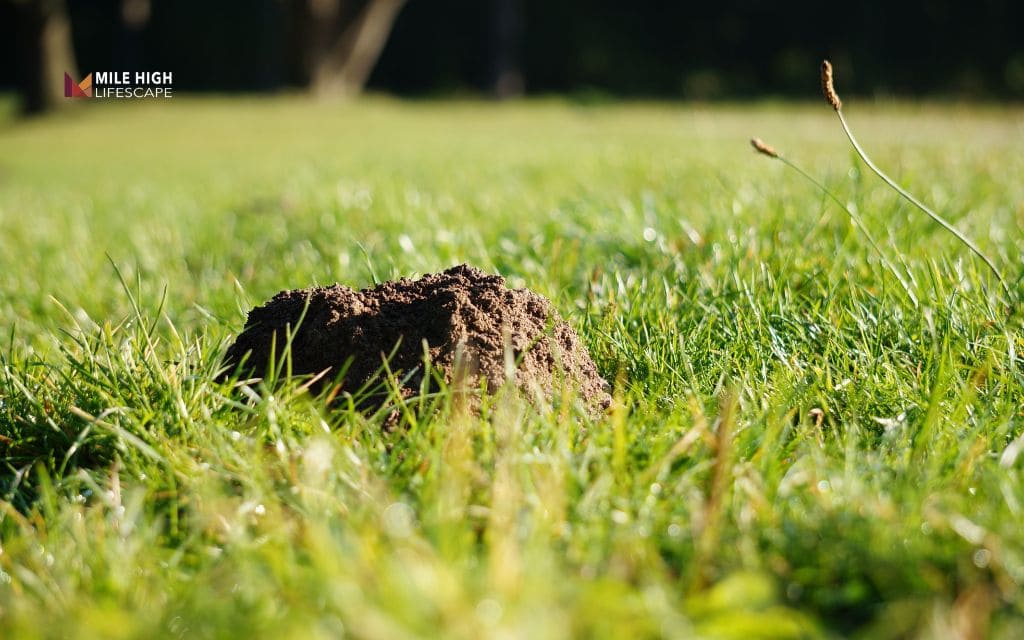
Moles, which create extensive tunnel networks just beneath the surface as they search for grubs and earthworms. Voles, which use both surface runways and shallow underground tunnels. Gophers, which create deeper burrow systems and can disturb large areas of a lawn. Ground squirrels, which dig entry and exit holes that may lead to larger underground chambers.
When you walk over these tunnels, the ground may feel soft, unstable, or even collapse slightly underfoot, creating what feels like a soft spot but is actually a hollow void.
Signs:
- Raised ridges running across the lawn surface, a telltale sign of mole tunnels.
- Small holes in the lawn surface created by entry and exit points.
- Ground that collapses or sinks slightly when stepped on directly above a tunnel.
Solutions: Pest control measures appropriate to the specific animal, including traps, repellents, or professional extermination. Filling tunnels and collapsed areas with compacted soil to restore surface stability. Lawn restoration including reseeding or resodding affected areas after the pest problem is resolved.
6. Underground water leaks
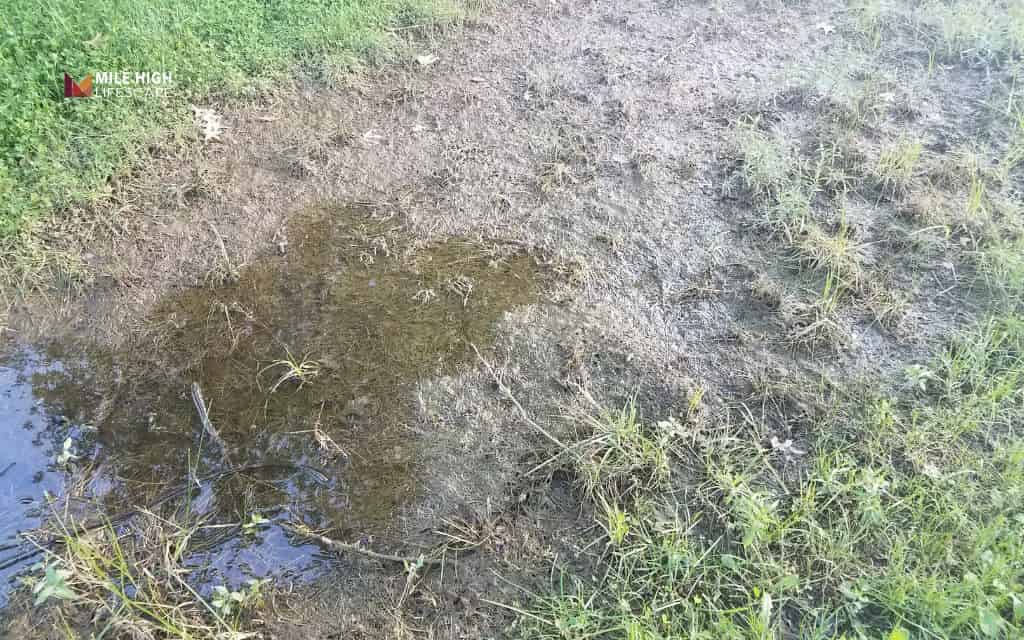
One of the less obvious but more serious causes of a persistently wet or soft spot is an underground water leak. Broken irrigation lines, leaking sprinkler valves, and cracked water service lines can all saturate the soil from below, creating a soft spot that never fully dries even during extended dry periods.
Signs:
- One isolated wet area that stays moist regardless of weather or watering schedules.
- Constant moisture during dry weather when the rest of the yard is firm.
- An unexplained increase in your water bill, which may indicate a continuous underground leak.
Solutions: An irrigation system inspection to check for broken or leaking components. Professional leak detection using pressure testing or listening devices to locate the source. Repair or replacement of damaged pipes, valves, or service lines.
7. Septic system or sewer problems
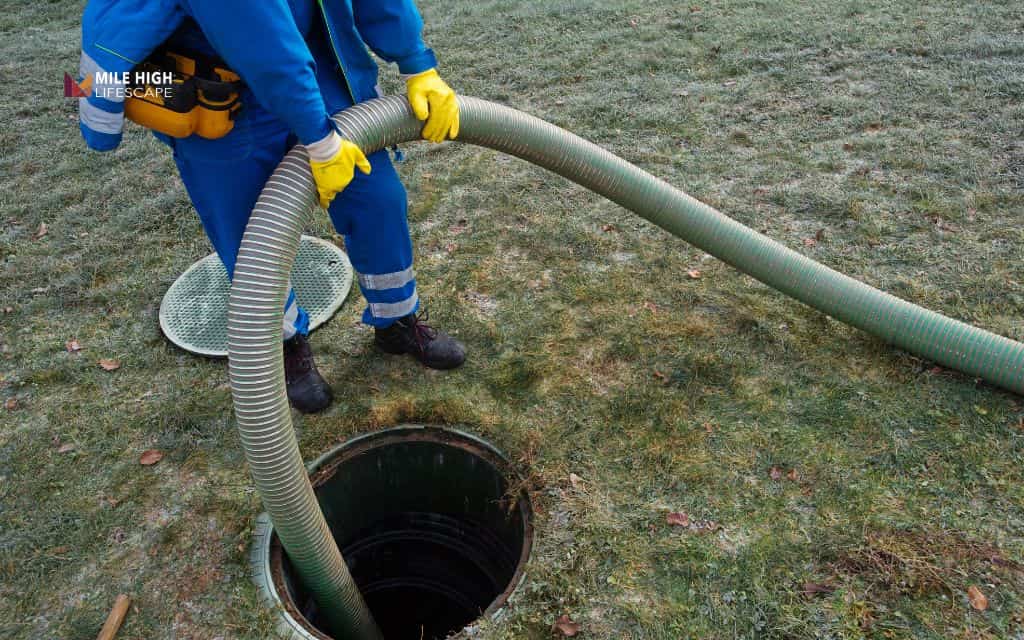
A failing septic system or damaged sewer line is among the most serious causes of soft spots in a yard. When a septic tank, drain field, or sewer pipe fails, it can release liquid waste into the surrounding soil, creating a saturated area that feels soft and may produce other warning signs.
If you suspect a septic issue is causing soft spots in your yard, contact a licensed professional immediately. This is not a DIY repair situation, and delaying action can result in serious health hazards and much more expensive remediation.
Signs:
- Sewage odors in the yard or near the soft spot.
- Constantly wet soil in the area of the drain field or where sewer lines run.
- Unusually green or fast-growing grass patches directly above the drain field, which is fertilized by the leaking effluent.
- Soft spots concentrated near the drain field area of your property.
Solutions: A professional septic inspection to assess the condition of the tank, distribution box, and drain field. Repair or replacement of damaged septic components depending on the severity of the failure.
8. Soil composition issues
The type of soil beneath your lawn has a major influence on how well water drains and how firm the ground feels underfoot. Some soil types are naturally prone to retaining moisture, which creates soft, squishy ground even under relatively normal conditions.
Signs:
- Persistent sogginess after rainfall that takes several days to fully drain.
- Water puddles that form in multiple areas of the yard after moderate rain.
- Poor root development, visible when you pull up a plug of turf, where roots are shallow and matted rather than deep.
Solutions: Adding compost and organic matter to improve soil structure and drainage over time. Aerating regularly to break up compaction and create pathways for water to move through the soil. Improving soil structure gradually through repeated top-dressing with quality compost.
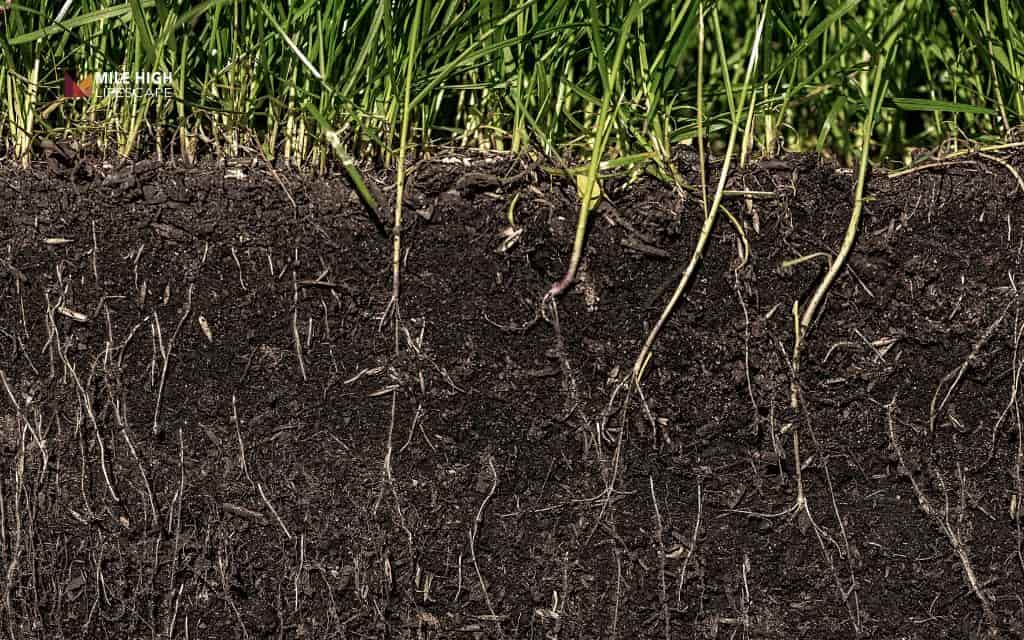
How to fix squishy yard spots
The right fix depends entirely on the cause, which is why proper diagnosis matters before you start any repair work. That said, most solutions follow a logical progression from least invasive to most involved.
Improve lawn drainage
If poor drainage or soil composition is causing your squishy grass, start with these steps:
- Core aeration to break up compacted soil and allow water to penetrate to deeper layers
- Topdressing with compost to improve soil structure and moisture balance over time
- Install French drains in areas where water consistently collects after rainfall
- Correct grading issues by resloping the yard so water drains away from problem zones rather than pooling in them
Repair irrigation leaks
- Replace damaged sprinkler lines or fittings that are leaking below the surface
- Fix leaking irrigation valves that allow continuous water flow even when the system is off
- Monitor water usage to catch leaks early before significant soil saturation occurs
Fill low spots
- Add quality topsoil to fill depressions, working in thin layers to allow proper compaction
- Reseed affected areas once the soil is stable to restore grass coverage
- Compact lightly after each layer of fill to prevent future settling
Address pest damage
- Remove active pests first using appropriate methods before attempting any lawn repair
- Fill tunnels and voids with compacted soil to restore structural stability beneath the turf
- Restore damaged turf through overseeding or patching with sod after the pest problem has been fully resolved
Stabilize areas above decaying roots
- Remove rotted root material if it is accessible near the surface without causing further disturbance
- Backfill with compactable soil, working in layers and tamping firmly to eliminate voids
- Monitor for continued settling over the coming years since deeper root decay may create new depressions
How to prevent future soft spots
Improve water management
- Direct downspouts away from lawns and toward drainage areas, garden beds, or dry wells
- Install drainage infrastructure where needed before problems develop, particularly in naturally low areas
- Avoid overwatering by adjusting irrigation schedules seasonally and disabling systems during rainfall
Maintain healthy soil
- Aerate annually to prevent compaction from building up over time
- Add organic matter through compost topdressing to continuously improve soil structure and drainage
- Reduce compaction by limiting heavy foot traffic over the same areas repeatedly
Monitor trees and utilities
- Watch for signs of root decay in areas where trees have been removed in the past
- Inspect irrigation systems regularly at the start of each watering season to catch leaks early
When to call a professional
While many soft spot causes can be addressed with DIY solutions, certain situations require professional expertise. Contact a licensed expert if any of the following apply:
- The area continues sinking despite attempts to fill and stabilize it
- You suspect a septic leak or notice sewage odors near the soft spot
- Water appears in an area without any rain or irrigation activity to explain it
- Large sections of the lawn feel unstable, which may indicate a widespread drainage failure
- You notice significant erosion or soil loss accompanying the soft spot
At Mile High Lifescape, we specialize in diagnosing and resolving exactly these kinds of lawn and landscape problems for homeowners across the Denver metro area.
From core aeration and drainage system installation to full lawn restoration and regrading, Mile High Lifescape provides comprehensive lawn care services tailored to Colorado’s unique climate and soil conditions.
We understand that every yard is different, which is why we take a customized approach to every project rather than offering one-size-fits-all solutions.
Contact Mile High Lifescape today for a free consultation!
Conclusion
Soft spots in a yard are common, but they are not something to brush off. Most problems trace back to a handful of well-understood causes. Each cause has reliable warning signs that can help you narrow down the source without expensive equipment.
Early diagnosis consistently makes repairs easier and less expensive. A squishy lawn or sinking ground that gets addressed promptly often requires nothing more than aeration, better irrigation habits, or a targeted pest treatment. Left unattended, the same problem can escalate into foundation concerns, health hazards, or extensive lawn replacement.
A soft lawn today might be a simple fix, or it might be the first visible symptom of a larger issue developing beneath the surface. Either way, the right approach is the same: observe carefully, identify the cause, and take action before it gets worse.
Frequently Asked Questions (FAQs)
How do I know if my yard has a drainage problem?
Water pooling that persists more than 24 hours after rainfall or irrigation indicates drainage issues. Look for soggy soil, areas where grass grows poorly despite adequate care, and moss or algae growth. Properly draining soil should become damp (not soggy) within several hours after average rainfall. If water remains visible on the surface, your yard likely needs drainage improvements.
Can I fix soft spots in my yard without digging?
Minor soft spots can sometimes be remedied without extensive excavation through techniques like core aeration and topdressing with sand-soil mixtures. However, these surface-level approaches only work for shallow issues caused by mild compaction or thatch buildup. Deeper problems involving decomposing material, severe drainage issues, or pest tunnels require excavation to properly address the underlying cause and prevent recurrence.
Are soft spots dangerous for my lawn’s health?
Yes, soft spots significantly compromise lawn health by creating inconsistent growing conditions. The excess moisture in these areas promotes fungal diseases that damage grass roots, while the unstable soil structure prevents proper root development. Additionally, these areas often become compacted as they dry, further stressing grass plants.
How long does it take for grass to grow back after fixing a soft spot?
With proper preparation and optimal conditions, grass seed germination occurs within 7-10 days, with visible establishment in 2-3 weeks. Complete lawn restoration typically requires 4-6 weeks during the growing season.
Is it okay to fill low spots in your lawn in the fall?
Yes. Fall is actually a good time to fill low spots, especially for cool-season grasses like Kentucky bluegrass or tall fescue. The soil is still warm enough for grass seed to germinate, and cooler air temperatures reduce stress on the turf. Use a mix of topsoil and compost, apply in thin layers (no more than ½ inch at a time), and overseed immediately after.
How to fix a spongy lawn?
Depends on the cause:
Thatch build-up → Dethatch + core aerate
Compacted/clay soil → Core aerate + topdress with compost
Overwatering → Reduce irrigation frequency
Poor drainage → Install French drains or regrade
Pest tunnels → Address pests first, then backfill and reseed
How to tell if a lawn has fungus or grubs?
Fungus shows up as circular or irregular brown and yellow patches, with visible mycelium on grass blades in the morning and lesions or powdery coating on individual blades. Grubs, on the other hand, destroy the root system, so the clearest sign is grass that peels back like loose carpet when you pull it.
How to get rid of moles in your yard?
The most effective method is trapping, using scissor or pincer traps placed directly in active tunnels. Since moles feed on grubs and earthworms, applying grub control products such as imidacloprid can reduce their food source and make your yard less attractive to them. For severe or recurring infestations, professional pest control is the most reliable option.