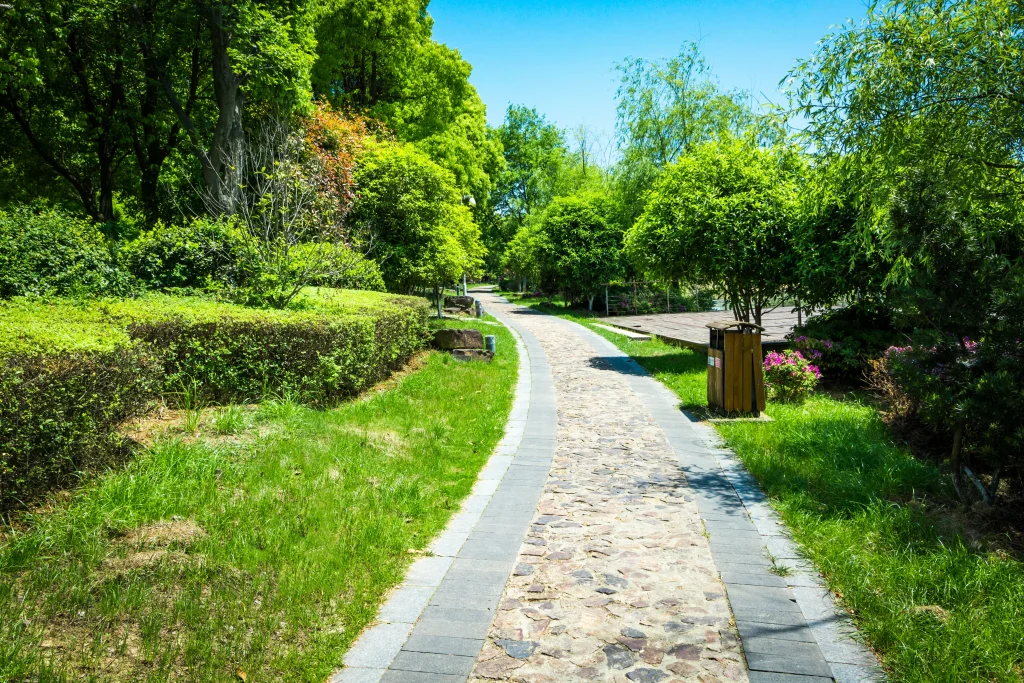
A succulent rock garden offers one of the most rewarding landscapes you can build – combining dramatic visual impact with minimal upkeep. These gardens deliver water conservation, year-round interest, and sculptural beauty that works well on slopes, front yards, patios, and even challenging hellstrips.
What makes rock garden succulents so appealing? They thrive where traditional gardens struggle. The combination of low-water requirements and low-maintenance care makes them ideal for busy homeowners and water-conscious communities. Their architectural forms create modern, clean aesthetics that complement both contemporary and naturalistic landscape designs.
Succulent rock gardens adapt remarkably well to different climates if built correctly. The secret lies in understanding one critical principle from the start.
Step 1: Choose your climate path (cold vs warm)
Before selecting plants or ordering materials, identify which climate pathway applies to your location. This early decision tree improves plant survival and reduces frustration down the road.
Cold-winter succulent rock garden (Zones 3–7)
If your winters include hard freezes and extended periods below 32°F, follow these guidelines:
Choose cold-hardy succulents that tolerate freezing temperatures and snow cover. These varieties have evolved mechanisms to survive winter dormancy.
Prioritize drainage + slope more aggressively than warm-climate gardens. Winter moisture sitting on succulent crowns causes rot faster than cold temperatures themselves.
Protect crowns from winter moisture by ensuring excellent air circulation and using gravel mulch that sheds water away from plant centers.
Best plants for cold-climate rock garden succulent plants:
- Sempervivum (Hens & Chicks)
- Sedum (Stonecrop)
- Delosperma (Ice Plant, hardy types)
- Jovibarba
These succulents for rock gardens in cold regions create reliable, colorful carpets that return stronger each year.
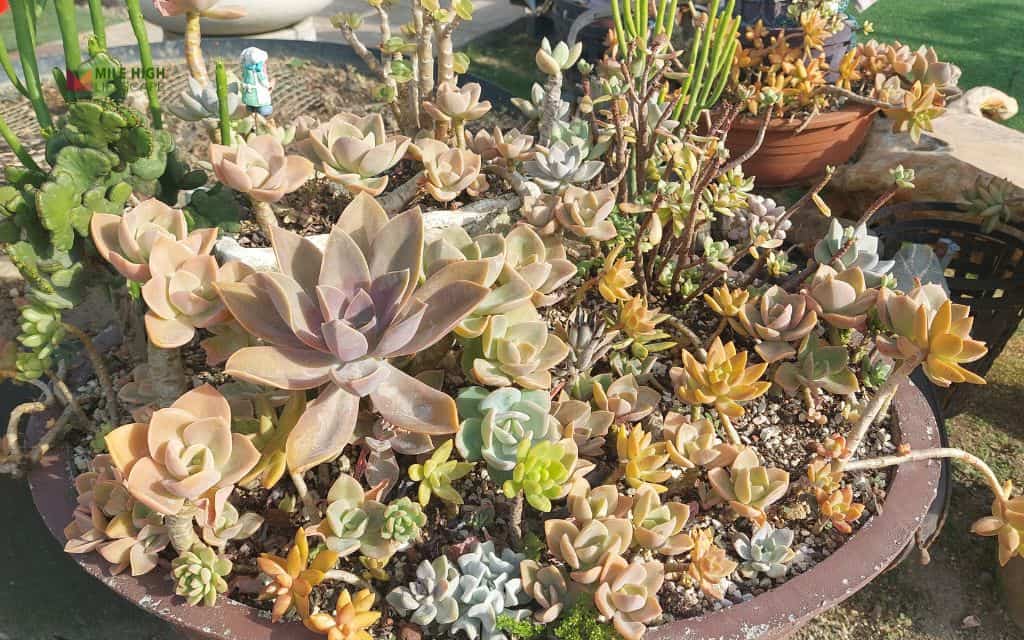
Warm-climate succulent rock garden (Zones 8–11)
If winters stay mild with minimal or no freezing, you gain access to a broader plant palette:
Greater plant variety becomes available, including tender species that showcase bold forms and vibrant colors.
Sun exposure matters more than winter protection. Many warm-climate succulents scorch in all-day summer sun and prefer afternoon shade.
Avoid excessive summer irrigation. Overwatering during warm months causes more damage than underwatering in these climates.
Best plants for warm-climate rock and cactus landscaping:
- Echeveria
- Agave
- Aloe
- Crassula
- Kalanchoe
Step 2: Plan your succulent rock garden design
Choose the right location
Location determines 80% of your garden’s success. Evaluate these factors:
- Full sun vs partial shade: Most rock garden succulents prefer 6+ hours of direct sun, though some warm-climate varieties appreciate afternoon protection.
- Slopes = excellent drainage: Gentle to moderate slopes naturally shed water, making them ideal sites for succulent rock garden ideas.
- Avoid low spots (rot risk): Never build in areas where water pools after rain. Saturated soil kills succulents faster than drought.
- Great for front yard focal areas: Front yard succulent rock garden designs create immediate curb appeal and year-round color.
Layout options
Match your design style to your site conditions and aesthetic preferences:
- Mounded island design: Raise the garden 6–12 inches above grade for dramatic drainage and visual prominence.
- Natural slope cascade: Follow existing terrain for organic flow, using rocks with succulents to create terraced planting pockets.
- Rock-bordered bed: Define clean edges with larger stones while maintaining a level or gently sloped interior.
- Modern geometric rock garden: Use angular placement and repetitive patterns for contemporary design.
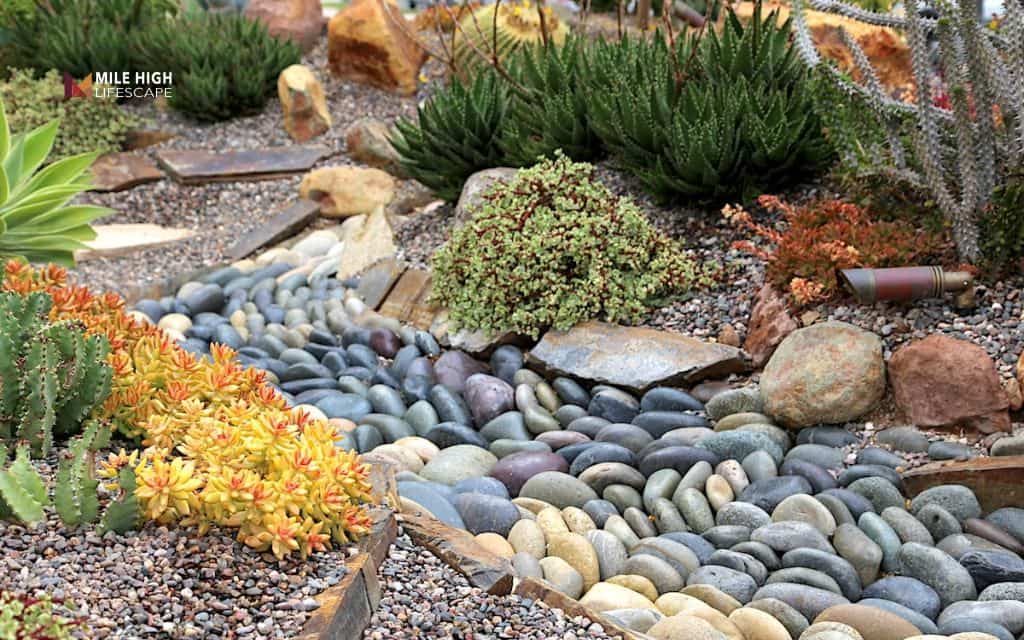
- Dry creek-style layout: Mimic natural water courses with river rock paths and clustered plantings.
Browse rock and succulent garden ideas online, but always adapt designs to your specific drainage conditions rather than copying aesthetically pleasing layouts that may fail structurally.
Step 3: Build for drainage
This section contains the most critical information for long-term success. Drainage determines whether your rock gardens with succulents thrive for decades or fail within months.
The universal build method
Follow these steps regardless of climate zone:
Step 1: Excavate 6–12 inches (deeper in heavy clay soils that hold moisture)
Remove existing soil and create your planting bed foundation. In clay-heavy areas, excavate the full 12 inches to make room for proper amendments.
Step 2: Install drainage base (if needed)
For sites with poor natural drainage, add a 3–4 inch layer of crushed stone before adding soil mix. This creates a drainage reservoir that prevents waterlogging.
Step 3: Soil recipe for succulents
Mix these components thoroughly before filling your bed:
- 50% cactus mix (purchased or homemade from potting soil + sand)
- 25% pumice or perlite (volcanic rock that won’t compact)
- 25% coarse sand or grit (builder’s sand, not fine play sand)
Succulents do NOT grow in pure rocks. The question “can succulents grow in rocks” or “will succulents grow in rocks” misunderstands their biology. While growing succulents in rocks makes an attractive visual, plants require actual soil for root development and nutrient uptake.
Rocks are decorative + moisture control. They create the aesthetic while serving functional purposes: reducing evaporation, suppressing weeds, and preventing soil splash onto leaves.
Choosing rocks for succulent plants
Select materials that complement your design while serving drainage functions:
- Gravel (½–1 inch): Small stones for top-dressing and pathways, available in multiple colors.
- Decomposed granite: Natural-looking, compactable surface for walkways between plantings.
- Lava rock: Lightweight, porous, excellent drainage properties, rustic appearance.
- Boulders for structure: Anchor your design with strategically placed larger stones that create visual weight and planting terraces.
Step 4: Planting your rock garden succulents
Proper planting technique prevents common establishment failures:
- Place plants 6–12 inches apart depending on mature size. Crowding increases humidity and disease risk.
- Position the plant’s center slightly above the surrounding soil level. This encourages water to drain away from the crown.
- Set all plants first, then add decorative rock layers. This prevents disturbing plants during rock placement.
- Cover exposed soil with small gravel to complete your rock garden with succulents designs. This finishing layer ties together the succulent garden with rocks aesthetic while providing functional benefits.
Step 5: Watering the right way
Watering technique separates thriving rock succulent gardens from struggling ones. Most failures stem from too much water, not too little.
After planting
When you water, saturate the root zone completely. Then allow soil to dry entirely before watering again. Stick your finger 2–3 inches into the soil. If it feels cool or damp, wait several more days.
Newly planted gardens need more frequent watering for 4–6 weeks during establishment. After roots develop, reduce frequency dramatically.
Cold climate tip
Cease irrigation 2–4 weeks before first frost to allow plants to enter dormancy naturally. In wet winter climates, consider temporary covers over prized specimens or ensure mounded beds shed water aggressively.
Hot climate tip
Water early to allow foliage to dry before nighttime, reducing fungal disease risk. Wrinkled, brown-edged leaves indicate either underwatering or excessive sun exposure. Adjust accordingly.
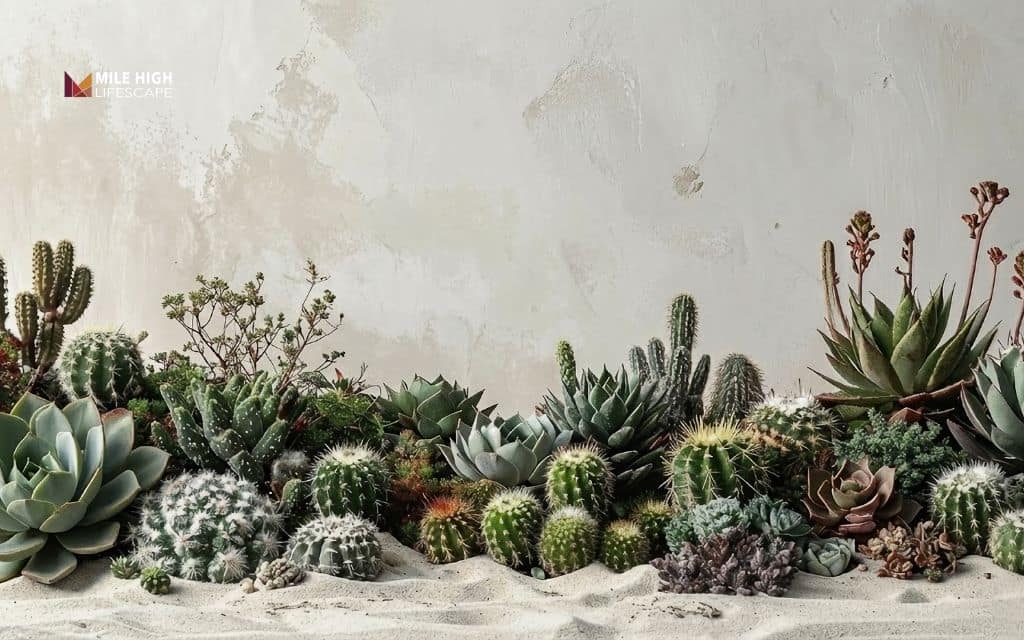
Maintenance & weed control
The promise of low maintenance doesn’t mean zero maintenance. Plan for these tasks:
- Use gravel top-dressing to reduce weeds: The 1–2 inch rock layer blocks light from reaching weed seeds, dramatically reducing germination.
- Hand-pull early: Remove any weeds while small, before roots establish deeply. Weekly quick checks prevent major weed problems.
- Remove fallen leaves quickly (rot risk): Decomposing debris trapped against succulent rosettes creates moisture pockets that cause crown rot.
- Trim leggy growth: Prune stretched stems to maintain compact form and propagate cuttings for new plants.
Remember: Low maintenance ≠ no maintenance. Budget 15–20 minutes monthly for basic upkeep of a typical front yard installation.
DIY or hire a pro?
DIY works well if:
- Small to medium bed (under 200 square feet)
- Good drainage soil (sandy or loamy existing conditions)
- Minimal grading required (gentle slope or level site)
Hire a pro if:
- Heavy clay soil (requires excavation equipment and soil hauling)
- Large slope stabilization (needs terracing, retaining walls, or engineered solutions)
- Major drainage correction needed (French drains, catch basins, or regrading)
Professionals from landscape rock services at companies like Mile High Lifescape can assess drainage challenges and build systems that prevent costly future failures. For complex sites, professional installation often costs less than DIY attempts that require rebuilding.
Conclusion
A well-designed succulent rock garden delivers lasting value:
- Saves water: Uses 70–90% less water than traditional lawns once established.
- Requires minimal upkeep: Monthly maintenance instead of weekly mowing and fertilizing.
- Thrives for years when drainage is prioritized: Proper construction creates gardens that improve with age.
- Looks sculptural and intentional: The combination of succulents and rocks creates four-season interest with architectural appeal.
Remember the hierarchy: Drainage first. Plant selection second. Rocks as support – not soil.
Start with your climate pathway, build the drainage foundation correctly, and choose plants suited to your zone and exposure. The result will be a stunning garden that requires minimal input while delivering maximum impact year after year.
Frequently asked questions (FAQs)
Can succulents grow in rocks without soil?
Succulents cannot grow in rocks alone. They require fast-draining soil beneath the surface to anchor roots and access nutrients. Rocks in a succulent rock garden serve as decorative mulch and moisture control, not as the growing medium itself.
What are the best succulents for a rock garden?
The best succulents for rock gardens depend on your climate: cold-winter regions (Zones 3–7) should use hardy varieties like Sempervivum, Sedum, and Delosperma, while warm climates (Zones 8–11) can grow Agave, Aloe, Echeveria, and Crassula. Always match plant selection to your hardiness zone and sun exposure.
How do you prevent rot in a succulent rock garden?
Prevent rot by building your rock garden on a slope or mound with well-draining soil mix (50% cactus mix, 25% pumice, 25% coarse sand) and avoiding low spots where water collects. Water deeply but infrequently, allowing soil to dry completely between waterings.
How often should you water a succulent rock garden?
Water succulent rock gardens deeply but infrequently—typically every 7–14 days during active growth, allowing soil to dry completely between waterings. In cold climates, reduce watering before winter; in hot climates, water early morning only.
What type of rocks are best for succulent rock gardens?
Gravel (½–1 inch), lava rock, decomposed granite, and decorative stone work best for succulent rock gardens because they improve drainage and reduce weeds. Larger boulders can be added for structure and visual impact in rock and succulent garden designs.