The best time to lay sod is usually spring or early fall, when mild temperatures help roots establish without the intense water demand of midsummer. Sod can still be installed at other times if the soil remains workable and reliable irrigation is available. At Mile High Lifescape, we look at soil condition, grass type, weather, and local watering rules before deciding whether a Denver lawn is ready for installation.
Best Time To Install Sod By Season
The best time to lay sod depends partly on how each season affects rooting and moisture loss. Cool-season turf can establish throughout much of the growing season, but moderate weather generally makes the process easier.
Laying Sod In Spring
Spring is one of the most reliable answers to when to install sod. Warmer soil encourages new roots, while moderate air temperatures usually reduce heat and moisture stress.
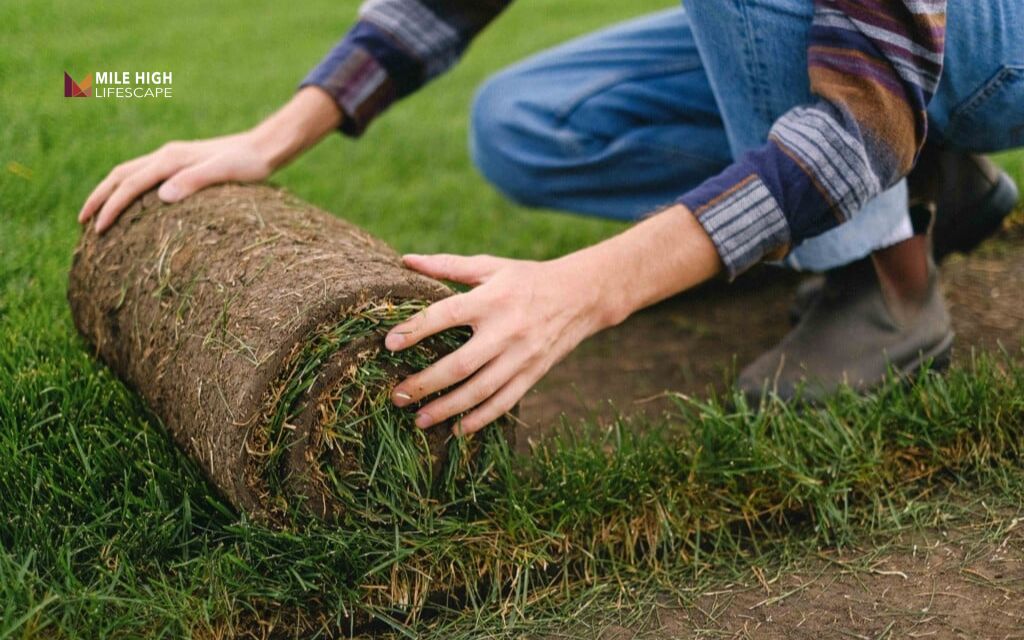
The best time to install sod in spring comes after the ground has thawed and can be prepared properly. Soil should feel slightly moist rather than muddy before installation. If you plan to handle the work yourself, this guide on how to lay sod covers the full process from ground preparation to watering.
Laying Sod In Summer
Summer can still be a good time to lay sod, but new turf needs much closer attention to moisture. High temperatures, dry air, and wind can cause freshly harvested rolls to lose water before roots reach the soil below.
When summer is the only available window:
- Install sod soon after delivery.
- Water immediately after placement.
- Keep both sod and soil consistently moist.
- Avoid prolonged storage of rolled turf.
- Monitor exposed edges for drying.
Laying Sod In Fall
Early fall is often one of the best times to lay sod because the soil is still warm enough for root growth while cooler air helps reduce moisture stress. For cool-season lawns, this combination can make establishment more manageable than during peak summer heat.
In Colorado, sod can still be installed later in the season as long as the ground has not frozen, although late-fall projects need closer attention to watering and root development before winter.
Can You Lay Sod In Winter?
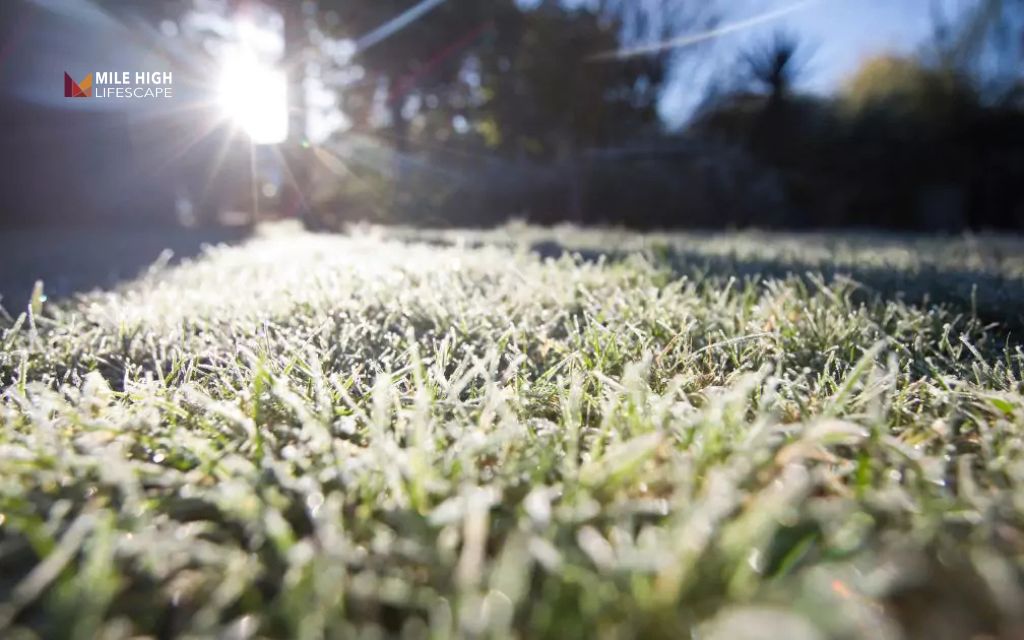
Winter installation can work when the soil is unfrozen and the lawn can still receive enough water, but root growth will be much slower. The best time to lay sod is usually before winter arrives, especially when timing is flexible. Homeowners considering laying sod in winter should pay particular attention to soil conditions, irrigation access, and short periods of suitable weather.
What Conditions Matter More Than The Calendar?
The best time to lay sod is not determined by the calendar alone. Soil condition, heat, access to water, and the grass type can all make the same month suitable for one lawn and a poor choice for another.
Soil Temperature And Workability
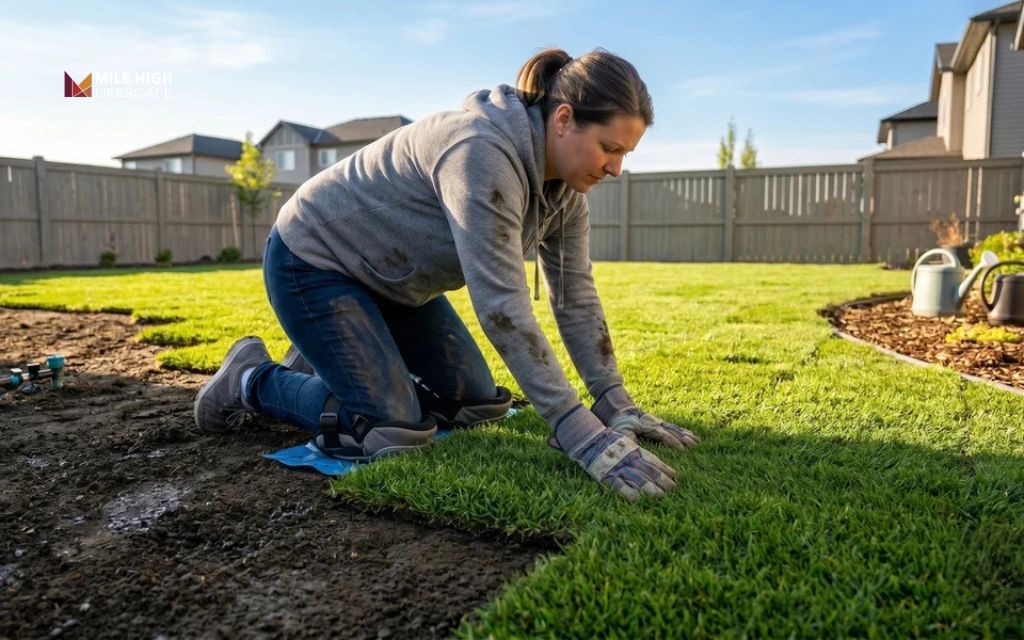
Before deciding when to lay sod, check whether the soil can be prepared properly. The ground should be workable, evenly graded, and free from frost or excess water. Good soil contact is essential because roots need to move quickly from the sod into the soil below.
Air Temperature And Heat Stress
Mild weather usually gives new turf the easiest start. The best time to lay sod often falls during periods when daytime temperatures are moderate and the grass is less likely to dry out quickly. If you are asking when should you lay sod during hot weather, the answer depends on whether you can keep the turf consistently moist.
Water Availability
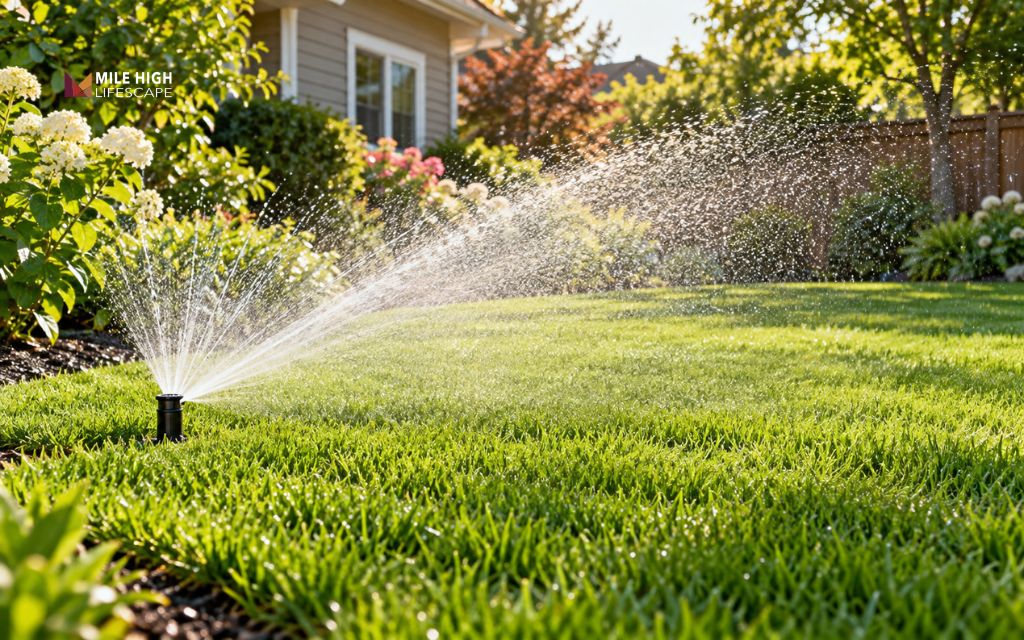
Reliable irrigation matters more than many homeowners expect. Even the best month to lay sod can turn into a poor installation window if the lawn cannot be watered evenly after placement. Anyone deciding when should i lay sod should make sure the irrigation system is working before delivery arrives.
Grass Type
Grass type also affects the best time to lay sod. Cool-season varieties usually establish most comfortably in spring or early fall, while warm-season grasses prefer warmer soil and active summer growth. That is why the best time to plant sod can vary even within the same region.
When Should You Avoid Laying Sod?
Even if the calendar suggests a good installation window, some site conditions are worth waiting out. The best time to lay sod is when the soil is workable, irrigation is available, and the turf can start rooting without severe stress.
Postpone installation when:
- The ground is frozen or waterlogged.
- Extreme heat cannot be managed with reliable watering.
- Irrigation coverage is uneven or unavailable.
- The site still needs grading or soil preparation.
- Local watering restrictions limit new lawn establishments.
- Fresh sod cannot be installed soon after delivery.
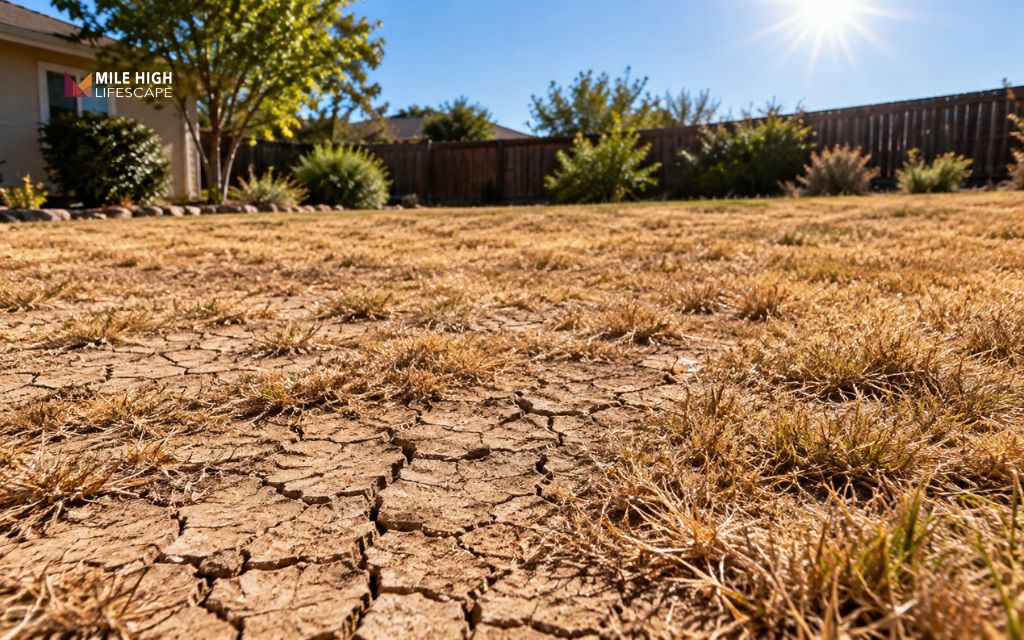
How Timing Affects Sod Rooting And Establishment
Rooting speed changes noticeably with the weather. During mild periods, new sod can hold moisture more easily and begin attaching to the soil with less stress. Hot conditions raise water demand, while cold soil slows root growth and extends the establishment period.
This is why the best time to lay sod usually falls when temperatures are moderate and moisture can be managed consistently. Under favourable conditions, the turf may begin to anchor within two to three weeks, although full establishment takes longer.
How To Prepare For Sod Installation At The Right Time
Choosing the best time to lay sod only works well when the yard is fully prepared. Before delivery, the soil should be ready, irrigation should cover the area evenly, and the installation schedule should minimise delays. Proper preparation helps fresh turf settle faster and reduces stress during the early rooting stage.
Prepare The Soil Before Delivery
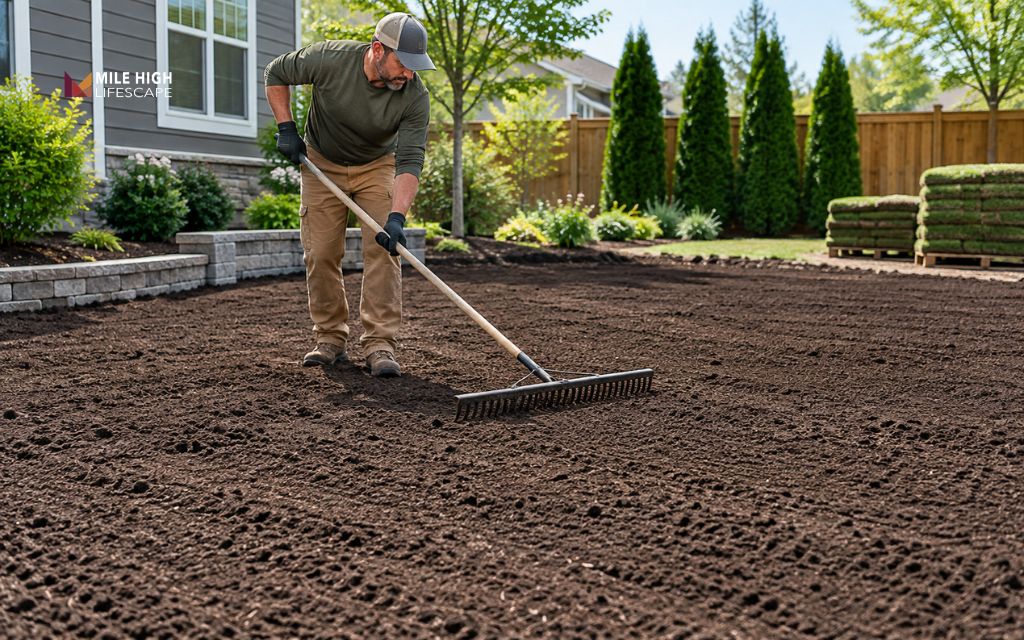
Finish all ground preparation before the sod arrives. Remove old grass, weeds, rocks, and debris, then loosen compacted soil and correct uneven areas. The surface should be smooth and firm enough to support the sod without leaving large air pockets.
Good soil preparation also helps you make better use of the best time to lay sod because roots can begin establishing without unnecessary delays.
Confirm Irrigation Coverage
Run the irrigation system before delivery and watch how evenly it covers the lawn. Fix weak zones, blocked heads, or dry corners before new turf goes down. This becomes especially important when the best time to lay sod falls during warmer weather, since the surface can dry out much faster.
Schedule Delivery And Installation Together
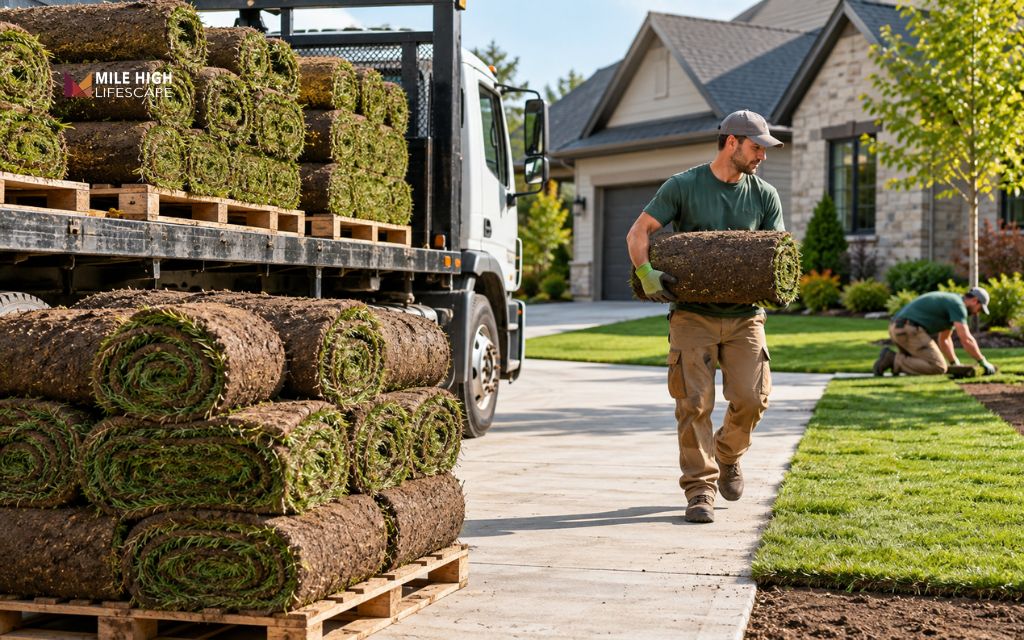
Fresh sod performs best when it is installed soon after delivery. Long periods on a pallet can cause the rolls to dry out and build up heat, especially on warm days. Plan delivery, site preparation, and installation for the same window whenever possible. Once the sod is placed, water it promptly so the turf stays moist and begins making firm contact with the soil below.
Plan Your Sod Installation With Mile High Lifescape
At Mile High Lifescape, we help homeowners choose the best time to lay sod based on real site conditions rather than the calendar alone. We look at the soil, irrigation, sun exposure, and weather before installation begins. That helps the new lawn start under conditions that support faster rooting and more even establishment.
Our Sod Installation service covers the preparation and placement needed to give fresh turf a stronger start. With over 20 years of experience, we know when to install sod around Denver’s changing temperatures and dry conditions. We also make sure the lawn is ready for watering and early care once the sod is in place.

If you are planning a new lawn and want help choosing the best time for sod installation, Mile High Lifescape can assess the property and recommend a practical installation window. We serve Denver Metro and nearby communities with clear planning and careful workmanship. Call (303) 877-9091 to request an estimate.
Final Thoughts
For most lawns, spring and early fall provide the easiest conditions for sod to establish. The best time to lay sod comes down to workable soil, moderate temperatures, and dependable irrigation rather than the calendar alone. Once those conditions line up, new turf has a much better chance to root evenly and handle the seasons ahead.
Frequently Asked Questions
What Is The Best Month To Lay Sod?
There is no single best month everywhere. For cool-season lawns, late spring and early fall usually offer the easiest conditions for rooting.
What Is The Best Time Of Year To Install Sod?
The best time to lay sod is usually spring or early fall, when temperatures are moderate and moisture is easier to manage.
Can You Lay Sod In The Summer?
Yes. Sod can be installed in summer, but it needs faster installation and more consistent watering to prevent heat and moisture stress.
Is Fall A Good Time To Lay Sod?
Yes. Early fall is often one of the best times to install sod because the soil remains warm while air temperatures become cooler.
How Late In The Year Can You Lay Sod?
Cool-season sod can be installed until the ground freezes, provided the soil is workable and the lawn can still receive enough water.
Can You Lay Sod On Frozen Ground?
No. Frozen soil prevents proper grading, root contact, and water absorption, so it is better to wait until the ground thaws.