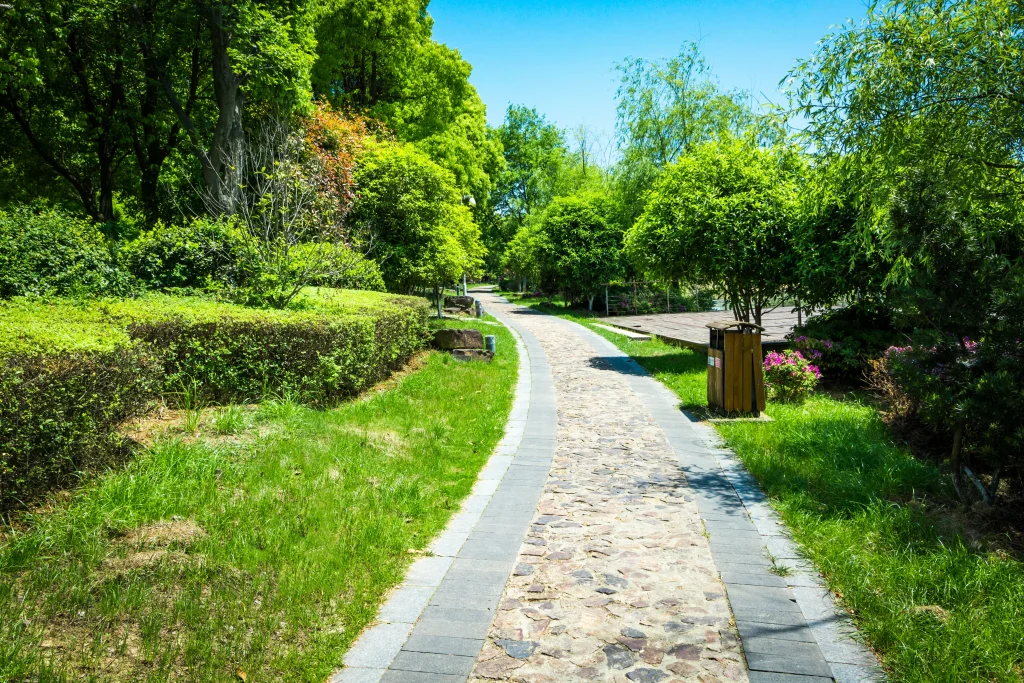
Sandy soil drains fast and holds onto few nutrients, and that combination eliminates a lot of tree species before they ever get established. Trees for sandy soil exist in every landscape category, from tall shade trees to compact ornamentals, and the right choice turns a difficult site into a low-maintenance asset. This guide covers what makes sandy soil different, how to match a species to the conditions, ten trees that handle sandy, well-drained ground, and the planting and care steps that carry a young tree through its first seasons.
What sandy soil means for tree growth
Sandy soil gets its name from large mineral particles that leave wide gaps between them. Water moves through those gaps quickly, so the soil rarely stays saturated, but it also loses moisture and dissolved nutrients faster than loam or clay. The same loose structure warms up early in spring and lets roots spread with little resistance, two traits that benefit species built for dry, well-drained ground.
Tree selection carries more weight in sandy soil than in almost any other soil type. A species adapted to steady moisture struggles here, showing scorched leaf edges and stunted growth within a season or two. A species built for fast drainage does the opposite: it sends roots down after the water table instead of staying shallow, and it uses the available nutrients efficiently instead of demanding constant replacement.
How to choose the right tree for sandy soil
Start with the USDA Hardiness Zone. Every species has a temperature range it tolerates, and a tree planted outside that range struggles regardless of soil quality. Cross-reference the zone with the tree’s mature height and canopy spread, since a large shade tree needs distance from foundations, driveways, and utility lines that a small ornamental does not.
Drought tolerance matters as much as zone. Species native to prairies, dry woodlands, or coastal dunes typically handle sandy soil without extra intervention, while species native to floodplains or consistently moist forests need more attention. Sandy soil tends to run slightly acidic to neutral, so check a species’ pH preference before planting, and when the choice stays unclear, a certified arborist or the local extension office can confirm which species perform well in a specific region.
Best trees for sandy soil
Bur oak
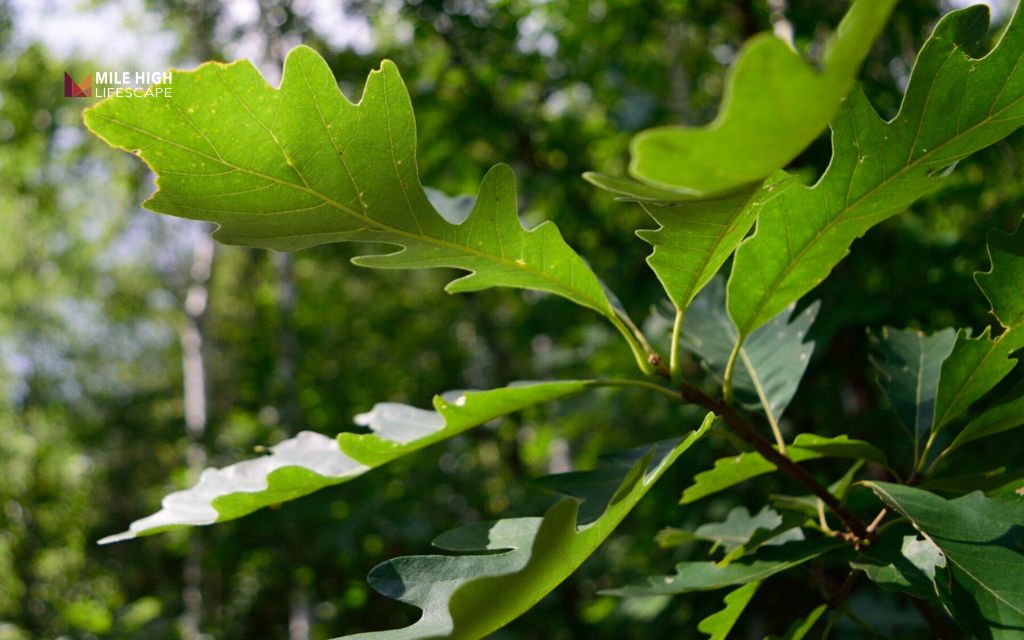
Bur oak (Quercus macrocarpa) grows in USDA zones 3 through 8 and ranks among the most drought-tolerant native oaks in North America. Its deep taproot reaches moisture far below the surface, letting the tree shrug off the dry spells that sandy soil produces. Mature specimens reach well over sixty feet, with thick, corky bark and acorns capped in a shaggy fringe.
Eastern red cedar
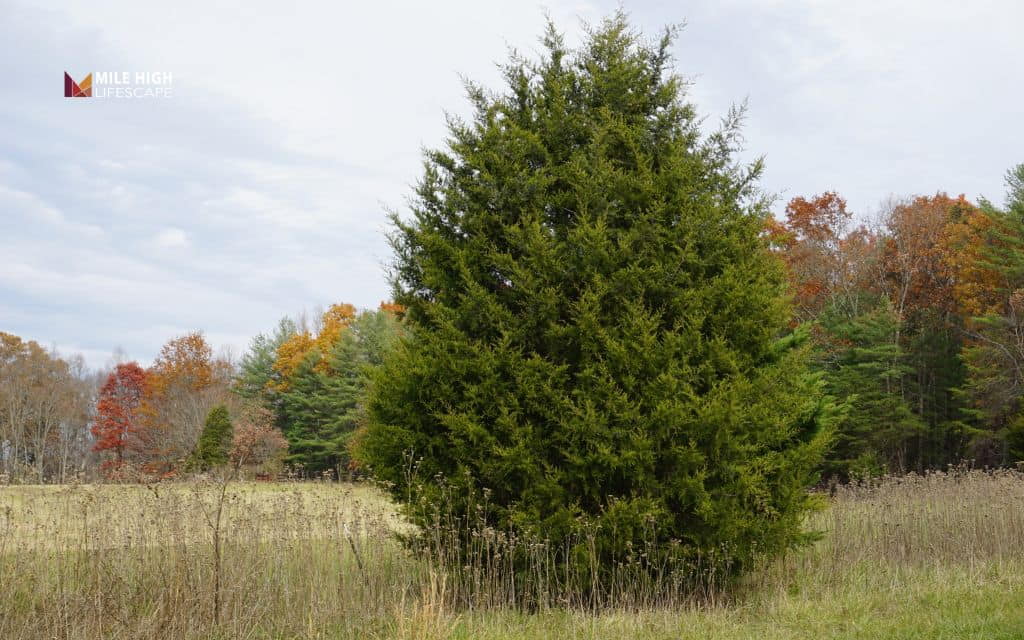
Eastern red cedar (Juniperus virginiana) tolerates zones 2 through 9 and adapts to nearly any well-drained site, including pure sand. This evergreen conifer holds its blue-green foliage year-round, provides dense winter cover for birds, and produces small blue cones that many bird species rely on through cold months.
Honeylocust
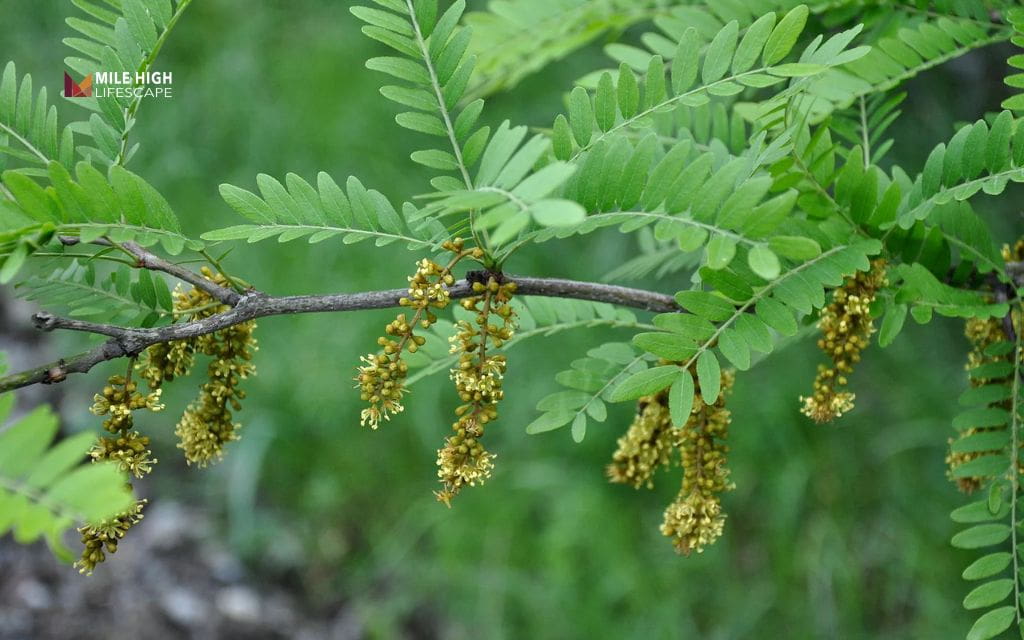
Thornless honeylocust (Gleditsia triacanthos var. inermis) grows in zones 3 through 9 and handles sandy, compacted, or otherwise poor soil better than most shade trees. Its small leaflets cast filtered rather than dense shade, so lawn and understory plants beneath it still receive light, and the foliage turns a clear yellow in fall.
Ginkgo
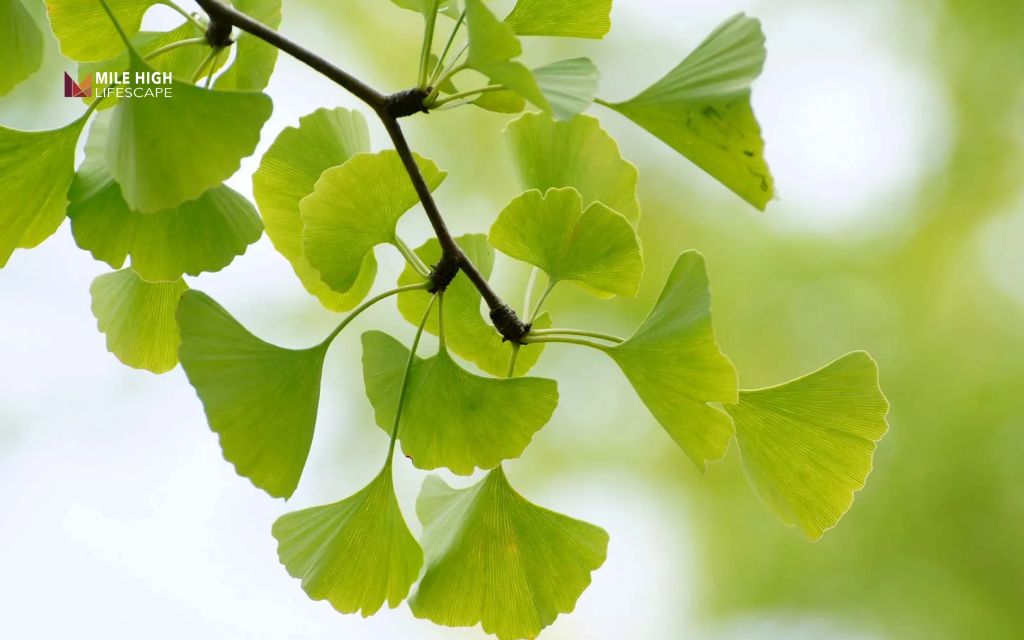
Ginkgo (Ginkgo biloba) suits zones 3 through 8 and tolerates sandy soil, pollution, and confined urban planting sites with equal ease. Choose a male cultivar, since female trees drop fruit with a strong odor. The fan-shaped leaves turn bright yellow in autumn and tend to drop within a short window, creating a distinct carpet of color.
River birch
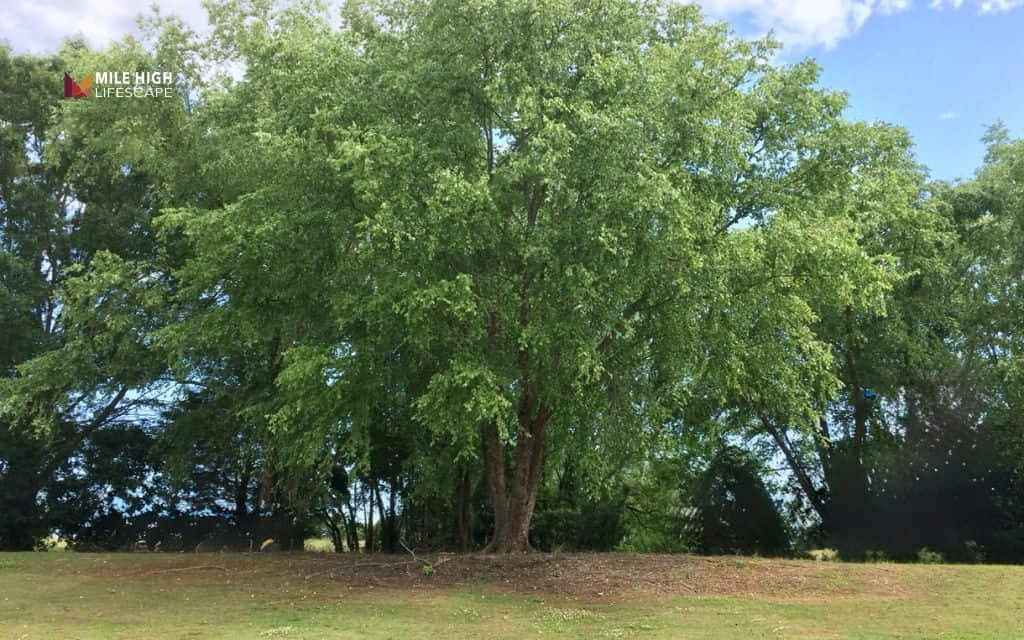
River birch (Betula nigra) grows naturally along sandy riverbanks and performs well in zones 4 through 9. It tolerates a wider range of soil moisture than most trees on this list, which makes it useful on sites where sandy soil sits over a higher water table. Peeling, salmon-colored bark provides interest through every season.
Eastern redbud
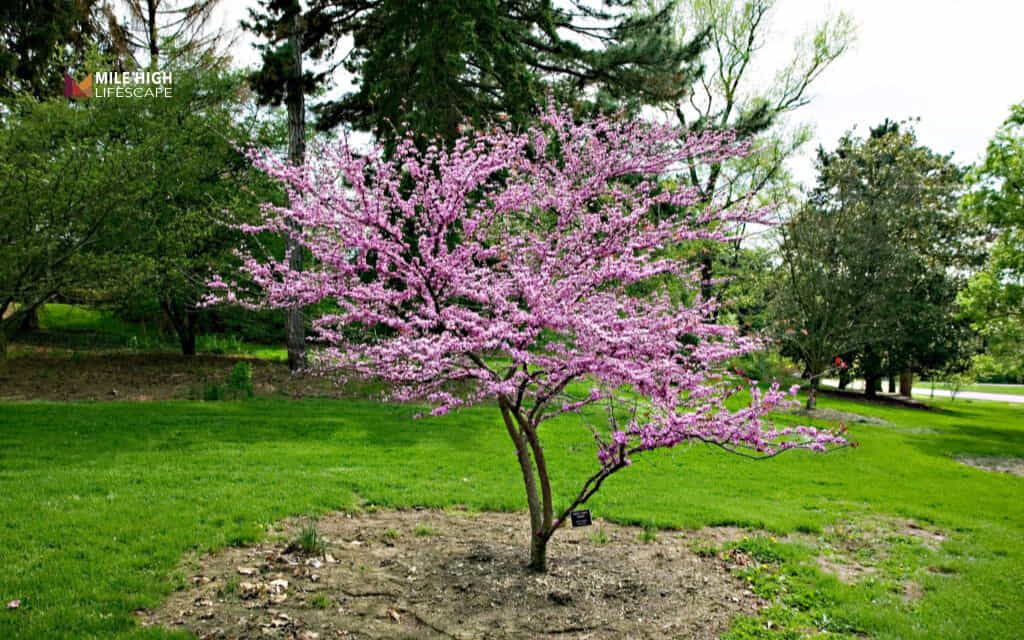
Eastern redbud (Cercis canadensis) fits zones 4 through 9 and grows well in sandy loam as an understory or specimen tree. Clusters of pink to purple flowers appear directly on the bark in early spring, before the heart-shaped leaves emerge, making it one of the earliest sources of color in a sandy-soil landscape.
Serviceberry
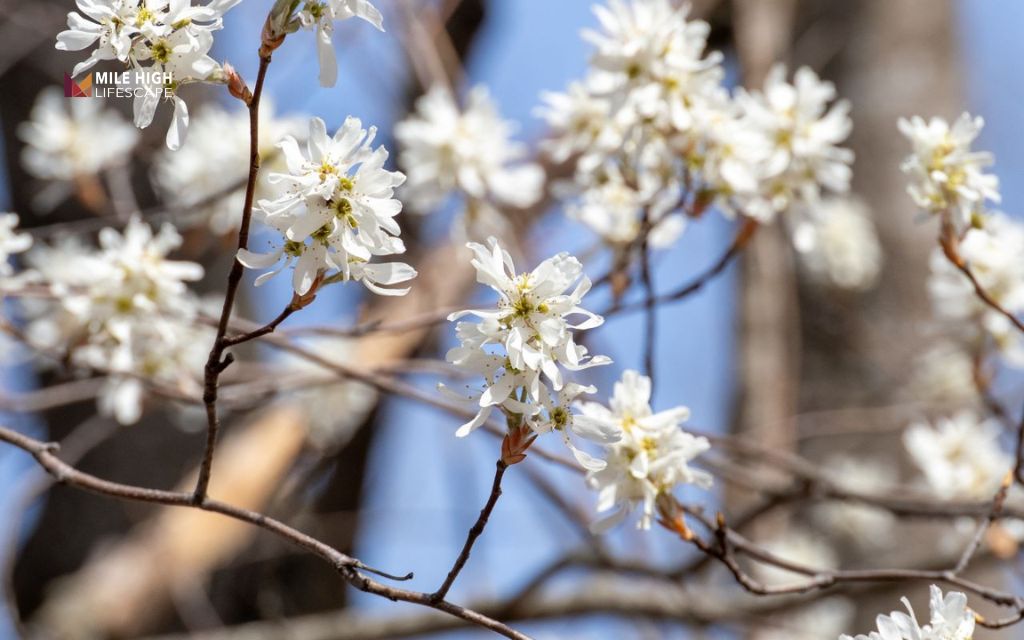
Serviceberry (Amelanchier species) grows in zones 4 through 9 and stays compact enough for smaller sandy-soil sites. White flowers open in early spring, followed by edible berries that attract birds, and the foliage finishes the season with orange to red fall color.
Kentucky coffeetree
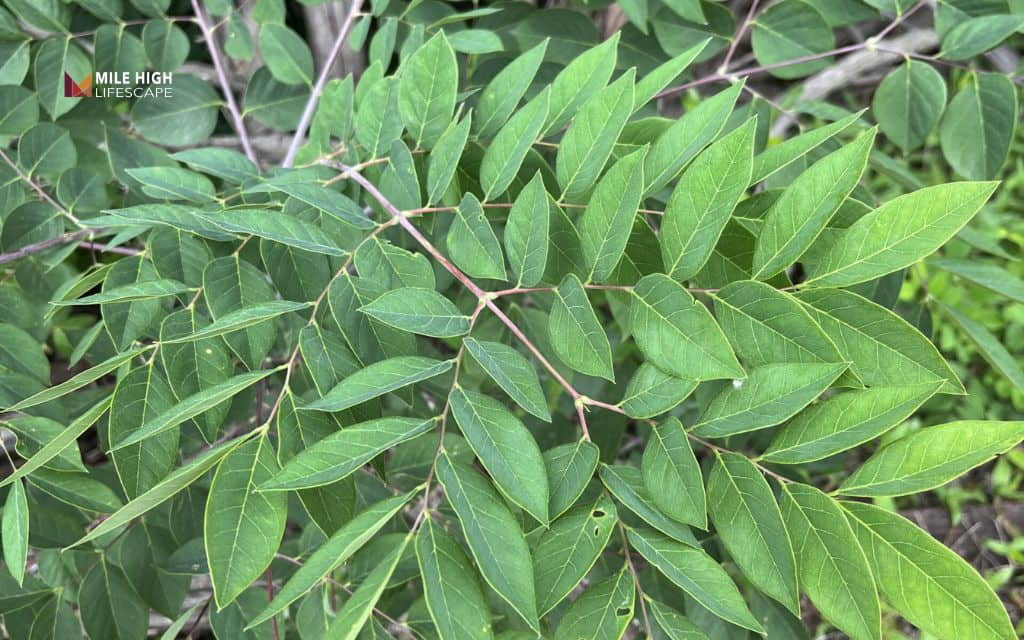
Kentucky coffeetree (Gymnocladus dioicus) tolerates zones 3 through 8 and ranks among the toughest large shade trees available, handling drought, poor soil, and urban stress with little complaint. Its coarse, bipinnately compound leaves and rugged bark give it a distinct silhouette through every season, including winter.
Ponderosa pine
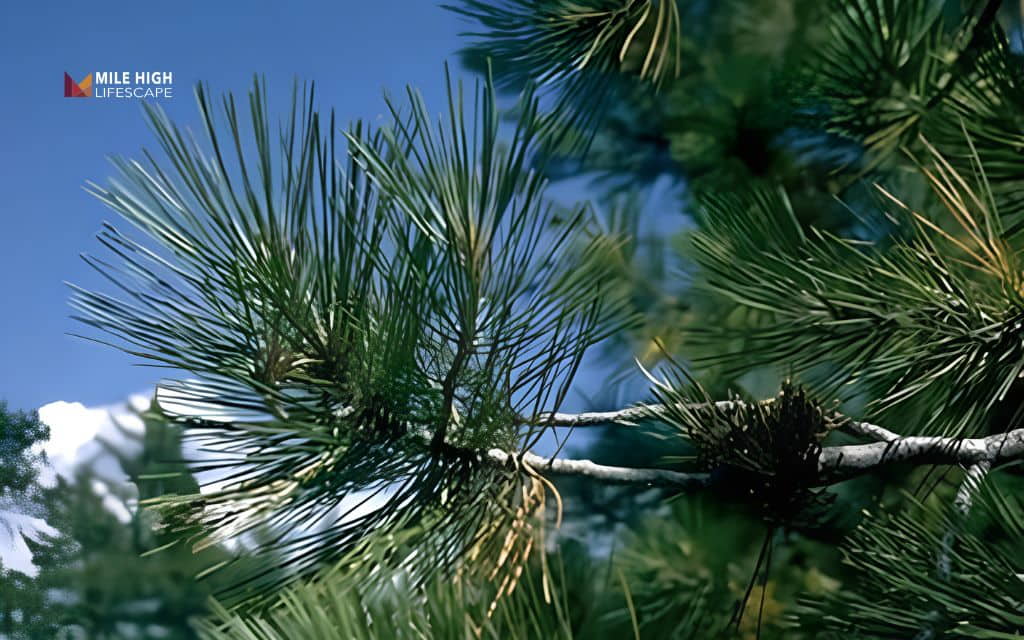
Ponderosa pine (Pinus ponderosa) grows in zones 3 through 7 and thrives in the sandy, rocky soils common across the western United States. A deep taproot and long, flexible needles let it withstand drought and wind that would damage shallower-rooted species, and mature bark develops a distinctive orange-brown, puzzle-piece pattern.
Crabapple
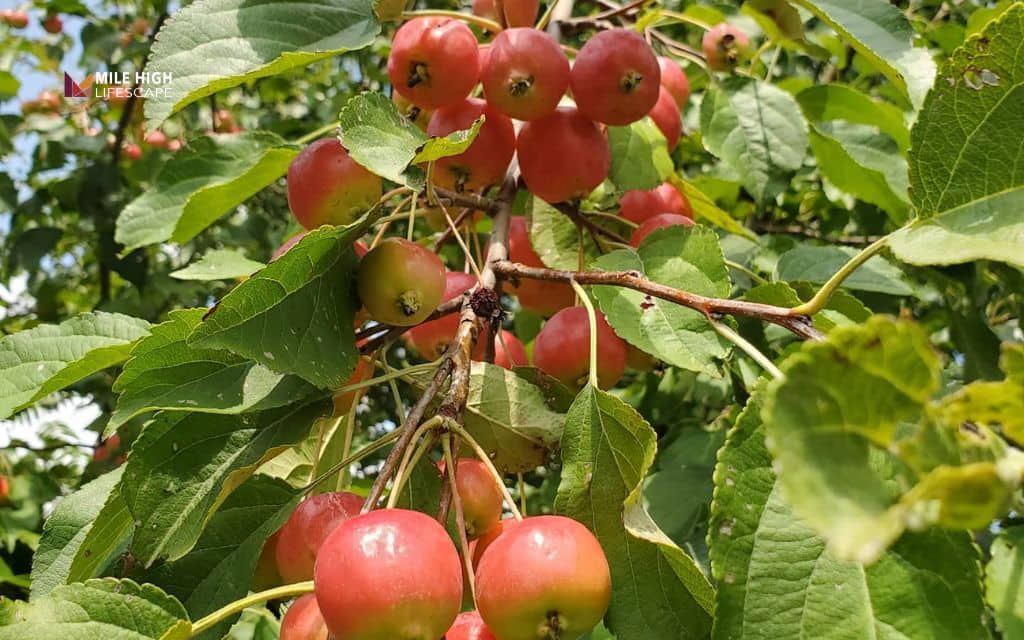
Crabapple (Malus species) suits zones 4 through 8 and adapts readily to well-drained, sandy sites. Spring flowers range from white to deep pink, and many cultivars hold persistent fruit into winter, extending both visual interest and food value for wildlife well past the growing season.
Preparing and planting trees in sandy soil
Testing and amending the soil
A soil test identifies existing nutrient levels and pH before a single tree goes into the ground, and it removes the guesswork from any amendment plan. Work organic matter, such as compost, into the top six to twelve inches across the entire planting area rather than only inside the planting hole. Amending just the hole creates a pocket of richer soil that can trap roots in a circling pattern instead of spreading outward into the native sand.
Planting steps
Dig the hole two to three times as wide as the root ball but no deeper, since sandy soil settles over time and a tree planted too deep ends up with its root flare buried. Set the tree so the flare sits slightly above the surrounding grade, backfill with the native soil removed from the hole, and water thoroughly to eliminate air pockets. Stake the tree only if the site sees strong, consistent wind, and remove the stakes after the first growing season so the trunk develops its own strength.
Caring for trees after planting
Watering
Deep, infrequent watering trains roots to grow downward in search of moisture, which matters more in sandy soil than in any other soil type. A slow-release method, such as a soaker hose or a watering bag, delivers water gradually enough for sandy soil to absorb it instead of letting it drain straight past the root zone. The first two growing seasons determine how well a tree establishes, so consistent watering during that window pays off for the tree’s entire lifespan.
Mulching
A two to four inch layer of organic mulch, kept a few inches back from the trunk, slows the moisture loss that sandy soil is prone to and moderates soil temperature through both summer heat and winter cold. As the mulch breaks down, it also adds a small, steady supply of organic matter to the soil surface, which sandy conditions rarely retain on their own.
Fertilizing
Sandy soil leaches nutrients quickly, so light, frequent feeding generally outperforms a single heavy application. A soil test still provides the most reliable guide to actual nutrient needs, since excess nitrogen pushes rapid, weak growth that is more vulnerable to pests, disease, and wind damage. Established, drought-tolerant species on this list need minimal fertilizing once their root systems mature.
Long-term maintenance
Watch young trees for signs of drought stress, including scorched leaf edges and early leaf drop, especially during the first two to three years after planting. Routine pruning maintains a strong branch structure and removes damaged or crossing limbs before they become a larger problem. Once established, most of the species above need little more than periodic mulching and occasional deep watering during extended dry stretches.
Conclusion
Sandy soil is not a limitation when species selection and planting technique match its drainage and nutrient profile. The trees on this list were built for exactly these conditions, and with the right preparation, watering routine, and mulching plan, a sandy-soil landscape can support healthy, long-lived trees with less ongoing effort than most homeowners expect.
Mile High Lifescape has served the Denver Metro area with professional tree and landscape services for nearly two decades. Our tree and shrub care service can help you select species suited to your sandy soil and get them established with the right planting and maintenance plan.
As your trees mature, our Tree Branch Removal service can help address dead, damaged, or poorly positioned limbs before they become a safety concern. Proper branch removal can also improve tree structure and support healthier long-term growth.
Call us at (303) 877-9091 to schedule a consultation.
Frequently asked questions (FAQs)
What is the best tree for sandy soil in a dry climate?
Deep-rooted, drought-tolerant species such as bur oak, ponderosa pine, and eastern red cedar handle dry, sandy conditions with the least amount of ongoing care.
Do all trees need soil amendment before planting in sandy soil?
Most trees benefit from organic matter worked into the broader planting area, though naturally drought-adapted species need less amendment than moisture-loving species.
How often should young trees in sandy soil be watered?
Newly planted trees generally need deep watering once or twice a week during the growing season for the first two years, adjusted for rainfall and temperature.
Can nitrogen-fixing trees improve sandy soil over time?
Species that fix nitrogen can add some nutrients to surrounding soil over time, though they work best alongside proper mulching and organic matter rather than as a standalone fix.
Should I choose native trees for sandy soil?
Native and regionally adapted species typically require less irrigation and fertilization once established, since they evolved alongside the local soil and climate conditions.