
Tennessee sits in the transition zone, where summers suit southern grasses and winters suit northern ones. No single species performs perfectly here. Grass types in Tennessee split into two paths: cool-season grasses that stay green through winter and warm-season grasses that thrive in summer heat and go dormant.
This guide walks through the main types of grass in Tennessee, how they compare on sun, shade, drought tolerance, and maintenance, and how location within the state shifts the recommendation. Understanding these factors first makes the difference between a lawn that fights the climate and one that works with it.
Understanding tennessee’s transition zone climate
Cool-season grasses, including tall fescue, Kentucky bluegrass, and fine fescue, grow best in spring and fall. Summer heat slows them, but they recover and stay green through winter. Warm-season grasses, including Bermudagrass, zoysiagrass, and centipedegrass, grow fastest in summer heat and tolerate drought well once established. They go dormant and brown after the first frost.
University of Tennessee Extension lists tall fescue, fine fescue, and Kentucky bluegrass as primary cool-season species, and Bermudagrass and zoysiagrass as primary warm-season species for Tennessee lawns.
The main types of grass in tennessee
Tall fescue
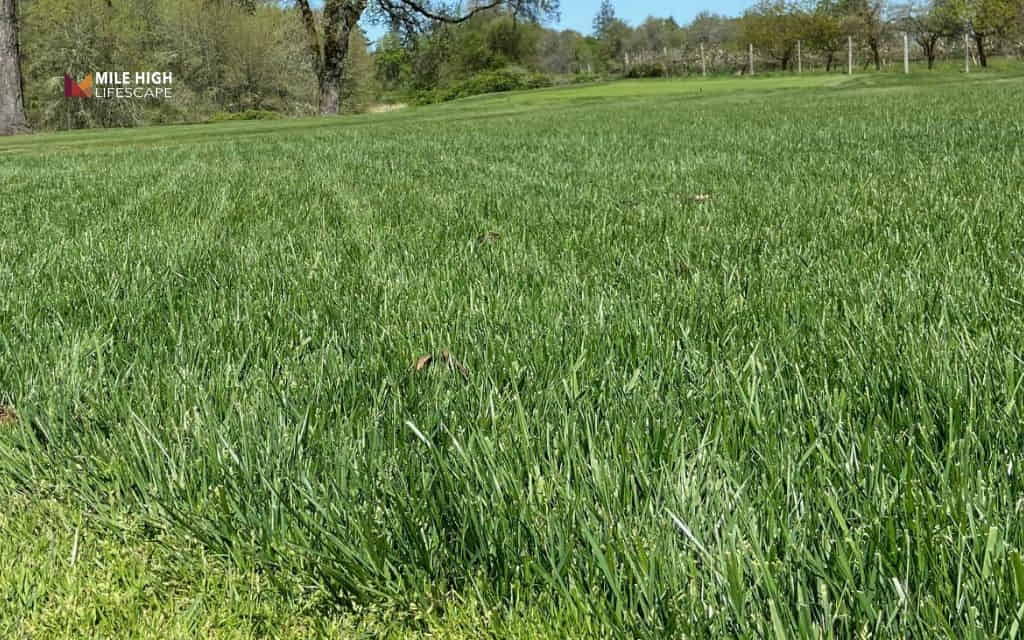
Tall fescue anchors most Tennessee lawns and remains the most widely planted grass statewide. It grows in a bunch-type habit rather than spreading by runners, giving it a coarser texture than bluegrass. University of Tennessee Extension notes it tolerates moderate drought and shade and adapts to many soil types.
Tall fescue does not spread on its own, so bare patches need reseeding rather than natural fill-in. Overseeding every fall keeps the stand thick, and the grass rewards that upkeep by staying green through winter while warm-season neighbors turn brown.
Kentucky bluegrass
Kentucky bluegrass spreads through rhizomes, forming a dense, self-repairing sod that fills in bare spots, something tall fescue cannot do. That habit makes it a popular blend partner, combining the fescue’s heat tolerance with the bluegrass’s ability to knit turf back together after damage.
Kentucky bluegrass prefers full sun and performs best in the cooler uplands of East Tennessee, where summer heat stress is less severe. It needs more water and fertility than tall fescue to look its best, so homeowners choosing bluegrass as a standalone lawn should plan for a higher maintenance schedule.
Fine fescue
Fine fescue covers the shade gap that most other Tennessee turfgrasses cannot fill. University of Tennessee Extension singles it out for its high shade tolerance, well above tall fescue or bluegrass, which makes it the default choice for lawns shaded by mature trees.
Its needle-thin blades also tolerate low fertility soil better than the other cool-season species. Fine fescue rarely gets planted alone in Tennessee; instead, it typically shows up blended into cool-season seed mixes to carry the shaded sections of a yard while tall fescue or bluegrass handles the sunny areas.
Bermudagrass
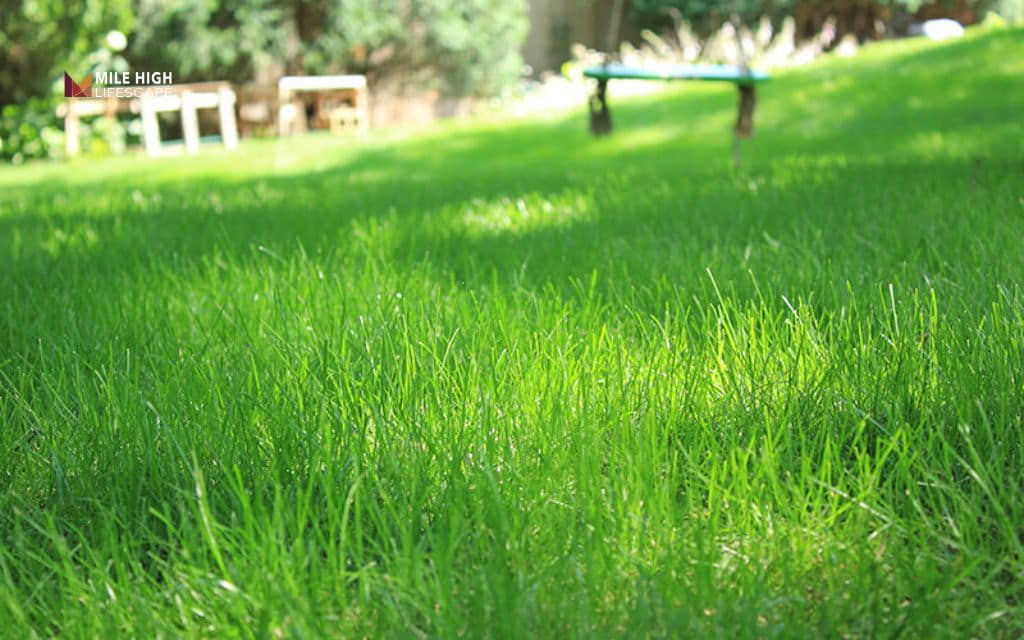
Bermudagrass is the warm-season workhorse of choice for full-sun, high-traffic yards across the warmer parts of the state. It spreads aggressively by both surface stolons and underground rhizomes, filling in damage quickly and standing up to heavy foot traffic better than any other Tennessee lawn grass.
That same aggressive growth means Bermudagrass needs full sun and thins out badly in shade. It can creep into flower beds and neighboring lawns if left unchecked, and it browns completely for a long winter dormancy.
University of Tennessee Extension notes it can be overseeded with perennial ryegrass for winter color. In the coldest parts of East Tennessee, Bermudagrass risks winter kill.
Zoysiagrass
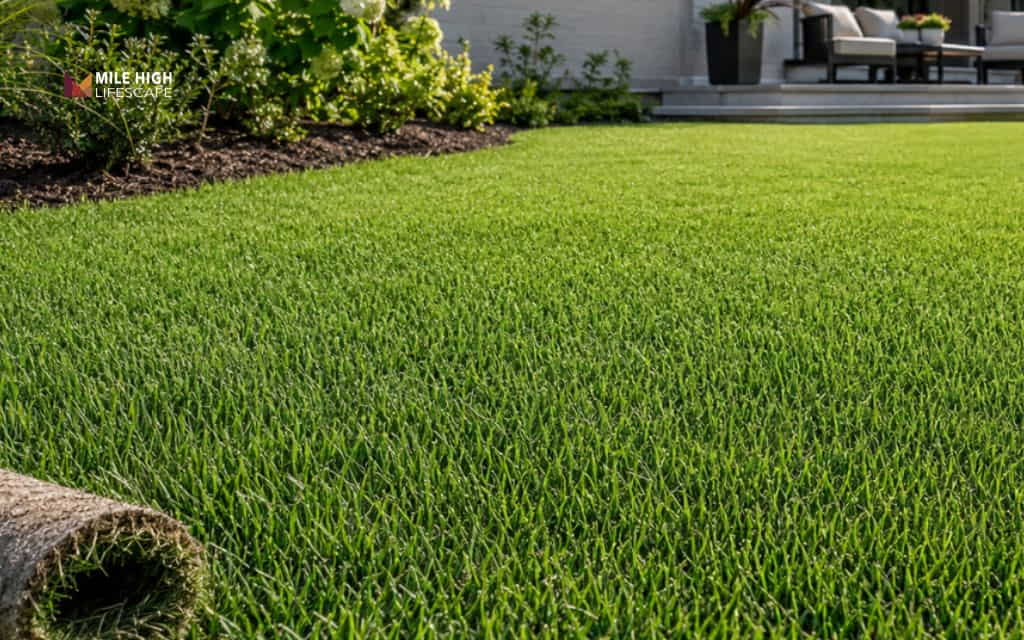
Zoysiagrass forms one of the densest, most weed-resistant lawns available in Tennessee, with a tight carpet-like texture that many homeowners compare to a putting green. Improved cold-hardy varieties have pushed its range further into Middle Tennessee than most other warm-season grasses can reach.
It tolerates light shade better than Bermudagrass and needs less fertilizer once established. The tradeoff is speed: zoysiagrass establishes slowly, often taking a full season to fill in from seed or plugs, and it goes tan through winter like other warm-season grasses.
Centipedegrass
Centipedegrass fills a narrow but growing role in the warmest corner of the state. University of Tennessee Extension notes it is gaining popularity in West Tennessee, where the climate runs closest to conditions in the Deep South.
It grows slowly and asks for little fertilizer or mowing, appealing to homeowners who want a low-input lawn. Its light apple-green color stands out from the darker greens of fescue or zoysia. It remains the least cold-hardy grass here, so it fits West Tennessee, not the whole state.
Perennial ryegrass
Perennial ryegrass plays a supporting role rather than serving as a permanent Tennessee lawn on its own. It germinates and establishes faster than any other cool-season grass, which makes it useful for quick erosion control or for overseeding Bermudagrass to add winter color while it sits dormant.
Its cold sensitivity and comparatively low drought tolerance keep it from working well as a stand-alone lawn through a full Tennessee year. Most homeowners encounter it blended into cool-season seed mixes or used as a temporary nurse grass rather than planted by itself.
Which grass grows best in your part of tennessee
West tennessee
West Tennessee, including Memphis and the Gulf Coastal Plain, runs the warmest and most humid of the three regions. University of Tennessee Extension notes that Bermudagrass, centipedegrass, and zoysiagrass varieties suit well-drained, full-sun sites here better than anywhere else in the state. Tall fescue still holds up in shaded yards where warm-season grasses struggle.
Middle tennessee
Middle Tennessee, centered on Nashville, the Highland Rim, and the Central Basin, sits in a genuine overlap zone. Cool-season tall fescue and Kentucky bluegrass grow well here, and so do cold-tolerant Bermudagrass and zoysiagrass varieties in full sun, giving homeowners in this region the widest range of workable choices.
East tennessee
East Tennessee, including Knoxville and the surrounding mountains and valleys, runs the coolest and highest in elevation. University of Tennessee Extension generally recommends cool-season grasses here and warns that warm-season species risk winter kill during severe cold snaps in the Blue Ridge foothills, which makes tall fescue, fine fescue, and Kentucky bluegrass the more reliable long-term choices.

Choosing the right grass for your yard’s conditions
No single grass wins outright in Tennessee, so the better question is which one fits your yard’s specific conditions. The table below breaks the choice down by the factor that usually matters most to homeowners:
| Priority | Recommended grass | Why it fits |
| Full sun | Bermudagrass or zoysiagrass | Both perform best without shade interference and handle heat well |
| Shade | Fine fescue or tall fescue | Highest shade tolerance among Tennessee turf species |
| Summer heat | Bermudagrass | Grows fastest and holds color best through peak summer temperatures |
| Lower maintenance | Zoysiagrass or centipedegrass | Slower growth means less mowing and lower fertility needs |
| Cool-season option | Tall fescue | Broadest adaptability and the most widely planted cool-season grass in the state |
| Warm-season option | Zoysiagrass | Cold-hardier range and denser turf than Bermudagrass, with lower upkeep |
When to plant grass in tennessee
Timing depends entirely on which category of grass gets planted. University of Tennessee Extension identifies late August through mid-October as the ideal window for seeding cool-season grasses like tall fescue, Kentucky bluegrass, and fine fescue, since soil stays warm enough for germination while cooler air temperatures reduce stress on new seedlings. Seeding any later risks young grass not developing enough root mass before winter arrives.
Warm-season grasses follow the opposite calendar. University of Tennessee Extension places the planting window for Bermudagrass, zoysiagrass, and centipedegrass between May 1 and June 30, once soil temperatures have warmed enough to support active growth. Planting warm-season grass outside this window slows establishment and leaves the lawn more vulnerable heading into its first winter.
Conclusion
Types of grass in Tennessee vary by region, sun exposure, and maintenance goals, not by a single winner. Matching a lawn to these conditions from the start sets it up for lasting, low-stress success.
Choosing the right grass type is only the first step. Getting it installed, seeded, and maintained correctly is what actually determines whether a lawn thrives.
If you’re in the Denver Metro area and want that same climate-matched approach applied to your own yard, Mile High Lifescape‘s lawn care services can help you start with the right grass for your property and keep it looking its best all season. Call (303) 877-9091 to get started.
Frequently asked questions (FAQs)
What is the most common grass in tennessee?
Tall fescue is the most common grass in Tennessee. University of Tennessee Extension lists it as a primary cool-season species, and its wide soil adaptability and year-round green color make it the default lawn grass across most of the state.
What is the best grass for shade in tennessee?
Fine fescue holds the strongest shade tolerance among Tennessee turf species, according to University of Tennessee Extension. Tall fescue also handles moderate shade reasonably well, which is why the two often get blended into the same seed mix for yards with mixed sun exposure.
Can bermudagrass survive winter in tennessee?
Bermudagrass survives winter across most of Tennessee by going fully dormant and turning brown until spring. In the coldest parts of East Tennessee, however, it risks winter kill during severe cold snaps, which is why University of Tennessee Extension generally favors cool-season grasses in that region.
What is the best grass seed for tennessee lawns?
No single grass seed works best for every Tennessee lawn, since the right choice depends on sun exposure, region, and maintenance preference. Tall fescue seed suits most sunny to partly shaded yards statewide, while Bermudagrass or zoysiagrass seed fits full-sun yards in the warmer western and middle parts of the state better.
Can you mix cool-season and warm-season grass in the same yard?
Mixing the two categories in the same continuous lawn area is not recommended, since they green up and go dormant on opposite schedules and create a patchy, inconsistent appearance. Keeping cool-season and warm-season zones separate, such as a fescue front yard and a Bermudagrass backyard with more sun, works better than blending them together.
When should grass be seeded in tennessee?
Cool-season grass seed goes down between late August and mid-October, and warm-season grass seed, plugs, or sprigs go down between May 1 and June 30, according to University of Tennessee Extension. Matching the planting window to the grass category gives new turf the best chance to establish before the next season change.