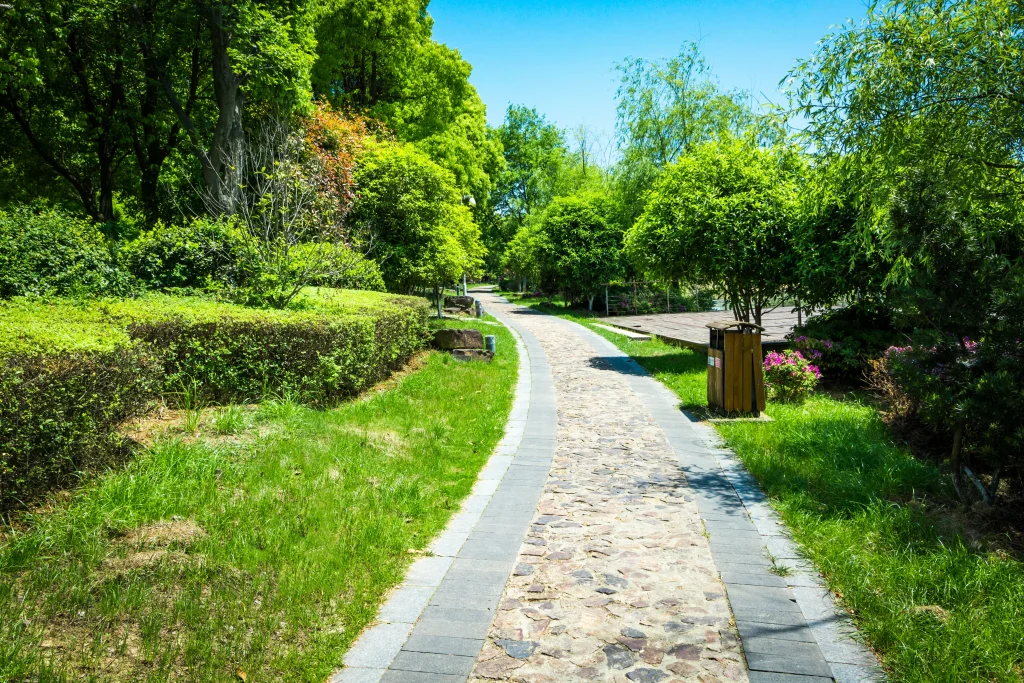
Winter hardy succulents survive freezing temperatures, snow, and months of dormancy without any greenhouse or indoor protection. Hardiness is not a fixed trait. Cold tolerance shifts by species, hardiness zone, and drainage, so one succulent that shrugs off subzero nights in Minnesota can rot within weeks in a wetter, milder climate. Matching the right plant to the right conditions separates a garden that carries color through winter from one that needs replanting every spring.
What makes a succulent winter hardy
Winter hardy succulents are physiologically different from the succulents commonly sold as houseplants. Genuinely hardy species tolerate ice forming in their tissue, or they pull water out of their cells before a freeze so ice forms in the spaces between cells instead of inside them, preventing the cell walls from rupturing. Tender succulents, including most Echeveria, Aeonium, and Kalanchoe, lack this adaptation and turn to mush at the first hard frost.
Cold hardy succulent plants also tend to grow lower and flatter in winter, pulling moisture down into a compact crown or root system rather than holding it in exposed leaves. This is why species like Sempervivum and hardy Sedum flatten or blush red as temperatures drop, while Opuntia pads visibly wrinkle.
Winter hardy succulents for cold climates
Hens and chicks (Sempervivum tectorum)
Hens and chicks form tight rosettes of fleshy leaves that multiply into dense colonies within a season or two. This hardy succulent tolerates temperatures down to roughly -40°F and holds its color through snow cover in zone 3 through 8. Full sun and sharp drainage keep rosettes compact; too much moisture causes rot. Established colonies self-propagate through offsets, making hens and chicks a reliable choice for rock gardens, green roofs, and stone wall crevices.
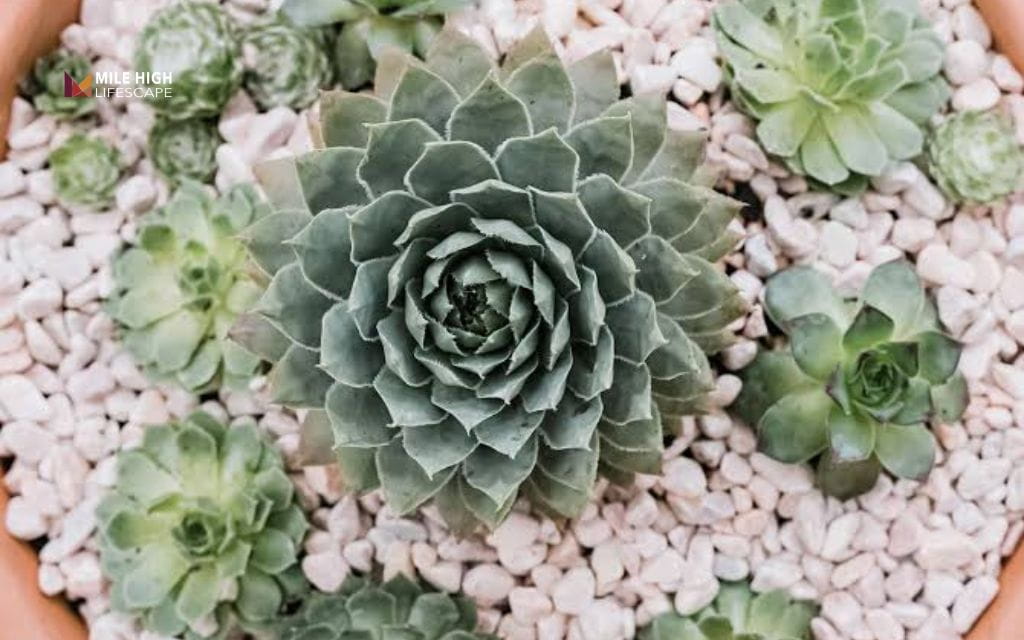
Cobweb hens and chicks (Sempervivum arachnoideum)
Cobweb hens and chicks get their name from fine white webbing across each rosette, which traps moisture and reflects intense sun at high elevation. Rosettes stay small, one to three inches wide, and multiply into cushion-like mats. Cold tolerance runs to about -30°F, placing this species in zone 4 through 8. Gardeners wanting texture at the edge of a container or trough often choose this variety over plain-leaved Sempervivum tectorum.
Hardy globe hens and chicks (Jovibarba heuffelii)
Jovibarba heuffelii looks similar to Sempervivum, but rosettes divide from the center rather than sending offsets on runners, producing tighter clumps over time. Leaf color ranges from green to burgundy depending on sun and season. Hardy to roughly -30°F, this species suits zone 4 through 8 and pairs well with true hens and chicks. Drainage matters more than fertility; rich, moisture retentive soil shortens its life span.
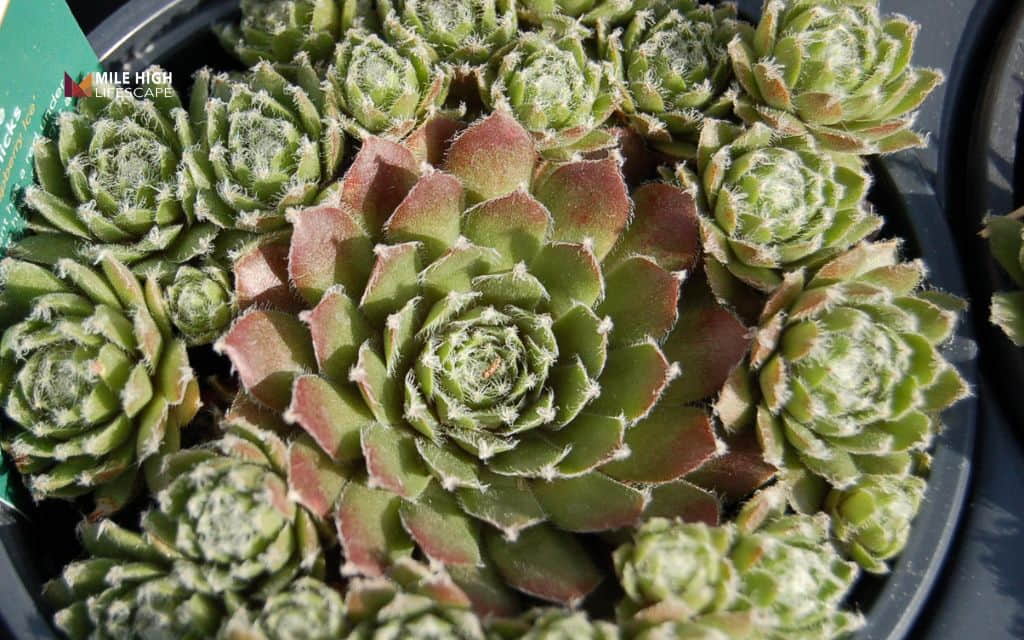
Dragon’s blood stonecrop (Sedum spurium)
Dragon’s blood stonecrop spreads into a low, dense mat of reddish green leaves that darken to deep maroon once temperatures drop. It roots along the stem as it spreads, making it one of the more effective low growing succulent plants for erosion control on slopes. Cold hardiness reaches roughly -40°F across zone 3 through 9. Full sun brings out the strongest color, though the plant tolerates light shade without significant dieback.
Goldmoss stonecrop (Sedum acre)
Goldmoss stonecrop forms a carpet of tiny, bead-like leaves only two to four inches tall, spreading aggressively wherever soil stays dry and sunny. Yellow star-shaped flowers cover the mat in early summer. Hardiness extends to about -40°F, and the species thrives from zone 3 through 8 with almost no supplemental water once established. Because it spreads readily by rooting stem fragments, this stonecrop works best in contained spaces like gravel paths or between pavers rather than mixed borders.
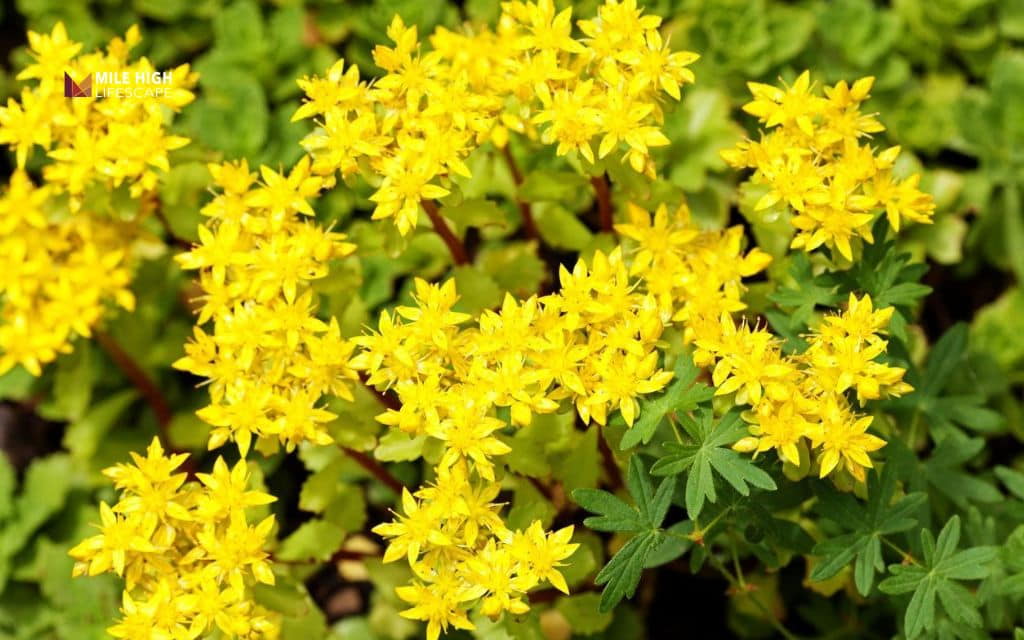
Blue spruce stonecrop (Sedum reflexum)
Blue spruce stonecrop earns its name from needle-like, blue-gray foliage that resembles a miniature conifer. Trailing stems reach four to six inches tall and root wherever they touch soil, forming a slow, tidy mat. This cold tolerant succulent survives to roughly -30°F and holds its color through winter in zone 3 through 8. Pairing it with darker-leaved sedums or sempervivums creates strong visual contrast in a rock garden or succulent trough.
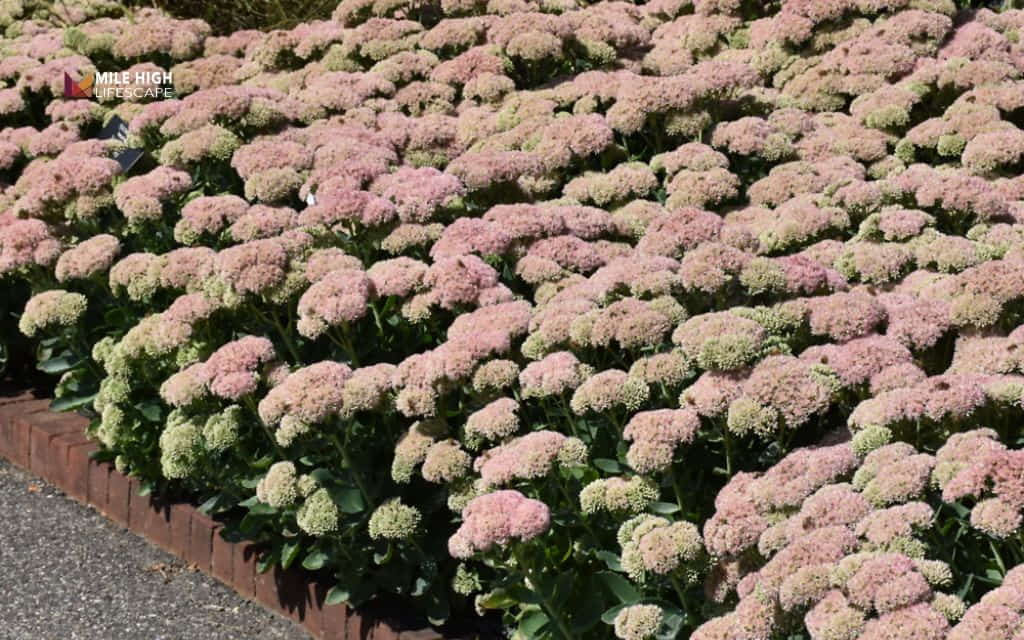
Autumn joy stonecrop (Hylotelephium ‘Autumn Joy’)
Autumn joy stonecrop grows upright rather than trailing, reaching eighteen to twenty four inches with fleshy, gray green leaves and flower heads that shift from pink to rust through fall. Bees and butterflies rely on these late season blooms. Hardy to about -40°F across zone 3 through 9, this succulent anchors the back of a border rather than serving as groundcover. Leave dried flower heads standing through winter for texture and bird seed.
Chinese dunce cap (Orostachys spinosa)
Chinese dunce cap forms small, pointed rosettes that multiply into tight clusters, each parent rosette flowering once and dying back while offsets carry the colony forward. Cold tolerance reaches roughly -20°F, suiting zone 4 through 9 with well drained soil. Compact size, two to four inches, suits troughs and rock garden crevices alongside sempervivums. Rich soil or standing water shortens its life span more than cold does.
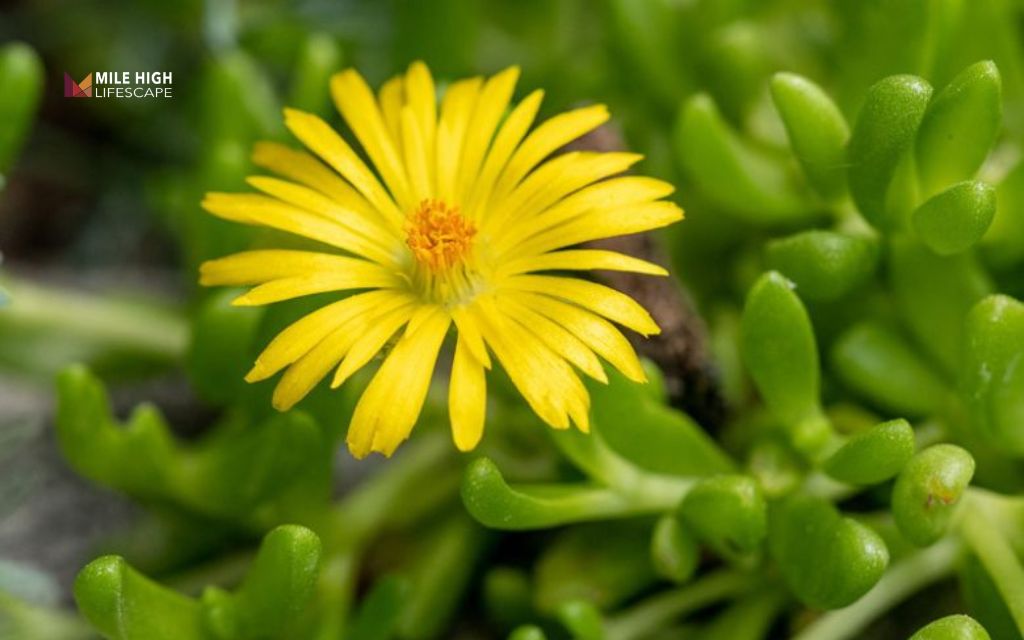
Hardy yellow ice plant (Delosperma nubigenum)
Hardy yellow ice plant spreads into a dense, low mat of tiny triangular leaves that turn reddish bronze in cold weather. Bright yellow flowers open across the mat in late spring. Among Delosperma species, this one carries the strongest cold tolerance, surviving to roughly -20°F to -30°F in zone 4 through 9. Bone dry winter soil matters as much as the cold rating; standing water during a freeze kills it faster than temperature alone.
Hardy purple ice plant (Delosperma cooperi)
Hardy purple ice plant produces vivid magenta flowers through summer and fall over succulent, finger-like foliage that spreads twelve to eighteen inches wide. It tolerates temperatures down to about -20°F when planted in sharply drained soil, placing it in zone 5 through 9. This drought tolerant succulent thrives in gravelly or sandy soil and struggles in clay unless the bed is amended or raised. Full sun brings the heaviest bloom and the best winter survival.
Eastern prickly pear cactus (Opuntia humifusa)
Eastern prickly pear cactus spreads low and wide, with flattened pads that wrinkle against the ground in cold weather as a natural frost response. Bright yellow flowers appear in early summer, followed by edible reddish fruit. Cold hardiness reaches roughly -20°F to -25°F across zone 4 through 9, making it a widely adaptable cold hardy succulent native to the eastern and central United States. Sharp drainage is non-negotiable; standing water rots the pads within days.
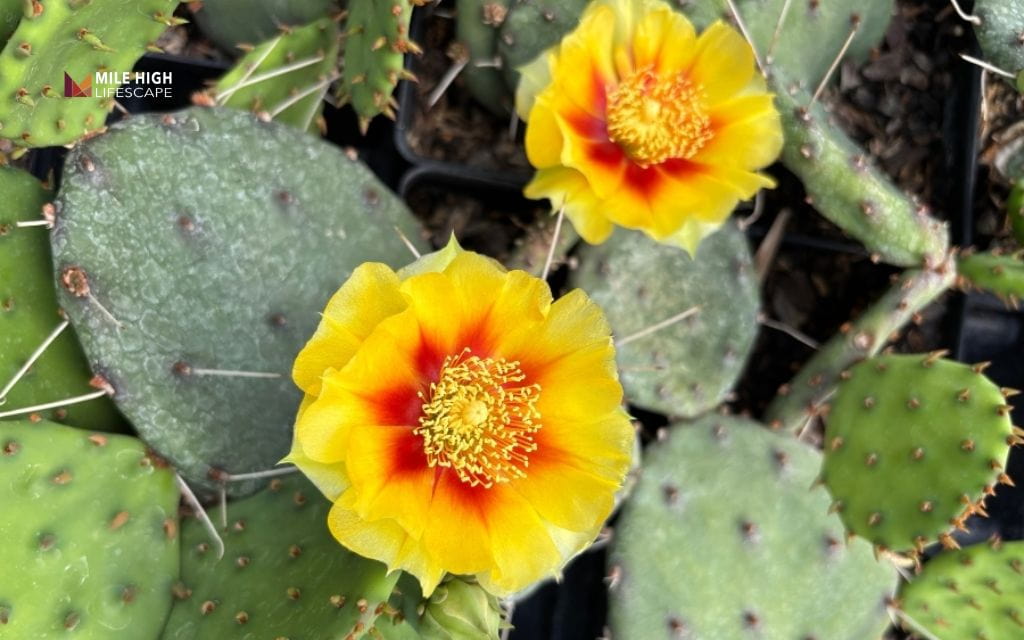
Brittle prickly pear cactus (Opuntia fragilis)
Brittle prickly pear cactus holds the record among cold hardy succulents for sheer cold tolerance, surviving reported lows near -30°F or colder across the northern Great Plains and into Canada. Small, oval pads detach easily at the joints, helping the plant spread by rooting wherever a pad lands. Mature height stays under four inches, suiting gravel mulch or rock garden crevices. Bone dry, gritty soil is essential to its survival.
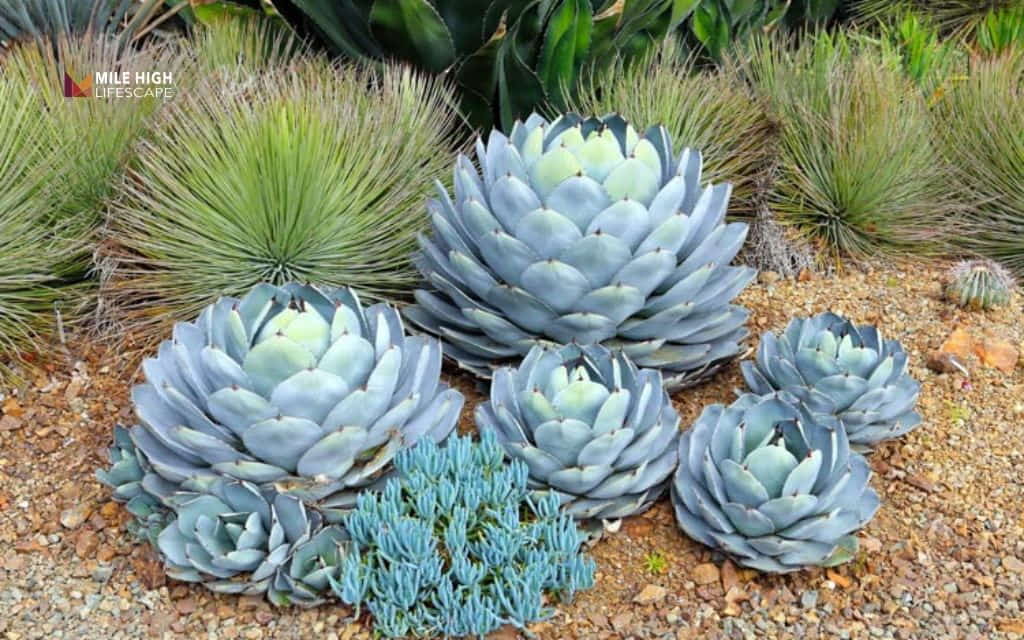
Parry’s agave (Agave parryi)
Parry’s agave forms a symmetrical rosette of thick, silver-blue leaves tipped with dark spines, reaching twelve to twenty four inches across at maturity. Cold tolerance extends to about -20°F, placing it in zone 5 through 9 with excellent drainage. This succulent grows slowly and can take a decade to reach flowering size, then sends up a tall bloom stalk and dies, leaving offsets behind. Rocky, lean soil suits it better than rich garden beds.
Adam’s needle yucca (Yucca filamentosa)
Adam’s needle yucca forms a stiff rosette of sword-shaped leaves edged with curling white filaments, growing two to three feet wide with a flower spike reaching five to six feet. Cold hardiness extends to roughly -30°F across zone 4 through 10, and evergreen foliage holds its structure through the coldest months. Established plants tolerate heavier soil better than most on this list, though drainage still helps. Its bold form makes a natural focal point in a xeriscape bed.
Soapweed yucca (Yucca glauca)
Soapweed yucca grows as a low clump of narrow, gray green leaves rarely more than two to three feet tall, native to the shortgrass prairies and high plains of the central United States. Cold hardiness ranks among the highest of any yucca, surviving well below -30°F across zone 3 through 10. Creamy white flowers open on tall spikes in early summer. Its deep taproot and minimal water needs suit erosion control and low maintenance landscaping on windy sites.
Winter care for outdoor succulents
Even the most cold hardy succulent plants fail in winter for reasons that have nothing to do with temperature. Getting these fundamentals right turns a list of winter hardy succulents into an established planting that needs almost no attention after the first year.
- Soil and drainage. Cold, saturated soil rots roots and crowns faster than any cold snap. Amend heavy soil with coarse sand or gravel, or plant in raised beds, to keep the root zone well drained.
- Watering through the dormant season. Outdoor succulent plants need almost no water once temperatures drop. Water only during dry, above freezing stretches, and never when the ground is frozen.
- Containers versus in-ground planting. Containers freeze faster than garden soil, so use frost proof pottery and choose a species rated one zone hardier. In-ground planting stays the more reliable option for winter hardy succulents in colder zones.
- Protecting plants from extreme cold. Established, correctly zoned succulents rarely need protection. Mulch with gravel rather than organic material, and cover with frost cloth only during an unusually severe cold snap.
Conclusion
Winter hardy succulents reward gardeners who match species to climate and prioritize drainage over convenience. The right picks survive freezing winters with almost no irrigation once established, so most homeowners can build a lasting succulent bed instead of replanting every spring.
Denver’s semi-arid climate and heavy clay soils make drainage the deciding factor for any outdoor succulent planting. Mile High Lifescape designs xeriscape beds through its landscape design and build service and corrects standing water and poor grading through drainage solutions, so newly planted succulents establish in soil built to survive a Front Range winter. Call (303) 877-9091 to start a project.
Frequently asked questions (FAQs)
Do winter hardy succulents need protection?
Established succulents rated for the local hardiness zone generally need no winter protection. Plants pushed one zone colder than their rating, or newly planted specimens in their first winter, benefit from a loose mulch of gravel and a sheltered site.
Can succulents survive under snow?
Snow cover often helps rather than harms cold hardy succulents, acting as natural insulation that keeps soil temperature more stable than bare, exposed ground. The bigger risk comes from snowmelt pooling around the crown, which is why drainage matters even in winter.
What is the most cold hardy succulent?
Brittle prickly pear cactus and several Sempervivum varieties rank among the hardiest succulents available, with documented survival well below -30°F in their native ranges across the northern Great Plains and Canada.
Should containers be moved indoors for winter?
Containers holding tender or marginally hardy succulents should come indoors or into an unheated garage before the first hard freeze. Containers planted with species rated at least one zone hardier than the local climate, true winter hardy succulents rather than marginal ones, can often stay outside with a sheltered placement.
What kills succulents in winter, cold or moisture?
Moisture combined with cold causes far more losses than cold alone. Saturated, poorly drained soil freezes around the roots and crown, cutting off oxygen and causing rot that a well drained bed would never experience at the same temperature.
Can hardy succulents grow in part shade?
Most winter hardy succulents perform best in full sun, which also strengthens the plant’s cold tolerance going into winter. Some species, including Jovibarba and some Orostachys, tolerate part sun, but flowering and cold hardiness both decline in heavier shade.