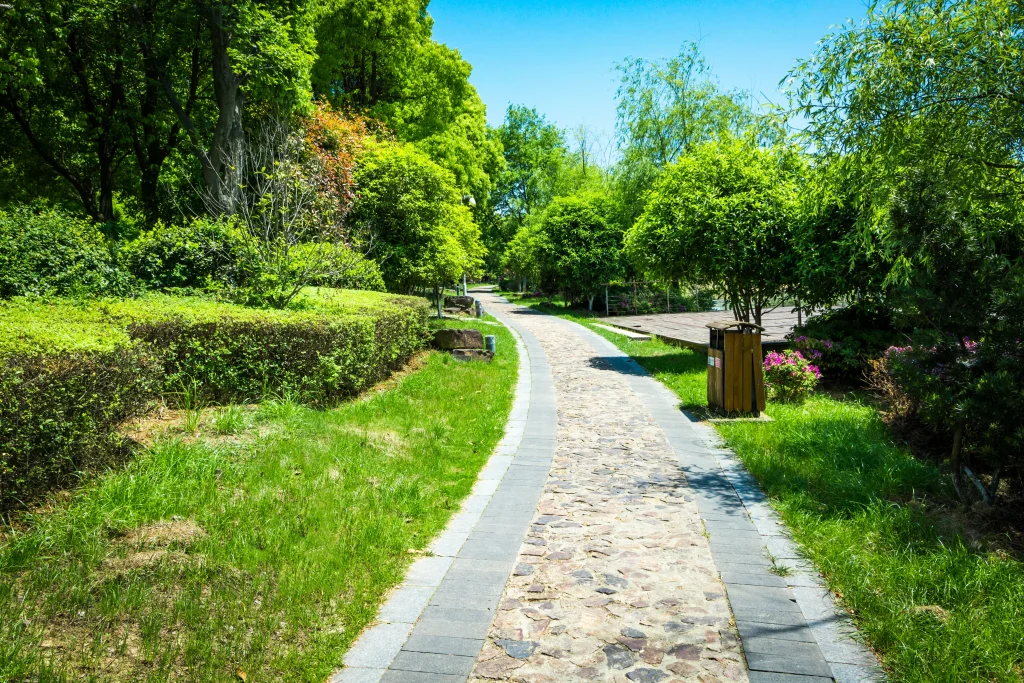
Trees do more for a property than most homeowners realize. They cool the house, anchor the soil, frame the view, and lift the value of the land they stand on. Left alone, a tree grows into whatever shape its surroundings allow, and that shape rarely suits your roof, your driveway, or your kid’s swing set. Storms, drought, wind, and seasonal stress all put real pressure on a tree’s structure: a neglected canopy can snap under a heavy storm, crowd out the lawn beneath it, or drop a heavy limb on a parked car. Regular trimming is what keeps a tree protecting your property instead of threatening it.
This guide breaks down the benefits of trimming trees for homeowners, property managers, and anyone responsible for a yard. It covers what trimming does for tree health, what it does for the rest of your landscape, when removal makes more sense than trimming, and the warning signs that tell you it’s time to act.
What is tree Trimming?
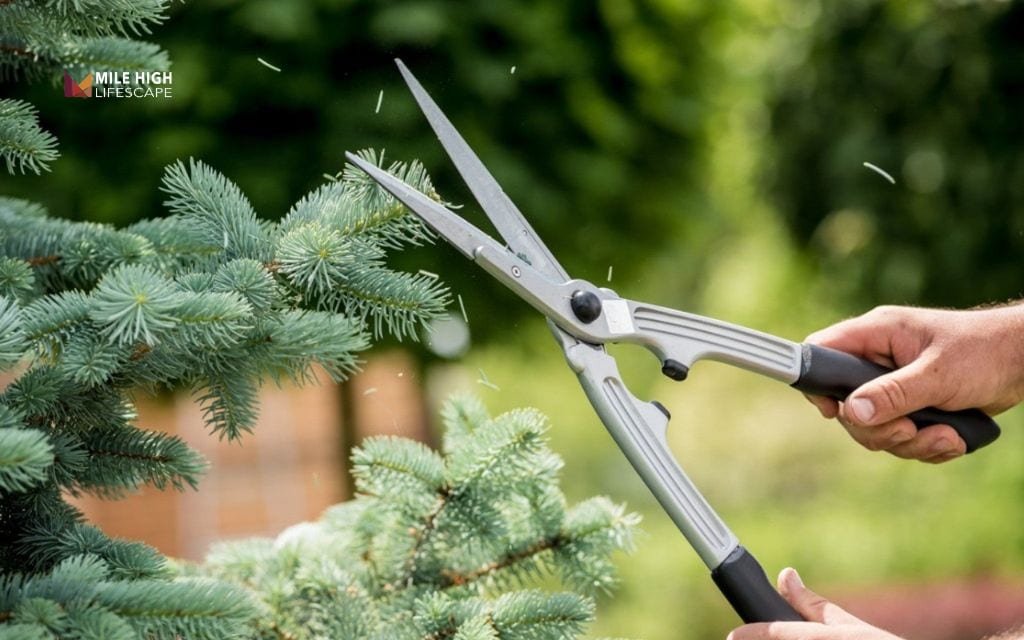
Tree trimming is the deliberate removal of selected branches to shape the canopy, clear space, or improve safety. Tree pruning is the same act with a health focus: removing dead, diseased, crossing, or weak limbs so the tree spends its energy on the parts that matter. Most homeowners use the words interchangeably, and that’s fine. The work itself follows a few core methods.
Crown cleaning removes dead, dying, and broken branches. It’s the most common form of routine care and the lowest-risk type of work. Crown thinning takes out selected live branches to let light and air pass through the canopy. Crown raising lifts the lower canopy by cutting back the bottom branches, usually to clear a walkway, driveway, or sightline. Crown reduction shortens the overall height or spread of the tree when it’s outgrown its space, and it requires careful judgment to avoid weakening the structure.
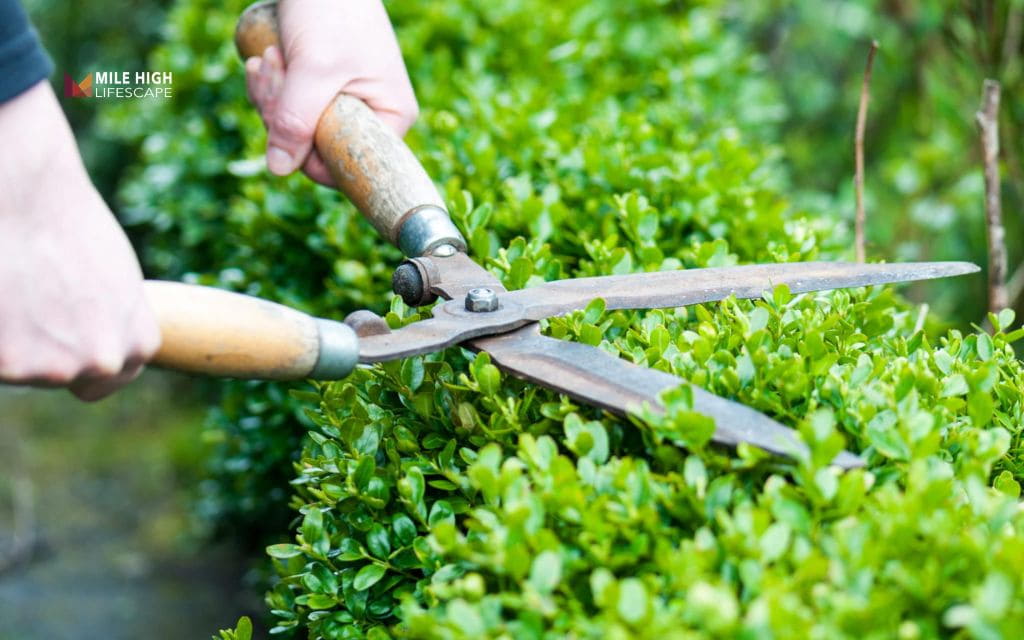
8 benefits of trimming trees you should know
Stronger structure and better storm resistance
The structural shape a tree carries into adulthood is largely set by the cuts it receives in its first ten to fifteen years. Co-dominant stems, narrow branch unions, and crossing limbs become permanent weak points if left in place. When a heavy storm hits, those weak points are where the tree breaks. Structural pruning early in a tree’s life builds a single dominant leader, well-spaced scaffold branches, and a balanced canopy that handles wind and snow load.
On mature trees, removing heavy end-weight from long lateral branches reduces the leverage that snaps limbs during high winds. Property owners who invest in structural pruning see far fewer storm calls, which makes storm resistance one of the most measurable benefits of trimming trees on any property.
Healthier growth and a longer lifespan
A tree’s leaves are its food factory. Every healthy leaf converts sunlight into the sugars the tree uses to grow, defend itself, and recover from stress. When you remove dead wood, broken limbs, and crowded interior branches, the tree redirects energy to the canopy that’s actually producing food. Growth becomes steadier, leaves come in fuller, and the tree’s defenses against pests and drought improve.
This is one of the clearest benefits of trimming trees: regular, light maintenance keeps a tree healthier than heavy emergency cuts every few years. Standard practice calls for removing dead or dying branches, rubbing branches, and branch stubs, while topping should be avoided because it produces weak regrowth and lasting health problems.
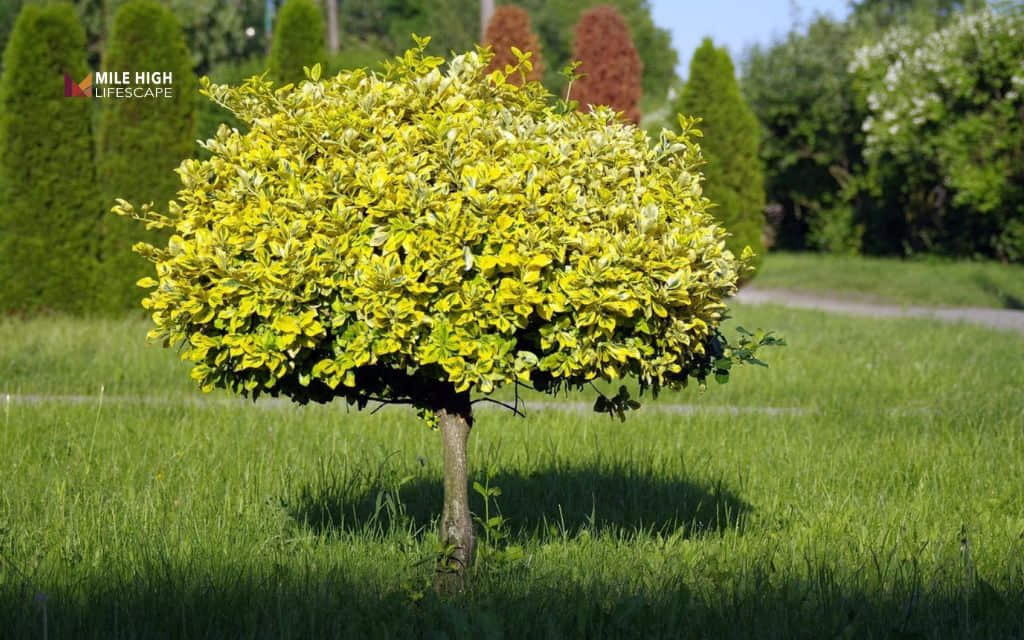
Lower risk of property damage
Dead branches don’t announce when they’re going to fall. They come down during the next storm, the next gust, or a hot summer afternoon with no warning at all. Limbs over the roof can puncture shingles, damage gutters, and crack skylights. Branches near the driveway can drop on parked vehicles. Roots and low limbs near the foundation create maintenance problems that compound year over year.
Routine trimming removes the loose, dying, and overextended wood before it falls. The cost of a scheduled trim is almost always lower than the deductible on the insurance claim it prevents.
Better sunlight and airflow across your yard
A dense canopy shades out the grass, garden beds, and smaller plants underneath. A dark patch under a mature maple or oak can mean bare dirt by midsummer.
Crown thinning lets filtered sunlight reach the lawn and lets air move through the canopy. The grass holds up better. The roses bloom better. The tree itself dries faster after rain, which lowers the chance of fungal disease in the leaves. Among the benefits of trimming trees, this one extends furthest beyond the tree itself, since it improves the health of every plant growing nearby.
Disease and pest control
Many tree problems start small and stay manageable as long as the infected wood comes out early. Canker, blight, and beetle damage all spread through the canopy if left in place.
A trained eye can spot the early signs during a routine trim and remove the affected wood before the infection moves to healthy tissue. Sterilized cuts and proper cut placement at the branch collar speed healing and limit the entry points for pathogens. Skipping trimming for several years often turns a treatable problem into a removal, which is why disease control ranks among the more underrated benefits of trimming trees.
Improved curb appeal and property value
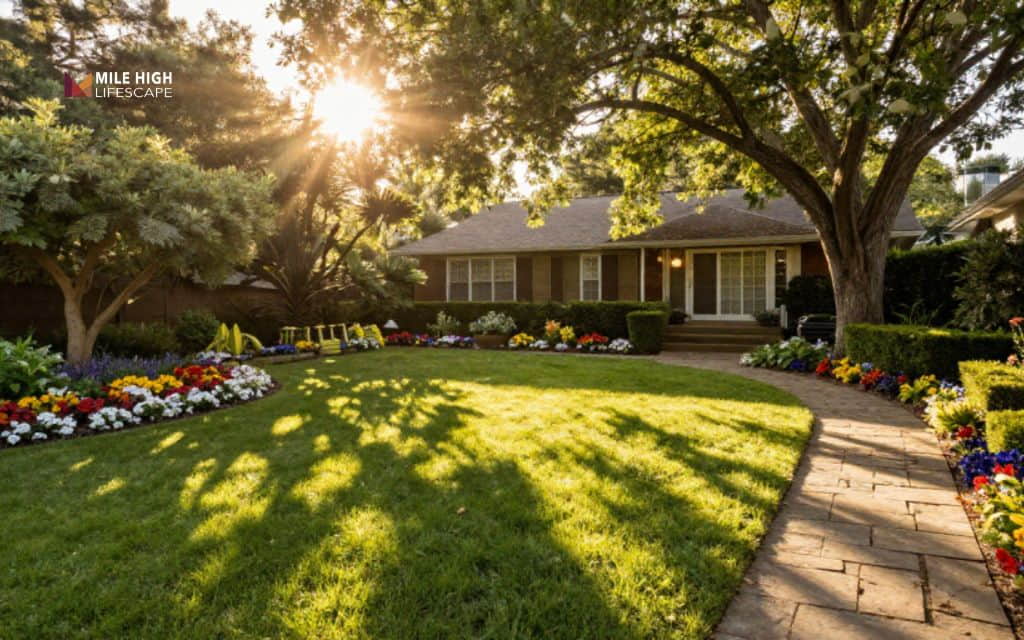
Well-shaped, healthy trees are one of the strongest visual cues that a property is cared for. A balanced canopy frames the house, opens up the front lawn, and signals quality to buyers and neighbors.
Some studies estimate that mature, well-maintained landscaping can add up to 19% to a property’s value. Overgrown or misshapen trees do the opposite. They make the yard look neglected even when the lawn is perfect. For homeowners thinking about selling, a single thoughtful round of trimming often delivers more visible improvement than any other landscape investment.

Safer clearance around homes, walkways, and power lines
Tree trimming benefits the spaces around the tree as much as the tree itself. Branches scraping the siding wear down paint and trap moisture against the wall. Limbs over a walkway force people to duck. Branches touching a roofline give squirrels and raccoons a bridge into the attic. Limbs near power lines create a fire and outage risk and, in many municipalities, a code violation.
Crown raising, lateral reduction, and targeted clearance cuts solve all of these problems without harming the tree’s structure. Anything within ten feet of a power line, however, is utility-company or licensed-arborist territory and should never be a DIY job.
Lower long-term cost than reactive tree care
The economics favor regular trimming. A mature shade tree replacement can run several thousand dollars once removal, stump grinding, soil prep, and a new tree of meaningful size are factored in. A routine trim every two to four years on a healthy tree costs a small fraction of that.
Insurance deductibles for storm damage, roof repair after a falling limb, and emergency removal after a structural failure all stack on top. Regular maintenance, including inspection, pruning, and mulching, almost always costs less than removing and replacing a mature tree. Taken together, these eight benefits of trimming trees make a strong case for a consistent schedule over reactive, once-in-a-while cuts.
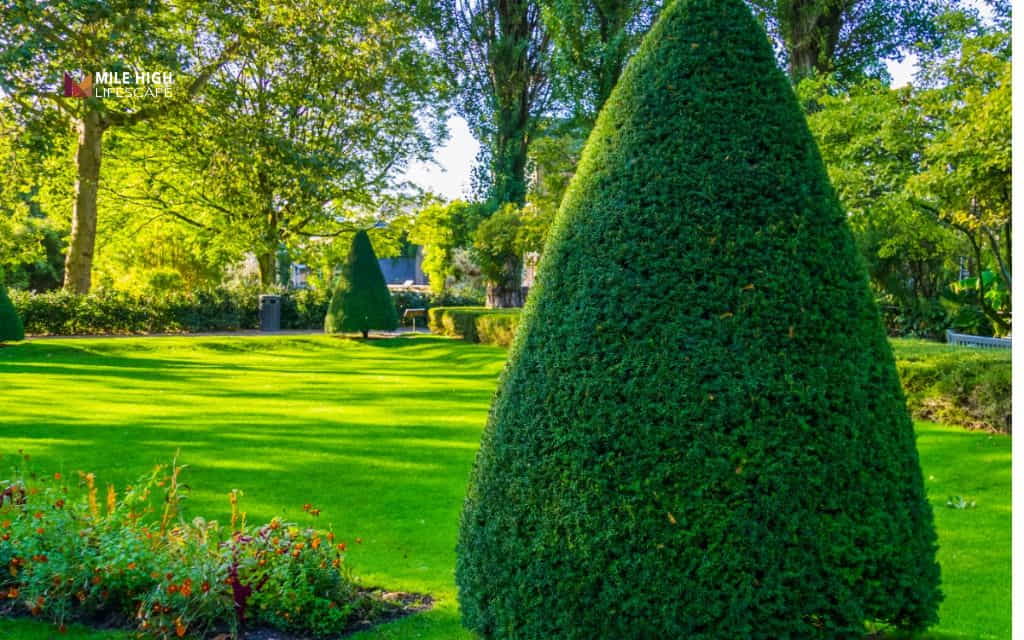
When trimming isn’t enough: Knowing if a tree needs removal
Trimming solves most tree problems. Removal solves the ones it can’t. A tree is a candidate for removal when:
- Canopy loss: More than half the canopy is dead, with bare limbs that show no buds or leaf-out even in the height of the growing season.
- Trunk decay: Soft, crumbling wood, deep cavities, or fungal growth at the base or root flare signal internal rot that weakens the entire structure.
- Sudden lean: The tree shifts noticeably after a storm, or the soil lifts and cracks on one side of the trunk, both signs the root system is failing.
- Root damage: Recent construction, trenching, or excavation has cut major roots, leaving the tree unstable even if the canopy still looks healthy.
- Hazard position: The tree stands close enough to fail onto a house, garage, or power line, where the risk outweighs any benefit trimming alone can provide.
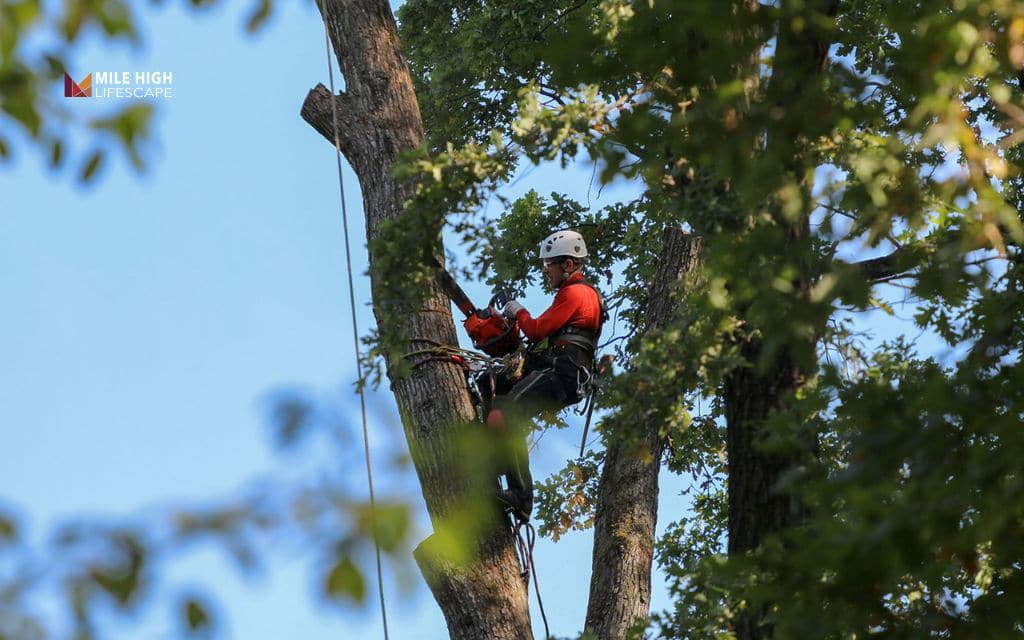
Signs your trees need trimming
A tree is overdue for trimming when it shows any of the following:
- Dead wood: Branches with no leaves during the growing season, especially in the upper canopy.
- Crossing limbs: Branches that rub against each other and wear through bark over time.
- Encroachment: Branches growing toward the house, over the roof, or near power lines.
- Storm damage: Hanging limbs, fresh cracks, or split unions after a storm.
- Trunk warning signs: Long vertical bark loss, mushrooms or conks at the base, or a sudden lean.
Trees that haven’t been touched in five years almost always need work, even when they look fine from the curb. Small, low branches on young trees are manageable for most homeowners. Anything involving a ladder, a chainsaw, a large limb, or work near a power line calls for a trained professional. Mile High Lifescape offers free assessments to help you tell the difference before a small problem becomes an expensive one.
Conclusion
Trimming trees is preventive property care. It protects your home from falling limbs, your landscape from being shaded out, and your wallet from the much larger costs of emergency removal and replacement. It also keeps the tree itself healthier and longer-lived, freeing the rest of the yard to do what it’s supposed to do.
The benefits of trimming trees compound over years of consistent, well-timed work, which is why the smartest schedule is the steady one. For nearly two decades, Mile High Lifescape has served the Denver Metro area with a reputation built on quality, reliability, and genuine care for every property we touch. Whether you need a bush trimming, a structural assessment, or a full landscape transformation, our team is ready to help. Call (303) 877-9091 to get started.
Frequently asked questions (FAQs)
How often should trees be trimmed?
Most mature shade trees benefit from a professional trim every two to four years. Young trees in their first decade should be checked annually for structural pruning. Fruit trees and ornamentals often need yearly attention.
What’s the best time of year to trim trees?
Late winter and early spring, before bud break, is the dormant-season window most species prefer. Dead branches can be removed any time of year, and some species are best avoided during active growing season to limit disease exposure.
Does trimming a tree make it healthier?
Yes, when done correctly. Removing dead, diseased, and crowded branches lets a tree direct its energy toward healthy growth instead of maintaining damaged or unproductive wood. This is one of the most direct benefits of trimming trees, though it only holds if the cuts are proper; heavy-handed or poorly timed trimming can stress a tree instead of helping it.
Can I trim my own trees?
Small branches on small trees, yes. Anything requiring a ladder, a chainsaw, or work near a structure or power line should go to a professional for safety and for the health of the tree.
What’s the difference between trimming and pruning?
The terms overlap. Trimming usually refers to shaping and clearance work. Pruning emphasizes health, structure, and the removal of dead or diseased wood. Both involve the same basic cuts.
Does tree trimming raise property value?
Healthy, well-shaped trees improve curb appeal and can increase property value. Neglected or damaged trees do the opposite. A single round of professional trimming before listing a home often pays for itself.
What happens if you don’t trim trees?
Untrimmed trees develop weak branch unions, dense canopies that block light and airflow, and a buildup of dead wood that increases the risk of breakage. Over time, the tree becomes more vulnerable to disease, storm damage, and structural failure, and any future correction requires more aggressive cuts than routine maintenance would have.