Some trees stand through decades of wind, drought, and freeze without ever leaning. Others topple in a single storm, roots torn loose from soil that never let them dig in. The difference often comes down to one factor homeowners rarely think about until something goes wrong: root depth.
Deep rooted trees anchor themselves below the reach of surface heat and shallow soil disturbance. They draw moisture from layers other trees cannot reach and resist wind in ways shallow rooted species cannot match. This guide explains what deep rooted trees are, how their root systems form, which species grow the deepest, and how to choose one for your yard with confidence.
What are deep rooted trees?
Deeply rooted trees are species that develop a dominant taproot or an extensive system of sinker roots reaching well below the topsoil. Under favorable conditions, these roots extend ten feet, twenty feet, or more beneath the surface. Most tree roots, by contrast, stay within the top three feet of soil regardless of species.
The distinction matters because root depth drives several practical advantages for a property:
- Lower water needs: A taproot reaching ten feet or deeper draws moisture long after surface soil has dried out, reducing the need for supplemental watering once the tree is established.
- Stronger wind resistance: The same depth anchors a tree far more effectively than the shallow, spreading roots found in species like silver maple, lowering the risk of toppling in a storm.
- Slope and erosion control: Roots that spread both deep and outward help stabilize slopes and graded yards, reducing soil washout during heavy rain.
A common myth holds that tree roots mirror the canopy above and stop at the drip line, the point on the ground beneath the outer branches. Roots do not follow this pattern. A taproot on a deeply rooted species can run several times deeper than the canopy is wide, and the most extreme case on record, a wild fig found in Echo Caves, South Africa, reached nearly four hundred feet underground.
How tree root systems actually work
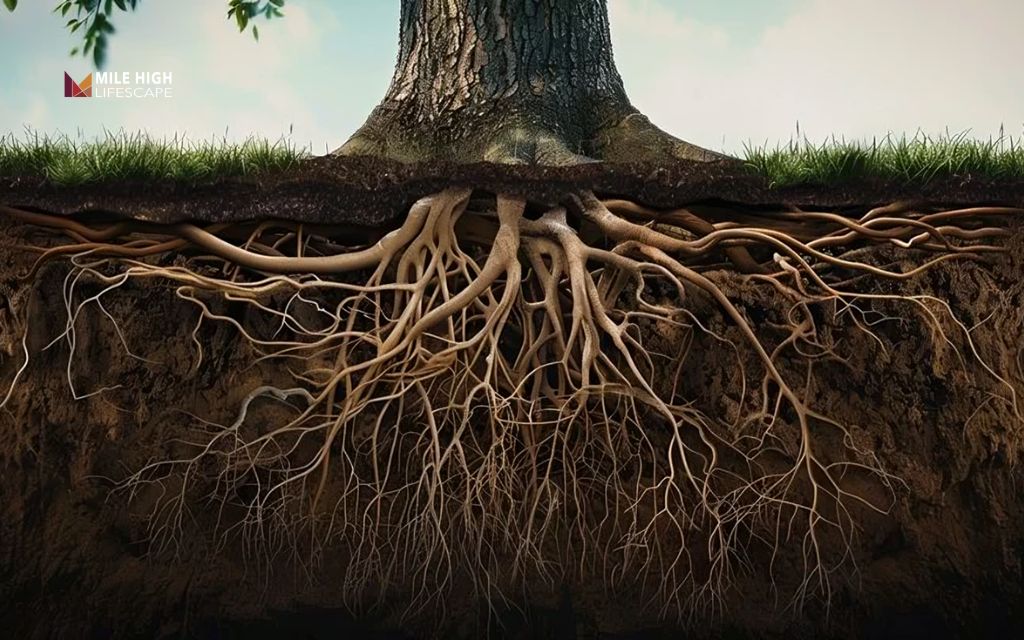
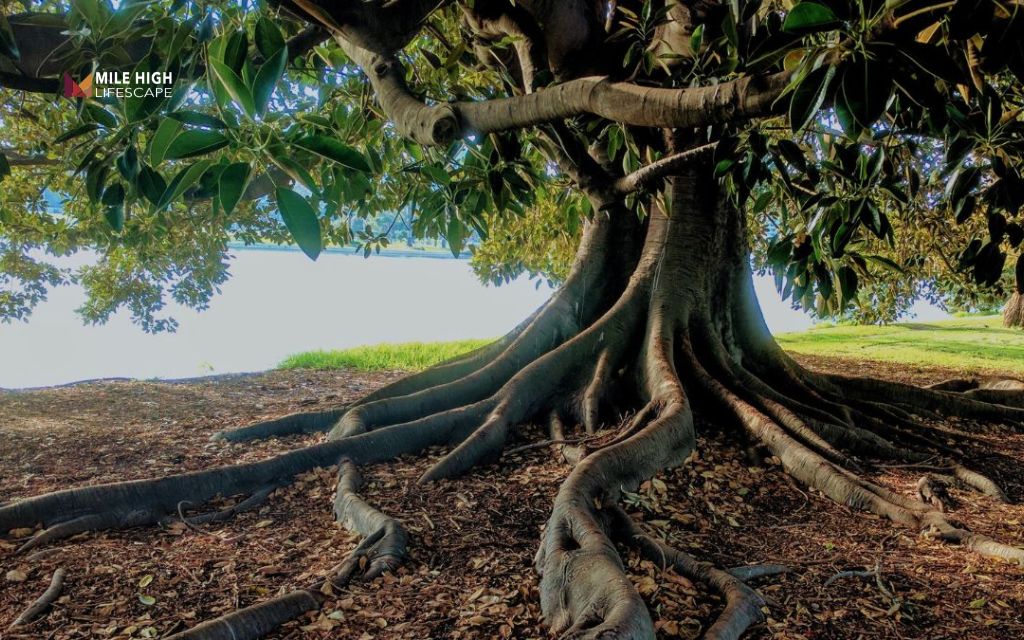
A tree depends on its root system for two jobs: anchoring the trunk against wind, and pulling water, oxygen, and nutrients from the soil. The taproot grows first, emerging from the seed as the tree germinates, and in species built for deep rooting it continues downward for years. Heart roots, also called oblique roots, grow from the trunk base at an angle and add lateral stability as the tree matures.
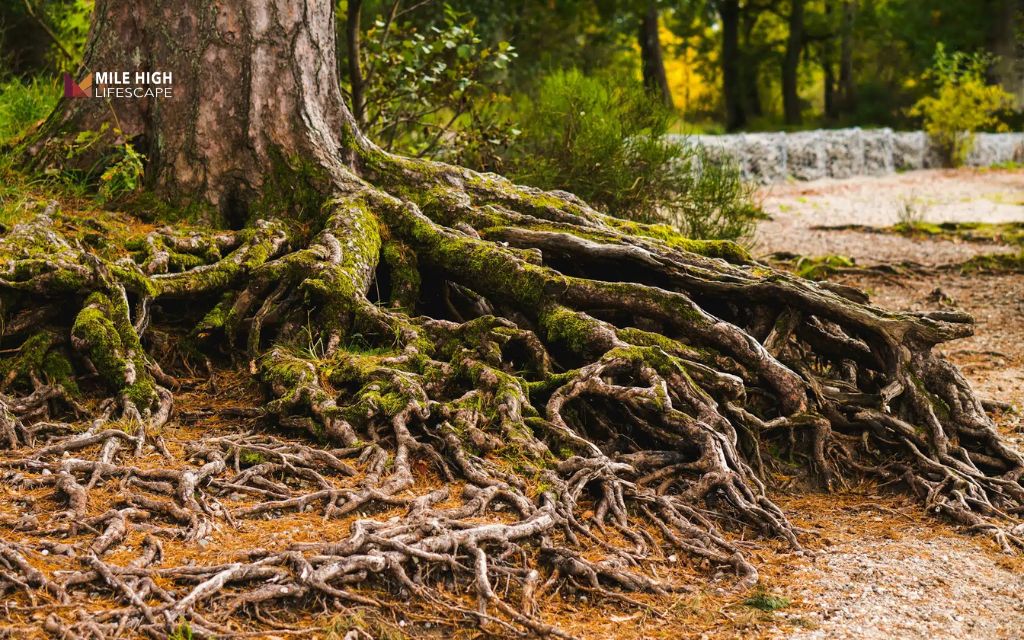
Lateral roots spread outward near the surface, forming the network most responsible for nutrient absorption, and trees with big roots visible above the soil line are usually showing laterals rather than the taproot working below. Sinker roots branch downward from these laterals to reach moisture deeper in the soil profile, though how far any root actually travels depends on the soil itself, since compacted clay or a high water table will stop even a capable taproot short.
Learn more: 10 trees for sandy soil that thrive with ease
Top deep rooted trees for yards and landscapes
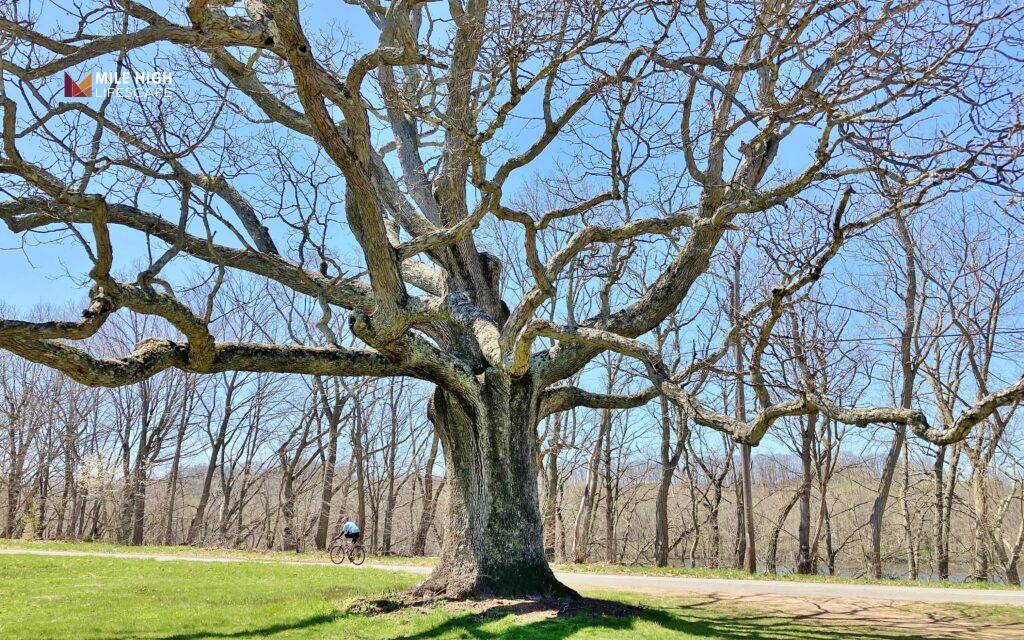
White oak sets the standard among deep rooted trees. Its taproot reaches fifteen to twenty feet in well-drained soil, supported by heart roots that add lateral stability against wind. The species also lives for centuries when given adequate room to grow.
Bur oak performs especially well in high plains and prairie climates where wind and drought are common. Its deep taproot makes the tree highly resistant to wind, and drought tolerance improves significantly once established, handling soil variability better than most other oaks.
Ponderosa pine is naturally adapted to dry air, high elevation, and clay heavy ground. The species develops both a deep taproot and wide lateral roots, anchoring it firmly against strong, sustained winds in exposed locations.
The species below combine documented root depth with structural stability and reasonable adaptability across a range of United States climates, soil types, and growing zones.
| Tree species | Root depth in ideal soil | Mature height | Best for | Climate and soil notes |
| White oak | 15 to 20 feet, taproot | 50 to 80 feet | Shade, wind resistance | Tolerates clay; slow growth |
| Bur oak | 15 to 20 feet, taproot | 60 to 80 feet | Drought tolerance, large yards | Strong performer in high plains and prairie regions |
| Black walnut | 10 to 15 feet, taproot | 50 to 75 feet | Open lots | Releases juglone; avoid near vegetable beds |
| Hickory | 10 to 15 feet, taproot | 60 to 80 feet | Long term shade | Slow to establish |
| Ponderosa pine | 12 to 20 feet, taproot | 60 to 100 feet | Privacy, windbreaks | Adapts well to dry, high altitude regions |
| Honey locust | 6 to 12 feet | 30 to 70 feet | Filtered shade, smaller yards | Adapts well to clay and drought |
| Black gum | 6 to 10 feet, taproot | 30 to 50 feet | Compact yards | Strong fall color |
Risks and considerations before planting
A deep taproot does not eliminate every risk a tree poses to a property. Lateral roots from the same tree can extend two to three times the tree’s height outward, reaching toward foundations, septic fields, and underground utility lines regardless of how deep the taproot grows.
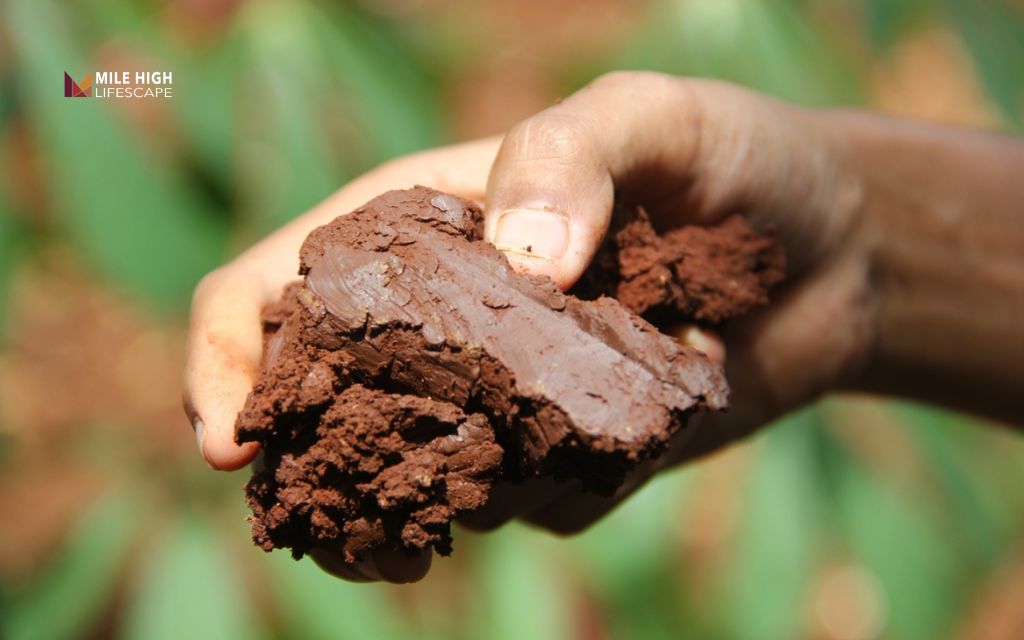
Clay soil, common in many residential areas, compounds this risk. Clay shrinks and swells with moisture changes, and lateral roots searching for consistent water often migrate toward foundations where soil moisture stays more stable. Leaking underground pipes attract roots aggressively, sometimes cracking sewer and septic lines years after planting.
How to choose the right deep rooted tree for your yard
Choosing the right species comes down to a few practical checks before planting:
- Measure available clearance: Check the distance between the planting site and the house, driveway, sidewalks, and any utility lines. A bur oak planted in a thirty foot yard creates problems within a decade, while the same yard suits a honey locust or black gum without conflict.
- Test the soil: Dig a hole roughly two feet deep and fill it with water. If water remains after a full day, the soil drains poorly, and a deep taproot species will struggle without significant amendment.
- Match the species to the goal: Wind resistance points toward bur oak, white oak, or ponderosa pine. Drought tolerance favors the same group, while shade and long term canopy size point toward white oak, hickory, or bur oak in a yard with adequate room.
- Consult a professional when stakes are high: Planting near a home, septic system, or shared property line calls for an experienced landscaper who can evaluate soil conditions, locate underground utilities, and recommend species suited to the specific site.
Learn more: 32 types of palm trees for every climate & yard
Conclusion
Choosing a deep rooted tree comes down to matching species to soil, climate, and available space, not simply picking the tree with the longest taproot on paper. The right choice resists wind, survives drought, and avoids costly conflicts with foundations, driveways, and underground utilities for decades to come.
For nearly twenty years, Mile High Lifescape has served homeowners across the Denver Metro area, helping them choose and plant trees suited to local soil and climate conditions. Contact us at (303) 877-9091 or for a free consultation on the right deep rooted tree for your property.
Frequently asked questions (FAQs)
What tree has the deepest roots?
The deepest documented taproot belongs to a wild fig tree in South Africa, measured at nearly four hundred feet. Among trees commonly planted in United States yards, white oak, bur oak, and black walnut develop the deepest taproots, often reaching fifteen to twenty feet in well-drained soil.
How deep do tree roots actually grow?
Most tree roots stay within the top three feet of soil because that layer holds the most accessible water, oxygen, and nutrients. Species capable of deep rooting can reach twenty feet or more when soil conditions allow it.
Are deep rooted trees safer near a house than shallow rooted trees?
Deep rooted trees generally resist wind better, but lateral roots from the same tree can still reach foundations and underground pipes. Planting distance matters regardless of how deep a species typically roots.
What is the strongest tree for windy areas?
Bur oak and white oak rank among the strongest trees for wind resistance due to their deep taproots and broad heart root systems. Ponderosa pine also performs well in exposed, high wind locations.
Do deep rooted trees grow well in clay soil?
Clay soil limits oxygen and water movement, which restricts deep root development even in species genetically capable of it. Amending the soil with organic matter and selecting species like bur oak or honey locust improves results in clay heavy yards.
How far should a large deep rooted tree be planted from a house?
Trees expected to mature above fifty feet should be planted at least twenty feet from the foundation. Species that mature beyond seventy feet need twenty five to thirty feet of clearance to avoid future root conflicts.