
A tree covered in insects does not always mean a tree in trouble. Most insects that land on bark or leaves pass through without causing lasting harm. The real challenge is telling a temporary visitor from a pest that threatens the tree’s health. This guide walks through what to look for, what the signs usually mean, and what to do next.
Whether you call it bugs on tree, bug trees, or bugs in tree, the question behind the search is the same. Something is on the bark or leaves, and you want to know if it matters.
Bugs on tree: Common signs and symptoms
Most tree pest problems show themselves before the insect does. Sticky leaves, torn bark, or a sudden patch of yellow foliage often point to the cause faster than spotting the insect itself. The table below matches common signs to their likely cause.
| Sign you notice | Likely cause | Harmful to the tree |
| Sticky residue on leaves or the ground below | Aphids or scale insects | Usually mild, can stress the tree in large numbers |
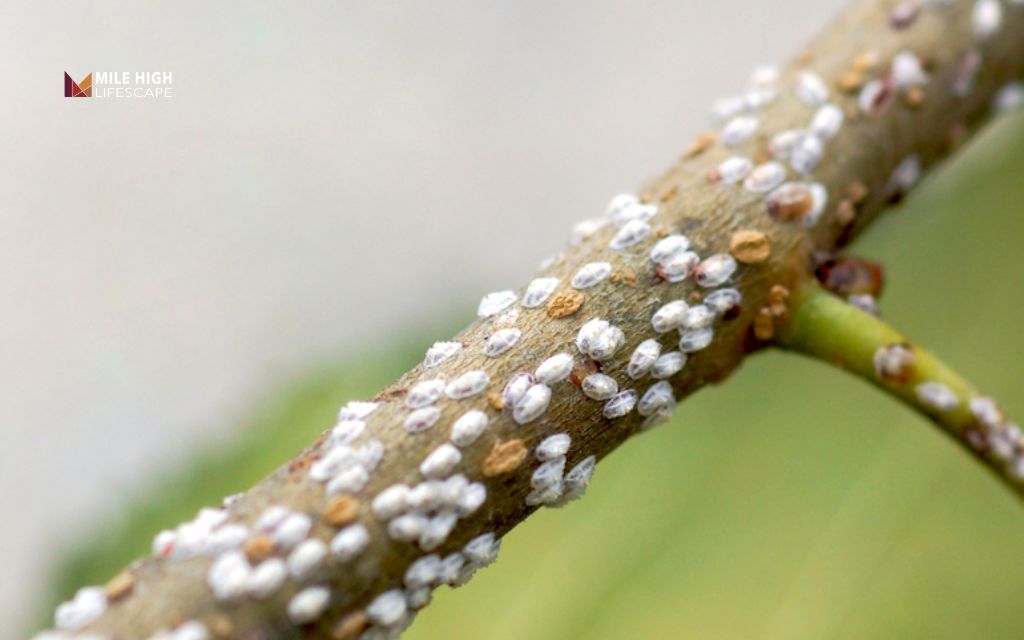
| White or cottony patches on bark or twigs | Scale insects or woolly aphids | Mild to moderate, depends on infestation size |
| Silk webs or tent like structures in branches | Tent caterpillars or fall webworm | Moderate, defoliation is possible |
| Ragged holes or chewed edges on leaves | Beetles, caterpillars, or sawflies | Mild unless damage covers most of the canopy |
| Small holes in bark with sawdust like material nearby | Wood boring insects | Serious, often signals internal damage |
| Yellowing leaves or branch dieback with no visible insect | Borers, scale, or water and root stress | Serious, needs closer inspection |
| Fine webbing under leaves with speckled or bronze foliage | Spider mites | Moderate, worsens in hot, dry weather |
Common bugs found on trees
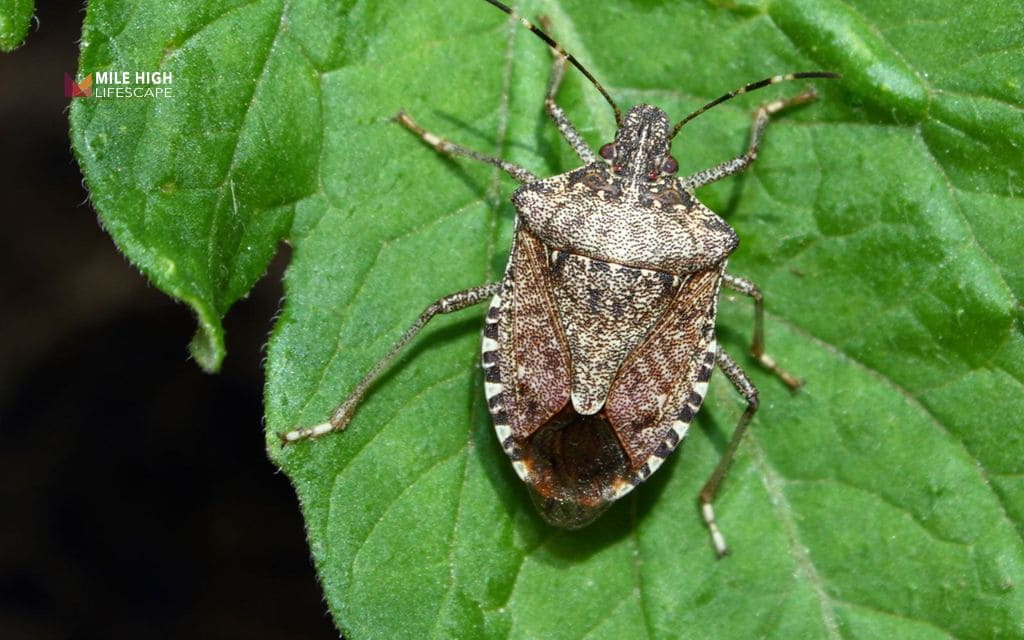
A handful of insects account for most of the damage seen on trees.
- Aphids and scale insects: These insects feed on sap and leave behind honeydew, a sticky residue that often grows a black fungus called sooty mold, though small numbers rarely threaten a healthy tree.
- Spider mites: They show up most often during hot, dry stretches and leave leaves with a speckled or bronze look along with fine webbing on the underside.
- Tent caterpillars and fall webworm: These insects build visible silk structures in the branches and feed in groups, which can strip a tree of leaves in a short time, though most healthy trees recover from a single season of defoliation.
- Wood boring insects: This group, including the emerald ash borer and various bark beetles, causes the most serious damage because the larvae feed inside the trunk or branches and cut off the tree’s ability to move water and nutrients.
- Japanese beetles: They feed on leaves and flowers in groups and can skeletonize foliage quickly, though the damage is usually cosmetic rather than fatal.
Learn more: Tree Disease Treatment
Are tree bugs dangerous?
Most insects found on trees are not dangerous to people. Very few tree dwelling insects bite or sting humans, and the ones that do, such as certain caterpillars with irritating hairs, are easy to avoid once identified.
Danger to the tree itself is a separate question. Aphids, scale, and mites in small numbers rarely put a tree at risk. Wood boring insects are the exception. Because their larvae tunnel through the trunk or major limbs, an established infestation can kill a tree if left untreated, especially in species with little natural resistance, such as ash.
The short answer: most tree bugs are not an emergency, but holes in the bark, sawdust like debris, or sudden dieback are signs worth treating seriously.
Tiny black bugs on tree trunk
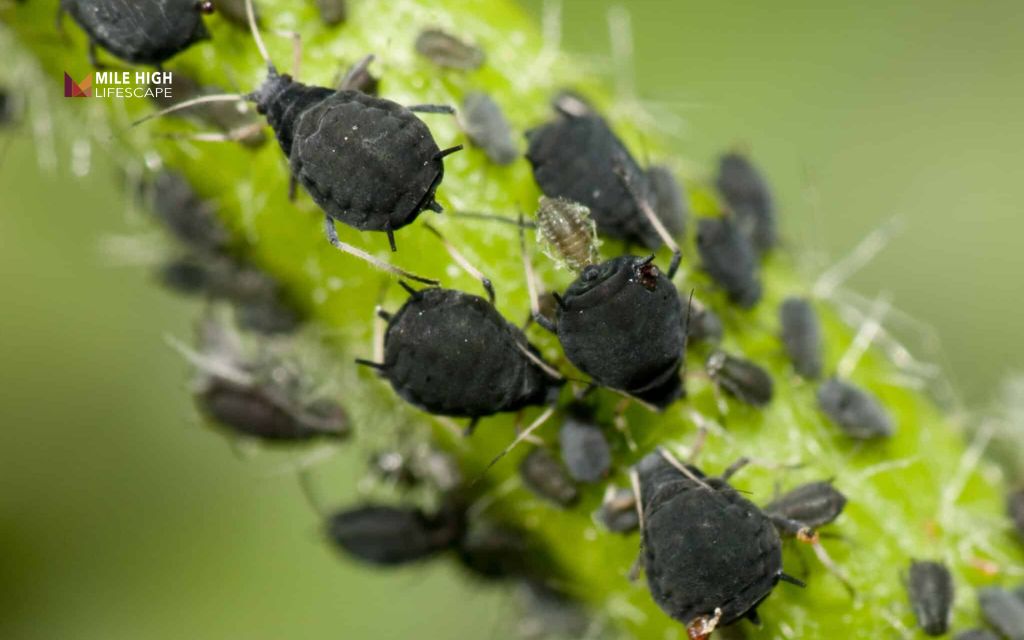
Black bugs on a tree trunk, especially small clustered ones, are most often one of three things:
- Aphids: can appear black or dark green depending on the species, often gathered alongside ants that feed on their honeydew
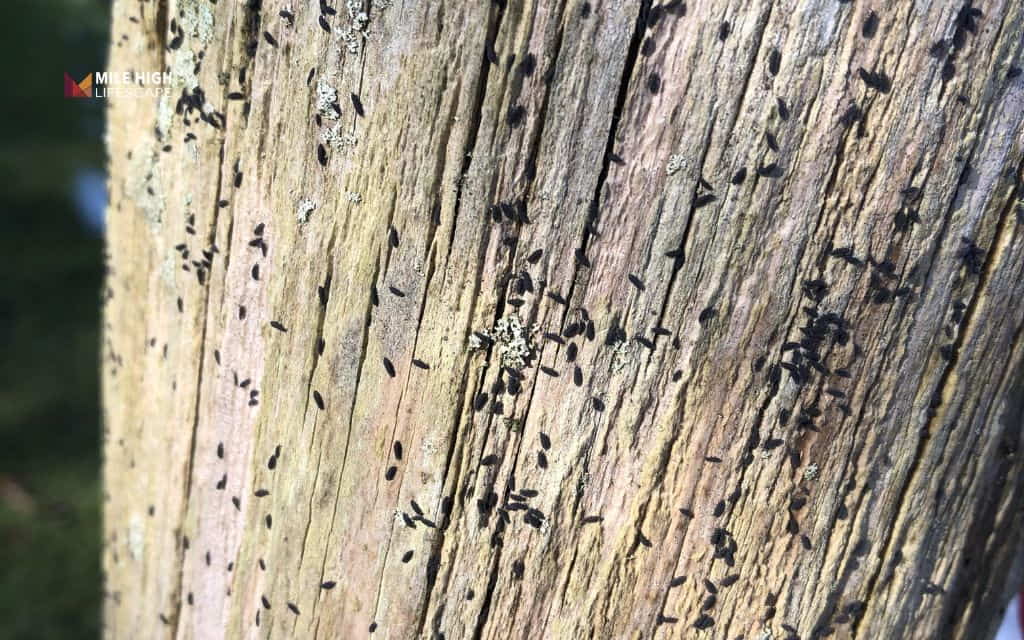
- Bark lice: small dark insects that graze on algae and lichen on the bark surface, causing no harm to the tree
- Sooty mold: a black fungal growth that can look like a colony of insects from a distance, actually a sign of past honeydew buildup rather than a current infestation
Beneficial insects: Not every bug needs to go
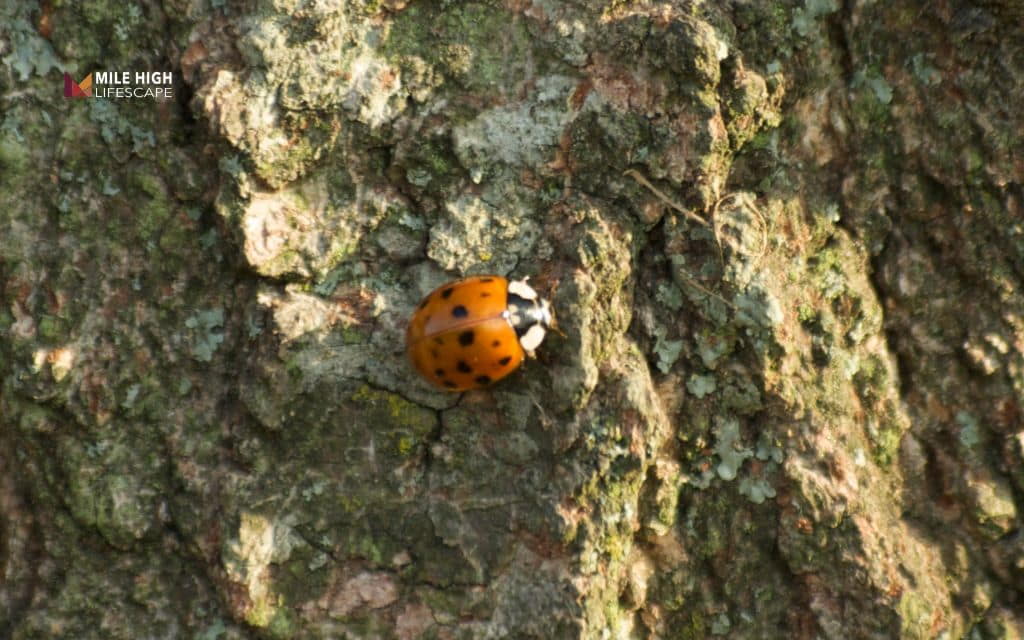
Not every insect on a tree is a problem. Lady beetles, lacewings, and parasitic wasps feed on aphids and other plant feeding pests, often keeping populations in check without any chemical treatment. Spraying a tree at the first sign of any insect can remove these natural predators along with the pests they control, which sometimes makes the original problem worse.
A more reliable approach is to identify what is actually present before treating anything. If the insects causing damage are clearly outnumbered by predators, or if the damage is minor and contained to a few leaves, time and natural control are often the better choice.
What to do first
When you notice bugs on a tree, a short inspection answers most of the urgent questions.
- Inspect in daylight: A daylight inspection of the leaves, twigs, and trunk makes it far easier to catch small details like webbing, frass, or color changes that shade or artificial light can hide.
- Check the base of the tree: The ground and the trunk’s base often collect sawdust, frass, or other debris that insects leave behind while feeding higher up in the canopy.
- Take photos: Clear photos of the insect, the damage, and the affected branch give you a reliable reference for identification, whether you research the issue yourself or share the images with a professional.
- Prune if appropriate: A single damaged branch can be removed when the rest of the tree looks healthy, but heavy pruning or chemical treatment should wait until the cause is confirmed.
- Call a professional if needed: A certified arborist becomes the right call once the signs point toward wood boring insects, widespread dieback, or an infestation that covers most of the canopy.
Learn more: Oak tree diseases
How to protect trees from pests
Healthy trees resist insect damage far better than stressed ones, which makes prevention mostly a matter of good tree care.
- Water consistently: Keep up watering during dry periods, since drought stress attracts borers and mites, but avoid overwatering and poor drainage, which create their own problems for root health
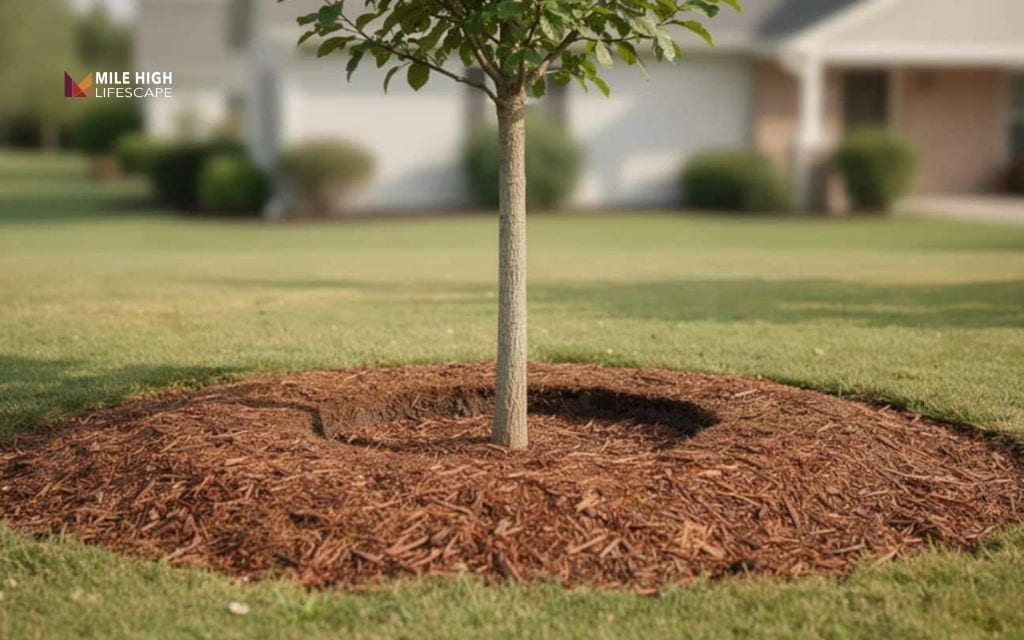
- Mulch correctly: Keep a two to three inch layer around the base, away from direct contact with the trunk, to regulate soil moisture and temperature without inviting rot
- Prune routinely: Remove dead or damaged wood to close off the entry points insects use to reach the inside of a tree
- Inspect each season: A seasonal visual check catches early signs before they grow into a larger infestation
- Limit pesticide use: Avoid unnecessary spraying to protect the beneficial insects already working in your favor
- Choose suited species: Pick tree species suited to the local soil and climate from the start to reduce the long term stress that pests are quick to exploit
Conclusion
A tree covered in bugs is rarely an emergency on its own. Most of what you see, from sticky leaves to a passing caterpillar, fits a pattern you can identify and manage with a short inspection. The exceptions are clear: bark holes with sawdust like debris, dieback with no obvious cause, or an infestation spreading across the whole canopy. Catching these signs early, and resisting the urge to spray before you know what you are treating, gives a tree the best chance to recover.
For nearly two decades, Mile High Lifescape has been proudly serving the Denver Metro area as the go-to landscape company. With a reputation for excellence, we offer a comprehensive range of friendly and professional landscaping and lawn care services. If you have noticed bugs on a tree in your yard and want a second opinion, our Tree and Shrub Care team can inspect the damage, confirm the cause, and recommend the right next step. Call us at (303) 877-9091 to get a free consultant and schedule a visit.
Frequently asked questions (FAQs)
What does sticky residue on my tree’s leaves mean
Sticky residue is usually honeydew, a waste product left behind by aphids or scale insects as they feed on sap. It is rarely dangerous on its own, though heavy buildup can attract a black fungus called sooty mold.
Can bugs on a tree spread to my house
Most tree feeding insects stay on the tree and have no interest in entering a home. Wood boring insects are the main exception, since some species can be transported in firewood or untreated lumber rather than spreading directly from a living tree.
Do I need to spray my tree every time I see a bug
No. Spraying before identifying the insect can remove beneficial predators and leave the actual pest unaffected. Confirming what is present, and how much damage it is causing, should come before any treatment decision.
What is the difference between bugs on a tree and bugs in a tree
Bugs on a tree are usually feeding on the surface, the leaves, bark, or sap. Bugs in a tree often refers to insects nesting inside a cavity or hollow section of the trunk, such as ants or wasps, which is a separate issue from surface feeding pests.
How often should I check my trees for pests
A quick visual check once a season, with closer attention during the warmer months when most insect activity peaks, catches the majority of problems early enough to manage without major intervention.