
Cypress mulch shows up in every garden center display, marketed as a low maintenance, pest resistant solution for weed control and moisture retention. Is cypress mulch good enough to live up to that reputation? The honest answer sits somewhere between the marketing claims and the skepticism found in gardening forums.
Made from the bark and wood of bald cypress or pond cypress trees, this organic mulch solves real problems in certain beds, especially on slopes and in windy spots. Its drawbacks, from soil acidity to inconsistent sourcing, matter just as much as its strengths and deserve a closer look.
Is cypress mulch good for landscaping?
Cypress mulch performs the core job of any organic mulch well: It holds soil moisture, slows weed germination, and buffers root temperatures. None of this is unique to cypress. Pine bark, hardwood, and cedar do the same at a proper depth, so cypress wood chips stand out for other reasons.
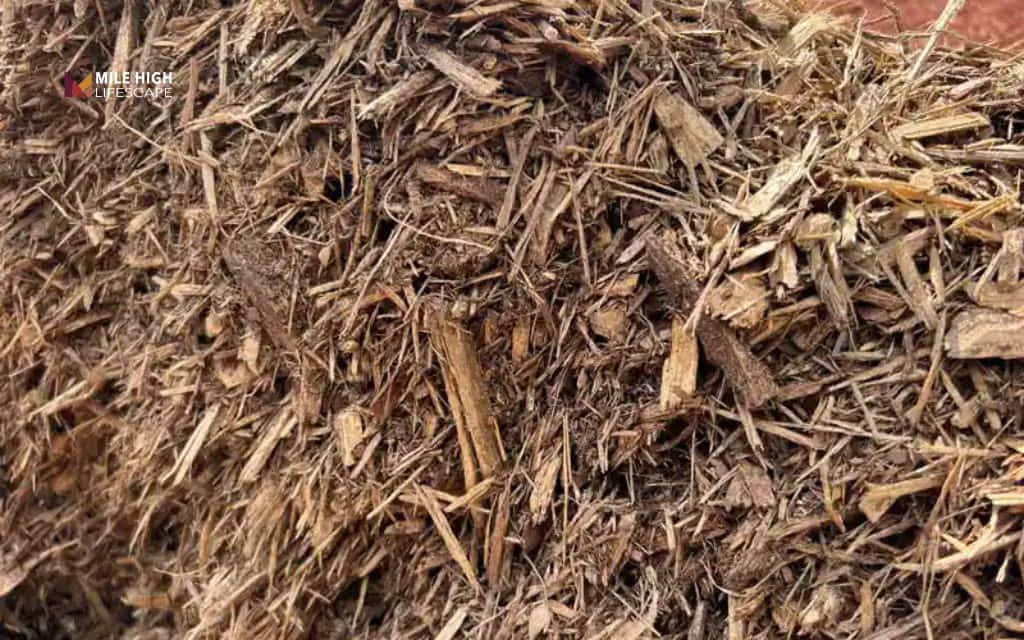
Where cypress stands out is its resistance to floating and blowing away, sometimes marketed as no float cypress mulch. Interlocking strands settle into a mat that stays put on slopes and in high wind, driving its popularity in landscaping cypress mulch projects. That strength is weighed against the drawbacks below.
Benefits of cypress mulch
The most commonly cited cypress mulch benefits, and the advantages of cypress mulch that keep it popular in garden beds, break down as follows. The first three come from properly applied organic mulch in general, not from cypress specifically:
- Moisture conservation: Spread two to three inches deep, cypress mulch slows evaporation and helps soil hold water between waterings.
- Weed suppression: Blocks sunlight from reaching weed seeds when spread as a consistent layer, cutting down germination in cypress mulch garden beds.
- Temperature moderation: The mulch buffers roots against sudden heat and cold swings through seasonal shifts.
- Slope and wind resistance: Fibrous strands knit into a dense mat that resists displacement on slopes and in windy exposures better than loose wood chips.
- Slow decomposition: Cypress mulch breaks down gradually, so cypress mulch for gardens and ornamental beds needs less frequent replacement than faster-decomposing options.
- Soil enrichment: As it decomposes, cypress mulch returns organic matter to the soil, supporting long-term soil health in beds with light disturbance.
Drawbacks worth knowing
Cypress mulch comes with real tradeoffs, which explains why cypress mulch is bad for some situations even though it performs well in others:
- Soil acidity: Repeated applications can lower soil pH enough to stress plants that prefer neutral or alkaline conditions, particularly acid-sensitive perennials.
- Faster decomposition: Cypress mulch typically breaks down over twelve to twenty-four months, faster than cedar, which means more frequent top-dressing.
- Compaction: Left undisturbed, cypress mulch can compact into a dense layer that sheds water instead of letting it soak through, so periodic raking or fluffing matters more with this product.
- Inconsistent sourcing: What is sold as cypress blend mulch often combines material from multiple mills, making it harder to trace exactly where the wood came from.
- Higher cost: Price runs higher than pine bark for a product that ultimately offers similar core performance.
Does cypress mulch attract termites?
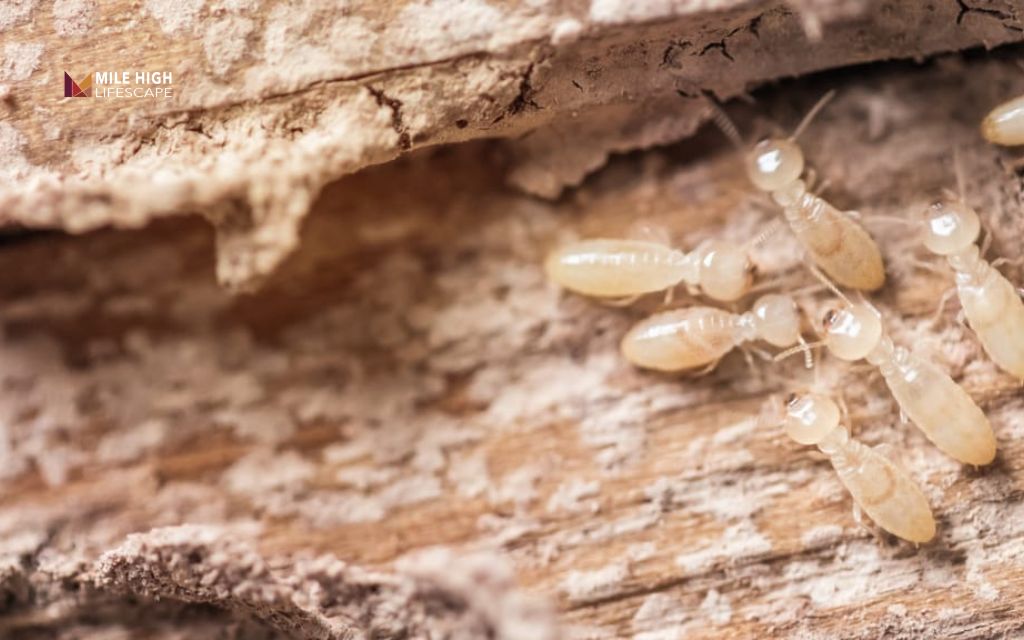
Cypress heartwood mulch contains natural compounds that resist decay and deter some insects, which is why the wood has a long history in construction. Commercial cypress mulch, though, is rarely pure heartwood, since mills grind in sapwood too, so claims that it repels termites, insects, or bugs overstate reality.
Termites feed on cellulose, present in every wood based mulch, so no single species eliminates the risk. What reduces termite activity near a foundation is proper placement: keeping mulch away from siding, avoiding piles against wood structures, and refreshing beds instead of letting layers build up.
Environmental and sourcing considerations
Much of the cypress sold as mulch originates in wetland forests across Louisiana, Mississippi, and Florida, ecosystems that provide flood buffering and wildlife habitat. Some material comes from sawmill byproducts, wood left over after cypress is milled for lumber, which raises fewer concerns than wood harvested specifically for mulch.
Certification helps close that gap. Look for products carrying Forest Stewardship Council or Sustainable Forestry Initiative labels, or ask a supplier where the material originated. Byproduct sourced cypress mulch carries a different footprint than mulch cut from a shrinking old growth stand, even if both bags look alike.
Cypress mulch alternatives
Cypress is not grown everywhere, so many gardeners outside its native range pay a premium for shipping, and that distance also reduces the sourcing transparency discussed above. Several alternatives are worth weighing:
- Cedar mulch: Serves as a close substitute for moisture retention and lasts a season or more longer than cypress.
- Shredded hardwood mulch: Offers the soil-building benefits of organic matter without cypress mulch’s acidity concerns, often at a lower cost.
- Pine bark mulch: Resists compaction well and suits beds where budget matters more than longevity.
- Rock or gravel mulch: Skips decomposition and wind displacement entirely, fitting high-wind spots or xeriscaped beds, though it will not feed the soil the way cypress wood chips or other organic mulches do.
Conclusion
So, is cypress mulch good overall? It is a solid, if unremarkable, organic mulch: capable where wind and slope threaten to displace lighter material, less compelling once shipping distance, sourcing questions, and soil chemistry are weighed against cedar, hardwood, and rock alternatives.
Homeowners who want a mulch matched to their soil, climate, and upkeep routine often get better results from a locally sourced option. Mile High Lifescape‘s mulching installation service helps Denver homeowners choose and install the right material for their beds and exposure. Call (303) 877-9091.
Frequently asked questions (FAQs)
How long does cypress mulch last before it needs replacing?
Most cypress mulch breaks down within twelve to twenty-four months, faster than cedar and slower than straw-based mulches, so plan on refreshing beds every one to two years depending on rainfall and bed traffic.
Is cypress mulch good for vegetable gardens?
Cypress mulch is non-toxic and safe to use in a vegetable garden, but its acidity makes it a better fit for ornamental beds than for pH-sensitive vegetable crops. Gardeners set on cypress mulch for a vegetable garden should test soil pH first and amend as needed.
Can cypress mulch be mixed with other mulch types?
Cypress mulch can be blended with cedar or hardwood mulch to balance cost, longevity, and appearance, though mixing does not change its underlying pH or moisture behavior.
Is cypress mulch good for slopes and erosion control?
Yes, cypress mulch’s interlocking texture holds it in place on slopes and in areas prone to runoff, making it one of the more effective wood mulches for erosion control, though rock or gravel outperforms it on the steepest grades.
How deep should I apply cypress mulch?
Most beds do well with two to three inches of cypress mulch, kept a few inches away from tree trunks and plant stems so moisture does not sit against the bark and invite rot.