Learning how to prepare soil for sod is one of the most important parts of starting a new lawn. Fresh turf needs a level, workable surface where roots can make close contact with the ground and begin establishing quickly. Poor drainage, hard soil, or an uneven grade can cause problems even when the sod itself is healthy. Mile High Lifescape approaches sod projects with the ground preparation in mind first, because a stronger lawn begins below the grass.
Why Soil Preparation Matters Before Laying Sod
Knowing how to prepare soil for sod gives new turf a much better chance to root evenly and settle into the lawn without unnecessary stress. When the ground is too hard, uneven, or poorly drained, fresh sod can struggle even if the grass itself is healthy.
Key reasons include:
- Better root contact: Preparing for sod helps the turf sit firmly against the soil.
- Easier root growth: The right soil for sod should be loose enough for roots to penetrate.
- More even drainage: A smooth grade reduces low spots where water can collect.
- Less settling: Firm preparation helps prevent dips and uneven sections after installation.
- Easier establishment: A stable base supports more consistent growth during the first few weeks.
How To Prepare Soil For Sod In 7 Steps
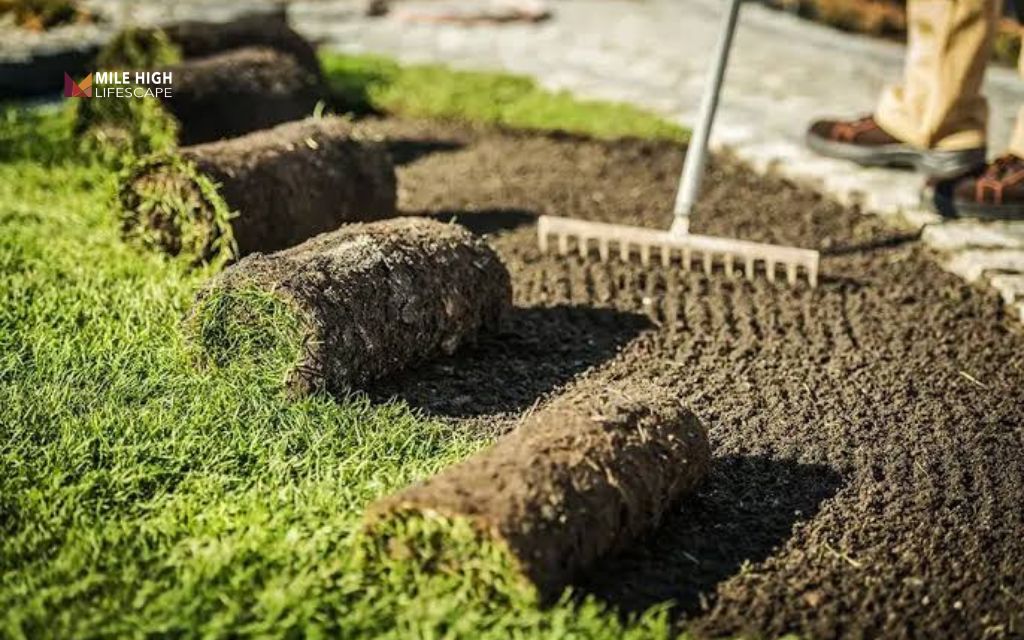
The process becomes much easier when preparation follows a clear order. If you are wondering how do you prepare soil for sod, the seven steps below cover the work that should happen before delivery day.
1. Remove Old Grass, Weeds And Debris
Start by exposing the actual soil surface. Old turf, thick thatch, weeds, stones, roots, and construction debris can prevent new sod from sitting flat against the ground.
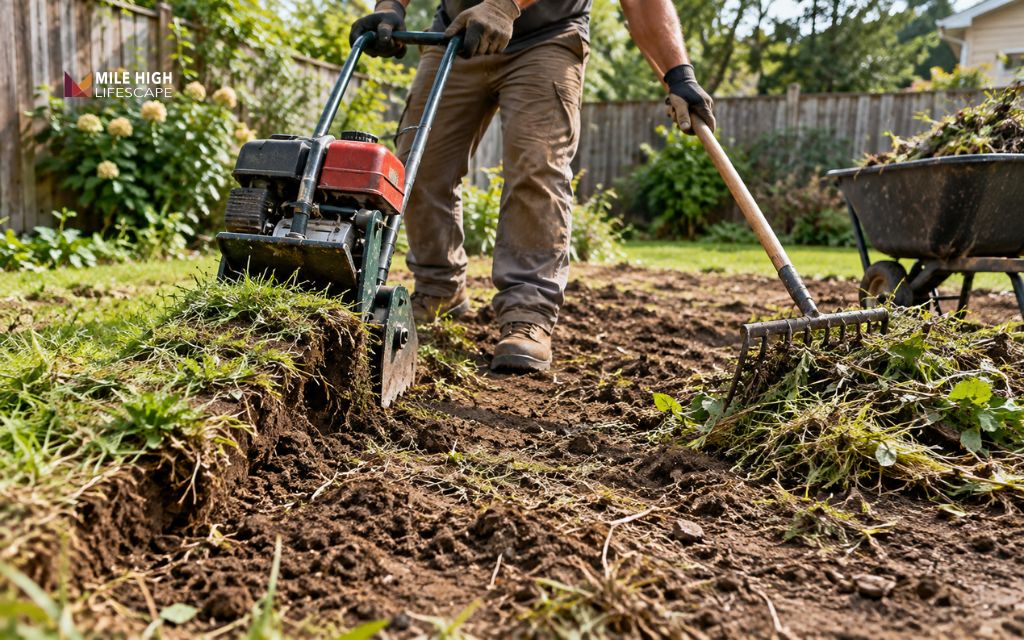
When preparing lawn for sod, remove enough of the old material to create a clean, workable base. A sod cutter can help on larger areas, while a flat shovel may be enough for smaller sections. Once the surface is clear, rake away loose roots and leftover debris before moving on.
2. Check The Existing Soil
Before deciding how to prepare soil for sod, check how the existing ground drains, holds moisture, and responds to pressure. Soil that stays soggy, dries too quickly, or feels hard underfoot may need correction before installation. A basic soil test can also reveal pH or nutrient issues that are not obvious from appearance alone.
3. Loosen Compacted Soil
Hard ground makes it difficult for new roots to move below the sod layer. If a screwdriver or garden fork barely enters the soil, compaction should be addressed before installation.
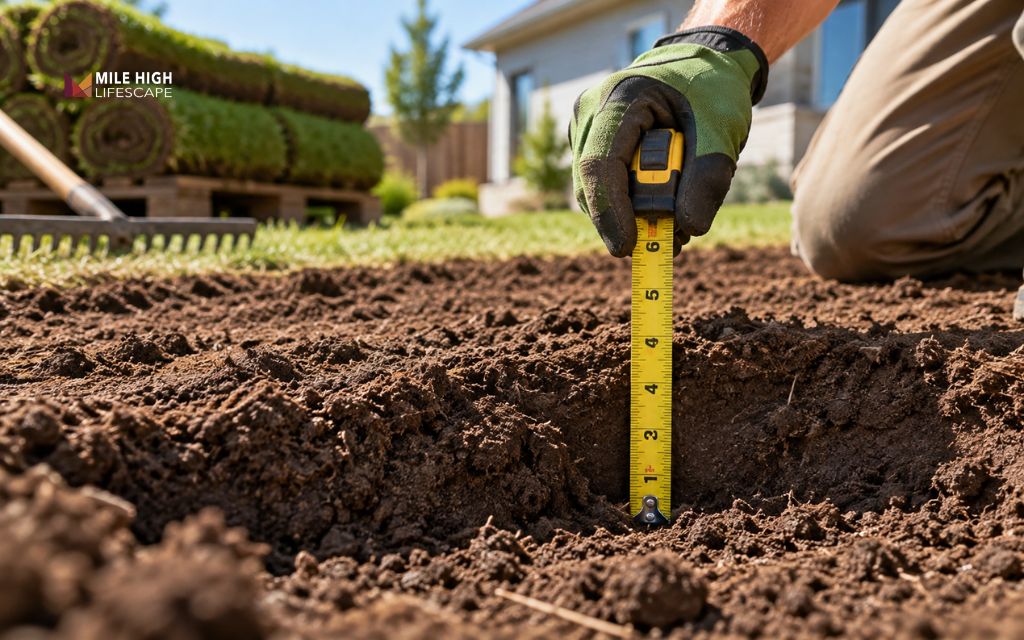
For anyone asking how to loosen compacted soil before sod, work the upper soil when it is slightly moist rather than wet. In many lawn establishment situations, loosening roughly the top 4 inches creates a more workable root zone. Avoid turning the soil into fine powder, since excessive tillage can damage structure and leave the surface prone to crusting.
4. Add Soil Amendments Only Where Needed
When learning how to prepare soil for sod, use the condition of the site to decide what should be added. Amendments are most useful when the soil lacks structure, organic matter, or suitable nutrient levels, while unnecessary additions can make the preparation more complicated than it needs to be.
5. Correct The Grade And Drainage
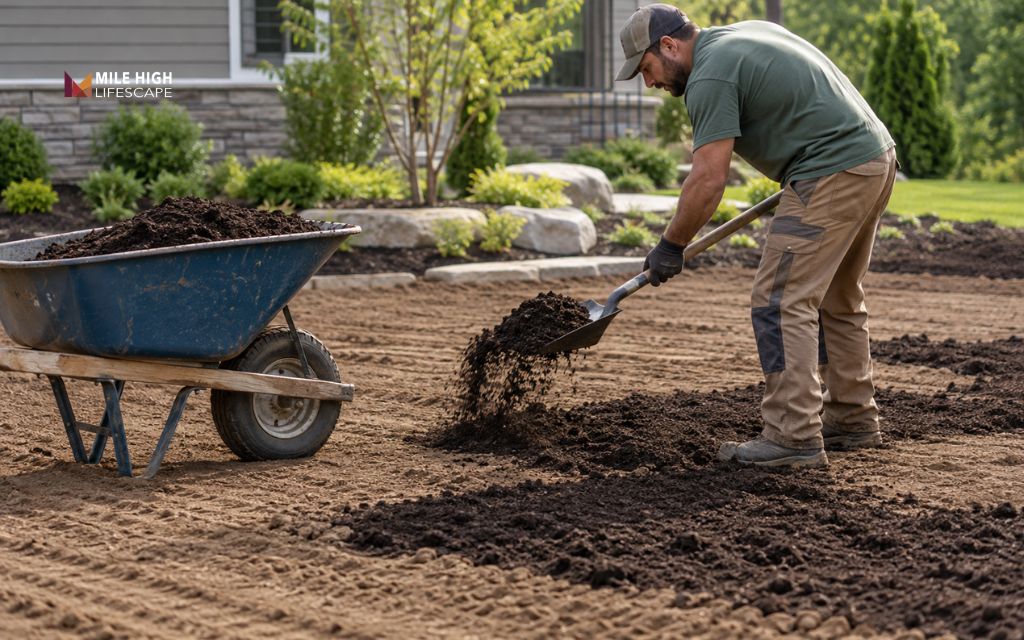
Before you prepare ground for sod completely, make sure water has somewhere sensible to go. Low spots can hold water beneath the turf, while high areas may dry much faster than the rest of the lawn.
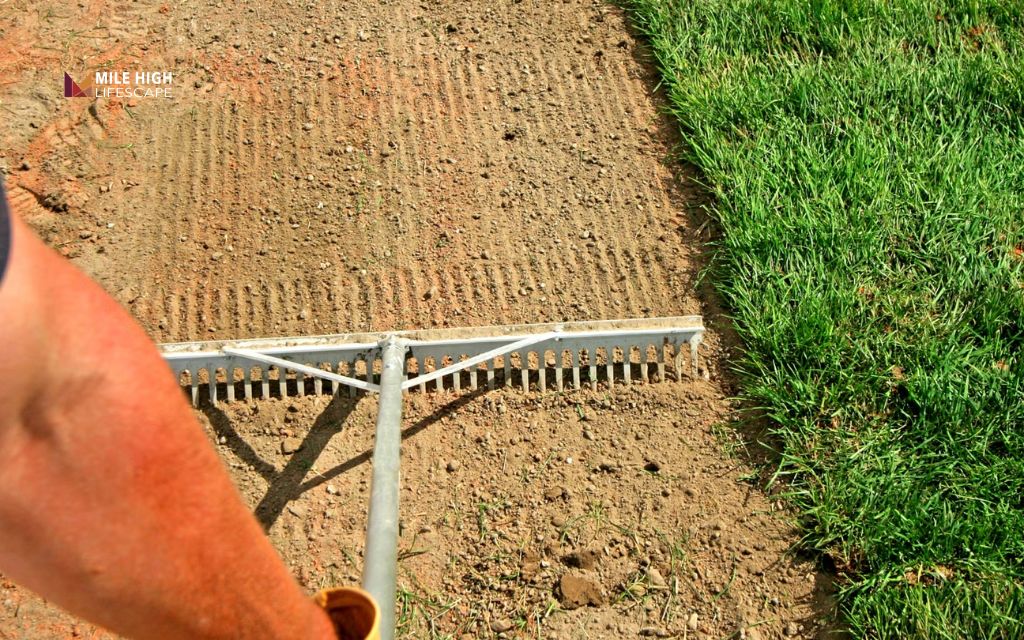
Use a landscape rake to smooth obvious dips and raised sections. Near buildings, the finished grade should encourage water to move away rather than collect beside foundations. This stage also gives you a chance to line up the soil level with patios, walkways, and driveways before the sod adds its final thickness.
The thickness of sod matters here because the soil-and-root layer will raise the finished lawn level.
6. Fine-Grade And Firm The Surface
Once the main grading is complete, smooth the surface so the sod can sit evenly from edge to edge. As part of how to prepare soil for sod, the final ground should feel firm enough to support foot traffic without becoming hard or compacted. Remove small clods, shallow dips, and raised spots before installation begins.
7. Lightly Moisten The Soil Before Installation
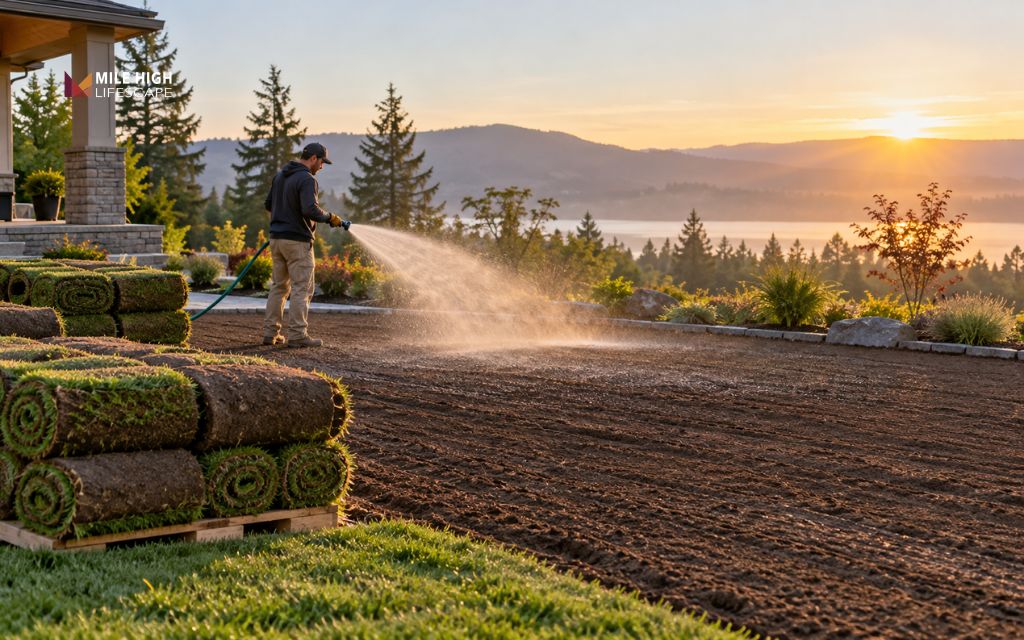
Dry ground can pull moisture away from fresh turf as soon as it is laid. The final step in how to prepare soil for sod is to lightly moisten the surface so it feels cool and damp, not muddy or saturated. This helps the underside of the sod stay hydrated and makes early root contact easier.
What Is The Best Soil For Sod?
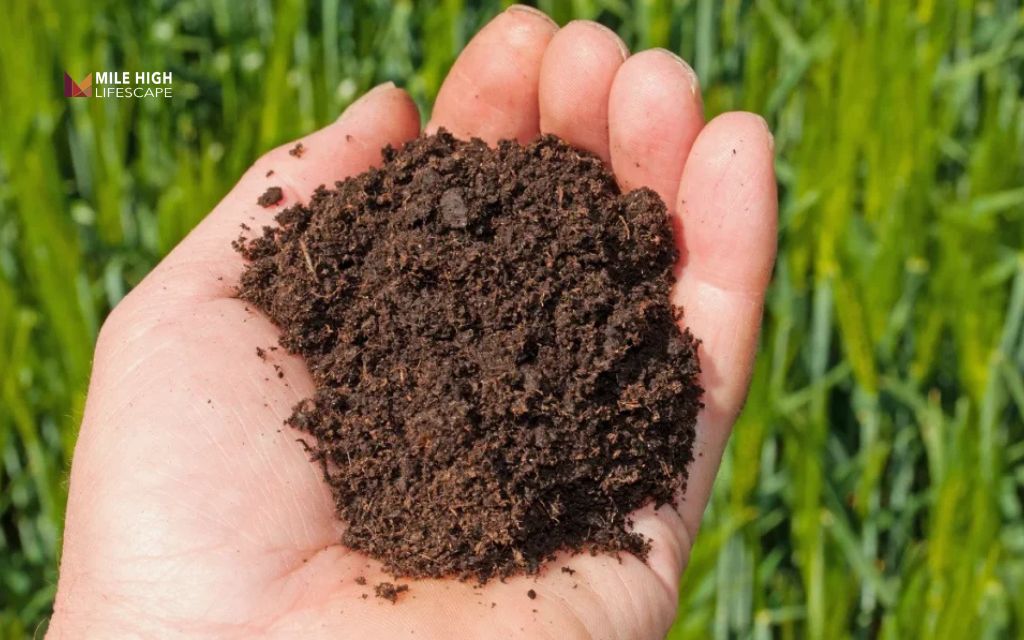
The best soil for sod should drain well, hold enough moisture, and remain loose enough for roots to spread. Loam or loam-like soil often provides this balance, while heavy clay or very sandy soil may need improvement before installation. When deciding how to prepare soil for sod, check the existing soil first and only add amendments where drainage, structure, or nutrients need correction.
How To Prepare Different Ground Conditions For Sod
Different sites need slightly different preparation, but the goal stays the same: create a stable, well-drained surface where new roots can establish quickly. The steps below show how to prepare soil for sod based on the starting condition of the lawn.
Bare Ground
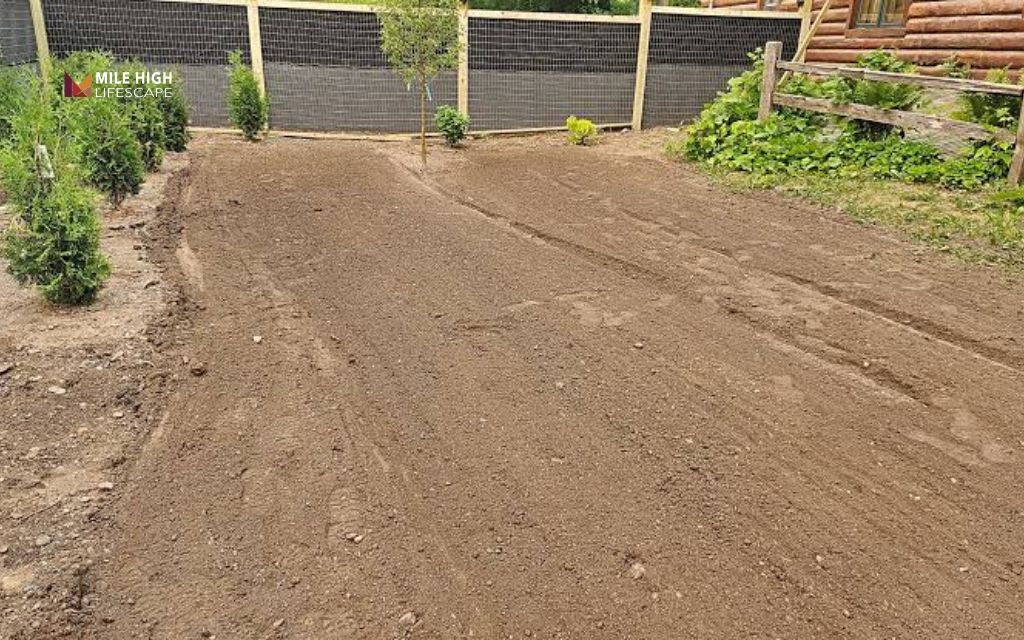
If you are learning how to prepare bare ground for sod, first remove stones, roots, and construction debris, then check the grade for low spots. Loosen any hard areas before adding amendments only where the soil needs improvement. When you prepare ground for sod, finish with a smooth, firm surface that drains well and sits slightly moist before installation.
Existing Lawn
When preparing lawn for sod, remove the old grass and thatch completely so the new turf can contact the soil underneath. Check the exposed ground for compaction, uneven areas, and drainage problems before making corrections. This is an important part of how to prepare soil for sod because fresh turf should never sit on a loose layer of dead grass or poorly prepared soil.
How Deep Should You Prepare The Soil?
For most residential lawns, loosening roughly the top 4 inches is usually enough to create a workable root zone. If you are unsure how to loosen compacted soil before sod, focus on the areas that resist a garden fork or screwdriver rather than tilling the entire site excessively.
When deciding how to prepare soil for sod, aim for enough depth to support root growth without leaving the ground unstable.
Common Soil Preparation Mistakes To Avoid
Even if you know how to prepare soil for sod, a few simple mistakes can still affect rooting and drainage. Most problems come from rushing the final preparation or making the ground too wet, too loose, or too compacted before installation.
- Leaving old grass or thick thatch under new sod.
- Working the soil while it is wet and sticky.
- Tilling too deeply or too often.
- Adding fertilizer without checking soil conditions first.
- Ignoring low spots that can collect water.
- Compacting the surface until roots struggle to penetrate.
- Installing sod on completely dry ground.
- Preparing the site after the sod has already arrived.
Mile High Lifescape: A Better Start For Your New Sod Lawn
At Mile High Lifescape, we look at the lawn as a complete site rather than treating sod as the final layer alone. Soil condition, drainage, grading, irrigation access, and the way the yard is used all influence how the new turf will perform. With over 20 years of experience, we use those details to shape each Sod Installation around the property instead of relying on a fixed formula.

That approach also makes the project easier to manage from preparation through establishment. We coordinate the site work, sod placement, and early care so the lawn has a clear path from bare ground to a finished surface.
For homeowners who want fewer unknowns and a more considered installation process, Mile High Lifescape provides one point of contact from the first assessment through the first stage of root development.
Final Thoughts
Knowing how to prepare soil for sod makes the installation process far more predictable. A clean surface, workable soil, correct grading, and the right moisture level give new turf a stronger place to establish. Once the groundwork is ready, the sod can settle more evenly and move into the rooting stage with fewer avoidable problems.
Frequently Asked Questions
Can You Lay Sod Directly On Dirt?
Yes, but the dirt should be prepared first. Remove debris, correct uneven areas, loosen compacted soil, and make sure the surface is slightly moist before installation.
Do I Need Topsoil Before Laying Sod?
Not always. If the existing soil drains well, has enough workable depth, and is not badly compacted, additional topsoil may not be necessary.
Should I Fertilize The Soil Before Sod?
Only when the soil actually needs added nutrients. A soil test is the best way to decide whether fertilizer should be applied before laying sod.
Should Soil Be Wet Before Sod Is Installed?
The soil should be slightly moist, not saturated. A damp surface helps protect fresh sod from drying while still allowing close contact with the ground.
How Firm Should The Ground Be Before Laying Sod?
The surface should feel firm underfoot without becoming hard-packed. It should support normal foot traffic while remaining loose enough for new roots to penetrate.
How Soon After Soil Preparation Should Sod Be Installed?
Install the sod as soon as the site is fully prepared and the turf arrives. Fresh sod can lose moisture and heat up quickly when left stacked for too long.