Walk into any garden center conversation about premium natural stone and, sooner or later, coral stone enters the picture.
There’s something almost magnetic about it – the warm cream tones, the fossil textures pressed into its surface like nature’s own signature, and a naturally weathered quality that feels both ancient and timeless. It’s the kind of material that makes a garden feel like it has a story to tell.
Whether you’ve spotted it framing a Mediterranean courtyard, lining the edge of a pool, or anchoring a garden pathway, natural coral stone has a way of catching the eye without trying too hard.
Unlike man-made alternatives, coral stone simply is what it looks like – an authentic piece of Earth’s geological history shaped over millions of years.
But before you commit to installing coral stone in your garden, it’s worth understanding exactly what you’re working with. This guide walks you through everything you need: what coral stone really is, where it works best, how to install and maintain it, and whether it’s the right fit for your specific outdoor space.
What is coral stone?
Coral stone is a type of limestone formed from ancient coral reefs. Over vast stretches of geological time, coral skeletons, marine shells, and ocean organisms compressed under immense pressure to create a dense, porous natural rock.
The result is what we call fossilized coral stone: a material that carries visible fossil patterns, organic textures, and warm, natural coloring unlike almost anything else in the stone world.
You may also encounter it under the names coralrock, coralstone, coralina stone, or simply coral natural stone depending on the region and supplier. All of these terms generally refer to the same category of fossil coral stone, though quality, porosity, and appearance can vary based on where the stone is quarried.
The unique physical characteristics of coral stone
What sets coral stone apart from generic limestone or other sedimentary rocks is its distinctly organic character. Here’s what you’ll notice when you see or handle it:
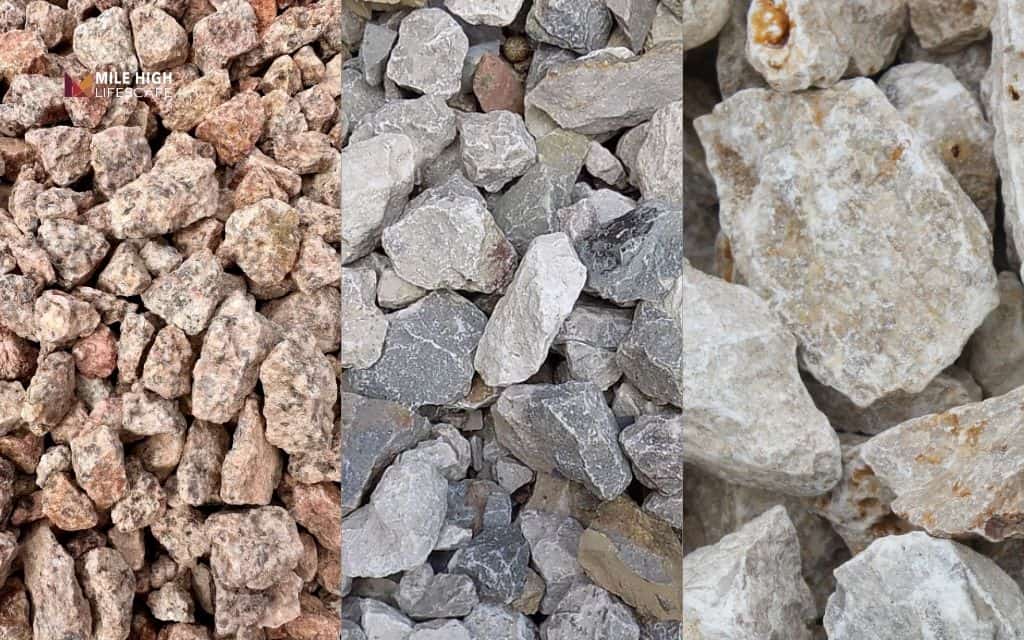
- Visible fossil imprints: Coral structures, shells, and marine textures are often preserved directly in the surface of the stone, giving each piece an almost irreplaceable character.
- Warm, light color tones: Natural coral stone typically ranges from creamy white and beige to soft tan. White coral rock and pale ivory shades are especially popular for outdoor spaces because they stay cool underfoot in warm climates.
- Porous surface texture: Coral limestone is naturally porous, meaning it has small air pockets and channels throughout its structure. This gives it its distinctive rough texture and also means proper sealing is essential for outdoor use.
- Organic weight and variation: Unlike manufactured stone, no two pieces of coral stone look exactly alike. That natural variation is part of its appeal.
How is coral stone different from regular limestone?
Because coral stone is technically a type of coral limestone, gardeners sometimes wonder what, if anything, sets it apart from standard limestone or travertine. Let’s look at the key differences clearly.
Comparison: Coral Stone vs. Limestone vs. Travertine
| Feature | Coral Stone | Regular Limestone | Travertine |
| Fossil Patterns | Highly visible | Minimal | Minimal |
| Porosity | High | Moderate | Moderate–High |
| Color Range | Cream, beige, white | Gray to beige | Tan, ivory, walnut |
| Texture | Rough, organic | Smoother | Pitted, varied |
| Heat Reflection | Excellent (light tones) | Moderate | Moderate |
| Slip Resistance | Naturally textured | Varies by finish | Varies by finish |
| Aesthetic Style | Coastal/Mediterranean | Classic/Neutral | Mediterranean/Rustic |
| Sealing Required | Yes | Recommended | Yes |
The practical takeaway: if you love the idea of a stone with character, fossil history, and organic warmth, coral and limestone sourced as fossil coral stone delivers something that plain limestone simply cannot.
Travertine has its own appeal, but its pitting tends to be more uniform and its aesthetic leans more toward the classic Italian look, whereas coral stone feels distinctly coastal and tropical.
Why gardeners choose coral stone
Aesthetic benefits
Ask any landscape designer why they reach for coral stone on certain projects and you’ll hear answers centered on feel and character rather than just function.
This material has an inherent warmth that’s hard to replicate. Its light, creamy tones read as soft and inviting rather than cold or industrial, and the fossil textures give it a depth that catches the eye in both full sunlight and shade.
Coral rocks age beautifully. Unlike some materials that look great on installation day but fade, streak, or degrade visibly over time, coral natural stone develops a graceful patina that actually enhances its character. Moss and lichen that sometimes appear on aged coral stone in moist environments can add to its rustic, timeless appeal or be managed through regular maintenance if you prefer a cleaner look.
The material also pairs naturally with a wide range of planting styles. Lush tropical plantings, sun-loving Mediterranean herbs, ornamental grasses, and coastal native plants all look right at home alongside coral stones.
Functional benefits
Beyond aesthetics, coral stone brings several practical advantages that make it well-suited to outdoor garden environments:
- Natural slip resistance: The textured, porous surface of coral stone creates friction underfoot, making it safer than polished stone in wet conditions. This is one reason it’s such a popular choice for pool surrounds and pathways.
- Heat reflection: Because coral stone typically comes in light, pale tones, it reflects rather than absorbs solar heat. Walk barefoot across a light coral stone patio on a hot summer day and you’ll appreciate this quality compared to dark granite or concrete.
- Visual cooling effect: Even psychologically, lighter stone surfaces make outdoor spaces feel cooler and more open – a genuine benefit in warm climates.
- Versatility of finish: Coral stone is available in a coral finish (natural textured surface), split-face, honed, and even tumbled finishes, giving you flexibility to match the material to your design intent.
- Compatibility with water features: Its natural look and moisture-handling properties make coral rocks an excellent choice around water features, streams, and ponds.
Where coral stone works best in garden design
One of the most satisfying things about coral stone is how many roles it can play in a garden. It’s not a one-trick material. Here’s a closer look at where it performs best and why.
Garden pathways and walkways
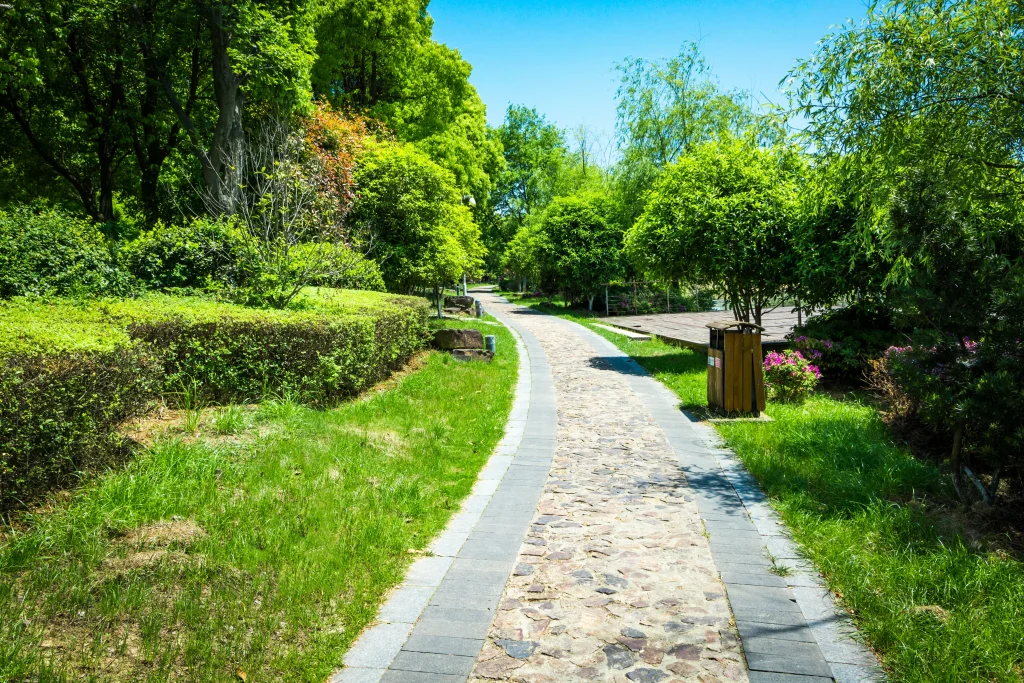
Few experiences compare to walking along a coral stone pathway through a lush garden. The stone is cool underfoot on warm days, its texture provides grip even when damp, and its organic color harmonizes beautifully with surrounding planting. Whether you’re designing a formal garden path with clean-cut coral stone pavers or a more rustic winding walkway using irregular coral rocks, the material feels at home in both interpretations.
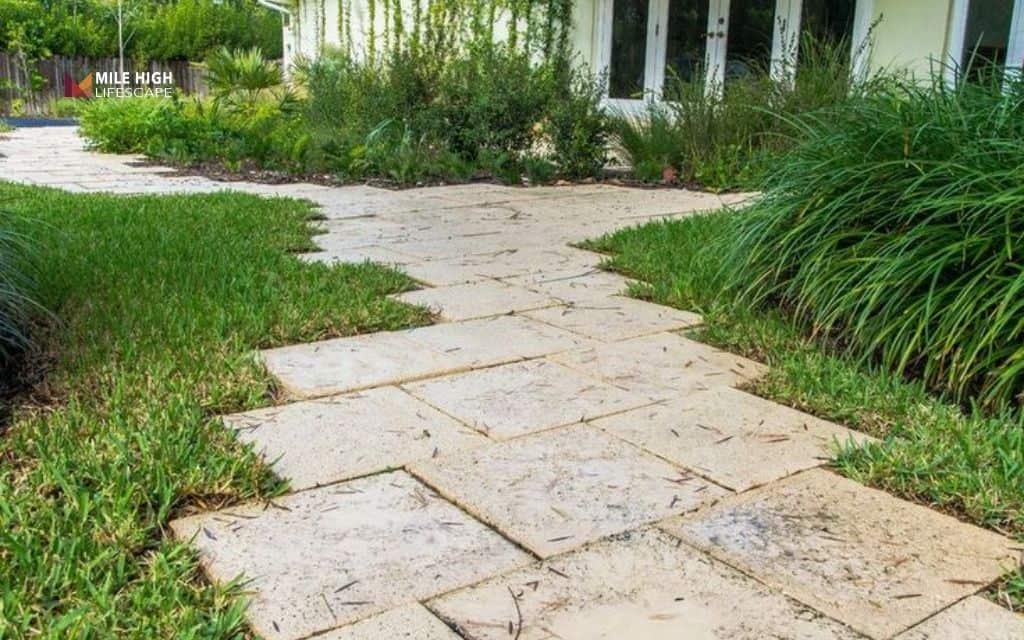
For pathways, cut coral stone tiles or thick pavers laid over a compacted base with stable bedding deliver the best long-term performance. Leave small gaps between pieces planted with creeping ground cover for a living pathway that softens the stone’s edges and enhances the natural aesthetic.
Coral stone walls
A coral stone wall is one of the most striking features you can add to a garden landscape. Whether functioning as a retaining wall on a sloped property, a garden divider, or a low decorative border wall, coral stone delivers visual weight and warmth that manufactured block walls simply cannot match.
Stacked dry-laid coral stone walls are particularly popular for naturalistic garden styles—they evoke the look of old estate walls and cottage garden boundaries. Mortared coral stone wall construction offers greater structural integrity for retaining applications, and when built by an experienced contractor, can last for decades with minimal upkeep.
Outdoor seating walls built from coral stone are another excellent application. Topped with a flat, honed stone cap, they provide seating that’s both beautiful and practical, defining outdoor living areas with material that feels genuinely premium underfoot and to the touch.
Patios and outdoor living areas
The patio is often the heart of an outdoor living space, and coral stone creates a surface that feels warm, inviting, and naturally beautiful. Its light tones keep the patio surface from becoming oppressively hot underfoot, and the organic texture gives it a character that smooth concrete or uniform pavers often lack.
Coral stone patios work especially well in Mediterranean and coastal-inspired garden designs, but they’re versatile enough to complement more eclectic or transitional styles.
If your home features warm neutral exterior colors, natural wood tones, or tropical plantings, a coral stone patio is an intuitive design choice that’ll feel like it was always meant to be there.
Pool surrounds
Pool surrounds may be the single most practical application for coral stone. Its light color naturally reflects solar heat, keeping the surface comfortable for bare feet even on hot days. Its textured surface also provides the slip resistance that safety regulations often require around pool areas.
The coastal aesthetic that coral stone creates around a pool is genuinely difficult to replicate with other materials. The pale tones and fossil textures evoke high-end vacation destinations, and the material ages even with regular exposure to pool chemicals and water splash – provided it’s properly sealed and maintained.
Accent features throughout the garden
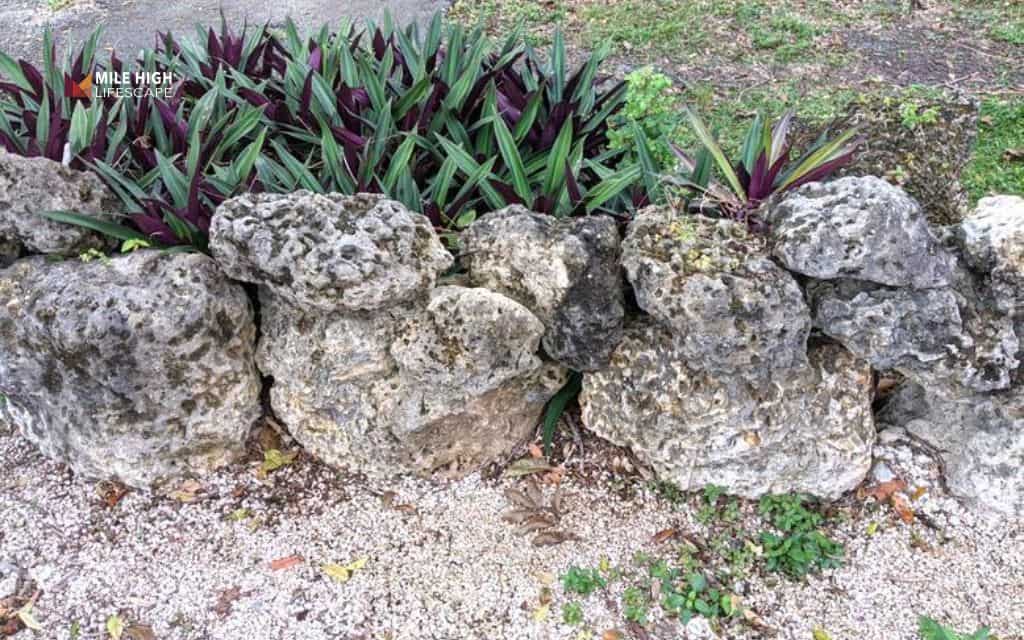
Beyond large installations, coral stones shine in smaller accent roles throughout the garden. They work beautifully as edging material around garden beds, bringing definition and color contrast to plantings without overpowering them.
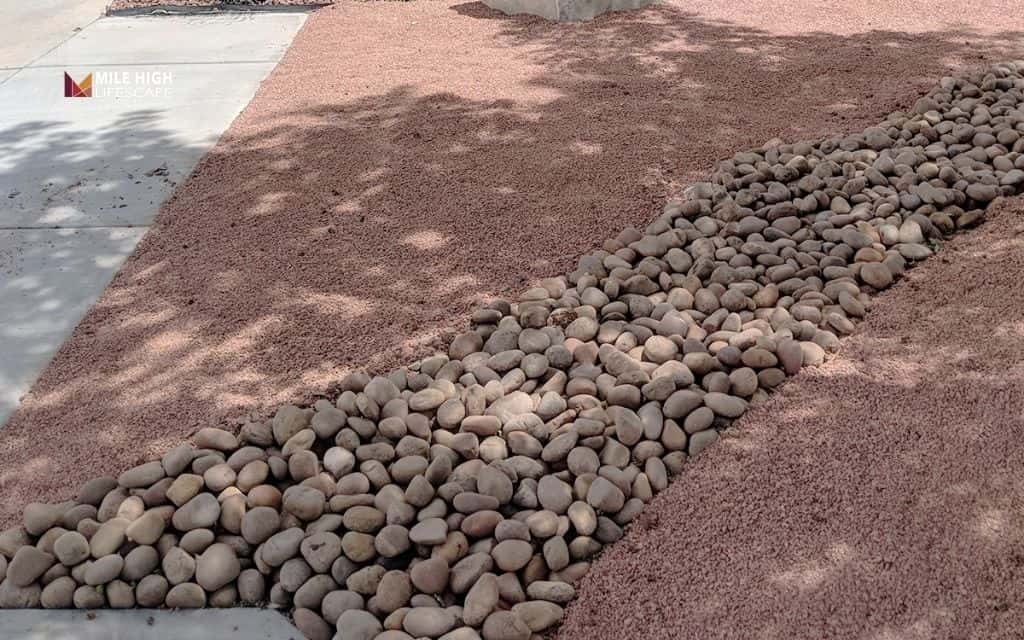
Smaller coral rocks can be used as decorative mulch or ground cover in rock garden areas, creating a naturalistic appearance that complements cacti, succulents, and drought-tolerant plantings.
Water features framed in coral stone acquire an almost tropical character, as though the feature grew naturally from a coastal landscape.
Planters built from stacked coral stone add rustic charm to courtyards and entryways, while decorative edging in coral natural stone gives formal garden beds a warm, organic border that stands out without clashing.
Coral stone in hardscape applications
As you move from purely decorative garden use toward more structured hardscape applications, coral stone proves equally capable.
Coral stone tile
Coral stone tile is one of the most refined expressions of this material. Cut into uniform thicknesses (typically between 1” and 2”) and finished to your specification, coral stone tile can be used for outdoor flooring, feature walls, and decorative surfaces. The tile format makes installation more precise and predictable compared to natural-edge pieces, while still preserving all the fossil texture and organic character of the raw stone.
When selecting coral stone tile, look for consistent thickness to simplify installation, and ask your supplier about porosity ratings – higher porosity means the tile will require more thorough sealing before use.
Coral stone countertop applications
A coral stone countertop in an outdoor kitchen is an eye-catching, conversation-starting feature. The material’s natural warmth and fossil texture make it feel unique and handcrafted.
Because outdoor kitchens are exposed to weather, UV light, food, and liquids, coral stone countertops require thorough sealing and more regular maintenance than countertops in protected interior environments.
The honest caveat here: coral stone countertop applications demand more diligent upkeep than other surface choices. Acidic foods and liquids can etch the surface of limestone-based stone.
If you’re committed to regular sealing and careful use, the result is extraordinary, but if low maintenance is a priority, explore alternatives for your outdoor cooking surface.
Pavers vs. slabs: Choosing the right format
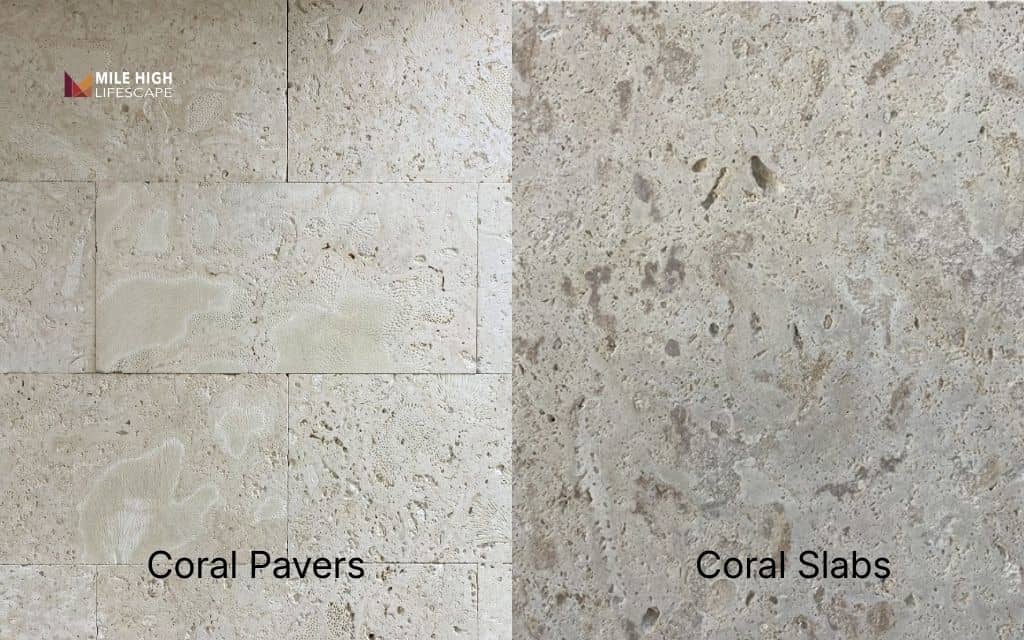
Coral stone is available in paver format (smaller, thicker pieces designed for foot traffic) and slab format (larger, thinner pieces for feature applications).
- Pavers are more forgiving during installation and better suited to pathways and patios where individual pieces can shift slightly without affecting the overall surface.
- Slabs work well for feature walls, step treads, and horizontal surfaces where their larger format creates a more dramatic visual impact.
Cut vs. natural-edge finishes also shape the final look significantly. Cut coral stone has clean, precise edges that suit formal garden designs. Natural-edge pieces retain their organic quarried shape and work beautifully in naturalistic settings, rustic walls, and informal pathways.
Maintenance and long-term care
Coral stone is genuinely durable when properly maintained, but it’s not a set-it-and-forget-it material. Understanding what it needs – and what to avoid – will keep your installation looking beautiful for many years.
| Task | Frequency | Notes |
| Surface cleaning | Monthly or as needed | Use mild soap and water; avoid bleach or acidic cleaners |
| Deep cleaning | Seasonally (2–4x/year) | Gentle pressure wash on low setting; rinse thoroughly |
| Sealing | Every 1–3 years | Use penetrating stone sealer rated for limestone |
| Algae/moss check | After wet seasons | Treat with pH-neutral algae remover; do not use vinegar |
| Crack inspection | Annually | Check after winter freeze-thaw cycles if applicable |
| Grout or mortar check | Every 2–3 years | Repoint as needed in mortared installations |
Cleaning best practices
For routine cleaning, a mild dish soap diluted in water and a stiff-bristled brush is all most coral stone surfaces need. Rinse thoroughly after scrubbing.
For deeper seasonal cleaning, a low-pressure washer (set well below the pressure that might dislodge mortar or damage the stone surface) works effectively. Always rinse from the center outward to avoid pushing dirty water under edging or into wall joints.
Avoid acidic cleaners like vinegar or lemon-based products. These can etch and damage the calcium carbonate in coral limestone.
Similarly, bleach-based cleaners can discolor or degrade the stone over time. Stick to pH-neutral or stone-safe cleaning products for any regular maintenance.
Managing algae and moss in humid climates
In humid climates or shaded garden areas, algae and moss growth on coral stone can be a recurring challenge. This is partly a consequence of the stone’s porosity – the same quality that gives it character also makes it hospitable to biological growth in moist conditions.
Prevention is more effective than treatment: keeping the stone clean, sealed, and reasonably well-drained limits the moisture availability that algae and moss need to establish.
When biological growth does appear, treat it with a pH-neutral algae remover specifically formulated for natural stone. Apply according to manufacturer directions, allow adequate dwell time, then scrub and rinse.
Avoid power-washing on high settings to remove established growth.
Cold climate considerations
Coral stone is generally better suited to warm, temperate, or tropical climates than to regions with severe winter freeze-thaw cycles. Because it is porous, water can penetrate into the stone’s structure and expand when it freezes, potentially causing cracking or surface spalling over time.
In climates where freezing temperatures are common, sealing becomes even more critical – a well-sealed stone has significantly less moisture penetration and is therefore more resistant to freeze-thaw damage.
If you live in a climate with hard winters and love the look of coral stone, speak with your landscape professional about product selection (some quarries produce denser, more freeze-resistant material), installation depth, and drainage design.
With the right precautions, it is possible to use coral natural stone successfully in cooler climates.
Is coral stone the right choice for your garden?
Every material has an ideal use case and a set of conditions where it’s less than perfect. Coral stone is no exception.
Here’s an honest framework for deciding whether it belongs in your garden.
Choose coral stone if you…
- Love natural fossil textures and organic surfaces that carry visible geological character
- Want a warm, coastal or Mediterranean garden aesthetic that feels genuinely authentic rather than manufactured
- Are installing in a warm or temperate climate where freeze-thaw stress is minimal or manageable
- Are comfortable with a regular maintenance schedule including periodic sealing and careful cleaning
- Want a material that ages gracefully and develops character over time rather than looking identical year after year
- Are designing around a pool, water feature, or outdoor living area where slip resistance and heat reflection are meaningful practical advantages
Consider alternatives if you…
- Want a truly zero-maintenance surface that requires no sealing, cleaning regimen, or climate protection
- Live in a region with severe freeze-thaw winters and cannot or will not implement protective measures
- Prefer dark, contemporary stone aesthetics with precise, uniform appearance—coral stone’s organic variation may feel too rustic or irregular
- Are working with a very tight budget – high-quality coral stone is a premium material, and cutting corners on installation or maintenance undermines the investment
If you’re genuinely on the fence, consider using coral stone as a feature accent rather than the primary surface material throughout your garden.
A coral stone wall as a garden focal point, or a coral stone border around a concrete patio, lets you introduce the material’s character without committing to a full installation upfront.
It’s a great way to test how the material looks in your garden environment before scaling up.
Conclusion
Coral stone is more than just a building material – it is a piece of natural history that brings warmth, texture, and timeless character to gardens and outdoor spaces.
From the moment it arrives in your garden, it carries with it millions of years of geological story embedded in every fossil pattern and organic surface variation. No two pieces are identical, and that individuality is precisely what makes it so compelling to gardeners who value authenticity over uniformity.
Whether you’re planning a new patio, adding a coral stone wall to your garden boundary, designing a pool surround that feels like a private resort, or simply looking for a premium natural accent material, coral stone is worth serious consideration. Just go in with clear eyes about what it needs, plan your installation and maintenance accordingly, and enjoy the result.
At Mile High Lifescape, we’ve worked with a wide range of natural stone materials across Denver-area gardens and landscapes.
Our team is happy to answer your questions about coral stone, help you determine whether it’s the right fit for your project, and provide professional landscape rock service that maximizes both the beauty and longevity of your investment.
Reach out to us today to start the conversation.
Frequently Asked Questions (FAQs)
What is coral stone made from?
Coral stone is a type of coral limestone formed from ancient coral reefs and marine organisms that naturally compressed over millions of years. Its porous texture and visible fossil patterns give each piece a unique, organic appearance that sets it apart from standard limestone and other natural stones.
Is coral stone suitable for outdoor garden use?
Yes, natural coral stone is widely used for patios, walkways, garden walls, pool surrounds, and decorative features. However, because it is porous, proper sealing before installation and periodic resealing are essential for long-term durability and stain resistance.
Does coral stone require sealing?
Yes, sealing is essential rather than optional for outdoor coral stone installations, as its naturally porous surface readily absorbs moisture, organic staining, and biological growth like algae and moss. Use a penetrating stone sealer rated for porous limestone and plan to reseal every one to three years depending on climate exposure and traffic levels.
How does coral stone compare to travertine or regular limestone?
Coral stone typically features more visible fossil patterns and a rougher, more organic surface texture compared to both regular limestone and travertine. Gardeners choose it specifically for its distinctive fossil coral appearance and the authentic coastal warmth it brings to outdoor spaces.
Is coral stone environmentally responsible to use?
Modern coral stone used in landscaping is fossilized coral rock quarried from established land deposits, not material harvested from living reef ecosystems. For gardeners concerned with sustainability, always ask your supplier about their specific quarry sourcing practices and any relevant environmental certifications.
Can coral stone be used in cold climates?
Coral stone can be used in cooler climates, but because it is porous, water that penetrates an unsealed surface can freeze and expand, potentially causing cracking or spalling through repeated freeze-thaw cycles. Applying a high-quality penetrating sealer and ensuring excellent drainage below the installation are essential protective measures in freeze-prone areas.