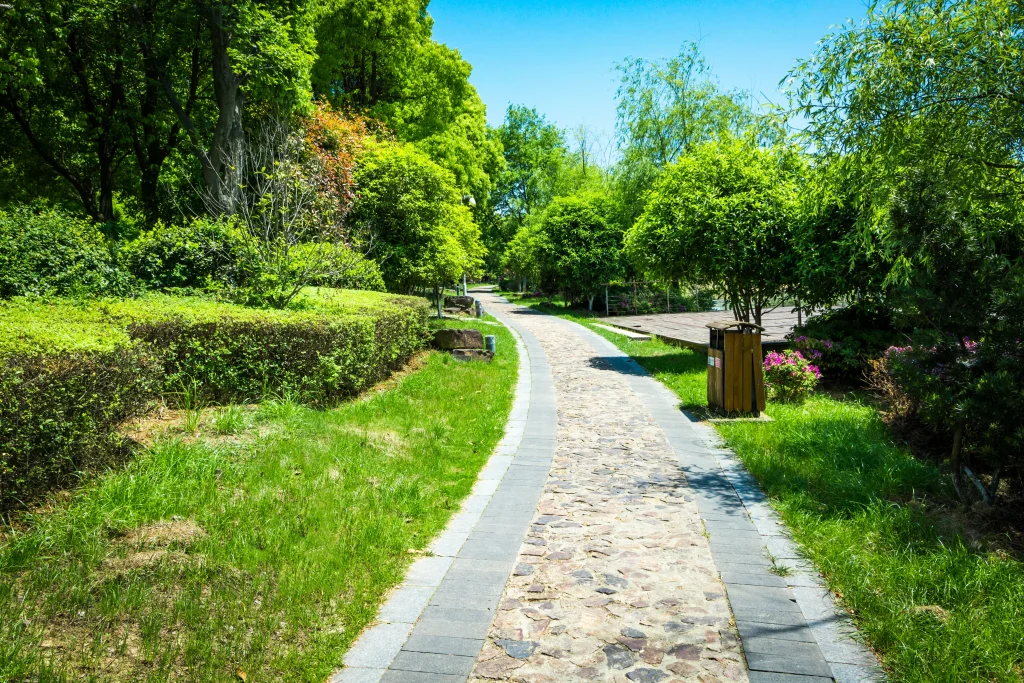
Rock patios have earned their place as one of the most versatile and garden-friendly outdoor seating solutions available to homeowners. Whether you’re looking to create a cozy corner for morning coffee or a spacious area for entertaining, a well-designed rock patio offers benefits that go beyond simple aesthetics.
Unlike rigid hardscape solutions, rock patios allow water to percolate through the surface, reducing runoff and supporting healthier soil conditions around your plants. This drainage advantage also means fewer maintenance headaches during freeze-thaw cycles and rainy seasons.
This guide helps you:
- Choose the best rock for your rock patio based on your specific needs and budget
- Build it correctly with proper base preparation, edging, and drainage
- Finish it so it’s comfortable, stable, and low-maintenance for years to come
What is a rock patio?
A rock patio is an outdoor seating or gathering area surfaced with loose or semi-loose rock materials rather than solid hardscaping like poured concrete or mortared brick. The surface typically consists of:
- Gravel (rounded, smooth stones typically ¼” to ¾” in diameter)
- Crushed stone (angular fragments that lock together)
- Loose rock (various sizes and shapes for decorative effect)
- Stone set into a rock base (flagstone, stepping stones, or pavers with gravel or crushed stone infill)
Common styles
- Loose gravel patio: A simple surface of pea gravel, river rock, or similar materials spread over a prepared base. This is the most budget-friendly and DIY-friendly option.
- Crushed rock patio: Uses angular crushed stone that compacts and locks together more firmly than rounded gravel, providing better stability for furniture.
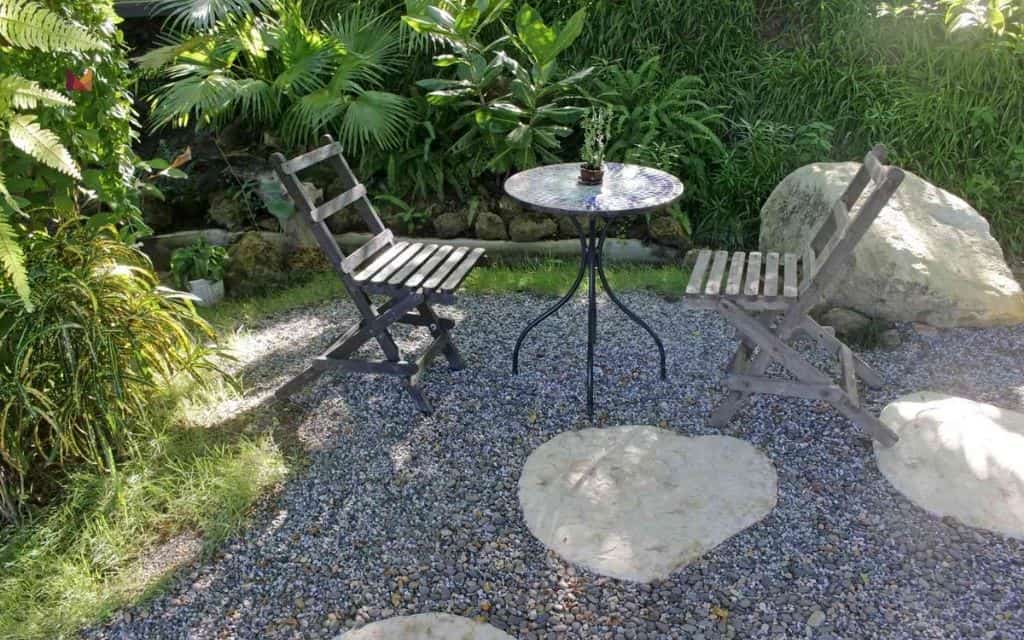
- Flagstone-in-gravel patio: Combines larger flat stones (flagstone or cut pavers) set into a gravel or crushed stone base, offering a solid walking surface with the drainage benefits of rock.
Why people choose rock patios
Easy drainage: Water moves through the gaps between stones rather than pooling on the surface, reducing puddles and preventing ice buildup in colder climates.
Natural appearance: Rock surfaces complement garden plantings and create a softer, more organic feel than solid hardscaping materials.
Repairable and adaptable over time: Unlike cracked concrete that requires demolition, rock patios can be easily adjusted, topped off, or reconfigured as your landscaping needs change.
The key distinction between a rock patio and other outdoor surfaces is permeability, rock patios allow water and air to move through the surface layer, making them an environmentally friendly choice that supports healthy soil and plant roots in surrounding areas.
Choose the right type of rock patio
Before you start digging, it’s essential to understand the three main categories of rock patios and how each performs in real-world use. Your choice will affect stability, maintenance, cost, and overall satisfaction with the finished space.
Gravel & loose rock patios
Materials: Pea gravel, river rock, decomposed granite, ¼” to ¾” smooth stones
Gravel for patios consists of rounded, smooth stones that shift slightly underfoot, creating a softer, more natural walking surface. This category includes popular options like pea gravel (small, pea-sized smooth stones), river rock (larger rounded stones), and decomposed granite (finely crushed granite that compacts into a firm but permeable surface).
Advantages:
- Easiest DIY installation
- Most affordable option per square foot
- Excellent drainage characteristics
- Easy to adjust or expand over time
- Flexible layout accommodates curves and irregular shapes
A loose rock patio works beautifully when you want a relaxed, garden-integrated feel and don’t need a rock-solid surface for formal dining furniture. Think Adirondack chairs around a fire pit rather than a full dining set.
Crushed rock & crushed stone patios
Materials: Crushed limestone, crushed granite, ¼” minus crushed stone, decomposed granite (when compacted)
Crushed stone for patio applications features angular, fractured edges that interlock when compacted, creating a much firmer surface than rounded gravel. The “minus” designation (as in “¼ inch minus”) means the material includes everything from dust-sized particles up to the stated size, which helps fill voids and create a more solid surface.
Advantages:
- Significantly more stable than loose gravel
- Better support for outdoor furniture and table legs
- Compacts well when properly installed
- Still maintains excellent drainage
- Creates a slightly more formal appearance
A crushed rock patio represents the sweet spot between the ultra-casual feel of loose gravel and the solid stability of pavers or concrete. It’s the go-to choice when you want good drainage and a natural look but need reliable furniture support.
Stone-based patios
Materials: Flagstone, cut bluestone, slate, large flat river rocks, concrete stepping stones—all set into gravel or crushed stone base
This hybrid approach combines larger flat stones (typically 12″ to 24″ across) placed strategically within a gravel or crushed stone field. The stones provide solid stepping surfaces while the surrounding rock handles drainage and softens the overall appearance.
Advantages:
- Solid, stable walking surface where placed
- Best of both worlds: stone stability + rock drainage
- Most attractive option for formal landscapes
- Comfortable for all footwear and mobility aids
- Can be installed gradually over time
When choosing rocks for patio area use in this style, look for flat stones at least 1½” to 2″ thick to prevent cracking under weight. This approach is ideal when you want a rock patio’s natural drainage and garden integration but need confident footing for entertaining guests.
How to build a rock patio
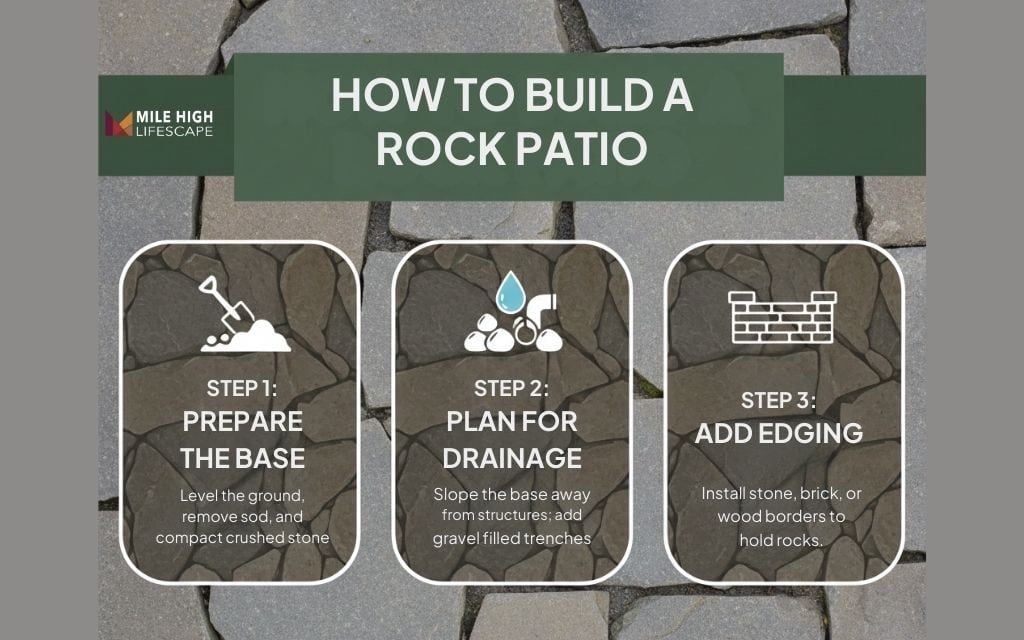
Building a rock patio that stays level, drains properly, and looks great for years requires attention to three critical elements: base preparation, drainage planning, and proper edging. Skip any of these, and you’ll likely face problems within the first year.
Step 1: Prepare the base
The base is the foundation of your entire project. Most rock patio problems – sinking, wobbling furniture, uneven surfaces, weed growth – stem from inadequate base preparation.
Excavation depth
Plan for a total depth of 4″ to 6″ below your desired finished surface level:
- 3″ to 4″ for crushed stone sub-base (typically ¾” crushed stone or crusher run)
- 1″ to 2″ for your finish rock layer (gravel, crushed stone, or decorative rock)
For areas with heavy clay soil or poor drainage, increase the crushed stone sub-base to 4″ or even 6″ to improve stability and water movement.
The sub-base is a layer of angular crushed stone (typically ¾” crushed limestone or crusher run) placed under your visible surface rock. Think of it as the foundation under a house – you don’t see it, but everything depends on it.
Installation process
- Mark and excavate: Outline your patio area with marking paint or stakes and string. Remove grass, weeds, and topsoil to the planned depth.
- Compact the subgrade: Use a hand tamper or plate compactor to firm up the exposed soil. This prevents future settling.
- Add crushed stone base: Spread 3″ to 4″ of ¾” crushed stone or crusher run evenly across the excavated area.
- Compact in layers: If adding more than 3″, compact in 2″ to 3″ lifts rather than all at once. Water lightly while compacting to help stones lock together.
- Check level and slope: Use a long level or straight board to verify the surface is relatively flat with a slight slope for drainage (covered in Step 2).
Step 2: Plan for drainage
Even though rock patios drain better than solid surfaces, proper grading ensures water moves away from your home and doesn’t create muddy areas or erosion problems.
Your patio surface should slope approximately ¼” per foot away from your house or any structures. This gentle grade is barely noticeable when walking but makes a significant difference in water management.
How to create slope
- Establish the highest point (usually against the house foundation)
- Calculate the drop: for a 10′ deep patio, you need 2½” of drop (10 feet × ¼” per foot)
- Check grade with a level and measuring tape during base installation
- Adjust the crushed stone base thickness to achieve proper slope
When to use landscape fabric
Landscape fabric (also called weed barrier or geotextile fabric) serves two purposes: it suppresses weeds and prevents the sub-base from mixing with the soil below. However, it’s not always necessary.
Use landscape fabric when:
- The patio is over highly weed-prone soil
- Your sub-base is thin (less than 3″)
- You’re using larger decorative stones that might allow significant weed growth
- You want maximum weed suppression with minimal maintenance
Skip landscape fabric when:
- You have a thick (4″+) compacted crushed stone base
- The area will be completely covered with tightly compacted crushed stone
- You’re concerned about long-term drainage (fabric can clog with sediment over decades)
Step 3: Add edging
Edging is the most overlooked element in rock patio construction, yet it’s essential for long-term success. Without proper edging, your patio stones will gradually migrate into the lawn, garden beds, or neighboring areas, leaving bare spots and creating maintenance headaches.
Metal edging
Flexible aluminum or steel edging stakes into the ground and bends easily to accommodate curved layouts. Commercial-grade metal edging is typically 3″ to 4″ tall and comes with stakes that anchor it every 2′ to 3′.
Installation:
- Place edging around the perimeter of your excavated area
- Position the top edge at or slightly above your finished rock surface level
- Drive stakes through the edging into firm soil or sub-base
- Overlap sections slightly and secure with provided connectors
Stone edging
Larger flat stones (6″ to 12″ wide) placed on edge around the patio perimeter create a substantial visual and physical border. This approach works especially well when the patio transitions into garden beds.
Installation:
- Dig a narrow trench around the patio perimeter
- Set stones on edge, partially buried for stability
- Backfill and compact soil against the back side
- Ensure stones extend above the finished rock surface level
Concrete edge restraints
Concrete landscape edging (typically 4″ × 8″ pavers set on edge or poured concrete borders) creates the most substantial edge restraint.
Installation:
- Excavate a trench deep enough to bury edging partially
- Set concrete edging on a compacted base
- Backfill against the back side for support
- Use construction adhesive between sections for stability
Plastic edging
While plastic edging is widely available and inexpensive, it’s generally not recommended for rock patios. It tends to become brittle in sun exposure, cracks easily, and doesn’t provide adequate restraint for loose rock materials. If budget is a primary concern, stone edging using on-site materials is a better long-term value.
12 rock patio ideas for gardens & backyards
These rock patio designs demonstrate the versatility of rock-based outdoor spaces, from budget-friendly DIY projects to more elaborate garden installations. Each idea can be adapted to your specific space, budget, and skill level.
Small backyard gravel patio
A compact 8′ × 10′ area surfaced with pea gravel creates an intimate seating nook perfect for small yards or limited spaces. This design requires minimal excavation (just 4″ depth) and can accommodate two chairs and a small table comfortably.
The entire project can be completed in a weekend for approximately $200-$300 in materials, making it ideal for renters since it’s easy to remove.
Position the patio against a fence or in a corner to reduce excavation area and create a cozy, protected feeling, then add potted plants around the edges to soften the transition to lawn.
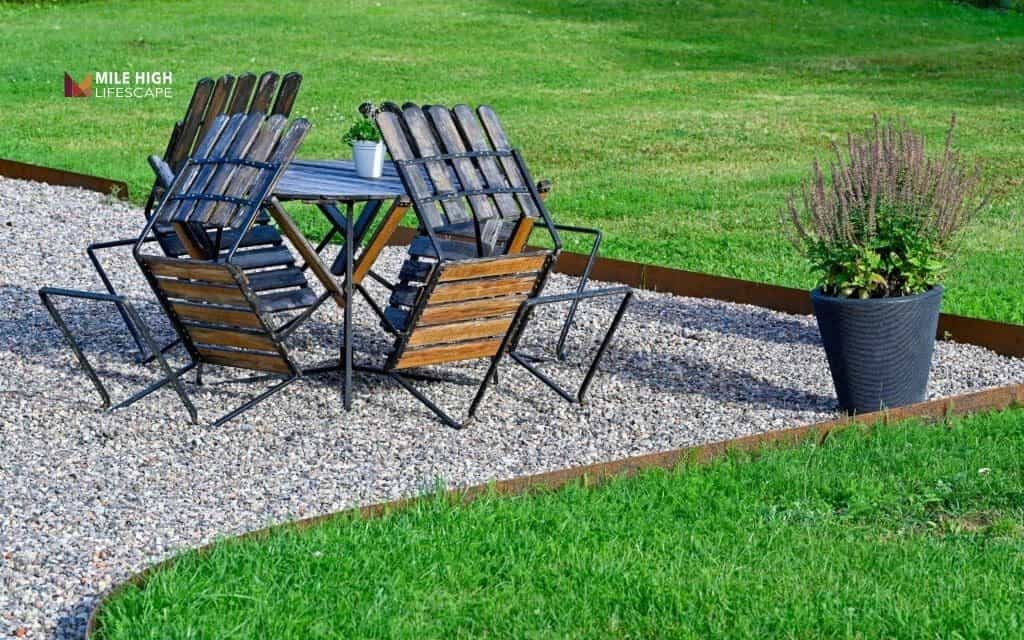
Crushed stone patio with steel edging
This design uses ¼” minus crushed stone with contemporary steel edging to create a stable, furniture-friendly surface ideal for outdoor dining areas. The crushed limestone or granite compacts into a firm surface that provides excellent support for table and chair legs while maintaining excellent drainage.
The steel edging creates professional-looking clean lines that complement modern architecture beautifully. Create a rectilinear shape with sharp corners and pair the installation with contemporary outdoor furniture and minimalist plantings for a cohesive modern aesthetic that requires minimal ongoing maintenance.
Flagstone set in gravel patio
Large flagstones measuring 18″ to 24″ are placed as stepping stones within a pea gravel or crushed stone field, creating solid footing where you need it while maintaining the drainage benefits of loose rock.
This approach works beautifully for transition spaces and garden-integrated patios, offering lower flagstone costs than full coverage while creating beautiful texture contrast between stone and gravel.
Space the flagstones one comfortable stride apart and arrange them in an irregular, natural pattern rather than rigid rows for the most appealing garden aesthetic. This is one of the most popular best landscape stones approaches for gardens.
Loose rock patio with fire pit
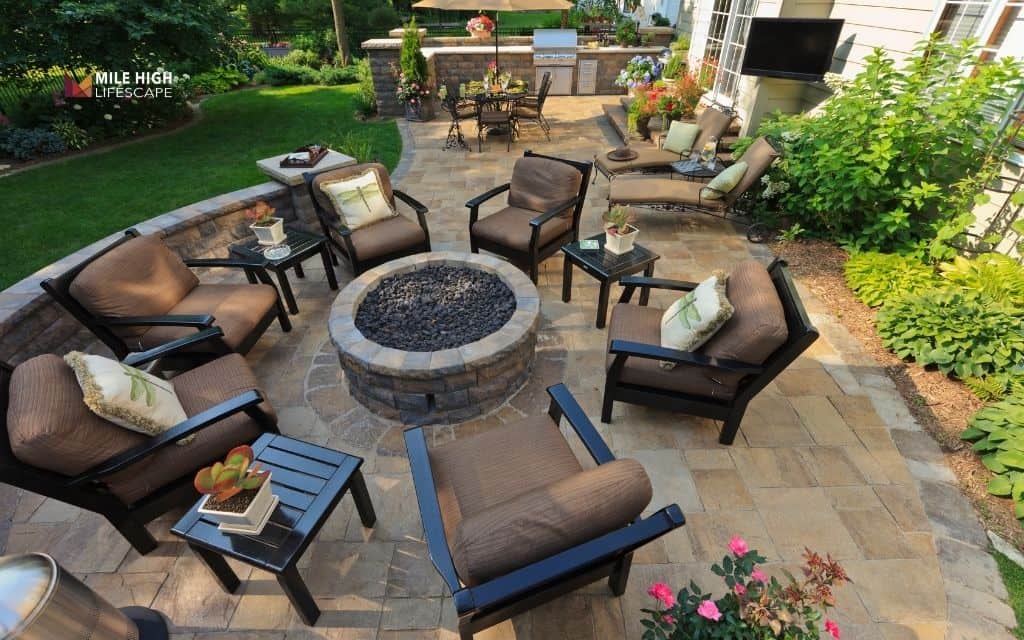
A circular or kidney-shaped pea gravel area centered around a fire pit creates an inviting gathering space for casual entertaining and evening relaxation.
The gravel surface (using larger ½” to ¾” pea gravel) is safer than grass around fire, stays in place better than fine gravel, and easily rakes back to a level surface after use.
Create a 12′ to 14′ diameter circle to allow comfortable chair placement around the fire pit for 4-6 people, with flexible seating arrangements that adapt to different group sizes.
The natural appearance blends seamlessly with garden settings while providing a functional focal point for outdoor gatherings.
Decomposed granite courtyard
Decomposed granite (DG) is finely crushed granite that compacts into a semi-solid surface, creating a formal appearance that’s almost as firm as concrete while maintaining some water permeability.
This material works exceptionally well for formal entries and courtyards where you want a rock-solid feel with warm, natural color tones. The surface requires substantial edging and a thick compacted base for best results, and works particularly well in dry climates.
Plan to reapply stabilizer every few years in high-traffic areas to maintain the firm, cohesive surface that makes decomposed granite courtyards feel more formal than loose gravel alternatives.
Garden-integrated rock patio
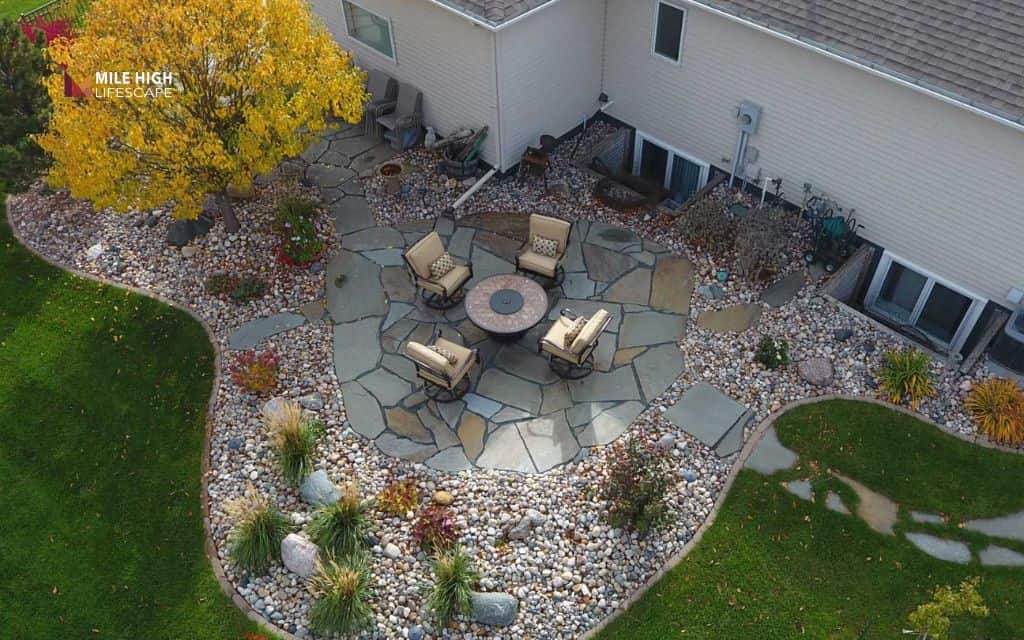
This flowing design incorporates planting pockets and allows plants to grow up through or around the rocks, creating a seamless transition between hardscape and garden.
Using a mix of crushed stone, larger decorative rocks, and flagstone accents, this approach appeals to garden enthusiasts who want cottage garden styles and naturalistic landscapes.
Leave occasional gaps in the rock surface (12″ to 18″ diameter) for low-growing plants like creeping thyme, which will spread across the edges and blur the line between patio and garden beautifully.
This design creates a lived-in, established feeling quickly while allowing creative plant placement that adapts and evolves over time.
Modern minimalist rock patio
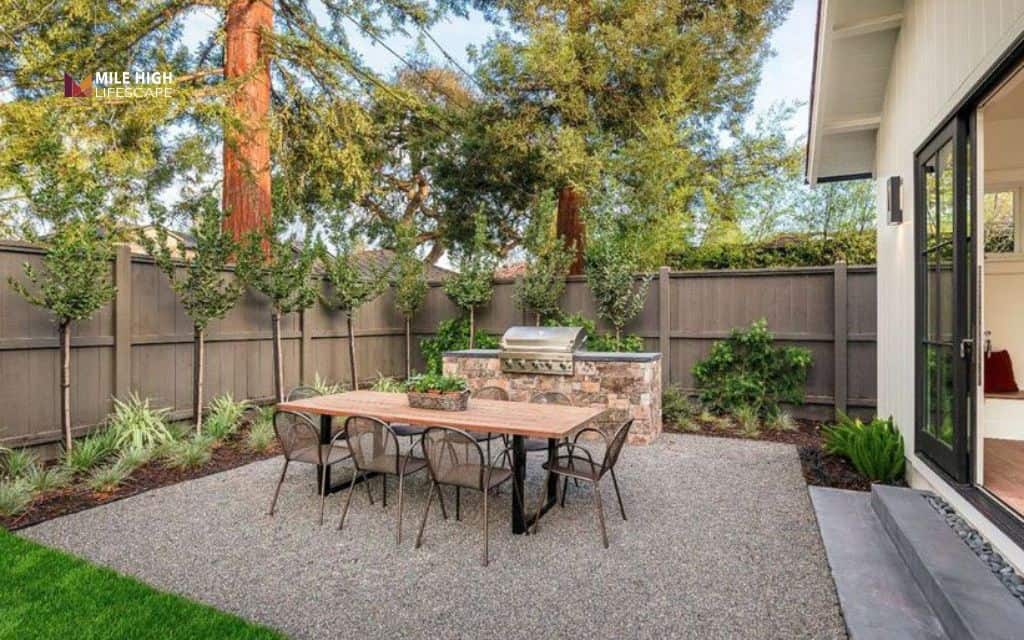
Clean-lined rectangular geometry using uniform crushed stone in a single light gray color creates a contemporary aesthetic perfect for modern homes and urban spaces.
Sharp metal or concrete edging defines the space precisely, while the consistent rock color and straightforward installation emphasize uncluttered space and clean lines.
This design pairs with modern outdoor furniture and requires low visual complexity – choose a single rock color and stick with it, avoid mixing materials, maintain crisp borders, and plant sparingly with architectural species.
The result is an outdoor space that complements minimalist design principles.
Side yard gravel seating area
Transform an unusable narrow side yard into a functional seating nook using pea gravel or small river rock with simple edging and minimal base preparation.
This inexpensive transformation improves drainage in problem areas while creating usable space from wasted areas, and it’s easy to install even in tight spaces.
Run the patio the full length of the narrow space and place a bench against one wall, then add potted plants or wall-mounted planters to create vertical interest. This approach turns awkward utility areas into bonus seating spaces that feel intentional rather than forgotten.
Rock patio with raised planters
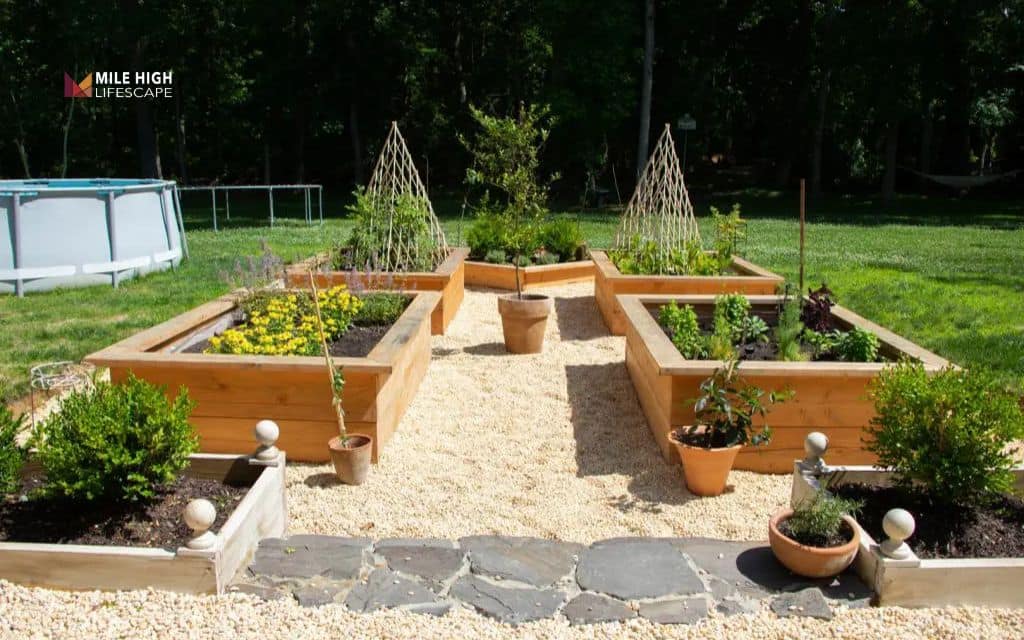
Incorporating built-in raised planters using stone or timber within a rock-surfaced patio creates a multi-functional outdoor space that combines seating with growing areas for vegetables and herbs. The crushed stone or gravel surface reduces mud and weeds between raised beds while making it easy to move around for tending plants and harvesting.
Position raised beds strategically to create partial privacy screens or define distinct seating zones within the patio.
The combination is both functional and attractive, with raised beds providing improved drainage and soil warmth for plants while the permeable rock surface supports the garden environment.
Shaded tree-circle rock patio
A circular gravel patio surrounding an existing mature tree creates a shaded seating area while protecting tree roots from foot traffic compaction.
Using pea gravel or small river rock in a tree-friendly installation, this design maintains air and water access to roots while creating usable space under the tree canopy. Keep gravel at least 6″ away from the tree trunk and avoid changing the soil grade around established trees to protect their health.
The permeable rock surface allows air and water to reach tree roots while preventing soil compaction, creating natural cooling in summer and functional seating in what might otherwise be difficult-to-landscape space.
Mixed stone & gravel patio
Combining different rock types and sizes creates visual interest and allows for creative expression, perhaps using river rock as a base with occasional larger accent stones or flagstone pieces incorporated throughout.
This approach works for garden artists who want unique designs or wish to showcase collected stones in a functional setting. Use a base layer of uniform crushed stone for stability, then add decorative elements on top for texture and visual interest.
Limit yourself to 2-3 distinct materials to avoid a chaotic appearance, creating a personalized patio that reflects individual style while maintaining functionality.
Budget-friendly DIY rock patio
Proving you don’t need a big budget to create functional outdoor space, this bare-minimum approach uses basic pea gravel, simple edging (even pressure-treated lumber works), and a minimal but adequate base.
The project can be completed for under $200 in materials using only basic hand tools, making it perfect for first-time DIYers or temporary installations. Start small (8′ × 8′) to keep costs down and prove the concept before expanding to larger areas.
Even on a tight budget, don’t skip proper base preparation. The compacted crushed stone foundation prevents future problems and ensures your investment, however modest, delivers lasting value.
Common rock patio problems (and how to fix them)
Even well-built rock patios face occasional maintenance challenges. Here’s how to identify and resolve the most common issues.
Weeds coming through gravel
Weed seeds blow in, land on the rock surface, and germinate in the small amount of soil dust that accumulates between stones. Some aggressive weeds can even penetrate through landscape fabric over time.
How to fix it:
- Hand-pull weeds when small, before they set seed
- Apply pre-emergent herbicide suitable for gravel areas in early spring
- Ensure rock depth is adequate (2″ to 3″ minimum for gravel)
- Accept that occasional weeding is normal and address weeds promptly
Rock spreading into the yard
Foot traffic, lawn mowing, snow shoveling, and natural settling cause rocks for patio areas to migrate beyond their intended borders.
How to fix it:
- If you skipped edging initially, add it now, it’s worth the effort
- Place a row of flat stones or pavers at the patio edge to keep the lawn mower wheels off the gravel
- Periodic raking pushes migrated stones back toward the center
- If the patio looks thin at the edges, topping off with additional material helps
Furniture wobbling
Rounded gravel shifts under furniture legs, and crushed stone can develop small depressions over time from concentrated weight.
How to fix it:
- Place 12″ × 12″ pavers or flat stones under each table and chair leg
- Use larger diameter furniture glides (3″ to 4″) to spread weight over more area
- Replace pea gravel with crushed stone in furniture-heavy areas for better stability
- Choose furniture with wide, flat feet rather than narrow legs
Stones shifting or sinking
Inadequate base preparation, soil settling, water erosion, or insufficient compaction during installation.
How to fix it:
- Add additional rock to bring low areas back to level
- Remove rock, add and compact more base material, then replace rock
- Improve drainage and slope to prevent water from undermining the base
- Accept that slight settling in the first year is normal; plan to top off as needed
Poor drainage after rain
Why it happens: Inadequate slope, compacted areas that block permeability, or clay soil below the patio that doesn’t absorb water quickly enough.
How to fix it:
- Add material at the high end to increase grade, or excavate at the low end if possible
- Ensure edging doesn’t create a dam that traps water
- Break up compacted sections with a garden fork, then top-dress with fresh crushed stone
- In severe cases, install a dry well or drainage pipe at the lowest point
Conclusion
Rock patios excel in specific situations and are worth serious consideration if your priorities align with their strengths.
Success depends on 3 elements:
- Choosing the right material: Match your rock selection to the intended use—loose gravel for casual areas, crushed stone for furniture areas, flagstone-in-gravel for formal spaces.
- Building a proper base: The 3″ to 4″ crushed stone sub-base is what separates a patio that lasts from one that requires constant maintenance. Don’t skip or shortcut this step.
- Finishing with edging and transitions: Quality edging contains the rock, creates clean lines, and eliminates the gradual material migration that plagues poorly detailed installations.
When these 3 elements come together correctly, a rock patio provides years of low-maintenance service in a style that naturally complements garden landscapes.
The project is achievable for DIY homeowners, adaptable to various budgets and spaces, and creates genuinely usable outdoor living space without the environmental and drainage drawbacks of solid hardscaping.
_________________________________________
Professional Rock Patio Installation in Denver
At Mile High Lifescape, we specialize in landscape rock installation throughout the Denver metro area, including rock patios designed specifically for Colorado’s unique climate challenges. We source quality landscape rocks and handle every step from proper base preparation and drainage planning to professional edging installation. Our installations are built to handle Denver’s weather extremes while creating beautiful, functional outdoor spaces that complement your garden.
Ready to discuss your rock patio project? Call (303) 877-9091 for a consultation.
Frequently asked questions (FAQs)
What is the best rock for a patio?
The best rock for a patio depends on how you plan to use the space:
– Crushed stone or crushed rock is the most stable option for seating and dining areas where you’ll place furniture, as the angular pieces lock together when compacted.
– Pea gravel and other loose rock patio materials work well for casual garden seating and budget-friendly DIY projects where you don’t need maximum stability.
– For formal areas, flagstone set in gravel combines the best of both approaches—solid footing with excellent drainage.
Do rock patios need a base, or can I lay gravel directly on soil?
A proper base is essential for long-term success. Skipping the sub-base often leads to sinking, shifting, and uneven surfaces within the first year. Most rock patios need a 3″ to 4″ compacted crushed stone sub-base, landscape fabric, and a 1″ to 2″ top layer of gravel or stone for long-term stability.
How do you stop weeds from growing in a rock patio?
Weeds are best controlled with a combination of landscape fabric, adequate rock depth (typically 2″ to 3″ for surface gravel), and occasional maintenance. No method is completely weed-proof, but proper installation reduces growth. Apply pre-emergent herbicide in early spring to prevent seed germination, and hand-pull any weeds that do appear while they’re still small.
Are rock patios comfortable for outdoor furniture?
Yes, if the right material is used. Angular crushed stone provides a much firmer surface than round pea gravel and creates a stable base for table and chair legs. For added comfort and to prevent wobbling, many people place patio pads (12″ × 12″ pavers or flat stones) under table and chair legs.
How does a rock patio compare to pavers or concrete in cost and maintenance?
Rock patios are usually less expensive than pavers or poured concrete and easier to repair over time. A basic gravel rock patio might cost $2 to $5 per square foot for materials (DIY installation), while pavers typically run $8 to $15+ per square foot, and poured concrete $6 to $12 per square foot.