A rotten tree does not have to look dead to be dangerous. Some of the most hazardous trees in American yards appear perfectly healthy on the outside while quietly losing their structural integrity from within. Decay can hollow out a trunk, destroy major roots, or weaken a rotten tree branch long before any visible sign appears on the surface.
If you have noticed something off about a tree on your property, whether that is mushrooms at the base, a lean that was not there last season, peeling bark, or branches dropping without a storm, you are right to take it seriously. This guide walks you through what a rotting tree is, what causes tree rot, how to recognize every major warning sign, and what steps to take next.
What is a rotten tree?
A rotten tree is one in which fungi and bacteria have broken down the wood’s internal structure, turning what was once firm, load-bearing material into something soft, spongy, hollow, or crumbly. Tree rot almost always starts from the inside out, meaning the outer bark and even a full green canopy can look completely normal while the trunk, roots, or heartwood beneath are already significantly compromised.
Tree rot is a one-way process. Decaying trees cannot regenerate damaged wood. Instead, they attempt to compartmentalize the decay by chemically sealing off affected areas and growing around them. Once rot becomes extensive, no treatment can undo the structural damage already done.
Understanding the real risk from a rotten tree
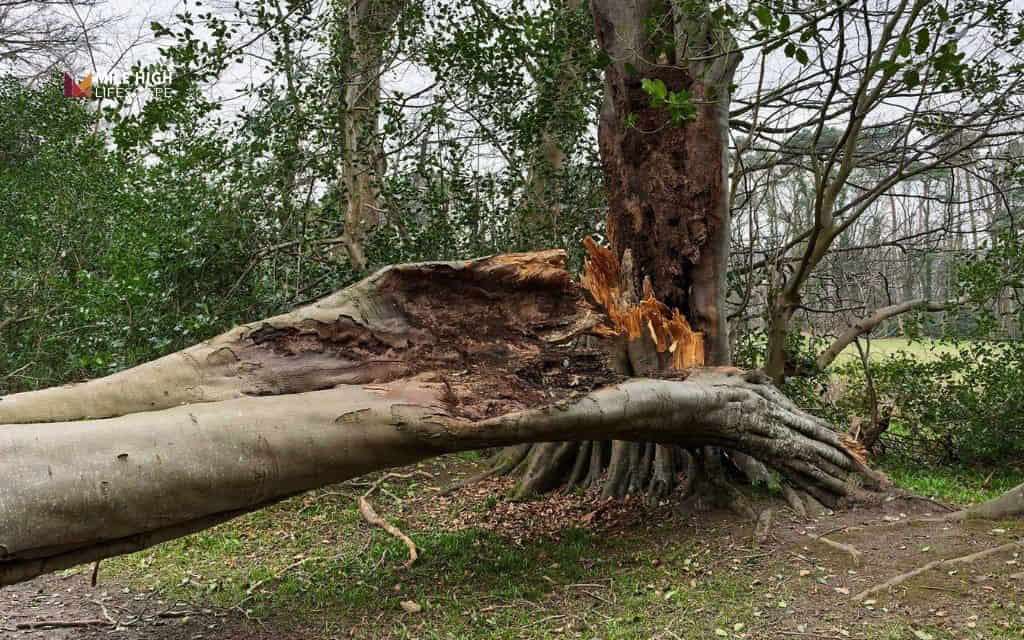
What makes internal decay especially hazardous is its unpredictability. Unlike a slow-growing structural problem you can watch unfold over years, tree rot can reach a tipping point quickly, particularly after heavy rain saturates already compromised roots or adds significant weight to the canopy. A rotten tree that looked stable last month can fail in a single wind event.
The risk escalates sharply when a rotten tree has developed a recent or worsening lean, has dropped major limbs without any storm, sits within striking distance of a structure or power line, or shows multiple warning signs at once. Any of these conditions should move the tree from your watchlist to your call-an-arborist list without delay.
Learn more: How long do trees live?
The most common Factors that cause tree rot
Tree rot does not appear randomly. It almost always begins at a specific entry point and spreads inward. Recognizing how rot starts helps homeowners identify preventable conditions and catch problems before they become structural hazards.
Open wounds and pruning injuries
Every cut made to a tree creates a wound, and large or improperly made cuts, such as flush cuts through the branch collar or topping cuts that leave oversized stubs, overwhelm the tree’s ability to seal itself off. These unhealed openings are the most common entry points for the wood decay fungi responsible for inside tree rot.
Poor drainage and overwatering
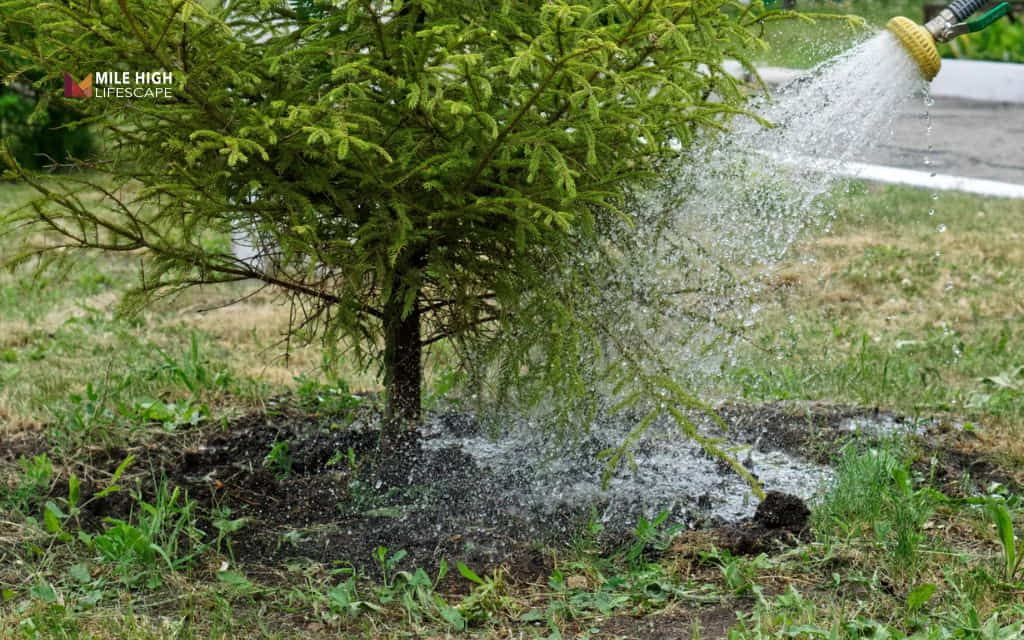
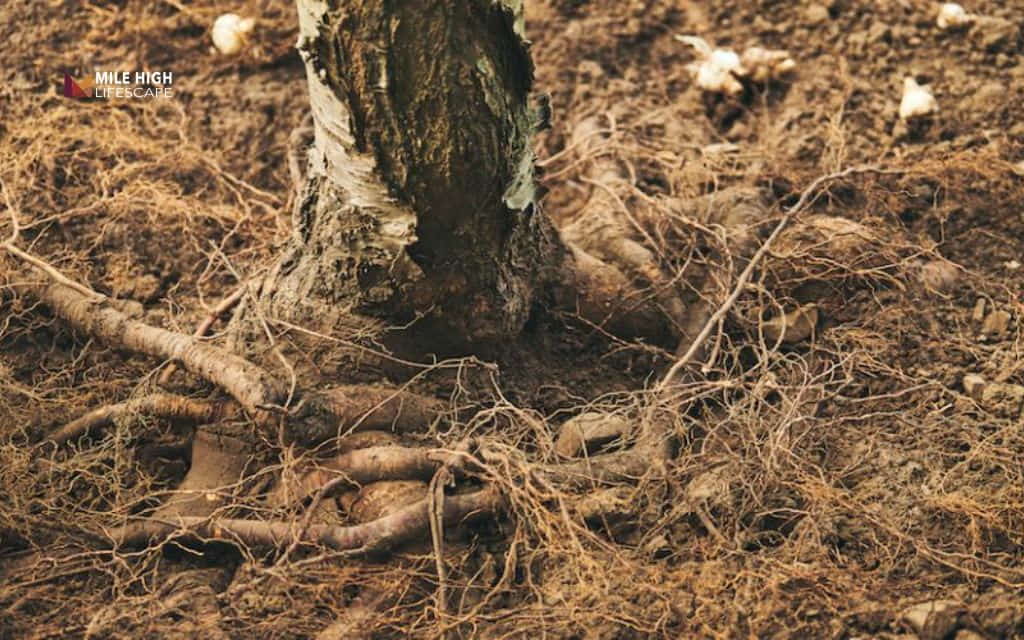
Roots sitting in waterlogged soil are starved of the oxygen they need to stay healthy. Root rot pathogens thrive in these saturated conditions and spread rapidly through a weakened root system. By the time symptoms appear above ground in a rotting tree, the root damage is often already severe.
Storm damage, frost cracks, and sunscald
Storms leave behind partially split branches, torn roots, and lightning wounds that may never fully seal. In colder regions, frost cracks and sunscald damage open additional entry points in the outer bark, giving wood decay fungi direct access to living tissue they would otherwise be unable to penetrate.
Insect infestations and pest damage
Wood-boring insects tunnel through bark and into the wood beneath, creating direct pathways for fungal spores. Carpenter ants found inside a tree trunk are a particularly reliable indicator of a rotten tree: they do not create decay, but they nest exclusively in wood that is already soft, which means the rot always preceded their arrival.
Improper mulching and soil compaction
Thick mulch piled directly against a tree’s trunk traps constant moisture against the bark and invites fungal growth at the root flare. Compacted soil from foot traffic or nearby construction restricts drainage and cuts off oxygen to the root zone, compounding the conditions that encourage root rot in otherwise healthy trees.
Aging trees and naturally susceptible species
As trees age, their compartmentalization response slows and accumulated wounds give tree rot more opportunities to establish. Species such as silver maples, cottonwoods, willows, and Siberian elms are particularly prone to heart rot as they mature, making routine professional inspections especially worthwhile for older specimens.
Learn more: Can trees die of old age?
10 warning signs of a rotten tree
Most of the important warning signs of a rotten tree are visible from the ground without any special equipment. You do not need to climb the tree, probe cavities with your hands, or attempt any DIY structural tests. The following ten signs are the most reliable indicators that a tree on your property may have significant decay.
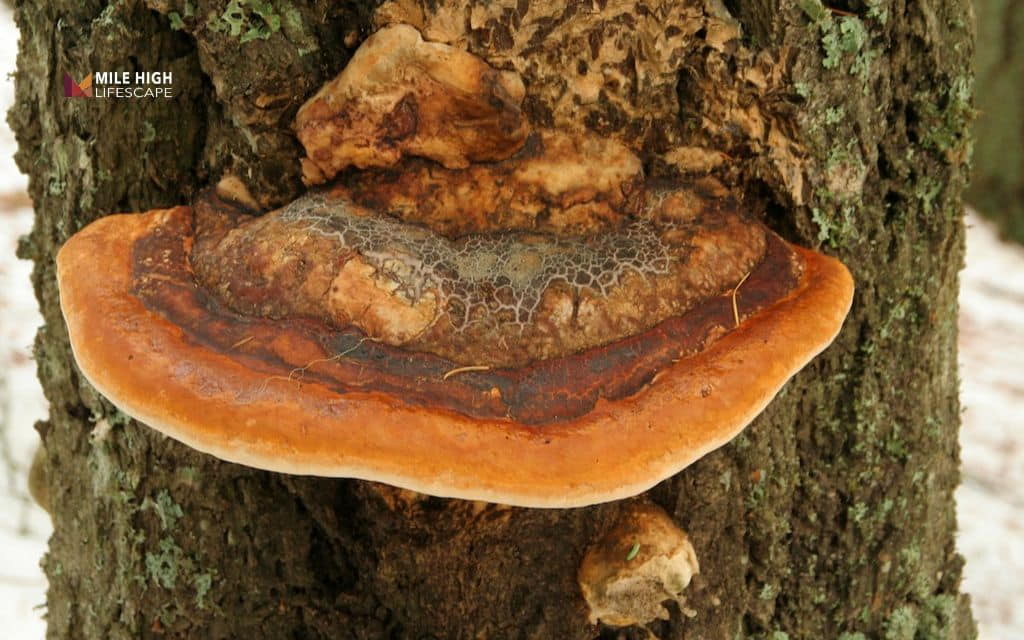
Mushrooms, conks, or shelf fungi on the trunk or roots
Fungal fruiting bodies growing directly from the trunk or base are among the strongest visible indicators of a rotten tree. Shelf fungi, bracket conks, and mushroom clusters at the base are the reproductive structures of the same organisms breaking down the wood inside. By the time these growths are large enough to notice, the internal decay may already be extensive, so their appearance should prompt a professional evaluation rather than a wait-and-see approach.
Distinguish fungi attached to the tree itself from mushrooms sprouting from decaying organic matter in the surrounding soil. Fungi colonizing the trunk or root zone are actively working through living or recently living wood, which is a more urgent finding.
Soft, crumbly, or hollow wood
Healthy wood is firm and dense. Soft or punky wood at an existing wound, a broken branch end, or a visible cavity in a rotten tree trunk is direct evidence of active decay. Hollow areas can sometimes be detected by knocking gently on the trunk with a closed fist: a solid trunk sounds sharp and compact, while a decayed or hollow area returns a dull, echoing thud.
Avoid probing cavities with your hands or tools. A large hollow in a rotten tree trunk is already a structural concern, and disturbing the area can cause unexpected movement of weakened wood. Observation from a safe distance and photos to share with a certified arborist are entirely sufficient.
Peeling, cracked, or missing bark
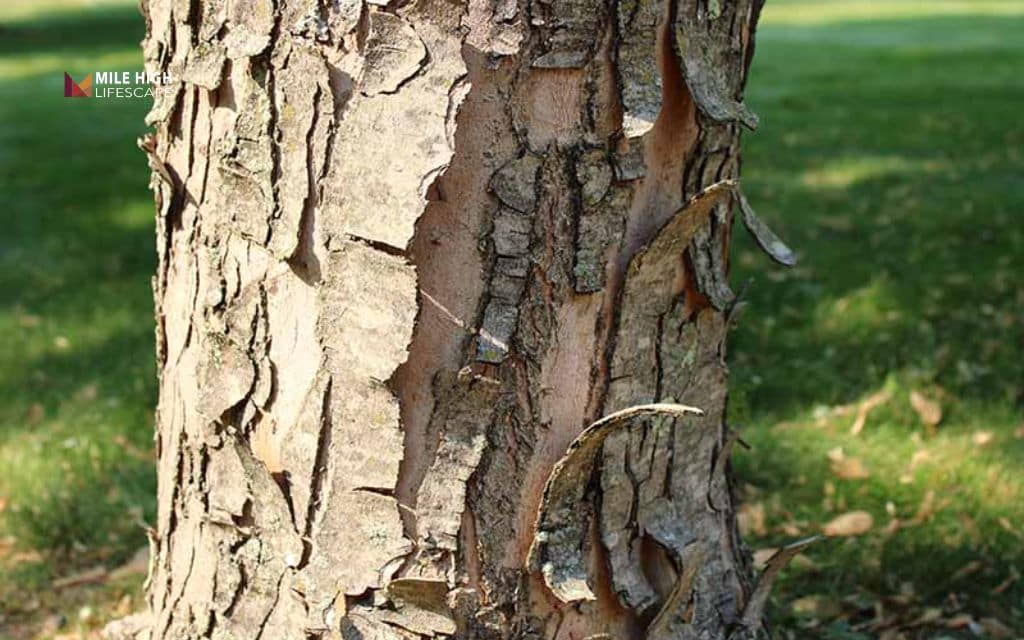
Bark shields the living cambium beneath from infection and moisture loss. When bark peels away in large sections without regenerating, exposes pale wood below, or shows deep cracks that extend into the wood, the tree’s outer defenses have been compromised. The key indicator is whether new bark is forming at the damage margins. When bare wood is visible with no callus growth, decay is likely entering through that opening.
Some species, including sycamores, birches, and river birches, shed bark naturally as part of healthy growth. The concern arises when bark loss is not followed by new bark formation underneath.
A leaning trunk
A gradual lean that has been stable since the tree was young is generally a natural response to light and is less concerning. A lean that has developed recently, worsened noticeably, or is accompanied by soil heaving or cracking at the base points to root system failure or structural compromise from a rotten tree trunk. Sudden lean is one of the highest-urgency signals a tree can send and should prompt immediate contact with a certified arborist.
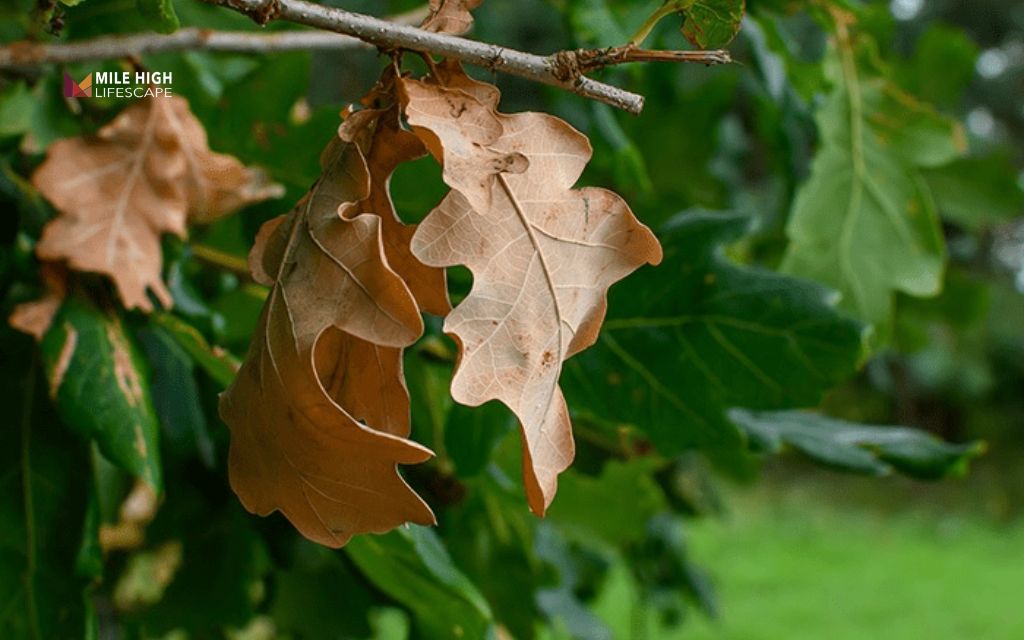
Dead, brittle, or falling branches
A rotten tree branch that dies and falls without storm activity, or that has been visibly dead for a season or more while still attached, signals a vascular problem. Tree rot in the trunk or major limbs blocks water and nutrient transport, causing sections of the canopy above the affected area to decline. A quick field check: snap a small twig. Healthy wood bends and reveals moist, pale green tissue inside; a rotten or dead branch snaps cleanly and shows dry, dark, discolored tissue.
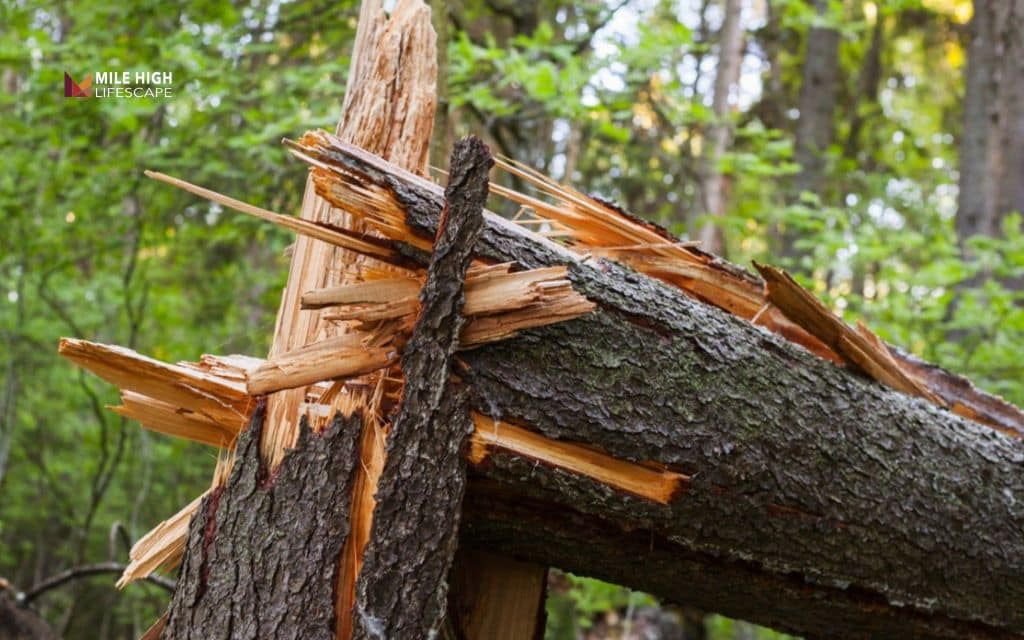
Cracks, splits, or V-shaped branch unions
Vertical cracks along the trunk and seams where a split trunk diverges indicate internal stress caused by wood that has lost flexibility due to tree rot. V-shaped branch unions, where two major stems meet at a narrow angle, are structurally weak independently because they trap bark and debris. When a V-union is also associated with fungal growth or cracking, the risk of that junction failing under wind load is significantly elevated.
Wilting leaves, sparse canopy, or early leaf drop
A rotten tree struggling internally will often display a noticeably thin canopy, wilt during periods of adequate moisture, or drop leaves weeks before surrounding trees of the same species. Root rot or trunk decay disrupts the vascular system that moves water and nutrients from the ground upward. If canopy decline is occurring with normal rainfall and no known drought stress, tree rot or root damage is the more likely explanation and warrants a professional assessment.
Carpenter ants, termites, or wood-boring insects
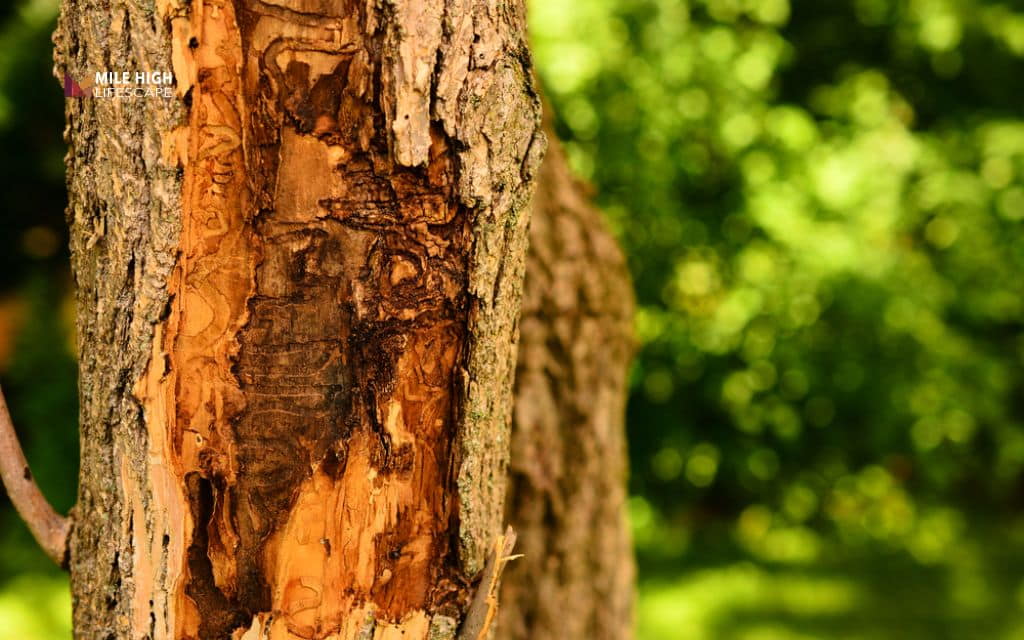
Carpenter ants found in significant numbers inside a trunk confirm the wood is already soft and moist enough to be habitable. They excavate galleries only in decayed wood, so their presence in a rotten tree confirms the rot arrived first. Fine frass, which is sawdust-like material accumulating at the base or in bark crevices, signals active wood-boring insect activity that both weakens the wood and creates additional pathways for fungal colonization.
Soil heaving, exposed roots, or fungi at the base
Soil lifting or cracking on one side of the tree base without nearby construction activity signals that the root plate may be failing due to root rot. As structural roots lose integrity, the tree shifts and the soil on the tension side can heave upward. Mushrooms or fungal mats emerging directly from the trunk base or from buried root zones are a sign of active root decay and should be treated as an urgent finding.
Foul or sour odor from the trunk
Active wet rot produces a musty, sour, or fermented odor most noticeable at wounds, cavities, or cracks in a rotten tree where interior wood is exposed or close to the surface. The smell comes from bacteria and fungi actively metabolizing wood tissue. If you detect an unusual odor from a tree, note the location and share it with an arborist during their evaluation. You do not need to approach any opening closely; the odor will be noticeable from a normal standing distance.
Learn more: Lightning striking a tree
Types of tree rot
Not all tree rot behaves the same way. The type of organism responsible shapes how decay progresses, what the wood looks like, and how quickly structural integrity is lost:
- White rot: Breaks down both lignin and cellulose, leaving wood pale, spongy, and fibrous. Commonly found in broadleaf species.
- Brown rot: Destroys cellulose while leaving lignin intact, producing dark, brittle wood that cracks into cube-like fragments. Considered more structurally dangerous because it eliminates the wood’s flexibility, making wind failure more likely.
- Soft rot: A slower decay driven by bacteria and certain fungi, typically affecting wood that cycles between wet and dry conditions. Less severe initially but can open the door to more aggressive organisms.
- Heart rot: Refers to decay that has reached the heartwood, the dense central core of the trunk. A rotten tree affected by heart rot can appear outwardly healthy while hollow inside. Many trees survive for years with heart rot if the outer shell of structural wood holds, but any thinning of that shell raises failure risk.
- Root rot: The most hazardous type because it is largely invisible until structural roots have already failed. It can bring down an apparently healthy-looking rotten tree with very little warning.
Tree rot treatment
The most important thing to understand about tree rot treatment is that existing decay cannot be reversed. No product or injection can rebuild wood fibers that fungi have already broken down. Instead, treatment focuses on slowing further decay, removing the conditions that caused it, and supporting the tree’s natural compartmentalization response.
When the rot is limited and the overall structure remains sound, a certified arborist may recommend one or more of the following approaches:
- Strategic pruning: Removing heavily decayed branches reduces wind load on the canopy and eliminates additional moisture entry points into the rotten tree.
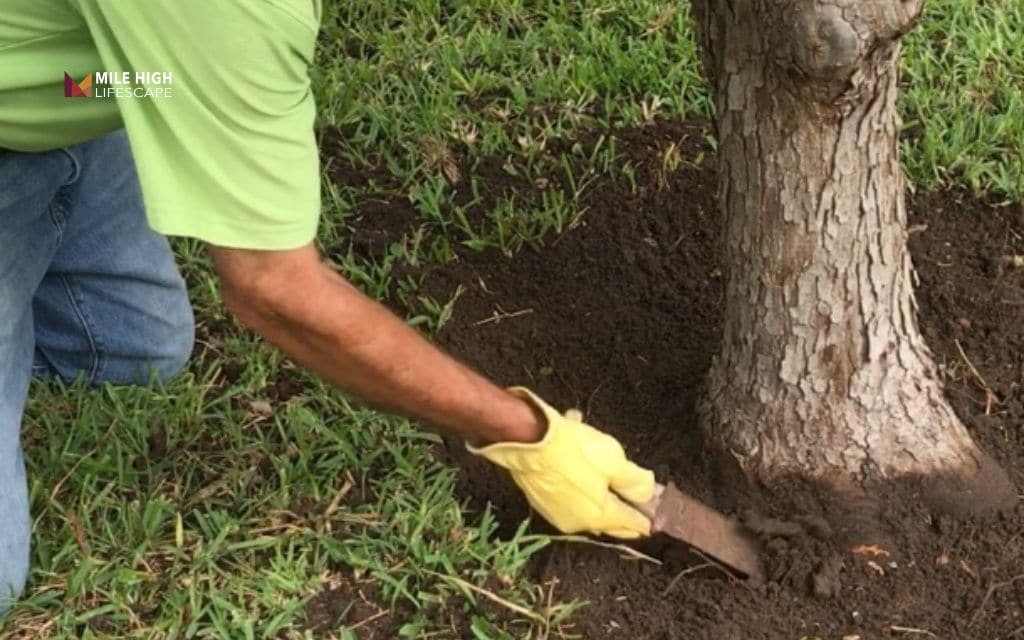
- Soil improvement: Correcting drainage problems, aerating compacted soil, and adjusting mulching practices around the root zone give remaining healthy roots a better environment and support the tree’s natural defenses.
- Deep root fertilization: May be recommended for rotten trees that are structurally sound but showing signs of vigor decline. This supplements other care rather than treating decay directly.
- Cabling and bracing: A certified arborist can install mechanical support for a rotten tree that has structural concerns but is not yet a removal candidate. This is a specialized intervention and not a substitute for removal when integrity is too far gone.
- Removal: When tree rot is extensive, roots have failed, or the rotten tree presents a clear hazard to people or property, removal is the safest and most responsible course of action.
Common tree rot mistakes to avoid
Homeowners who discover a rotten tree often make predictable errors driven by the impulse to act immediately or to delay in the hope that the situation resolves on its own:
- Sealing or painting over cavities: Filling a cavity with concrete, foam, or sealant traps moisture inside a rotten tree trunk, blocks callus formation, and creates conditions where decay organisms thrive. Leave cavities open and allow air circulation.
- Cutting into the trunk to inspect: Opening additional wounds introduces new pathways for pathogens. If you need to assess internal tree rot, a certified arborist can do this non-destructively using a resistograph or sonic tomography.
- Pruning large dead limbs yourself: On a rotten tree, large dead limbs may be attached to compromised wood and can fall unpredictably when cut. Any limb larger than a small branch should be handled by a professional with proper rigging equipment.
- Working near a leaning or storm-damaged tree: A rotten tree that has shifted position or already dropped major limbs is unpredictable. Keep people and pets out of the fall zone and contact a certified arborist before approaching the area.
- Waiting through another season: Decay progresses, roots weaken, and options narrow over time. If you have genuine concerns about a rotten tree, a professional inspection costs far less than emergency removal or structural damage to your property.
Conclusion
A rotten tree rarely announces itself with a single dramatic sign. More often, it gives you quieter clues: mushrooms at the base, a lean that was not there last season, or bark peeling away with no new growth underneath. Recognizing these signals early matters because tree rot is a one-way process, and the structural damage it causes cannot be undone.
The good news is that not every rotten tree needs to come down. Some can be safely monitored, others supported with strategic pruning and soil correction, and only the most compromised need removal. When in doubt, a certified arborist can assess the tree in person and recommend a course of action that matches the real level of risk on your property.
If you are a Colorado homeowner along the Front Range, Mile High Lifescape works alongside trusted arborists and handles the full landscape redesign once a hazardous tree has been addressed. If a rotten tree has dead, weakened, or hazardous branches, our Tree Branch Removal service can help address immediate risks before they lead to property damage or injury. Mile High Lifescape carefully removes problem branches while helping preserve the safety and appearance of your surrounding landscape. Schedule a consultation today and let us help you protect what matters and reimagine your outdoor space.
Frequently asked questions (FAQs)
How can I tell if a tree is rotten inside without cutting it?
Start with the ten warning signs covered above, paying particular attention to fungal fruiting bodies, bark changes, canopy thinning, and anything unusual at the base. You can also knock on the trunk with a closed fist: a dull, echoing response compared to a sharp sound elsewhere suggests a hollow area inside the rotten tree.
Can a tree recover from rot?
Not in the sense of regenerating damaged wood. Once tree rot has broken down structural wood fibers, that loss is permanent. What a tree can do is compartmentalize existing decay, walling it off so it does not spread further. Removing the conditions that caused the rot, such as poor drainage or open wounds, gives the tree the best environment to contain what remains. It will not heal the damaged area, but it may prevent the decay from advancing.
How long can a rotten tree stand before falling?
There is no reliable answer, and that unpredictability is precisely why rotten trees near structures are treated as urgent. Some decaying trees stand for many years, others fail during the first significant wind event after rot reaches a critical threshold.
Are decaying trees covered by homeowners insurance?
Most policies cover damage caused by a fallen tree to a covered structure but do not cover the cost of removing a rotten tree that is still standing. If the insurer determines you knew the tree was a hazard before it fell, damage claims may also be denied.
What is the difference between a dead tree and a rotten tree?
A dead tree has stopped all biological activity, while a rotten tree may still be partially alive with a functioning canopy even as internal decay undermines its trunk, roots, or major branches. Both are hazardous, but in different ways. A dead tree becomes increasingly brittle throughout and can fail at any point. A rotten tree retains canopy weight and may have compromised root anchoring, making it unpredictable under wind or rain load.