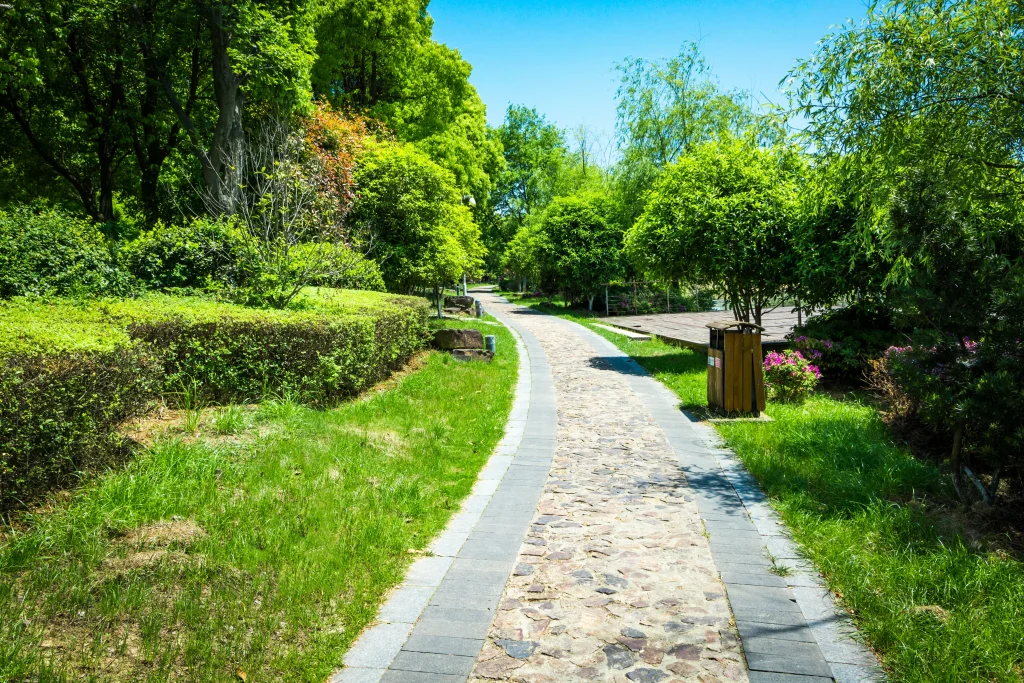
A tree does not get sick without warning. Yellow leaves, peeling bark, or fungus growing at the base of the trunk signal a problem long before the tree fails outright. Tree disease treatment starts with understanding what the tree is showing you, then choosing an approach based on the actual cause rather than a guess.
Treatment is not one product or one spray. Certain tree diseases progress slowly, while others move quickly enough to threaten a tree’s survival within a single season. The right approach may include pruning, sanitation, soil correction, pest control, fungicide application, trunk injection, or removal when a tree becomes unsafe, and the right combination depends on the disease, the tree species, and how far the problem has progressed.
Diagnosis comes before treatment
Correct diagnosis determines the direction of tree disease treatment from the start. A fungus responds to a different treatment than an insect infestation, and a nutrient deficiency responds to neither. Treating a tree without knowing the cause wastes money and can accelerate decline. Diseases on trees rarely announce their exact identity through a single symptom, so a full inspection of leaves, bark, roots, and surrounding soil comes before any treatment begins.
Extension services at land grant universities recommend diagnosis before any pesticide or fungicide use, since management options depend entirely on the specific problem identified. A homeowner who sprays a disease tree for fungus when the actual issue is root compaction gains nothing and may delay effective treatment. Arborists specializing in tree disease diagnosis rely on bark samples, soil conditions, and patterns across the canopy to identify the true cause before recommending next steps.
Common symptoms and what they signal
Symptoms point to a cause once you know what to look for. The table below outlines common signs of a diseased tree, what they typically indicate, and how urgently the problem needs attention.
- Yellowing leaves across the canopy: Signals root stress, nutrient deficiency, or vascular disease, and warrants monitoring within a few weeks.
- Brown or scorched leaf edges: Points to drought stress, salt exposure, or fungal leaf scorch.
- Sudden branch dieback: Indicates canker disease, borer damage, or root loss, and calls for prompt inspection.
- Peeling or cracked bark: Suggests canker, sunscald, or frost injury, with urgency rising as the damage spreads.
- Mushrooms or fungal growth at the trunk base: Reveals root rot or internal decay and often signals structural risk.
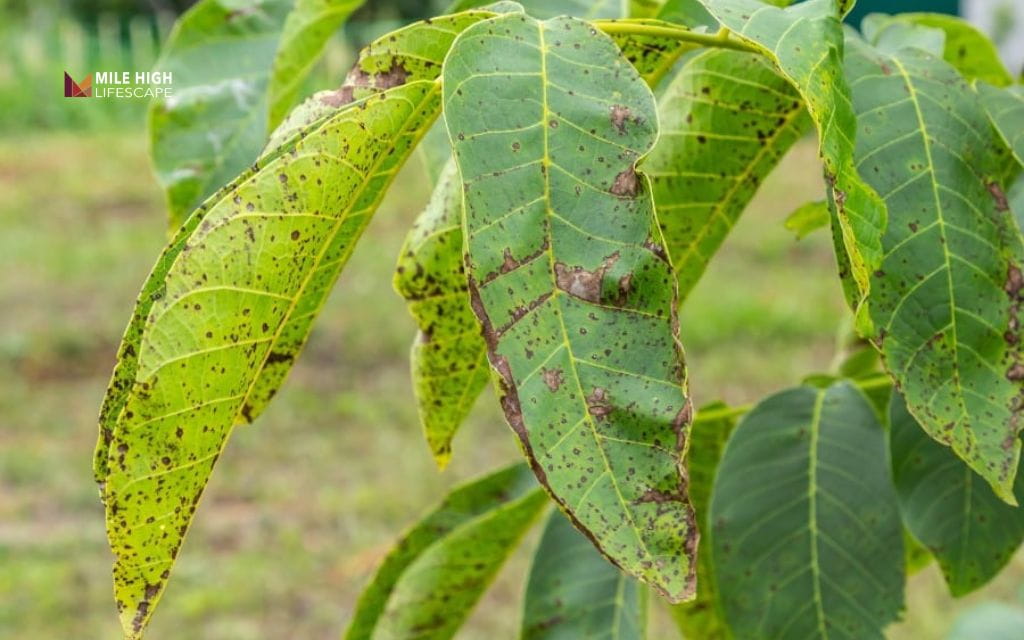
- Black spots on leaves: Points to fungal leaf spot, generally a lower urgency issue.
- Cankers or sunken bark lesions: Signals bacterial or fungal canker, urgent when the lesion encircles the trunk.
- Oozing sap or dark liquid on bark: Indicates bacterial wetwood or active borer damage.
- Powdery white coating on leaves: Points to powdery mildew, a low urgency cosmetic issue.
- Needle drop on evergreens: Suggests needle cast, needle blight, or environmental stress.
- Thinning canopy or sparse foliage: Reveals chronic stress, disease, or root damage, with urgency rising as the pattern progresses.
- Sudden overall decline: Signals advanced disease, severe root damage, or vascular wilt, and calls for evaluation without delay.
Learn more: Oak tree diseases
Common tree disease treatment methods
Pruning infected branches
Pruning removes infected or dead wood before the pathogen spreads to unaffected tissue. This method works well for cankers confined to a single branch, fire blight, and localized fungal infections that have not reached the trunk. Cuts should extend well past the visible infection, and tools need disinfecting between cuts to avoid carrying the pathogen to healthy wood elsewhere on the plant.
Timing matters as much as technique. Pruning during dormancy limits sap flow and reduces the risk of attracting insects to fresh wounds. Removing too much live wood at once stresses the tree further, so pruning is often staged across multiple seasons for trees with extensive dieback.

Fungicide and insecticide applications
Fungicides target fungal pathogens on leaves, bark, and stems, while insecticides address pests that spread disease or weaken the tree directly. Spraying works best on foliar diseases like leaf spot and powdery mildew, where the pathogen lives on exposed plant surfaces. Applying treatment early in the disease cycle, before symptoms spread, produces better results than spraying after significant damage has already occurred.
Spraying has limits. Systemic infections inside the trunk or root system do not respond to surface application, and repeated spraying without a confirmed diagnosis rarely solves the underlying problem. Tree fungus and rot treatment specialists typically reserve chemical spraying for cases where the pathogen and its life cycle have already been identified.

Trunk injections for systemic protection
Trunk injections deliver fungicide, insecticide, or nutrients directly into the vascular system, bypassing the bark to reach tissue that surface treatments cannot. This method suits systemic diseases where the pathogen travels through the tree internally rather than staying confined to the surface.
Injection sites create small wounds in the trunk, so this method gets used selectively rather than routinely. It works best on trees with enough remaining healthy vascular tissue to distribute the treatment, which is why early intervention improves the odds of success.

Soil, water, and site improvements
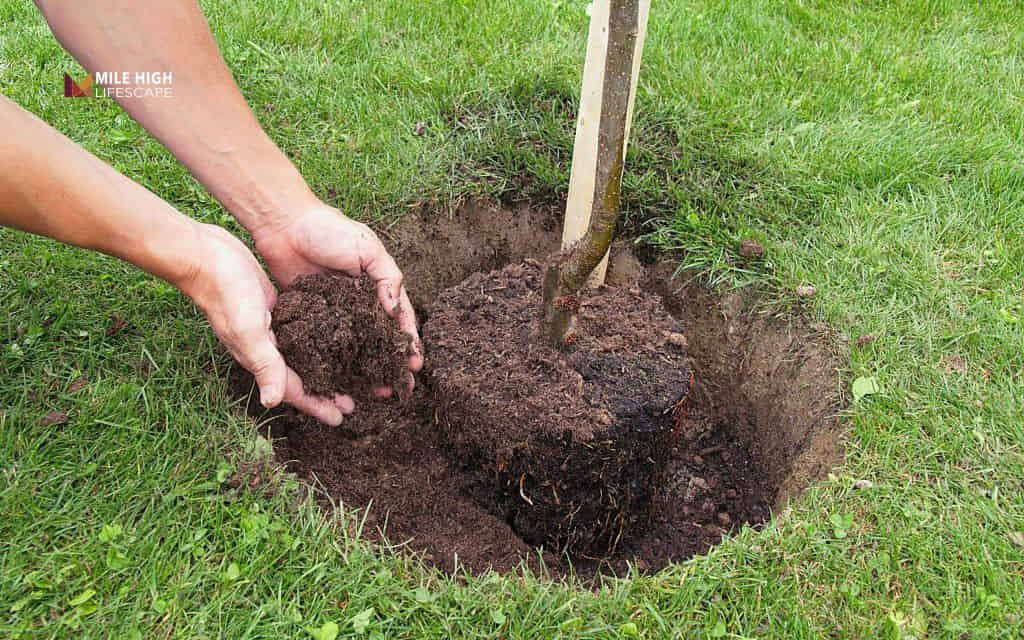
Many tree diseases start with stress rather than a pathogen alone. Compacted soil, poor drainage, overwatering, and root damage from nearby construction weaken a tree until an otherwise minor infection turns serious. Correcting soil aeration, adjusting irrigation, and improving drainage address the underlying condition rather than only the visible symptom.
A tree growing in improved soil with consistent moisture recovers from disease more effectively than one under continued stress. This approach rarely produces immediate visible results, but it strengthens the tree’s ability to resist future infection, which matters as much as treating the current problem.
Cabling and bracing for structural support
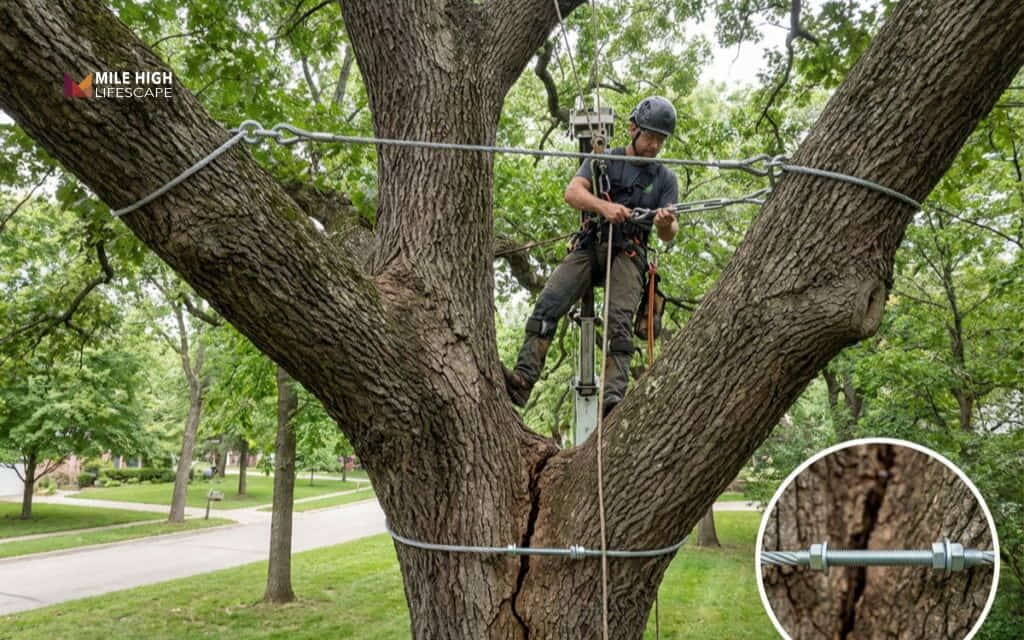
Cabling and bracing support weak branch unions, split trunks, or heavy limbs at risk of failure, often the result of internal decay or long term disease damage. Steel cables installed high in the canopy redistribute weight and reduce strain on compromised wood, buying time for a tree that still has value but carries some structural risk.
This method does not cure disease. It manages the physical consequences of decay while other treatments address the underlying cause, and it requires periodic inspection since decay can continue to progress even with support in place.
Removal when a tree cannot be saved
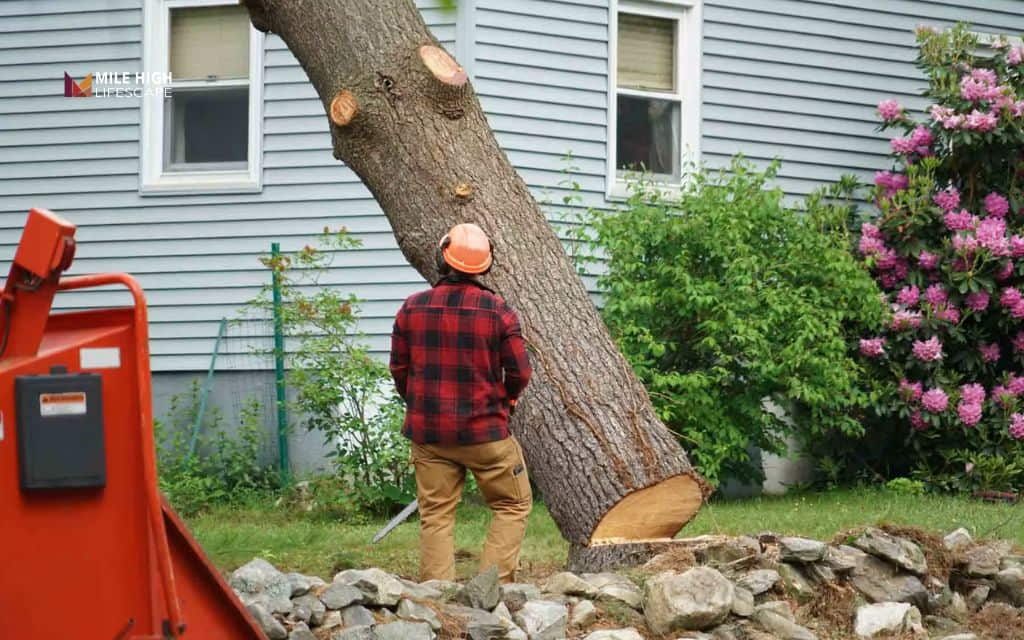
Removal becomes necessary when decay has compromised a diseased tree’s structural integrity, when a disease has no effective treatment, or when the tree poses a safety risk to people or property. Signs pointing toward removal include extensive trunk cavities, fungal growth covering a large area of the trunk base, and canopy loss exceeding half the tree.
Removing a severely diseased tree also protects surrounding healthy trees from infection, particularly with diseases that spread through root contact or airborne spores. A tree that cannot recover often poses more risk standing than it saves through further treatment attempts.
Learn more: Common crape myrtle tree diseases explained
Avoiding the wrong treatment
Effective tree disease treatment always starts with an accurate diagnosis, not a generic response to visible symptoms. Treating the wrong problem costs money and time, and it can worsen the actual issue. Fungicide applied to a tree suffering from root compaction does nothing for compacted soil, and fertilizer applied to a tree with active canker disease can feed the pathogen along with the tree. Matching treatment to diagnosis protects both the investment and the tree itself.
A pattern of repeated treatments without improvement usually signals a misdiagnosis rather than treatment failure. When symptoms persist despite following standard steps, revisiting the diagnosis, rather than escalating the same treatment, tends to solve the problem faster.
Conclusion
Tree disease treatment starts with a correct diagnosis and ends with a method matched to that diagnosis. Pruning, spraying, trunk injection, soil correction, structural support, and removal each serve a different situation, and none of them replaces the step of identifying the actual cause first. A tree that receives the right treatment early keeps more options open and holds a better chance of recovery than one treated late or treated for the wrong problem.
Mile High Lifescape‘s service helps homeowners across the Denver Metro area diagnose tree disease accurately and apply the treatment that fits. Call (303) 877-9091 to schedule an evaluation with our team!
Frequently asked questions (FAQs)
Can a tree recover from disease without treatment?
Some mild infections resolve on their own if the tree is otherwise healthy, but many diseases progress without intervention, particularly those affecting the vascular system or root zone.
How long does tree disease treatment take to show results?
Foliar treatments can show improvement within one growing season, while soil and root related treatments often take one to three years, since they address chronic stress rather than a single event.
Is it safe to prune a diseased tree myself?
Light pruning of small, accessible branches is often manageable for homeowners, but pruning near the trunk, on large limbs, or on trees with structural damage carries safety risks better handled by a professional.
Can one diseased tree infect healthy trees nearby?
Yes, several tree diseases spread through root contact, airborne spores, or insect activity, which is why sanitation and prompt treatment matter for protecting the rest of a landscape.