The types of zoysia grass fall into 3 species and roughly 20 named varieties, each with its own blade texture, shade range, and cold limit. This guide helps homeowners match a zoysia variety to sun, traffic, and winter lows. It also explains why Colorado lawns usually need a different grass.
How many types of zoysia grass are there?
There are 3 types of zoysia grass used for lawns: Zoysia japonica, Zoysia matrella, and Zoysia pacifica. Breeders cross these species to create roughly 20 named varieties, such as Meyer, Zeon, and Emerald.
Zoysia grass (Zoysia spp.) is a warm-season turfgrass native to Japan, Korea, and other parts of Asia. It spreads by above-ground stolons and underground rhizomes, which knit into a dense, slow-growing mat. The grass turns tan after the first hard frost and greens up again in late spring.
Botanical references disagree on the total species count, so the useful number for homeowners is the lawn count. Texas A&M AgriLife’s variety table for Texas alone names about 20 cultivars, each tied to one species or a hybrid cross.
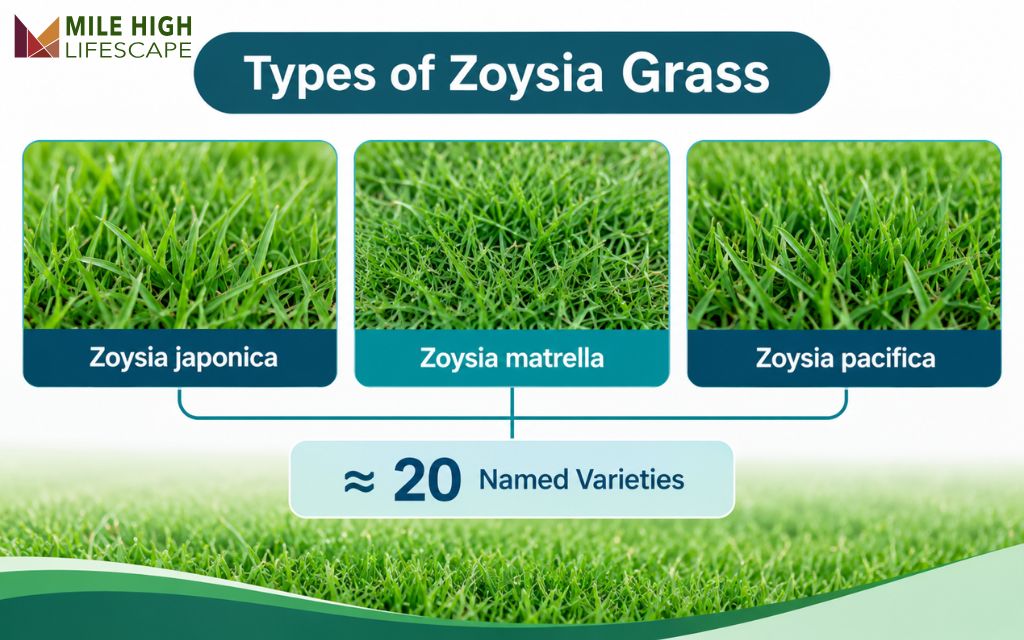
Zoysia japonica (Japanese or Korean lawngrass)
Zoysia japonica has coarse, light green leaves and the best cold tolerance of the 3 lawn species. It is the only species with seed sold commercially, according to Clemson Extension. Meyer, Zenith, Compadre, and Palisades all trace back to Z. japonica.
Coarse zoysias perform at mowing heights of 1 to 2.5 inches (2.5 to 6.4 cm), based on Texas A&M AgriLife’s 2025 lawn guide. They also need dethatching less often than fine types.
Zoysia matrella (Manilagrass)
Zoysia matrella produces finer, denser blades than japonica. It grows slower, establishes slower, and tolerates less cold. Zeon, Diamond, and Trinity are common matrella varieties.
Fine-textured zoysias mow best at 1 to 2 inches (2.5 to 5 cm), often with a reel mower. Lower cuts suit golf turf more than home lawns.
Zoysia pacifica (formerly Zoysia tenuifolia)
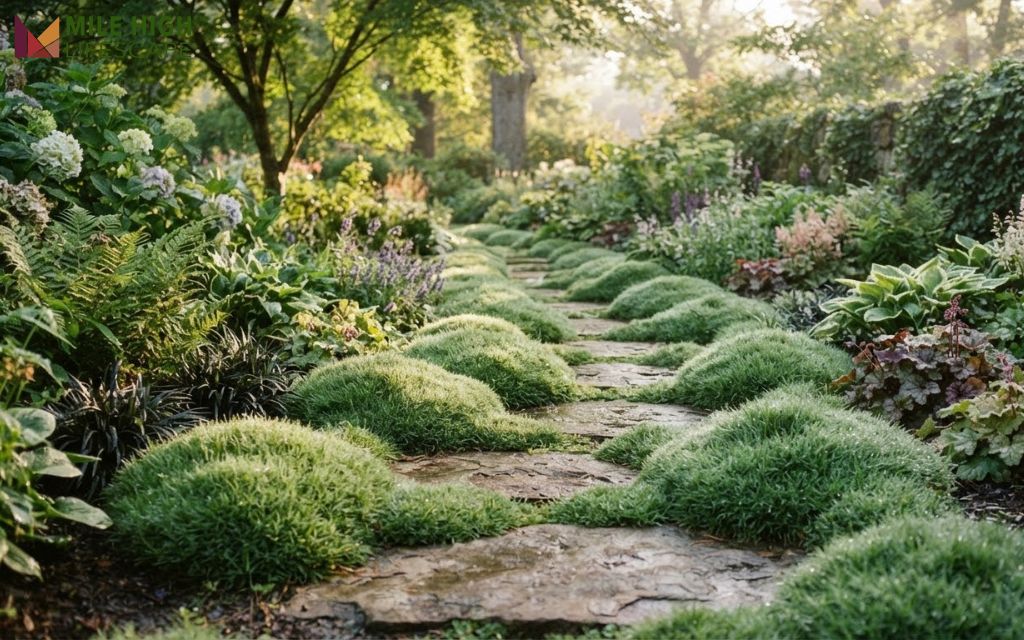
Zoysia pacifica, still sold under its older name Zoysia tenuifolia, forms soft, puffy clumps with very fine blades. It has the lowest cold hardiness of the 3 species. Gardeners use it as an ornamental groundcover in Asian-style beds more than as a lawn.
Hybrid zoysias
Hybrid zoysias combine traits from 2 species. Texas A&M AgriLife lists Empire, El Toro, JaMur, and Cavalier as Z. japonica × Z. matrella crosses, and Emerald as a Z. japonica × Z. pacifica cross.
Sellers sometimes label the same variety with a different species. Check the breeder’s registration when species matters for your winter lows.
Zoysia grass varieties at a glance
The table compares 14 zoysia varieties by species, texture, shade, cold tolerance, and planting form. Ratings are relative to other zoysias, so a “high” cold rating still means 5 to 7 months of winter dormancy in cool climates.
| Variety | Species or parentage | Blade texture | Shade tolerance | Cold tolerance | Sold as |
| Meyer (Z-52) | Z. japonica | Medium | Moderate | Highest | Sod, plugs |
| Zenith | Z. japonica | Medium-coarse | Light shade | High | Seed, sod |
| Compadre | Z. japonica | Coarse | Light shade | High | Seed, sod |
| El Toro | Z. japonica × Z. matrella | Medium-coarse | Moderate | Good | Sod |
| Empire | Z. japonica × Z. matrella | Medium-coarse | Moderate to good | Good | Sod |
| JaMur | Z. japonica × Z. matrella | Medium-coarse | Moderate | Limited data | Sod |
| Palisades | Z. japonica | Medium | Partial shade | Moderate to good | Sod |
| Innovation | Z. japonica × Z. matrella | Medium-fine | Average | High | Sod |
| Zeon | Z. matrella | Fine | Good | Moderate | Sod |
| Emerald | Z. japonica × Z. pacifica | Very fine | Good | Low to moderate | Sod |
| Zorro | Z. matrella | Very fine | Good | Low | Sod |
| Cavalier | Z. japonica × Z. matrella | Fine | Moderate to good | Low to moderate | Sod |
| Geo | Z. japonica × Z. pacifica | Fine | Excellent | Limited data | Sod |
| Royal | Z. japonica × Z. matrella | Fine | Excellent | Adequate | Sod |
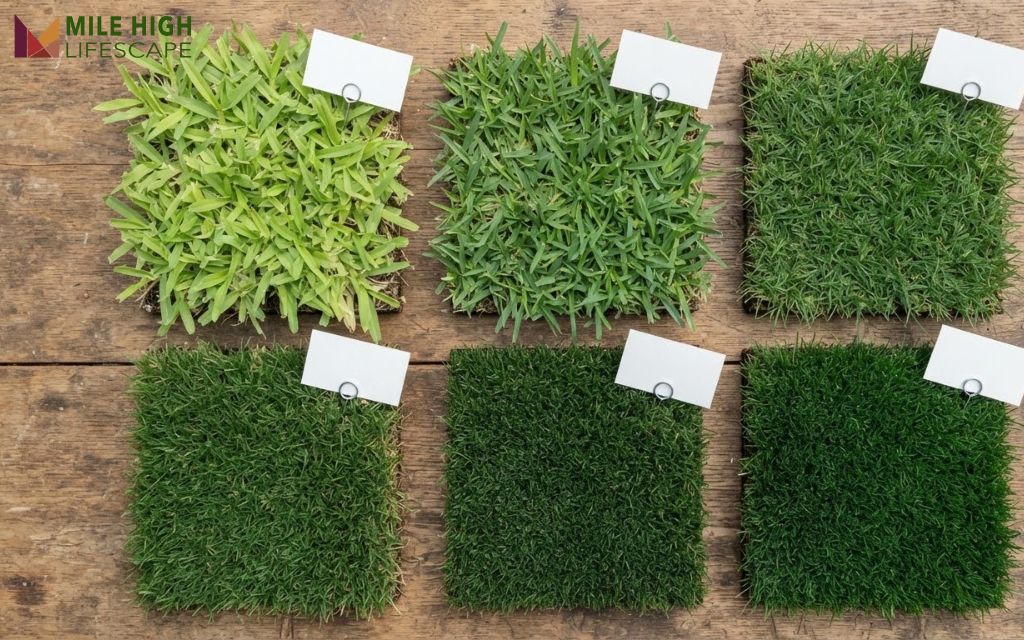
Popular zoysia varieties explained by blade texture
Blade texture is the fastest way to sort zoysia varieties because it predicts mowing height, thatch, and cold tolerance. Coarse types handle cold better, while fine types look denser but demand closer care.
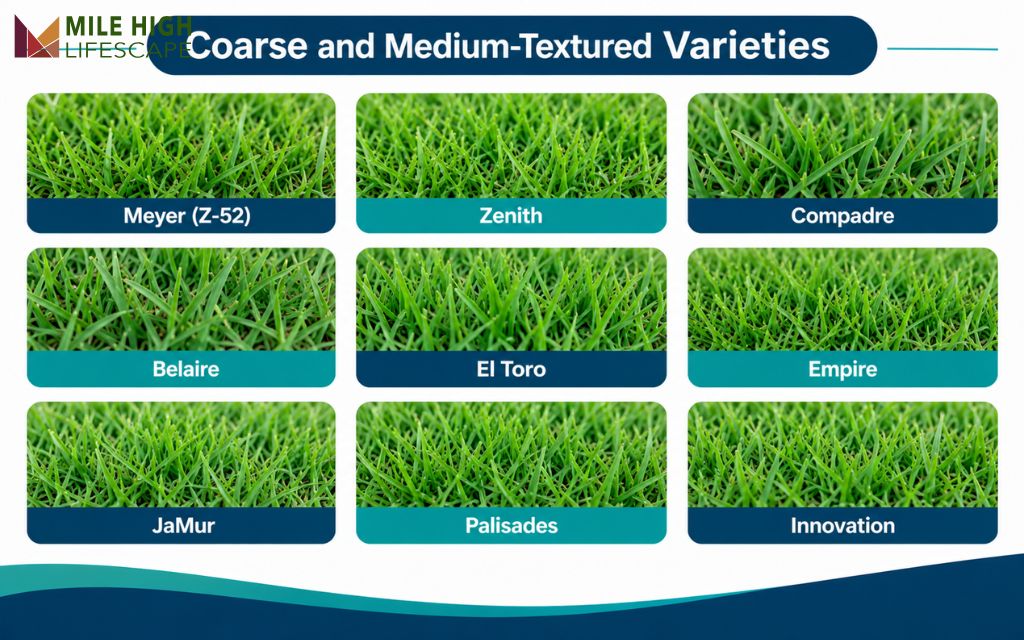
Coarse and medium-textured varieties
Coarse and medium zoysias suit homeowners who mow with a rotary mower and face colder winters. The 9 varieties below lead this group.
- Meyer (Z-52): Meyer remains the benchmark for zoysia cold tolerance. It spreads faster than most zoysias but attracts nematodes in sandy soil. CSU Extension names Meyer the only zoysia with adequate cold tolerance for Colorado.
- Zenith: Zenith is a seeded Z. japonica with medium-coarse, dark green leaves that resemble Meyer. Clemson recommends 1 to 2 pounds of seed per 1,000 square feet (about 5 to 10 g per m²) in late spring to early summer.
- Compadre: Compadre, sold earlier as Companion, is the second major seeded Z. japonica. It tolerates heavy wear and salt, which makes it a coastal favorite in the Southeast. In cooler regions, Compadre needs more direct sun than it does in the South.
- Belaire: Belaire offers excellent cold tolerance and establishes faster than Meyer. Its weak point is large patch, a fungal disease that leaves tan, circular patches in spring and fall.
- El Toro: El Toro, developed in California, grows the fastest of the zoysias in Clemson’s list. It tolerates rotary mowing, builds less thatch than Meyer, and greens up earlier in spring.
- Empire: Empire has wide, soft blades and strong resistance to chinch bugs. Clemson lists mowing heights of 1 inch (2.5 cm) with a reel mower or 2 inches (5 cm) with a rotary mower.
- JaMur: JaMur offers an attractive green color, mows cleanly with a rotary mower, and performs in moderate shade. Its cold tolerance has less published data than Meyer’s.
- Palisades: Palisades grows upright and accepts mowing heights from 3 inches (7.6 cm) down to ½ inch (1.3 cm). In a 2023 to 2024 Texas A&M study on Dallas clay soil, Palisades kept acceptable quality at 48% of reference evapotranspiration (ETo), a measure of local water demand.
- Innovation: Innovation targets the transition zone, where winters run colder than in the Deep South. Clemson rates its shade tolerance as average and notes it grows on all soil types.
Fine-textured varieties
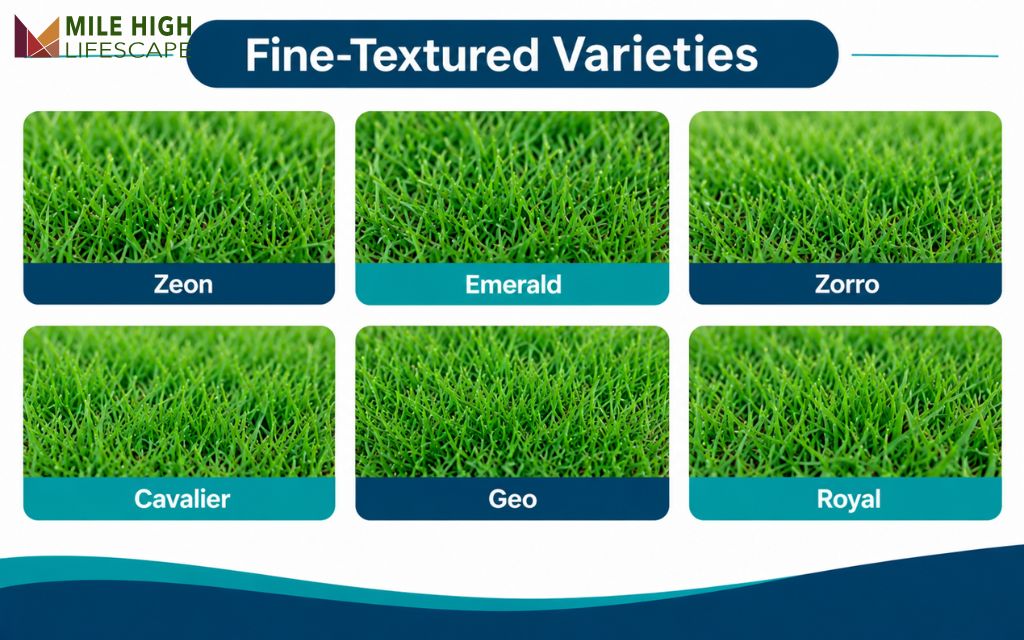
Fine-textured zoysias create a carpet look but need low mowing, steady fertility, and regular thatch control. These 6 varieties are the most common.
- Zeon: Zeon forms a thick, dark green turf with good tolerance of shade, drought, and wet soil, according to Clemson. Its fine blades feel soft underfoot, and growers sell it as sod.
- Emerald: Emerald produces very fine, dark green blades in a low, dense mat. It tolerates more shade than Meyer but less cold, and it builds thatch fast when overfertilized.
- Zorro: Zorro has very fine blades and strong shade tolerance. Growers report lower winter hardiness and slower recovery from wear than coarse types.
- Cavalier: Cavalier has fine, soft blades and grows faster than Emerald. Sellers note lower cold tolerance, so it fits warm southern lawns better than transition-zone yards.
- Geo: Geo produces soft, dark green turf with excellent shade tolerance, according to Clemson. It mows at 1 inch (2.5 cm) with a reel mower or 2 inches (5 cm) with a rotary mower.
- Royal: Royal stands out for dense rhizomes, excellent salt and shade tolerance, and a mowing range of ½ inch to 3 inches (1.3 to 7.6 cm). Clemson rates its winter hardiness as adequate for South Carolina.
Newer proprietary releases
Several newer varieties are patented and sold through licensed growers, so most performance data comes from the breeders. Treat these 3 profiles as breeder claims until independent trials confirm them:
- Stadium: Growers market it for dense, dark green sports turf mowed below ¾ inch (1.9 cm), ideally with a reel mower.
- CitraZoy: Breeders selected it in Florida for disease resistance and a fine, velvety surface.
- Lobo: Breeders at NC State developed it for lower water, fertilizer, and mowing inputs, though supply remains limited.
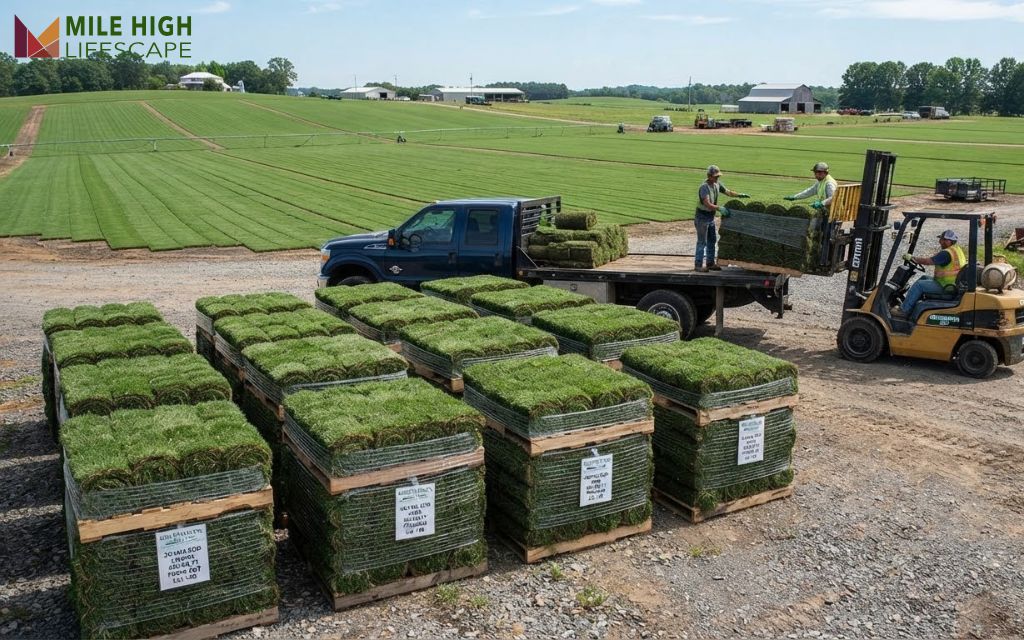
Zoysia sod types vs. zoysia seed
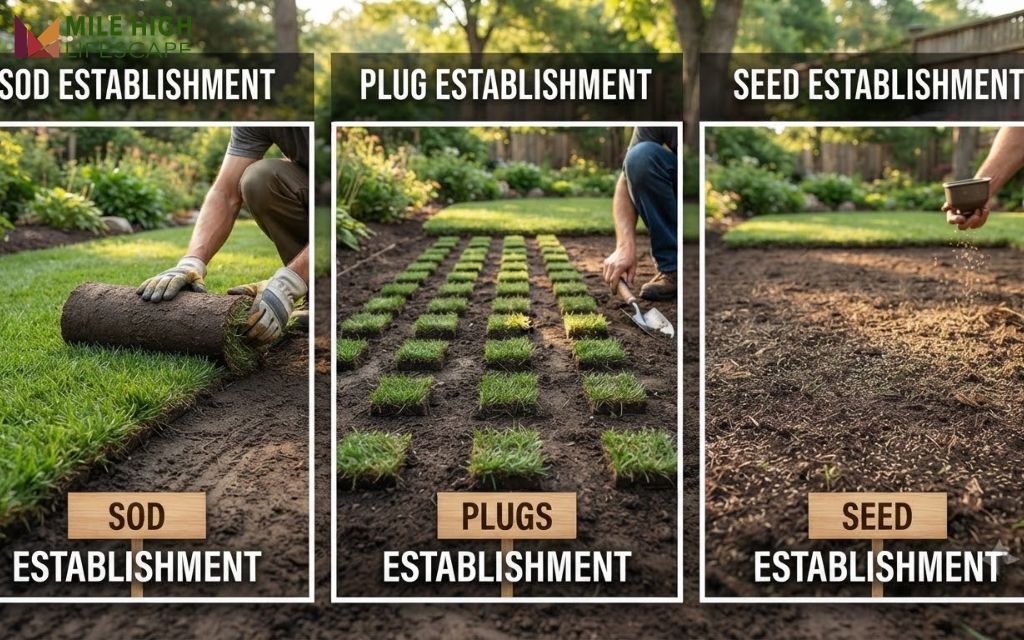
Most zoysia varieties are sold only as sod, sprigs, or plugs, because hybrids and fine-textured types do not produce reliable seed. Only Z. japonica varieties, such as Zenith, Compadre, and Chinese Common, come as seed.
Each planting form trades cost against speed. The 4 options compare this way:
- Sod: Sod gives full cover the day it is laid and is the fastest way to establish any zoysia variety.
- Plugs: Clemson spaces 2-inch (5 cm) plugs on 6-inch (15 cm) centers, which fill in within 2 seasons in the Southeast.
- Sprigs: Sprigs are stolon pieces spread over prepared soil, and they cover slower than sod.
- Seed: Seed costs less up front, but seeded turf rates below sodded varieties in quality, according to University of Florida researchers.
Timing matters as much as format. Texas A&M AgriLife advises planting in late spring or early summer, when air temperatures reach 80 to 95°F (27 to 35°C), so roots establish before dormancy.
Head-to-head comparisons of popular zoysia varieties
Three matchups come up often when homeowners narrow a zoysia shortlist. Each pairing below compares planting form, climate fit, and turf quality.
Compadre vs. Zenith zoysia
Compadre and Zenith are close siblings: both are seeded Z. japonica varieties that resemble Meyer. In the University of Arkansas’s seeding guide, researchers found both have excellent cold tolerance, with turf quality slightly below Meyer.
The differences sit in climate and use. Compadre tolerates salt in soil and irrigation water, so it suits coastal lawns. Zenith fits inland home lawns, but UF IFAS reports poor persistence in Florida due to disease.
Empire vs. Zenith zoysia
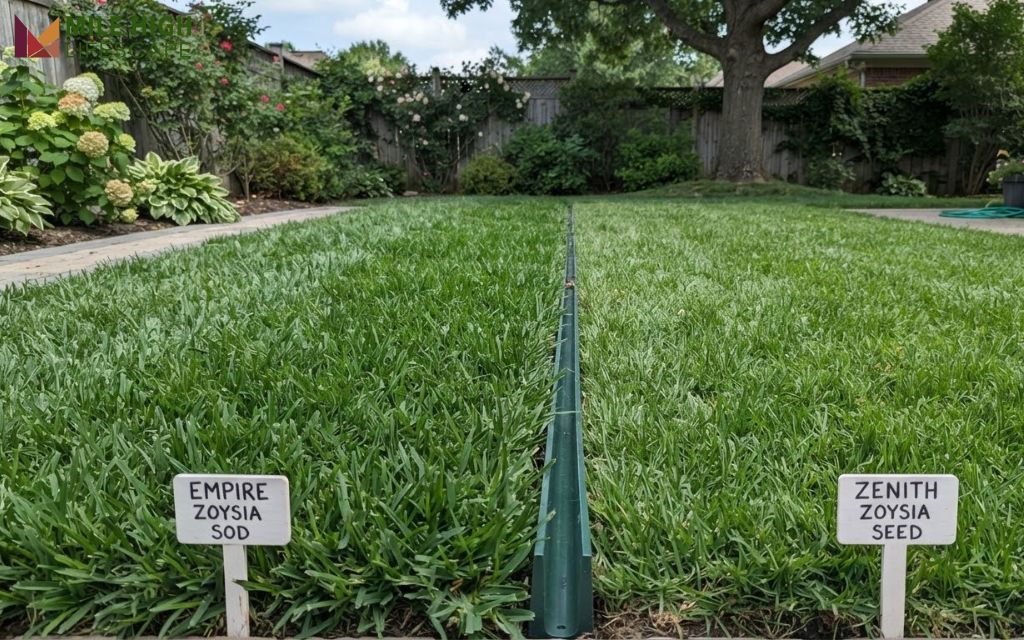
Empire and Zenith differ first in how you buy them: Empire comes only as sod, while Zenith is sold as seed or sod. That gap affects both cost and speed of cover.
Empire offers wider, softer blades, chinch bug resistance, and moderate to good shade tolerance for warm, humid lawns. Zenith costs less to establish from seed and carries a stronger cold record, but seeded turf ranks lower in quality than sodded varieties.
Emerald vs. Zeon zoysia
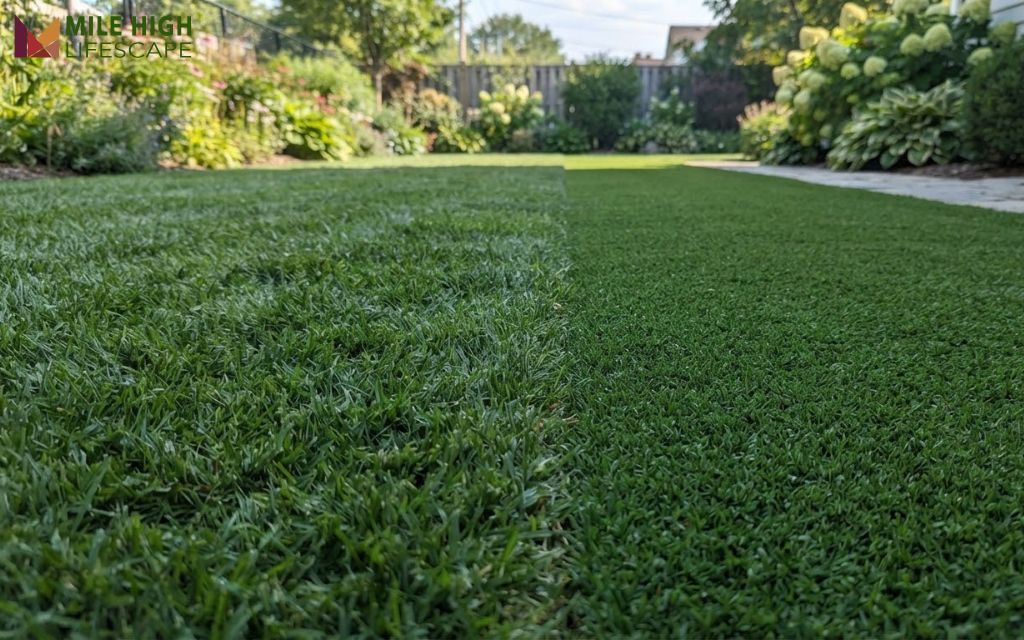
Emerald and Zeon both produce fine, dark green turf, but they differ in maintenance. Emerald thatches fast with excess nitrogen and suffers winter injury north of Columbia, South Carolina, per Clemson.
Zeon handles shade, drought, and wet spells well and builds less thatch. For most home lawns in the Southeast, Zeon is the easier fine-bladed choice.
What is the best zoysia grass for your yard?
The best zoysia grass depends on 4 site factors: winter lows, hours of direct sun, foot traffic, and mowing effort. No single variety wins every category, so match the grass to your most limiting factor.
Use these 6 situations to build a shortlist:
- For cold winters: Meyer, Zenith, and Compadre offer the strongest cold tolerance among zoysias.
- For partial shade: Geo, Royal, Zeon, and Emerald hold density better than coarse types, though all need several hours of direct sun.
- For heavy traffic: Compadre, Palisades, and Empire recover well from kids, pets, and play.
- For a fine, carpet look: Emerald, Zeon, and Cavalier deliver it, if you can mow low with a reel mower.
- For lower water use: Palisades has the strongest published data, from Texas A&M’s 2023 to 2024 deficit irrigation study.
- For starting from seed: Zenith and Compadre are the 2 dependable seeded options.
A zoysia that thrives in Georgia can fail in a short-season climate. Check any variety against your state extension office’s recommendations before you buy sod.
How to tell which type of zoysia you have
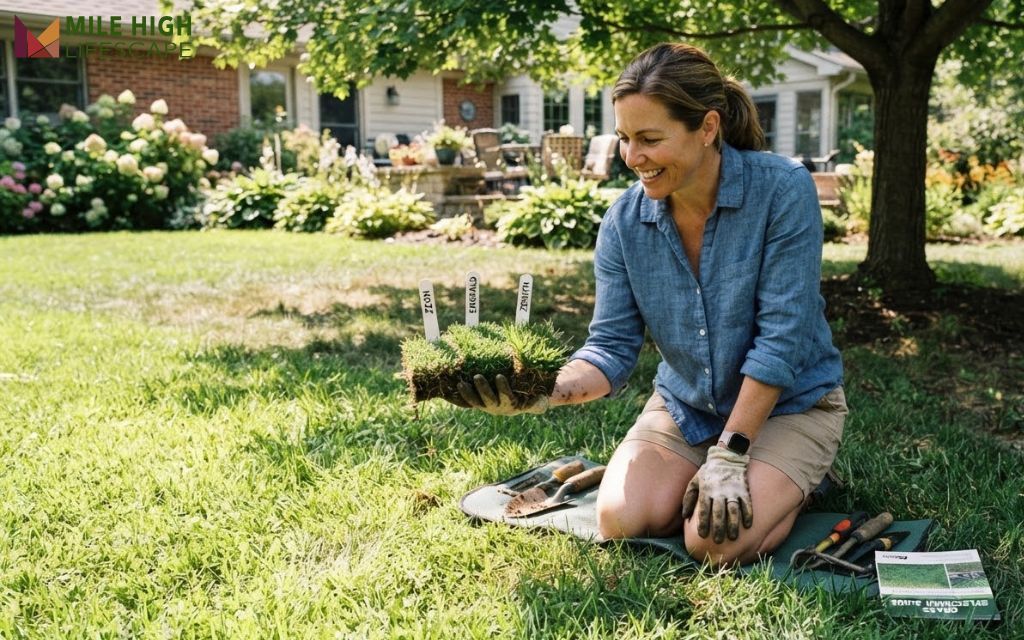
To identify your zoysia, compare blade width, color, and growth habit, then confirm with planting records. These 5 checks narrow it down:
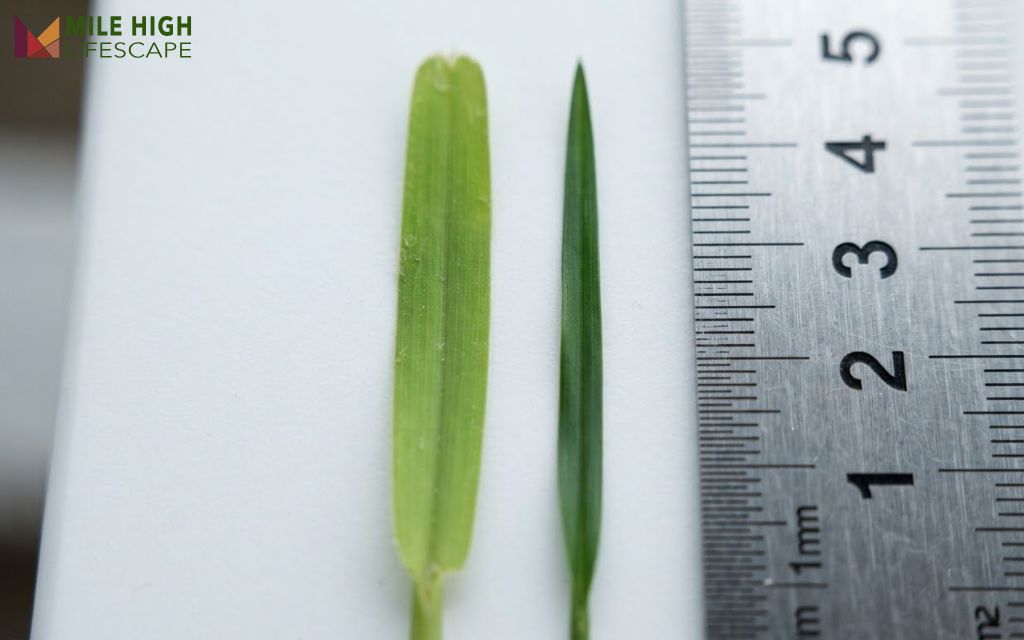
- Measure blade width: Coarse japonica types have wider, stiffer blades, while matrella types feel narrow and bristly.
- Compare color: Japonica types run light to medium green, and fine hybrids run darker.
- Check growth habit: Puffy, mounded clumps point to Zoysia pacifica rather than a lawn variety.
- Review records: Sod invoices, builder files, and HOA landscape plans often name the exact variety.
- Send a sample: Your county extension office can identify grass from a fresh plug or clear photos.
Can zoysia grass grow in Denver and Colorado?
Zoysia grass can survive in parts of Colorado, but CSU Extension does not recommend it for Colorado lawns, including the Denver Metro. In CSU’s turfgrass selection guide, we found 3 core problems: a short growing season, winter dieback, and no zoysia sod grown in the state.
CSU Extension states it plainly: “Zoysiagrass use is not recommended for Colorado.”
Why Colorado’s climate works against zoysia
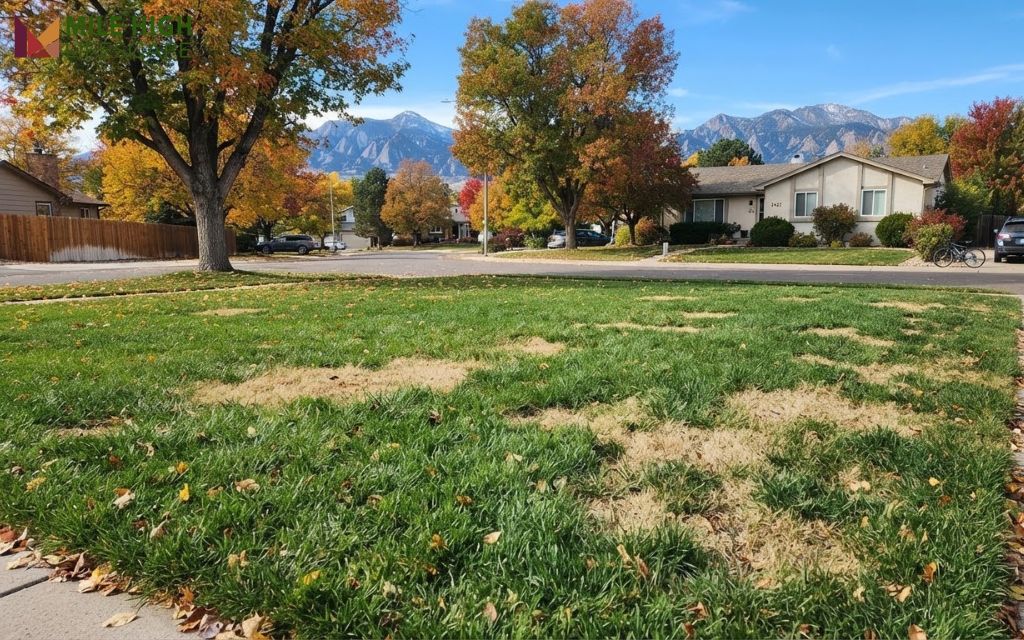
Zoysia needs long, hot summers, and Colorado summers are too short, with nights too cool, for strong establishment. A Colorado zoysia lawn stays green only from about mid-May to early October, per PlantTalk Colorado. It turns straw-colored at the first fall frost and stays that way until about May.
Our team has worked on Denver Metro lawns for over 20 years, and the local pattern matches CSU’s guidance. Front Range turf needs a grass that grows in spring and fall, not only in July and August.
What happens to zoysia plugs in Colorado lawns
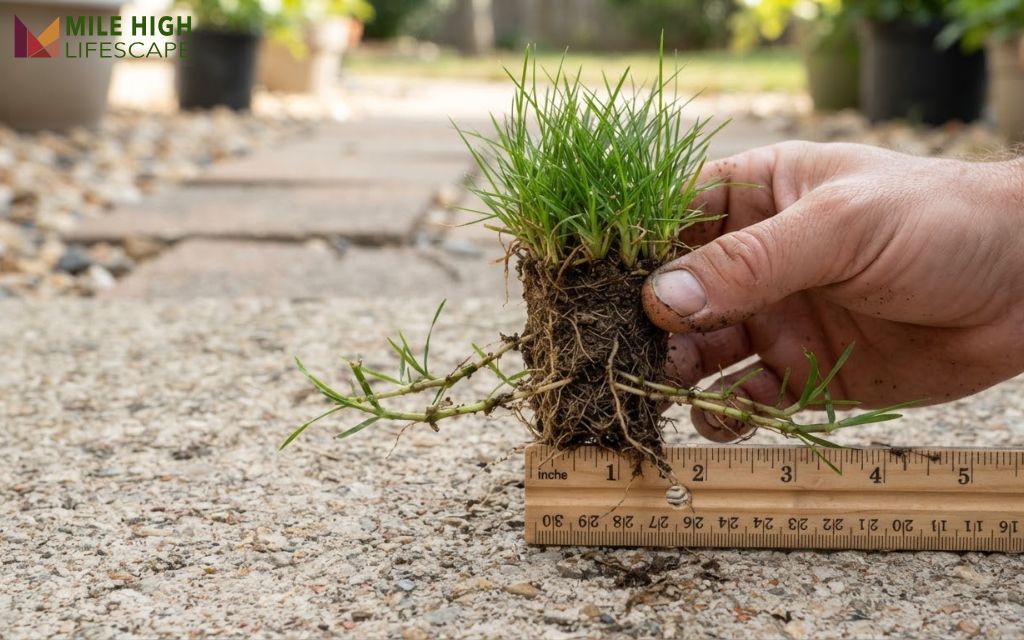
Mail-order zoysia plugs rarely fill in across a Colorado lawn. PlantTalk Colorado reports that the plugs stay in small patches, which gives the lawn a weedy, mottled look.
The patches also cause a removal problem. CSU notes that established zoysia spreads aggressively and is hard to eradicate, so a failed plug project can turn into a full renovation.
Where zoysia has a better chance in Colorado
Meyer is the one variety CSU Extension credits with adequate cold tolerance for the state. A CSU Extension expert also notes zoysia could work in Pueblo and Grand Junction, where summers run longer and hotter than in Denver.
Even in those towns, expect some winter dieback and a tan lawn from the first fall frost until spring. Homeowners who want year-round color should look at cool-season grasses instead.
Watering rules and establishment in the Denver Metro
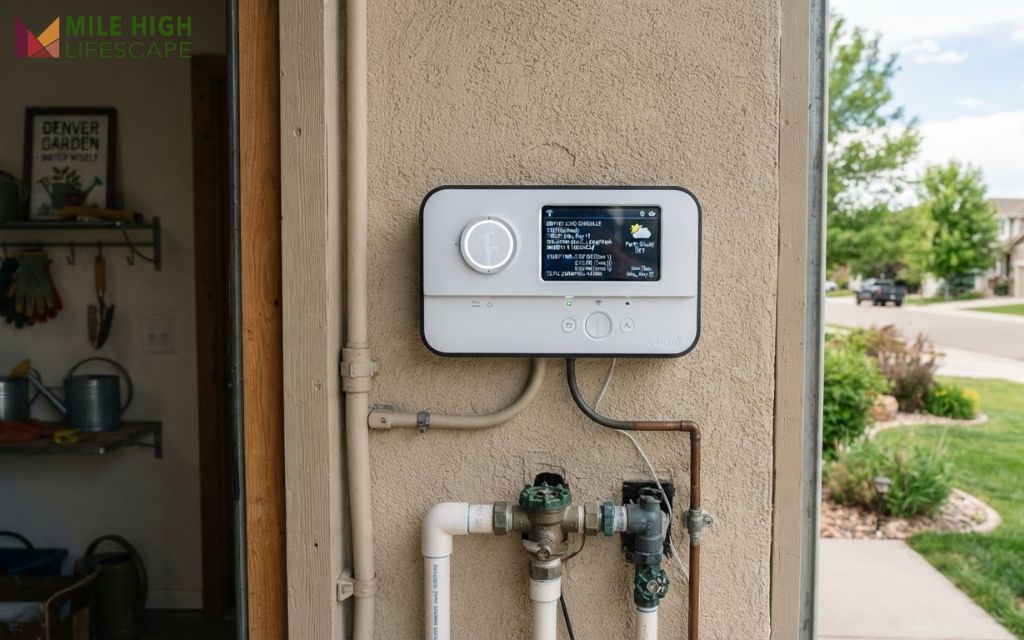
New sod of any species needs steady water in its first weeks, and Denver water rules limit that window. As of November 2026, Denver Water remains in the Stage 1 drought it declared on March 25, 2026, with 2 assigned watering days per week and no lawn watering from 10 a.m. to 6 p.m.
Denver Water has also prohibited lawn watering and spray irrigation since October 1, 2026, until its board acts again. Check your provider’s current schedule before ordering sod, and pair new turf with an efficient sprinkler installation that waters by zone.
Better-fit lawn grasses for Denver Metro yards
Cool-season grasses and native warm-season grasses outperform zoysia on the Front Range. CSU Extension sorts them by water use, traffic tolerance, and elevation.
Kentucky bluegrass and turf-type tall fescue
Kentucky bluegrass is the most widely used lawn grass in Colorado, and local growers produce high-quality bluegrass sod. It forms a dense, soft lawn but needs more water and nitrogen than other options and tends to build thatch.
Turf-type tall fescue tolerates drought, shade, heat, and cold. That range makes it a practical choice for yards with mixed sun and tighter water budgets.
Buffalograss and blue grama
Buffalograss and blue grama are native warm-season grasses that need little water and fertilizer. CSU Extension does not recommend either above 6,500 feet (1,981 m), and neither handles heavy foot traffic.
Both go straw-colored in fall, much like zoysia, but they evolved for Colorado’s short season. Buffalograss grows most actively from late May through early September.
Xeriscape for low-water yards
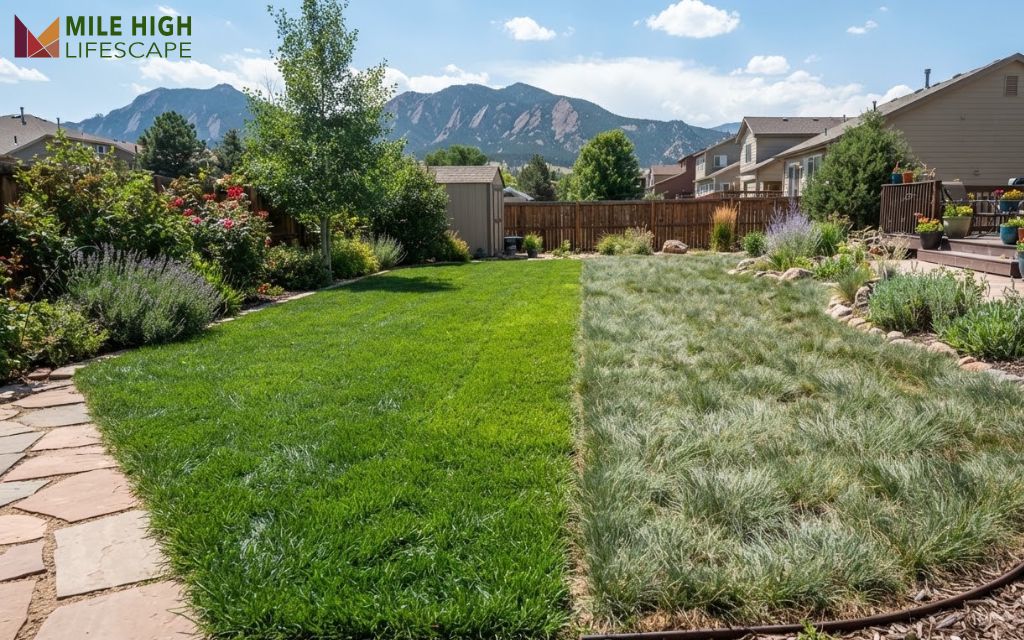
Some areas fit turf poorly, such as steep slopes, narrow side strips, and hot south-facing beds. Converting those spaces with xeriscape landscaping, using native plants, landscape rock, and mulch, cuts water use while keeping grass where people play.
Sod installation for Denver Metro lawns
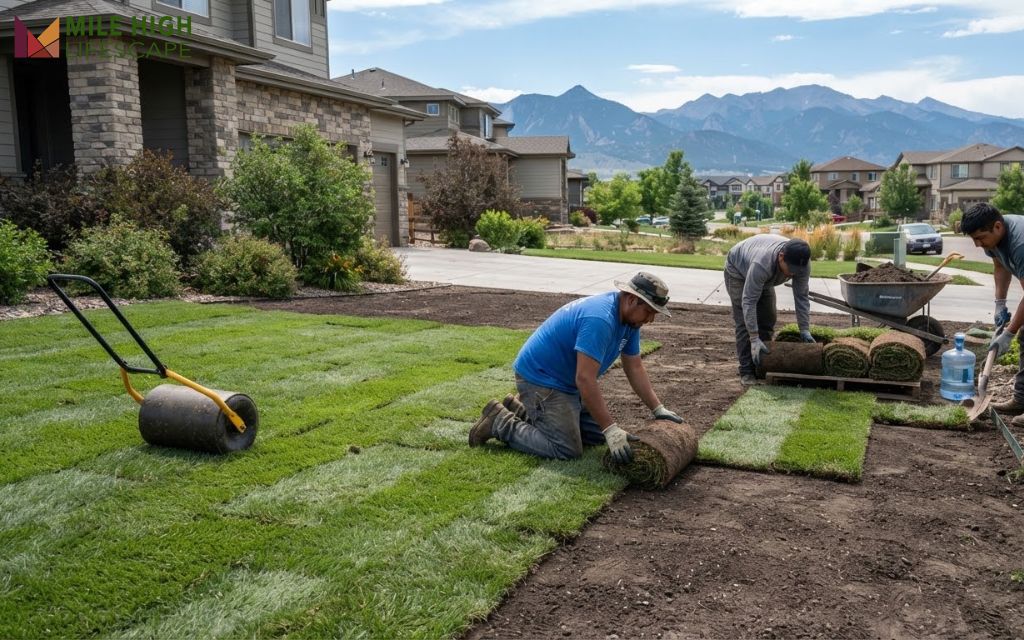
A new lawn succeeds or fails on grass choice, soil prep, and watering. Mile High Lifescape’s Sod Installation service helps Denver Metro homeowners start with sod that suits Colorado conditions instead of a warm-season grass that sits brown for half the year.
A professional sod installation covers 4 stages:
- Site assessment: The crew checks sun hours, slope, soil type, and irrigation coverage before choosing a grass.
- Soil preparation: Grading, debris removal, and amending heavy clay soil give roots a loose, level base.
- Sod placement: Rolls go down with tight, staggered seams and get rolled for full soil contact.
- Aftercare planning: Homeowners get a watering and first-mowing plan that fits current Denver Water rules.
With over 20 years of experience, our team serves Denver, Lakewood, Littleton, Centennial, Broomfield, Thornton, Westminster, Highlands Ranch, and nearby areas.
When to call a lawn care professional
Call a lawn care professional when none of the types of zoysia grass fits your site or when renovation outgrows a weekend project. These 4 situations call for an expert:
- Patchy zoysia plugs: Aggressive zoysia patches need full removal before new turf can take over.
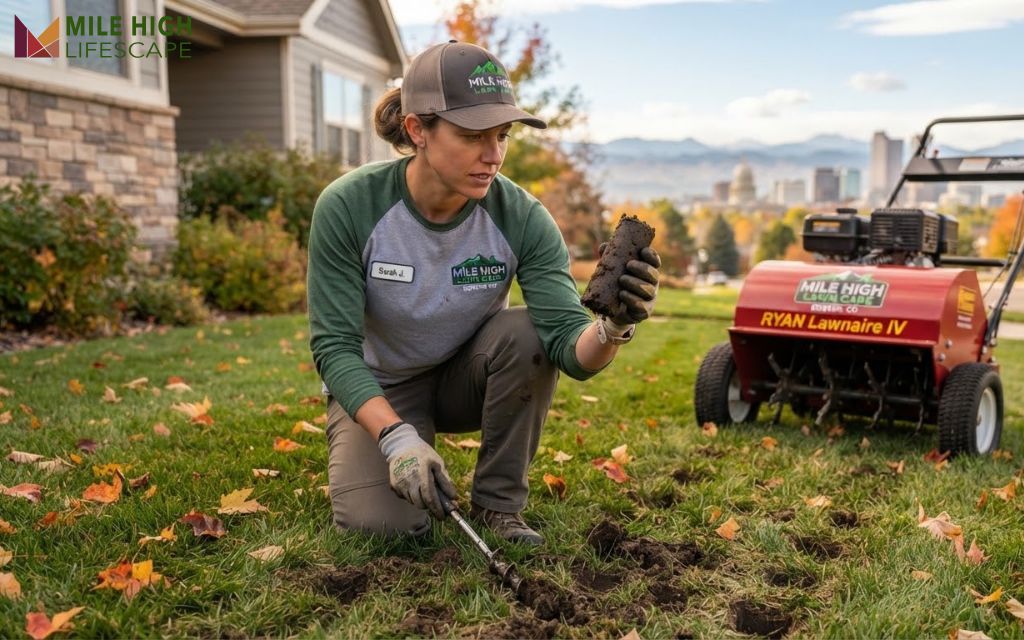
- Thin, compacted turf: Core lawn aeration and overseeding restore density in tired cool-season lawns.
- New lawn planning: A pro matches grass species to sun, traffic, and water limits before you spend on sod.
- Uneven watering: Dry spots and runoff point to irrigation problems that waste water under drought rules.
Our lawn care services in Denver include mowing, fertilization, weed control, aeration, and turf renovation for homes and commercial properties.
FAQs about zoysia grass types
How many types of zoysia grass are there?
Three zoysia species are grown for lawns: Zoysia japonica, Zoysia matrella, and Zoysia pacifica. Breeders have developed roughly 20 varieties from these species and their hybrids.
What is the best type of zoysia grass?
No single zoysia is best for every lawn. Meyer leads for cold, Geo and Zeon for shade, and Compadre and Empire for wear.
Which zoysia grass is the most cold tolerant?
Meyer (Z-52) is the most cold-tolerant zoysia. CSU Extension calls it the only variety with adequate cold tolerance for Colorado.
Can you grow zoysia grass from seed?
Yes, but only Z. japonica varieties such as Zenith, Compadre, and Chinese Common come as seed. Seeded zoysia establishes slowly and rates below sodded varieties in quality.
Is zoysia grass good for Colorado lawns?
No, CSU Extension does not recommend zoysia for Colorado. Short summers and cool nights keep it green only from about mid-May to early October.
Why does zoysia stay brown so long in cold climates?
Zoysia goes dormant at the first fall frost and waits for warm soil to green up. In short-season climates, that dormancy can last 7 months or longer.
Which types of zoysia grass handle shade best?
Geo and Royal earn excellent shade ratings from Clemson, with Zeon and Emerald close behind. All still need several hours of direct sun.