
Fall marks a turning point for every landscape. Plants shift from active growth into dormancy, soil temperatures begin to drop, and the growing season prepares to close. Applying mulch during this transition supports two distinct goals: refreshing beds before winter arrives and protecting root systems once the cold settles in.
This guide breaks down the benefits, timing, materials, depth, and common mistakes tied to mulch in fall, so you can match the right approach to your landscape instead of following a single generic date.
Benefits of mulching in fall
Mulch in fall does more than tidy up a bed before winter arrives. Applied at the right depth and time, it delivers several practical benefits:
- Soil insulation: Mulch protects roots from sudden freezes and reduces the physical damage that comes from repeated freeze and thaw cycles.
- Moisture retention: Mulch slows moisture loss, so beds stay hydrated through drier fall weather without requiring constant watering.
- Weed suppression: Weed germination drops in mulched beds heading into spring.
- Soil nutrition: Organic material such as shredded bark or compost breaks down over the cold months, adding nutrients back into the soil before the next growing season begins.
- Erosion control: On sloped beds, mulch holds soil in place during fall rain and snow instead of letting it wash away.
Timing still matters. Mulch spread too early, while soil remains warm from summer, can trap heat and moisture at the wrong moment, delaying the natural cooling that triggers dormancy in many plants. That timing question is worth answering before any mulch goes down.
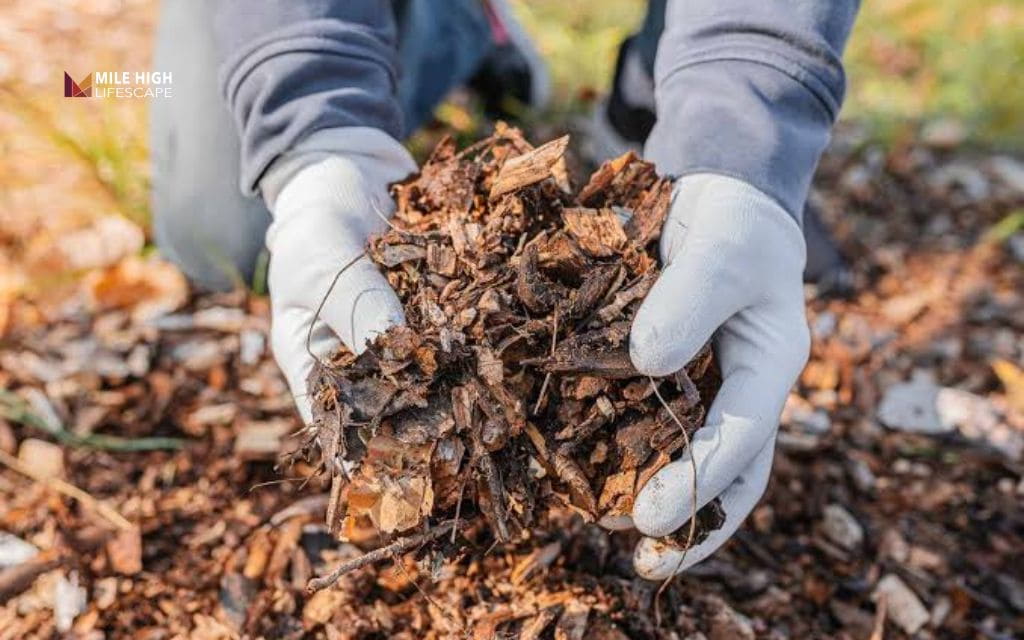
When to mulch in fall
Early fall: The routine mulching window
Early fall works well for refreshing existing beds, since the ground is still warm and workable and most plants have not yet entered dormancy. Spreading mulch now controls weeds heading into next season and gives beds a clean look through the following months. This window suits established beds that only need a top up rather than protection from cold.
Mid fall: The transition window
As days shorten and nights turn colder, soil starts to cool without freezing. This stretch still allows routine mulching for beds that were missed earlier, but it also marks the point to start watching local frost dates. Plants approaching dormancy signal that winter protection mulching is close, even if the ground has not frozen yet.
Late fall: The winter protection window
Once the first hard frost hits and plants have gone fully dormant, mulching shifts purpose. This is when a protective layer goes down around roots, trunks, and crowns to buffer against the freeze and thaw cycles ahead. Mulching before this point risks trapping summer warmth and delaying dormancy, so patience here pays off through the coldest months.
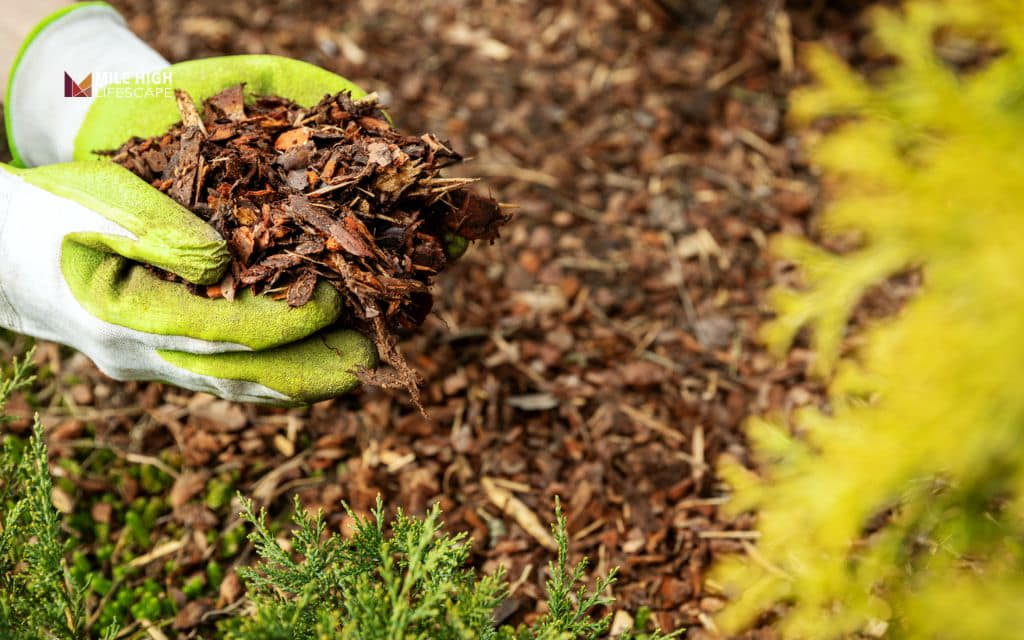
Best mulch materials for fall
Material choice determines how well mulch in fall insulates, retains moisture, and breaks down before spring. Organic materials generally outperform inorganic ones for fall protection, since they decompose and feed the soil, while inorganic options offer longer lasting appearance with less insulation value.
| Material | Best use | Notes |
| Shredded hardwood bark | Tree rings, shrub borders | Breaks down slowly, holds shape through winter |
| Wood chips | Larger beds, pathways | Durable but decomposes slower than shredded bark |
| Shredded leaves | Flower beds, perennial borders | Free and nutrient rich, ideal mulch for flower beds |
| Straw | Vegetable gardens, new plantings | Lightweight, insulates without compacting |
| Pine needles | Acid loving plants, sloped beds | Stays loose, resists compacting under snow |
| Compost | Any bed needing a nutrient boost | Best applied as a base layer under a coarser mulch |
| Decorative rock or gravel | Drainage areas, dry beds | Offers minimal insulation, not recommended alone for winter root protection |
Mulch depth and placement
Most planting beds need two to four inches of mulch in fall to insulate effectively without suffocating the soil underneath. Flower beds and areas with shallow rooted plants call for a lighter touch, closer to one to two inches. Piling mulch for flower bed areas too thick can trap excess moisture and encourage rot.
Placement matters as much as depth. Keep mulch several inches away from tree trunks, shrub stems, and plant crowns to prevent bark rot and discourage rodents from nesting against the plant. Piling mulch directly against a trunk, sometimes called volcano mulching, traps moisture against the bark and invites decay. Spread mulch in an even layer instead, tapering it down near the base rather than mounding it up.
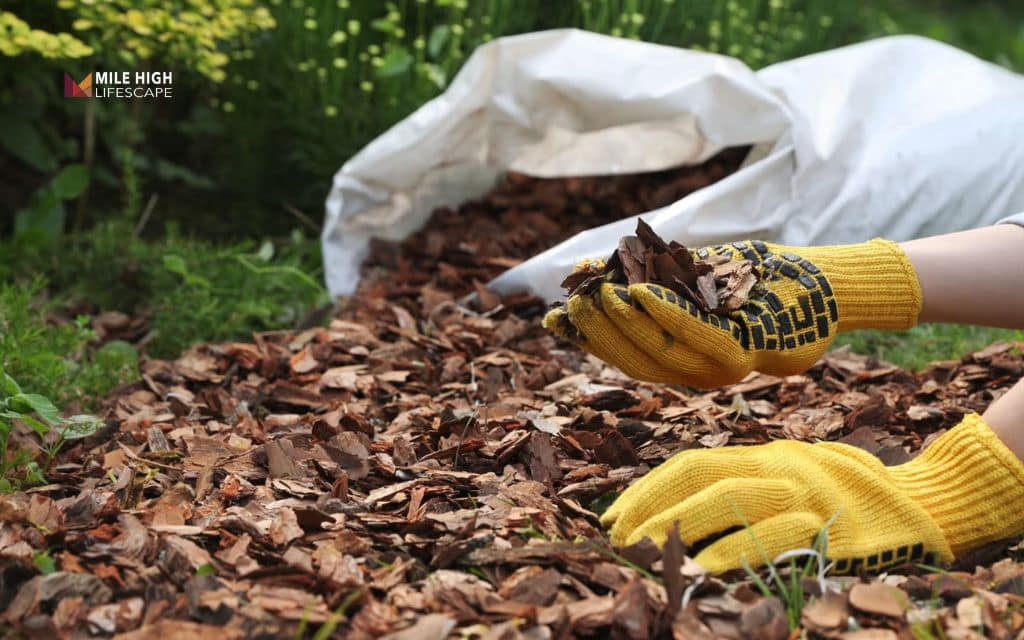
Mulching guide by plant type
Different plants call for different mulch strategies heading into winter. The table below outlines practical starting points by plant type:
| Plant type | Material | Depth | Timing note |
| Newly planted trees and shrubs | Shredded bark or pine needles | 2 to 3 inches | Mulch soon after planting to protect fragile roots |
| Established trees | Wood chips or shredded hardwood | 3 to 4 inches | Routine mulching, no need to wait for frost |
| Hedges and shrubs | Wood chips or compost | 2 to 3 inches | Routine mulching window |
| Perennials and flower beds | Shredded leaves or compost | 1 to 2 inches | Apply after plants die back or are cut back |
| Roses | Shredded bark or straw | 2 to 3 inches | Winter protection mulching, after dormancy |
| Evergreen shrubs | Wood chips | 2 to 3 inches | Helps buffer roots against winter wind exposure |
| Vegetable gardens | Straw or shredded leaves | 2 to 3 inches | Apply after harvest and a killing frost |
Common mulching mistakes to avoid
Even experienced gardeners run into avoidable problems when mulching in the fall. Following a few tips for mulching helps prevent the most common ones:
- Volcano mulching: Piling mulch directly against a trunk traps moisture against the bark and invites rot and pests, so keep mulch a few inches clear of trunks and stems.
- Applying mulch too thick: Excess depth suffocates roots and restricts oxygen and water movement, so most beds do best within the two to four inch range.
- Applying protective mulch too early: Spreading winter protection mulch before the first hard frost traps summer heat and delays dormancy, so wait until after the first hard frost.
- Skipping drainage checks: Heavy mulch on poorly drained soil holds excess water and encourages root rot, so check drainage first and adjust depth or material accordingly.
- Reusing old, compacted mulch without refreshing it: Compacted mulch blocks water and air from reaching the soil, so loosen or top off old mulch rather than leaving it packed down.
Conclusion
Fall mulching works best when treated as two separate decisions rather than one task. Refresh beds early in the season for appearance and weed control, then apply protective mulch after the first hard frost to shield roots through winter. Matching material, depth, and timing to each plant type carries a landscape through the cold months and sets it up for stronger growth in spring.
Mile High Lifescape‘s mulch installation services cover routine bed refreshes and winter protection mulching alike, tailored to each Denver landscape’s plants and soil. Call (303) 877-9091 to schedule a visit before the first hard frost arrives.
Frequently asked questions (FAQs)
Should I mulch in the fall?
Yes, for most landscapes. Fall mulching insulates soil, conserves moisture, and protects roots through winter, though the right timing depends on whether the goal is refreshing beds or protecting plants through dormancy.
What is the difference between routine mulching and winter protection mulching?
Routine mulching happens earlier in fall to refresh beds and control weeds. Winter protection mulching happens later, after the first hard frost, to insulate roots through the coldest months.
Do I need to remove old mulch before adding new mulch?
Not always. If existing mulch is under three inches deep and has not compacted, top it off with a fresh layer instead of removing it entirely.
Does mulching in the fall attract pests?
Mulch applied correctly, kept away from foundations and trunks, does not typically attract pests. Piling mulch too thick or too close to structures is what creates hiding spots for rodents and insects.
How do I mulch flower beds in the fall?
Use a lighter organic material such as shredded leaves or compost, applied one to two inches deep, and keep it clear of plant crowns to avoid rot.
Is spring or fall the better time to mulch?
Both serve a purpose. Spring mulching controls weeds as new growth starts, while fall mulching protects roots and soil through winter. Many landscapes benefit from a light refresh at both points in the year.